Tag Archives: travel tips

uzek women with bowls of yellow figs

Travel Photo Tips: How to Ask People to Take Their Picture

Have you ever fallen in love with an exotic food or crafts market abroad—the people, the treasures, the colors, the smells, the sounds—but you didn’t take photos because you didn’t know how to ask the local merchants for permission?  You’re not alone.  It’s a question that so many of us have grappled with: How can we approach people while we’re traveling and ask to take their photos? How can we better bridge that (potentially awkward) gap?

Even if you’re shy, it’s absolutely doable, as I learned by talking to our own Tim Baker, Wendy’s husband and globetrotting photojournalist. Tim is accustomed to asking people all over the world—such as these ladies at a market in Uzbekistan—if he can photograph them, and he is rarely turned down. Here are Tim’s key tips:
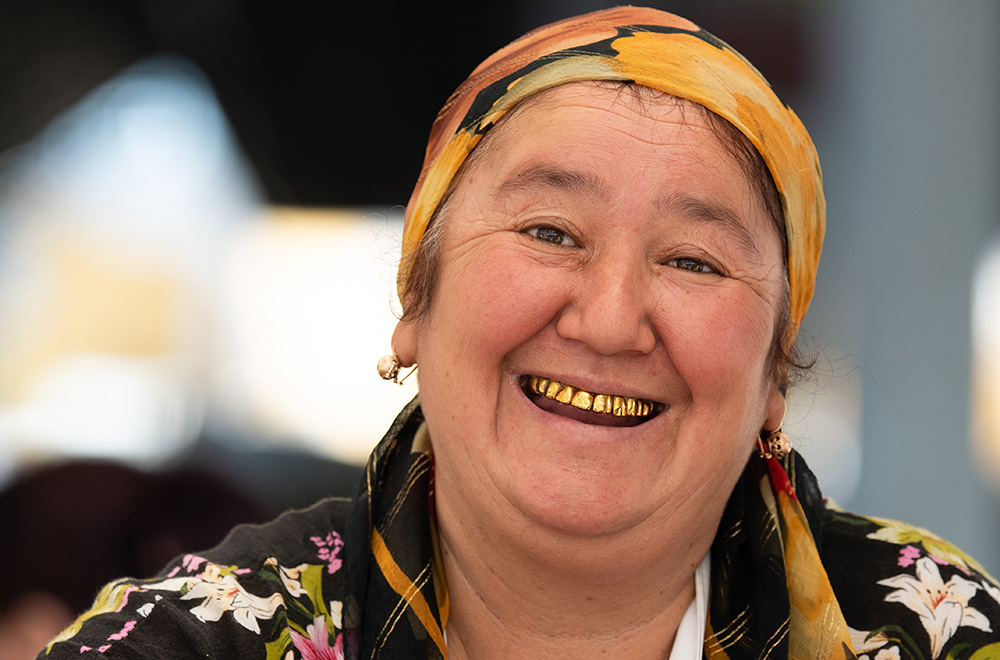
Uzbekistan old woman smiling with gold teeth

Gold teeth are something of a fashion statement in Uzbekistan. Photo: Timothy Baker

  • Indicate why the moment is worth capturing. “First, remember that everyone is different,” says Tim. “Some people love having their picture taken. Others, not so much.” If there’s no language barrier, explain why you feel moved to photograph the moment. Maybe the light is gorgeous, or their blue shirt reflects the blue sky.
  • If you don’t speak the local language, raise a camera halfway, pause, and look at the person. That is a universally understood gesture. “You will definitely be able to tell whether they’re okay with it,” says Tim. With the Uzbek woman above (in the same market), Tim conveyed through gestures why he felt moved to photograph her: He gestured that he admired her gold teeth, and she was proud and happy to be photographed.
  • Work quickly. Have your camera–or phone–ready to go, as Tim did at a roadside stop during a drive through Morocco, below.
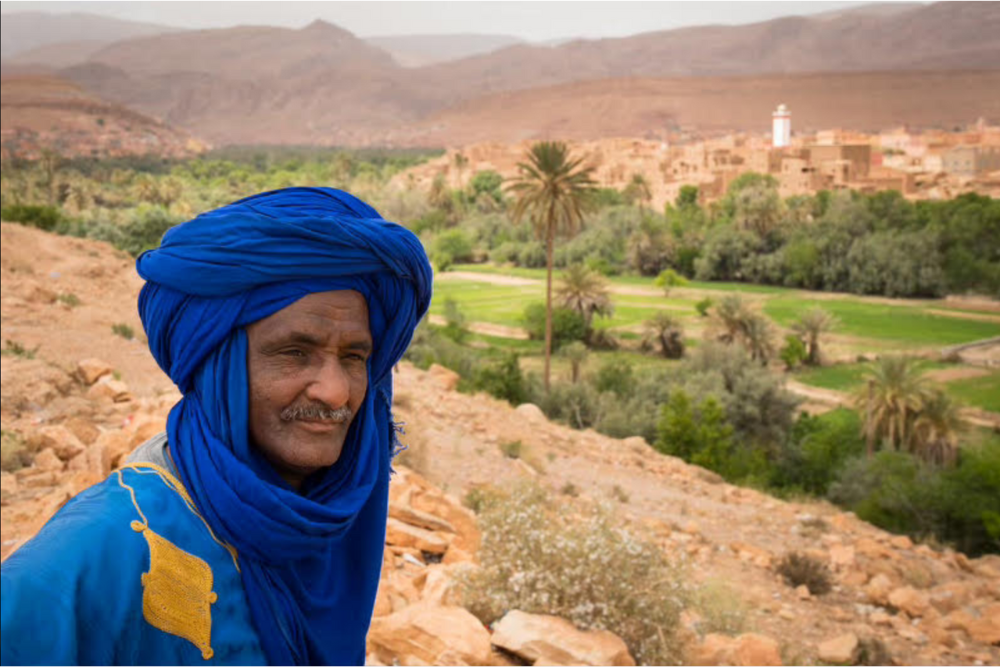
Moroccan man dressed in blue and yellow turban stands.

A stranger we met on the side of a road in Morocco. Photo: Timothy Baker

  • As a thank-you, you can offer to share the picture with them.  You can do so via Airdrop— which does not require exchanging contact info—or WhatsApp. Taking someone’s photo can be a way of sparking a friendship.
  • If you have the luxury of time, become a familiar face.  You can introduce yourself to a merchant or a street artist one day, then come back the next to take pictures. That way, you’re a familiar face rather than a random passerby.
  • If they are selling something—art, food—pay them, ahead of time if possible. “It may be their source of income,” says Tim. And you might get a nice remembrance.

Keep in mind too: It’s relatively easy to get pictures of people, and you with them, when you’ve got locals with you who are smoothing the way, as the WOW List travelers below had.

START AN EXCEPTIONAL TRIP

Morocco: “With Jamal and Majid at our sides, it felt like we were traveling with friends we had known for a lifetime…”
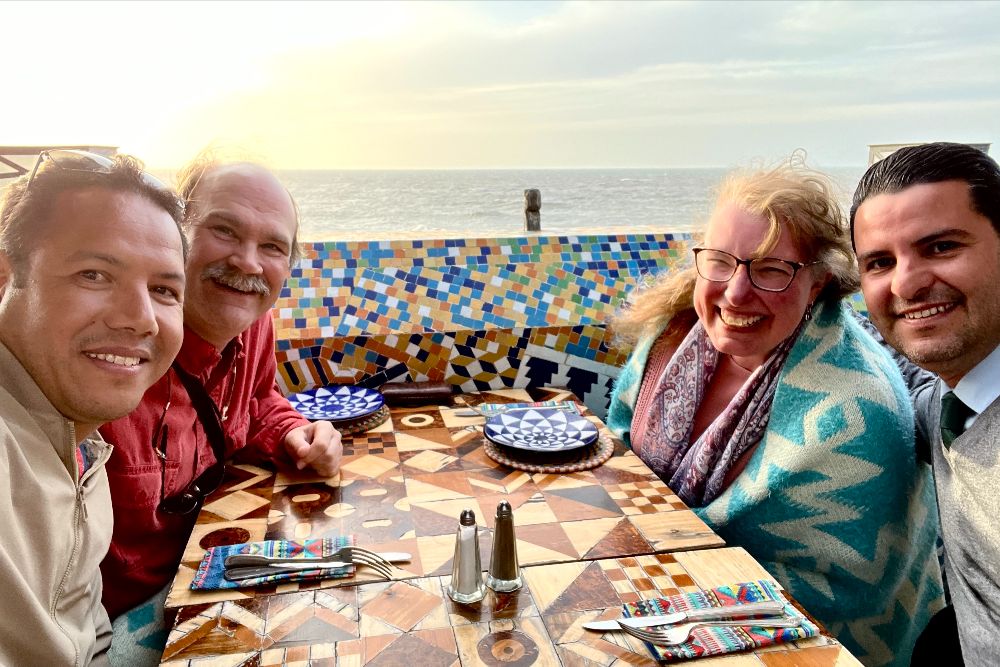
Travelers Craig and Stephanie Smith with their driver and guide having dinner on the rooftop terrace of Essaouira's Salut Maroc, Morocco.

Craig and Stephanie Smith had a farewell dinner on the rooftop terrace of Essaouira’s Salut Maroc with new friends, private guide Jamal and driver Majid.

“We just returned from an amazing two weeks in Morocco. We told Radia that what was most important to us was to have a stellar guide. We also told her that we have a strong interest in music and would like to incorporate learning about Gnawa music in some way. And we told her that our hotel preference was to stay in riads instead of international chain hotels.

From the moment we were met at the Casablanca airport by our private guide Jamal and private driver Majid, we knew that we were in for an incredible trip. They were both so hospitable!  Jamal was incredibly knowledgeable about the culture and history of his country. He was very attentive to all of our needs, and he made us laugh a lot. He made sure that we saw everything on the itinerary and then some.

We stayed in beautiful riads with a very personal touch and enjoyed all kinds of delicious food. In addition to seeing many historic sites (mosques, synagogues, palaces, medinas, souks, tanneries), we also had adventures. We went for a camel ride and rode ATVs in the desert. We went for a hot air balloon ride outside of Marrakech. We went for a hike in the High Atlas Mountains from Imlil to Armed. One of our favorite activities was the sunset motorcycle sidecar tour of Marrakech, suggested by Radia. We felt like we were in a movie, riding through the Palmerie and the medina in comfortable, roomy, sidecars. A definite must-do!

Another highlight was an impromptu visit to the Todra Valley for lunch at Jamal’s family’s home. We were so honored and humbled to be invited into their home for lively conversation and a delicious lunch. And, to satisfy our musical interest, Radia organized a thoroughly enjoyable private Gnawa music workshop with master musician Najib Soudani in Essaouira.

With Jamal and Majid at our sides, it felt like we were traveling with friends we had known for a lifetime. The itinerary was wonderful, but they made the trip into an experience that we will cherish forever.” —Stephanie and Craig Smith

Read more reviews of Morocco trips. To get your own WOW trip, start with our trip questionnaire, reached via the black button below.

START A TRIP TO MOROCCO

Sri Lanka: “Miguel set up a cooking class, a mask carving and painting workshop, and visits to a cinnamon plantation and to a tea factory. He had us hike a segment of the Tea Trail…”
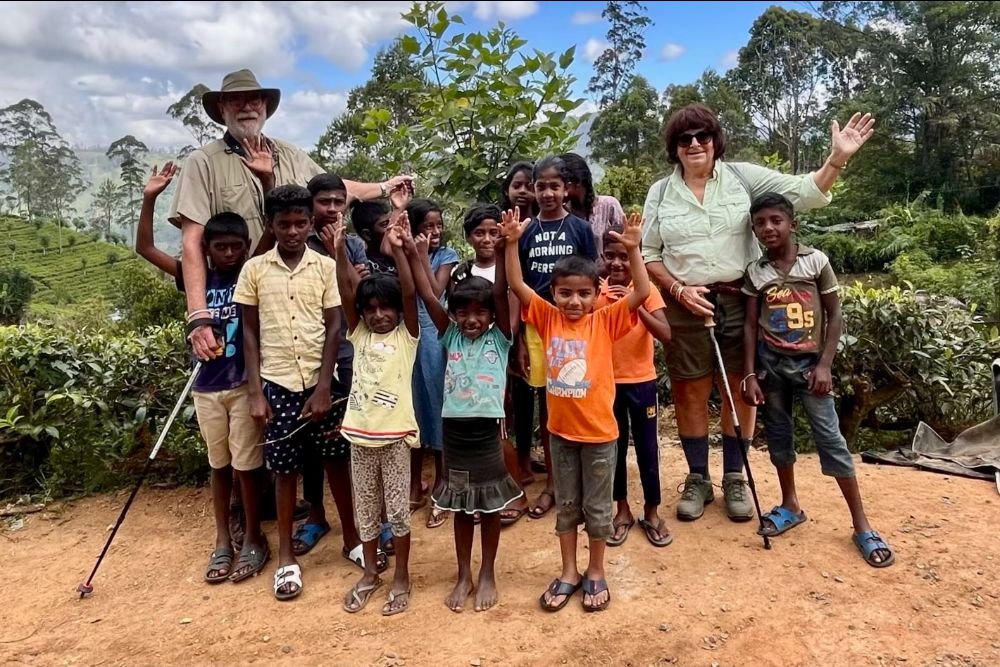
Travelers surrounded by village kids on their Tea Trail hike in Sri Lanka.

Jan Heininger and husband Jamie Reuter meeting village kids on a Tea Trail hike.

“We had a three-week trip to Sri Lanka planned by Miguel. This very interesting trip covered almost the entire country, from the Cultural Triangle with its archaeological ruins, cave temples and Buddhist sacred sites, its historic capitals of Anuradhapura and Kandy, its largest national park (Yala) famed for its leopards, its gorgeous Indian Ocean beaches, its colonial past displayed in the Galle Fort, and its myriad of agricultural products, especially tea and cinnamon.

Miguel also ensured that we had a flexible schedule. Our driver, Thissa, could say, “Let’s stop and see that bird,” or we could stop and taste a Golden coconut or visit a local market where we were introduced to many unfamiliar vegetables and fruits that are essential elements of Sri Lankan cuisine.

Miguel had us stay in wonderful places, including two Aman resorts on the south coast. At Amanwella, we took one of the best cooking classes we’ve ever had with the Executive Chef. At Amangalla in Galle Fort, we went for a bike ride in the countryside (beware of heat exhaustion), toured the Fort with a terrific local guide, and had a workshop making and painting traditional Sri Lankan masks. Miguel also booked us into Castlereagh, a five-room, former tea plantation manager’s bungalow. We were told to treat it like our home—just tell them what we wanted to eat and when.
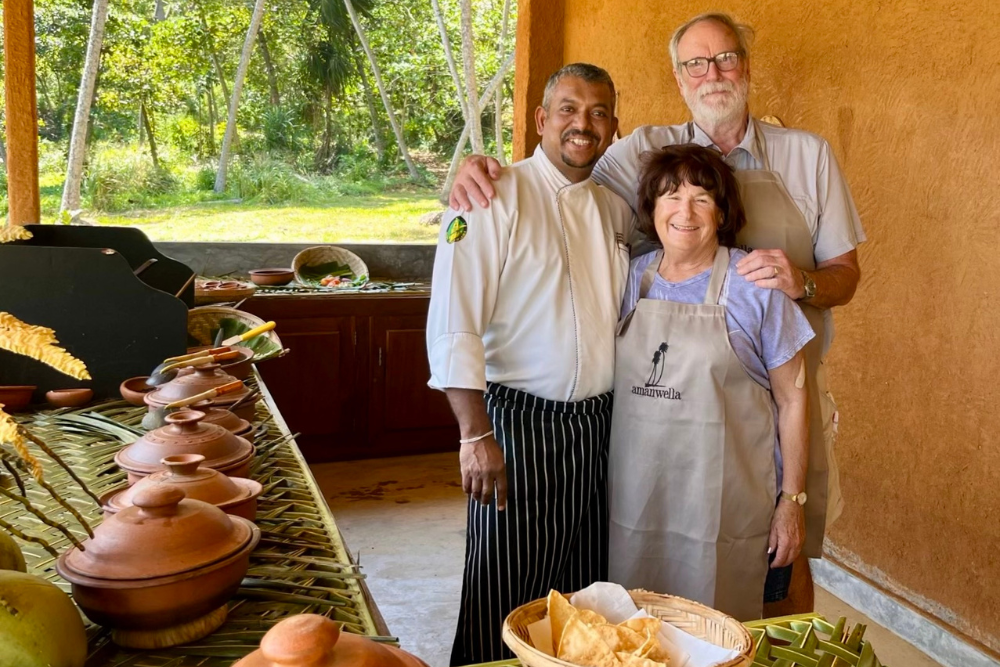
Travelers with the chef at their cooking class in Amanwella, Sri Lanka.

Jan Heininger and husband Jamie Reuter cooking with the chef of Amanwella.

Miguel set up wonderful experiences including the cooking class, a mask carving and painting workshop and visits to a cinnamon plantation and to a tea factory. He had us hike a segment of the Tea Trail where we interacted with women tea pickers and with kids and villagers we encountered along the way.

We could not have planned this trip by ourselves. Miguel has access to unique experiences. We spent an afternoon in Kandy with an artist and his artist daughter. Miguel directed us to accommodations he knew would meet our not-even-known-to-us needs. The night before we left Sri Lanka, we were lucky to have dinner with Miguel and his lovely wife. It was a treat to meet with and talk to the man who was behind our trip.

What makes Wendy’s trip specialists stand out from the usual run-of-the-mill travel agents is that they—and Miguel—listen carefully to what you’re looking for in a trip. They have access to experiences you could never find on your own and include things you had no idea you wanted and end up delighted you experienced them. The mask my husband carved from a block of balsa wood and the two we painted are off being framed right now and will always be physical reminders of our time in Sri Lanka.” —Jan Heininger

Read more reviews of Sri Lanka trips. To get your own WOW trip, start with our trip questionnaire, reached via the black button below.

START A TRIP TO SRI LANKA

Belize: “The Belizeans are creating a wonderful and mixed culture ripe for all sorts of tourism…”
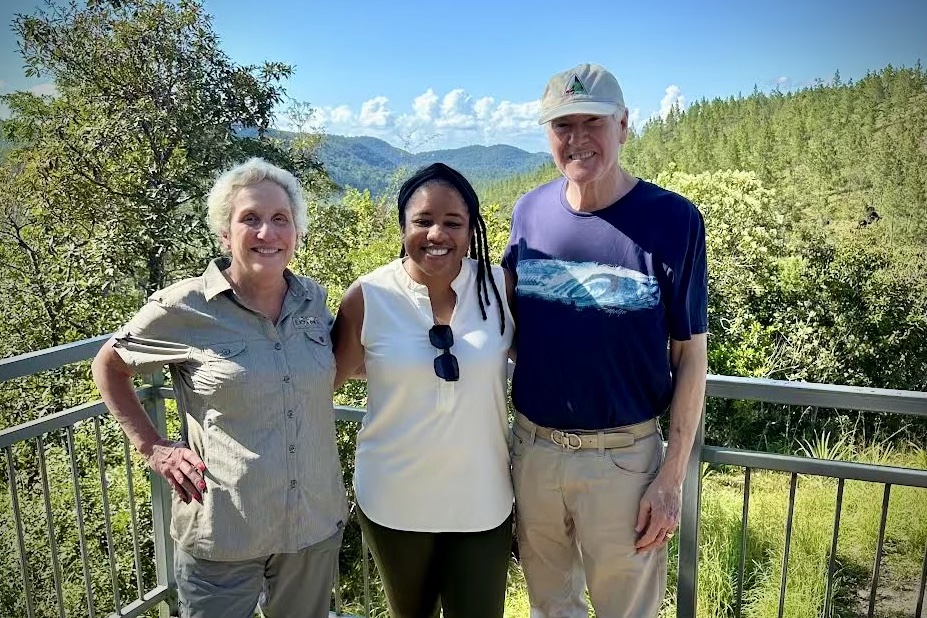
Our travelers Salena and Allen Kern with WOW Lister Patricia Johnson in Belize.

WOW Lister Patricia Johnson joined Salena and Allen Kern for lunch one day.

“My criteria was a direct flight from Newark, warmth, a place we’d never been to with lots to do if we wished, and a Wendy Perrin advisor. It took about a minute to find Belize and Patricia. And we were off…. Patricia recommended a few places to stay, and two of the resorts (one in the jungle and the other on the beach) were owned by Francis Ford Coppola. Who knew? Not I, for sure. Well, my husband was an extra in Apocalypse Now many years ago and that was that. He was thrilled to be seeing what Coppola had created in Belize. Both resorts were beautiful but Blancaneaux Lodge was one of the nicest places I have stayed in my life.

We climbed ruins, rafted through a cave that should have been a cathedral, and visited an entrepreneurial coffee ‘factory’ amongst other things. Most important to me, however, was that we got to know something about the current economy of this young country and much about its varied cultures.

On our first full day, we were surprised by our WOW Moment. At this most beautiful site, overlooking a series of waterfalls, we were served lunch by a local family (now, Patricia did know that I am a bit of a foodie) who served us a traditional Mayan lunch, nouvelle-style. The family has a catering company called U Janal Masewal, Ancient Recipes for a Modern World. That sort of sums up my worldview too. We were happy! And Patricia met us there for lunch. Thank you, Patricia and Wendy.

This lunch opened our eyes to what was happening in the local communities. The Mayan culture isn’t stuck in the past or lost, as it is in Chiapas, Mexico, where I visited last year. The Belizeans are creating a wonderful and mixed culture ripe for all sorts of tourism. Our week in Belize was full of surprises. I would recommend it to older people like us, to young families, well, to anyone who likes travel.” —Salena Kern

Read more reviews of Belize trips. To get your own WOW trip, start with our trip questionnaire, reached via the black button below.

START A TRIP TO BELIZE

South Korea: “Endless exploration of food, and an opportunity to witness the magic of the rural countryside…”
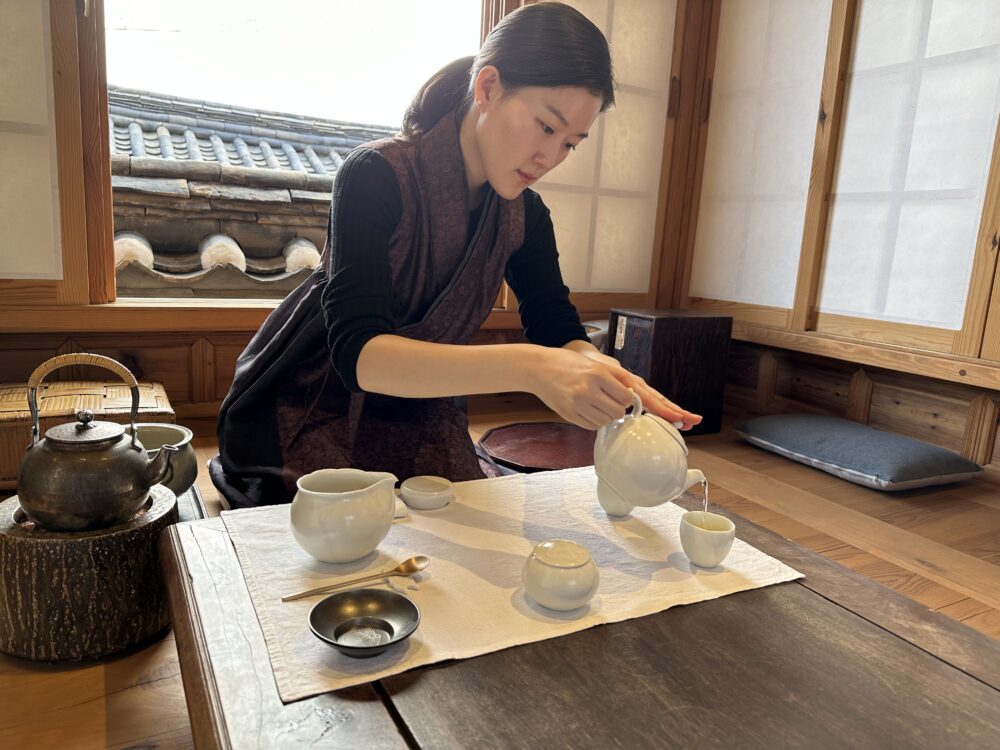
A tea sommelier at the Rakkojae Seoul Bukchon Village Hanok Hotel, South Korea.

A tea sommelier leads a tea tasting in Korea. Photo: Traveler Michael Ruma

“Drawn to Seoul to attend a business meeting, we decided to extend our Korean journey to explore a loop of the southern half of the country. With limited knowledge of the culture, food, and scenery of South Korea, we reached out to Wendy, who pointed us to Grant. Grant was easy to reach, listened attentively to our travel interests, and collated a well-curated agenda for my wife and me, along with two friends joining us from Saipan.

Getting to Seoul is not the hard part. The excitement starts as you begin to journey into one of the most densely populated cities in the world. Fortunately, with Grant as our travel organizer, we did not have to worry about managing the language barrier, the poor functionality of most US-based map apps, or the extensive Seoul transit system. Prior to departure, Grant asked important questions about our likes and dislikes and then created an itinerary which evolved into a spectacular journey of big cities, endless exploration of food, and an opportunity to witness the magic of the rural countryside.

Our first stop was the Park Hyatt Seoul, a stunning and well-situated hotel with superb service. During our time in the Korean capital, we sampled the highest quality Korean BBQ, innumerable variations of seafood, a tea tasting and a Korean liquor tasting. Despite a population of over 25 million in a concentrated area, we were struck by the city’s cleanliness, convenience, and kindness of its people.

Following Seoul, we travelled to Jeonju. After an efficient high-speed train ride, we checked into the Lahan Hotel overlooking the traditional Hanok village, which allowed for an easy stroll to any of the shops or restaurants that make this area a UNESCO City of Gastronomy. Following the recommendation from the chef who taught us how to make beef bulgogi in Seoul, we went to her favorite place for bibimbap and seafood pajeon.

After eating and drinking our way around Jeonju, we traveled by car to Gwanju in the southwestern portion of the country. On our drive, we were immersed in the beauty of the Korean countryside, taking a moment to stretch our legs with a nice autumn walk at Hwaeomsa temple. A stunningly beautiful site of quietude, we wandered the numerous Buddhist temple buildings and pagodas, with each vantage point offering a better view of the surrounding mountains. Informed by our guide that guests are allowed to reside overnight in this special place, we plan to come back soon to try out a ‘temple stay.’ ” —Michael Ruma

This trip was arranged by a WOW List candidate. Here’s what that means.

Ask Wendy

Chile, Peru, and Bolivia: “My Quechuan guide and driver introduced me to so many aspects of the local culture…”
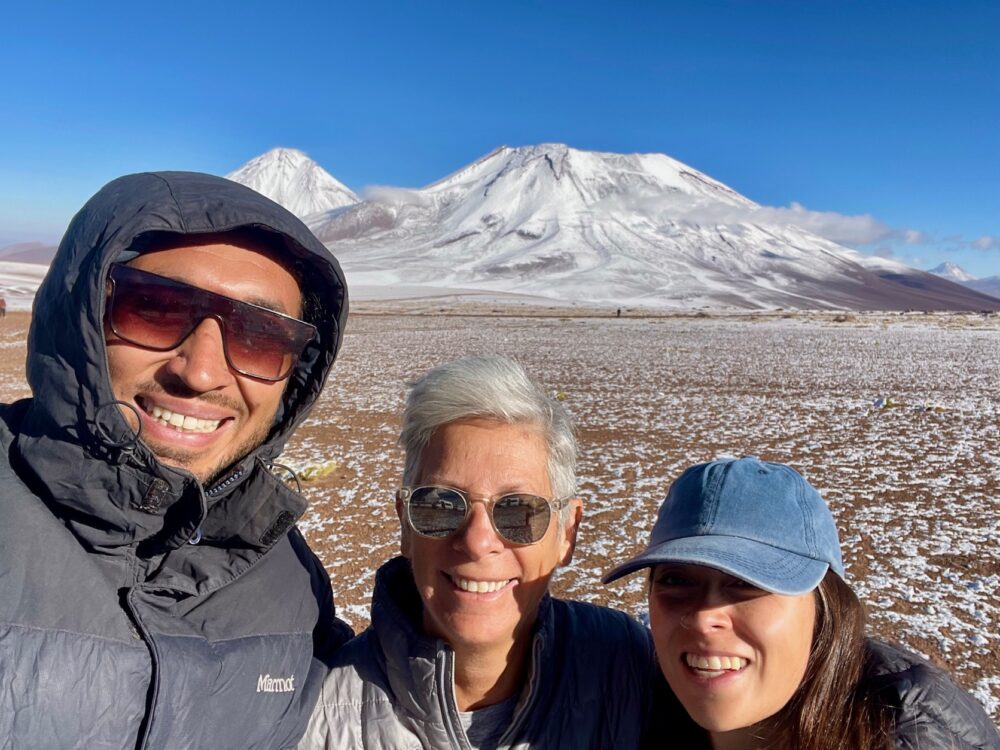
Milinda Martin with her private guide and driver in Chile's Atacama Desert.

Milinda Martin with her private guide and driver in Chile’s Atacama Desert.

“Recently, Wendy has been recommending South America, and I’m so grateful I took advantage of this. Despite the warm temperatures, there were few tourists, which ensured a really authentic experience. Ashton helped me plan an extended trip to all my desired destinations: Torres Del Paine, the Amazon Basin, Lima, Santiago, Valparaiso, the Atacama, and the Altiplano of Bolivia.

For the Amazon, I asked for somewhere that didn’t have a ton of tourists, which took the cruises out of Iquitos off the agenda. Instead, Ashton recommended Posada Amazonas, an indigenous cooperative that sits on the Tambopata River in Peru. Here, I was the only guest for the first two days, so fully enjoyed my hikes, boat rides, and village visits that allowed me to see how life is lived in this region. The rooms are open to the rainforest, which made for magical evenings full of sounds. And it did rain on several days, which sounded one thousand times better than any recorded soundscape!

Then it was time for a few cities—Lima, Santiago, and Valparaiso. In Lima, Ashton and Wendy arranged a WOW Moment, which was right up my street: a ceviche lesson, tasting, and tour with Marisol. We went all over the city, sampling different types of ceviche and learning about this rich Peruvian tradition.

My last stop was my favorite part, four days in San Pedro de Atacama, followed by a four-day ‘travesia’ across the Altiplano to the Uyuni Salt Flats. My Quechuan guide and driver introduced me to so many aspects of the local culture, including participating in the carnival celebrations. We hiked up volcanoes, sat in hot spring pools, rode bikes through slot canyons, and ate all the local dishes. On our final evening in Uyuni, after indulging in a wine/tapas al fresco meal, it started to rain, which meant the salt flats became a mirror of the skies.

My favorite aspects of working with one of Wendy’s experts is the ability to customize when/where I’m going, to focus on places that are not overrun with tourists, to meet the local people and see how they live, and to get outside and really feel a part of the stunning landscape. Onwards!” —Milinda Martin

Read more reviews of South America trips. To get your own WOW trip, start with our trip questionnaire, reached via the black button below.

START A TRIP TO SOUTH AMERICA

Vietnam & Cambodia: “The lunch they had prepared for us, hosted by a lovely Cambodian family on their floating dock, was amazingly delicious…”
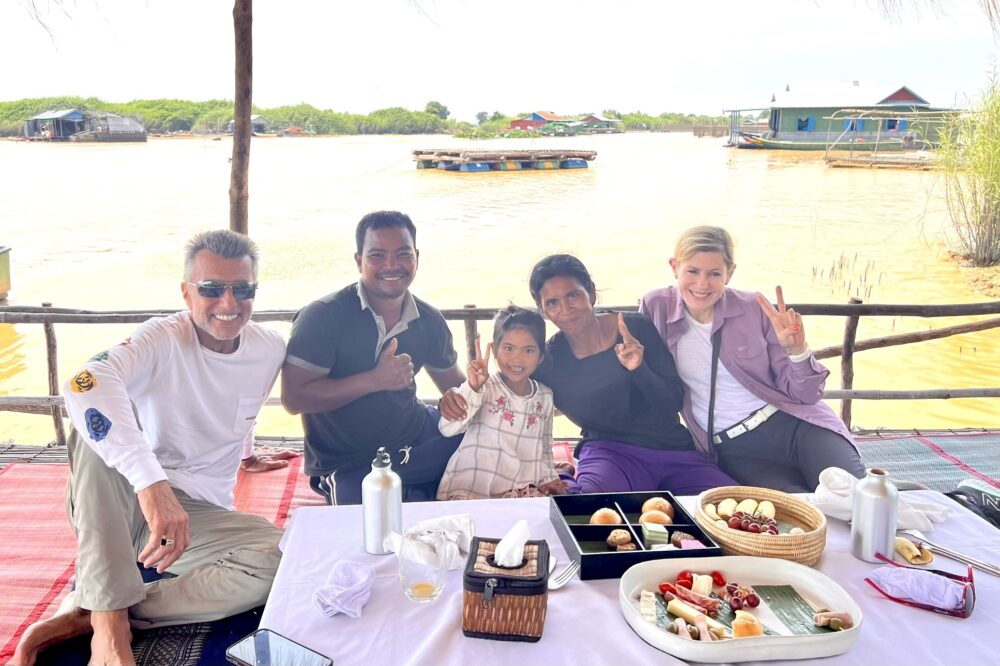
Traveler Sharon Theroux and her husband were hosted for lunch by a local family in the floating village of Prek Toal near Siem Reap, Cambodia.

Sharon Theroux and her husband were hosted for lunch by a local family near Siem Reap.

“My husband and I just returned from our second trip to Southeast Asia, both of them through Sandy and Ethan’s office. Someone once said, ‘We travel not to escape life, but for life not to escape us.’ That couldn’t be more true about our experience. This year, we spent one week in Saigon, followed by one week in Siem Reap.

In Saigon, we stayed at the Majestic Hotel, which was a perfect location on the Saigon river and at the heart of the city. Sandy and Ethan were able to get us the same room on the same floor we had last year, #317, which had an outdoor garden where we had coffee in the morning. So beautiful. The ride up the Saigon river to Can Gio nature reserve provided a well-needed ‘Nature Bath’ while boating through mangroves, hiking through jungles, and feeding crocodiles and monkeys. What a major de-stressor and complete departure from our day-to-day life back home!

Our next leg of the trip was the Jaya House at Siem Reap, which is where we stayed last year. The Jaya House is one of my favorite places on earth. Upon arrival, we met with Christian, the property manager, who made sure we were scheduled for our daily massage. After recently experiencing a running injury, I was very happy to take him up on that offer! Those daily massages really helped me to heal from injury, as well as reduce a year full of stressors from back home.

We took an excursion to the margins of Tonle Sap Lake, the largest lake in Cambodia. On this boat tour, we traveled back in time to see a floating fishing village, where people survive with very little, some without electricity. And yet, the people there smiled and waved at us as they went about their life, and we saw the children happily playing with each other and swimming in the water. I learned that if they could be happy with so little, I don’t need to sweat the small stuff at home. And the lunch they had prepared for us, hosted by a lovely Cambodian family on their floating dock, was amazingly delicious, with a charcuterie that rivaled that from NYC! I would highly recommend traveling to Southeast Asia in general, and with Sandy and Ethan more specifically, if you are looking for a truly authentic, immersive, and life-enhancing experience.” —Sharon Theroux

Read more reviews of Southeast Asia trips. To get your own WOW trip, start with our trip questionnaire, reached via the black button below. 

START A TRIP TO SOUTHEAST ASIA


Be a smarter traveler: Sign up for Wendy’s weekly newsletter to stay in the know. Read real travelers’ reviews, then use the black CONTACT buttons on Wendy’s WOW List to reach out to the right local fixer for your trip.

Here’s Why Your Family May Want to “Pool” Your Airline Miles

More and more airlines are allowing passengers to “pool” their miles in a shared account. What does this mean? It’s a quicker path to award tickets, particularly for families. If two parents and two kids each have 15,000 miles in separate accounts, those miles aren’t particularly useful. But a combined pool of 60,000 miles can probably cover at least one person’s flights on the family’s next trip.

Here’s how it helped me snag two free seats: My husband and trumpet-playing son are headed to a trumpet conference. By pooling the mileage they had collectively earned on past United flights, we were able to accumulate enough miles to cover this trip. Airlines that don’t allow mileage pooling extract hefty fees when you don’t have quite enough for an award ticket: You must pay either to “gift” miles to someone else or to buy the extra miles you need.

In this case, my husband and son each had enough miles for one ticket, but purchasing their flights separately would have required identifying my son as an unaccompanied minor—even though his dad would be on the same flights under a separate ticket—and it risked having their reservations rebooked separately if anything went wrong. So pooling their miles provided additional benefits to make their travel smoother.

United is the latest airline to adopt mileage pooling, but a bunch of other airlines already have this system in place, from JetBlue and Hawaiian to British Airways and Emirates. The rules of who can pool mileage and how to do so vary by airline, but I can tell you that United’s process takes several days—you have to wait 72 hours after you join a pool to contribute or redeem miles, and there’s an additional 24-hour waiting period between when you transfer miles into a pool and when you can use them to book a flight. By the time I jumped through all those hoops, the miles required for the flights I wanted had gone up, so I had to add more miles and wait an extra day. But it was still preferable to shelling out more than $600 for the flights; next time I’ll make sure our pool has more miles than what’s needed for the flights I have my eye on, in case the required redemption amount goes up in the interim.

So now that it’s easier for your family to redeem your collective frequent-flier miles, where do you want to go? If you know when you can travel, check out our favorite destinations by month. You’ll also find inspiration in our travelers’ reviews of their best trips, organized by traveler type, trip theme, destination, and more. If you’d like our advice on where to go, click the black button below.

GET A PERSONALIZED TRIP RECOMMENDATION


Be a smarter traveler: Sign up for Wendy’s weekly newsletter to stay in the know. Read real travelers’ reviews, then use the black CONTACT buttons on Wendy’s WOW List to reach out to the right local fixer for your trip.
Brook in Machu Picchu, Peru with not a lot of people around.

Brook’s Tips for Peru, including Machu Picchu, Cusco, and Lima

The goal:
My main goal was to get the best experience of Machu Picchu. It’s a mythic site in most travelers’ imaginations, built centuries ago by exacting craftsmen in the unlikeliest of locations: set high atop a peak in the cloud forest, as the Andes descend toward the Amazon. I had visited 15 years earlier—and that experience surpassed even my exalted expectations of the legendary Incan redoubt—but this time I wanted to see how a new entry system, with prescribed paths through the ruins, affects travelers’ experience of this magical place.

The challenge:
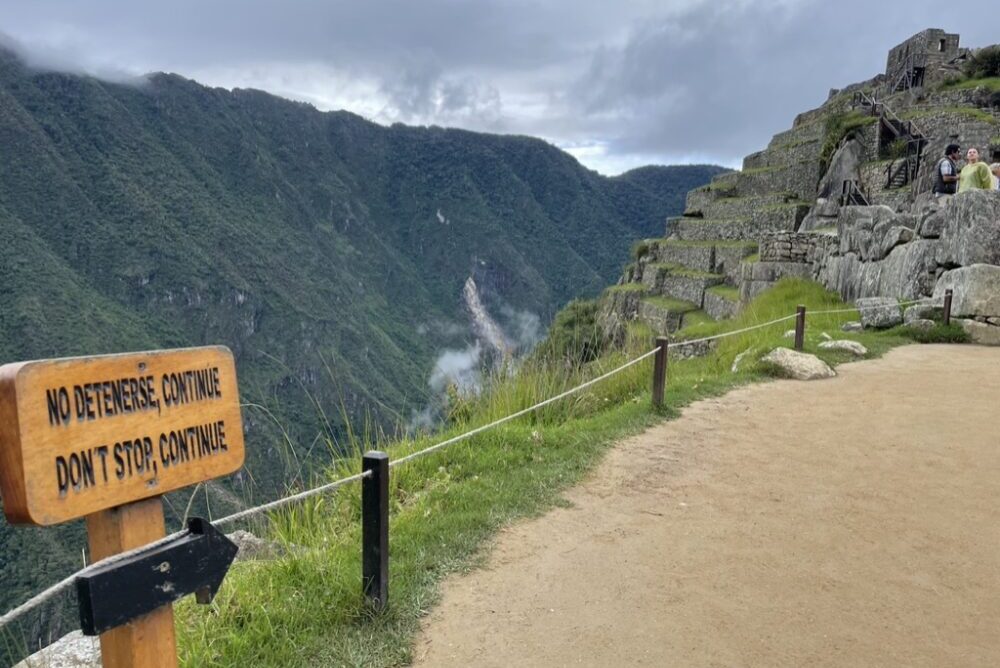
Most of all, I wanted to avoid potential crowds. In the peak months of May, June, and July, up to 5,600 people can enter Machu Picchu per day. So I went in low season, when no more than 4,200 people can visit (and often far fewer do). There are now signposts and ropes that guide you along one of four routes based on your entry ticket; route #2 provides the longest and most complete experience of the site. The good news is that—in low season at least—I was able to walk freely along my route, stopping whenever I wanted to take photos or ask my local guide a question.

Low-profile ropes and signage guide visitors around the ruins of Machu Picchu.

Low-profile ropes and signage guide visitors around the ruins.

The highlight:
It’s awe-inspiring to wander through the ruins and imagine how the Incas managed to quarry, shape, and stack so much rock to build a city in such a vertiginous spot; their exquisite craftsmanship is evident in the carefully aligned stones, each laid on top of the others with no mortar.

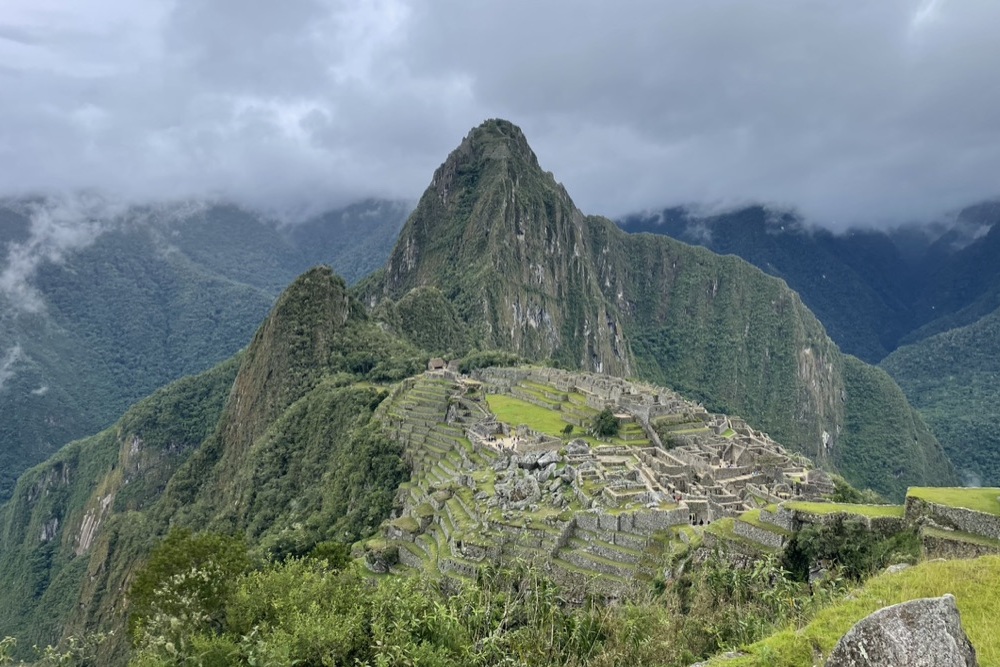
Machu Picchu on a cloudy day with mountains in the background.

A quiet January day at Machu Picchu.

Smartest route:
There are two ways to get to Machu Picchu: on foot via the Inca Trail, or by train. (Technically, the train takes you to Aguas Calientes, the town at the base of the mountain on which the ancient citadel sits, and from there you take a bus up a switch-backing road that dead-ends just outside the ruins.) My favorite approach to Machu Picchu captures the best of both worlds: Start on the train—with a seat on the left side, which gives you a view of the Urubamba River—then get off a few miles short of Aguas Calientes and hike the last portion of the Inca Trail. That way you arrive on foot via the Sun Gate, as the Incas once did, with the ruins spread out before you.

Smartest timing:
Afternoons are usually the quietest time of day to visit Machu Picchu, since day-trippers need to leave by early afternoon to catch their train back to Cusco or the Sacred Valley. The busiest hours are from 10am to 1pm. Permits to hike Huayna Picchu—the iconic peak in the background of every Machu Picchu photo you’ve ever seen, which makes for an exhilarating climb—are only available between 7am and 11am.

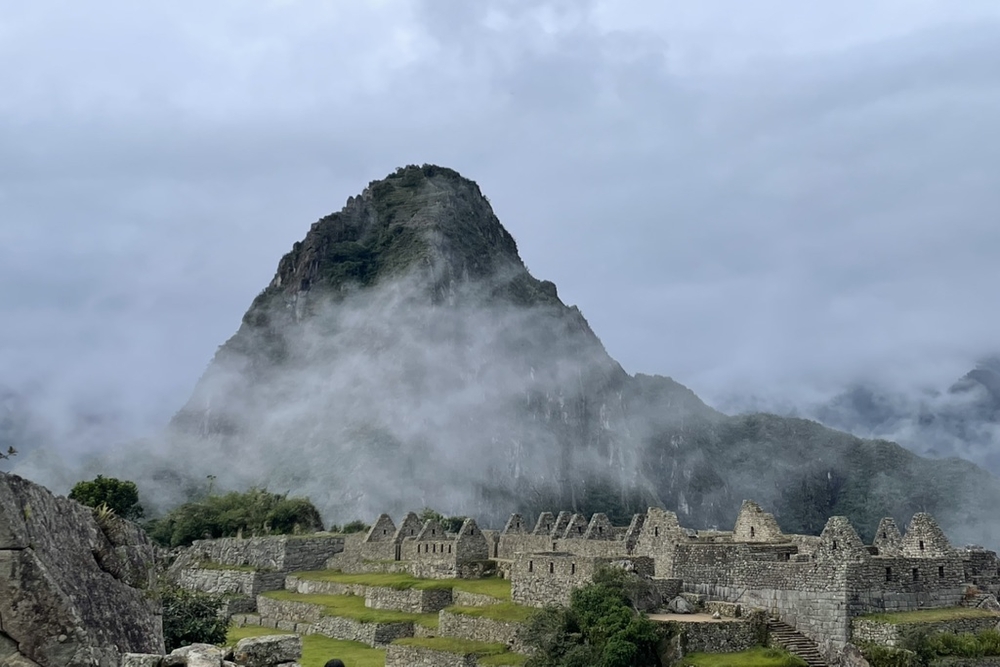
Machu Picchu on a cloudy day with mountains in the background.

The vertiginous Huayna Picchu towers over the ruins.

Best surprise:
The splendid weather I experienced even in January’s “rainy season.” During my eight days in Peru, it rained overnight several times, but on only three occasions were there showers during the day—and each time those were brief. The nighttime precipitation, along with the buildup of clouds during the day, made for spectacular vistas in my photos, and the farmers’ fields were a striking patchwork of purple, yellow, and white flowers. January is also a beautiful time to be in Lima: Instead of the fog that the city is infamous for, think summertime warmth with an ocean breeze to cut the humidity.

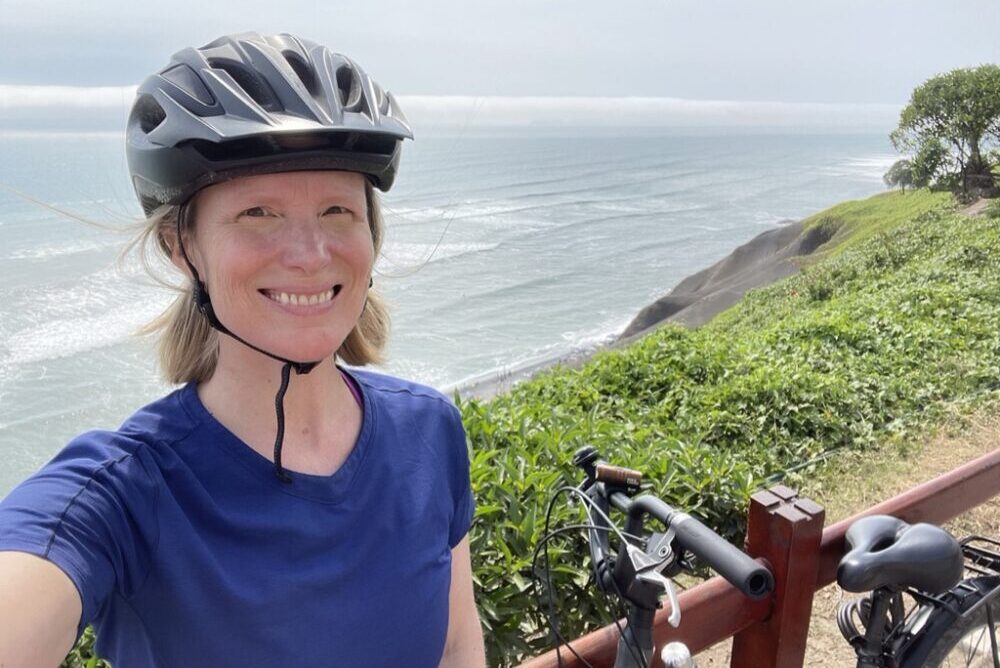
Brook biking along a seaside path in Lima, Peru.

Brook spent a sunny afternoon in Lima biking along a seaside path.

Worst surprise:
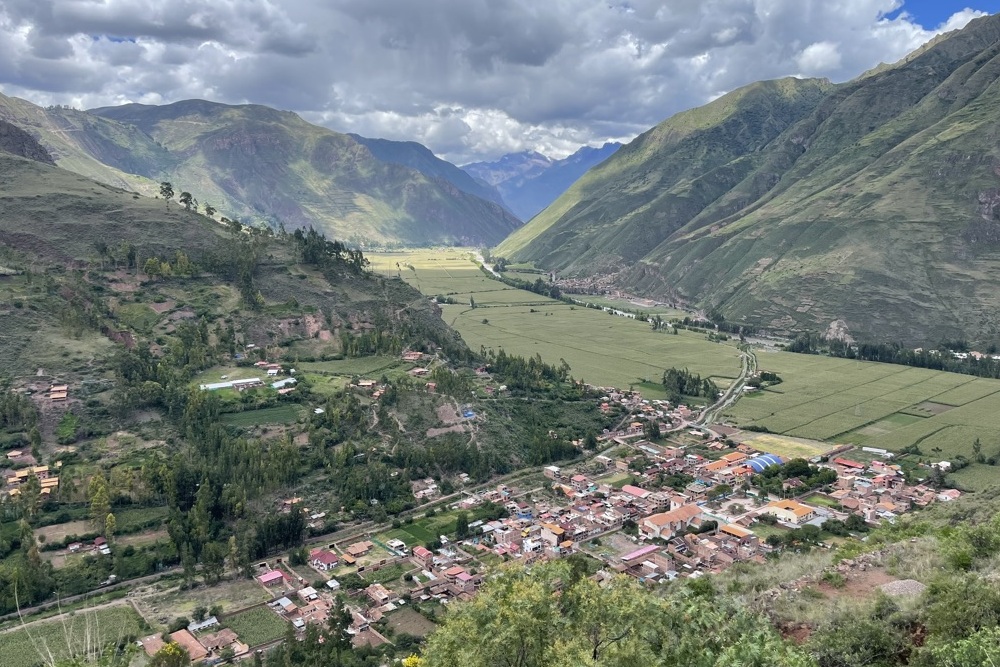
The Sacred Valley is far more built-up than on my last visit; land that was once most valuable when cultivated is now covered by suburban sprawl. A new international airport is under construction in Chinchero, above the valley. Based on what I saw of the progress so far (a graded dirt rectangle) I don’t expect the airport to open in 2025 as publicized—but when it finally does, I do expect this beautiful corner of the world to get even busier. Get there soon if you can.

Peru's Sacred Valley surrounded by mountains.

Parts of the Sacred Valley are already even more built up than this.

Coolest example of living history:
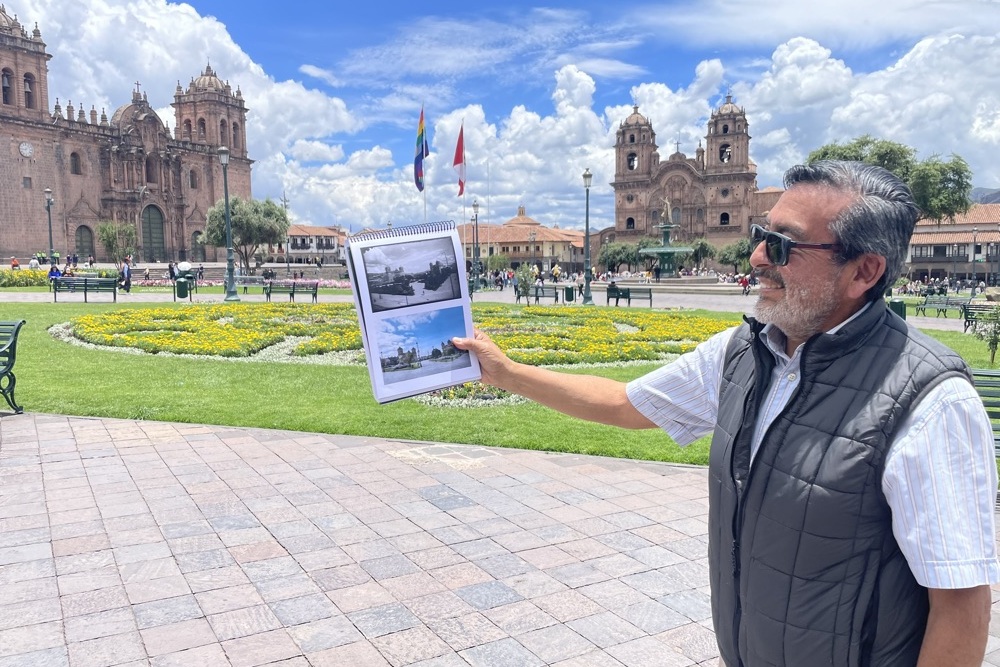
I spent an afternoon exploring Cusco’s historic center with Teo Allain Chambi, whose grandfather Martín Chambi was a renowned indigenous photographer of the early 20th century. Charmingly modest and yet so proud of his grandfather’s legacy, Teo carried with him a scrapbook of Martín’s street-scene photographs from the 1920s, guiding us to the same spots where his grandfather had composed those shots a century ago. What was most impressive was how little had changed: The buildings have been carefully preserved, many streets are still rough cobblestone, and graceful wooden balconies overlook flower-strewn plazas to this day.

Teo Allain Chambi at Plaza de Armas in Cusco showing photos of from the Plaza.
Teo Allain Chambi in Cusco's Plaza de Armas.
The Coricancha temple in Cusco from the outside on a cloudy day.
Spanish conquistadors made a habit of usurping sacred Incan sites; here, the Convent of Santo Domingo sits atop a wall of the Incas' Coricancha temple in Cusco.
Brook with raised hands in front of the Inca wall.
Brook offers a bit of scale beside the enormous stones in an Inca wall in Cusco.


Best hidden hiking trail:
On my last day in Peru, I wanted to stretch my legs before my overnight flight home. So I met up with a private guide who showed me a seldom-used hiking trail outside Cusco that took us past potato and fava-bean fields, through stands of hardy polylepis trees that somehow thrive as high as 16,000 feet above sea level, to the archaeological site of Inkilltambo. Here were sturdy terraces built many centuries ago, and a shrine carved out of rock and reserved for Inca elites. Apart from a nearby farmer working his crops with hand tools, we had the place to ourselves. It was a Sunday, and on the shorter, gentler path we took home, we greeted several cusqueño families heading out for a picnic.

A field full of pink potato flowers.
A field of blooming potato plants near Cusco.
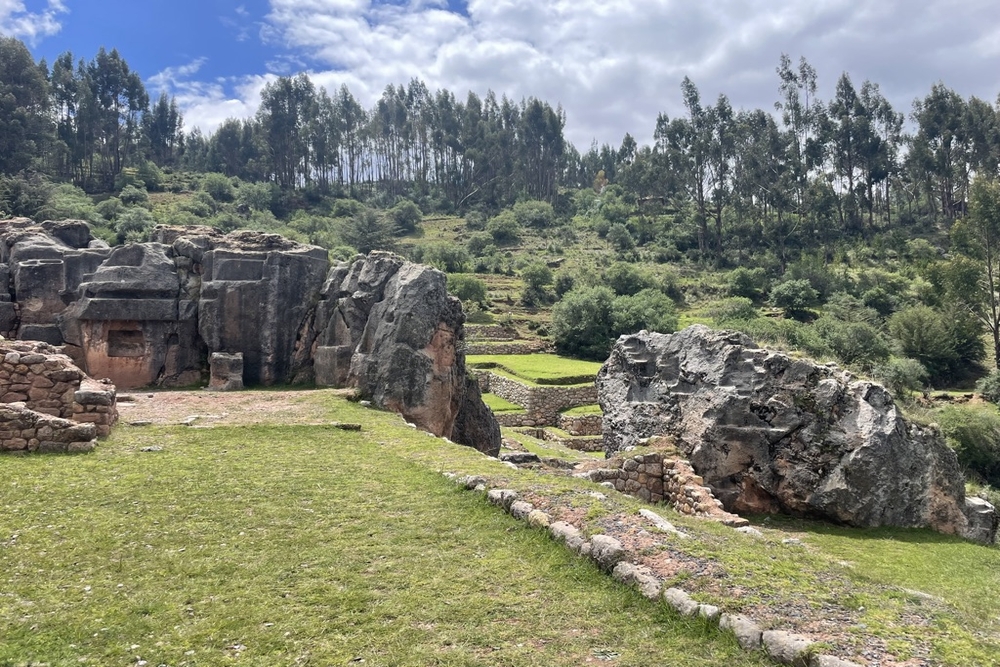
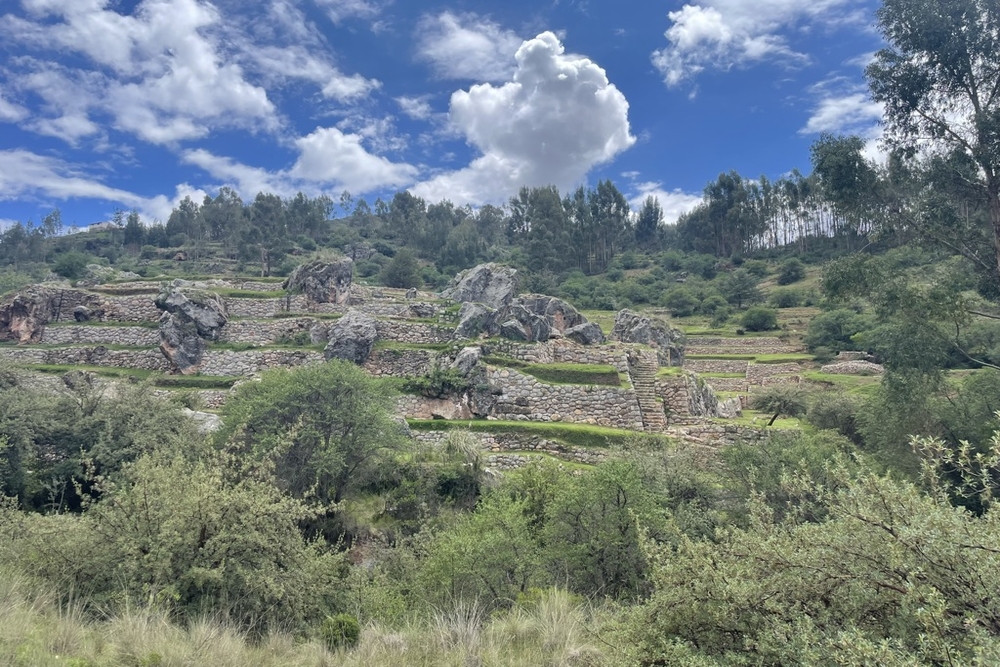
Inkilltambo inn Cusco in the mountains of Peru.
The archaeological site of Inkilltambo, near Cusco.
Inkilltambo inn Cusco in the mountains of Peru.
Incan walls were built around natural limestone outcroppings at Inkilltambo.


Best museum you’ve never heard of:
There’s much more to Peru’s rich history than the Incas, and the Larco Museum in Lima is a worthy spot for delving deeper into the country’s past. Spend an afternoon admiring vessels, jewelry, and textiles from the Moche, Nazca, Wari, and other pre-Columbian societies, then segue to the bougainvillea-draped patio for dinner at the museum’s excellent restaurant.

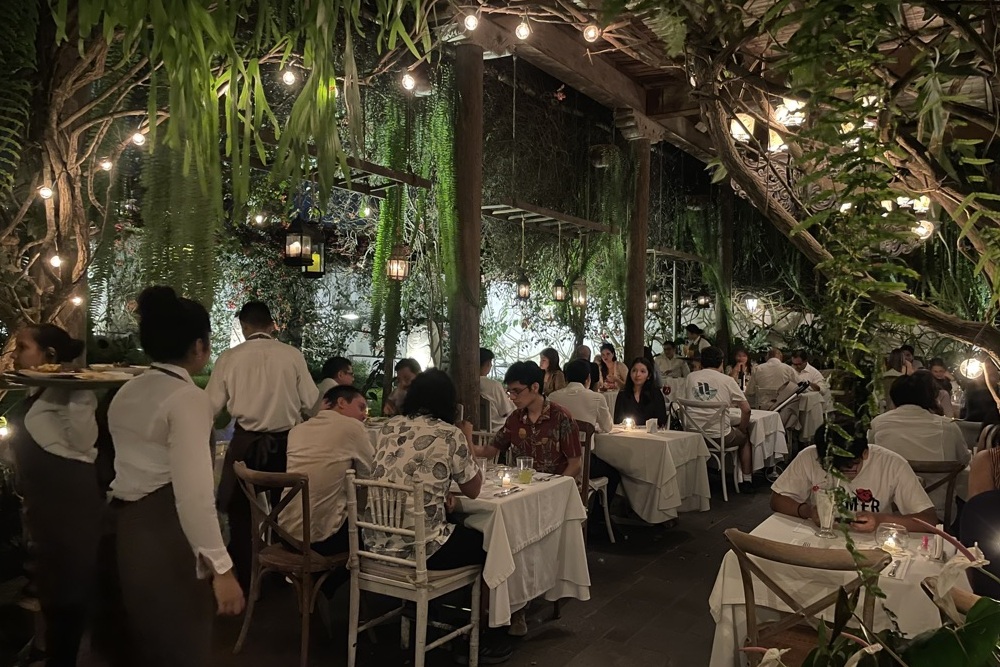
People dininng at the Larco museum restaurant in Peru

Dine under a canopy of greenery and stars at the Larco Museum in Lima.

Local flavors to try:
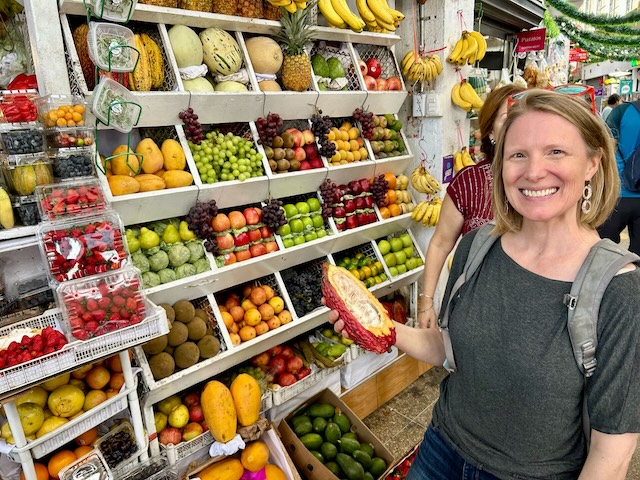
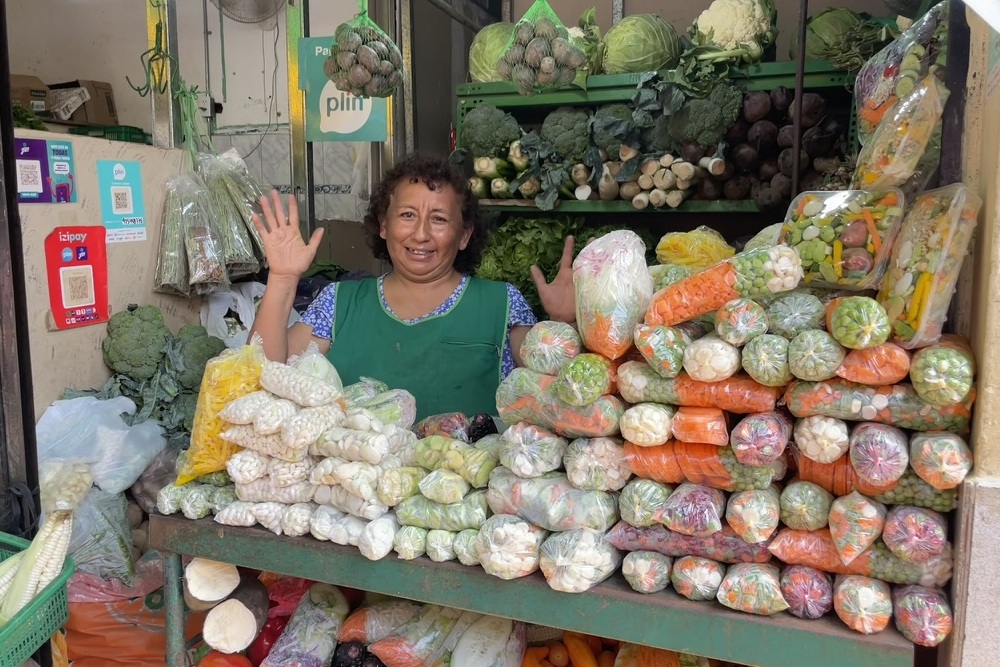
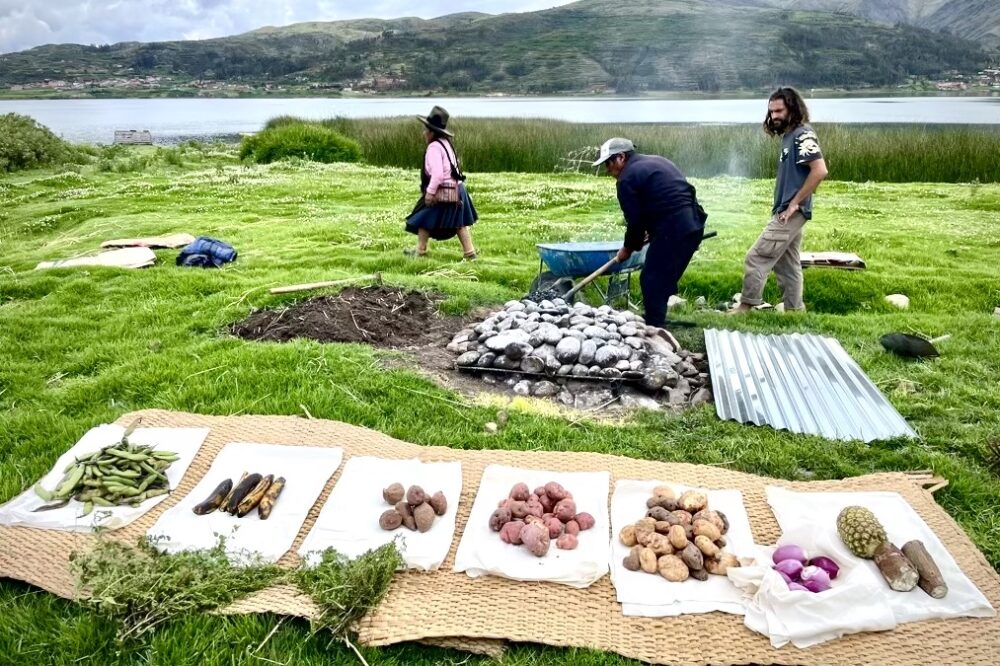
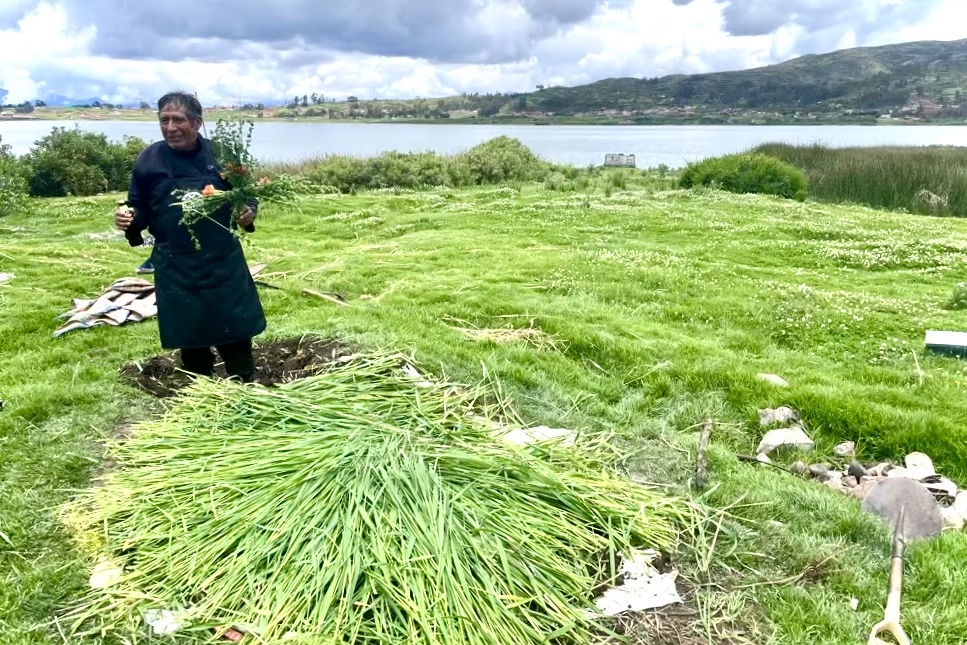
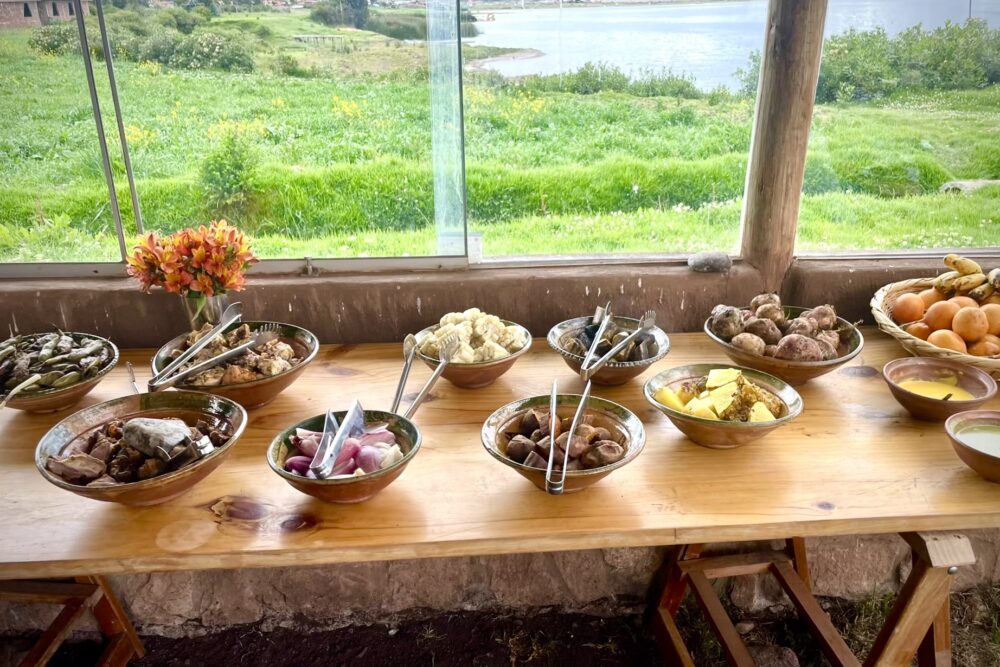
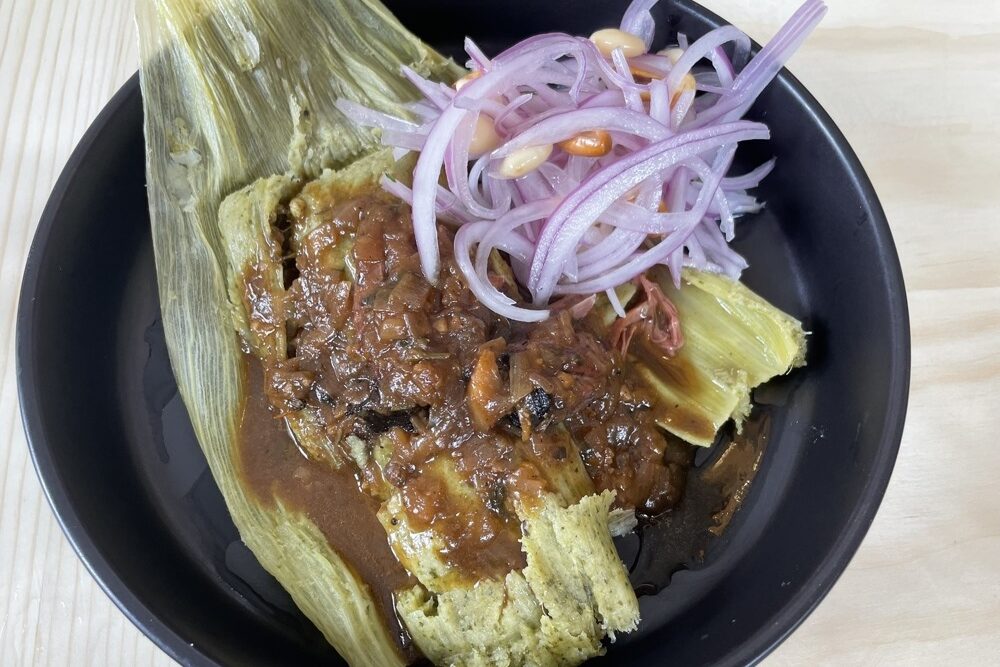
Peru has earned enormous respect lately for its cuisine, but you don’t have to wait months for a reservation at Lima’s Central (considered by some to be the world’s best restaurant) to appreciate the country’s flavors. I tried delicious fruits like aguaymanto, cherimoya, and lucuma at a market, watched chefs bury potatoes and fava beans and ears of corn and guinea pigs for a traditional pachamanca lunch, and tasted local dishes like causa, ceviche, and tamales at Cumpa, a “creole tavern” with a hipster vibe in Lima that is only open for lunch, and where office workers and laborers in t-shirts compete for table space.

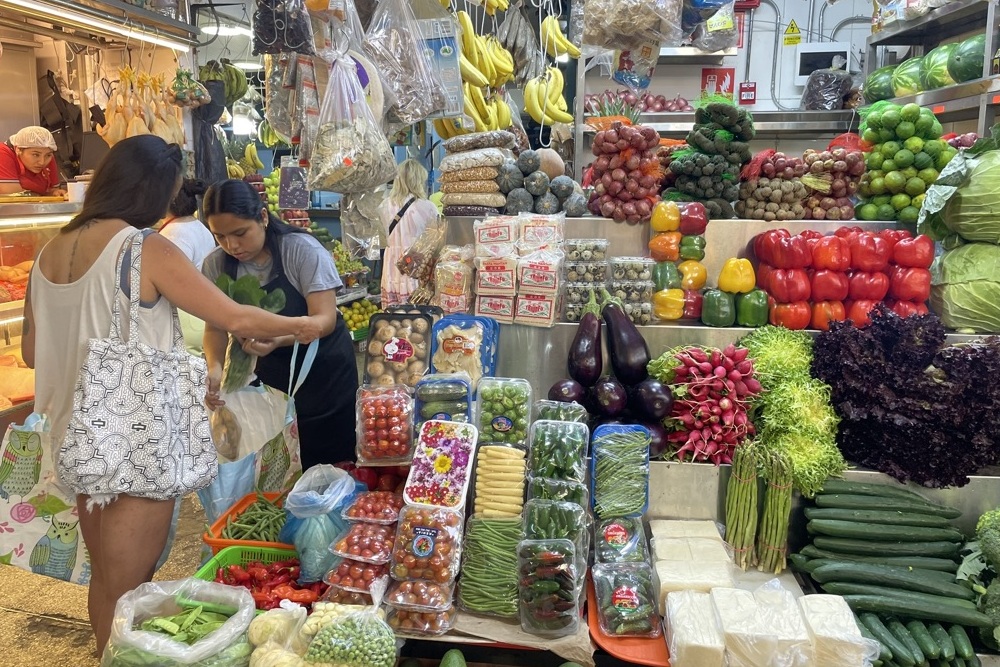
A variety of fruits at the Surquillo Market in Lima, Peru.
Did you know that the cacao fruit—the starting point for chocolate—looks like this?
A vendor dressing in colorful clothes at the Lima market in Peru selling variety of vegetables.
A vendor sells packets of vegetables for soup at a local market in Lima.
A woman shopping at the Surquillo market, in Lima.
Shopping at the Surquillo market in Lima.
The ingredients spread out on mats before they're placed underground for the cooking process.
Burying food between hot stones for a pachamanca lunch.
The start of the cooking process with all the food below the stalks.
The chef blesses our pachamanca lunch.
Brook’s lunch in Peru with a buffet full of dishes cooked underground.
The resulting, delicious buffet.
Over the top image of Tamale Cumpa on a black plate.
A tamale at Cumpa in Lima.
Over the top image of cauza cumpa on a blue plate.
Cauza at Cumpa in Lima.
Preparing pisco sours behind the bar at Lima's Miraflores Park hotel in Peru.
Pisco sours are practically the national drink of Peru. Here's Brook learning how to make one from the bartender at Lima's Miraflores Park hotel.


What to look for after dark:
I was fascinated to learn that the Incas saw images in the negative space of the night sky. Yes, they connected the dots between stars to draw constellations—but they also found creatures (a snake, a llama) hidden in the dark spots of the Milky Way. It’s a reminder of how we are all so similar, yet at the same time can see things so differently.

Language lesson:
Quechua, the language shared by many of Peru’s indigenous groups and still spoken by some today, has no word for “friend.” Instead, one of my private guides explained, Quechuans simply address each other as brother or sister—everyone is considered family. This small detail went a long way toward explaining the warm welcome that I felt throughout my time in Peru.

START YOUR OWN TRIP TO PERU


Transparency disclosure: Some experiences described here were provided to Brook for free, or at reduced rates, by local hotels and suppliers. In keeping with our standard practice, there was no promise of editorial coverage in exchange: Complimentary or discounted travel never influences our reportage. All of these experiences are accessible to every traveler who uses Wendy’s WOW questionnaire. Thanks to Wendy’s WOW system, you’ll get marked as a VIP traveler.


Be a smarter traveler: Sign up for Wendy’s weekly newsletter to stay in the know. Read real travelers’ reviews, then use the black CONTACT buttons on Wendy’s WOW List to reach out to the right local fixer for your trip.
Panoramic view of Fortresses Lovrijenac and old town of Dubrovnik, Croatia.

Where and When to Travel in 2024

UPDATES
We are continually updating this article, as the travel landscapes shifts, to alert you to your smartest moves in 2024.

7/10/24 You’d be wise to lock in your Christmas/New Year’s trip now
6/30/24 There’s still plenty of availability for the Paris Olympics
5/15/24 Take advantage of low business-class airfare to Europe for fall and winter 
4/10/24 New international nonstop flights to make your travels easier
4/7/24  It’s now easier to pool your family’s airline miles
3/27/24 Think South America for this summer (winter in the southern hemisphere)
3/17/24 Right now you can get your passport renewed in just 2 to 3 weeks
3/13/24 Get to Thailand before the White Lotus crowds do
2/20/24 How the Olympics could affect your travels: Paris this spring and summer
2/17/24 Five great spring break ideas that combine relaxation, culture, and thrills
1/21/24  Why you should go to Europe this winter (before the spring/summer rush)
1/17/24  The key to big family trips in 2024
1/10/24  How to maximize your vacations this year
1/7/24  Spring break: Unexpected places where prices are not inflated in March/April
1/3/24  Wendy’s 2024 travel resolutions

Are you thinking about traveling in the Middle East?  Read these reports from WOW List travelers:
Just back from Egypt
Just back from Turkey
Just back from the U.A.E. and Oman
Just back from Dubai and the U.A.E.
Just back from Jordan and Oman
Just back from Morocco

Are you thinking about traveling near Ukraine? Read these reports from WOW List travelers:
Just back from Poland
Just back from Romania


SMART TRAVEL IN 2024

This year is shaping up to be another huge one for international travel.  Travelers are booking trips farther in advance than in past years, and they’re headed to Western Europe in particular. We’re predicting that Europe’s most popular locales will be packed again this year, and that peak season will extend from late April through early October. Sadly, we’re not seeing any relief from the sticker shock that grew out of the post-Covid demand for travel, given the big events that will coincide with Europe’s summer season:  Add the Olympics in France (in July), the G7 Summit in Italy (in June), and Taylor Swift concerts all over the U.K. and Europe (from May through August) to the usual annual events in tennis (Wimbledon and the French Open), soccer (the Champions League), and Formula 1 racing.  If you’re seeking true value for your dollar, watch our WOW Week Travel Talk below (recorded on February 5, 2024), and read on to learn where and when to travel this year.

Fast-forward the video to 2:30 to skip the WOW Week preamble.  Scroll down for the list of the 20 most popular countries for 2024 that we refer to in our talk. 

SOUTH AMERICA: Get it all close to home. South America continues to be an underappreciated destination—even though it has both staggeringly beautiful and enormously varied landscapes, and a cultural fabric that weaves indigenous civilizations with colonial influences. Many destinations there are no farther from home than Europe is, and there’s little to no jet lag (a big plus if you’ve got school-aged kids and you’re traveling during a short school break such as Thanksgiving week or spring break). Brook shares discoveries from her January trip to Peru here. Read WOW South America trip reviews.

ASIA: Japan is back. After finally reopening its borders in late 2022, Japan was our travelers’ favorite spot in Asia in 2023. If you’re keen to go in 2024, keep in mind that 5-star hotel rates are particularly high for popular periods such as the spring cherry-blossom season. Compare that with China, where luxury brands often charge less than half what they do in Europe. Opportunities also abound in Sri Lanka, which still struggles to attract visitors even though the political situation has stabilized since 2022’s unrest. Read WOW Asia trip reviews.

PACIFIC: Consider Australia and New Zealand only if you can travel at off-peak times. These countries are our travelers’ top two destinations for 2024. If you’re still thinking about traveling there this year, look to the “shoulder seasons,” when the weather is still good but the crowds aren’t there and prices are a bit lower. The good news is that the U.S. dollar is very strong compared to its Australian and New Zealand counterparts, so prices are lower than they were pre-Covid. Read reviews from travelers just back from Australia and New Zealand.

EUROPE: Choose your timing wisely.
The high post-pandemic travel demand for Europe that we saw in 2023 taught travelers that if they want a certain caliber of accommodations and experiences there, they must book farther in advance than before. The result: More of Europe has already been booked for spring and summer than was ever the case in past years. This demand, exacerbated by inflation, will assure that prices remain steep there. If you’re bound and determined to see Europe’s most popular countries—especially Italy, France, and Greece—you’ll find the best value in under-the-radar locations. Experienced local trip-planning experts know which hotels and other service providers most successfully handled 2023’s flood of travelers and are therefore the best bets in 2024. If you can only travel in summer, which in 2023 saw extreme heat and wildfires in southern Europe, learn how our travelers beat the heat in 2023 (hint: stay close to the water) and where you can go to avoid the crowds. If your schedule is flexible, get ideas for successful winter trips here.

Opt for nonstop flights. Every connection creates an opportunity for something to go wrong: a missed flight, lost luggage, an inconvenient delay. The good news is that there are more and more flights from U.S. cities to interesting international locales. If a stop is essential, choose one of the smartest airports for making connections in, and get as close to your destination as you can, as quickly as you can. (In other words, if you’re flying to Croatia and have to connect somewhere, do it in Europe rather than in the U.S.) If you must make a domestic connection to an international flight, consider overnighting at the connection point. (For instance, if you’re flying to Africa via JFK, missing your connection could seriously disrupt your safari plans, so consider spending the night in New York.)

The larger your group, the earlier you need to plan. Since Covid we’ve seen travelers bring more family and friends along—often because they are celebrating a milestone like a graduation, or making memories as a clan of grandparents, their adult kids, and the grandkids. When you only need one hotel room, it’s usually possible to develop the ideal itinerary to suit your interests and trip goals, and then book suitable hotels. But when you need two or more rooms, you may have to patch together hotel availability wherever you can get it and let that dictate your schedule. With a multigenerational trip or other large group, booking early will maximize your options.

Buy travel insurance and evacuation assistance. It can protect your financial investment, cover any medical expenses, and give you peace of mind. If you’re sick or injured, the right travel insurance policy will cover your care at the nearest appropriate facility; you need a second layer of protection if you want to be treated at home.

These are the most popular countries in 2024 (as of January) for our travelers:
1. Italy
2. United Kingdom
3. France
4. New Zealand
5. Spain
6. Vietnam
7. Australia
8. Costa Rica
9. Norway
10. Portugal
11. Cambodia
12. Greece
13. Japan
14. South Africa
15. Ecuador (and the Galapagos)
16. Chile
17. Switzerland
18. Thailand
19. Argentina
20. Iceland


Links to Useful Resources

Just Back: Reviews of our Travelers’ Recent Trips

Where To Go When: Ideal Destinations For Each Month of the Year

Nonstop Flights To Make Your Travels Easier

The WOW List of Trusted Travel Experts


Be a smarter traveler: Sign up for Wendy’s weekly newsletter to stay in the know. Read real travelers’ reviews, then use the black CONTACT buttons on Wendy’s WOW List to reach out to the right local fixer for your trip.
Brook Wilkinson in Machu Picchu, Peru.

South America Now: Smart Choices and Good Value

South America contains fascinating diversity—of cultures, landscapes, and activities ranging from wine tasting to wildlife viewing to bucket-list hiking. And while parts of the continent are once again receiving as many travelers as they did pre-Covid, those numbers are still an order of magnitude smaller than the crowds flocking to Europe’s most popular spots. While 2023 saw 35 million tourists visit Rome, for example, just 7 million visited all of Argentina. So often overlooked, and yet so rich in possibilities: You’d be wise to put South America on your 2024 travel calendar.

During our WOW Week 2024 Travel Talk on February 6, WOW List experts for South America joined Wendy and Brook to share what’s new in South America, what might surprise you, and how to ensure your trip there goes smoothly. Watch the full video, and scroll down for the top takeaways:

Top Takeaways

If your heart is set on the Galapagos, book far in advance, advises WOW Lister Allie Almario. Only 70 ships are allowed to cruise around the islands, and most carry just 20 to 48 passengers. So that your choices aren’t limited, start planning 8 to 9 months ahead—especially if you’re a family that needs multiple cabins.

Animal lovers should know about “Blue Patagonia,” says WOW Lister Maita Barrenechea. While this region is best known for mountains and hiking, its coastline is home to an abundance of marine wildlife: penguins, whales, sea lions, elephant seals, orcas, and dolphins. You’ll find the greatest concentrations of animals from October through the first week of December.

Colombia is maturing as a luxury-travel destination, reports WOW Lister Boris Seckovic. The Four Seasons will soon open its third hotel there, which will be in the Caribbean city of Cartagena. Colombia also checks a lot of boxes for families and multigenerational groups, with colonial towns, mountain ranges, rainforest, and beaches all in close proximity.

Bolivia’s Uyuni salt flat is a photographer’s dream, shares WOW Lister Marisol Mosquera. It’s equally beautiful in the rainy season (November to March)—when it turns into a lake with islands dotted by giant cacti—and in the dry season (May to October), when you can drive across the crystalline surface.

Trekking in the Andes isn’t just about the Inca Trail, says WOW Lister Tom Damon. For instance, he can arrange a glamping experience in Peru’s Sacred Valley with tents large enough to stand up in, cots fitted with mattresses and pillows, a staff to cook for you, and animals to carry your gear.

Chile’s wine regions are vastly underrated, according to WOW Lister Jordan Harvey. A few of his favorites within driving distance of Santiago are the Casablanca Valley, for soft reds like pinot noir, and the Colchagua Valley, for more robust varietals like cabernet and carménère.


Be a smarter traveler: Sign up for Wendy’s weekly newsletter to stay in the know. Read real travelers’ reviews, then use the black CONTACT buttons on Wendy’s WOW List to reach out to the right local fixer for your trip.
Brook posing above Lysefjord with snowy mountains in the background.

Live Answers to Your Travel Questions: Join Us on Zoom for WOW Week 2024, February 5–9

UPDATE: WOW Week 2024 is now over. Thank you all for joining us! We have posted the Zoom recordings below, in case you missed any talks or want to share them with your friends. Stay up to date by signing up for our newsletter


This year is shaping up to be another huge one for international travel.  We’re seeing more travelers booking trips farther in advance than in past years, as well as travelers taking more family and friends along.  Based on these bigger groups locking more trips in place earlier— especially to Western Europe—we’re predicting that Europe’s iconic locales, from Italy’s Amalfi Coast to the Greek island of Santorini, will be packed again this year, and that peak season will extend from May through early October.  Sadly, we’re not seeing any relief from the sticker shock that grew out of the post-pandemic demand for travel, what with Europe’s summer season coinciding with events such as the Olympics in France in July, the G7 Summit in Puglia, Italy, in June, and Taylor Swift concerts all over the U.K. and Europe from May through August.

Not to worry:  We’ve got solutions, and Brook (pictured above in Norway in November) and Hannah and I, plus special guests, will be sharing them during WOW Week, February 5-9, when we’ll host a Travel Talk every day at 7 pm EST.  Bring your burning questions!

NOTE: If you have trouble signing up for our Travel Talks, make sure you have a free Zoom account that is associated with the email address you are using. 


Where and When to Travel in 2024

Monday, February 5, at 7pm EST

Last year broke travel records, and you should expect—and prepare for—more records to fall in the year ahead. Wendy, Brook, and Hannah reveal what’s shaping up for 2024: opportunities to take advantage of, challenges to zap, and the coolest under-the-radar places, off-season values, foodie experiences, and more.

WATCH THE ZOOM RECORDING


South America Now: Smart Choices and Good Value

Tuesday, February 6, at 7pm EST

Wendy and Brook explain why the continent should be on your list for 2024, and WOW List experts for South America share what’s new, what’s best, what you haven’t thought of, and how to ensure your trip goes smoothly.

WATCH THE ZOOM RECORDING


Successful Family Travel in 2024

Wednesday, February 7, at 7pm EST

WOW List experts with the latest intel for maximizing your travels and minimizing stress—in Europe, North America, the Caribbean, and beyond—will share solutions. Learn how to keep everybody in your travel group happy, whatever their ages or conflicting needs and interests. Bring your questions!

WATCH THE ZOOM RECORDING


Travel Insurance and Emergency Assistance: How to Protect Yourself

Thursday, February 8, at 7pm EST

Learn how to prepare for the unexpected, from surprise injuries to natural disasters to political unrest. Experts explain and simplify how to minimize your risk, both financial and medical, and they’ll take your questions live, so bring your list of what’s been perplexing you!

WATCH THE ZOOM RECORDING


Take Better Travel Photos with Your Phone!

Friday, February 9, at 7pm EST

Photojournalist Tim Baker (a.k.a. Mr. Wendy Perrin) reveals simple tips to help you take much better travel photos with your smartphone–better action shots, group shots, food shots, night shots, video, and more. Tim’s advice is device-agnostic: Apple and Android users welcome!

WATCH THE ZOOM RECORDING


A big thank-you to our WOW Week sponsor, Medjet:

Medjet is a global air medical transport and travel security membership program that can give travelers greater peace of mind. Their sponsorship enables me, Brook, Kristine, and the rest of our growing team to spend time answering your travel questions (via our Get a Personalized Trip Recommendation feature) and finding the smartest trip-planning specialists for you (see Wendy’s WOW List).

Don’t miss this special WOW Week discount:

Medjet is offering our WOW Week audience an exclusive discount of up to $50 off New Medjet Annual Memberships. The deal is available from Monday, February 5 at 9am EST till Monday, February 12 at 5 pm EST. You can learn more about Medjet and get the deal by clicking the red button below. 

GET THE DEAL


travel planning with map and laptop

How to Maximize Your Vacations This Year

January is a great time to grab a calendar, look at the year ahead, and plot out where in the world it might take you.  First, planning out your vacation days in advance helps ensure you don’t lose that workplace benefit.  Second, it enables you to get the accommodations and experiences you really want, at the best prices, rather than settling for what’s left over after everyone else has booked their trips. Third, it gives you something to look forward to throughout the year.  So, each January, I sit down with a calendar and approach my vacation planning the same way I approach my household budget planning, so as to maximize my travel dollar, time, and enjoyment.  Here’s how I do it:

Grab your calendar and look at when the school breaks and long holiday weekends fall.

Check the dates for Presidents’ Day, Easter, Memorial Day, and so on. These dates will dictate either when to travel or when not to, depending on whether you’re tied to a work schedule and/or have kids in school. If you are holiday-schedule-bound, ask yourself where you could add one or more days onto the start or end of a holiday weekend. If you’re not tied to a holiday schedule, by all means avoid traveling at these times. Instead, travel between these holidays, to take advantage of lower airfares, lower hotel rates, and fewer tourists. (While you’re checking your and your family’s work and school schedules, also check everyone’s passport expiration dates. If anyone’s passport is expiring this year or early next, read this.)

Predict what weather-related escapes you will need when.

I know, for instance, that when February arrives each year, my husband will need a snow-free getaway or we will all go nuts. I also know that, in the dog days of August, I crave someplace cool—or, at least, cooler than home. I’ve learned that that doesn’t necessarily mean a higher latitude. While my family has loved our August escapes to cooler climes—Newfoundland, British Columbia, London, Iceland)—I’ve also found that southerly places can provide first-rate relief as long as there’s an ocean breeze (Virginia’s Chesapeake Bay; the beaches of Charleston, South Carolina; St. Simon’s Island, Georgia; Playa del Carmen, Mexico).

Know what destinations are in “shoulder season” at those times when you can travel.

Shoulder season is that time between peak and low seasons when you usually get the most value for your dollar because the weather is good yet prices are lower and tourists fewer than in peak season. Our Where To Go When series will give you plenty of shoulder-season ideas for those windows of time when you have availability.  My family once spent a phenomenal February school break in sunny Andalusia, Spain, for example, and we once spent a festive Thanksgiving exploring Central Europe’s Christmas markets on a European river cruise. Here are smart shoulder-season options for spring break 2024.

Consider where your money will stretch furthest internationally.

It’s smart to factor exchange rates into your decisions. Central America is always one of the most affordable regions in the world.  Read these Belize, Costa Rica, and Panama trip reviews to gain an understanding of what a fun and authentic tropical vacation you can get at a better value than on many Caribbean islands. At the other extreme, Japan and Scandinavia are always among the world’s most expensive countries, as are France and Italy at the 5-star level.  Airline routes and fares also determine trip cost and convenience, of course.  Check out Nonstop Flights To Make Your Travels Easier.

Set up low-airfare alerts.

Now that you have a sense of which places interest you most for the time slots you’ve got available, pinpoint the right time to buy your airline tickets. There are websites (Google Flights, Kayak, Hopper, SkyScanner) that will send you notifications when fares drop on specific routes or specific dates or both.  If you’re considering a long-weekend getaway and can take only two days off work, remember that it’s usually less expensive to fly on a Saturday and return on a Tuesday than to fly on a Thursday and return on a Sunday.

Especially if you’re Europe-bound, book early.

Italy, France, Greece and other Mediterranean and Western European countries have been extremely popular in the wake of the pandemic, and with all the events coming to Europe this summer—from the Paris Olympics to Taylor Swift concerts—airfare is not the only component of your trip that should be booked well in advance. Say you want to go to the Netherlands to see the legendary springtime tulips—and, while you’re in Amsterdam, visiting the Anne Frank House is a must. Tickets for that become available six weeks ahead and sell out quickly. If you figure out your Netherlands dates in January, you can snap up tickets to the Anne Frank House and Keukenhof Gardens as soon as they are available.

Pinpoint the right destination specialist.

If your end goal is the most rewarding travel experience possible, the smartest way to approach booking your trip—the way that will deliver the greatest value for money—is not to book all the various components (accommodations, activities, transportation, hard-to-get tickets, special guided experiences) piecemeal but, rather, to hand the whole thing over to an excellent destination specialist who knows all the insider tips and tricks in the place where you’re headed. How do you find the best specialists around the world? Use our WOW List of Trusted Travel Experts as your first resource. Click the button below to get started:

START A WOW TRIP

If you are mulling over a resort stay, book it now, as long as you can cancel with no fee.

If you think you might need a room at a popular resort, reserve your spot, as long as you can do so with no cancellation penalty. The more in-demand your destination and timing, the harder this will be.  Islands in particular have limited flights and limited hotel options, leading to high prices and cancellation penalties. So that you’re not shut out, book a spot but be sure to mark on your calendar the date when you need to cancel in order to avoid paying any fee.

If the resort you want is fully booked, ask when cancellation penalties set in for the dates you want.

First, call the resort directly (not a website, not the 800 number) and ask whether it’s truly sold out (the resort itself might have different inventory) and whether there’s a waitlist. Then, ask when the cancellation fee sets in for people who are booked on the day you’d like to arrive. Mark your calendar to call the hotel the day before that fee sets in: That’s when other people will be cancelling and you can try to scoop up a room that has just opened up.

It is easier and likely more effective, of course, to contact the right destination specialist and have them work their magic via their local hotel connections.  But destination specialists typically won’t book hotels only, so contact them only if you plan to book local activities and experiences through them as well.

Start thinking about Christmas/New Year’s now.

I’m not kidding. Get ideas from these Christmas/New Year’s trips most loved by your fellow travelers.  If you need a beach or ski resort, remember that you’ll find peak prices and minimum-stay restrictions at this time of year. Some of Hawaii’s top resorts, for example, are already fully booked for the December 2024 holiday period. These resorts save their rooms for loyal guests who return year after year. If those returning guests should cancel—and sometimes they do when deposits come due—then a few rooms may open up to new travelers at that time. Get yourself onto the waitlist now.

Include in your 2024 calendar both a “vacation” trip and a “travel” trip.

Trip sellers use the words “vacation” and “travel” interchangeably, but they are actually very different.  “Travel” comes from the French “travail” (meaning, work)—and it is indeed a lot of work to cope with unfamiliar languages, customs, currencies, etiquette, logistics—but it expands one’s mind and horizons.  By contrast, “vacation” is the opposite of work (in fact, it’s recovery from work). Each year we all need a good dose of both vacation and travel.  If what you really want is both in one trip—exploration that’s as relaxing as possible, with all the hassles removed!—that’s when to use a WOW List trip-planning expert.

Include in your calendar a new destination you’ve never been to before.

We all need the comfort of the familiar (e.g., the annual family trip to the lake), but we also crave novelty and excitement. Getting slightly out of your comfort zone leaves you with a sense of accomplishment, not to mention unforgettable memories.  I insist that my kids get to at least one new country each year.  If life gets in the way and you can’t get to a new place in 2024, at least, when you’re in the old familiar place, try a new activity you’ve never done before.  Mastering a new challenge—say, learning to surf or cook the perfect tiramisu—makes a trip vividly memorable.

Need help perfecting your 2024 travel calendar? We can help if you click the button below and tell us what you’re seeking:

GET A PERSONALIZED TRIP RECOMMENDATION


Be a smarter traveler: Sign up for Wendy’s weekly newsletter to stay in the know. Read real travelers’ reviews, then use the black CONTACT buttons on Wendy’s WOW List to reach out to the right local fixer for your trip.
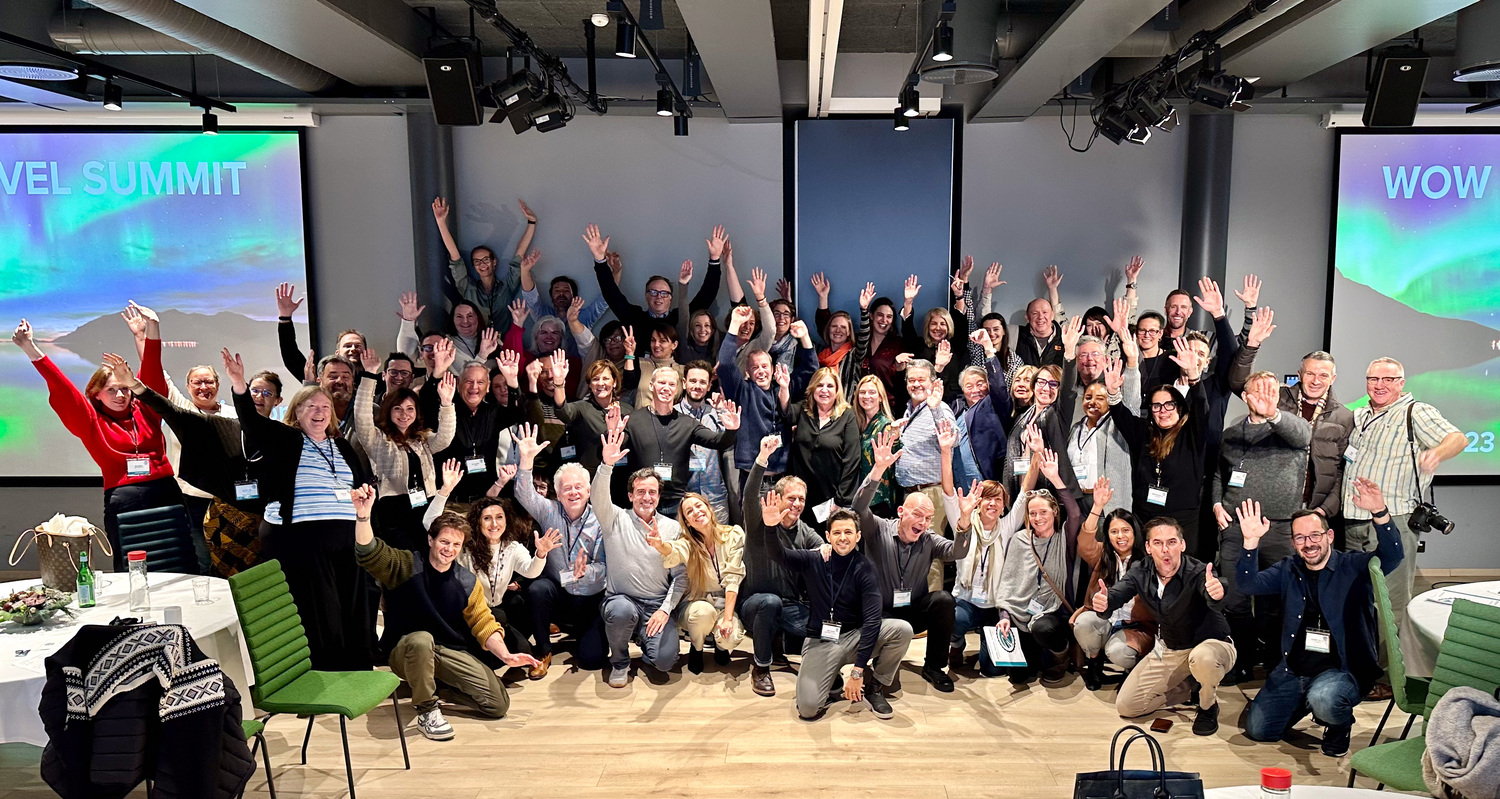
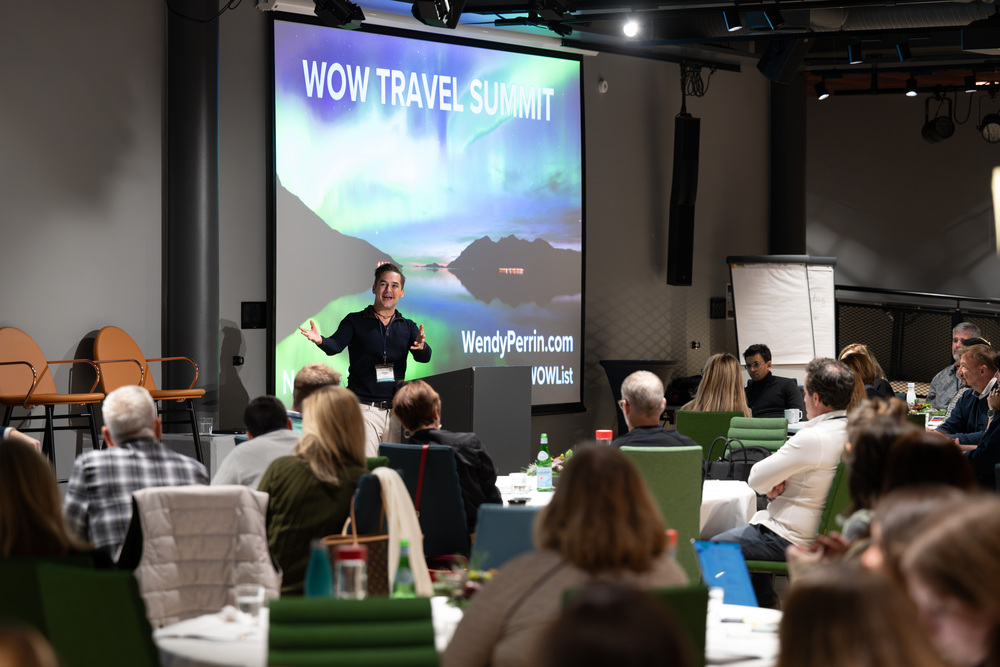
Group shot at the WOW Travel Summit.

Takeaways and Photos from our 4th WOW Travel Summit

Our mission is to keep raising the bar on travel experiences, so that WOW trips just keep getting better.  One way we do this is by gathering together every few years with the Trusted Travel Experts on The WOW List for brainstorming, problem solving, and innovating. That’s what our WOW Travel Summits are all about.

Our 4th WOW Travel Summit happened earlier this month, when Wendy, Kristine, Florie, Hannah, and I gathered with our WOW Listers in Oslo, Norway. These experts carved out time in their busy calendars and flew to our chilly but beautiful Summit headquarters, the Scandic Holmenkollen Park hotel, from as far away as Thailand, New Zealand, and Mauritius.

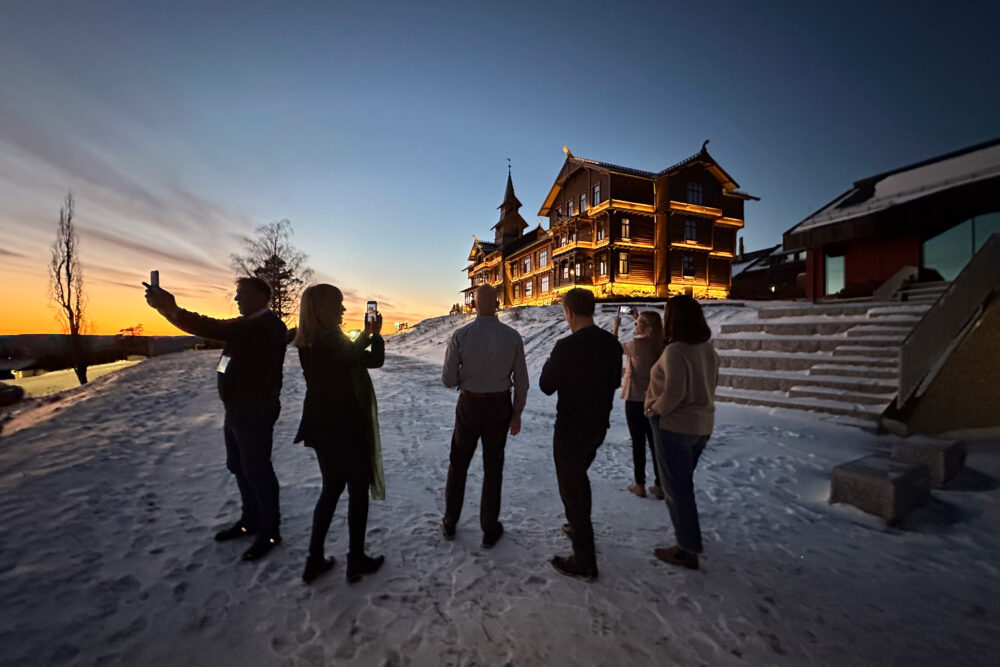
The sunset outside the summit conference room.

During a Summit break, WOW Listers captured the sunset outside the Scandic Holmenkollen Park hotel.

The unique brain trust in our meeting room combined expertise in travel across all seven continents with a collective mission to continue making WOW trips more and more wow—“pushing the limits of extraordinary,” in Wendy’s words.

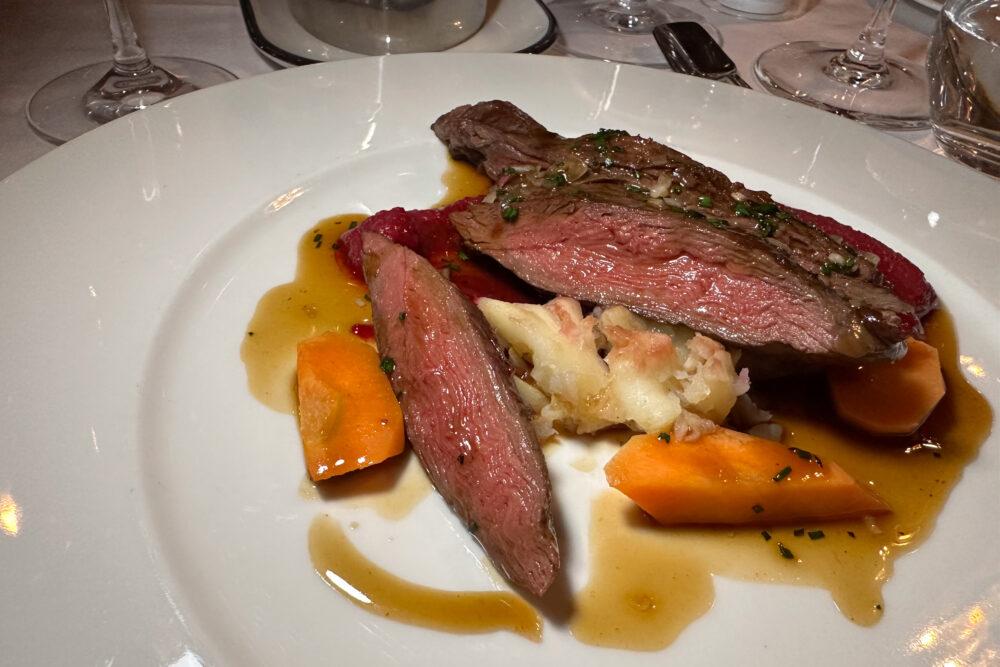
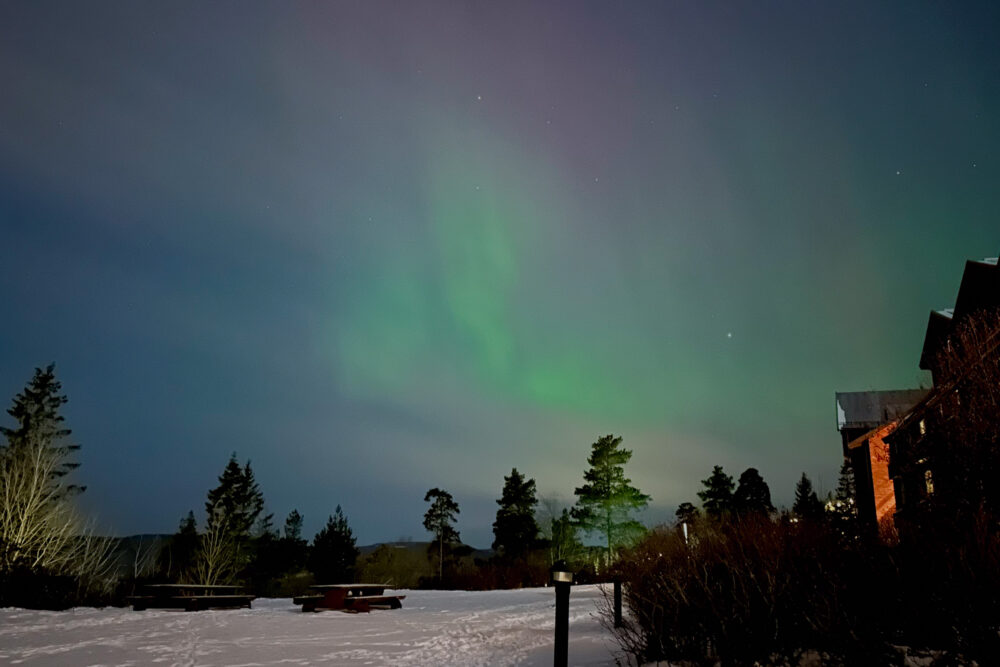
This year’s Summit was a particularly special one, as our last gathering took place just on the cusp of Covid, in January 2020. The trip planners in the room this time around were the ones who had survived—and thrived—in spite of a worldwide pandemic, the subsequent head-spinning return to travel, and the inflation and conflicts that have since affected many parts of the globe. So there was time for celebration, from our opening-night cocktail party to toasts of aquavit after a festive dinner of reindeer with beets and root vegetables—and even a lucky glimpse of the northern lights, a rarity in Oslo.

Jennifer Virgilio, Wendy Perrin, and Maria Landers at Summit cocktail party.
Wendy with WOW Listers Jennifer Virgilio and Maria Gabriella Landers.
Florie Korani, Brook Wilkinson, and Sarah Farag at Summit cocktail party.
Florie, Brook, and WOW Lister Sarah Farag.
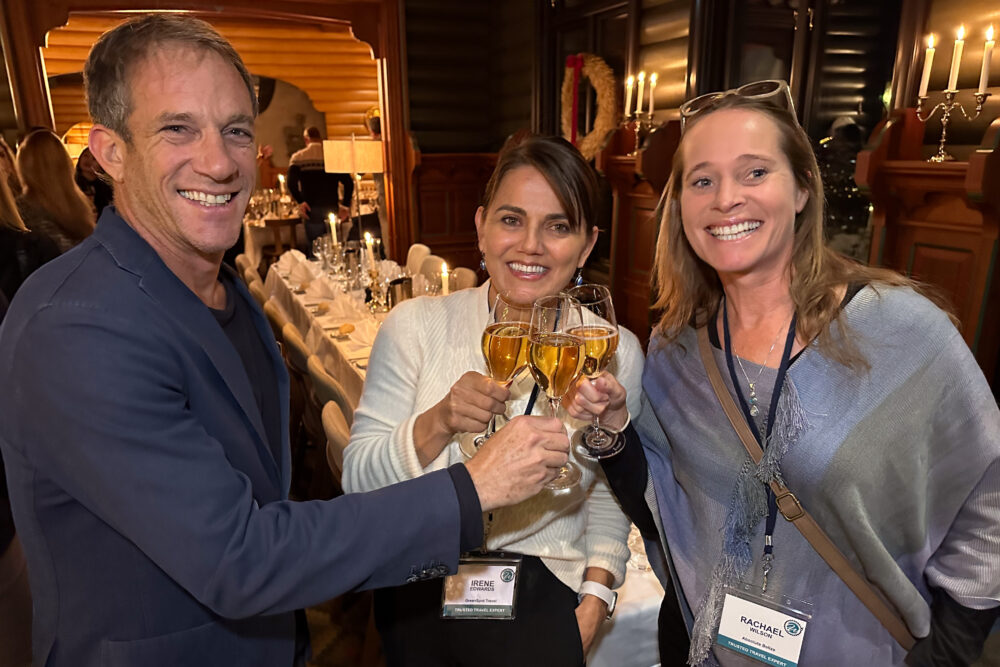
Zach Rabinor, Irene Edwards, and Rachael Wilson before dinner.
WOW Listers Zach Rabinor, Irene Edwards, and Rachael Wilson.
Stuart Rigg, Cherri Briggs, Sarah Farag, and Stefano Sancassani
WOW Listers Stuart Rigg, Cherri Briggs, and Sarah Farag, and WOW List deputy Stefano Sancassani.
Sheri Doyle, Greg Tepper, Gwen Kozlowski, and Melissa Ladvala before dinner.
WOW Listers Sheri Doyle, Greg Tepper, and Gwen Kozlowski, and WOW List candidate Melissa Ladvala.
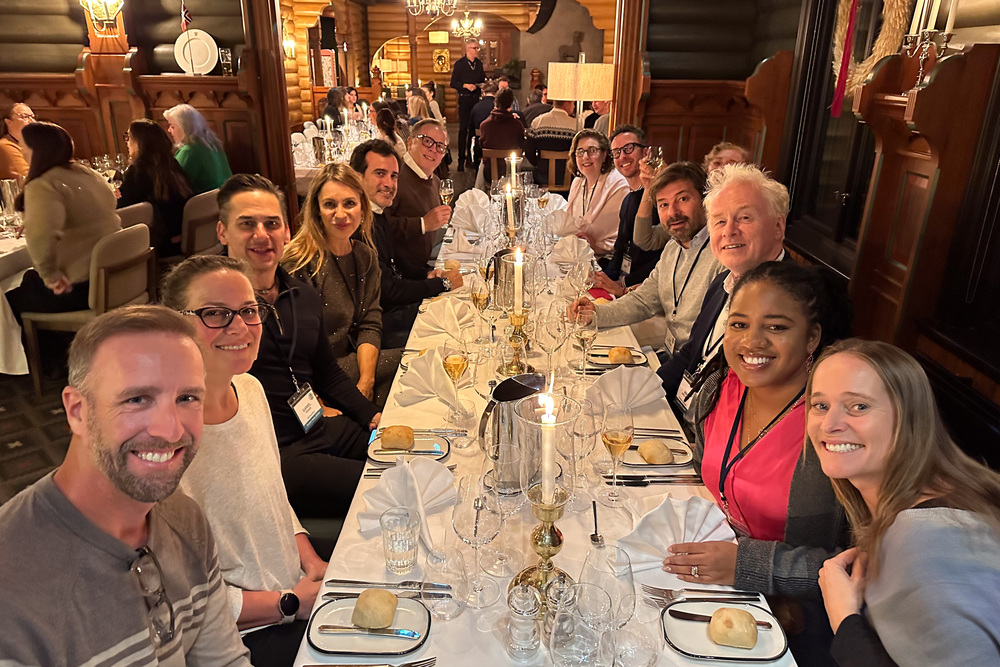
A table shot at dinner.
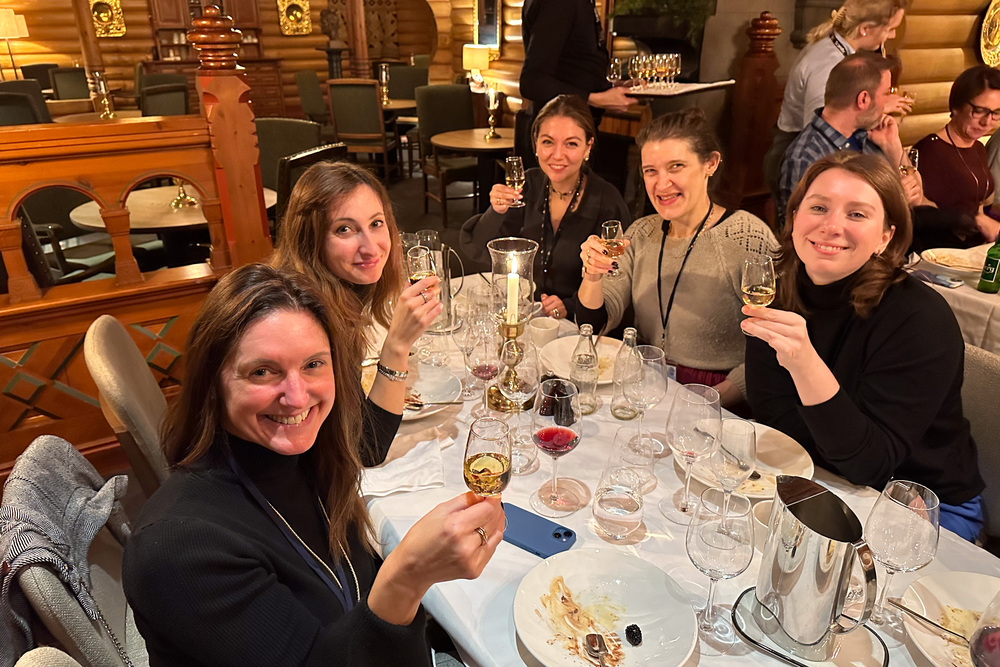
Talking travel over dinner at the Scandic Holmenkollen Park hotel.
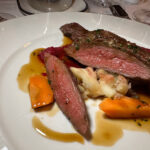
Reindeer and root vegetables for dinner.
The main course—reindeer with roasted root vegetables.
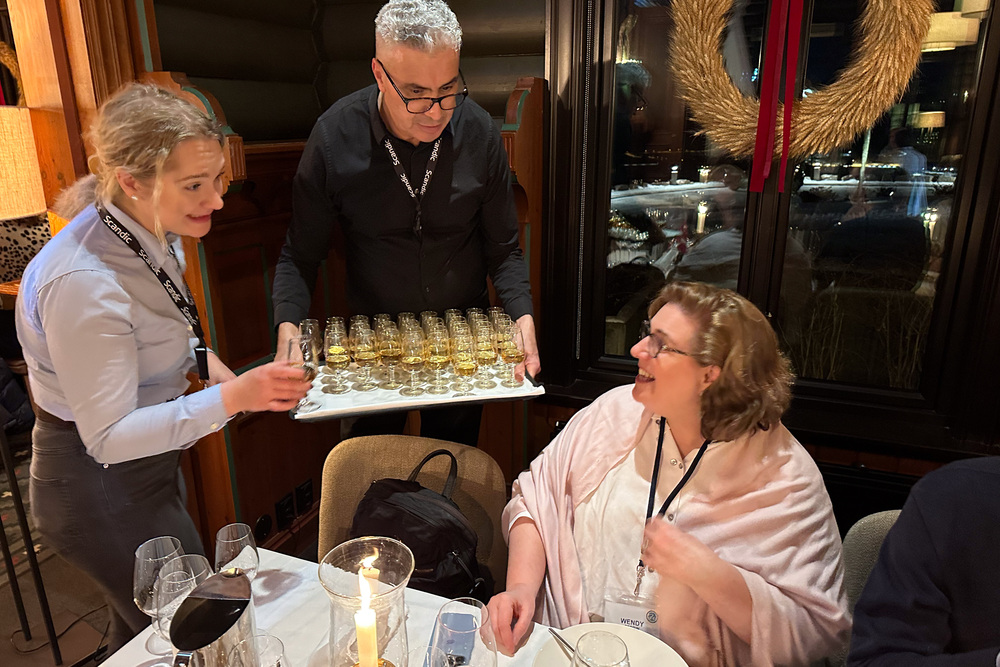
Wendy is served a Scandinavian specialty, aquavit.
Jennifer Virgilio and her team at dinner.
Jennifer Virgilio and her team of deputies have helped many of you design trips to Italy, France, and England.
Northern Lights glimpsed from outside the hotel.
A rare sighting of the northern lights over Oslo.


During the Summit, the WendyPerrin.com team shared recent trends we’ve discerned from the trip requests we receive every day. A sampling:

  • New Zealand and Australia are the top two countries so far for 2024 trips, followed by Egypt. Morocco also made the top 10, showing that our savvy travelers trust our network of local fixers to keep them safe amid disasters both natural and human-made.
  • October, June, and May are our travelers’ favorite months to travel. They wisely opt for “shoulder-season” periods over the peak pricing and crowds of summer.
  • More and more, our travelers are seeking out active experiences that help them engage directly with locals. They often travel to celebrate a milestone, such as a special birthday or anniversary, or a high-school or college graduation.
Daniel Fraser at the WOW Travel Summit
WOW Lister Dan Fraser.
Hicham Mhammedi Alaoui at the WOW Travel Summit.
WOW Lister Hicham Mhammedi Alaoui.
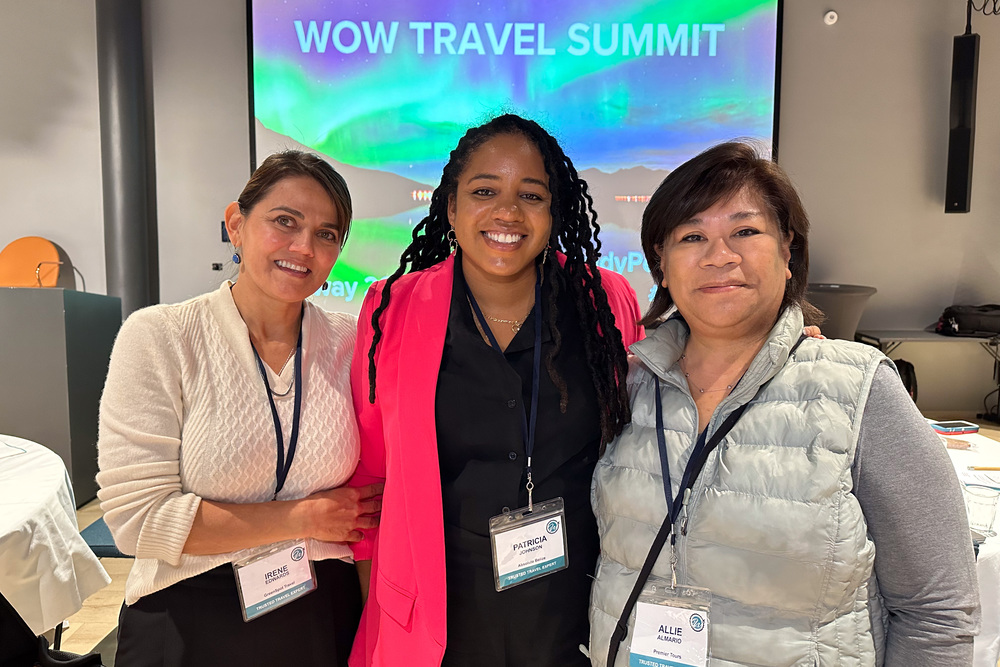
Irene Edwards, Patricia Johnson, and Allie Almario at the WOW Travel Summit.
WOW Listers Irene Edwards, Patricia Johnson, and Allie Almario.
Goncalo Correia at the WOW Travel Summit
WOW Lister Gonçalo Correia.
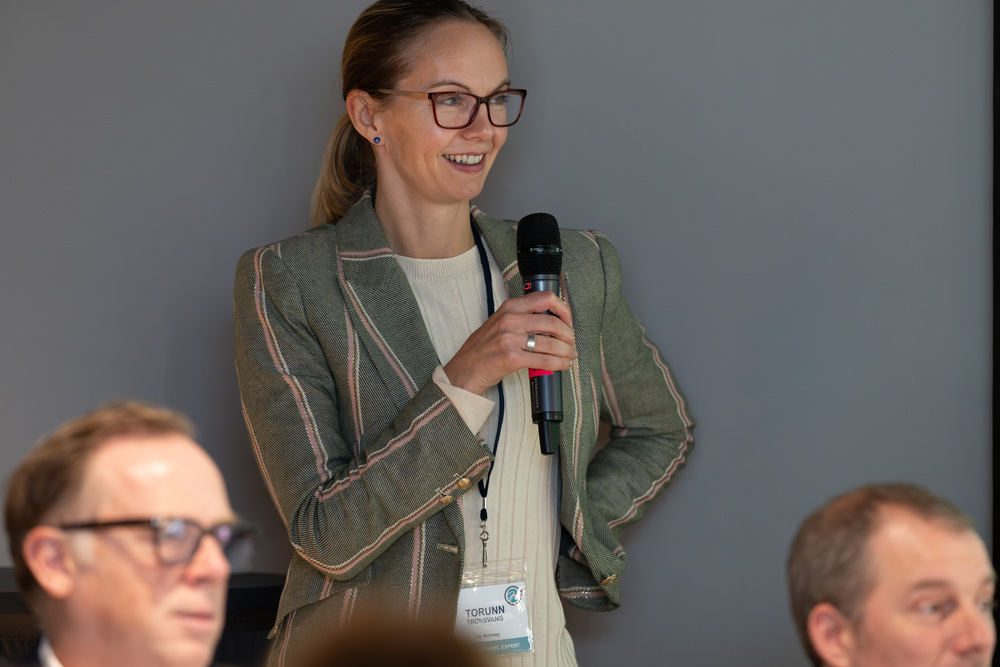
Torunn Tronsvang at the WOW Travel Summit.
WOW Lister Torunn Tronsvang.


As a number of Trusted Travel Experts shared how they’ve continued to raise the bar for WOW trips, a theme crystallized: While A.I. and other technology can streamline certain simple tasks, nothing will replace the human touch essential to designing one-of-a-kind, custom-tailored trips:

  • Ecuador and Galapagos specialist Allie Almario talked about how the little details of a traveler’s hobbies and personal taste—a love of yellow roses, say—that she picks up during her first conversation with them spark inspiration when she’s crafting WOW Moments.
  • Morocco specialist Hicham Mhammedi Alaoui described how he empowers local guides to pivot, problem-solve, and enhance travel experiences on the spot.
  • Southeast Asia specialist Daniel Fraser has built connections with remote temples and schools that now host his travelers for memorable, off-the-beaten-path meals beside monks and students.
  • Sri Lanka specialist Miguel Cunat logged many miles on foot as he personally developed a new multi-day walking trail across the country, bringing new opportunities to underserved rural communities.
  • Portugal specialist Gonçalo Correia explained how he’s managed to buck the trend of rising prices in southern Europe by constantly uncovering new, more affordable hotels, unusual local guides, and off-limits-to-the-public experiences that deliver top value.
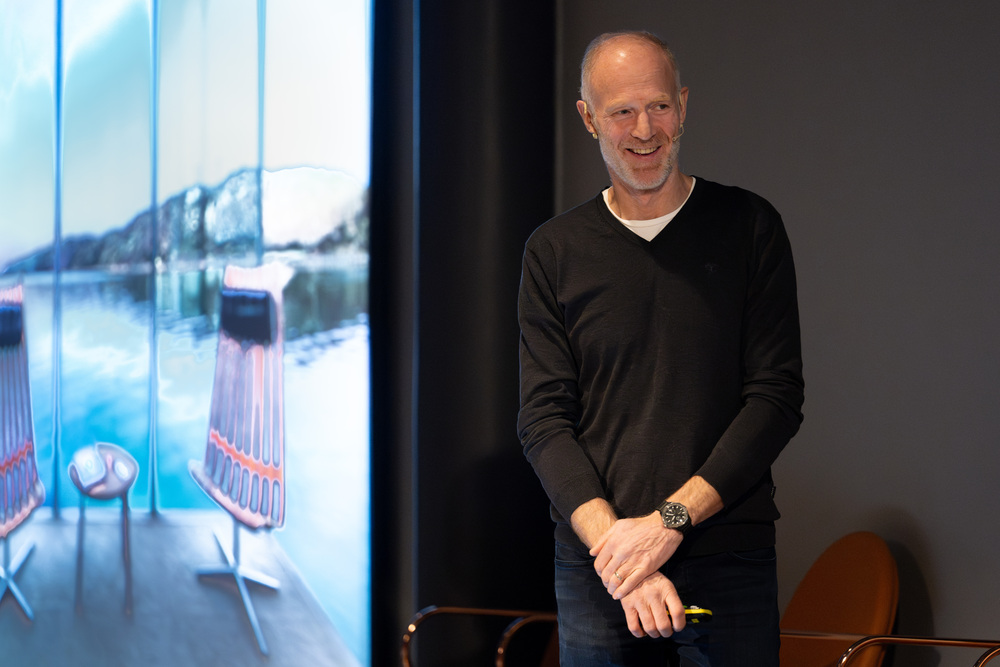
The explorer Børge Ousland

Polar explorer Børge Ousland described his latest adventure: creating a travel destination in the middle of nowhere.

World-renowned explorer Børge Ousland regaled the group with stories of his impressive exploits: He’s the first person to have completed solo, unsupported journeys across Antarctica and to the North Pole, but his latest achievement is thoughtfully designing and building (sometimes as a one-man construction crew) Manshausen, a remarkable resort on a remote private island in northern Norway, with glass-fronted cabins that let in sweeping views of the sea—and sometimes the northern lights.

Kevin Roberts from Cranky Concierge

Kevin Roberts from Cranky Concierge talked airline trends for 2024.

Kevin Roberts, from flight-booking service Cranky Concierge, joined us to share a host of new routes; you’ll find these new nonstops to smaller European cities, Australia, New Zealand, and Asia in Nonstop Flights to Make Your Travels Easier.  He also shared his perspective on when to book flights—the upside in holding out for a lower price is usually smaller than the potential downside of higher fares and fewer seats—and a strategy to fend off the inevitable airline delays and cancellations these days: Get as close to your destination as you can, as quickly as you can. In other words, if you’re flying to Poland and have to connect somewhere, do it in Europe rather than in the U.S.

We are deeply grateful to WOW Lister Torunn Tronsvang, who tirelessly worked her connections in Norway to make this Summit happen. I lost count of the number of WOW List trip-planning experts who told me how energized they were by the knowledge shared at the Summit, and how many new ideas they’d be bringing back to their offices. Here’s to even more extraordinary trips in 2024 and beyond!

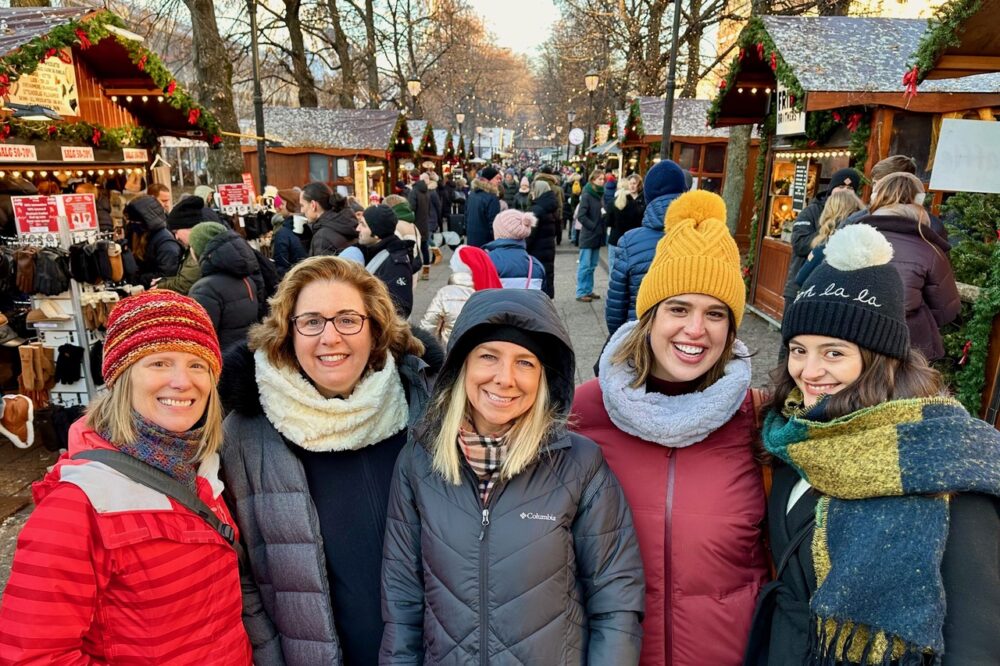
The wendyperrin.com team at the Christmas Market in Oslo.

After the Summit, the WendyPerrin.com team unwound at Oslo’s Christmas market.

START A WOW TRIP


Be a smarter traveler: Sign up for Wendy’s weekly newsletter to stay in the know. Read real travelers’ reviews, then use the black CONTACT buttons on Wendy’s WOW List to reach out to the right local fixer for your trip.
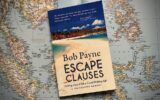
Travel writer Bob Payne's 142-country memoir Escape Clauses: Getting Away With a Travel Writing Life.

If You Think YOU’ve Traveled, Wait Till You Read This

There are travelers. And there are travelers. And then there’s Bob Payne, the guy who took an around-the-world trip over a long weekend just so he could hear the stories of fellow travelers. (Who does that?! Everybody knows you can’t begin talking to your fellow passengers until half an hour before landing.)  When asked, at check-in at JFK, what was his final destination, he was able to answer in all honesty: JFK.

He tells this story and many more in his 142-country travel memoir Escape Clauses — Getting Away With a Travel Writing Life. Now, if you are green with envy reading the trip reviews on our website, you will hate this book. Because many of you will be extremely jealous of his adventures. Me included. But wait—there is more to be envious of: He got other people to pay for them!  Well, other publications, actually.

What made Bob so valuable to the travel magazines of pre-Internet time were his senses of humor, adventure, and humanity.  (He actually requests middle seats so he can chat with fellow passengers! Again, who does that?!)  Each of those attributes were unusual in the world of glossy travel magazines, and they made him a bit of a wild card when assignment editors were looking to cover something adventurous. Instead of another opening of another 5-star resort. But it’s those attributes—that humor, humanity, and sense of adventure—that make Escape Clauses such a pleasure to read. And because he was a journalist on assignment, Bob has his original notes from all his trips. So names are named and places specified (unlike with many travelers: Usually, when people are asked where in Italy they took this or that picture, they have to reply, “Somewhere between Bari and Como.”)  Those facts add flavor and help set the scenes of his many adventures.

But the book isn’t all fun and games. While generally humorous and entertaining, he has made serious sacrifices in his life to be able to drop everything and head off on last-minute assignments. And some of those assignments had life-threatening implications. Which give just enough of an edge to remind you that Bob’s style of travel can be hard. And that he has rarely, if ever, sat around a resort pool with an umbrella drink. And we, the readers of Escape Clauses, benefit.

Full disclosure: Wendy and I consider Bob a good friend, and we get a quick mention on page 211. Hiking up Mt. Sinai in the dark with him, I fell down a dry well on top of the mountain. Classic photographer move: I backed up that one last step, for the perfect shot, and I was gone. I mean, who puts a well (cistern may be more accurate) on top of a mountain?!  I’ll never forget lying there, 10 feet down, with broken cameras but mercifully no broken bones, and looking up and seeing Bob’s outline above me, asking, in the calmest voice imaginable, “You okay?”  I got the feeling he had seen this before. In his travels, he probably had!

We got our copy from Amazon for $14.95. Shameless plug for a friend: This book would make a wonderful stocking stuffer for the travelers in your life for the upcoming holidays. You can travel vicariously through it or let it inspire you to take your own adventures.

–Tim Baker, AKA Mr. Wendy Perrin


Be a smarter traveler: Sign up for Wendy’s weekly newsletter to stay in the know. Read real travelers’ reviews, then use the black CONTACT buttons on Wendy’s WOW List to reach out to the right local fixer for your trip.
purple carry-on luggage roller bags

Packing Solutions for Even the Smallest Carry-On Bags

Many international airlines have rules that require smaller carry-on luggage than U.S. airlines, whether those rules count by centimeters or kilograms.  I bumped up against such a rule last week:

I checked in at JFK for a Swissair flight to Geneva, and the check-in agent told me my carry-on wheelie was too heavy.   I said, I’ve taken this wheelie into cabins on transatlantic flights countless times.  He said, Swissair was worried about heavy bags falling out from the overhead bins.  I said, what if I remove a couple of heavy items and put them in my handbag?  He said I should try it.  So I removed from my wheelie three pairs of shoes and a tote bag and placed the shoes in the tote bag.  He weighed my carry-on again, said it was acceptable now, and waved me off to the security line with it.

Since I was now headed toward security with a wheelie and two handbags, I shuffled items around so that I was back down to just one (heavier than before) handbag. I had no problem in the TSA line, boarding the plane, or fitting the wheelie into the overhead bin.  When flying back to the U.S. a few days later, I flew United instead of Swissair, and nobody checked the weight of any bag.

No matter what baggage regulations your next flight has, you can be ahead of the game with these hard-earned packing tips:

  • Wear your heaviest shoes. If you need to bring bulky footwear, wear it on your feet rather than taking up space in your luggage.
  • Pack your oldest socks and underwear. You can discard them along the way, making room for souvenirs you pick up.
  • Stick to just two or three colors of clothing, and avoid patterns and stripes. That way everything matches and can be worn with everything else. I usually pack mainly black, then add color with a bright silk scarf (in summer) or pashmina shawl (in winter).
  • Opt for luggage with few compartments. This might sound counterintuitive in an era when we have to cram so much into such a small space, but in my experience, extra zippers, buckles, and straps just take up space. I’d rather have an empty box-like space so that I can use those precious extra millimeters to cram things in. I do like to have an outside pocket, though, so I can quickly reach items I’ll need to access, such as my ultra-light compressible parka and pashmina.
  • Use zip-top bags of varying sizes to make space and stay organized. Instead of using a carry-on with lots of compartments, I make my own “compartments” with zip-top bags. They weigh nothing and take up no space. I place my liquid toiletries in one (for easy removal at airport security), my dry toiletries in another. I vacuum-pack clothes in a two-gallon-size one, and I create my own inflight amenities kit by throwing eye drops, ear plugs, eye shades, Vitamin C, etc. into a sandwich-size Ziploc.
  • Carry travel-sized, multi-purpose toiletries. Use 3-ounce-and-under sizes of multi-purpose toiletries (e.g., facial moisturizer with SPF, shampoo-plus-conditioner that you can use as shaving cream) and liquid toiletries in disposable packets rather than bottles (e.g., makeup remover pads; hand-sanitizing wipes).
  • Bring 3 or 4 plastic grocery bags too. Like Ziplocs, they weigh nothing and take up no space. I use them as shoe bags, and they can also hold laundry, protect a camera from rain, etc.
  • Pack travel-size detergent. Use Woolite packets or Tide singles to wash clothing in your hotel-room sink.

Be a smarter traveler: Read real travelers’s reviews of Wendy’s WOW List and use it to plan your next trip. You can also follow her on Facebook, Twitter @wendyperrin, and Instagram @wendyperrin, and sign up for her weekly newsletter to stay in the know.

View of French Polynesia land from Windstar Owner's suite balcony.

When Is a Cruise Ship Balcony Worth It and When Is It Not?

When is a cruise-ship balcony worth the splurge?   Sometimes booking a private veranda is a no-brainer for the vistas, the quick access to fresh air, lots of light, and the extra real estate. But sometimes, because of weather or your itinerary, a balcony may not be worth the extra cost.

I’ve sailed on 300 different cruises, from luxury ocean crossings to European river journeys to an expedition ship in Antarctica, and here’s how I weigh the pros and cons of private balconies on three common styles of small-to-mid-sized vessels.

River Ships

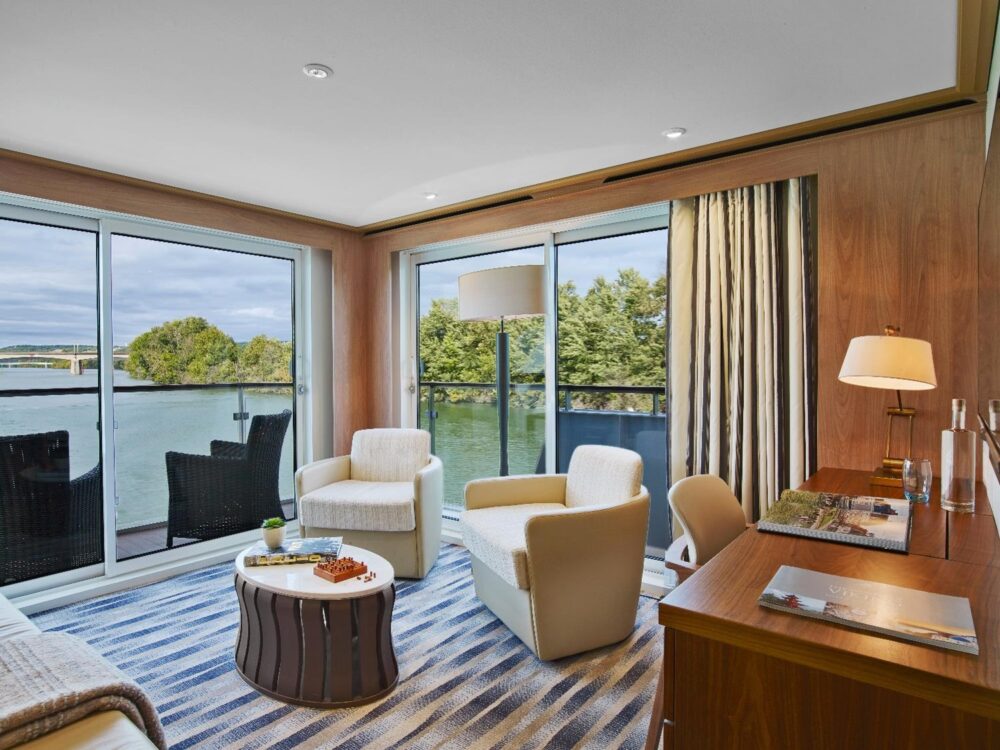
What to Expect: On European rivers, there are two types of balconies: The traditional, step-out space with chairs, and a “French Veranda”—essentially, a wall of glass (via windows that can be lowered with a push of a button or patio-style sliders) that is framed by railings.

The traditional balconies are smaller than what you’d find on an ocean ship because river vessels must fit through narrow locks. Still, there’s room for a couple of chairs and a small cocktail table.

In the priciest suites on a few ships, the balconies are much roomier.   Viking River Cruises’ Explorer Suites, for instance, have balconies that are almost as spacious as those of ocean-going ships, and their aft-facing view is relaxing while traveling on a river.

Balcony in the Explorer Suite on Viking's Longships.

Explorer Suites on Viking’s Longships have relatively spacious balconies. Photo: Viking Cruises

Some river cruise lines, including Uniworld and Avalon, have only French verandas. This offers access to fresh air and views (on Avalon, if you push a chair up to the rail, it’s almost a real balcony experience) and, because there’s not a separate, defined outdoor area, cabins tend to be more spacious.

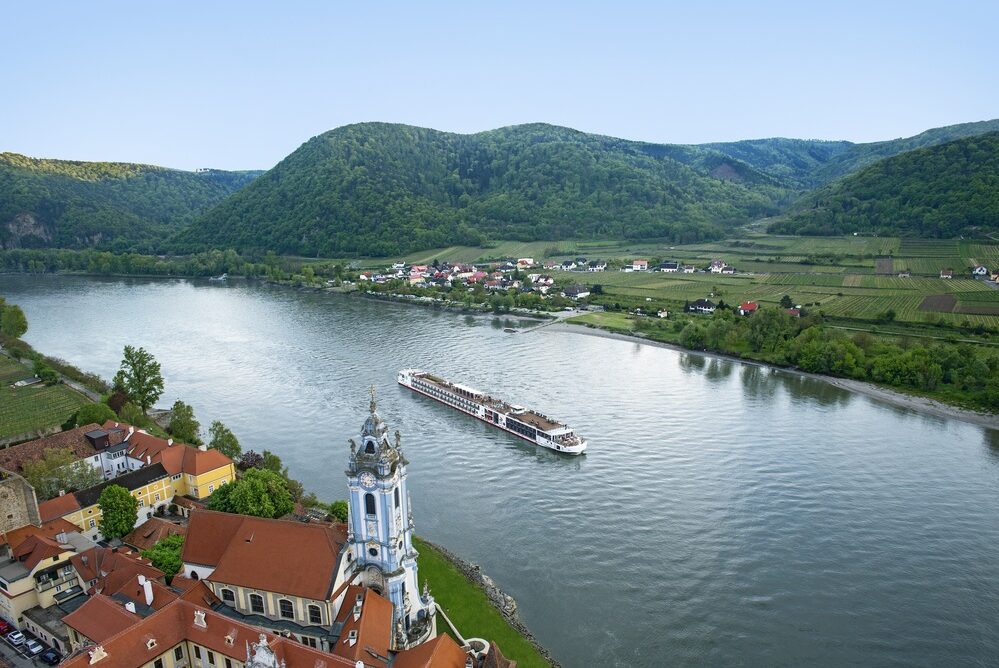
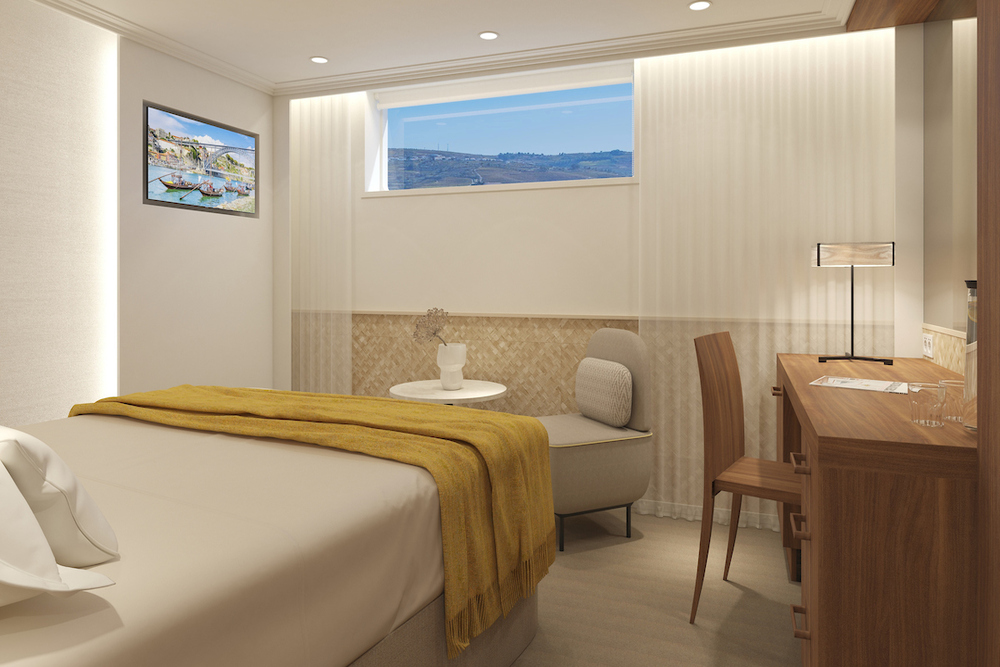
Staterooms with French verandas or private balconies are typically located on the top decks of a river-cruise vessel.  The low deck offers window-only cabins, usually with no view—just a bit of light. These windows are typically long and narrow and located high up on the wall.

Avalon Waterway's Panorama Suite and its balcony.

Avalon Waterways’ Panorama Suite has “French balconies.” Photo: Avalon Waterways

Know this: The challenge with any type of balcony on a river ship—particularly on a cruise along the Rhine or the Danube—is that during the day, in port, ships may have to tie up to one another; this can completely block not just your view but also your light and privacy. Also, on river cruises you typically spend a lot of time off the ship in river towns; as many balcony cabins as I’ve had, there was never much time to enjoy them.

My Take: Cruising on rivers is all about the landscapes you’re passing through. If you stick to your balcony, you limit your view to just one side of the river. You’ll likely want to head up to the observation deck for 360-degree vistas instead. But since the only other room option—a window-only cabin on a low deck—can feel a bit claustrophobic, I’d prefer a balcony of any kind. Just don’t assume you’ll be using it for hours every day.

Ocean Ships

What to Expect: Balconies are a no-brainer on an ocean cruise—everyone wants one. The good news is that cruise lines have dramatically increased the percentage of balconied staterooms on ships built since about 2010 (the newer, the better). That means balconies are easier to snag and are a better value. On larger vessels—such as those of Celebrity, Holland America, and Oceania—all verandas are comfortable, but the best belong to the highest-level suites and can come with extras such as whirlpools and dining tables.

Sunrise on the balcony of a cruise.

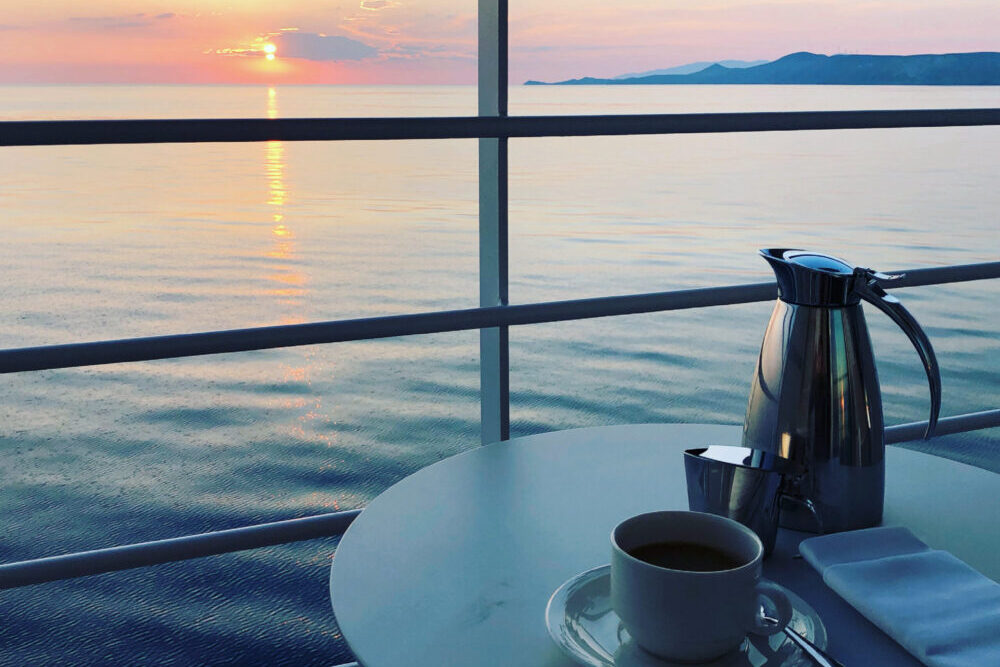
On a trip around the Greek Isles, coffee on the balcony was a wonderful morning ritual. Photo: Carolyn Spencer Brown

On smaller ships, and particularly on luxury lines, verandas are a wonderful place to dine al fresco or simply stretch out on a lounger in your own private space. Even cruise lines with slightly older small ships, like Windstar with its intimate power yachts, have added French verandas to standard-sized cabins; these vessels have a handful of actual sit-out spaces in top suites too.

Know This: Location can matter! One of the best spots for a balconied cabin (or suite) is on a ship’s aft deck, facing backward over the wake. It’s an incredibly soothing sight ,and often these verandas (even with a standard-category cabin) are deeper and roomier than usual. By contrast, forward-facing balconies are more subject to winds, movement, and sea spray. You also will want to avoid any forward-facing balcony cabin that’s directly under the bridge (the key navigational area of the ship): At night you may be limited in their use, as the light can hamper operations.

View of Tahiti from Windstar Star Breeze's balcony.

A forward-facing balcony on Windstar Cruises’ Star Breeze in Tahiti. Photo: Wendy Perrin

My Take: The bigger the ship, the more crowded the public spaces can be, so it’s nice to have a private slice of the outdoors to relax in from time to time. Breakfast on your veranda is a perfect vacation indulgence (and room service is typically free). At sea, the ocean view is lovely and even in most ports, ships don’t dock too close to each other, so you have nice vistas there too.

Even on smaller, more luxurious ships that don’t feel crowded, a balcony is desirable; if the weather is such that you can spend a lot of time on your balcony, it’s like having an additional room.

Expedition Ships

What to Expect: The hottest new trend in expedition cruising—itineraries to the most remote destinations on earth—is vessels that have all the comforts of small luxury ships, including private balconies. Expedition vessels built since 2014 increasingly have more spacious accommodations that include verandas. Cruise lines whose newest expedition ships have private balconies include Ponant, Scenic, Seabourn, and Silversea. In other cases, lines such as Lindblad offer balconies only in top suite categories.

A tropical expedition balcony in the Silversea Silver Origin.

On Silversea’s Galapagos-based Silver Origin, a temperate climate offers lots of opportunities for enjoying your balcony; this one’s part of the Royal Suite. Photo: Silversea

You may even have a choice of French verandas or traditional ones. On Viking’s Octantis and Polaris expedition vessels, a handful of top suites have normal balconies, while the standard accommodations have “Nordic balconies” that are similar to French verandas, with windows that open halfway.

Know This: How much you actually use a balcony on an expedition cruise is highly affected by your itinerary and the weather. On a cruise to the polar regions, where conditions can be cold and stormy, a private veranda is nice if you want to be able to jump outside to capture a photo, but you likely won’t be spending time lounging or dining there. If you’re headed to a tropical destination, such as the Galapagos, verandas are a wonderful indulgence—and much in demand.

Silversea Cruises' Silver Endeavour in Antarctica.

On Silversea Cruises’ Silver Endeavour in Antarctica, a private balcony may be great for capturing photos but not for dining. Photo: Carolyn Spencer Brown

My Take: On my Antarctica cruise last year, my balcony was a nice extra but not a necessity. We loved dashing outside to admire a passing glacier or penguins wobbling up an icy hill, but the weather was too cold to enjoy a meal or a cocktail there. And, as is common on expedition vessels, the best vantage points in such dramatic locales were the upper decks where, both inside and out, we could see the view from 360 degrees.

The cruise specialists on our WOW List of Trusted Travel Experts can help you weigh the pros and cons of a balcony on any ocean, river, or expedition cruise. Not sure which cruise or expert is right for you? Ask for our advice via the black button below.


ASK US ABOUT A CRUISE


Be a smarter traveler: Sign up for Wendy’s weekly newsletter to stay in the know. Read real travelers’ reviews, then use the black CONTACT buttons on Wendy’s WOW List to reach out to the right local fixer for your trip.
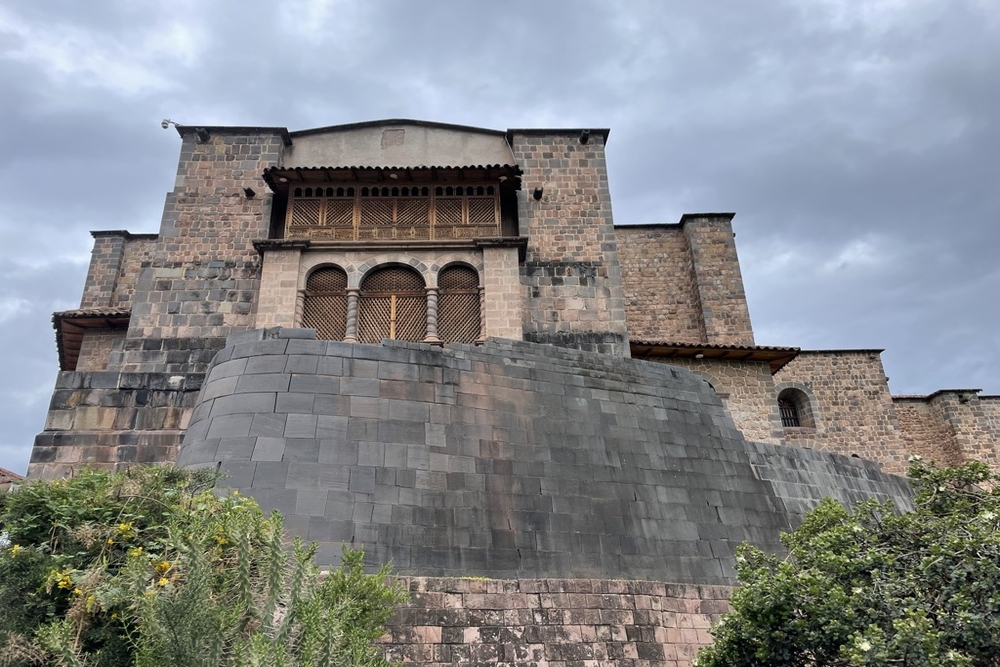
Wendy aboard a "hotel barge" on the Canal de Bourgogne in Burgundy, France

How to Know if a Barge Cruise in France Is Right for You

I’m just back from one of my favorite trips ever: a six-night, eight-passenger barge cruise on the Canal de Bourgogne. Too many people think a river cruise on a 160-passenger ship is their only option for traveling by inland waterway in Europe.  They are missing out.  France in particular has a big network of picture-postcard canals where intimate boats (4 to 12 passengers) glide from village to village, past medieval castles and old-world farms, with no cars in sight for long stretches. It’s like floating through a bygone era. The pace is so languid that you can actually walk faster than the barge goes. I enjoyed hopping off to walk or bike along the towpath, then hopping back on.

The biggest surprise for me was how the escargot’s pace of the barge forced me to relax more than I’ve been able to in years. We could have done the same sightseeing by car, sleeping in hotels—in fact, we could have driven from the village where we started (Vandenesse-en-Auxois) to the village where we ended (Plombières-lès-Dijon) in only 27 minutes!—but that would not have unwound us into the same state of deep relaxation.

A beautiful landscape of Vandenesse en Auxois Burgundy Canal barge.

We started our barge cruise in the village of Vandenesse-en-Auxois, France.  Photo: Timothy Baker

Despite the slow pace, we actually covered a lot of territory, thanks to excursions by van each afternoon to historic sights, wineries, châteaux, and villages where we ended up visiting artisan studios, farmers’ markets, antique shops, cheesemakers…. One of my favorite excursions was to the Chateau de Commarin, where the same noble family that has owned it for 26 generations still lives today; below you can see the Count’s dog greeting me.

Most people would be surprised by the level of luxury, the modern creature comforts, and the exquisite cuisine on our barge. A private barge charter really is like having your own staffed vacation home, only with ever-changing views. And, because you wake up in a different village each day, there’s always someplace new to explore outside your door, yet there are no logistics to deal with.

Tim and I can’t wait to barge again:  Next on our list is the Canal du Midi.  Still, barging is not for everyone. I wouldn’t recommend it to families with toddlers or teens (who could get bored on the barge or need more exercise than just walking and biking), nor to anyone who requires a hotel gym. Nor would I recommend it to people who don’t like wine or cheese, given how much of it is served every day. (We tasted at least 40 wines and 40 cheeses during our six days.)

Wendy biking near a barge in the Burgundy canal in France.

Biking on the Canal de Bourgogne was easy and safe.  Photo: Timothy Baker

There are three groups of travelers who I think could really benefit from barging:

  • A group of couples who get together each year and are looking for something different and fabulous.
  • A family group without kids that is looking for an especially scenic and logistically easy villa-style vacation.
  • Busy execs who must work on vacation. That’s because a barge lets you sightsee from your desk. I was able to sit on deck all morning, answering email on my laptop while bucolic scenery and history glided by, then take a break each afternoon for an excursion and gourmet pursuits.

If you’re an individual couple without a group, there are certain weeks of the year when barges will have availability for you, but most barge cruises are private charters (typically for a group of four, eight, or twelve). Barges are pretty much sold out for 2023, but there is still a lot of availability for 2024.  If you’ve got questions about whether a barge trip is right for you, or if you could use a recommendation of the right boat, region, or itinerary for your needs, I’m happy to help via the Ask Wendy questionnaire.

Wendy at Chateau de Commarin in Burgundy, with a dog approaching her.

One of my favorite excursions was to the Château de Commarin, where the same noble family that has owned it for 26 generations still lives today (that’s the Count’s dog you see greeting me).  Photo: Timothy Baker

Be a smarter traveler: Sign up for Wendy’s weekly newsletter to stay in the know. Read real travelers’ reviews, then use the black CONTACT buttons on Wendy’s WOW List to reach out to the right local fixer for your trip. 
Wendy-Perrin on Champ de Mars with the Eiffel Tower in the back.

Paris Is Crowded: These Tips Will Save You Lines and Headaches

I just spent the last ten days of April in France, including four days in Paris, and there are a few things that travelers should know. First, at no time did we see, nor were our plans affected by, the fiery protests or strikes you see in the news. Second, what we did see was a gazillion people in Paris. They were enjoying themselves immensely, but Paris was more crowded than I have ever seen before. Here’s what the banks of the Seine looked like last Saturday afternoon:

The crowds at Seine river bank in Paris, France.

The right bank of the Seine on Saturday, April 29, 2023.  Photo: Timothy Baker

If you’re headed to France this spring, summer, or early fall, hopefully you took the advice we’ve been giving since January and you’re making reservations well in advance or, better yet, using a France expert with local clout who can spare you time-consuming logistics and get you past the lines and crowds. (You’ll find my France picks on The WOW List.) If you are going it on your own—as I did because those France experts are so busy helping you that I did not want to take up their time!—here are my tips.

A long line of people in Champ de Mars waiting in front of the public toilets.

I counted 21 people in line to use the toilets on the Champ de Mars on April 30, 2023. Photo: Wendy Perrin

Plan for things taking longer than usual.

Because of lines, security precautions, and masses of people in popular places, things take longer than they used to. So, if you’re taking the kids this summer, don’t think you’ll be able to do three major sights per day; you’ll be lucky to do two. The line for the public toilets in the Champ de Mars last Sunday (above) says it all.

Guard against pickpockets.

Where there are crowds, there are pickpockets. Within an hour of our landing at Charles de Gaulle, my husband Tim’s iPhone was stolen (somewhere between Terminal 1 and the RER train platform at Terminal 3). The airport police, the guy at the Apple Store on the Champs-Élysées, and signs all over the Metro conveyed that there is a lot of pickpocketing in Paris now. Our hotel concierge said it’s especially bad at the Paris Flea Market, where Tim and I also went. For the rest of our time in Paris, I kept my iPhone zipped into an interior pocket in my jacket.

A photo of the Rodin Museum with the Sculpture Garden in Paris.

The Sculpture Garden of the Rodin Museum was a peaceful spot in Paris on Sunday, April 30, 2023. Photo: Timothy Baker

Seek out quieter spots.

There are so many lesser-known, charming parks and museums in Paris!  At the same time that the Champ de Mars was so busy, the Square d’Ajaccio, a serene and flowery little park with an Eiffel Tower view next to the Hôtel des Invalides (a 15-minute walk away), was empty. I know this because I stopped there en route to the Rodin Museum’s leafy Sculpture Garden on Sunday afternoon (above), which had no wait to buy tickets and had plenty of peaceful corners and unoccupied benches.

Book timed entry tickets.

They’re needed at the most popular museums. As for the Eiffel Tower, even if you buy timed tickets, you’ll still have lines and waits.

The Eiffel Tower comes with its own unique quandaries. Buying advance tickets means taking the risk that your time slot could coincide with rain or foggy weather that ruins your views. That’s why my advice for years has been to wait for a clear day with great visibility, then arrive before opening time and buy tickets to take the stairs to the 2nd floor (the 674-step walk yields fascinating views and perspectives on the city, and you can take it slowly), then ride the elevator from the 2nd floor to the top. In the past, I’ve never seen any line for buying stairs tickets. But now, based on the length of the stairs-tickets line last Sunday afternoon (below), my strategy may no longer work.

A line of people waiting to buy stairs tickers for the Eiffel Tower

The stairs-tickets line at the Eiffel Tower on Sunday afternoon, April 30, 2023.  Photo: Wendy Perrin

Signs said that that line was an hour long. More signs, at more ticket-buying lines, warned: “The top floor may be closed to visitors during busy times to limits on capacity. Delay more than 45 minutes on the second floor.”

Personally, the next time I go to the Eiffel Tower without help from a WOW List France specialist, I’ll book a table at the (Michelin-starred) Jules Verne restaurant on the 2nd floor. It’s got its own elevator with no line.

Or consider ascending the Tower at night. Visitors are currently being admitted until 11:45 pm, so you could see the City of Light illuminated.

Just across the Seine, the Trocadéro—with its famous Eiffel Tower views—was terribly crowded too but as good a people-watching spot as ever. We saw a just-married couple in traditional Korean wedding costume posing for photos, watched a man get down on one knee and propose to his stunned girlfriend, and saw dances performed by a group of girls from Germany.

German dancers on Trocadero in front of the Eiffel Tower.

A group of dancers from Berlin performed at the Trocadéro near the Eiffel Tower on April 30, 2023.  Photo: Wendy Perrin

In stark contrast to Paris, the idyllic villages of Burgundy where I spent my other six days in France, floating through the countryside on a barge, were blissfully empty!  Here’s what the barge cruise was like.

Be a smarter traveler: Sign up for Wendy’s weekly newsletter to stay in the know. Read real travelers’ reviews, then use the black CONTACT buttons on Wendy’s WOW List to reach out to the right local fixer for your trip.
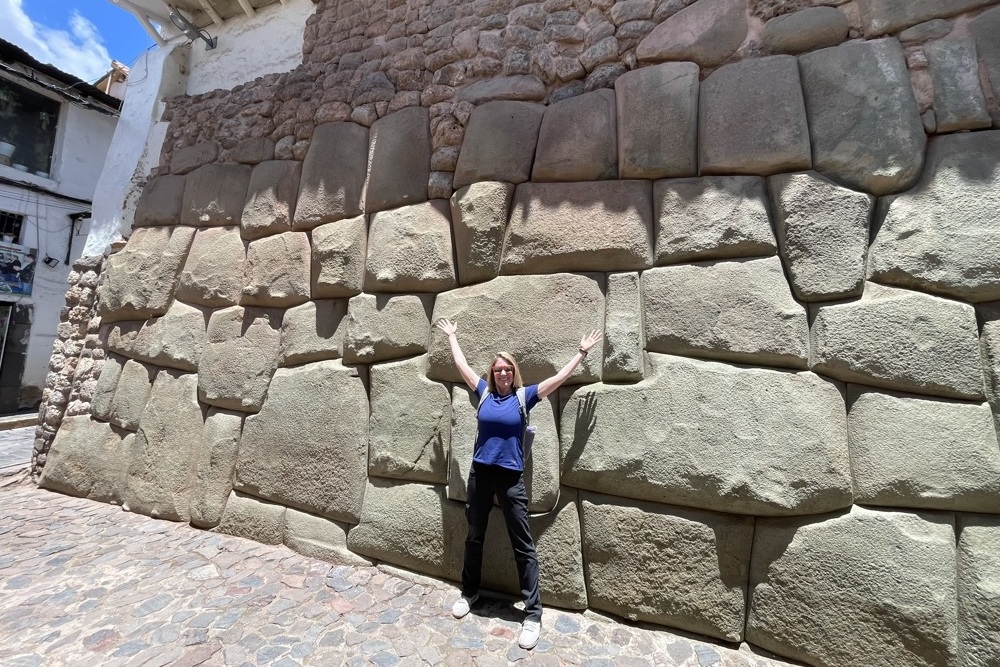
smartphone taking picture ocean beach

12 Ways Your Phone’s Camera Can Prevent Travel Headaches

We all know that snapping photographs of your travels is a great use of your mobile phone. Here’s what I’ve learned: Beyond capturing the beautiful moments, phones can also help you avoid many travel headaches. On your next trip, whip out your smartphone camera and shoot the following photos. It will take only a few seconds and could save you wasted time—and even hundreds of dollars—later in your trip.

1. Snap a photo of your parking spot at the airport.
When you return from your trip jet-lagged and foggy, you’ll know the floor/row where you parked your car.

2. Snap a photo of your luggage before handing it to the airline check-in agent.
If your bag gets lost, you’ll have a photo to help the airline identify it. You also may want to take a photo of the contents: If you have to file a claim for a lost suitcase, you’ll need a description of every item that was in it.

3. Snap a photo of your passport identification page.
If you lose your passport, this will help you quickly procure a replacement.

4. Snap a photo of the transit system map in the foreign city you’re visiting.
That way you can refer to it as often as you need to, without worrying about Wi-Fi access, while exploring the city.

Budapest’s subway system

Signs underground in Budapest’s subway system

5. Snap a photo of your hotel’s business card or your cruise ship’s location in your current port of call.
This will come in handy if you need help finding your way back.

6. Snap a photo (several, actually) of your rental car before driving it off the lot.
Document any and all dents and scratches on the car at pick-up, and again at drop-off, in case the rental agency later tries to bill you for damage you didn’t do.

Document rental-car returns with your camera

Document rental-car returns with your camera, especially if the rental office is unmanned and you can’t get a receipt.

7. Snap a photo of signs or placards you may want to refer to later.
Do your brain a favor and photograph any signs that provide traveler help, technical instructions, regional context, or historical information that you might want to remember. (If they’re written in a foreign language, the Google Lens function in the Google Translate app can convert the text in your photo to English.)

8. Snap a photo of any expensive souvenirs you buy and ship home.
If your purchase never arrives, or if it arrives damaged, you’ll want a photo documenting what you bought.

9. Snap a photo of any souvenir you almost buy but don’t because it’s too expensive.
At least you can enjoy the memory (or, if you change your mind, order it from the merchant later). Of course, whenever you see a local artisan handcrafting a souvenir you’re going to buy, snap a photo of them making it (but always ask for their permission first).

Photograph signs with directional info

Photograph signs (such as this one in Newfoundland) with directional info you’ll want to remember.

10. Snap a photo of your children each morning of the trip.
If they get lost, you can show authorities what they look like and what they’re wearing.

11. Snap a photo of the objects your children make or collect during the trip that can’t be transported back home.
Such photos will go a long way toward mollifying your kids when they are forced to leave their treasures behind.

12. Snap a photo of your rental home upon departure.
Avoid unexpected fees by taking photos that show you left the house and its contents in good condition.

Tell me: What did I forget? How else can you use a smartphone camera to prevent or minimize travel headaches?


Be a smarter traveler: Sign up for Wendy’s weekly newsletter to stay in the know. Read real travelers’ reviews, then use the black CONTACT buttons on Wendy’s WOW List to reach out to the right local fixer for your trip.
Planning a River Cruise: 7 Mistakes You Think You’re Too Smart to Make

Contemplating a river trip in Europe? A river cruise is a scenic and effortless way to travel, for sure, but take heed: Many of the rules that apply when choosing a hotel or a big ocean cruise ship don’t carry over to river boats. To get the best value for your dollar, here are seven things to keep in mind.

Mistake No. 1: Splurging on a balcony

Panoramic view from Avalon Alegria in Suite 2.

The Panorama Suite on Avalon’s river vessels is one of the nicest afloat. Instead of a small balcony, its French verandah, which extends to the width of the room, makes your whole stateroom feel like a balcony. Photo via Avalon. 

You’d probably assume a balcony is critical—for the view, the fresh air, the photo ops, the extra space, the privacy. A balcony is a big plus at a resort and on a huge ocean ship, but on river boats it can actually be a drawback: River ships have a width limit (so that they can fit through locks), which means that cabins can only be so wide, which in turn means that a balcony takes away from your interior room space. If it’s chilly or raining—as it sometimes is—you’ll value the interior room space more than the balcony. Also, a balcony lets you see only one side of a river, whereas elsewhere on the ship you can see both sides at once. And who wants to miss half a river?

This is why many savvy river cruisers opt for a “French balcony” instead of an “outside balcony.” A French balcony is a glass door or wall-to-wall window that opens to give you fresh air and the feel of a veranda, minus the outside floor, tables, and chairs. The best such pseudo-balcony I’ve seen is on Avalon Waterways’ newer ships. The outside wall of the cabin is floor-to-ceiling glass that stretches 11 feet wide and slides open 7 feet wide. Basically, it turns your whole room into a veranda.

Avalon calls these cabins “Panorama Suites.” Technically, they’re not actually suites: Each is one room that measures 200 square feet and has a comfy sitting area (a chair, a loveseat, and a table) overlooking the water. The bed faces the view—a bed position that is unusual for river ships and is a nice touch, as the view is the first thing you see when you wake in the morning (unless you’ve drawn the curtains, you’re in a lock, or another ship is parked alongside you—which is a reason why most people do draw their curtains at night).

With cabins that transform into open-air terraces, who needs a balcony?

Mistake No. 2: Assuming that your whole itinerary is on the river

The beauty of a river cruise is that it’s a picturesque and easy way to see towns and cities along a river. Typically, the ship drops you off in town, and you can choose to walk around and explore on your own (always my preference) or take a walking tour or bus tour with a group from the ship. Sometimes passengers are bussed to sights an hour or two (or more) away from the river. And sometimes those bus tours can mean missing whole stretches of the river. On the Seine, for instance, opting for the bus tour to Honfleur or Normandy’s WW2 landing beaches could mean missing a picturesque stretch of the river because the bus picks you up at one port and drops you off at the next. (Which is why, on one cruise, I opted not to go to Honfleur or the landing beaches.)

One of the most scenic spots on the Seine River is the approach to the village of Les Andelys. Photo by Carolyn Spencer Brown

So find out whether the cruise line and itinerary you’re considering may force you to choose between the river itself and the sights away from it—and whether those stretches of river are not-to-be-missed picturesque or okay-to-miss industrial. A good cruise director will answer these questions honestly and accurately, and Google Earth can help too. If the cruise director can’t tell you which stretches of the river are most interesting, do what I do—even though technically it’s not allowed: Knock on the wheelhouse door, make friends with the captain, and ask them (at a moment when they’re not busy steering around barges or into locks). Captains always know.

Don’t bother spending precious time attempting to find out where your ship will dock in each town. We choose hotels for their location, of course—so it’s understandable that you’d want to know where a ship will be situated—but, for the most part, they all dock in the same spot. Some ships might have better real estate in certain cities. In Budapest, for instance, Viking’s spot is right under the Chain Bridge. As a general rule, though, all the ships park in pretty much the same area—and, to some degree, where they park can’t be known far ahead anyway. In Passau aboard Viking, we docked in one spot and then later the ship moved several slips downriver.

Mistake No. 3: Insisting that your ship have a gym and a pool

I want these in a hotel or on a giant cruise ship as much as the next person, but the fact is, on river ships, you rarely see anyone in the gym (which is tiny and only minimally equipped) or the pool (which is equally tiny except on some Uniworld ships that have gorgeous indoor pools and some AmaWaterways ships that have a relatively spacious pool with a swim-up bar). There just isn’t enough time to use the gym or pool, as you’re off the ship exploring all day. And if you’re not off the ship, chances are either it’s nighttime or you’re gliding down a significant stretch of river that you won’t want to miss.

The pool in the AmaSonata river ship.

AmaWaterways is one of the few river lines that have pools on the top decks of its ships. Photo by Wendy Perrin

Cruise-line execs keep gyms and pools on ships as marketing tools to get travelers to choose their ship, but the reality is that you likely won’t end up using either. That’s because there are so many opportunities to get exercise off the ship: Some lines carry bicycles and offer cycling tours. Others lend out Nordic walking sticks for ambitious strolling and hiking. And check with your ship’s cruise manager; oftentimes they’ll know where in port you can go to swim or get a massage at a resort or day spa.

Mistake No. 4: Choosing a ship based on the number of passengers
Most people I know, when choosing a hotel or an oceangoing cruise ship, veer away from anything too huge. But on Europe’s rivers there are pretty much only two sizes of cruise ship: 110-meter vessels (which hold about 128 passengers each) and 135-meter vessels (which hold about 166 passengers each). Viking’s longships squeeze 190 passengers onto a 135-meter ship, which competing cruise lines say make it feel crowded. Honestly, though, I sailed on a 190-passenger Viking ship and, other than chairs spaced close together in the observation lounge and trouble finding seats for my party of four at dinner one night, the ship didn’t feel crowded to me. (Then again, I grew up in Manhattan, so my definition of “crowded” may differ from yours.) Nor did I experience less personal service on Viking, partly because Viking (unlike other river cruise lines) has a dedicated concierge who provides such service.

Most ships that ply the Danube and Rhine are similarly laid out (with a few exceptions), so choose your cruise based on the destinations, not the ship itself. Photo via Viking .

There is an exception to this rule. AmaWaterways designed its AmaMagna, which debuted in 2019, to be almost double the width of the standard riverboat on the Danube. The plus? It’s got more amenities, such as more spacious suites, four different restaurants, a sundeck pool and whirlpool, a juice bar, two massage rooms as part of a zen wellness studio and, new this year, a pickleball court. The minus? This ship, due to its size, is limited to a stretch of ports along the Danube that don’t involve locks. Still, it can travel from Germany through Austria, Slovakia, Hungary and Romania, so the options aren’t severely limited.

If I were you, instead of choosing among river ships based on the number of passengers, I’d choose based on factors that I think will affect your trip more—namely, itinerary, river landscape, cabin type, and like-minded fellow passengers.

Mistake No. 5: Booking the least expensive cabin
In a hotel it can make sense: Choose the lowest-category room at a fabulous property, so you can take advantage of everything the hotel offers, and use the room just for sleeping. On a river cruise, though, the least expensive cabin can be really tight—170 square feet or less—with small windows that don’t open. It’s usually worth the several hundred dollars more to get a French balcony. The aforementioned Avalon “Panorama Suite” cabins cost about $100 more per person per day than the ship’s lowest-category rooms. They’re worth it.

View of the Avalon Alegria Deluxe Stateroom.

On river vessels, the cheapest staterooms are on the lowest deck and though they have windows, there’s not much of a view (this one is on an Avalon riverboat).

Mistake No. 6: Assuming you can dine on your own
In a hotel or on a megaship, it’s easy to stick to yourselves, but on a river ship, there’s a lot of forced socializing. Every night there’s a four-course (at least), two-hour (at least) dinner where you’re seated at tables with other passengers, some of whom you just met. I’ve made some great friends at these chance meetings, but I’ve also been stuck with some louts. Viking is the only river line I have traveled on that provides an alternative venue where you can grab a half-hour dinner on your own if you just don’t feel like making chit-chat with strangers.

Viking’s Aquavit Terrace offers a casual dining alternative to its main restaurants. Photo via Viking.

AmaWaterways offers some options—typically a light breakfast or lunch option is available to grab and go from its lounges. And its new ship, AmaMagna, which is twice the size of traditional river boats, offers more dining options than any other vessel on the Danube.

Mistake No. 7: Assuming there’s room service
Room service is a given in hotels, and it’s usually free on ocean cruise ships, but on river ships it barely exists. On certain ships, in certain cabins, you can get a room-service breakfast. Avalon offers a complimentary continental breakfast option. Room service for lunch or dinner is rare, but Avalon does offer (again, complimentary) an option based on the day’s menus. You do have to order from the front desk, but the food will arrive at your stateroom.

On most ships, early morning coffee and continental breakfast are available in the observation lounge starting at about 6 a.m.

Don’t expect to find an in-room coffee machine in most river-ship cabins. You really don’t need one, though: Every vessel I’ve sailed on has a fancy coffee machine mid-ship (either off the lobby or in the observation lounge) that whips up espressos, cappuccinos, and machiattos, plus there’s hot chocolate, an assortment of teas, and snacks such as cookies and fruit. In fact, on the Avalon Tapestry II, there are two such coffee set-ups—one in the front lounge, one in the back lounge. Which means coffee is never more than 15 seconds away.

Finally, one mistake you are too smart to make: Assuming the Wi-Fi will work at all times
The good news: The Wi-Fi on river ships is free. The bad news: It comes and goes, depending on whether you’re in a lock or on a remote stretch of the river or the other passengers are sucking up all the bandwidth. Where you’ll have Wi-Fi and where you won’t is unpredictable—and none of the river lines are better or worse at providing it—so just know that, generally speaking, your best windows of connectivity are when you’re not in a lock and other passengers are off the ship or have gone to sleep. Know that coffee shops in towns along the way offer better and free Wi-Fi. Another option is to bring a portable modem that connects with systems on land. You can also pre-purchase international packages via your Wi-Fi provider that enable you to use your phone as a modem.

Also know that nobody requires more frequent Wi-Fi than I do, and a river ship is actually one of the best working environments I know: You can sit at your laptop for hours yet have an ever-changing view.


START PLANNING A RIVER CRUISE


This article was updated and fact-checked in March 2023. It was originally published in 2015.

Be a smarter traveler: Sign up for Wendy’s weekly newsletter to stay in the know. Read real travelers’ reviews, then use the black CONTACT buttons on Wendy’s WOW List to reach out to the right local fixer for your trip.
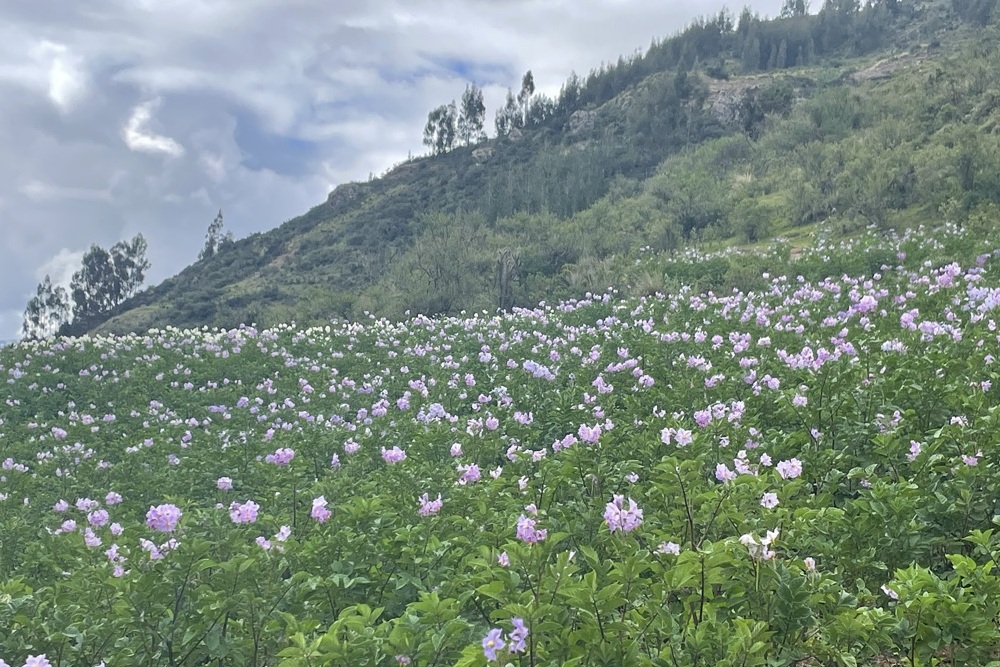
Brook and her family at the Sphinx statue with no other people around.

Secrets to a Family-Friendly Trip to Egypt

When you use our Trip Questionnaire to get a WOW trip, you start by articulating your trip goals and challenges. That’s what Brook did when planning her kid-friendly adventure in Egypt. You can find the right Trip Questionnaire for you via The WOW List’s CONTACT buttons.


My trip request:
Seeing the Pyramids had long been my son Zeke’s dream. Egypt has been marked with a special pushpin on the world map in his bedroom since he was seven. When Zeke turned 11, we decided it was time to make his dream come true. We needed a kid-friendly itinerary for Egypt that hit all the highlights while avoiding the post-pandemic tourist crowds that afflict those iconic spots.

Biggest trip goals:
I had two goals: to make three-dimensional the ancient history Zeke had been learning about from textbooks, and to show him a slice of the country’s contemporary life.

Biggest trip challenges:
People from all corners of the globe want to see the last remaining wonder of the ancient world, so Egypt’s sights are notoriously crowded. I needed an itinerary that would allow us to avoid the lines, crowds, and tour-bus gridlock, fill our days with enough physical activity to burn kid energy, and keep Zeke from missing too much school.

Getting there:
We were starting in San Francisco. We thought about connecting in New York (JFK) to the EgyptAir nonstop to Cairo, but decided against it because we were nervous about domestic flight delays possibly interfering with our connection to an international flight. Instead, we flew nonstop from San Francisco to Istanbul on Turkish Airlines, spent a restful six hours at the YOTEL hotel on the airside of the airport (no need to pass through security), then connected for a short flight to Cairo.

The basic itinerary:
We contacted Egypt specialist Jim Berkeley via The WOW List. He timed our trip for Thanksgiving week, so that Zeke would miss only four days of school. Jim designed our 10-day itinerary thus: two nights in Cairo, one night in Luxor, a four-night Nile cruise on a small dahabiya, two nights in Aswan, and two nights in Giza.

Challenges solved:
Jim handpicked private, English-speaking, special-access guides for us who knew how to get around many of the crowds. At Cairo’s Egyptian Museum, for instance, our guide got us there as soon as the doors opened and made a beeline for the second-floor galleries containing King Tut’s treasures, while most other visitors started on the first floor. At the Pyramids, she took the opposite route that most tours take—letting us have the Sphinx completely to ourselves. To me, the best local guides are people I could imagine striking up a friendship with if we lived in the same town. I never found the boundaries of our guide Reham’s historical knowledge—indeed, she was studying for a master’s degree between our forays around Cairo—but even more memorable than her book learning were our shared commiserations over raising pre-teens while juggling careers in travel, and the apparently worldwide phenomenon of helicopter parents trying to solve their kids’ social quandaries.

Strolling El Moez Street in Old Cairo along locals and other visitors.

Brook and local guide Reham strolling El Moez Street in Old Cairo. Photo. Ryan Damm

Jim also found ways to add physical activity that would be fun for the whole family: We sandboarded down dunes in Aswan one day. We rode bikes early one morning from Luxor to the Valley of the Kings. (For safety, we were led by a motorbike and followed by our van, with a spontaneous police escort waving us through one intersection—but next time I’ll remember to insist on helmets when planning to rent bikes abroad.)

Brook and her son biking on an empty road to the Valley of the Kings in Luxor.

Biking to the Valley of the Kings in Luxor, Egypt. Photo: Ryan Damm

Brook sandboarding new Aswan.

Sandboarding near Aswan. Photo: Ryan Damm

Our food tour of Cairo involved not just eating, but also walking a few miles on bustling city streets to visit ten different stops, from a juice bar to a falafel stand to a homestyle joint where all the signage was in Arabic.

Different fruit nets on a food market in Cairo.

A stop on Brook’s food tour of Cairo. Photo: Ryan Damm

The highlight:
Our 4-night Nile cruise on a dahabiya. A dahabiya is a crewed sailing vessel that had won over even my boat-averse colleague Billie last year. Unlike the larger, Western-style cruise ships on the Nile, our 12-passenger dahabiya was able to stop at smaller sites the larger ships couldn’t navigate. For instance, we pulled up beside an ancient sandstone quarry; it was fascinating to walk amongst the cliffs from which stones had been cut and then rafted downriver to build the very temples we’d visited earlier in the trip. We strolled around a village where Zeke shared photos and Frisbee throws with local kids. We even stopped at a sandy shoreline where we could swim in the Nile (our captain chose a spot where the water was moving briskly enough to keep it clean, and crocodiles are rare north of the High Dam in Aswan). As the only kid on board, Zeke was occasionally restless, and the cabins were a tad shabby—but the deeper experience of life on the river made it well worth it.

Dahabiya Zekrayaat. Photo: Ryan Damm.
Just another shoreline view from the dahabiya. Photo: Ryan Damm.
Making friends in a Nubian village. Photo: Ryan Damm.
Playing frisbee with local kids. Photo: Ryan Damm.
Swimming in the Nile. Photo: Ryan Damm.
Exploring a sandstone quarry. Photo: Ryan Damm.
A larger cruise ship passes Brook's dahabiya. Photo: Ryan Damm.

A dahabiya is by nature a communal experience (the cabins are small, so we spent most of our free time on the sun deck, and all meals are shared), and we were fortunate to join a fabulously interesting group of fellow travelers. The Thanksgiving-night talent show with the other passengers was a blast. Zeke told two jokes, and we watched new friends sing and dance; all I had to contribute was a handstand. Everyone’s willingness to let their guard down among people they’d met just three days earlier bespoke the camaraderie and intimacy of our short time together.

Best surprise:

Brook looking at the mural painting inside Nefertari's Tomb.

Inside Nefertari’s Tomb. Photo: Ryan Damm

Queen Nefertari’s Tomb. Jim made sure we didn’t miss this gem. The millennia-old tombs in the Valley of the Kings—and even more so, in the less crowded Valley of the Queens—are exquisitely well preserved, with vibrant colors, visible brushstrokes, and everyday scenes that suggest they could have been painted just last week. But Queen Nefertari’s tomb takes the cake, with multiple chambers and intricate carvings done in sophisticated high relief.

Worst surprise:
Losing Zeke for five terrifying minutes among the throngs at Luxor Temple after sunset. Already disappointed by the crowds that made the temple’s innermost sanctuary feel more like Grand Central Station—it proved to be my least favorite site of the trip—we decided to cut our visit short and lost track of each other on the way out. Our guide kept his cool and found Zeke by the entrance; I greeted them both with teary hugs.

Most underrated:

Looking at the ceiling of the Temple of Khnum in Esna.

The Temple of Khnum, in Esna, Egypt. Photo: Ryan Damm

The Temple of Khnum. Just before boarding our dahabiya in Esna, we visited the local temple. The ruins are below ground level but have been fully excavated; you take a tuk-tuk through the streets of this unassuming town 35 miles south of Luxor, walk down a flight of stairs, and enter one of the most impressive sites in all of Egypt—at least to my eyes. Restoration work is ongoing, and centuries of soot, grime, and bird droppings still obscure the stone in one half of the temple; in the other half, rows of columns with capitals ornately carved into flowers and palm fronds, and pastel-toned vulture-winged goddesses painted on ceiling frescos, leave you tempted to simply lie down on the gravel floor to take it all in.

Most overrated:
King Tut’s tomb. It’s modest by comparison to other tombs in the Valley of the Kings; at least the mummy still lies in state. Enter for the nostalgic connection to your childhood fascination with Egypt—not for the elaborate carvings you’ll find guiding other pharaohs’ paths to the afterlife, but not Tut’s.

Best places we stayed:

View of pyramids from the balcony at the Marriott Mena House.

View from a room at the Marriott Mena House.

I couldn’t take my eyes off the view from our room at the Marriott Mena House in Giza: There was the Great Pyramid, framed between palm trees by day, and lit up in colorful lights at night. The hotel’s prodigious buffets at breakfast and dinner ensured that everyone in our family could find something they were excited to eat.


View of Palace Cataract Suite at the Old Cataract Hotel in Aswan.

Palace Cataract Suite at the Old Cataract Hotel, Aswan.

The bar at the Old Cataract Hotel in Egypt.

The bar at the Old Cataract Hotel. Photo: Ryan Damm

You need not be an Agatha Christie fan to be charmed by the Sofitel Legend Old Cataract in Aswan. Most rooms in both the original and newer wings have broad Nile views that take in the weathered curves of granite on Elephantine Island, the graceful lines of the feluccas sailing around it, and the hotel’s own highly manicured grounds. In our suite, the ornate chandeliers and richly toned wood cabinetry with mother-of-pearl inlays felt fit for royalty.

Worst place we stayed:
In Luxor, the Sofitel Winter Palace oozes history in ways both good and bad: You can imagine Howard Carter grandly announcing his discovery of King Tut’s tomb from the hotel in 1922, but you also wonder if the furnishings haven’t been reupholstered since then. The main restaurant is adults-only (not to mention jacket-required), and we found the alternative buffet to be overcooked and overpriced. Jim thinks the Winter Palace will get a much-needed refurbishment in the next year or two; until then, he tells me, the other options in town have their own idiosyncrasies.

Traveler beware:
In four decades of traveling, I’ve never been to a place as dominated by group tourism as Egypt is. A smart local fixer employs strategies to avoid the busiest times at the iconic spots—and turns your gaze to smaller, out-of-the-way details, like the careful carving of the toenails on a statue of Ramesses II—but you can’t escape the crowds entirely. A single group of 25 travelers all following the same flag-toting, mic’d-up guide is more difficult to navigate around than a dozen independent couples or families. That shouldn’t stop you from going to Egypt. Just be sure to book your trip through an Egypt specialist like Jim who has the proven ability to outsmart and outrun the big groups when possible.

Brook with her son exploring the Karnak Temple with their guide.

On a busy day at Karnak Temple, Brook’s guide still finds a quiet corner to explore. Photo: Ryan Damm

Thank goodness I packed:
$100 in one-dollar bills. Thanks to Jim’s pre-trip intel, I had plenty of cash for baksheesh, which I most often handed out unsolicited. In the tombs at Luxor, though, the security guards were persistent in their offers to take your photo or let you behind the ropes—and then equally persistent in seeking out the tip they expected in return.

I’m glad I didn’t pack:
Binoculars. While our early-morning boat ride to the sandboarding spot outside Aswan was a birdwatcher’s dream, and we could have seen more than the most obvious herons, egrets, and kingfishers with a bit of magnification, Jim warned me that customs officials often take binoculars away from travelers upon their arrival, deeming them a security threat to the country’s military installations.

Lesson learned:
A few days before the trip, Jim rejiggered our plans in Cairo, which meant we wouldn’t see the pyramids until the end of our trip—and boy, am I happy he did. This was the highlight of the trip for Zeke, and it allowed us to end on a high note in a way that city sightseeing (while plenty of fun early in the trip) would not have matched. I knew it was a risk to save the most anticipated site for last, but we had to fly through Cairo to get home anyway, and we vowed to extend the trip to see the Pyramids if a Covid quarantine or some other malady forced us to change up our itinerary. (Luckily, all went according to plan.) From now on, I’ll always make sure there’s an extra-special finale at the end of every trip.
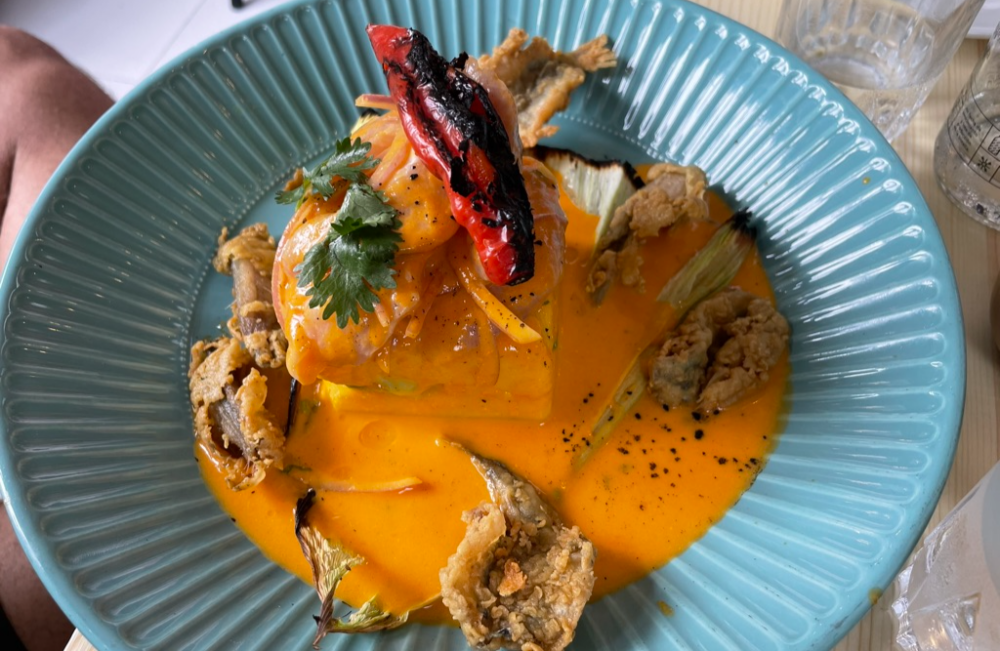
Best trip memory:
Zeke still can’t stop talking about our exploits inside the cramped passageways of the Great Pyramid! Built long before the more elaborate tombs constructed during the dynasties of Egypt’s New Kingdom, most of the walls inside the pyramid are smooth but largely unadorned, and the King’s Chamber is a humble precursor of later pharaonic resting places. But nothing makes you feel more like Indiana Jones than clambering up the narrow wooden ramps that lead to that chamber, ever mindful of the tonnage of stone that has held fast above your head for 4,500 years…and counting?

Navigating the passageways inside the Great Pyramid.

Navigating the passageways inside the Great Pyramid.

START YOUR TRIP TO EGYPT

Transparency disclosure: So that I could experience Egypt, WOW Lister Jim Berkeley arranged reduced rates for my family’s trip. Everything I did on my trip is accessible to every traveler who contacts Jim via Wendy’s WOW questionnaire. Thanks to Wendy’s WOW system, you’ll get marked as a VIP traveler.
 

Be a smarter traveler: Sign up for Wendy’s weekly newsletter to stay in the know. Read real travelers’ reviews, then use the black CONTACT buttons on Wendy’s WOW List to reach out to the right local fixer for your trip.