Tag Archives: travel tips

Capri, Amalfi Coast, Italy

How to Tip in Europe. And How Not to.

Forget the stress of planning flights, deciding what to pack, and figuring out how to get around…one of the aspects of travel that causes people the most anxiety is tipping. When should you do it? When shouldn’t you? Who expects it? Who doesn’t? And always, how much?

We went straight to our Trusted Travel Experts—handpicked by Wendy as some of the top travel specialists around—to find out the customary tipping rules all over Europe. From Amsterdam to Russia (with stops in France, Italy, Greece and more), we’ve listed the do’s and don’ts of tipping throughout Europe.

Amsterdam
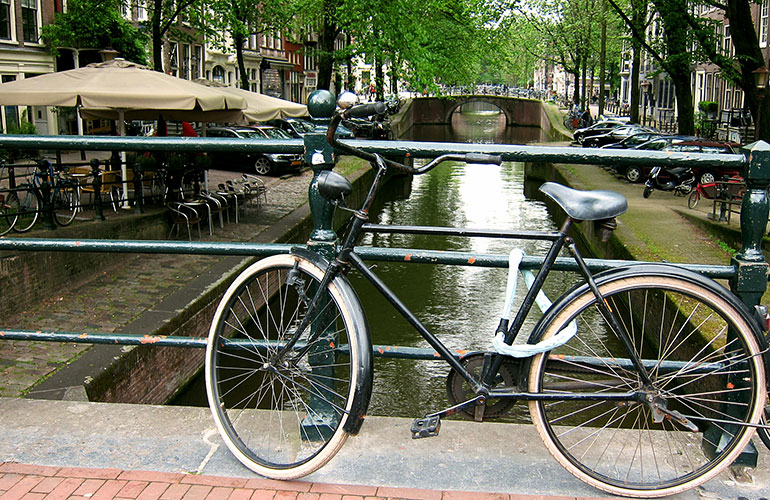
bicycle at Amsterdam Canal

If you have enough time to leave the airport, explore Amsterdam’s canals. Photo: Context Travel

The Dutch are not big tippers, and a service charge is normally included, but good service should be rewarded: A small sum for a drink or 10 to 15 percent of the price of a meal. Rather than leaving the tip at your table as you depart, hand the money to your server. Just tell him or her how much you would like to pay in total when they collect the bill.

Learn more in our Insider’s Guide to Amsterdam and use Wendy’s trip request form to be marked as a VIP and get the best possible trip.

Austria

Many restaurants now have a tip line on the invoice. The waitstaff at several restaurants have told me that they actually do get the tips when paid via credit card. Generally, 10 percent is fine.

Learn more in our Insider’s Guide to Austria including Vienna and the Danubeand use Wendy’s trip request form to be marked as a VIP and get the best possible trip.

Czech Republic

Make sure to tip in cash; any currency works. I generally give about 10 percent at restaurants.

Learn more in our Insider’s Guide to the Czech Republicand use Wendy’s trip request form to be marked as a VIP and get the best possible trip.

Croatia
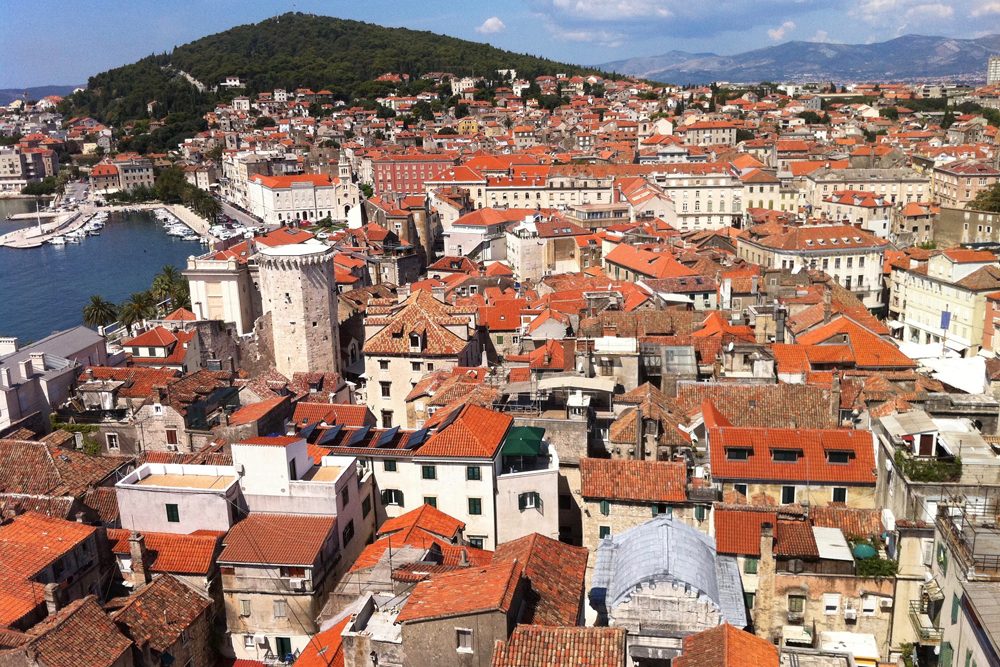
red roofs by the sea in Split, Croatia

Split, Croatia. Photo: Wendy Perrin

Croatians are traditionally not a “tipping nation,“ but this attitude is gradually changing and people like waiters, bartenders, and taxi drivers are happy to get tips. 10 percent of the total bill should be perfectly fine. Tipping does not need to be in the local currency; US dollars and euro are widely accepted and appreciated. If you wish to tip, make sure you do so in cash, even when paying by credit card. Otherwise the tip will end up in the pocket of the business owner, and not the person who provided the service.

 Ask Wendy to find the right Trusted Travel Expert to plan your best possible trip.

England
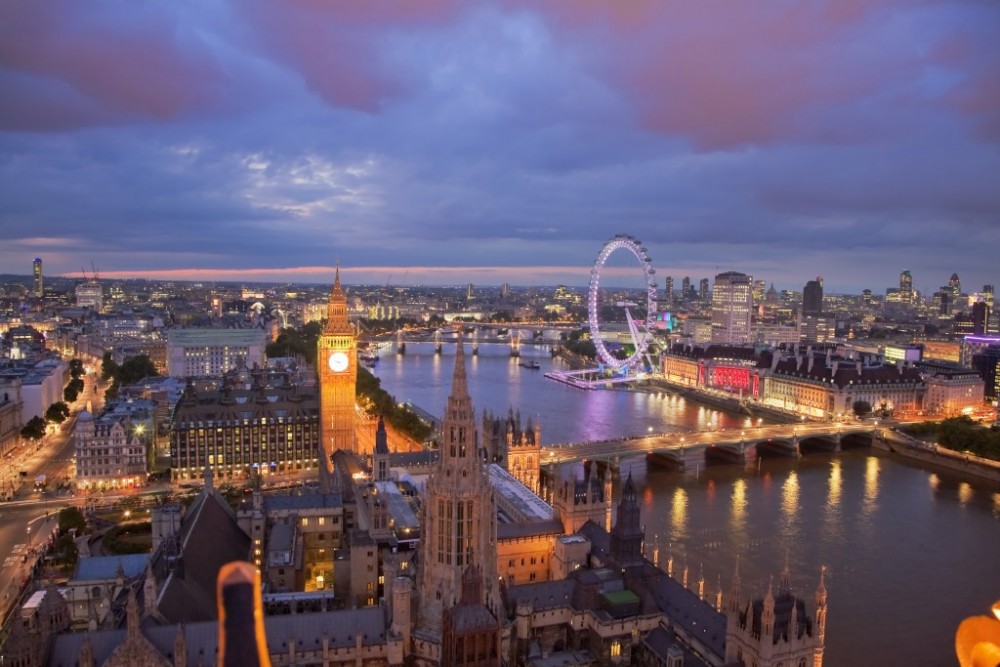
London, England skyline

London, England. Photo: Pawel Libera/London and Partners – Visit London

In London the usual tip is 10 percent, but check the bill in restaurants, as some are inclined to include a service charge and you are not obliged to essentially tip twice. 

Learn more in our Insider’s Guide to London, and use Wendy’s trip request form to be marked as a VIP and get the best possible trip.

France

Sénanque Abbey in Provence

Sénanque Abbey in Provence

In French restaurants the tip is always included (usually 15 percent). However, as waiters will (rather craftily) say, “The service is included but not the tip,” and many establishments do use the official tip as extra profit. So waiters do still need tips, and in France the amount is generally determined by intuition, rather than as a fixed percentage of the bill. Leaving 10 euros will be a gesture of satisfaction, 20 euros (and up) a gesture of generosity and complete satisfaction. In particularly fine, expensive restaurants, double those figures. Note: If you put the tip on your credit card, the waiter probably won’t receive it.

 Ask Wendy to find the right Trusted Travel Expert to plan your best possible trip.

Greece

Tipping in Greece is sometimes expected, but it’s never required. It’s seen as a gesture of thanks for prompt and attentive service, and you are the judge of whether it’s warranted, but there are a few guidelines to keep in mind. When you take a taxi, it is usually enough to round up to the next euro. At upscale restaurants, a tip of 10 to 15 percent is standard. At tavernas, it’s customary to leave 2 euros on the table; at a café, from 50 cents to 2 euros. In hotels, luggage handlers usually get 5 euros, and on island hotels, guests typically leave 10 euros per day for maids, servers, and other hotel staff at the end of their stay. Alternatively, for a stay of three or four days, guests might leave 50 euros for all hotel staff to share, while tipping porters separately.

Learn more in our Insider’s Guides to Athens, Mykonos, and Santorini, and Ask Wendy to be marked as a VIP and get the best possible trip.

Hungary

Make sure to tip in cash here (any currency works). About 10 percent for restaurants is just fine.

Learn more in our Insider’s Guide to the Czech Republicand use Wendy’s trip request form to be marked as a VIP and get the best possible trip.

Ireland

Rock of Cashel castle on a hill in Ireland

Rock of Cashel, Ireland. Photo: Shutterstock

Tips are appreciated in Ireland, but the rules are slightly different. It’s not necessary to tip when bags are brought to your room, for instance, and in restaurants we suggest 10 percent. For bartenders, we suggest leaving a bit by rounding up the tab. For transfers and guide services, ten to fifteen percent is acceptable. You can also leave a euro or two for housekeeping.

Learn more in our Insider’s Guide to Killarney and County Kerry, Ireland and use Wendy’s trip request form to be marked as a VIP and get the best possible trip.

Italy (Amalfi Coast and Lakes Region)
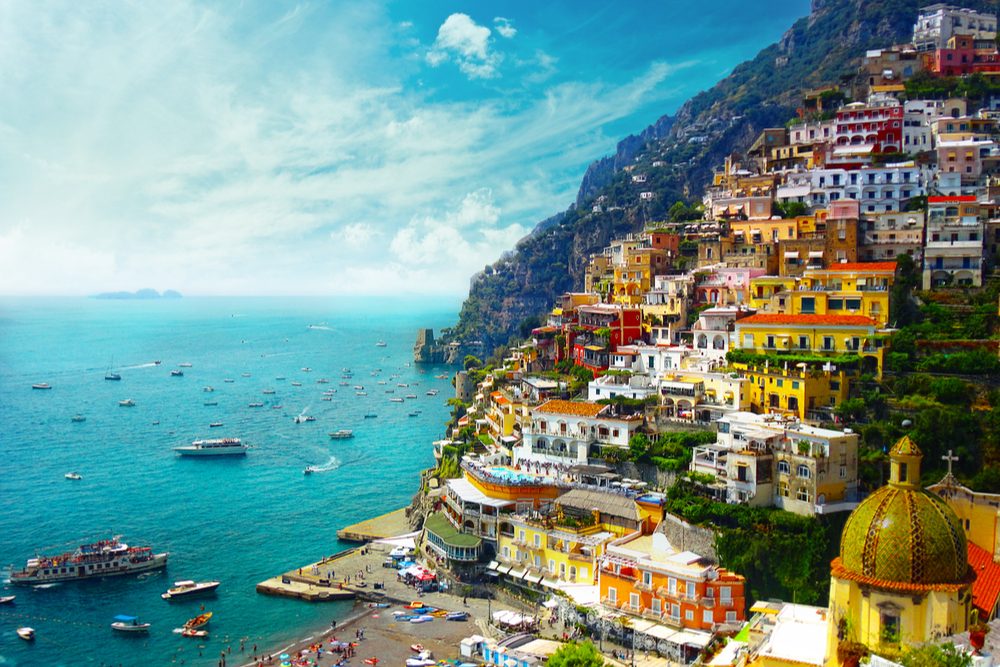
Positano on the Amalfi Coast, Italy

Positano on the Amalfi Coast, Italy. Photo: Shutterstock

Tipping is appreciated but not at all expected. In restaurants and for taxi rides 10 percent is sufficient. If the person serving you is also the owner of the business, they would never expect a tip.

Learn more in our Insider’s Guides to the Amalfi Coast and the Lakes Region, and use Wendy’s trip request form to be marked as a VIP and get the best possible trip.

Italy

Italians don’t tip in restaurants. Yes, we know you’ve read that there is a standard 10 percent. Or that the bill is rounded up. Or that you are expected to leave a little something. This is bunk. Italians don’t tip in restaurants. (Italian staff are paid a living wage and/or are members of the owner’s family.) You can tip, if you really want to. Or if you feel the service was extraordinary. Or if you simply don’t trust us. Go ahead. But Italians don’t.

Learn more in our Insider Guides to Florence, Venice, Tuscany, and Umbria, and use Wendy’s trip request form to be marked as a VIP and get the best possible trip.

Norway
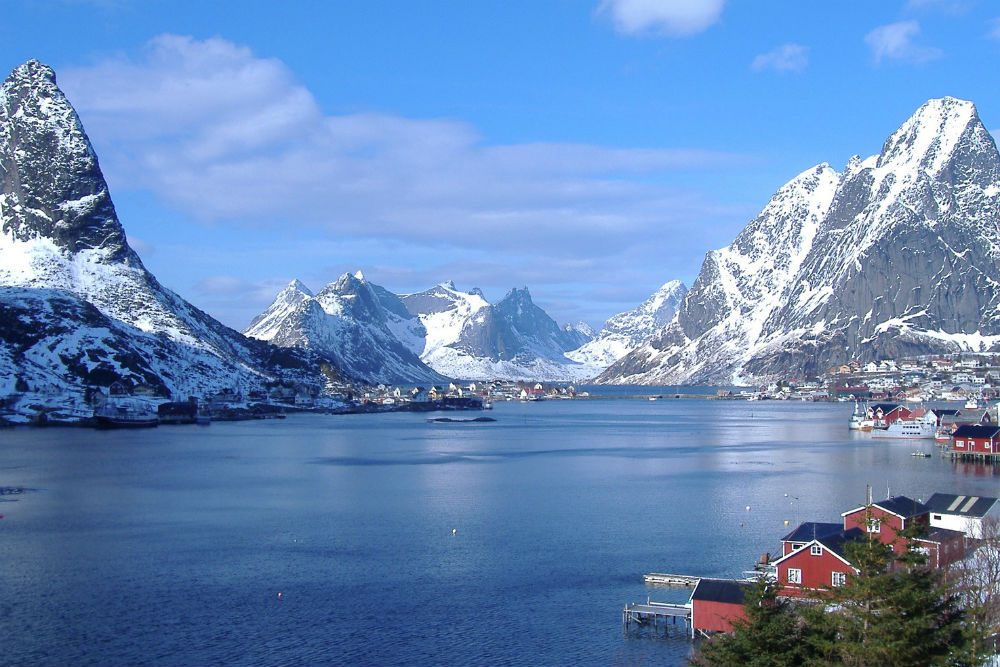
The Reinefjord in Lofoten. Photo: Andrea Giubelli - Visitnorway.com

The Reinefjord in Lofoten. Photo: Andrea Giubelli – Visitnorway.com

Tipping is not mandatory or common in Norway, but if you give your private guide or driver the equivalent of $100 after a full day, he will be very happy! But nobody gets grumpy if you do not tip.

Learn more in our Insider’s Guide to Norway, and use Wendy’s trip request form to be marked as a VIP and get the best possible trip.

Russia
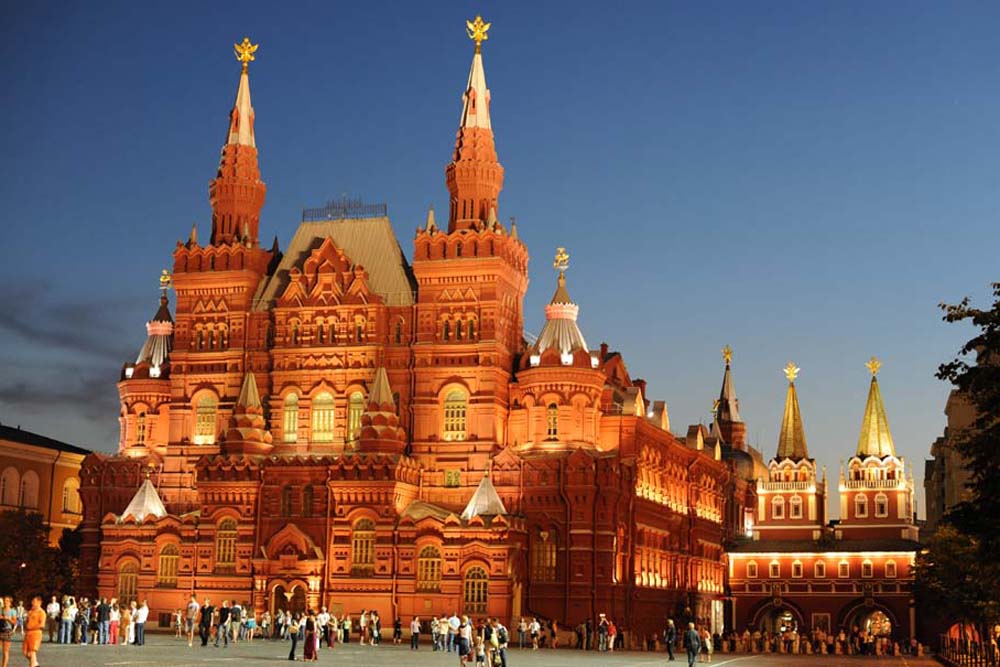
Red Square at night, Moscow, Russia

Red Square at night, Moscow. Photo: Dan Weisberg Photography

Moscow and St. Petersburg are not tipping cities, so tip no more than 10 percent at restaurants and always in cash. If you leave the tip on your credit card slip, your server is unlikely to get it.

Learn more in our Insider’s Guides to Moscow and St. Petersburg, and use Wendy’s trip request form to be marked as a VIP and get the best possible trip.

Scotland

green lanscape of Isle of Skye Scotland

Isle of Skye, Scotland. Photo: Shutterstock

You don’t need to tip doormen or bellmen, but you should tip drivers, guides, and caddies 10 to 15 percent. It’s not a rule, but I always leave change for barmen and housekeeping. At restaurants, tip 10 percent.

Learn more in our Insider’s Guide to Scotland, and use Wendy’s trip request form to be marked as a VIP and get the best possible trip.

Turkey

Blue Mosque, Istanbul, Turkey

Blue Mosque, Istanbul, Turkey

A 10 percent tip is customary in restaurants, and it should be offered in cash only, as servers prefer not to add it to the check. Also: locals do not tip taxi drivers.

Learn more in our Insider’s Guides to Istanbul and Cappadocia, and use Wendy’s trip request form to be marked as a VIP and get the best possible trip.


Do you have your own tipping experiences to add? Share your advice in the comments.

forbidden city, china

Is 2015 the Year to Travel to China?

Is this the year to finally take that trip to China? One of the big findings from TripAdvisor’s 2015 TripBarometer study, the world’s largest traveler and accommodation survey, is that China will see the greatest reductions in hotel prices this year—a year when most countries will be hiking their prices. Half of all properties worldwide—and 59% of U.S. hotels—plan to up their room rates this year (with the biggest increases expected in South Africa, Austria, and Brazil).

There’s value for your dollar in China, for sure, but only if you’re careful. As someone who has spent six weeks of her life road-testing China every which way, I am here to tell you that China is one of those countries where, if you want to avoid unexpected hassles that eat up significant time and money, you’re better off having a China travel specialist orchestrate and book your itinerary. Factors that can foil the best-laid plans include:

* Places that were charming a year or two ago have been overbuilt and overrun with domestic Chinese tourists.

* Things in China change overnight, which means it’s tough to get reliable logistical information or accurate opinions as to which places are still worth seeing and which have been spoiled.

* The ingrained tourism infrastructure inflicts a mass-market agenda that will turn off sophisticated travelers. Without help from the right sources, you can easily get trapped at mediocre sights, with detours for forced shopping, tasteless meals at tourist restaurants, and layers of middlemen extracting cash from you at every turn.

The solution is a stellar China travel specialist with up-to-date intel, reliable taste, special access, and well-trained, flexible English-speaking guides who can get you past the lines and crowds and who understand the difference between authentic, photogenic experiences and tourist traps. My Trusted Travel Experts for China fit the bill. They know this year’s must-dos and must-skips, and they’ve shared that intelligence in their Insider’s Guides (for example, Mei Zhang’s Insider’s Guide to Beijing or Yunnan Province). So, if you’re thinking about China, reach out to me, via Ask Wendy, to find the one who best suits your needs. 

Hong Kong Via Helicopter

Hong Kong viewed from a helicopter. Photo courtesy David Allardice.

I’d love to know: Do you want to travel to China this year? Why or why not?


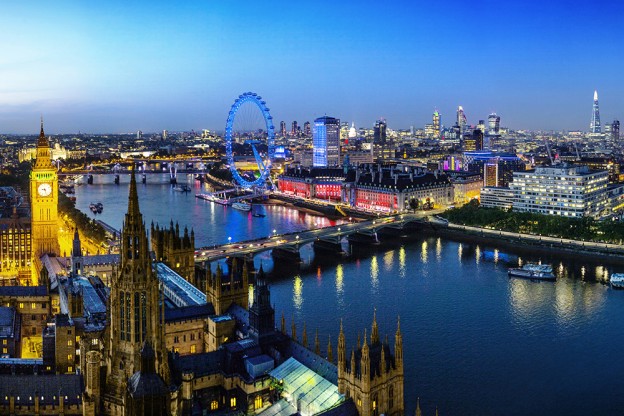
Evening View, London, England

Attention, Last-Minute Planners Scrambling to Book a Spring-Break Trip

Attention, last-minute planners scrambling to book a spring-break trip: True last-minute deals—as opposed to phony marketing ploys—exist when you’re traveling at off-peak times of the year and you’ve got schedule flexibility, not when you’re traveling during Easter week like everybody else. Remember that at peak travel times you’ll almost always get better value for your dollar by booking well in advance. Which is why it’s your summer travel that you should be booking right now—especially if you’re headed to Europe, where plane seats and hotel rooms are selling out fast, thanks to the strong U.S. dollar.

To maximize your summer trip—to bypass crowds and lines at sights, to get the room you want in the hotel you want, to get the best private guides—do not wait to reach out to the expert travel planners on my WOW List. It’s too late to maximize spring break, but it’s not too late to maximize your summer vacation…yet!

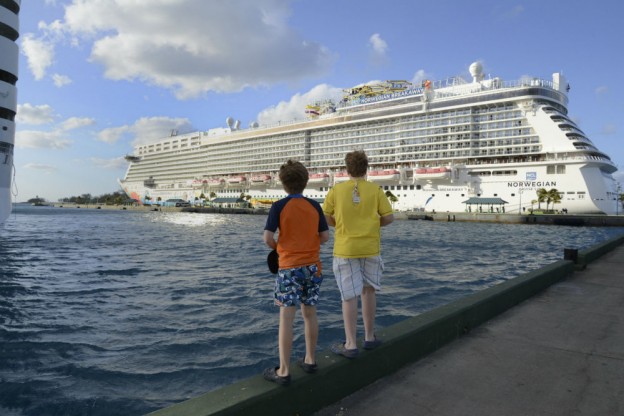
Norwegian Breakaway

Cruise Hacks: 14 Tips for Acing Your Family Cruise

Many of us prefer small ships, but sometimes a large one is your best option. Maybe it’s what your children need (only large ships have water slides and mini-golf), or it’s what your group can afford, or it’s the itinerary that best suits your schedule. Last month my family ended up on the biggest ship we’ve ever sailed on, Norwegian Cruise Line’s 4,000-passenger Norwegian Breakaway, because it’s one of the few ships that sails from New York to somewhere warm in the dead of winter. While a large ship can be a smart vacation option for busy kids and their exhausted parents, it can also feel crowded and chaotic, especially when chilly weather keeps everyone indoors for half the cruise. Since it was my husband’s and my tenth cruise with our kids, now 11 and 12 years old, I thought I’d share our hard-earned tips for maximizing the advantages, and minimizing the drawbacks, of a giant ship.

1. Choose a cabin suited to your children’s ages.
The larger the ship, the more confusing the cabin choices. A family of four can feel very cramped in one stateroom, but it can be hard to find connecting cabins or an alternative configuration that works. One thing to be wary of is cabins with upper berths. When we’ve had such rooms, we’ve been so concerned that the boys would roll out of their beds in the middle of the night that Tim slept in the first upper berth, the second went empty, and the kids slept with me below. When the boys were younger than eight, we were comfortable in a “mini-suite” where they could share a double sofa bed. Since then we’ve needed two connecting cabins. My strong recommendation is to book your cruise through a highly knowledgeable cruise specialist such as Tom Baker of Cruise Center: Tom knows the pros and cons of all the cabins on all the ships and has the clout with the cruise lines to get you the one you want.

En route out of NY Harbor. In 19-degree weather. Can anyone guess what ship we’re on?

A photo posted by Wendy Perrin (@wendyperrin) on

2. Insist on a balcony. A balcony gives you breathing room, fresh air, great views, lots of sunlight, and private outdoor space. When the boys were small, we opted against one because they could have climbed over the railing. By the time they were four and six, we felt we could risk it, and today it’s non-negotiable. (A balcony isn’t nearly as necessary on a small ship…but that’s a different article.)

3. Pinpoint the most convenient cabin location.
A great location for families is on an upper deck near the aft: It’s a quick walk to the places you need to get to most often—the pool deck, the sports deck, the kids’ club, the buffet—and you can avoid elevator waits and crowds.

4. Bring Post-It Notes, a European plug adapter, and highlighters. Post-It Notes are handy for your cabin door: When your kids are old enough to check themselves in and out of the kids’ club (which means they’re old enough to wander the ship on their own), they can leave you messages as to their whereabouts. If your family needs to charge an array of electronic devices daily (and whose family doesn’t?), bring a European plug adapter because your cabin might have only one or two U.S. outlets; don’t let European outlets go to waste. As for highlighters, the daily shipboard program delivered to each cabin door lists so many activities and events that each child will want a highlighter to mark his or her favorites.

5. Throw your kids’ swimsuits in your carry-on.
On embarkation day, it can take some time for your luggage to be delivered to your cabin. If you’re embarking in warm weather and you’ve got the kids’ swimsuits with you, they can jump in the pool and use the waterslides right away. One parent can watch the kids while the other walks around the ship doing recon and making spa and dinner reservations.

6. Switch your child’s cell phone (and yours) to airplane mode.
If your child will be using his smartphone as a camera, switch it to airplane mode immediately after leaving your U.S. port for international waters, so that international text messages can’t be sent or received. Otherwise you could get socked with charges. Keep your own phone on airplane mode so you don’t fall prey to roaming charges. (Keep it on airplane mode when accessing the ship’s Wi-Fi too. The great news is that cruise-ship Wi-Fi has improved a lot recently in terms of speed, reliability, and cost.)

7. When everybody else on the ship is zigging, zag.
My family avoids crowds by doing the opposite of what everybody else is doing. Between 6 and 7 pm, for instance, when everybody else is getting ready for dinner or already dining, that’s when we take advantage of the empty sports courts, Ping Pong tables, or hot tub.

8. Find your own serene shipboard hideaway.
In addition to a balcony, you’ll want space to stretch out in tranquility somewhere on deck. There’s almost always an empty area with lounge chairs somewhere. Sometimes it’s the Promenade Deck; sometimes it’s an area up top that people just haven’t discovered.

When the weather is too cold to be outdoors, you may crave an indoor pool or hot tub. Often the spa has a heated indoor pool you can access for a fee. On the Breakaway, access to the spa’s Thermal Suite for $199 for the entire seven-day cruise turned out to be a good value.

The spa’s hydrotherapy pool. #NorwegianBreakaway A photo posted by Wendy Perrin (@wendyperrin) on

9. Study the children’s weekly program schedule before making dinner reservations.
If your kids are like mine, certain scheduled evening activities will appeal to them and others won’t. Pirate Night is a must, Hollywood Night is not. If you’re making dinner reservations for the family, choose nights when the kids won’t complain about being with you rather than with their friends.

10. Ace the buffet.
It’s usually the most casual way to grab a bite on the ship (except for room service), and it can be jam-packed. Four tips: (1) Avoid the buffet on embarkation day, when it’s at its most chaotic. (2) When you do eat at the buffet, make a beeline for the Asian and Indian food. The kitchen staff is frequently Asian and Indian, so what you get is their home cooking, and it’s delicious. (3) Often one side of the buffet is open and the other is closed; if you can’t find empty seats, go to the closed side. (4) Feed your kids at the buffet, then go elsewhere for a proper adult meal. Like this:

This is the first raw bar I’ve seen on a cruise ship. How about you? #NorwegianBreakaway

A photo posted by Wendy Perrin (@wendyperrin) on

#yummy A photo posted by Wendy Perrin (@wendyperrin) on

11. Have your child wear a watch.
There are few, if any, clocks on the ship. If you’ve instructed children to meet you in a certain place at a certain time, the only way they’ll know is if they’re wearing watches.

12. Ensure room keys don’t get lost.
Bring a lanyard, or punch a hole into your child’s key card, so it can be worn around the neck.

13. Don’t activate your kid’s room key for purchases.
On ships you use your room key card for purchases, and kids lose room keys. They accidentally leave them in the games arcade—where other kids may find them and swipe them in the machines—or by the pool, where adults may find them and use them to buy a round of drinks. I’m not kidding; this happens with surprising frequency. When you check in for your cruise, the check-in agent will ask whether your kid’s key should be enabled for shipboard purchases. Just say no, unless you’re certain your child won’t lose the key. And if you’re certain your child won’t lose the key, please share your secret with me!

14. Read my 12-year-old’s advice that parents should know before booking a family cruise.


If anyone else has tips for sailing on megaships, I’d love to hear them. Chime in below!


Disclosure: This was my family’s fourth cruise on Norwegian Cruise Line. We’ve always paid our own way in the past; this time the cruise line provided us with complimentary accommodations. In keeping with my standard practice, there was no request for or expectation of coverage on Norwegian’s part, nor was anything promised on mine.

Be a smarter traveler: Use Wendy’s WOW List to plan your next trip. You can also follow her on Facebook and Twitter @wendyperrin, and sign up for her weekly newsletter to stay in the know.

Photographing Lions in Botswana Photo by Susan Portnoy

Are Guided Photography Tours Worth It?

Question:

Wendy, I’ve been browsing through National Geographic’s guided tours, particularly the small-group photography trips. Do you have any experience with these? I’m typically an independent traveler, but the photography aspect sounds really enticing and I’m just wondering if you would recommend them. Thanks for your great site!  –Becca

Answer:

Becca, I’ve heard mixed reviews. One great photographer I know, WendyPerrin.com contributor Susan Portnoy of The Insatiable Traveler, took a National Geographic photo tour to Morocco in 2010. She says that, although she had fun and it ran without a hitch, it was disappointing from a learning-about-photography perspective: “It was clear to me that they used one of the general itineraries, added a professional photographer to the tour, and called it a day. Nothing was altered to consider the special wants/needs of photography, especially where light was concerned, which is the crux of successful images. We were having breakfast in the morning when the best light was available, out in the field when it was harsh, and then in museums at sunset. After being on other photographic tours since, I am very aware of the things it lacked.” Check out Susan’s article Seven Questions to Ask Yourself Before Choosing a Travel Photography Tour.

Another great photographer and WendyPerrin.com contributor, Eric Stoen of Travel Babbo, has had a different experience. He’s taken three National Geographic photo expeditions—to India in 2008, Burma in 2013, and Ethiopia in 2014. He also did Nat Geo’s Tuscany Photo Workshop in 2005 and its Santa Fe Workshop in 2008, and he’s headed to Japan with them in November. Eric has also written advice that I’m sure you’ll find eye-opening: Photography Trips: What You Should Know First.

Whatever you do, Becca, be sure to choose a destination you’ve always dreamed of exploring and a photographer you like and admire. Good luck with your decision, and here’s hoping the photo trip you pick will be the first of many!

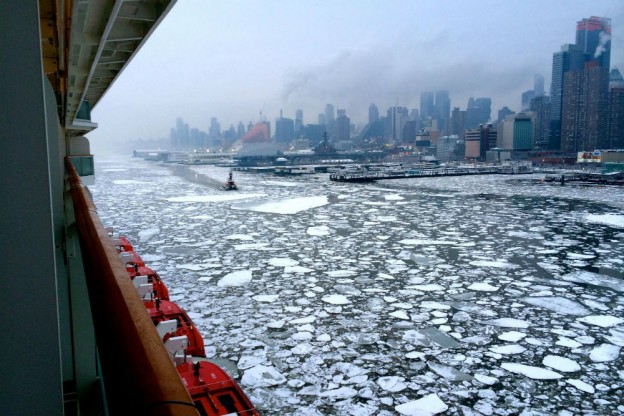
New York Harbor

Stunning Photos: An Ice-Filled New York Harbor in Winter

One of the biggest reasons to travel by ship is the views as you come into port. Yesterday, as my family sailed into an ice-filled New York Harbor—the final stop of a winter cruise to the Bahamas—I was reminded that certain amazing sights in this world can be seen only by ship. Even though I’m a jaded New Yorker who grew up in midtown Manhattan, the scene was otherworldly. It was well worth waking up at dawn, and shivering on my balcony, to capture it. Enjoy!

Pulling into New York Harbor at 7:00 am on a Sunday in February. #NorwegianBreakaway #NYC #skyline

A photo posted by Wendy Perrin (@wendyperrin) on

#tugboat breaking up the #ice for us in New York Harbor. #NYC #NorwegianBreakaway A photo posted by Wendy Perrin (@wendyperrin) on

4,000-passenger ship pulling into an icy Pier 88, NY Harbor, 7:30 a.m. on a Sunday in February. Home safe.

A photo posted by Wendy Perrin (@wendyperrin) on


What’s your favorite port in the world to sail into?

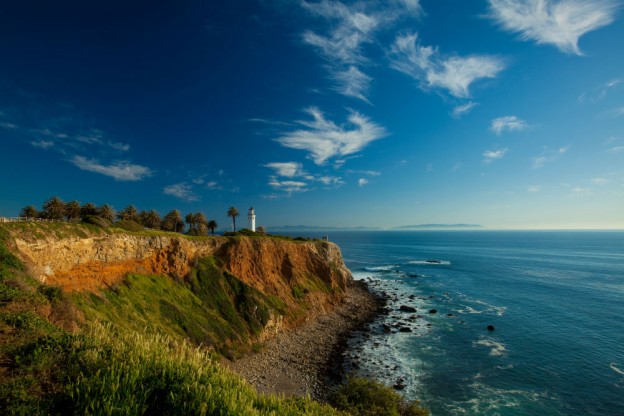
Point Vincente Lighthouse

The Biggest Hotel Group You’ve Never Heard Of

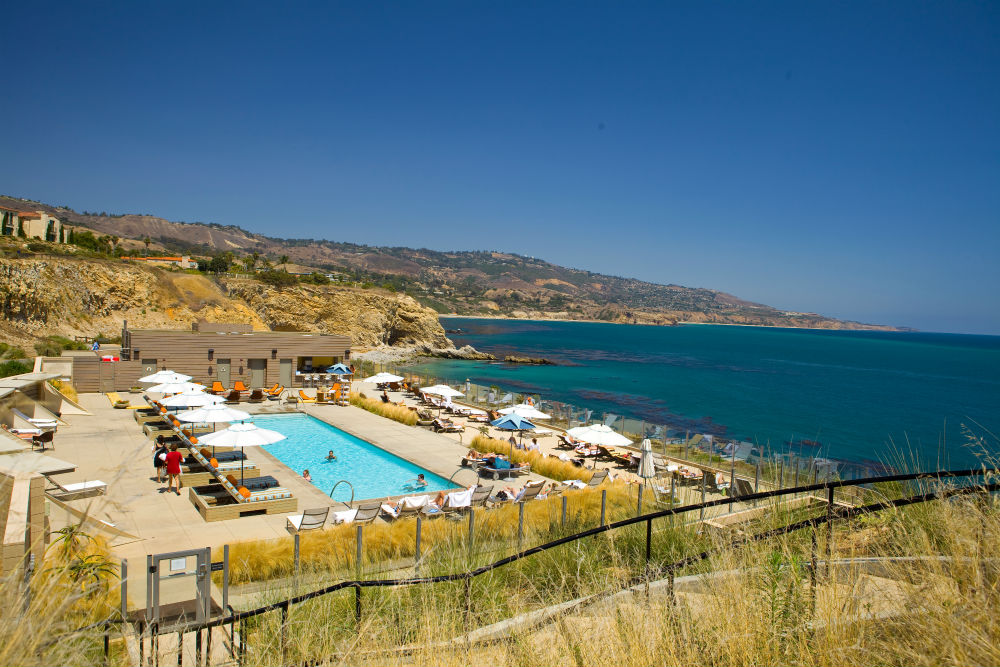
Terranea Resort, on a sweep of California coastline that feels far more secluded than it really is (LAX lies just 20 miles away), might be the state’s best-kept secret. Situated on 15 cliff-top acres fragrant with sage scrub, it has three swimming pools, miles of seaside trails, and a few hundred guest rooms with endless ocean views. Staff are gracious, the food is good, and the rates are much more palatable than at SoCal’s better-known pleasure palaces. Yet, unattached to a big-name brand, Terranea flies well under the radar. I’ve been a guest at the resort three times in its five-year history (the most recent stay just last summer), and after each visit I’ve been asked by even my most well-traveled friends, “You were where?” That suits me just fine; I prefer an air of mystery.

As it turns out, Terranea is part of an even bigger secret: Destination Hotels, which manages the property, is the largest independent hotel operator in North America, yet most travelers have never heard of it either. I learned about the company a few months ago, when I was invited to attend a travel-advisor conference at Terranea. Here’s what I know now: Based in Englewood, Colorado, Destination Hotels manages 43 hotels in 17 U.S. states and Washington D.C. A third of those hotels are owned by Destination’s parent company, Lowe Enterprises. More important for hotel-obsessed travelers like me, many of the properties in the company’s portfolio are little and not-so-little gems: charming, original, well-priced hotels in appealing destinations. The best of the bunch are those in the Luxury Lifestyle Collection, which promises high-quality service and a distinct sense of place. Some of them are well known—Santa Fe’s venerable Inn at Loretto, for one. Others, like the Woodmark, just outside of Seattle, are less so. Here’s a rundown of all nine hotels in the collection and a few of their standout qualities. Have you stayed at any? We’d love to hear your feedback!

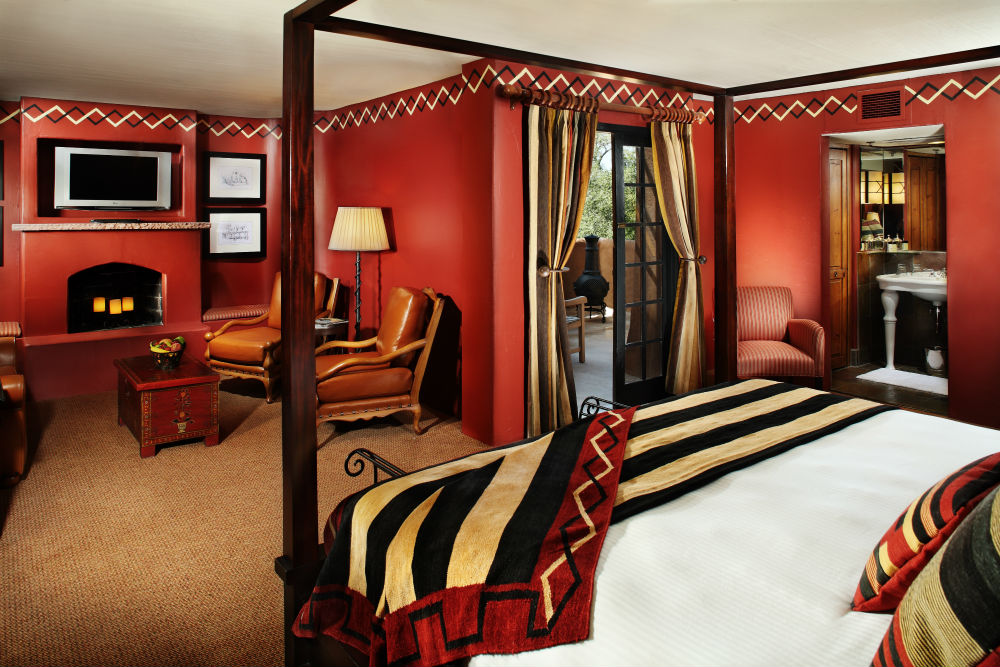
Inn and Spa at Loretto, Santa Fe

Inn and Spa at Loretto, Santa Fe, New Mexico

Inn and Spa at Loretto, Santa Fe, New Mexico
Pretty as a picture: Modeled after the 1,000-year-old Taos Pueblo, the Inn at Loretto is said to be the most photographed building in Santa Fe. With its inspired Native American decor and focus on local artwork, the hotel wins travel magazine awards year after year, as does the spa, where, along with hot-stone massages and desert-sage scrubs, you can get your astrological chart read and your “soul path” clarified.


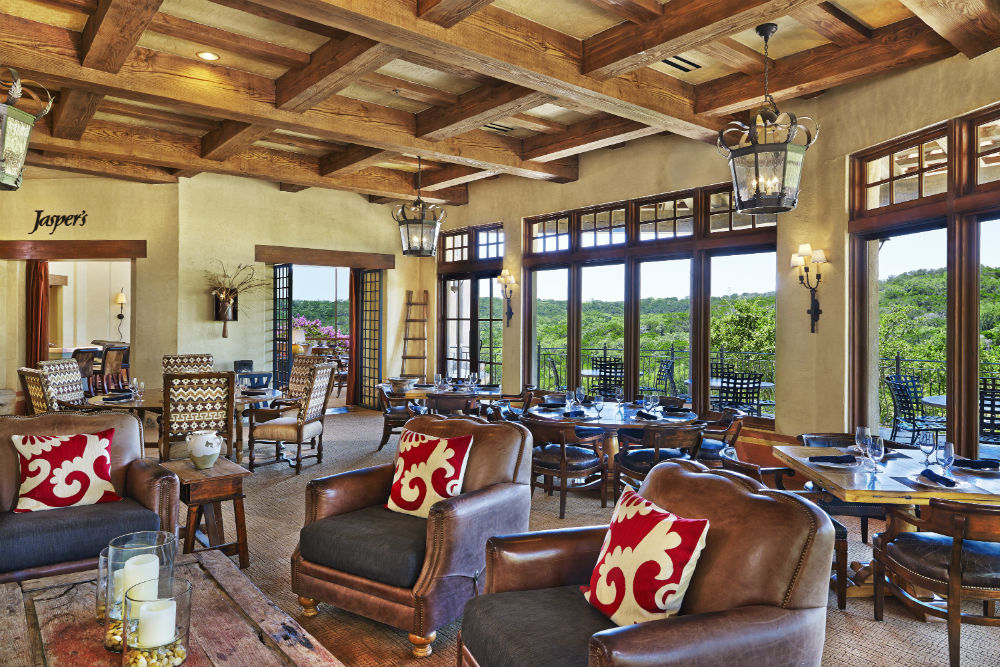
Palmer Clubhouse at La Cantera, San Antonio

Palmer Clubhouse at La Cantera, San Antonio

La Cantera, San Antonio, Texas
The soon-to-be newest addition to the collection, La Cantera was a Westin property until recently. The megaresort—it sits on 550 acres and has two golf courses, five pools, and eight restaurants—is currently closed while it undergoes a big renovation. It is scheduled to reopen in April 2015.


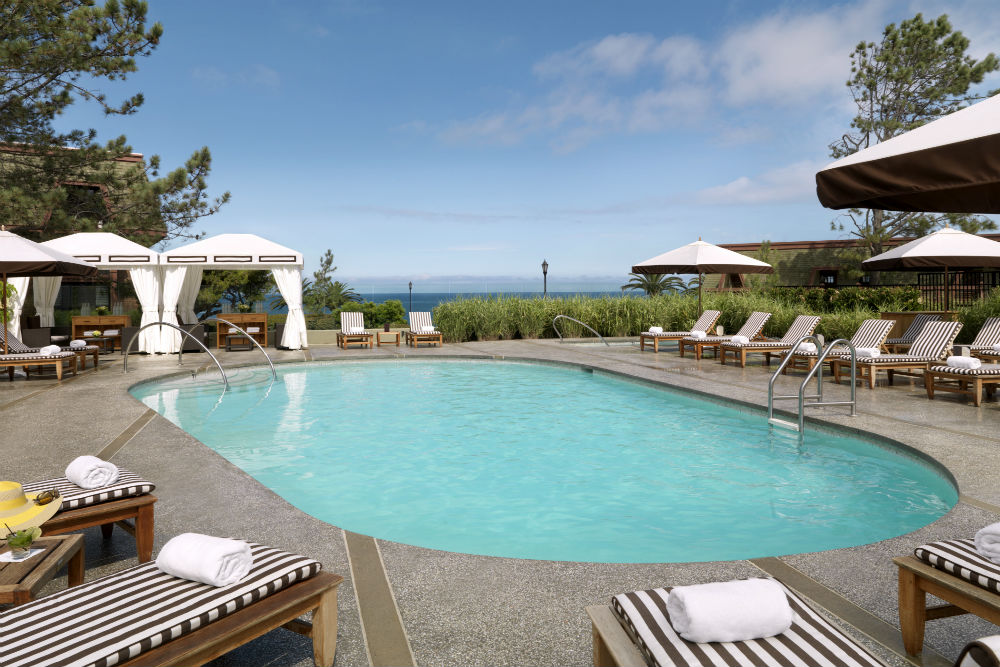
L’Auberge Del Mar

Poolside at L’Auberge Del Mar, California

L’Auberge Del Mar, California
A seaside boutique hotel in the heart of adorable Del Mar Village, San Diego’s tony neighbor to the north, L’Auberge has long been a favorite spot for romance-seeking couples, elegant wedding parties, and dog people (the hotel is famously pet-friendly as long as said pet is a “petite pooch”). It also becomes party central during the racing season—the Del Mar Racetrack is a stone’s throw away.


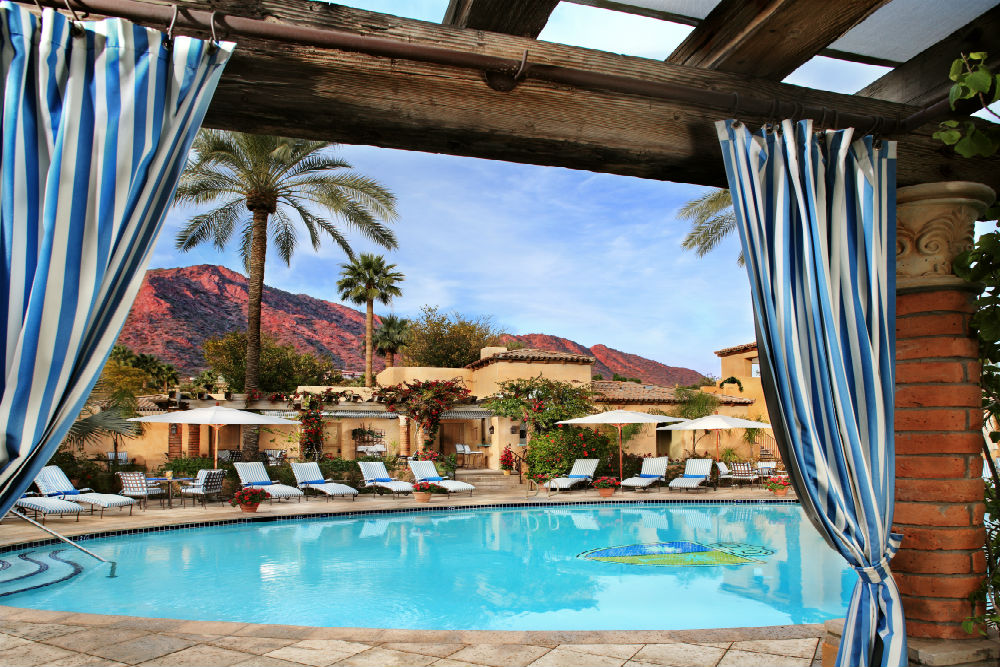
Royal Palms Resort and Spa

Royal Palms Resort and Spa in Phoenix

Royal Palms Resort and Spa, Phoenix, Arizona
Another hotel made for romance, the Mediterranean-inspired Royal Palms dates back to 1929, when a New York moneyman (and nephew of J.P. Morgan) built his winter home at the base of Camelback Mountain. A few details from the original house remain—including the orange grove—but these days, guests stay in villas, casitas, or guest rooms, all scattered around the property’s gardens.


Stowe Mountain Lodge

Perfect skiing conditions at Stowe Mountain Lodge

Stowe Mountain Lodge, Vermont
Arguably the most famous—and best-located—ski resort on the East Coast, Stowe Mountain Lodge has 300-plus condo-style rooms (most have kitchenettes; several have two and three bedrooms) right at the base of the slopes. Skiing aside, the lodge offers all kinds of when-in- Vermont activities year-round, from ice climbing to furniture-making, as well as a spa that’s a destination in itself.


Terranea Resort, Palos Verdes

Enjoying the sunshine at Terranea Resort.

Terranea Resort, Palos Verdes, California (see above)


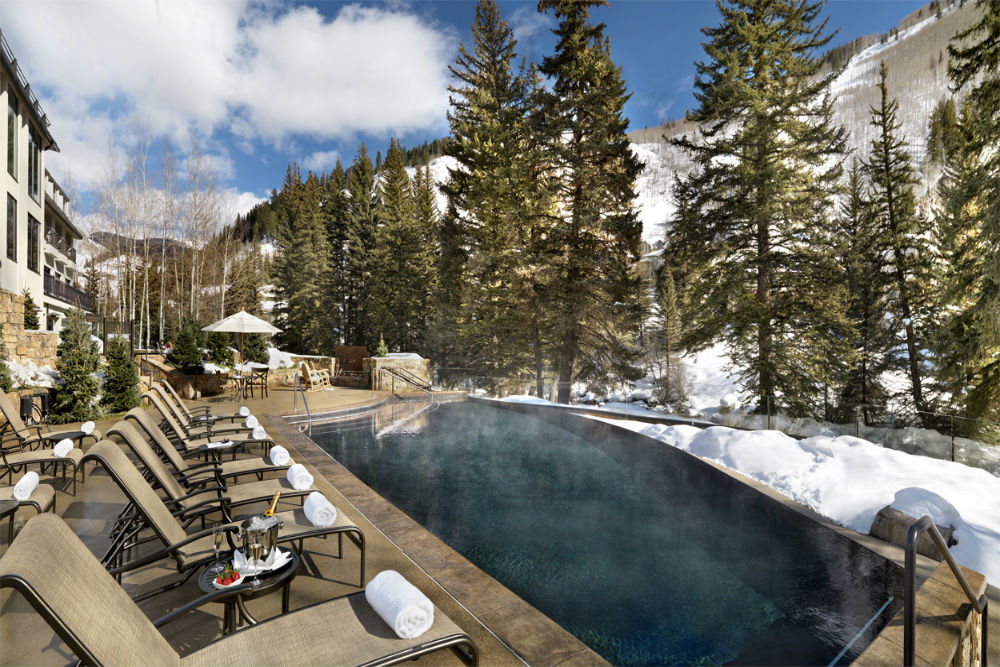
Vail Cascade, Colorado

Steam rising off the water at Vail Cascade.

Vail Cascade, Colorado
At the foot of Vail Mountain and on the banks of Gore Creeks, the 245-room Vail Cascade has knockout views from nearly everywhere you look. Most rooms come with fireplaces and patios or balconies, and the Atwater restaurant draws fussy foodies year-round. But the resort’s biggest claim to fame might be its three-story Aria Athletic Club, a far cry from your standard hotel gym.


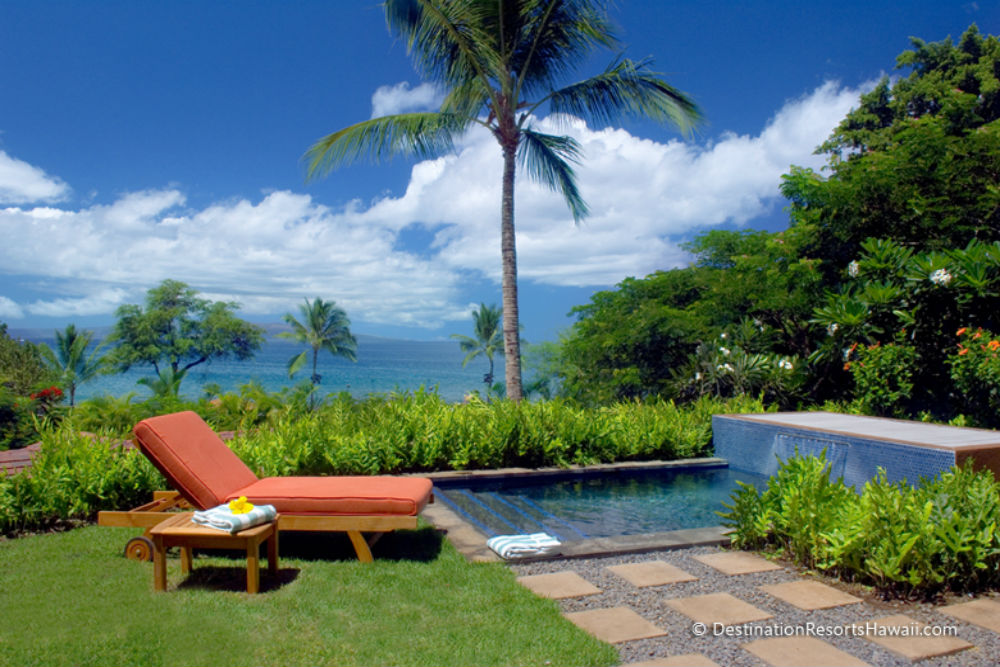
Wailea Beach Villas Resort

A private villa at Wailea Beach Villas Resort

Wailea Beach Villas Resort, Maui
This luxury condo complex was named the No. 1 Hawaii Resort in Condé Nast Traveler’s 2014 Readers’ Choice Awards. As Hawaiian hotels go, it’s on the small side—fewer than 100 guest quarters—but the accommodations have at least two bedrooms, and the biggest have five. Every unit comes with a kitted-out kitchen, wine fridge and all. And though there’s no spa or restaurant on the property, you can arrange for a private chef or an in-room spa treatment.


The Woodmark, Washington

A room at The Woodmark.

The Woodmark, Kirkland, Washington
Just outside Seattle, on the shores of Lake Washington, the Woodmark is part hotel, part yacht club. For those guests who don’t bring their own, the hotel has a mahogany yacht for two-hour spins around the lake. In summer, you can also rent kayaks, Jet Skis, or stand-up paddleboards. Back on shore, the hotel’s wine-centric restaurant, Bin on the Lake, pairs an impressive wine list (heavy on the local vintages) with some stellar lake and mountain views.


Have you stayed at any? We’d love to hear your feedback!

GoPro Hero 4 Black

A Beginner’s Guide to Using a GoPro on Vacation

Note from Wendy:
My husband Tim is a photojournalist so we’re always thinking about how to best document our travels. He’s a big fan of GoPro cameras and filmed this great underwater video when we went snorkeling in Mexico last summer (on a cool trip arranged by my Trusted Travel Expert for diving, Meg Austin). This story by Yahoo! Travel’s Brittany Jones Cooper is a good introduction to using the GoPro equipment, which is sure to help you capture some extraordinary memories.


For me, capturing memories on vacation is essential.

And while your smartphones can capture a lot, you need a camera that can really travel with you…and for that reason, I am officially a GoPro addict.

The GoPro Hero 4

These little cameras are waterproof, damage-proof, and can be mounted to pretty much anything. An added bonus is that the camera shoots in fisheye (very wide-angle) mode, so you can capture everything.

And while it only has three buttons, I encounter a lot of people who get a little intimidated when it comes to using their GoPros. So,in today’s Travel Hacks, I’m going to share three easy ways to step up your travel game using a GoPro camera.

But first, let’s review the buttons. On the front, you have your power button, which you hold down to turn the GoPro on and off. You also use this button to toggle between modes, such as video and photo.

On the side is the settings button. You can use this to adjust the settings within the different shooting modes. Also, if you hold it down for three seconds, it turns on your GoPro’s Wi-Fi.

And finally, we have the button on top, which is the shutter. You use it to take photos or start and stop video recording.

1. Select the right mode

The video and photo settings are very easy to use. You simply press the shutter button on the top to start and stop recording or to snap a photo.

There is also a Multishot mode that allows you to effortlessly capture a ton of photos at one time. I’m a big fan of the Time Lapse Mode, which automatically takes a photo at an interval chosen by you.

To find the Time Lapse Mode
1. Click the mode button until you see Multishot.
2. Use the top shutter button to scroll through until you see Time Lapse.
3. Push the mode button again, which will take you to the second line, where you’ll select your timing.
4. Use the shutter button to select how often you want to take a photo…every .5 seconds, every second, up to every 60 seconds.
5. Press mode/power button to scroll down to the exit screen and press shutter button to select “exit.”
6. Press the shutter button to start recording photos.

As you go about your action, your GoPro is taking a photo every second. This is the mode many athletes use when they capture those awesome once-in-a-lifetime shots.

2. Select the right accessory

There are dozens of great mounts, and if you ski, surf, or bike, you should definitely look into purchasing mounts for those specific activities. But if you’re just starting out, there are three mounts I really recommend.

The first is the Handler. I love this one because it’s perfect if you’re shooting in or out of the water. It’s light and easy to pack and it floats…so you don’t have to worry about losing your GoPro in the water.

The second must-have accessory is the 3-Way. Like the Handler, you can use this to take a selfie or capture a great photo. It also extends if you need to capture more of a scene or get a sense of distance in your photos. And it has this cool tripod that you can use to take stationary shots. I took this awesome photo from the top of Table Mountain in South Africa using my GoPro on the Time Lapse Mode while using the 3-Way tripod.

3. Use the App

The GoPro app is literally a game changer. Setup takes a few minutes, and the instructions are easy to follow.

1. Open the GoPro App and select “Connect to Camera.”
2. Press the “Add a New Camera” button.
3. Select “Add Your HERO4.”
4. Press and hold the Settings button on the left-hand side of the camera until Wi-Fi Mode appears on the screen.
5. Press the mode button to scroll down to “GoPro App” and press the Select button.
6. Press the “Continue” button in the app.
7. Select your camera from the list (e.g., GP245###…).
8. Enter the pin number and select “Pair My Camera.”
9. Create a new camera name and password.
10. You should now see and be able to control the camera to which your phone or tablet is connected.

For more instructions, visit GoPro.

After your camera is set up, simply hold down the Settings button on the side for three seconds until a blue light starts flashing … that’s your Wi-Fi and allows your phone and GoPro to connect.

The coolest part is that you can view and play back photos and videos that you captured on your GoPro. This means that after you take a great photo, you can look at it, save it to your phone, and upload it to Instagram or Facebook within seconds.

And just when you didn’t think it could get any cooler, you can use the app to see a live feed of what you’re viewing. So, if you mount your camera somewhere out of reach, you can use the app to make sure that the image you want in your photo or video is in the frame. How cool is that?!

There are a lot of great things you can do, but that was just a quick beginner’s guide to how to use your GoPro.

If you have any questions, contact me on Twitter or leave them in the comments section below. And if you take any awesome GoPro pictures that you want to share, just tag @yahootravel! I’d love to see them.


More from Yahoo! Travel

Say Goodbye to Groggy — 5 Surefire Ways to Beat Jet Lag

Feeling Stuffed? Here’s How to Work it Off on the Road

Use Your TV as a Phone Charger and More Helpful Hotel Hacks

This article originally ran on Yahoo! Travel

View over Belgrade Serbia and Danube river from above in Zemun

How to Make a Low-Season European River Cruise Awesome

European river cruises have grown so popular that often the only time you can get a cabin is low season. But is a low-season cruise worth doing? I’ve taken six European river cruises now—at different times of the year—so I thought I’d lay out for you the pros and cons of low season; how to choose the right ship, cabin, and week; and how to transform a low-season cruise from average to extraordinary. The photos are from my extraordinary Danube cruise from Budapest to Passau aboard Viking River Cruises’ Viking Alsvin in November 2014. The seven-day itinerary hit four countries: Hungary, Slovakia, Austria, and Germany.

The Pros and Cons of Low Season

Three Pros:

1. You pay less.
A cruise can cost $1,000 per person less in March, April, November, or December than in July or August. Airfare is lower too. Also, when the weather is cold, there’s no pressure to splurge on a balcony, since you won’t spend much time sitting on it. (I recommend a cabin with a “French balcony.” See below.)

Schonbuhel Castle, Melk

These are the colors of low season. That’s Schönbühel Castle, in Austria’s Wachau Valley, near Melk.

2. River towns are less crowded.
In high season, river towns can be packed with cruisegoers. In low season, they’re delightfully empty.

Melk Abbey Library

In low season you needn’t fight crowds at famous sites—such as inside Melk Abbey’s famed library of 16,000 ancient books.

3. Holiday markets
Festive Christmas markets, which tend to run circa November 22 – December 24, make every port more charming and fun. I’ve now gone Christmas-market-hopping in Central Europe via rental car, train, and boat, and the latter is by far the easiest. (For the reasons why, plus photos and tips, see Europe’s Christmas Markets: How to Plan the Perfect Trip.)

Bratislava Christmas Market

Bratislava, Slovakia, is charming both with a Christmas market and without one—but it’s better with one.

Three Cons:

1. It’s nippy up on that observation deck.
My favorite place on a river ship is the top deck, where I can watch history glide by and try to sneak into the wheelhouse to chat up the captain. But it’s chilly and windy up there in March and December, with temps in the 30s and 40s. Then again, that’s nothing that the right outerwear won’t solve. Of course, you can always descend one deck to the indoor glass-walled observation lounge and enjoy the neverending free supply of hot chocolate and cappuccinos.

Hungarian Parliament Building, Budapest

Passengers were bundled up as we passed the Hungarian Parliament Building in Budapest.

2. Your river photos will be grayer.
Compare the photos in this post—all shot on a Danube cruise in November—with those from my July 2014 cruise on the same stretch of river.

Dürnstein, Austria

Dürnstein, Austria, November 2014: Misty but delightfully uncrowded.

3. Darkness falls early.
Fewer hours of daylight mean fewer hours for sightseeing. In November and December, it’s dark by 4:30 p.m. That’s no problem on a Christmas markets cruise, though; it’s a plus, in fact, since nighttime is when the markets light up and are at their most festive.

Bratislava Christmas Market Ice Skating

Here’s an example of the fun things you can do at night at a Christmas market. That’s my 10-year-old in Bratislava.

How to Choose the Right Ship, Cabin, and Week

Time it right.
I’m convinced I chose a great week of the year for my Viking cruise on the Danube: Thanksgiving. The Christmas Markets had just opened, the weather wasn’t too cold yet, the kids didn’t have to miss too many days of school, and the cruise fare was the lowest of the year. Fares for late-November 2015 start at about $1,760 per person for Viking, $1,900 for AmaWaterways, $2,500 for Uniworld, and $2,600 for Tauck. If you’re not going for Christmas markets, look for value in late April or early October.

Vienna Christmas Market

Vienna’s holiday market at Michaelerplatz two days before Thanksgiving 2014.

Ask yourself what shipboard décor, ambience, and indoor creature comforts you’ll want.
Given the cold weather, you’ll be spending almost all your time on the ship indoors. Do you want to live in a plush palace? That’s the ambience you’ll find on Uniworld’s splendidly furnished ships. The S.S. Antoinette, for instance, is the Versailles of river ships and has an indoor cinema and an indoor pool. When it’s freezing outside, splurging on such cold-weather niceties may make sense. If your goal is to spend as much time as possible off the ship exploring, however, you may prefer to spend your money on experiences in port, rather than on shipboard bells and whistles you may never utilize. On my six European river cruises, I have never once watched a movie in my cabin, let alone in a cinema; I’ve been too busy watching the river.

Viking Alsvin Veranda Stateroom

This was my veranda stateroom on the Viking Alsvin—a little tight, but comfy, warm, and efficient.

Decide how important it is to you to have a second shipboard restaurant for gourmet dinners.
Uniworld and AmaWaterways ships have two restaurants: the main dining room, and an alternative small restaurant featuring special creations of the chef. If sitting down to a two-hour, four- or five-course dinner each night is your idea of Nirvana, those ships are for you. If you’re like me, though, you’re snacking on so many delicious local specialties onshore throughout the day (especially if you’re at Christmas markets) that when you get back to the ship, there’s barely room in your belly for one course, let alone five. What I and my family loved about our Viking longship was that we could skip the two-hour dinner in the main dining room and instead grab a quick, easy meal upstairs on the indoor/outdoor terrace—an express-dinner option that exists on few other river ships.


Viking Alsvin Dining Room

Here’s the dining room on the Viking Alsvin.

Think about whether you’ll want a heated indoor pool, a hot tub, a sauna, or spa treatments.
After traipsing around in the cold all day, such things can be nice. Some ships have them, some don’t. The Viking Alsvin has none of them. Which was fine with me because I’d rather spend my money, and my precious time in Europe, getting my pool-and-spa fix off the ship. So my family went to the legendary Gellert Baths in Budapest—which had all the local atmosphere we could have wanted.

Gellert Baths, Budapest

The Gellert Baths in Budapest have a ton of local atmosphere.

Gellert Baths' Pool, Budapest

The Gellert Baths’ pools beat a tiny river cruise ship’s any day.

Consider a cabin with a “French balcony.”

On ocean ships I’ve got to have a balcony—I spend a ton of my time out there—but on river ships I find I don’t use one. That’s because only one side of the river is visible from your balcony, whereas if you’re up on the observation deck or in the indoor lounge, you can see both sides at once. My personal preference, no matter what time of year, is a “French balcony.” A French balcony is basically either a floor-to-ceiling glass door or an enormous picture window that you can open—for fresh air and photos—without paying for outdoor sitting space that you’re not going to use. (You can enjoy your open-air view while sitting indoors.)

How to Transform a Low-Season European River Cruise From Average to Extraordinary

Dress up your cruise with special insider experiences in port.
On our Viking cruise, we made some unusual advance requests of our shipboard concierge. As a result, we ended up with unique local experiences that we will never forget.


The first was in Bratislava, where my goal was for the kids to visit a Slovak school. The ship arranged for a guide—a mom with a child at a local school—to pick us up at the ship and give us a tour.

Bratislava School

Here’s our lovely guide showing us her son’s school in Bratislava.

Bratislava Schoolkids

Kids are the same in all countries.

Bratislava School Soccer

My children played soccer in the schoolyard with new friends.

The best surprise was yet to come.  

Our guide walked us back to Bratislava’s Old Town and to its 13th-century Franciscan Church, where an organist would be giving a concert.

Bratislava Franciscan Church Door

Doug got handed the key to the church.

Bratislava Franciscan Church

Bratislava’s Franciscan Church features a Baroque organ.

We got to sit upstairs with the organist while she played the concert, and then she let the kids try.  They got to play the organ and hear their notes resound through Bratislava’s oldest church.

Bratislava Franciscan Church Organist

The kids got such a thrill out of playing the famous pipe organ (as did their parents).

My other unusual request to the Viking concierge was for our stop in Melk, Austria. I had been to Melk Abbey twice before and wanted to do something new this time. The ship arranged for a guide to take us inside the Abbey’s Minerals Collection—a “library” of semi-precious stones housed in the former private library of the abbot. It’s not on the regular Abbey tour; it’s usually closed to the public, and you need a special key and guide to gain access. It’s an exquisite collection of at least 1,000 stones from around the world. Melk Abbey collected great rocks for the same reason it collected great books for its world-renowned library: Its goal was to capture the finest wisdom from around the world—both literary and scientific. Here’s a list of the minerals on display.


Melk Abbey’s Minerals Collection

Melk Abbey’s Minerals Collection

Melk Abbey Minerals

Cool minerals

Melk Abbey Minerals

More cool minerals

Melk Abbey Minerals Collection

The boys were fascinated. They took dozens of photos.

The good news is that Viking says it can replicate these special-access experiences for other interested travelers. In fact, Viking plans to roll out a pre-trip concierge service in 2015, so that booked passengers can make unusual requests like this well in advance of their cruise.

Book through the right Trusted Travel Expert.
The Trusted Travel Experts on my WOW List create similar WOW experiences in cruise ports worldwide. As an example, on my AmaWaterways cruise on the Danube last July, Gwen Kozlowski, my Trusted Travel Expert for Central Europe, had me making Habsburg-era strudel from scratch with a renowned chef in Budapest; touring the normally-off-limits Bergl Rooms at Schönbrunn Palace in Vienna; and getting inside historic private wineries in Austria’s Wachau Valley with a local wine aficionado.

If you’re seeking the right travel agent to match you to the right cruise ship and cabin, reach out to Tom Baker, my Trusted Travel Expert for European River Cruises, but contact him via this trip-request form so he knows you’re a WendyPerrin.com traveler.

Not sure which which Trusted Travel Expert to contact—or which cruise line to choose? Click to Ask Wendy and shoot me your question.


Viking Alsvin, Melk

Returning to our floating home after our day in Melk, Austria.

Stay tuned for my 12-year-old son Charlie’s article about how to transform a normally non-kid-friendly type of travel—a river cruise—into a super-kid-friendly experience. Meanwhile, you may find these other articles helpful:

The Easiest Way to See Europe: A River Cruise
Which European River is Most Interesting for a River Cruise?
Europe’s Christmas Markets: How to Plan the Perfect Trip


Full disclosure: Viking River Cruises gave my family two complimentary cabins. In keeping with my standard practice, there was no request for or expectation of coverage on Viking’s part, nor was anything promised on mine. The other river cruise lines I’ve sailed on—so you know what I’m comparing Viking with—are AmaWaterways, A-Rosa, Grand Circle, and Uniworld.

Be a smarter traveler: Use Wendy’s WOW List to plan your next trip. You can also follow her on Facebook and Twitter @wendyperrin, and sign up for her weekly newsletter to stay in the know.

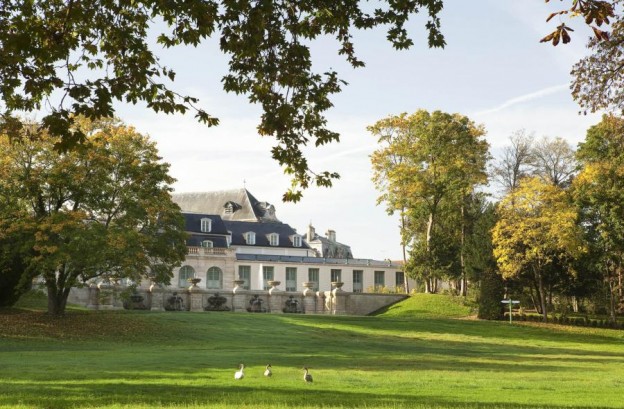
Auberge du Jeu de Paume, Chantilly, France

Great Paris Hotels for an Airport Layover at Charles de Gaulle

Question:

Hi Wendy,

You have great suggestions for the best hotels for a London (Heathrow) stopover. Can you help with Paris (Charles de Gaulle)? We’ll be en route from Africa to California, landing at CDG in the mid-afternoon and departing at 10:30 a.m. the next day. We’ll be tired and would prefer to stay near the airport rather than going into Paris. (We’ve been lucky enough to have seen Paris many times.) But none of the obvious CDG hotel choices look that appealing.

Thanks,
Jane

Answer:

Jane, I presume by “obvious CDG hotel choices” you mean the Sheraton Charles de Gaulle (Terminal 2), the Hilton Charles de Gaulle (Terminal 3), and the citizenM across the road from the Hilton?  I’ve stayed at the Sheraton—because it’s conveniently located at the entrance to the train station where you can zip into the city center—and you’re right:  There’s no real reason to stay there unless you want to pop into Paris for an afternoon and evening.

Here are four alternatives, suggested by one of my Trusted Travel Experts for France, Jack Dancy of Trufflepig, who until recently lived in Paris and is now based in Burgundy. 

1.  The Auberge du Jeu de Paume is an estate in Chantilly that is a 24-minute ride from the airport. It’s a Relais & Chateaux property with a two-Michelin-star restaurant and a brand new spa. “The rooms look onto the gardens of the Château de Chantilly, which is truly splendid and which, in fact, houses one of the largest French Masters collections outside the Louvre,” says Jack. “The town of Chantilly itself is very lovely. Chantilly housed the Royal Stables, and there is still a superbly picturesque race course in the town. You can visit the Royal Stables and the ‘Living Horse Museum’ quite apart from visiting the château and gardens. And nearby is the equally pretty town of Senlis, well worth heading to for lunch and a stroll.”

2. The Château d’Ermenonville, close to the town of Senlis, is also a 24-minute ride from the airport.  (Take a taxi or have the hotel send a car to the airport to pick you up.)  Located in a forest, it works “for a grandiose quiet night in a château complete with moat,”  says Jack.

Should you feel like a little exercise between long flights, Jack can send a guide, with bikes for you, for an afternoon of biking in the Senlis area, through rolling countryside and the royal hunting forests. That way you’re sightseeing and exercising simultaneously–a nice way to spend a stopover.

3. Should you want to pop into Paris after all, stay just inside the Périphérique (the city ring road), in the 18th arrondissement (Montmartre) or the 20th, since these locations are only a 20-minute taxi ride from CDG.  “I like the Hotel Particulier Montmartre,” says Jack. “You reduce your travel time to CDG compared to a downtown hotel by anything up to 40 minutes at high-traffic times (i.e., when you’re leaving for your morning flight back to North America).  For a one-night stay, it can be fun to be up in Montmartre in particular because people often don’t want to dedicate a whole Paris stay to that neighborhood, but for a final night are happy to be a little out of town, especially with the added benefit of an easy departure.”

4. If you opt for the 20th arrondissement, “to experience a less touristy part of town,” Jack recommends staying at Mama Shelter.  “From both the Hotel Particulier Montmartre and Mama Shelter, you can get directly onto the Périphérique, avoiding all city traffic.”

For imaginative travel solutions in Paris or anywhere in France, connect with Jack Dancy via this trip-request form (so he knows you’re a WendyPerrin.com traveler).

Enjoy your stopover!

Triple Creek Ranch

6 Ways to Make a Valentine’s Day Weekend Magical

This Saturday is Valentine’s Day—and the Monday after is Presidents’ Day. Many of us may be thinking about a last-minute long-weekend escape. As TripAdvisor’s Travel Advocate, I’ve been sharing a lot of getaway ideas and strategies over on TripAdvisor’s blog and in its Wendy’s Travel Tips newsletter. Here’s an assortment of these tips, to help you maximize a mid-winter getaway.

Consider a Cozy Winter-Wonderland Retreat
Some lodges and ranches that you think of only for summer are awesome in winter, especially when you get to do activities you’ve never tried before. Think dogsledding, snowshoeing, ice fishing, or even skijoring (which is like waterskiing, only on snow, with a horse rather than a boat pulling you). Here are six things to look for in a cozy winter retreat.

Choose a Hotel with an Incredible Indoor Pool
In wintertime, sometimes the smartest hotel feature to splurge on is a fabulous heated indoor pool with a panoramic view. Here’s how to find them.

Achieve Your Ideal Notion of Seclusion
Secluded doesn’t have to mean remote. One of my most romantic trips ever was when my husband surprised me with a night in a lighthouse on a tiny island in San Francisco Bay that barely anyone knows is there. Here’s how to pinpoint your perfect secluded getaway.

Find a Special Suite That’s Worth the Splurge
Certain jaw-dropping suites I’ve opted to splurge on—such as at Matakauri Lodge in New Zealand on my honeymoon—are sealed in my memory forever. Here’s how to know when a suite is worth the splurge.

Get Into an Impossible-to-Get-Into Restaurant
What to do when the restaurant you want for Valentine’s Day is fully booked? Here are tips for scoring a hot table on any Saturday night, wherever in the world you may be.

Make a Fairytale Place Even More Transportive
My first date with my husband (long before the aforementioned honeymoon) was in a medieval German castle. It was one of those heady travel moments that transport you to another place and time. Here’s how to create such moments.

I’d love to hear: How do you make romantic weekend getaways magical?


Be a smarter traveler: Use Wendy’s WOW List to plan your next trip. You can also follow her on Facebook and Twitter @wendyperrin, and sign up for her weekly newsletter to stay in the know.

Pool at the Belmond Palacio Nazarenas, Peru

How To Book The World’s Best Hotels

TripAdvisor recently announced its 2015 list of the best hotels in the world, and #1 is Gili Lankanfushi, the Maldives resort with the “No News No Shoes” philosophy. A tiny coral island with 45 overwater villas, it’s apparently the ultimate barefoot paradise. I’d love to go. So I reached out to Lindsey Wallace, my Trusted Travel Expert for the Maldives, who—like other Trusted Travel Experts on The WOW List—negotiates special pricing and perks. Lindsey’s rates at Gili Lankanfushi save travelers up to 38% off the best rates on the hotel’s website. Say you went to the hotel’s website and booked an 8-night stay from May 16-24. A Villa Suite would cost you $8,528. Lindsey’s rate is $6,000 and includes round-trip speedboat transfers from the airport and daily breakfast and dinner. Lindsey has blocked off villas in the best locations for his guests, of course. And you get even more VIP perks ($100 dining credit, free spa treatment, free upgrade on arrival, and early check-in/late check-out) if Lindsey knows you’re a WendyPerrin.com traveler (which he’ll know if you use my trip-request form).

The best way to book a five-star or four-star hotel depends on the type of trip you’re taking. If what you want above all is the lowest rate, book it online. You can now even book hotels on TripAdvisor, which compares prices across hundreds of sites to find you the lowest rate. But if you’re staying three nights or more and what you care most about is the best overall experience, from room selection to VIP amenities to enhancements such as private car transportation and an introduction to the location’s hidden gems via an English-speaking local insider, that’s when it makes sense to reach out to a Trusted Travel Expert. I’ll give you an example:

Say you’re headed to Budapest. The Four Seasons Gresham Palace is #4 on TripAdvisor’s list of the world’s top hotels. If all you need is a room, book it online. But say you’re planning to stay three nights. My Trusted Travel Expert for Hungary, Gwen Kozlowski of Exeter International, can get you three nights (including the hotel’s 22% tax), gourmet hotel breakfast daily, roundtrip private car transfers from/to the airport, and—if you use my trip-request form so she knows you’re a WendyPerrin.com traveler—an expert private guide for a three-hour overview walking tour of Budapest, starting at $516 per night (the price depends on your month of travel). If you were to book those components separately through separate sources, the quality would be inconsistent and probably inferior. (I say that because I have personally road-tested Gwen and her Budapest arrangements twice within the past year, and they are superlative.)

Belmond Palacio Nazarenas, Cusco, Peru

Belmond Palacio Nazarenas, Cusco, Peru. Photo courtesy Belmond Hotels.

Here’s another example: Say you’re headed to Peru. The Belmond Palacio Nazarenas in Cusco is #5 on TripAdvisor’s list of the world’s top hotels. My Trusted Travel Expert for Peru, Tom Damon of Southwind Adventures, has negotiated a 10% discount for his travelers who stay there two nights and a 15% discount for those who stay three nights. If all you want is the hotel, book it on your own. If you want the hotel combined with additional arrangements that will add up to a transformative experience of Machu Picchu, reach out to Tom. (To indicate to Tom that you’re a WendyPerrin.com traveler, contact him here.)

If you’ve got a trip in mind that uses five- or four-star hotels and you’re not sure the best way of booking them, just ask. And I’d love to ask you: What’s your favorite way to book hotels online, and why?

Rooftops in Venice, Italy

Is Venice Really Banning All Wheeled Luggage?

Question:

“I’ve heard a rumor that Venice is going to ban all roll-on suitcases starting in May 2015. Is this true? My husband and I will be visiting Venice then and hope we won’t have to carry our suitcases to our hotel or be held hostage by someone who insists on carrying them at a high cost. We travel light, but not that light.”
—Sharon

Answer:

Anyone who has flown to Venice, taken a water taxi from the airport to the stop closest to their hotel, and then wheeled their luggage—over cobbled streets and up and down stone stairs and over ancient footbridges—to their hotel knows what an obstacle course that can be, especially since some hotels are hidden down tiny alleys and hard to find. Getting lost in Venice is one of the most fun travel experiences I know, but getting lost with luggage is not.

The good news, Sharon, is that the ban on wheeled luggage is a rumor. There were reports last fall that the Venice City Council was going to ban it (for visitors, not residents) and slap travelers who break the ban with a 500 euro fine. But then Venetian authorities clarified what had been a misunderstanding: They are not planning any ban or fine after all. But the controversy points to an ongoing problem: Twenty million tourists or so visit Venice annually, and all those wheels damage ancient stones (not to mention suitcases) and create a cacophony.

“Venice presents unique logistical challenges if you have more than a backpack,” says Brian Dore, one of my Trusted Travel Experts for Italy. You should absolutely check out Brian’s Insider’s Guide to Venice. I asked him to share advice for handling luggage in Venice, and he was kind enough to lay out your options:

“1. Water taxis and porters
Water taxis wait at the airport, but keep in mind that it is a fairly long walk to the water-taxi dock. You will need a cart to put your luggage on, and then you’ll need to wheel it to the pier. The water-taxi driver will tell you the fare based upon the address of your hotel (it’s more expensive if your hotel dock is on a small side canal, as opposed to the Grand Canal) and the amount of luggage you have. If you don’t want to walk to the water-taxi pier, car taxis wait just outside the airport exit and you can go immediately to the Piazzale Roma, Venice’s frontier for cars. From here, you can hire a porter to take your bags to a water taxi and then on to your hotel. The cost of the porter service is 2.50 euro per bag.

If you’re arriving at the train station, you can take a water taxi directly from the station to your hotel.

2. Public Transportation
If you want to save on the water taxi, you can take the public water buses to the stop nearest your hotel. This is advisable only if you can carry your luggage, such as a backpack. If you have actual luggage, with our without wheels, the vaporetto operator may make you wait for the next one if the water bus is crowded, and when you do arrive at your station, you then have to navigate the confusing maze of Venetian streets to find your hotel. Doing this with luggage—even one small suitcase with wheels—is difficult, as well as hard on your luggage. It’s not recommended; it’s worth paying for a water taxi. If you are traveling in Italy with luggage but can consolidate to a backpack for your days in Venice, you might consider checking the rest of your luggage in a locker at the airport or station.

3. Private Service
When our travelers arrive at any entry point, an assistant meets them with a waiting water taxi and porters, and it is prepaid—so there’s no wandering around to find service and no worries about being overcharged along the way.”

In summary, advises Brian, “if you can’t physically carry your bags, save yourself some aggravation and pay for help. There is value in convenience.”

Brian and his wife Maria Gabriella Landers can, in fact, make everything easier and more rewarding when you travel in Italy. Here’s the best way to contact them for a trip. Check out their fabulous blog Postcards from Italy too. 

Buon viaggio!

What’s Going On With Wendy? Find Out on the “This Week in Travel” Podcast

Why did I start WendyPerrin.com? What’s The WOW List? And what am I doing at TripAdvisor? I gave the inside story to Gary Arndt, Chris Christensen, and Jen Leo on their weekly podcast This Week in Travel. Our conversation lasted an hour and starts with a 16-minute chat about news headlines, with travel tips thrown in later in the show. Enjoy!

“The WOW List” with Wendy Perrin – This Week in Travel 183

Virgin America Wi-fi

Wi-Fi Report Card: Which Airlines Keep You Connected the Best?

For Internet-addicted business travelers, an in-flight announcement that “Wi-Fi is down at the moment” is enough to induce the shakes. And getting booked on a flight that doesn’t offer Wi-Fi at all is enough to send them into fits of rage.

Fortunately, a new study finds plugged-in road warriors had less reason to panic over their in-flight connectivity last year. And 2015 looks even better.


Also from Yahoo! Travel: The Wi-Fi Race: What Are the Best-Connected U.S. Airlines?


A new report by travel website Routehappy finds U.S. flyers now have at least “some chance” of finding Wi-Fi on 66 percent of domestic flights. In contrast, Routehappy’s last report, in June 2013, found Wi-Fi connectivity on less than half of domestic flights. And the story is getting brighter internationally too.

So what’s the Wi-Fi state of the union? Here are the main highlights of Routehappy’s “Global State of In-Flight Wi-Fi” report.

Routehappy Wi-Fi report

Virgin America is out in front on percentage of flights with Wi-Fi. But when you look at the total number of Wi-Fi-connected flights, it’s another story. (Photo: Routehappy)

Wi-Fi is growing like a weed on U.S. air carriers.

Overall, Virgin America leads Routehappy’s list, with the highest percentage of total flights and flight miles with Wi-Fi (that’s not surprising; unlike many other carriers, all of Virgin America’s planes offer Wi-Fi). Southwest is in second place.

But when you’re talking the raw total number of flights that offer Wi-Fi, Delta Air Lines—which runs many more flights than Virgin—is number one by far. It’s followed by the newly combined American Airlines/US Airways.

Delta Wi-Fi

Because of its size and aggressive upgrades, Delta has more Wi-Fi connected flights than anyone. (Photo: Delta)


Also from Yahoo! Travel: No More In-Flight Wi-Fi for AT&T


United Airlines did top one domestic category: Wi-Fi growth. In Routehappy’s last survey, United offered at least “some chance” of Wi-Fi on 518 U.S. domestic flights. Today, that number is 1,445 flights—a 179 percent increase. American/US was a distant second with a 23 percent increase, followed by Delta with 15 percent.

“Domestically, Wi-Fi is being offered on more flights than ever before,” Jason Rabinowitz, data research manager for Routehappy, tells Yahoo Travel. “All mainline airlines have either finished or are nearly finished rolling out Wi-Fi to their entire domestic fleets.”

It’s not just what airline you fly—it’s where you go.

Routehappy finds that all the busiest U.S. domestic routes (20 daily flights or more in each direction) have Wi-Fi availability on all flights. That includes: New York’s JFK to Los Angeles; New York’s LaGuardia to Boston; LaGuardia to Washington-Dulles; New York’s JFK to San Francisco; and Charlotte to Atlanta.

Wi-Fi and power don’t always go together (but they should).

What’s the point of offering passengers Wi-Fi if their computers, tablets and phones run out of juice while they’re using it? “That drives people crazy,” Rabinowitz says. Offering Wi-Fi without power is like offering mac without cheese: Yeah, you can do it, but what’s the point?

Fortunately, some airlines have gotten that message. In Routehappy’s report, Virgin America leads the way with 100 percent of flight miles with Wi-Fi and in-seat power in Economy class. Alaska Airlines is second, and United is third. But if you’re flying JetBlue or Southwest, you’d better bring a book: Those airlines were found to offer the greatest majority of flights with that unfortunate Wi-Fi/no power combination.


Wi-Fi on international flights

Wi-Fi on international flights is getting much more common, especially on Icelandair. (Photo: Routehappy)

Slowly but surely, Wi-Fi is spreading worldwide.

International airlines have been slower to offer Wi-Fi than U.S.-based airlines, but they’re getting better.  In Routehappy’s latest report, non-U.S. airlines offered at least “some” chance of Wi-Fi on 15 percent of their international flights. That may not seem like much, but it’s still a slight improvement. “As of our last report 18 months ago, very few airlines outside of the United States offered the service, with only a handful of flights each day,” Rabinowitz says. But now, “some airlines have nearly completed the rollout of in-flight Wi-Fi on their entire widebody fleet.”

In all, Routehappy finds nine non-U.S. airlines now offer a “very good” chance of having Wi-Fi on 20 percent or more of their international flight miles: Japan, Emirates, Aeroflot, Iberia, Lufthansa, Singapore and Etihad. On the remaining two airlines—Norwegian and Icelandair—that number tops 80 percent. Overall, the airline with the most international planes with Wi-Fi was United.

Wi-Fi user on a plane

Don’t worry: There’s a lot more Wi-Fi in your future. (Photo: Thinkstock)

The future is bright for Wi-Fi on planes.

Rabinowitz thinks we’re not far from seeing in-flight Wi-Fi that resembles the speedy connections you have at home and the office. “In-flight Wi-Fi will be faster, less expensive and available on airlines you probably wouldn’t have guessed today,” he says. With the launch of newer satellites—which offer better connectivity than the more common land-based Wi-Fi systems—he expects the Wi-Fi experience to greatly improve.

In addition to getting faster, Rabinowitz predicts Wi-Fi will get even more commonplace, with U.S. airlines expanding it to more international routes and to their smaller regional planes as well. “Passengers are not only aware that in-flight Wi-Fi exists, but they actually expect it to be available,” he says.

So it looks like “What do you mean this flight doesn’t have Wi-Fi?” will be a question workaholic business travelers will have to ask less and less.


More from Yahoo! Travel

The Millennial’s Guide to Surviving Your First Business Trip

Confessions: The Top 10 Things That Will Make Your Flight Attendant Hate You

Extreme Weapons the TSA Seized at US Airports in 2014


This article originally ran on Yahoo! Travel

Barcelona - Park Guell, Spain

European Cities that are Surprisingly Kid-Friendly

You’d be amazed how many of our frequent-traveling families prefer European capitals of culture to the beach.  So we’ve rounded up a few of our favorite European cities for vacations that are exceptionally kid-friendly yet also sophisticated enough for culture-vulture parents:

Berlin

The fantastic public transportation network is what puts Berlin over the top as a family-friendly destination. “Every place of note in the city is well served by public transportation,” says Gwen Kozlowski, who is one of the Eastern Europe travel specialists on Wendy’s WOW List of Trusted Travel Experts and who frequently takes her young son on European scouting trips.  “Getting around as a family is easy and a good value. The Berlin Welcome card provides from 48 hours to 6 days of unlimited transportation on the metro, S-Bahn (elevated train), and city buses, and each card covers one adult and three kids 6 to 14 years old; children under 6 are free.”  For families Gwen recommends the Adina Hackescher Markt hotel, where a two-bedroom suite costs less than a standard room in many of the city’s five-stars. Expose your kids to history at the Checkpoint Charlie House—but only later in the day, she advises, after all the tour buses have left.

For the best possible family-friendly trip to Berlin and to be marked as a VIP, contact Gwen through Wendy’s questionnaire. Read reviews of Gwen’s trips here.  

Paris

child playing with toy boats in the Jardin du Luxembourg, Paris France

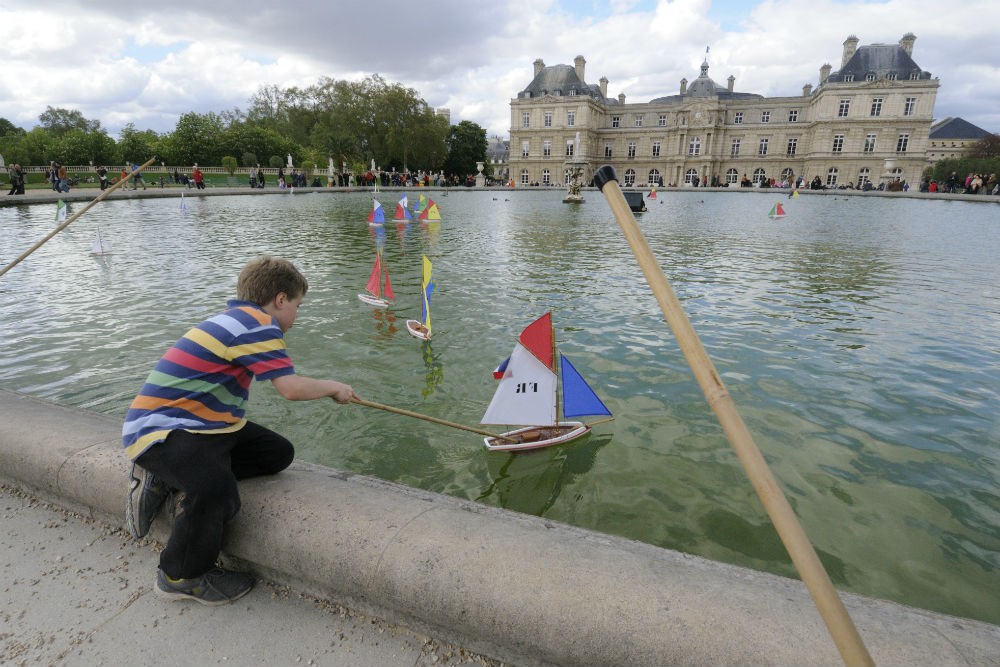
Paris is filled with parks and playgrounds. That’s Wendy’s son Doug in the Jardin du Luxembourg when he was eight.

When you’re traveling with kids, you want engaging activities, easy transportation, and great spaces for downtime, and the City of Light ticks all of these boxes. Paris also has an increasing number of pedestrian zones and neighborhoods closed to traffic on certain days, and strollers, scooters, and various bike set-ups can easily be rented to get around. Many Paris museums have kid-friendly spaces and self-guided tours; make sure to download the children’s activity book before tackling the Eiffel Tower. If you’re seeking special private experiences, nobody is more plugged in than Jennifer Virgilio, one of Wendy’s Trusted Travel Experts for France, who can arrange hands-on activities such as an éclair-making class or an out-of-the-box tour that focuses on the city’s street art.  Renting an apartment in the right arrondissement can be a smart move for families too. Finally, when all you need is to burn off some energy, head to one of the many neighborhood parks and playgrounds, all well maintained and fenced in for safety.

Read Jennifer’s Insider’s Guide to Paris with Perks and, for the best possible family-friendly trip to Paris and to be marked as a VIP, contact Jennifer through Wendy’s questionnaire. Read reviews of Jennifer’s trips here.

Dijon

Burgundy might be best known for its wine, but there’s plenty else to keep the underage set happy in the region’s capital. Dijon, you see, was the capital of the Valois Dukes—who were once more powerful than the king—so the old center is full of well-preserved medieval architecture. At the farmer’s market, France Trusted Travel Expert Michael Eloy arranges for kids to help an organic farmer run his stall. He also sends families to the Parc de la Colombière, where young and old can tackle a treetop ropes course, and to the Place de la Libération, where parents sit and enjoy a respite at a café while the kids play in the fountains.

Read Michael’s Insider’s Guide to Burgundy, and for the best possible family-friendly trip to Burgundy and to be marked as a VIP, contact Michael through Wendy’s questionnaire. Read reviews of Michael’s trips here

Florence

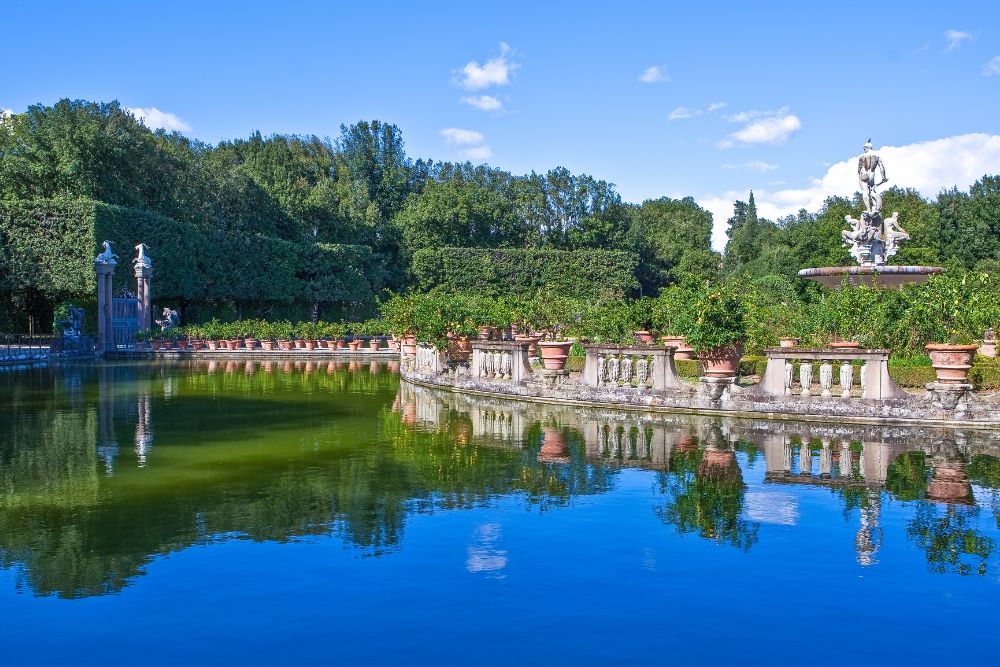
Boboli gardens and a lake in Florence, Tuscany.

The Boboli gardens are a perfect outdoor spot for letting kids run around and picnic. Photo: Shutterstock

“At first glance, Florence is intimidating for families because many of the famous attractions are museums and monuments that seem grandiose and overwhelming, even to adults,” says Maria Landers, Trusted Travel Expert for Italy. “But with a little research and planning, Florence—and by extension, Italy’s Renaissance history—can be made vibrant and interesting for younger visitors. Several of the city’s museums, including the Palazzo Vecchio and the Museo Galileo, offer guided itineraries for children, and the Bardini and Boboli gardens are perfect outdoor spots for romping and picnicking. Don’t forget to reward yourselves with healthy doses of gelato as you go!”

Read Maria’s Insider’s Guide to Florence, and for the best possible family-friendly trip to Florence and to be marked as a VIP, contact Maria through Wendy’s questionnaire. Read reviews of Maria’s trips here

Istanbul

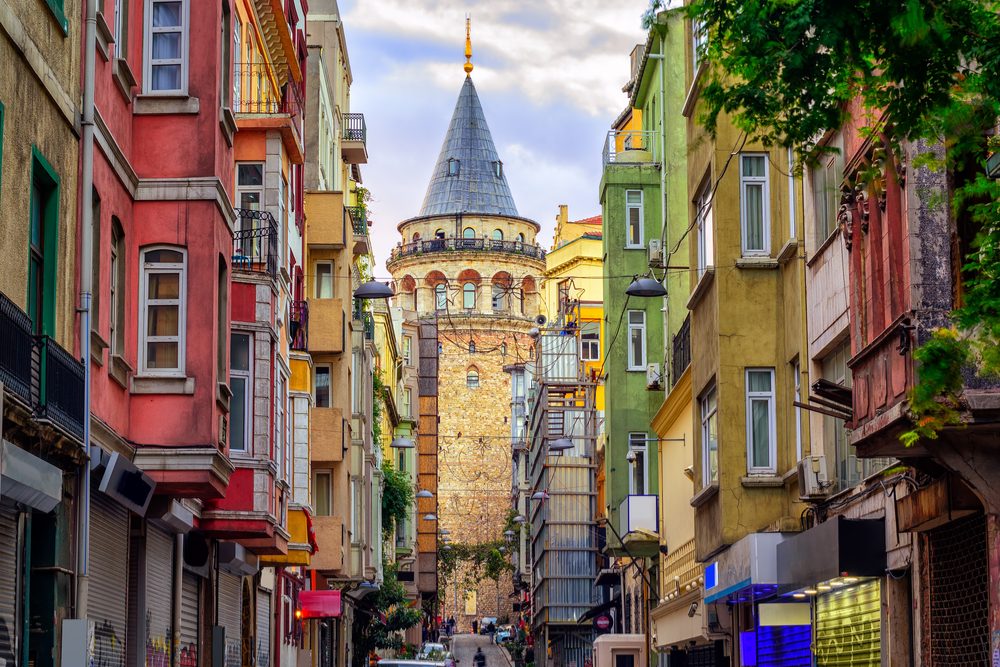
Galata Tower and the street in the Old Town of Istanbul, Turkey

Galata Tower and the street in the Old Town of Istanbul, Turkey. Photo: Shutterstock

Many of the city’s sites naturally appeal to youngsters: “The Rahmi M Koç Industrial Museum’s interactive displays are great for kids, who also love going underground to the Byzantine Cistern and spying fish in the water,” says Earl Starkey, Trusted Travel Expert for Turkey. Earl uses art as a kid-friendly window into Turkish culture, arranging private classes on pottery and ebru (the Ottoman technique of paper marbling), as well as cooking. Even the pickiest palates will be satisfied with pide—best described as Turkish pizza—and Istanbul’s ubiquitous fresh-squeezed juices. To escape the city’s hustle and bustle, take a ferry to the car-free island of Buyukada, where you can rent bikes or hire a horse-drawn carriage.

Read Earl’s Insider’s Guide to Istanbul, and contact him through Wendy’s “Start a Trip” questionnaire to be marked as a VIP and get the best trip possible.

London

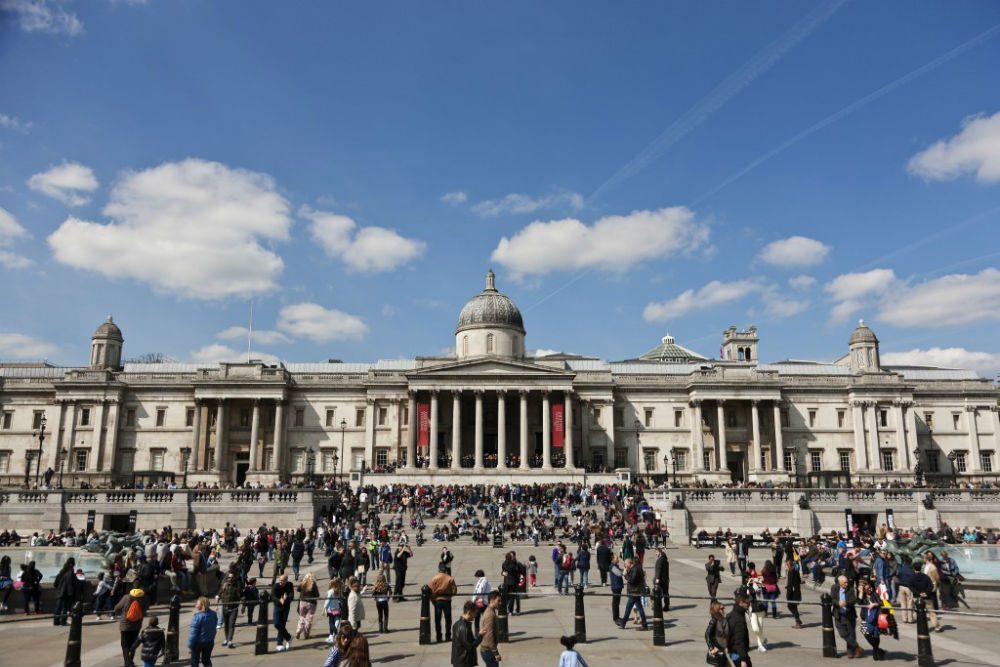
National Gallery in Trafalgar Square London England

Many museums in London are free, including the National Gallery in Trafalgar Square. Photo: Michael Heffernan/London and Partners

Free museums make London a great choice for families.  The Science Museum, the Natural History Museum, the Victoria and Albert Museum, the British Museum, the Tate Modern, the National Portrait Gallery,  the National Maritime Museum, the National Gallery, and the Museum of London are only the start.  “Anywhere else, visiting even half of these would ring up costs of at least $100 per person,” notes Jonathan Epstein, Trusted Travel Expert for the British Isles. He adds that traveling to London removes the language barrier that can trip up some kids—especially on their first adventure abroad. Epstein’s young son is a devotee of the pirate-ship climbing structure at the Diana, Princess of Wales’ Memorial Playground. And then, of course, there’s Harry Potter: Families can visit sites featured in the books, or even tour the studios where the movies were filmed. Don’t miss this London advice from Wendy’s 14-year-old son: Dos and Don’ts For Your Trip to London.

Contact Jonathan through Wendy’s “Start a Trip” questionnaire to be marked as a VIP and get the best trip possible.

Barcelona

Sagrada Familia Barcelona Spain

Barcelona’s Sagrada Familia looks to some like a child’s masterpiece in sand. Photo: Pixabay

The Mediterranean climate makes it almost always pleasant to be outdoors (who wants to be cooped up inside with kids?), and there’s a fantastic beach area where can spend your afternoons after mornings spent exploring the city. Gaudi’s famous Sagrada Familia looks to some like a child’s masterpiece in sand—maybe that’s why kids are so drawn to his buildings and to the other Catalan Modernist structures sprinkled throughout the city. You could spend an entire day exploring how nature and architecture are woven together at Parc Guell.  And did you know that chocolate was introduced to Europe by the Spanish?  There’s a chocolate factory in Barcelona that will have your kids begging for a second trip.

Contact Spain expert Pablo Calvo through Wendy’s “Start a Trip” questionnaire to be marked as a VIP and get the best trip possible.

What European cities would you add to this list?

Be a smarter traveler: Read real travelers’ reviews of Wendy’s WOW List and use it to plan your next trip. You can also follow her on Facebook, Twitter @wendyperrin, and Instagram @wendyperrin, and sign up for her weekly newsletter to stay in the know.