Tag Archives: airline travel

Wendy Perrin snorkeling in Belize underwater with a smiling fish.

Wendy’s Family Trip to Belize: Photos from the Beach and Sea

The best vacations are those where you try something new you’ve never done before. When you learn a new skill or master a challenge or achieve a long-held goal during a trip, it leaves you with intense memories of that trip and a sense of accomplishment that can linger forever.

That’s one reason I chose Belize for my family vacation: I wanted my younger son, Doug (14), to learn how to dive. Doug is starting high school next month and is fascinated by marine biology, so it seemed like a good moment to get him his scuba certification. The diving and snorkeling in Belize are world-class, thanks to the country’s position alongside the world’s second largest barrier reef.

Belize also has the typical advantages afforded by a location on the Caribbean Sea, yet it’s easier to fly to, more affordable than, and less built-up than, many Caribbean islands.  Our trip was in mid-August, which is the start of low season, thanks to the approach of more humid weather in the summer and fall.  Our off-season timing made Belize even more affordable than usual—and the diving, and conditions for all of our activities, were still great!

Here’s a sneak peek at our adventures. Stay tuned for more on the best things to do and see in Belize, where to stay, where to eat… and how to learn to scuba dive in just three days (that’s how long it took Doug). And if you’re looking for the best Belize trip-planning specialist, here’s who I recommend.


View this post on Instagram


A post shared by Wendy Perrin (@wendyperrin)


View this post on Instagram


A post shared by Wendy Perrin (@wendyperrin)


View this post on Instagram


A post shared by Wendy Perrin (@wendyperrin)


View this post on Instagram


A post shared by Wendy Perrin (@wendyperrin)


View this post on Instagram


A post shared by Wendy Perrin (@wendyperrin)


View this post on Instagram


A post shared by Wendy Perrin (@wendyperrin)


View this post on Instagram


A post shared by Wendy Perrin (@wendyperrin)


View this post on Instagram


A post shared by Wendy Perrin (@wendyperrin)


View this post on Instagram


A post shared by Wendy Perrin (@wendyperrin)


View this post on Instagram


A post shared by Wendy Perrin (@wendyperrin)


View this post on Instagram


A post shared by Wendy Perrin (@wendyperrin)


View this post on Instagram


A post shared by Wendy Perrin (@wendyperrin)


View this post on Instagram


A post shared by Wendy Perrin (@wendyperrin)


View this post on Instagram


A post shared by Wendy Perrin (@wendyperrin)


View this post on Instagram


A post shared by Wendy Perrin (@wendyperrin)


View this post on Instagram


A post shared by Wendy Perrin (@wendyperrin)


Lisbon, Portugal. Photo: Pixabay

Airfare Deals to Europe Are Excellent Right Now

If you’re even toying with the idea of traveling to Europe next year, talk to your family or travel companions this holiday weekend and purchase your plane tickets right away. Airfare to Europe is currently at a remarkable low; cheap flights and airfare sales are popping up left and right.

“We are seeing some epic airfare sales to Europe,” says George Hobica, president and founder of Airfarewatchdog.com. “[Flights are] 66% or less than usual, and many were good for summer travel, which is highly unusual.”

Joe Brancatelli of Joe Sent Me agrees. “These are the lowest fares I’ve seen in a generation, since about 1985, give or take for inflation,” he says. “Even when you factor in seat charges and other ancillaries, the coach fares are insanely low. I mean, under $400 on major airlines to Europe. That is serious stuff. Record-breaking low stuff.”

George is seeing great deals to Paris, London, Italy, Germany, Brussels, and more, while Joe adds that Spain and Portugal are among the best deals right now. “Some of that is due to the fact that TAP Air Portugal has charged back into the market,” Joe says. “Some of it is that all three U.S. carriers serve Lisbon, Madrid, and Barcelona, and Spain itself has two carriers (Iberia and Air Europa).” Joe suggests keeping an eye out for super-cheap prices to Iceland (thanks to low-cost carrier WOW), and for business travelers, specialty carriers such as LaCompagnie for France and Emirates for Milan are making the New York–Paris and New York–Milan routes a great deal.

What’s the catch?

Well, according to Joe, who’s been covering the airline industry and consumer travel for decades, there isn’t one. “The dollar is very strong in Europe and is nearing parity with the euro—something we haven’t seen since the euro was introduced in 2002. The dollar is also at 30-year highs against the British pound. You also want to watch for cheaper room rates in specific countries (France, Belgium, Turkey) because of the terrorist incidents.”

In fact, the negatives he cited don’t actually have to do with airfare. Joe cautions travelers to watch out for “credit cards that still impose a currency-exchange fee and airport ATMs operated by currency traders (because they offer lousy rates, just like their cash booths).” And, of course, the weather. “So that means watch out for snow storms in your U.S. departure cities that can mess with your schedule. And watch the weather because some European destinations (looking at you, Paris and London) get messed up if they get snow. I mean, an inch of snow at Heathrow creates nightmares.”

If you do find yourself stranded or snowed in, Wendy recommends contacting Brett Snyder of Cranky Concierge. He and his team specialize in emergency air travel solutions, and if anyone can find a way to get you where you need to be, it’s Brett.

How to find the deals:

To find the deals, you can sign up for fare alerts at Airfarewatchdog.com or use the site’s helpful “fares from a city” feature. Just type in your departure city, and it’ll spit back great deals to locations all over the world. Two other useful tools are Google Flights (type in your departure city and it’ll show you several low-price options; shift the date to see more) and Kayak.com (when you click on the calendar icon in your initial search, small green dots below certain dates indicate days when airfare is cheaper).

So what are you waiting for? As Joe put it, “Honestly, this is one of the greatest times for Europe travel I have ever seen. Cheap fares. Cheaper hotel rates. Fabulous currency exchange rates. And because it is winter, the culture of Europe is in full swing—you’ll not only get good theater, you’ll actually meet locals in their own cities and towns. That doesn’t happen when Americans go in August!”

Be a smarter traveler: Use Wendy’s WOW List to plan your next trip. You can also follow her on Facebook and Twitter @wendyperrin, and sign up for her weekly newsletter to stay in the know.

United 787 amenities kit

What It’s Like to Fly on a 787 Dreamliner

What’s it like to fly on a Boeing 787 Dreamliner?  I recently flew United’s 787-9 Dreamliner on what is currently the longest 787 route flown by a U.S. airline, between San Francisco and Singapore. It covers 8,446 miles and takes 16 hours 20 minutes going to Singapore. I flew the opposite way, on my trip home from Asia, which clocked in at a slightly shorter 15 hours 30 minutes. Here’s what it was like.

The seats

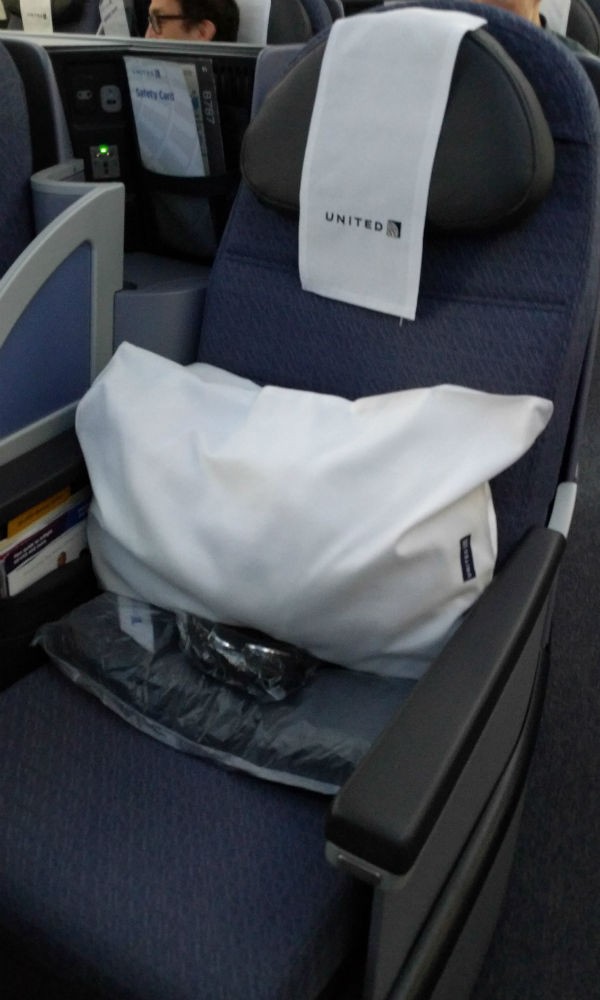
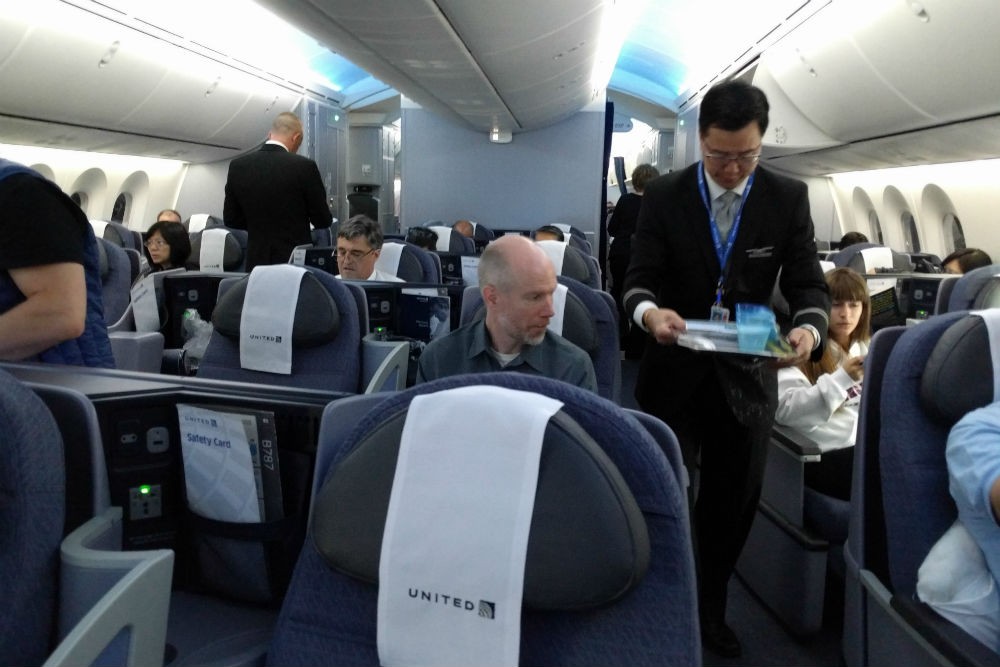
The seats in business class on United’s 787-9 are arranged 2-2-2, and are staggered slightly to offer some privacy when you’re reclined.

My home for 15 hours and 30 minutes. I slept wonderfully.

My home for 15 hours and 30 minutes. I slept wonderfully.

The seats are 20.6″ wide (the widest BusinessFirst seat United offers) and truly go flat, so you can sleep pretty well on them; and they are adjustable in various ways so you can recline or raise your feet to keep comfortable when not dozing. The blankets are duvet-style, cozy without being too heavy, and the seat cushion is plush enough that you don’t feel the bones of the seat when you lie down.

I had an aisle seat in the middle section of the first row. If you prefer the window spot, keep in mind that they are the only ones without direct aisle access, and you can find yourself trapped when your seat neighbor is fully reclined. This problem isn’t unique to United; I had it on my Qatar Airways flight too; and it’ll be solved when United launches its new Polaris international business class product in December of this year.

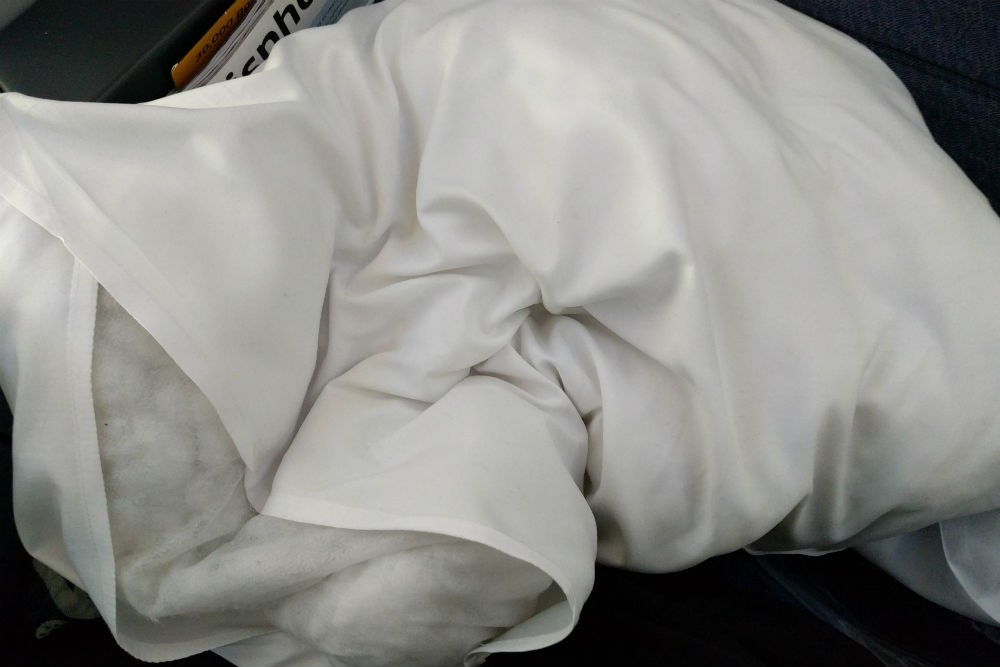
The Polaris premium cabin reboot will feature new seats that are more like private pods and that will have custom bedding from Saks Fifth Avenue—with new pillows! This is great news because one of my quibbles with United’s long-haul business class is its uncomfortable pillows. That may seem like nitpicking, but it’s surprising just how much a bad headrest can affect your sleep. The current pillows feel like loose sacks of lumpy cotton balls. In the future, flights outfitted with the Polaris design will give passengers the choice between the snazzy Saks pillow and a cooling gel pillow (they’ll also be able to request a mattress cushion).

United 787 business first cabin

The BusinessFirst cabin on United’s 787-9 Dreamliner, flying from Singapore to San Francisco.

United 787 business first seat power

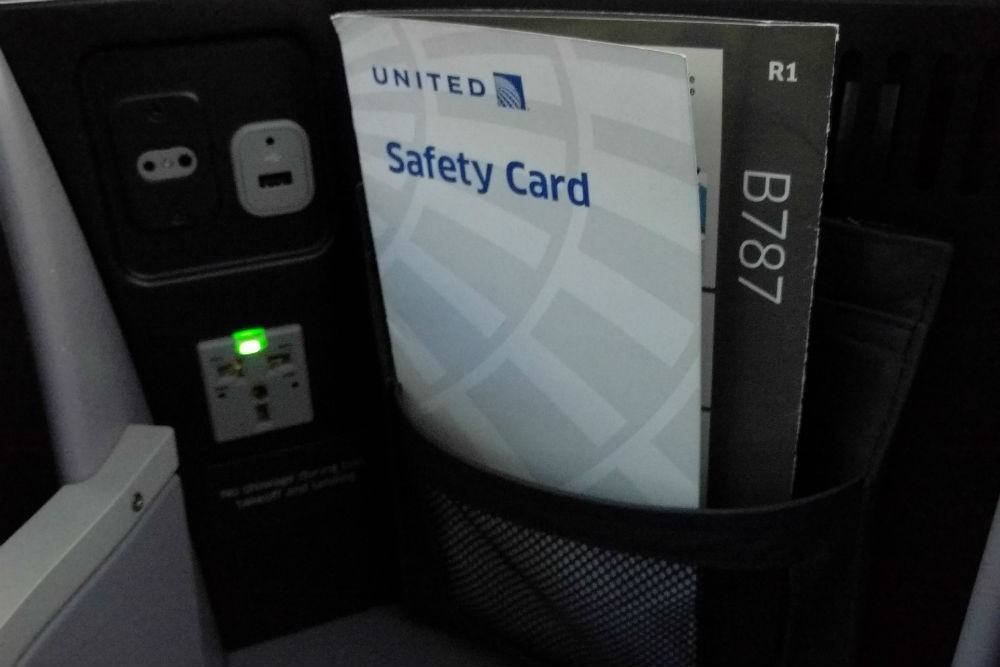
Every BusinessFirst seat on the 787-9 has a personal power plug, a USB port, and a set of noise-canceling headphones that fit into that two-holed jack at left. You can plug your own headphones into a single hole, but the sound isn’t as good.

United 787 business first seat controls

The seats recline a full 180 degrees, but you can set them in just about any other position too, including adding extra lumbar support.

United 787 lumpy pillow

United’s lumpy BusinessFirst pillows are thankfully being replaced by custom bedding from Saks Fifth Avenue in the new Polaris class, to be unveiled in December. Photo: Billie Cohen

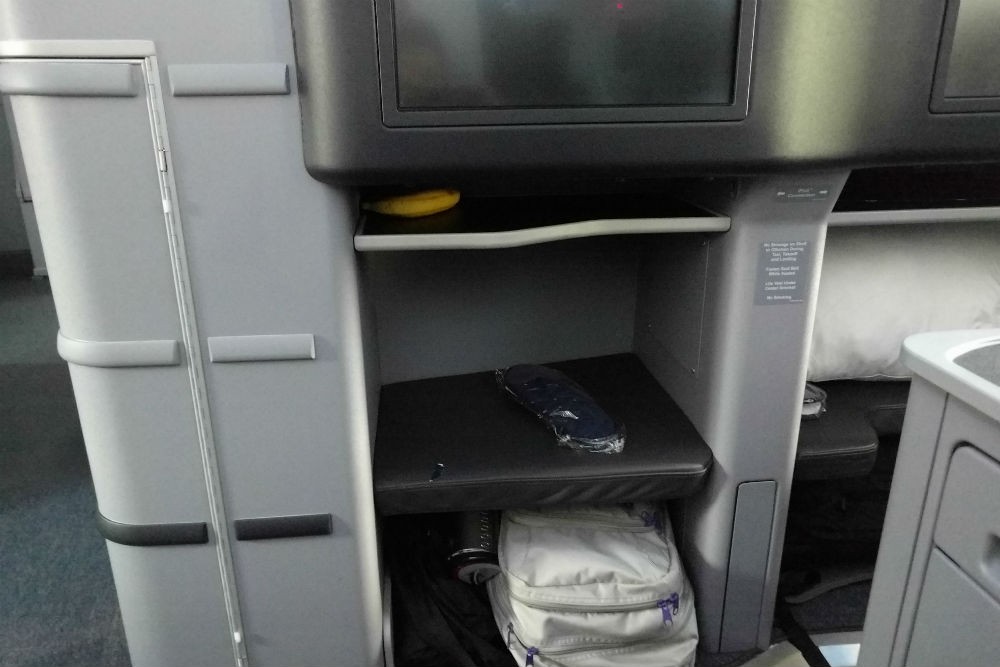
United 787 cubby space

Lots of room for your legs, and a convenient cubby for your stuff. When your seat is fully extended you won’t be able to access the bottom cubby, and if you’re tall, your feet might be inside the second one. Loved the mini banana-sized shelf at the top. Came in handy!

The environment

Thanks to several of the 787’s features, and the flight crew’s smart use of them, it’s very easy to get a good night’s sleep on this aircraft, and therefore to feel less jetlagged. To start with, the cabin pressure of Boeing’s Dreamliner makes it feel like you’re at only 6,000 feet instead of the usual 8,000. That makes a big difference in how dehydrated and dry you’ll be after 15-plus hours in the air.

Next, the lighting is much gentler and can be adjusted to different colors (blue, orange, etc.) to make your brain subtly register that the day is passing. The windows help with this too. Windows on the Dreamliner are bigger than what you’re used to on other planes—and the shades can stay open during the entire flight, thanks to a special tinting material within the windowpane itself. The feature can be tuned to mimic different times of day, so even though we took off at 8:45 a.m., the crew made it look like night after a few hours so that we could all switch over to San Francisco time more easily. And it worked for me—I adjusted time zones without any problem when I arrived; and I am embarrassingly wimpy when it comes to jet lag, no matter the direction of travel. As a bonus, the special windows mean that whenever you are awake you can still look outside rather than having to stealthily crack the shade up and hope you don’t bother your snoring seatmate.

The amenities

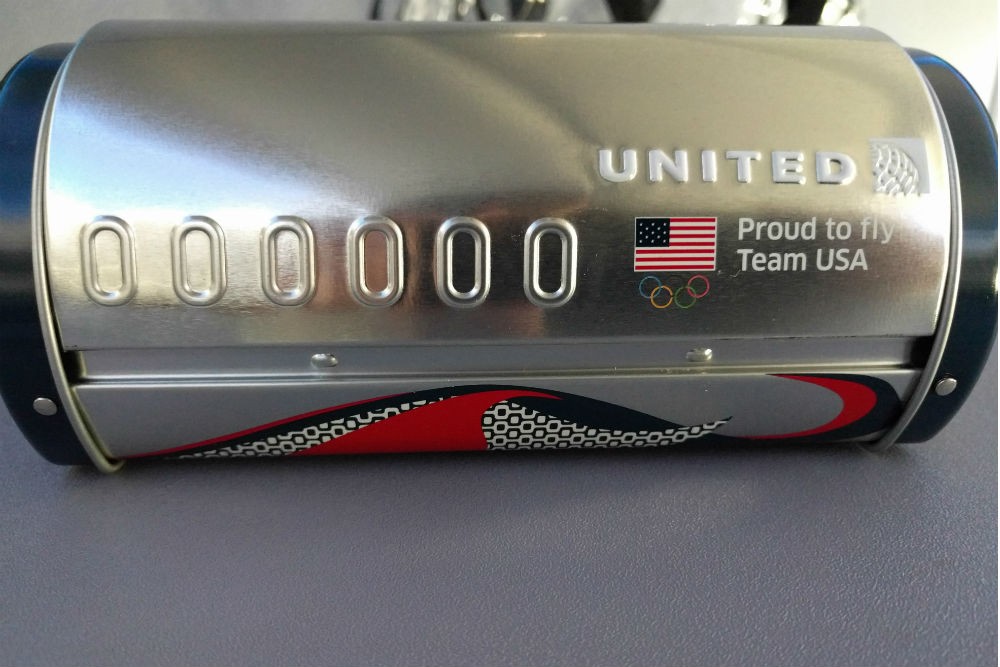
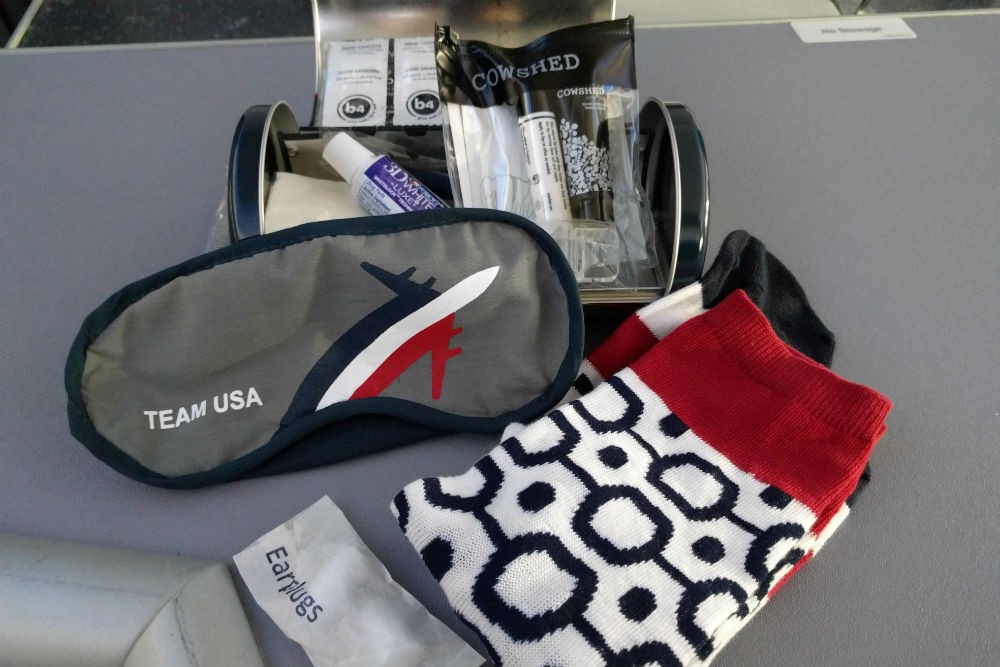
I’ve already mentioned the 180-degree lie-flat bed (thumbs up), and I also appreciated the easily reachable USB port, power outlet, and headphones in every seat. I’m also a sucker for a cool amenities kit, and I love the commemorative Rio Olympics-themed kit United is using this summer; it’s packaged in a cool tin shaped like the body of an airplane. The lotion and lip balm are from Soho House’s luxe Cowshed Spa, and the eye mask is comfortable cloth instead of nylon; the rest is the usual toothbrush, toothpaste, etc. Big plus: The bathroom sinks and toilets are touch-free. This should be standard in every bathroom on every plane everywhere. Genius.

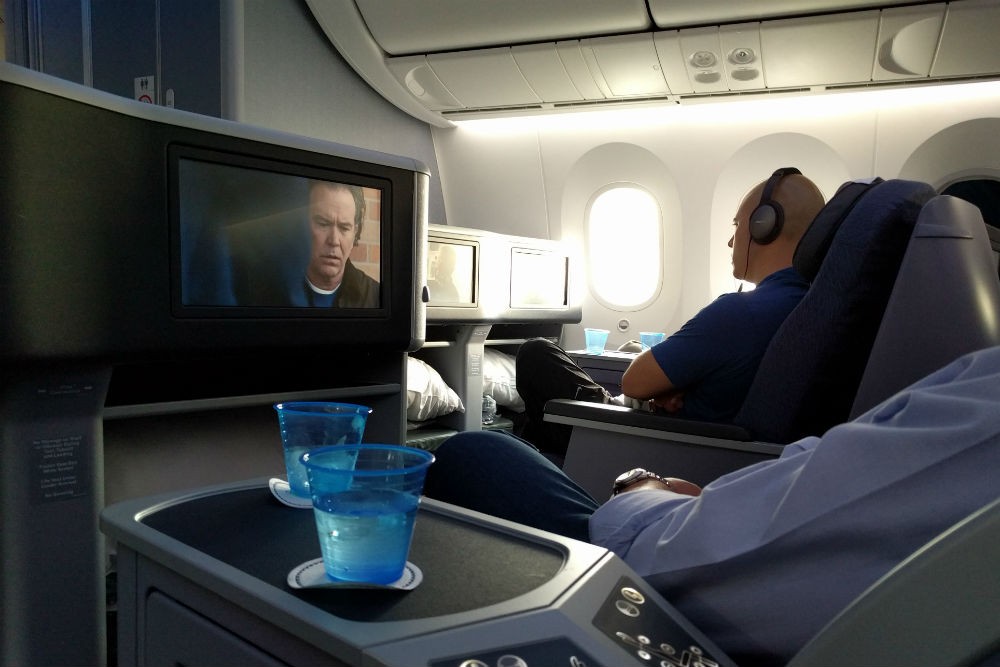
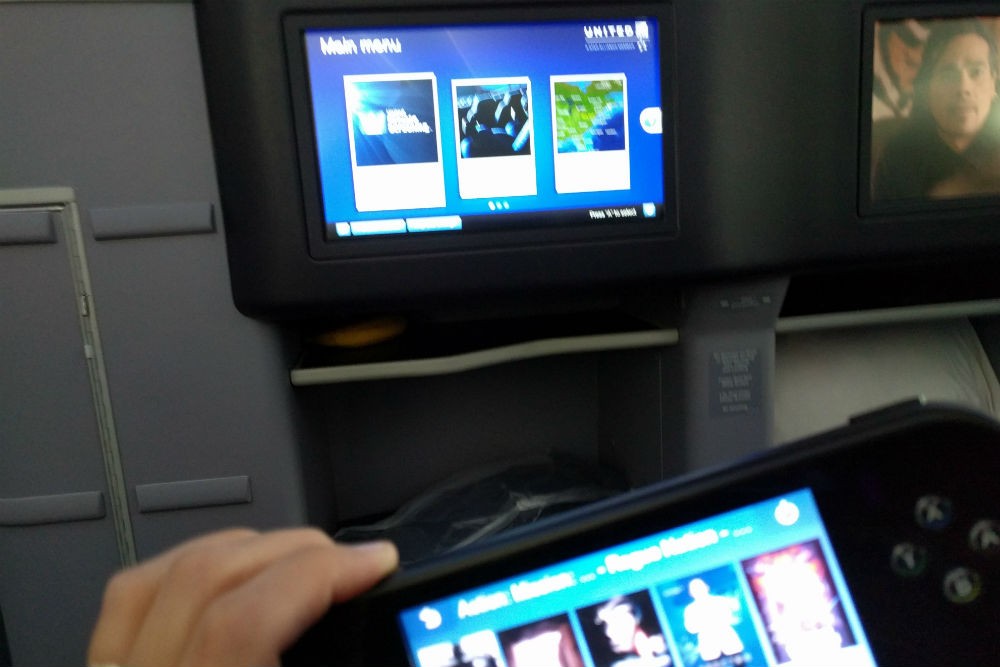
For entertainment, each business-class seat has a nice big 15-inch TV screen, but the screens are missing a key design feature: privacy overlays. This means you can see everything on everyone else’s TV at full brightness. From my seat in the center section, I could not help but see all five of the other screens in my row. In an aircraft that takes such care to create soothing cabin lighting and a relaxing environment, this was a surprising (and surprisingly bright) oversight. Regardless, I was perfectly happy binging on bad action movies and TV shows in my cozy recliner until I fell asleep.

United 787 TV screens

Someone forgot to add privacy filters to all of the BusinessFirst TV screens, so there is no way to not see what everyone else is watching. This was particularly disruptive when the cabin was otherwise dark and I was trying to sleep. Those screens are bright!

United 787 entertainment center

You can control your personal TV either by this handheld device or by touch-screen.

United 787 amenities kit

We each received this commemorative amenities kit, made special for the Rio Olympics. United is the airline sponsor for Team USA.

United 787 amenities kit

All the goodies in the Olympics-themed amenities kit. Not only is the tin special, but the cloth eye mask and patterned socks are inspired by Team USA too.

The food

No one will be surprised to hear that the food isn’t very good. But when other airlines are elevating inflight dining, even in coach, it seems fair to expect that a business-class meal on a premier new plane would be at least edible. If only. Over the course of my three-month trip in Asia, I flew seven airlines; most of the time I was in coach, and United was the only U.S. airline I took. On every flight—even a domestic-China trip that was less than two hours—I was served a meal, and it was pretty good. So I’m just saying: It is possible. Even for vegetarians.

On this flight, I didn’t touch my special meals (one course had chicken in it, and the other was just really unappetizing). And for breakfast, the only vegetarian option is cold cereal. Which is weird because if you don’t drink milk, your meal is just dry corn flakes with a banana. Oh, wait, mine did come with a small bowl of the congee toppings; when, confused, I asked a flight attendant what it was, he said “I don’t know.” I figured it out by putting a heap of shredded ginger in my mouth. That’ll wake you up.

To be fair, it’s not just this flight that has challenges with special meals. Lots of airlines suffer, and United, despite its partnership with the Trotter Project, has not figured it out yet. Maybe there aren’t that many of us vegetarians or special-meal requesters, but if an airline kitchen is going to make the effort (and believe me, I so appreciate that they do), how about some input from the passengers who have to eat it? Call me, United, we’ll talk.

United 787 appetizer

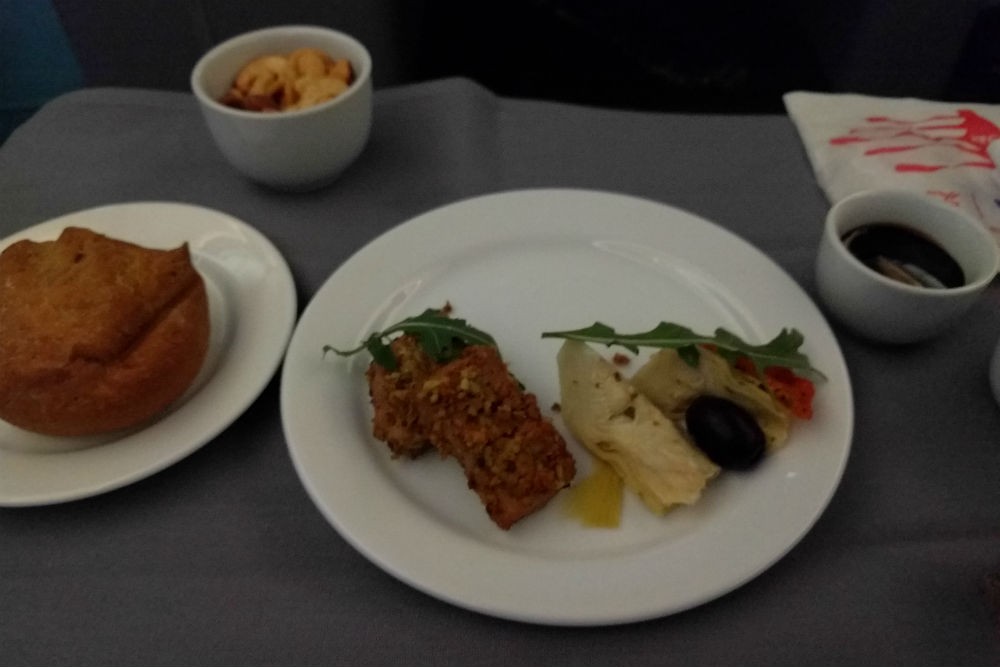
The mystery appetizer, which may or may not have been chicken. The small cup of warm roasted mixed nuts in the top left corner is my favorite though—they could just feed me that and I’d be happy.

United 787 main vegetarian meal

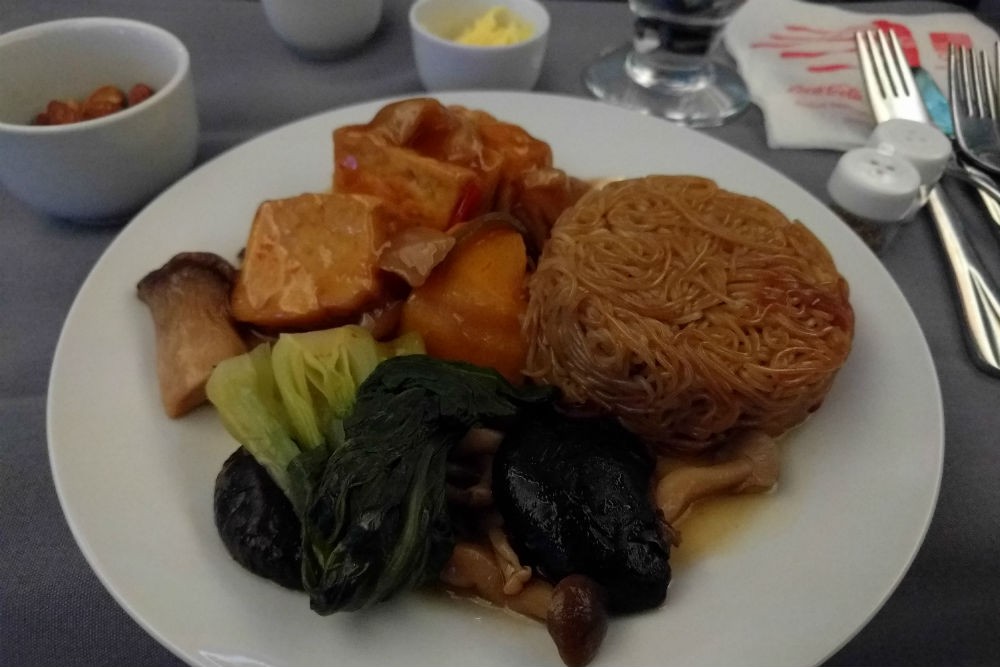
Sounded good on paper, wasn’t good in reality: vegetarian braised tofu with mixed vegetables in sha cha sauce. Glad I brought my own PB&J instead.

United 787 breakfast

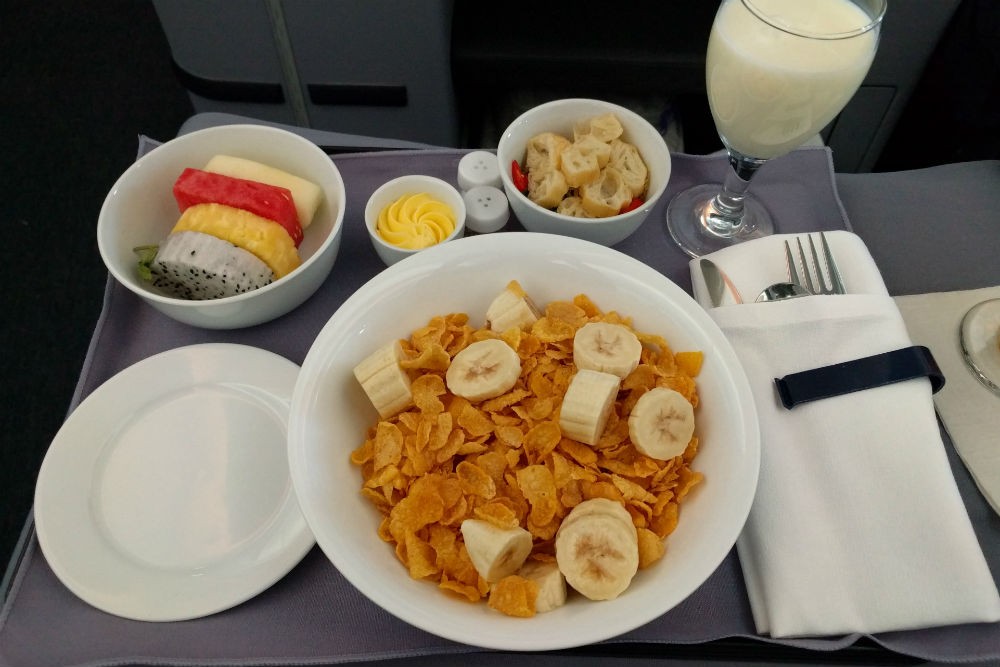
The only vegetarian breakfast is cereal. I don’t drink milk, so I ate it dry. You could add those congee toppings in the bowl, but it’s not quite the right complement for Corn Flakes.

The last word

United’s 787 experience made all the difference in my long-haul return flight. I slept so well, and the aircraft environment was so comfortable, that the 15 and a half hours went by pretty quickly. If given the option to take a 787 on a long-haul flight, I would definitely choose it, and I can’t wait to see how United improves its already enjoyable business class later this year when it rolls out Polaris.

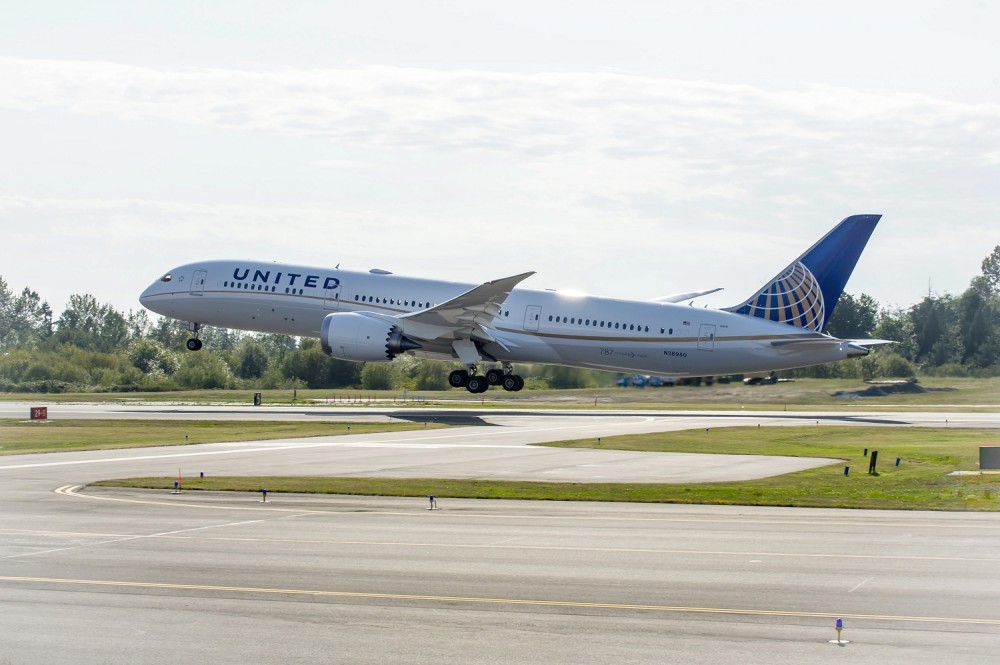
United airlines 787 Dreamliner

United’s 787 Dreamliner. Photo: United


*Full disclosure: My flight was fully paid for by United. The airline’s SFO-SIN route was introduced July 1 and as part of the launch, I was invited to take the flight and review it. As I already had a trip to Asia planned, I accepted the offer. Wendy and I both fly United often and felt comfortable that we could represent a fair picture of this experience. 

Be a smarter traveler: Use Wendy’s WOW List to plan your next trip. You can also follow her on Facebook and Twitter @wendyperrin, and sign up for her weekly newsletter to stay in the know.
How to Avoid Long Airport Security Lines This Summer

Airport security lines have grown absurdly long of late, thanks to more people traveling and fewer TSA workers. With the busy summer travel season upon us, the situation is likely to get worse before it gets better. Here’s how to minimize your time stuck in a TSA line on your next trip:

If You’re Flying Soon

Find out if your airport terminal has more than one security checkpoint.

Many terminals do. Before leaving home, go to the airport’s website and pull up a map showing the security checkpoints. (This map, for instance, indicates where the three checkpoints are in Newark airport’s Terminal C; this one shows where they are for all five terminals at Dallas-Fort Worth.) At the airport, ask an official which checkpoint has the shortest line.

Download the MyTSA app.

Available for free for iPhones and Android, this app gives you current security wait times at your airport, as reported by your fellow travelers. You can also view them here; just type in your airport code.

Arrive early and hit the club lounge.

The bigger and busier your airport—e.g., J.F.K., Chicago (O’Hare), or Miami International—the earlier you’ll want to arrive, especially if you’re flying at a peak time.  At least two hours early for a domestic flight, and three hours early for international, may be a good rule of thumb for most airports. To keep your stress level down, you might consider arriving really early and buying a day pass to an airport lounge club (if the club is gate-side).

If You’re Flying Later

Don’t buy airline tickets for flights at peak times.

Avoid Friday late afternoon and early evening, for example, because that’s when business travelers returning from business trips are hitting the airport at the same time as leisure travelers leaving on vacation, creating security-line pile-ups. If you’re taking a long weekend, consider flying on a Saturday morning and returning Tuesday. (That’s also less expensive than a Thursday-to-Sunday long weekend.)

Enroll in TSA PreCheck or, even better, Global Entry.

TSA PreCheck admits you into a priority lane where you need not remove your shoes, liquids, or laptop. The $85 fee covers you for five years. For an extra $15, though, get Global Entry (the $100 fee also covers you for five years), which lets you skip the long customs line on your way back into the U.S. from an international trip, and which automatically gives you TSA PreCheck. Not every airport has PreCheck lanes or Global Entry kiosks, so check whether yours does.

Buy access to the priority security line.

Many travelers who have elite status with an airline can use the express lane at the security checkpoint. If you don’t have elite status, some airlines let you purchase access to the priority security lane on a one-time basis. United, for instance, lets you buy access at 68 airports worldwide (prices start at $15), and JetBlue lets you buy it at 62 airports.


Be a smarter traveler: Use Wendy’s WOW List to plan your next trip. You can also follow her on Facebook and Twitter @wendyperrin, and sign up for her weekly newsletter to stay in the know.

sleeping on a plane

15 Problem-Solving Items for Overnight Flights

Leave it to frequent fliers to come up with creative ways to make overnight flights comfortable. These unusual recommendations come from assorted travel experts and friends on Facebook. They’re not all what you’d expect, but they’re all very clever. What items do you take on the plane to help make you more comfortable?

Cabeau Fold ‘n Go Travel Blanket and Case

Cabeau Fold n Go-Blanket

Cabeau Fold n Go-Blanket

It’s super plush and comfy and can also be used as a pillow and lumbar support. It has a loop with a snap that lets me attach it to my carry-on bag so it’s easy to access and doesn’t take up precious space in my bag. —Susan Portnoy, founder, The Insatiable Traveler

Lululemon Vinyasa scarf

I never board a flight without it. The wide, soft, cotton scarf with snaps can be worn all sorts of ways, which is great for travel. For flights though, I love that it can be a blanket, a pillow, a wrap, or even a sort of light-blocking head scarf.” —Christine Sarkis, senior editor, Smarter Travel


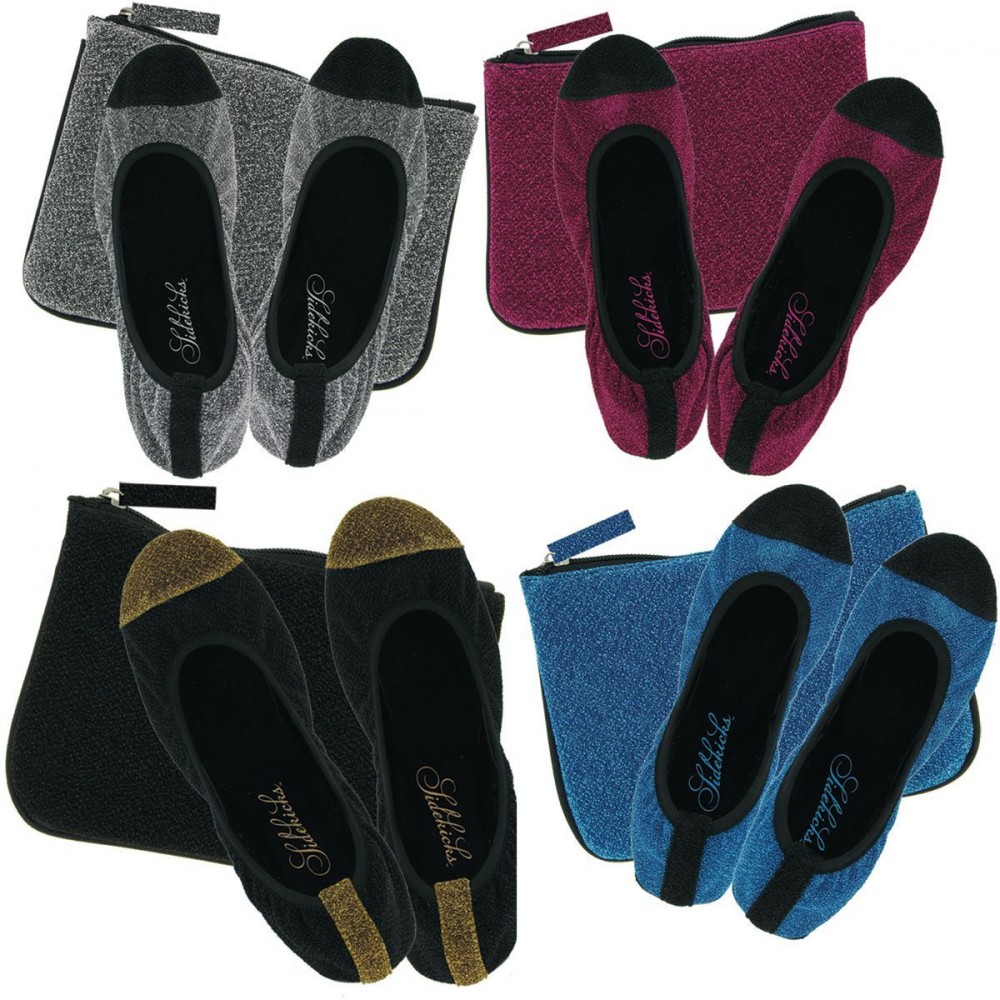
FitKicks

Fit Kicks

Fit Kicks

I always bring “FitKicks,” as they keep my feet comfy and clean. I also wear my L.L. Bean 850 down jacket that weighs about 2 ounces and doubles as a pillow when stuffed inside its own pocket. —Gail Rosenberg, luxury travel designer, Largay Travel

Trtl Pillow

Trtl Pillow

Trtl Pillow

It’s a machine-washable, super-soft-fleece travel neck pillow that is the best thing ever. —Margaret Stevenson

4Head

It’s a natural headache relief treatment I buy in the U.K. It comes in a small container that you roll up, like a solid deodorant stick. It’s great for headaches and stuffy sinuses, and if you take a big whiff of it, it wakes you up too. Think of it as a solid Vicks Vapor Rub, only tinier and convenient. —Marie Fritz

Bach Remedy Rescue Night

Use these flower remedies and hope for a better sleep. —Paola Fiocchi van den Brande, founder of Passepartout Homes


Inflatable beach ball

beach ball photo by Michael Frascella

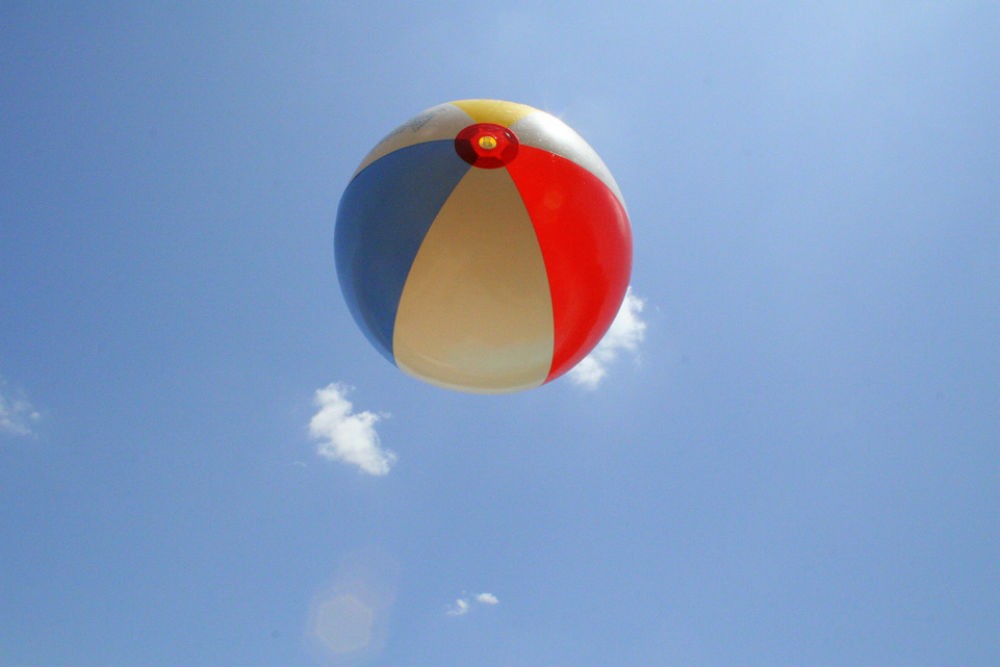
If you never thought to pack an inflatable beach ball in your carry-on, you’re missing out on a great nap. Photo: Michael Frascella/Flickr

Bring one of those cheap blow-up beach balls and a hand towel. Blow up the beach ball, cover with the towel, and use as a giant pillow to lay on in your lap. It’s a refreshing change from the neck pillow for those who need a “little more” cushion. —Mark Estill, travel consultant/owner, Mark4 Vacations

White noise app

I use a white noise app on my iPad. Pop in my earbuds, turn on the waves, and the sound masks airplane and passenger noises better than noise-cancelling headphones. —Deb Arora, partner, Jacks & Stars

Rosemary oil

I bring a tiny vial of rosemary oil. My sinuses get super-dry on those long flights, and that leads to headaches and other weirdness. The smell of that oil just brightens up the inside of my head. And bonus, it banishes that weird airplane smell for a bit. —Pam Mandel, writer/editor, Nerd’s Eye View

Coconut oil

I use it as a moisturizer (face and body), hair conditioner, toothpaste, mouthwash, and deodorant (it’s anti-bacterial). —Lynn Braz, author, LynnBraz.com

Baby wipes

First, so that you can wipe off the tray table, armrests, and headrest. Second, so that when you wake up, you can wipe your face and feel refreshed. —Katie Kenner-Bohl

Emergen-C packets

I take one while flying, and I keep a few extra in my toiletries bag, for the trip. Better safe than sick! —Kelsey Ebner

Your favorite herbal tea

It’s comforting to have something familiar while traveling, and a cup of hot water is easily gotten from a flight attendant. —Scott Laird, writer, AbFabSkyLife

iPad with extra storage

Beyond all the usual stuff that experienced travelers know to do to try to sleep (much of which will work or not work with the reliability of a cheap watch), what seems to affect me best when I’m struggling to sleep is knowing I have comfort “content” handy. Most of my favorite novels—and we’re not talking Tolstoy but easier-on-the-spirit reads—are already loaded on my iPad. And if I’m too tired to read, I have episodes of favorite TV shows (“Gilmore Girls” and “Frasier” among ‘em) and movies that help me feel at home and relax (“Mamma Mia” always makes me smile). When I replaced my old iPad with a new one, I doubled up on the storage space for just this reason: I wanted to make sure there was enough room for my old pals.—Carolyn Spencer Brown, editor in chief, Cruise Critic

What do you pack in your carry-on for a more comfortable flight?


Be a smarter traveler: Follow Wendy Perrin on Facebook and Twitter @wendyperrin and sign up for her weekly newsletter to stay in the know.

kid eating pretzels and watching TV on a plane

How to Ace Long-Haul Flights with Young Kids

When I decided to take my four-year-old son to Asia, the trans-Pacific flight loomed large in my mind. How would we get through 18 hours on a plane?

I needn’t have been so worried about the flight; while there were a few tough moments, we passed the time surprisingly easily. Flying that distance with a baby or toddler would have been much more trying, but by four years old, kids are better able to entertain themselves, and to adhere to expectations of good behavior. So, aside from advising fellow parents not to let a long flight derail their travel plans, here’s what I learned:

Treat the flight as a highlight of the trip, not a chore. Most of us have forgotten the romance of air travel—and for good reason. Kids, however, are primed to find the idea of soaring through clouds and landing in a new part of the world—in the middle of a new day, even—downright magical. Present the flight as a fun adventure. Tell your kids how lucky they are to get to sleep overnight on the plane; bring pajamas and any other portable parts of their bedtime routine.

kid asleep in airplane seat

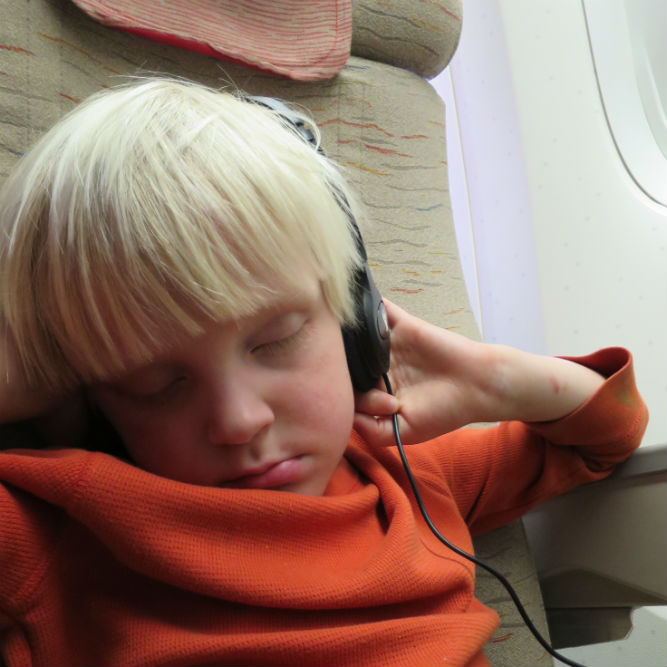
For a better chance of having more space, I always book window and aisle seats at the back of the plane. Photo: Ryan Damm

Strategize for more space. I always book window and aisle seats at the back of the plane, leaving the seat between two of us open. These aft middle seats become the least desirable and often go unfilled, giving us more room to stretch out. If another passenger claims the seat, we simply trade them one of our window or aisle spots.

kid in airport pushing luggage cart

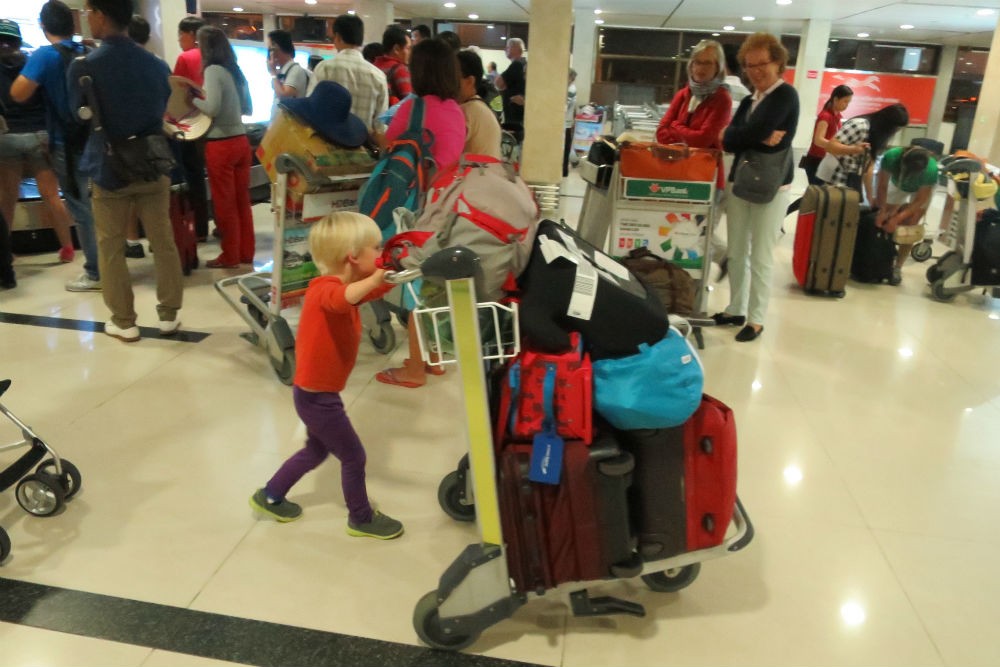
Get to the airport early so you can find ways to burn off your child’s energy. Photo: Ryan Damm

Burn off some energy. Before a long flight, get to the airport extra-early so that your kids will have ample time to run around before boarding. Find an empty gate and set up an obstacle course using the chairs, garbage cans, and whatever else you can find. The more ya-yas you get out on the ground, the fewer you’ll have to deal with in the air. 

Establish ground rules. Explain to your kid what constitutes proper plane etiquette. Don’t expect them to automatically know not to speak loudly, rest their feet on the seat in front of them, or take off their seatbelt during turbulence. Balance this with positives: They alone can control the window shade or armrest, for instance.

Don’t act as activity director on the plane. On previous flights, I’ve lugged along a huge bag of toys and activities, most of which go unused. This time, I gave my son unlimited use of the seat-back entertainment system and an iPad (a boon for him, since screen time is very limited at home). This allowed me to be well rested for the trip ahead, and it also trained him to be a much more pleasant flying companion.

kid looking out airplane window

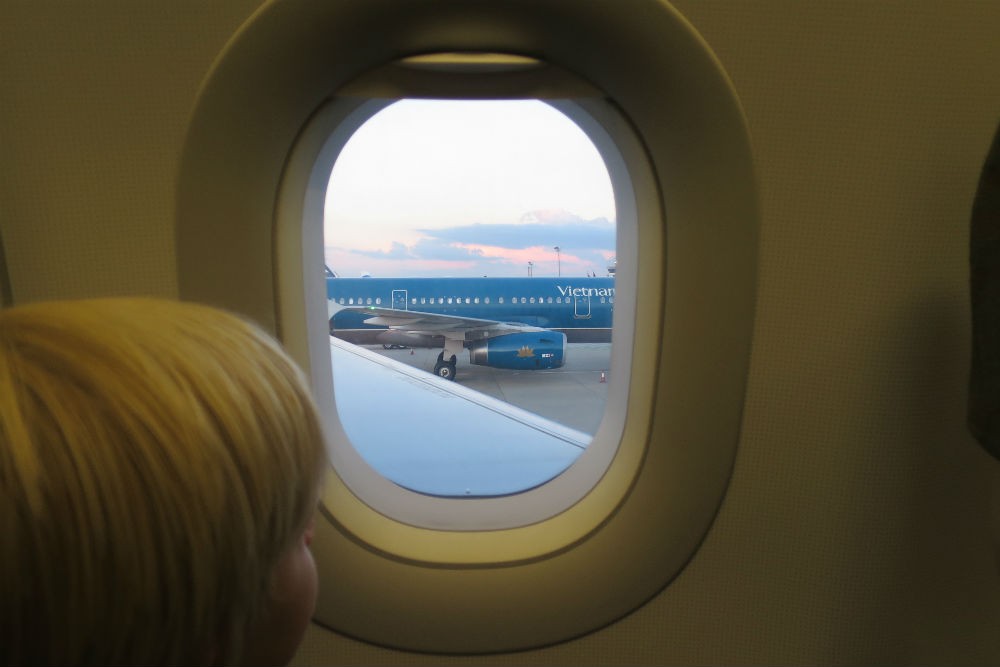
Flights don’t have to be a chore: Kids are primed to find the idea of soaring through clouds downright magical. Photo: Ryan Damm

Test before takeoff. I kept my son’s new iPad a surprise until we boarded the plane—a huge mistake, once I realized that several of the movies I thought I’d loaded onto it weren’t working, and many of his favorite apps now had new purchase requirements. Next time, I’ll road test any new devices first.

Bring lots of food. No one likes airplane food, least of all picky kids. My son refused to even uncover one “kids’ meal” that was served to him, based on the odors emanating from under the tinfoil. Bring enough food to keep your kids satiated throughout the flight; The best flight advice I got from Andrea Ross, the Trusted Travel Expert for Southeast Asia who designed my kid-friendly Asia trip, was to pack instant noodles in a cup, to which the flight attendants will happily add water for a hot meal.

What are your tricks for surviving a long flight with children?


Be a smarter traveler: Use Wendy’s WOW List to plan your next trip. You can also follow her on Facebook and Twitter @wendyperrin, and sign up for her weekly newsletter to stay in the know.

Hagia Sophia, Istanbu

Istanbul Airport Layovers: The Best Way to Spend Them

An airport layover doesn’t have to mean that you’re stuck in the airport. In this series, local experts in the world’s most popular hub cities recommend sightseeing itineraries for every time frame.


If you’re passing through Istanbul, don’t miss the opportunity to get a glimpse of this city of two continents. The folks at Context Travel (a company on Wendy’s WOW List that runs cultural walking tours in cities worldwide) gave us ideas for how to spend a layover there. Just one word of warning: The hypnotic views of the Bosphorus and Golden Horn from a rooftop restaurant may make you miss your connecting flight—but would that really be the end of the world?

The Basics

U.S. citizens need a visa to enter Turkey, which you can obtain online before arrival.

How to get out of the airport: There are several ways of getting to and from Ataturk airport (IST), the international hub on the European side of the city, about 12 miles from its center. The first is the M1 metro line, which connects to other metro lines at Yenikapi, a district close to Sultanahmet. The ride takes 35 to 40 minutes and costs 4 Turkish liras (about U.S $1.35). The second option is to use Havatas, a private bus line from the airport to Taksim; buses leave every half-hour and cost TL 10-13 ($3.50-$4.50); the ride is approximately an hour. By taxi, it takes 45 minutes to an hour to get to the city’s historic center, depending on traffic. If you have limited time, a taxi is a good option, and costs around TL 40 ($14) each way, assuming that the meter is on and properly set. There are always a number of liveried taxis waiting at the airport’s international arrivals exit.

What to do with your luggage: IST offers luggage storage on the arrivals floor of both the international and domestic terminals. The daily fee is TL 20 ($7) for a suitcase, TL 30 ($10.50) for oversized bags.

Check with your airline before planning a layover in Istanbul: Some offer complimentary tours, shuttles, or hotel rooms for their passengers.

Sunset over Sultanahmet, Istanbul.

Sunset over Sultanahmet, Istanbul. Photo: Context Travel

If you have a 4-hour Layover

With fewer than six hours, it’s not worth attempting to get into Istanbul itself, but there are a couple of nearby neighborhoods where you can enjoy a meal. Atakoy Marina has several cafes and restaurants with a nice view of the Marmara Sea, including outposts of local chains Big Chefs, Midpoint, and Mado. The easiest way to get there is by taxi, for TL 10-15 ($3.50-$5).

If You Have a 6-Hour Layover

Start in the Sultanahmet neighborhood to see the Hagia Sophia; Topkapi Palace, where the Ottoman sultans lived and ruled; the Blue Mosque; and Sultanahmet Meydani (Sultan Ahmet Square, once the Hippodrome of Constantinople), home to the Serpent Column, the Column of Constantine, and the Walled Obelisk. Yenikapi is the closest metro stop to Sultanahmet, or you can switch from the metro to the tram at Aksaray, and get off the tram at the Sultanahmet stop, right near the Hagia Sophia. If you’re interested in the singular atmosphere of Istanbul’s colorful markets, don’t miss the Grand Bazaar and the Spice Bazaar. All of these sights are walking distance from each other, but it takes at least two hours to explore each one—more if you really want to get a feel for the place.

If you have enough time and energy, or if you’ve been to Sultanahmet before, spend the day wandering around Galata and Karakoy, whose winding streets are home to local designers’ shops, art galleries, and an excellent museum, the Istanbul Modern. Galata not only has a rich history but, along with Karakoy, it’s the new hub of entertainment in the city, and perfect for a flavor of up-and-coming Istanbul. (The Karakoy tram stop, three past Sultanahmet, leaves you at the bottom of the hill under the Galata Tower.)

If You Don’t Have Time to Leave the Airport

The international departure floor has many cafes and restaurants with a range of cuisines. There are a number of lounges, some of which grant day-use access for around TL 100 ($35), including snacks, alcoholic and soft drinks, WiFi, and newspapers.


More Layover Solutions:

Tokyo Airport Layovers: How to Make the Most of Them

Amsterdam Airport Layovers: How to Make the Most of Them

Beijing Airport Layovers: How to Make the Most of Them

Barcelona Airport Layovers: How to Make the Most of Them

Great Paris Hotels for an Airport Layover at Charles de Gaulle

London Heathrow Layover: Great Hotels for a Stopover at LHR

Madrid Airport Layovers: How to Make the Most of Them


Be a smarter traveler: Use Wendy’s WOW List to plan your next trip. You can also follow her on Facebook and Twitter @wendyperrin, and sign up for her weekly newsletter to stay in the know.

Harajuku, Tokyo

Tokyo Airport Layovers: The Best Way to Spend Them

An airport layover doesn’t have to mean that you’re stuck in the airport. In this series, local experts in the world’s most popular hub cities recommend sightseeing itineraries for every time frame.


Since U.S. citizens don’t need a visa to enter Japan (unless you’re staying longer than 90 days), it’s not hard to do a bit of sightseeing during even a short layover. We talked to the Tokyo team at Context Travel (an in-depth walking tour company on Wendy’s WOW List), to find out where to go, how to get there, and what to do—even if you don’t have enough time to leave the airport.

The Basics

How to get out of the airport: The Narita Express (N’EX) runs from Narita Airport to Tokyo station in an hour, with some trains also running to Shinjuku, which takes about 85 minutes. Trains run from Narita terminals 1 and 2 every 30 minutes from 7:30am to 9:44pm; trains run from Tokyo station back to Narita every 30 minutes from 6:18am to 10:03pm. Tickets from Narita to Tokyo are ¥1,500 (about $13) for foreign passport holders; the return trip is the normal price of ¥3,020 (about $25). If you will  be traveling extensively by train through Japan later, it makes sense to buy a JR (Japan Rail) pass; they’re available for seven, 14, or 21 days starting from ¥29,110 (about $250), and can be used to ride the N’EX.

The Kesei Skyliner runs from Narita Airport to Ueno station in 41 minutes. Trains from both airport terminals to Ueno station every 40–60 minutes from 8:17am to 10:30pm. Trains run from Ueno back to the airport every 20 minutes from 5:58am to 5:45pm. Tickets are ¥2,470 each way. Several trains on the Kesei line stop in Narita; the ride is around 10 minutes and costs less than ¥300. Get yen before you leave the airport or at 7-11 at JR Narita station. In Narita, you can utilize the Narita City Round Bus to get around (it also stops at the airport).

The train stations in Tokyo are very large; when heading back to the airport, leave yourself plenty of time to get to the correct platform.

What to do with your luggage: If you haven’t checked your baggage through to your final destination, stow it at one of the left luggage counters, which are on the first floor in Terminal 1, and the first and third floors in Terminal 2; the cost is ¥520 ($5) for a medium-sized suitcase.

If You Have a 4-Hour Layover

With four hours, you don’t have enough time to see Tokyo, but you can explore the city of Narita a bit. From the Narita train station, stroll down the main street, Omotesando, where you can pick up fruit, rice crackers, and other local snacks, as well as souvenirs like chopsticks and cookware. If you continue down Omotesando, you’ll come to Naritasan Shinshoji, a large Buddhist temple that sits at the top of a hill. The surrounding Naritasan Park is lovely, particularly when the trees are a fiery red-orange or when the cherry blossoms are out. Dotted with ponds, statues, and fountains, it’s a welcoming, shady place to stretch your legs. (If you happen to be there at 3pm, you can watch the Goma ceremony, during which priests take votive sticks left by visitors and burn them as an offering.) There are plenty of places to eat along the main road and the side streets. One of the most common traditional dishes is unagi, broiled eel in a sweet sauce, served over rice. Takoyaki (fried octopus balls) are another popular snack, especially during cherry blossom season, when they’re eaten at picnics under the trees. Most restaurants only have Japanese menus, but also colorful plastic models of each of their set lunches, so you can just point to what you want.

If You Have an 8-Hour Layover

Tsukiji market, Tokyo. Photo: Context Travel

Tsukiji market, Tokyo. Photo: Context Travel

If you have eight hours, you can go into Tokyo, but be sure to allow yourself an hour’s travel time on each end.

Start off with a walk around Tsukiji outer market, a maze-like warren of food and cookware shops. (To get to the market from the airport, take the Skyliner to Keisei-Ueno station, walk the short distance to Ueno station, and take the Hibiya Line, toward Naka-Megura, to Tsukiji station.) Browse the stalls, grazing on tamagoyaki (sweet rolled omelet), assorted pickled vegetables, rice crackers, and other small bites. Grab a plate of super-fresh sashimi, and then move on to a bubbling bowl of ramen—or, if it’s summer, cool soba. For dessert, cleanse your palate with matcha (green tea) soft serve or taiyaki, a fish-shaped cake filled with red bean paste (or sometimes chocolate or vanilla). From Tsukiji train station, take the Hibiya line toward Nakameguro; at Chiyoda, transfer to the Chiyoda line to Yoyogi-Uehara and get off at Meiji-jingumae station. The 20-minute trip will bring you to Harajuku. Ogle the bright, out-there fashions on pedestrian-only Takeshita-dori, then find serenity in lush Yoyogi Park. To get back to the airport, take the Chiyoda line from Meiji-jingumae station to Tokyo station and hop on the Narita Express.

Alternatively, if you are interested in getting a peek into Tokyo subcultures, then a walk through the Akihabara neighborhood is a must. Otaku—enthusiasts of anime (cartoons) and manga (comics)—are the main theme of this tour. (To get here from the airport, hop on the Skyliner to Nippori station, change to the Keihintohoku line toward Isogo, and get off at Akihabara station.) Try your luck in one of the neighborhood’s arcades, wander through the busy streets, and even enter a maid café and see costume play (shorthanded to “cosplay”) in action. From Akihabara station, take the Yamanote line to Ueno station, which will bring you to Ueno Park, home to the beautiful Shinobazu Pond and a number of interesting shrines and museums. To reach the airport, exit the park from the south and jump on the Skyliner from Keisei-Ueno station.

If you don’t want to go it alone, Context Travel offers three-hour scholar-led walking tours in Tokyo and can organize custom walks based on your layover timing.

If You Don’t Have Time to Leave the Airport

There are a slew of nearby hotels that offer reasonable day rates. Nearly all have breakfast included, and several have pools, including the Hotel Nikko. Within the airport itself are fantastic facilities for passing the time: You can visit the dentist, get a haircut, go for a manicure or a massage, breathe deeply at the oxygen bar, take the kids to one of the playrooms, or book some time in a dayroom or shower. The shopping and dining options are excellent; if this is your only stop in Japan, you’d be remiss not to sample some ramen, sushi, and soba.


More Layover Solutions:

Amsterdam Airport Layovers: How to Make the Most of Them

Beijing Airport Layovers: How to Make the Most of Them

Barcelona Airport Layovers: How to Make the Most of Them

Great Paris Hotels for an Airport Layover at Charles de Gaulle

London Heathrow Layover: Great Hotels for a Stopover at LHR

Madrid Airport Layovers: How to Make the Most of Them

Be a smarter traveler: Use Wendy’s WOW List to plan your next trip. You can also follow her on Facebook and Twitter @wendyperrin, and sign up for her weekly newsletter to stay in the know.
The Best Airport Restaurants in the U.S.

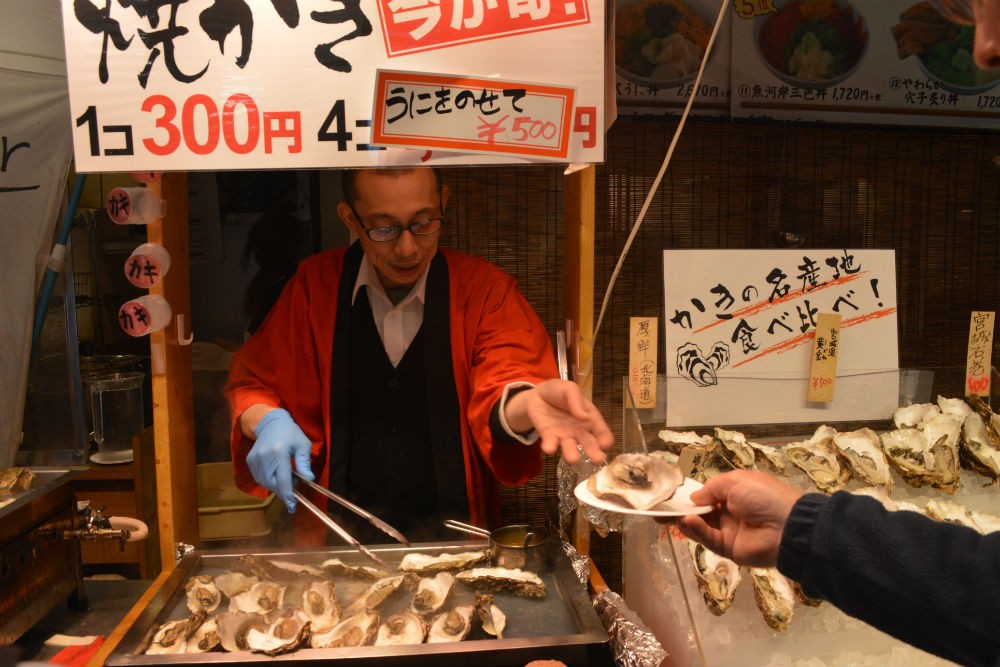
When you’re stuck in the airport, as is likely to happen this time of year, one of the tried-and-true ways to kill time is to eat something. Happily, airport restaurants have improved so much in the past few years that you might just wish you had more time to dine before taking off.

Inspired by the list that The Daily Meal just released, compiling its editors’ picks for the 35 best airport restaurants in the world, we asked our readers—frequent and sophisticated travelers that they are—for their expert opinion on the matter.

We narrowed the field to restaurants in U.S. airports, because other countries recognized the value of quality airport cuisine long before our own did, and so it’s simply too easy to ask for the best airport restaurants in the world.

Here’s what your fellow travelers named as the best airport restaurants in the U.S. Bookmark this page—you’re likely to need it if you’re traveling over the next few months.

Atlanta Hartsfield International Airport (ATL)

“One Flew South. They fly in their sushi fresh every day! It’s located in the International Terminal and feels like a real restaurant with funky decor. It’s amazing!”
—Lissa Harnish Poirot, Editor-in-Chief, FamilyVacationCritic.com

Cafe Intermezzo at ATL airport

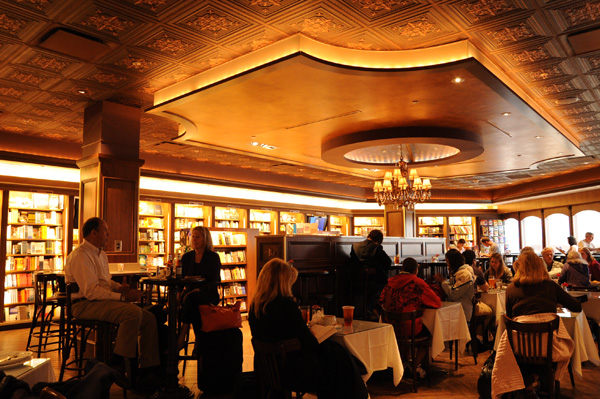
Grab a book with your meal: Cafe Intermezzo at ATL is a restaurant and a bookstore. Photo: Cafe Intermezzo

“Cafe Intermezzo ATL. Both of my favorites in one place: great salads, and the tables are surrounded by a book store!”
Beth Aton Stewart

“Ecco in Terminal F. It’s a Midtown Atlanta restaurant that now offers an airport outpost. Wonderful Mediterranean cuisine and a respectable wine list.”
—Marshall Jackson, MJ on Travel

“Fresh to Order is fantastic. All fresh, light, and healthy menu selections at affordable price points. Refreshing to see in an airport!
—Laura Faust, Ciao Laura

Austin-Bergstrom International Airport (AUS)

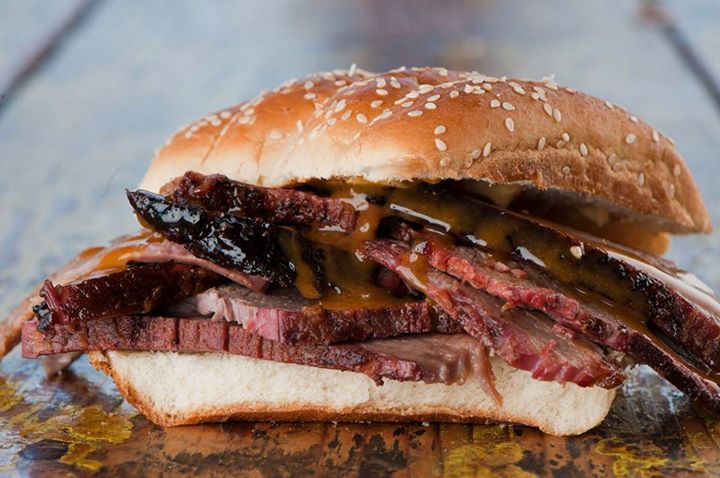
“The Salt Lick has the BEST BBQ at an airport I have ever had. The brisket was amazing! And I am from Texas, so I should know! They have one at DFW too.”
—Cacinda Maloney, Points and Travel

Boston Logan International Airport (BOS)

“Legal Sea Foods—there is more than one, and some have that ‘airport’ feel, but Legal is very fussy about quality, and you can get some of the best, freshest seafood in Boston.”
Go See It Travel

Charlotte Douglas International Airport (CLT)

“Bojangles’ Famous Chicken ‘n Biscuits! I used to live down south, now I’m in Pittsburgh. I try and make all my flights connect through CLT, and I will run from one end to the other for my chicken biscuits!”
Tasha Heckla

Chicago O’Hare International Airport (ORD)

Rick Bayless's gourmet Mexican dishes—and margaritas—are fan favorites at Chicago O'Hare. Photo: Tortas Frontera

Rick Bayless’s gourmet Mexican dishes—and margaritas—are fan favorites at Chicago O’Hare. Photo: Tortas Frontera

“Tortas Frontera is SO good. Delicious sandwiches, locally sourced ingredients, and a killer margarita. For about the same price as other airport options, you can get a little bit of gourmet (Rick Bayless knows his stuff). I actually look forward to this airport meal!”
Kelly Ratliff

“Always make the rounds of Garrett’s popcorn, Vosge’s chocolates, and Tortas Frontera sandwich with margaritas!!!”
Katherine Montgomery

Dallas/Fort Worth International Airport (DFW)

Texas favorite Salt Lick BBQ has an outpost at DFW location. Photo: Salt Lick BBQ/Facebook

Texas favorite Salt Lick BBQ has an outpost at DFW location. Photo: Salt Lick BBQ/Facebook

“Salt Lick BBQ gets my vote. Being a Texan, this gives me the taste of home even if only passing through. And yes, Texas BBQ is the BEST!”
Charles Wolfe

“Cousins Bar-B-Que @ Dallas. D’lish!”
Lisa Ringler

“DFW Pappasitos, Mexican.”
Leslie Kaminski

Detroit Metropolitan Airport (DTW)

“Max & Erma’s: A taste of typical Midwest always makes me happy to be home! Their cheesy tortilla soup and warm, freshly baked chocolate chip cookies are sure to cheer and warm up any wintery blues. Also would vote for National Coney Island, a Michigan classic.”
—Jessica Seba, Journey Mexico

Indianapolis International Airport (IND)

“Harry and Izzy’s is a great spot to sit down and have their famous shrimp cocktail and a drink.”
Midori Fujii

New York’s LaGuardia Airport (LGA)

“Delta’s terminal at LGA offers a wealth of modern café options. Last time flying through I made extra time to pop into Crust. Fresh coal-oven pizzas and quiet atmosphere. Love the iPad order system. Swift service, darkened lighting, and a location just footsteps to the gates make this a perfect dining spot.”
—Sharon Pomerantz Strelzer, Pomerantz PR

Miami International Airport (MIA)

“Cafe Versailles totally gets you in the mood of Miami—hot, sizzling, tropical. You want to do the salsa while ordering your Cuban sandwich. When you can speak Spanish to the staff while you are still in the U.S., it’s like you’ve taken a ‘little trip’ to another country, and that’s priceless!”
Robyn Webb

“At MIA, La Caretta is terrific authentic Latin cuisine.”
Marcy Gross Schackne

Louis Armstrong New Orleans International Airport (MSY)

“Ye Olde College Inn—fantastic food!”
Lucie Thornton

Newark Liberty International Airport (EWR)

“At EWR, Jersey Mike’s subs are the best.”
Leslie Kaminski

New York City’s John F. Kennedy International Airport (JFK)

“At JFK, The Palm has fabulous burgers. (Would you expect anything else?)”
Marcy Gross Schackne

Philadelphia International Airport (PHL)

“I like Cibo Wine Bar at PHL. Great wines, nice Italian food, and an ambience that makes me forget I’m at an airport.”
—Lissa Harnish Poirot, Editor-in-Chief, FamilyVacationCritic.com

Portland International Airport (PDX)

“Do food trucks count? PDX has the popular Pok Pok food truck now, and LAX terminal 4 has Roy Choi’s Kogi BBQ.”
—Arnette, founder, Round The World Girl

Phoenix Sky Harbor International Airport (PHX)

“I love Le Grand Orange at PHX—maybe because LGO was also in my Phoenix neighborhood. I’d often stop to get carry-out to take home from the airport! I love their salads, their pizza is delicious, and they offer a gluten-free chocolate cookie that is delectable.”
—Micheline Maynard, Editor in Chief, Curbing Cars

Washington, D.C.’s Reagan National Airport (DCA)

Legal Sea Foods clam chowder

A cup of clam chowder or a lobster roll? Or maybe a crab roll? Legal Sea Foods serves all its signatures at various airport locations. Photo: Legal Sea Foods/Facebook

“Bowl of clam chowder at Legal Sea Foods. Also, Boudin Bakery in SFO for fresh sourdough bread. They would be great together!”
— Charles McCool, McCool Travel


Be a smarter traveler: Follow Wendy Perrin on Facebook and Twitter @wendyperrin, and sign up for her weekly newsletter to stay in the know.
Best Ways to Spend Delays in 17 U.S. Airports

For many of us, Thanksgiving and Christmas mean too much time spent in airports: The holiday crowds require you to get there early, messy weather can mean delays, and planes are so packed that, if your flight is cancelled, it can be untold hours before you get a seat on another flight. But some airports are far more tolerable than others. In some cases they’re even enjoyable. You already know the best way to spend a layover in 10 of the biggest U.S. hubs. Here, a selection of savvy globe trotters—from travel experts to my Facebook followers—share the best U.S. airports to get stuck in, and their favorite way to pass the time there.

Atlanta Hartsfield International Airport (ATL)
“ATL – One Flew South – sushi.”
—Willis McKee, reader

Austin-Bergstrom International Airport (AUS)
“If I had to choose one airport, it would be Austin, Texas, for the great local restaurants, including several that often have live bands.”
Scott Mayerowitz,  Executive Editorial Director, The Points Guy

Charlotte Douglas International Airport (CLT)
“Relax in the charming white rocking chairs scattered throughout the airport. Makes me think ‘Southern Hospitality’.”
—Kathy Belden, reader

Centurion Lounge in Miami International Airport

The Centurion Lounge

Dallas/Fort Worth International Airport (DFW)
“I’ve been stuck for days at DFW, and it was just fine—I looked into declaring residency in the American Express Centurion lounge. The DFW airport grounds are bigger than the island of Manhattan, and the airport offers myriad amenities, including the American Express lounge and an almost-too-nice Grand Hyatt attached to the terminal with a pool deck overlooking the runways. What more could you need?”
—Gary Leff, founder, View From The Wing

Denver International Airport (DEN)
“Food, not too much shopping, lots of open-space feeling from the high ceilings and huge windows— and views of the mountains.”
—Carolyn Trabuco, reader

Detroit Metropolitan Airport (DTW)
“Detroit is the best airport in the USA at the moment. Great local restaurants. Beautiful and clean.”
—David Rosati, reader

honolulu airport chinese garden

Believe it or not, this is an airport. HNL’s Chinese, Japanese, and Hawaiian gardens were designed in 1962, when the airport was built. Photo: Courtesy HNL

Honolulu International Airport (HNL)
“I love the gardens in the middle of the airport.”
—Perri Collins, reader

Los Angeles International Airport (LAX)
“My favorite domestic airport to get stuck in is Los Angeles International (LAX)! They’ve brought in a bunch of local restaurants and shops which have made all the difference in the world. A lot of travelers don’t realize that your same-day boarding pass allows you to go into any terminal no matter which airline you’re flying! So if you like a restaurant in one of the other terminals, go ahead and check it out.”
—Johnny Jet, JohnnyJet.com

Minneapolis–St. Paul International Airport (MSP)
“Lots of good shopping and restaurants, and if it’s a long enough layover, in less than 15 minutes you can take the train to the Mall of America for a ride on the carousel.”
—Lori Bruns, reader

New York City’s John F. Kennedy International Airport (JFK): Terminal 5
“I love the JetBlue terminal (Terminal 5) at JFK. They have that great store MUJI to GO, an Ex Officio shop, great restaurants, and a spa.”
—Paula Froelich, founder of A Broad Abroad

New York City’s John F. Kennedy International Airport (JFK): Terminal 4
“I love the Delta lounge in Terminal 4. It’s so big that I can always find a quiet corner. The space is subdivided into a lot of different rooms, so it’s easy to have a different experience each time. Every seat has outlets and USB ports, which is key for last-minute charging. And there’s an outdoor lounge, which is just fun because I’ll take any oxygen I can before being locked in a tin can.”
—Pavia Rosati, founder/CEO, Fathom

Palm Beach International Airport (PBI)
“It’s low-key and truly Floridian, with a relaxing vibe. And if you forgot a souvenir, there are always those kitschy coconut candy treats.”
—Sharon Pomerantz Strelzer, reader

Portland International Airport (PDX)
“PDX has the best store: CC McKenzie has awesome clothes, shoes, and accessories. They also have the Dragontree holistic day spa, and Powell’s Books!”
—Brandy Audette, reader

San Francisco International Airport yoga room

SFO’s Yoga Room, the first ever in an airport, lets you get in a good stretch before you board your flight. Photo: Courtesy San Francisco International Airport

San Francisco International Airport (SFO)
“It has a spa for massages and a yoga room.”
—Deb Arora, reader

Washington, D.C.’s Reagan National Airport (DCA)
“I love taking a walk into the historic lobby in what’s now Terminal A. It’s usually pretty empty there, but if you stop for a moment, you can just feel the presence of all of the historic figures that have graced those halls since the terminal opened during World War II.”
—Brett Snyder, president and Chief Airline Dork, The Cranky Flier

What’s your ideal airport to get stuck in? Weigh in below!


Be a smarter traveler: Follow Wendy Perrin on Facebook and Twitter @wendyperrin, and sign up for her weekly newsletter to stay in the know.
Astonishing Business-Class Airfare Deal to Europe—But You Have to Act Fast


Every year I wait with bated breath for the day when business travel expert Joe Brancatelli announces that the airlines have started their secret business-class airfare sales to Europe. Today’s the day, folks—and this time the sales, which are usually for either the Thanksgiving/Christmas holidays or for summertime, are actually for both! Joe has found outstanding business-class airfares to Europe for as low as $1,566 roundtrip from the East Coast and $1,616 roundtrip from the West.

If you don’t know who Joe is or why I think he’s the smartest guy in the room when it comes to getting the most for your business-travel dollar, you can read our interview with him here. You can also sign up for his Joe Sent Me newsletter as soon as you finish reading this; you’ll be glad you did.

But back to the sale: The low fares, which are on British Airways, are for travel between November 16, 2015 and August 2016, but you must book by the end of the day tomorrow, October 16. Fares available include:

  • Tampa to London for $1,566
  • New York to London for $1,605
  • San Francisco, Chicago, Dallas, or Washington, D.C., to London for $1,611
  • Los Angeles to London for $1,616
  • Atlanta to London for $1,811

If you want to travel elsewhere in Europe via London, business-class fares start as low as $1,533 roundtrip.

But wait—it gets even cheaper: If you are an AARP member, says Joe, “you can drive your fare down below $1,200 roundtrip on some routes between late November and next August. (Yes, August, 2016.) And, yes, other carriers do seem to be matching. And, yes, there’s a great mileage bonus opportunity. And even a first-class sale.”

The key to many of these low fares is a Sunday-night stay, says Joe. Start reading about the sale at www.ba.com/2015, and then dig deeper with BA’s pricing tool here. The sale includes American Airlines, Iberia and OpenSkies, BA’s boutique carrier to Paris and Iberia. And, amazingly, Joe reports good availability.

So, if you’ve been toying with the idea of a trip to Europe, now is the moment to book. And if you were ever thinking, “I wish I knew about great business-class travel deals,” now is the time to become a member at Joe Sent Me. Yes, you’ll still get some great info if you opt only for his free weekly newsletter, but you’ll get the really good stuff—including breaking travel alerts and deals—if you purchase a membership. Starting at just $69 a year, you can see that it very quickly pays for itself.

three orange beach chairs and a green umbrella facing the ocean in Puerto Vallarta Mexico

The 3 Most Sanity-Saving Travel Tips You’ll Ever Hear

Finding the right flight can be a full-time job. Is there a cheaper one out there? Could there be one with a more convenient route? One with better seats? And it’s the same story when it comes to tracking down decently priced hotel rooms or car rentals. Often, travelers end up not booking a good deal when they see one because they’re so nervous that they’ll miss out on an even better value if only they keep researching for another 15 minutes!

But even if you successfully navigate that maze of logistics—even if you find a great hotel, book the right rental car, and plan the most amazing itinerary (with or without one of Wendy’s top travel specialists)—you can’t anticipate everything, and occasionally things still go wrong when you get there.

For some people (me included) these stressors have the potential to derail the whole point of the vacation: to relax and rejuvenate you. But it doesn’t have to be that way. In a recent interview with business travel expert Joe Brancatelli, he shared three incredibly smart tips that might just eliminate all travel stress entirely. Here’s what Joe had to say—bookmark it and look at it before every trip.

1. How to find cheap fares and rates

“I never like to be in people’s wallets, but I think people spend too much time searching for the lowest fare or the cheapest hotel room or the lowest price on a car rental. The travel industry has spent millions on computers trying to beat you. And, to be honest, someone is always better at the game than you. Travelers should value their time as they plan a holiday. Do you really want to spend another hour of your time looking to shave $10 off the price? Is your time worth so little? I say find the “fair fare,” in other words a price you think is reasonable for an airline seat, hotel room or car rental. Then book it. Stop spending hours fighting over pennies in search of the nonexistent “lowest” price. Because even if you think you got it, I can assure you that you’ll find someone at the resort or on the flight who actually paid less than you did.”

2. How to deal with travel problems during your trip

“Even if it costs you a few bucks, do whatever you have to do to fix a travel problem on the spot so you can go back to enjoying your trip. Argue with the travel company about compensation later. But, within reason, fix the problem first, worry about compensation later.”

3. How to resolve travel problems in your favor and be made whole again

“When it comes time to even the account, know how to write an intelligent, effective letter of complaint. I’ve written how to do it several times and I am always amazed at how poorly people handle their interaction with a travel company. Get the emotions out of it. Talk facts. And don’t forget to ask for the compensation you want. No company is going to offer you anything more than a form-letter apology unless you specifically ask for something tangible to make things right.”

Learn more from Joe by following him at Joe Sent Me.

Brett finds a treasure in the duty-free shop onboard the Korean Air's A380.

The Airlines’ Biggest Shortcoming, According to The Cranky Flier

Brett Snyder’s title is Chief Airline Dork. And it’s fitting. As a kid, his idea of fun was watching planes land at LAX; by the age of 12 he’d become the youngest known travel agent. Since then, he’s worked his way through various airlines—US Airways, America West, Eos, and United—all the while helping friends and family solve various air travel snafus and frustrations. Eventually (and we’d add, inevitably), Brett turned his knack for solving problems into a service available to anyone, via his company Cranky Concierge. Need a last-minute alternative for delayed or canceled flights? Help finding a hotel when a blizzard has grounded travelers all over the country? An ally who can talk directly to airlines and untangle their rules and regulations? Call Cranky. Wendy does. In 2011, 2012 and 2013 she named Brett to her Condé Nast Traveler list of top travel specialists, as an expert in urgent airline assistance. Today, when travelers ask Wendy for the best travel agent to book a complicated airline itinerary, she often sends them to Brett.

You can follow Brett on his blog, The Cranky Flier, where he monitors the airline industry, using his insider knowledge to ensure that the rest of us understand what’s going on behind the scenes. As you might have guessed from the name, Brett’s sharp sense of humor pervades all of his posts and work—after all, you’d have to be able to laugh in his business. Here, he bravely reveals one of his most memorable and embarrassing travel experiences, as well as his opinion on the biggest issue that airlines face.

Most memorable travel moment:

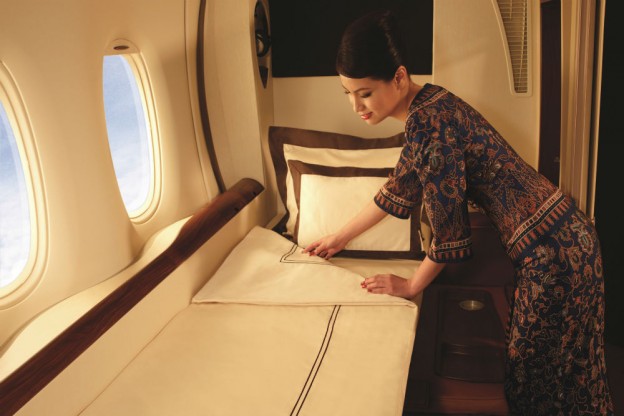
Well, you’re asking this question just a week after I stepped off my first (and likely only) flight in Singapore’s Suites class. So it’s tempting to say that’s it. But really there is one flight that sticks out in my mind as being the coolest thing I’ve ever done. Back in 2002, I flew Concorde from London to New York. That was incredible and is easily my most memorable travel moment.

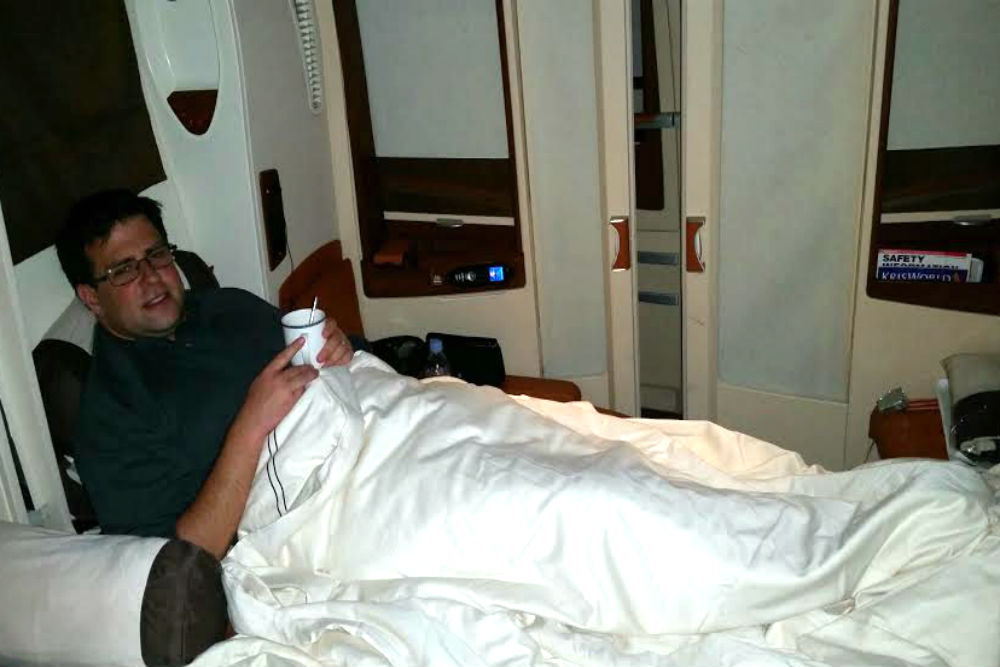
Brett relaxing in Singapore Airlines' A380 Suite.

Brett relaxing in Singapore Airlines’ A380 Suite. Photo courtesy The Cranky Flier.

Most embarrassing travel moment:

This isn’t airplane-related, but I still remember it to this day. Way back in third grade, I was on vacation with my parents and younger brother in Washington, DC. We had walked into Georgetown to go to dinner and my brother spilled what seemed like a gallon of milk right in my crotch. It was a long walk back to the hotel for this mortified third grader.

Name one thing people would be surprised to find in your travel bag:

Not much. I travel very light when I’m on the road. My wife still can’t believe I brought only a duffle bag on our two-week honeymoon. Granted, it was in French Polynesia, so I didn’t need more than a bathing suit anyway.

Touristy spot that’s actually worth it, and the trick to doing it right:

Dubuque. Oh wait, that’s not touristy? Ok, then I’d probably say Washington, DC. The place is absolutely full of history, and most of the monuments and museums are free, so it is not only a great place to visit but it can be done economically for those on a budget. While there are some great out-of-the-way memorials (the Einstein one is my favorite), most of the places you want to see are the same ones everyone wants to see. Wear comfortable shoes and be ready to walk. Get yourself an awkwardly named SmarTrip fast pass for the Metro as well. Stay hydrated and bring snacks. In other words, prepare like you’re getting ready for some post-apocalyptic world. Lastly, don’t go during cherry blossom season (spring). Everyone goes then, and it’s even more crowded than usual. And don’t go in the summer. Not only are their hordes of families, but the place was built on a swamp. You’ll feel like you’re in a steam bath. If you can go in the fall or winter, you’ll be better off.

Non-touristy spot people might not know about but should add to their must-visit list:

I don’t think Slovenia counts as touristy, does it? When I was young, I remember seeing a picture of this impossibly blue river in Slovenia. It took me a long time, but I finally made it there about a decade ago to see the Soca River for myself, and it remains one of my favorite trips. It’s an incredible sight. But what’s more incredible is how much you can see in Slovenia within such a short drive. You have the glacial valleys where the Soca River roams in the west. In the north you’ll find the Julian Alps and some incredibly picturesque mountain lakes (Bled and Bohinj). Come down a bit to the center and you’ll be in the medieval capital of Ljubljana. (Just try to ignore the Soviet-era buildings that surround the city.) To the east is the wine country of Maribor. And in the southwest is Slovenia’s tiny coastline with the historic town of Piran and beachy Portoroz. From one side of the country to the other is less than three hours by car. To top it off, I’m convinced that every person in Slovenia is friendly and speaks 300 different languages fluently.

Hiking outside of Kobarid in the Soca River Valley, Slovenia.

Hiking outside of Kobarid in the Soca River Valley, Slovenia. Photo courtesy The Cranky Flier.

Name two indispensable apps you use when you travel:

1) The app for whatever airline I’m flying.

2) Google Maps, which is great for plotting public transit routes and providing fare information.

The travel gadget or gear that has saved your life…or your mind:

I’m not really a gadget guy. I travel light, so my phone is probably the only real gadget I use when I travel. And it has definitely saved me a lot of stress. (It also creates a ton too, but that’s my fault for checking my email.)

Choose any two travel-world bloggers and tell us the most important thing you’ve learned from each:

Here’s the funny thing. I don’t read a ton of travel bloggers. When I do, it’s usually more for the business insight into the industry as opposed to things that focus on the travel experience itself. So for example, I read Gary Leff’s View from the Wing for news on frequent-flier programs. Or I read really geeky stuff like Airline Route, which shows airline schedule changes. Boring, right? I should read more aspirational stuff—I’d probably be happier.

Whose Tweets do you find the most useful and entertaining when you see them in your feed?

Well if you’re looking for entertainment, try out @FakeUnitedJeff and his impersonation of United’s CEO. It rings a little too close to home. Otherwise, if you’re looking for useful, I turn to all my favorite #AvGeeks. People like Airline Reporter, Ben Granucci, Benet Wilson, Ghim-Lay Yeo, Henry Harteveldt, Holly Hegeman, Jason Rabinowitz, Jeremy DwyerLindgren, Jon Ostrower, Justin Meyer, and Paul Thompson.

Name one way the travel industry can do better:

Well my experience is more on the airline/travel agent side, so I’ll focus on that. I honestly think the biggest issue for airlines has long been communication. We all understand that flying airplanes around the world is a complex business. Most people are understanding when things go wrong if they know what’s actually happening. But for years and years, airlines have had this “need to know” kind of attitude, and the customer doesn’t need to know. It’s not just on the operations side either. Delta has really taken this further by hiding its seat maps and availability from third parties. Heck, it even stopped publishing an award chart altogether. If airlines really want to improve the travel experience, they should communicate openly, truthfully, and often. The fact that they don’t is one of the reasons that my Cranky Concierge business is thriving, so maybe I shouldn’t hope for them to change…

Look into the future and describe one aspect of travel that you think will be different in 20 years:

I’d like to think that we’ll be closer to having space travel as a reality. Even if it’s not for travel into space but as a way to speed up the transit time between cities on Earth, it would be a huge win. Between 1903 and 1965, we saw travel times come down dramatically in the air. But nothing has changed since then. It’s time.

Most effective thing you’ve ever said or done to get an upgrade or a special perk while traveling:

The best thing anyone can do is just be nice. If you’re using that as a tool solely to get an upgrade, then that’s pretty shady. And it doesn’t work with airlines much anymore, since there’s a lot less leeway for a gate agent to give you an upgrade than there used to be. But just be nice in general and things can sometimes fall in your favor. If the gate agent has any leeway, then being nice is the only way you’ll get an upgrade. (Just try the “do you know who I am” route. You’ll end up in a middle seat in the last row.)

I remember one time I was at JFK and it was a mess. I had to get rebooked and finally got to the agent at the counter. She looked wrecked. I simply asked her if she’d like a sandwich or a drink or anything, and her mood changed instantly. It’s hard doing that job and getting yelled at all day. I actually did end up getting a seat up front, but I didn’t even ask. I was just trying to empathize.

To make friends, I always carry:

Deodorant.

Overrated:

Cruises. 

Underrated:

Train travel.

If you were in my car during a road trip, you’d hear me singing:

Some good classic rock—maybe a little Tom Petty, possibly some Zeppelin. Or it could be something a little more recent like Smashing Pumpkins, which admittedly still isn’t all that recent. As my brother says, my appreciation for music somehow stopped developing at the turn of the millennium.

The airplane movie that, unexpectedly, made me bawl was:

Marley & Me. Never watch a dog movie with a sad ending on an airplane.

When I travel, I’m not afraid of:

Going naked into a communal bath.

But I am afraid of:

Getting violently ill from accidentally drinking the water in a country where I shouldn’t.

singapore airlines suites

The Best Frequent-Flier Deals for American Express Points

Question:

Wendy, I have accumulated 2 million American Express points. How do I get the best bang for my buck redeeming them for airline tickets? Should I dump them all into a frequent-flier program? I am open to any and all suggestions. Thank you!
—Dee

Answer:

For smart advice on using AmEx Membership Rewards points, I’ve called in my old buddy Brian Kelly, a.k.a. The Points Guy. Brian’s been so successful at collecting and leveraging his own miles that he was able to give up his Wall Street job (which is what he was doing when I met him) to travel around the world full-time. He shares his hard-won knowledge on his website ThePointsGuy.com, and he’s got three nifty suggestions for you, Dee:

“Having 2,000,000 Membership Rewards points at your disposal is definitely a great position to be in. I would keep the points in your American Express account until you’re ready to plan a trip, but you don’t need to blow all two million on a single high-end round-the-world adventure (though you certainly can, assuming you have a few weeks to travel).

Instead, I’d suggest transferring the points to Membership Rewards partners as you need to use them, or, if American Express is offering a temporary transfer bonus to a certain program, it may make sense to transfer speculatively. For example, earlier this year, you could convert Membership Rewards points to British Airways Avios with a 40-percent bonus, so you’d earn 1.4 Avios for every point you transferred. If you had transferred all two million points, you would have ended up with 2,800,000 Avios, which is enough for a whopping 622 one-way short-haul flights on American or US Airways within the US (up to 650 miles), at 4,500 Avios a pop for coach.

Because airline-program devaluations can come at any time (and bonus opportunities can always pop up), it usually makes more sense to keep your points in a flexible currency, like Membership Rewards, until you’re ready to book.

If you’re looking to travel in style, another great airline transfer partner is Singapore Airlines. Singapore reserves the best awards in First and Suites Class on its 777-300ER and A380 aircraft for its own members, so you can’t book premium seats on long-haul flights using miles from a Star Alliance partner. This makes Singapore’s KrisFlyer miles exceptionally valuable. For every 1,000 Membership Rewards points, you’ll receive 1,000 KrisFlyer miles. You can experience Suites Class on the A380 starting at just 31,875 miles (or 31,875 American Express Points) for a one-way flight between Singapore and Hong Kong. Or you can travel all the way from New York City in Suites Class for 93,750 miles, plus about $300 in taxes and fees. Your 2 million points will get you and a friend to and from New York to Singapore in Suites ten times.

Finally, Air Canada’s Aeroplan program is another great transfer partner. As with British Airways and Singapore, you’ll receive 1,000 Aeroplan miles for every 1,000 points you transfer, and points typically transfer instantly (or within a day or two). Aeroplan is especially valuable for premium-cabin travel when compared to United Airlines, allowing you to fly between the US and Europe in Lufthansa First Class for 62,500 miles, rather than the 110,000 miles United requires. Note that Aeroplan does charge fuel surcharges on some carriers, including Lufthansa, so you may need to pay a few hundred dollars in fees in addition to the miles you’ll use for an award.

In total, American Express partners with 16 airline programs and four hotel chains, though you’ll generally get the most bang for your buck from the programs I’ve outlined above.”

Dee, I’m beyond jealous! Enjoy all those trips!

Qatar Airways seat configuration

5 Things I Loved About My 13-Hour Flight on Qatar Airways, and Two I Didn’t

“These might be the most comfortable pajamas I’ve ever worn.”

That is my most lasting impression from my 13 hours on a Qatar Airways flight from JFK to Doha the other week. The big draw of the airline is its business class, which travelers have named best in the world in Skytrax’s World Airline Awards for the past two years running (its seats, amenities, food, and lounge earned high rankings too). The back of the plane isn’t shabby either: Skift named Qatar Airways Best Economy Long-Haul Experience in 2015. But it was the business class experience—complete with a Giorgio Armani amenity kit, soft gray pajamas, and cushy slippers—that I indulged in last week.*

The rise of the airline—which launched as a regional service in 1994 and was revamped as a global player in 1997—mirrors the rise of Qatar as an international tourist destination. A young country in general (it was a British protectorate until 1971), the capital city of Doha was raised into existence only 35 years ago, but already the wealthy Qatari government has positioned it as a luxury Middle East destination, attracting all the biggies in luxury travel brands: Four Seasons, St. Regis, InterContinental, and most recently Anantara, which recently opened the Banana Island Resort to which I was bound. There’s star power in the culinary space (Alain Ducasse, Nobu, Shake Shack, and NYC cupcake stalwart Magnolia Bakery); in the arts scene (I.M. Pei designed the Museum of Islamic Art, and Richard Serra created a monumental series of obelisks for the museum and for the desert), and along the skyline (you’ll find projects by Jean Nouvel, Norman Foster, and Rem Koolhaas). Construction is everywhere: a new cultural village packed with galleries and a striking 4,000-seat marble amphitheater; a new metro rail system; a new education “city” offering American universities to Middle East residents; the new Mall of Qatar (which will be the largest in the country); and, of course, a rush of new sports facilities in anticipation of the 2022 FIFA World Cup.

Travelers are taking notice, and their introduction to Qatar begins on the plane. It’s an impressive one. Here are five things I loved about my nonstop business-class flight…and two things I didn’t.

The Good

1. The personal attention begins as soon as you check in.

Qatar Airways’ VIP service starts right at the airport check-in counter, when one of the desk agents offers to escort you to the lounge. I didn’t know it at the time, but this was code for “you will get to cut every line in security and insert yourself and your bins right at the front.” I definitely enjoyed the celebrity treatment’s speed and ease, but it came with a side of guilt for cutting in front of all the regular folk waiting to make their way through the TSA maze. However, anyone flying QR in any cabin class can purchase this VIP treatment. It’s called the Al Maha service and includes an escort from check-in to the gate and a welcome escort at Doha International Airport who will guide you through passport inspection and out to your ground transportation; the service is also available on arrival (prices start at 300 Qatari riyals each way).

Once onboard, you’ll find a set of pajamas and a Giorgio Armani amenities kit stuffed with the usual essentials (ear plugs, eye shade, socks) and some Armani perfume and lotion.


The Giorgio Armani business class amenities kit contains perfume and lotion—men get one set, women get another.

The Giorgio Armani business class amenities kit contains perfume and lotion—men get one set, women get another. Photo courtesy Qatar Airways.


2. The seat configuration allows for space and decent privacy.

The 777 we took from JFK to Doha had a 2-2-2 configuration. For easiest access to an aisle, choose seats in the middle section.

The 777 we took from JFK to Doha had a 2-2-2 configuration. For easiest access to an aisle, choose seats in the middle section. Photo: Billie Cohen.

My plane was the B777-300ER, which meant a 2-2-2 configuration in business class. I shared my nook with only one other person, with whom I could enjoy conversation while we got settled and then completely ignore once we reclined for movies and sleep, thanks to the cocoon-like design of the lie-flat seats.


3. The in-flight entertainment system made it kind of hard to leave the plane.

All seven of the Harry Potter movies, all three of the Lord of the Rings movies, an entire collection devoted to Meryl Streep, plus a ton of Bollywood films and TV and music from around the world. I kept thinking, Why can’t Netflix have as good a selection? It was hard to choose between sleep and staying up all 13 hours to watch movies.

It was hard to choose between a Harry Potter marathon and a nap. I did both.

It was hard to choose between a Harry Potter marathon and a nap. I did both. Photo: Billie Cohen.


4. The food is good enough to be served on the ground.

Pumpkin and chestnut soup. Summer greens and mozzarella salad. Greek yogurt with raspberry compote and toasted granola. A selection of desserts from Ladurée. Special dishes created by Nobu Matsuhisa and Vineet Bhatia (the first Indian chef to win a Michelin star). And lots of small details added to the feeling of fine dining: warm mixed nuts, warm bread and butter, mini boxes of Valrhona chocolates, white-cloth napkins, real silverware, and real glasses. Unfortunately, my food pictures are horrible; I have not mastered the art of Instagramming dishes in any appetizing way whatsoever, so I haven’t done justice here, but believe me this was food I would’ve been happy to be served in a restaurant. And the best part is that it’s all delivered to your seat whenever you want, rather than when the flight attendants’ schedule says it’s time.

This yogurt parfait with raspberry compote was delicious.

This yogurt parfait with raspberry compote was delicious.


5. The award-winning lie-flat bed

As a light sleeper, I was skeptical that this “bed” would be as comfortable as promised. It was. After the flight attendants set you up with a thin mattress, a fluffy pillow and a light cloth quilt (none of that staticky fake fleece stuff), it is really hard to stay awake. On both flights, the lights were dimmed, with only the soft glow of the color-changing ceiling accents, which cycled through blues, greens, and oranges to indicate time of day. According to Qatar Airways, the purpose of the mood lighting—which exists in the economy cabin as well—is to decrease the effects of jet lag, but I’m thinking it has more to do with the beds than the light bulbs.

Qatar Airways lie-flat beds

The model in this press photo is not faking—the beds are comfortable. Photo courtesy Qatar Airways.

The fully adjustable bed not only made for comfortable sleeping, but for working, and curling up and watching Harry Potter. I especially appreciated the adjustable attached footrest; thanks to button controls that let you raise it to your comfort level, my short legs (which don’t usually reach the floor on airplanes…or buses, subways and office chairs for that matter) enjoyed the full benefits of a footrest for the first time I can remember.

At 4’11, my legs aren’t long enough to reach most footrests. Thanks to the adjustable one on my business-class seat, I got to see what all the fuss is about. I liked it.

At 4’11, my legs aren’t long enough to reach most footrests. Thanks to the adjustable one on my business-class seat, I got to see what all the fuss is about. I liked it.

The Not So Good

No exit 

There I am, happily cozying up in my reclined seat, snacking on chocolates, flipping through movies while my neighbor gently snored in the next seat, when nature called and I discovered the first downside to life in QA’s business class. Not the bathrooms (which were cleaned often and stocked with aromatic soaps), but the one drawback of these award-winning lie-flat beds.

I chose a window seat in on both of my flights. Great for sightseeing (I’m a sucker for takeoff and landing photos), but bad for every time I wanted to go to the bathroom. Once my seatmate was fully reclined and snoring, I was trapped: His feet reached all the way to the wall, so to get out of our row, I had to climb over his legs, a fate I had naively thought was limited to the coach-class experience. Thankfully he was a heavy sleeper and there wasn’t much turbulence. Otherwise, there could have been a very awkward spill onto his bed. If you want to avoid this on your next business class flight, check SeatGuru to determine the cabin’s seat configuration. If it’s 2-2-2, like mine was, choose the middle section to guarantee easy aisle access from both seats.

No Wi-Fi, inaccessible power

Power plugs are a must-have these days. Even if you’re distracted by Meryl Streep’s complete catalog of films, at some point on a 13-hour flight, most of us have to do some work. But on QR’s 777, the plug (which, conveniently, does not require an adapter) is inconveniently hidden behind the lower-leg portion of the seat. Even when the seat is in its fully upright position, it covers the recess where the plug is located; if I didn’t have small hands (and if I wasn’t willing to sit on the floor in front of my seat holding a phone flashlight), I would not have been able to plug in my computer. Once I did, I realized the other drawback of QR’s 777s: no Wi-Fi. I understand that some aircraft are older and not able, or worthwhile, to be retrofitted—and the airline’s 787s, A350s, and A380 all have internet—but business class should allow you to, you know, get some business done.

To be fair, these are pretty minor quibbles considering how comfortable the flights were, how impressive the food and service were, and how easy it was to sleep. While getting work out of the way is key to having a good vacation once you’re on the ground, the truth is that you can’t get anything done—on or off the plane—if you’re tired and hungry, and Qatar Airways sufficiently takes care of both. Plus, you get those pajamas.


*Full disclosure: My flight was fully paid for by Qatar Airways, as part of a small media trip to Anantara’s new Banana Island Resort, just off the coast of Doha. (The five of us were the first American journalists to see Anantara’s new property here.) Onboard, I watched carefully to see if the flight crew treated me or my colleagues any differently than other passengers and it did not seem to be so.

In keeping with WendyPerrin.com standard practice, there was no request for or expectation of coverage on our hosts’ part, nor was anything promised on ours. You can read our signed agreement with Qatar Airways here and with Anantara here. 

Be a smarter traveler: Use Wendy’s WOW List to plan your next trip. You can also follow her on Facebook and Twitter @wendyperrin, and sign up for her weekly newsletter to stay in the know.
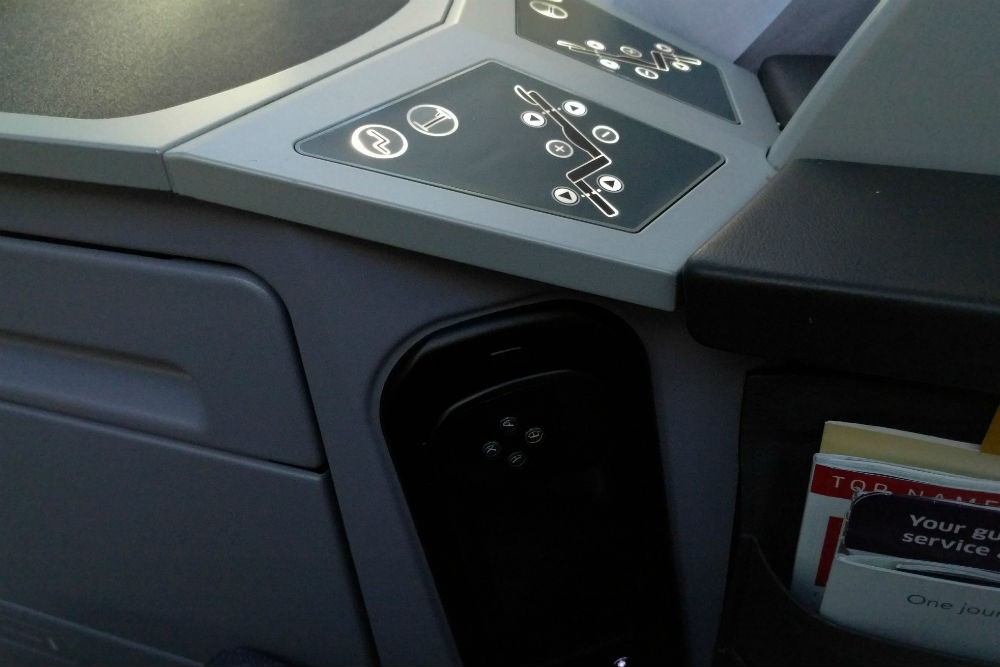
View from the Wing's Gary Leff (right) with fellow frequent flier Randy Petersen.

Inside the Mind of a Miles Expert: An Interview with View from the Wing’s Gary Leff

If you want to know anything about travel rewards programs, Gary Leff is the person to ask. He is one of the most well-known and respected authorities on miles and points—whether they be for airlines, hotels, rental cars, or credit cards. He writes the View from the Wing blog, runs Book Your Award (with another mileage pro Steve Belkin of Competitours), co-founded the frequent flyer community Milepoint.com, and was a longtime moderator on FlyerTalk.com. His most impressive accomplishment (to nerds like me, anyway), is that he’s also had a cameo on The Colbert Report. To other types of nerds, it’s that his day job is as CFO for a university research center.

Although I’ve known Gary for years (he wrote for me regularly when I was editor of condenasttraveler.com), I was embarrassed to realize that while I’d engaged him in countless conversations about credit cards and the best ways to earn miles quickly, I’d never really asked him about his own personal travel experiences. And not surprisingly, he has had amazing ones. Anyone who’s traveled as much as he has would—though not everyone’s stories would include being accused of stealing coffee from a hotel in Macau. Read on…

El Bulli

Most memorable travel moment: dinner at El Bulli, 2008. Photo: Gary Leff.

Most memorable travel moment:

I managed to get a Saturday night booking for El Bulli, which at the time was regarded by many as the best restaurant in the world. So my wife and I flew to Barcelona for the weekend, took the train up to Figueres, and checked into a hotel in Roses. When we arrived at the restaurant, after a long drive up a cliff beside the Mediterranean, two young women dressed in sweat pants walk in ahead of us and asked for a table. They were told, as politely as I could possibly have imagined, that this would just not be possible…. We walked inside, were greeted and taken to the kitchen where we met and took pictures with chef Ferran Adrià.

Now that the restaurant has closed, with Adria having stared down the John Stuart Mill problem (Mill wondered what the point in life was if he had accomplished all of his goals by age 18!), I feel grateful to have experienced it.

Most embarrassing travel moment:

Being accused of stealing coffee by room service staff at the Sheraton Macau. I didn’t do it, honest!

I was there over Chinese New Year (nearly every hotel was sold out, and rates at the Sheraton approached US$600 per night, so I was grateful to be able to use just 10,000 Starwood points a night there). I decided to order coffee from room service around 6 a.m. The hotel explained that I could tell them how many cups of coffee I wanted, and that’s what they would fill the pot to. So I asked for 6 cups. A short while later room service delivered the coffee. It seemed awfully light for 6 cups. I poured two cups, and the pot felt nearly empty. So I called back down to in-room dining. The same person I ordered from answered, and she remembered that I had ordered 6 cups. She said she’d send up 4 more cups right away.

So at 6:30 a.m. there’s a knock on the door, and the man who delivered the first pot of coffee appeared. He didn’t have a pot of coffee in his hand. Instead he declared: “I am here to investigate.” I told him that we had ordered six cups of coffee, I poured two and that’s all there was. He lifted the pot of coffee and said, “there’s still some left”. He then said it’s not possible that we could have gotten less coffee, because the machine is electronic. They specify how much goes in the pot.

There I am, standing in a bathrobe in my hotel room, being told that it’s not possible that I could be missing coffee and in any case the coffee I ordered was right there, in the pot! What was I trying to pull, anyway? He thought I was trying to cheat the hotel, to get extra coffee without paying for it.

He then poured the remaining coffee from the pot into an empty cup. It filled only half way. I said, “You were right, there were actually two and a half cups.” He harumphed, walked directly outside the room, and handed me the pot he had brought along with the four replacement cups of coffee I had been promised—once I satisfied him that I wasn’t actually trying to steal coffee.

Name one thing people would be surprised to find in your travel bag:

Downy wrinkle releaser. As experienced a traveler as I am, and no matter how much I work on my packing and folding techniques, I can’t get rid of wrinkles.

East Coast Lagoon Food Village, Singapore

East Coast Lagoon Food Village, Singapore. Photo: Gary Leff.

Non-touristy spot everyone should add to their must-visit list:

The criteria I’d use to think about ‘non-touristy spots’ isn’t that they’re places tourists don’t go, but that they’re places locals go to and indeed are primarily visited by locals.

I love to enjoy travel and understand a place through its food, whether it’s eating my way through Paris or the suburbs of Kuala Lumpur. If you love food as well, two places truly can’t miss are some of the Singapore hawker centers. The Newton Center, closest to many of the hotels around Orchard Road, is the most touristy and in general also the most disappointing. I think there’s nothing that compares to an evening at the East Coast Lagoon Food Village, open air and on the beach. Visit the Red Hill Road center or the Hong Lim Food Center. Each place will specialize in a single dish and take cash only. Look for dishes that sound like you’d want to try them and then walk around the center, focus on the stalls that have the longest lines.

Seating is first come, first serve. Place something at your seat to save it. The traditional Singaporean method is to leave your tissues at your place, this is respected, although of course you can have a companion stay there while you go and order, too!

In the U.S. I think the best place to travel is the Austin area for Central Texas barbecue. Franklin Barbecue is technically perfect, but the lines are incredible. There are so many fantastic places in Austin proper like La Barbecue and a new outpost of Black’s in Lockhart up by the University of Texas, that you have options. Take a drive out to Lockhart for the original Black’s, my favorite, and while you’re there try the sausage at Kreuz and just walk inside Smitty’s with the blackened corridors from a century of smoke.

Blacks Barbecue Texas

Blacks Barbecue. Photo: Gary Leff.

Name 2 indispensable travel apps:

The spread of Uber gives me plenty of confidence going out in unfamiliar places, knowing that I can always easily find my way back even if I wind up somewhere off the beaten path where there’s no public transport and taxis don’t go.

I find I’m much more efficient walking around cities I don’t know well thanks to Google maps, I simply don’t get lost and waste time the way that I used to.

The travel gadget or gear that has saved your life…or your mind:

Compact power strip. I carry a power strip in my laptop bag, it’s something that costs less than $10. But I’ve never heard a hotel guest say, “this room just has too many outlets!” and I’ve found myself in many airport terminals and even lounges where sharing outlets is a must.

What travel-world bloggers have you learned the most from?

The person on social media who taught me the most isn’t a blogger, but an online forum participant named Mark Love (who goes by the name PremEx online). He taught me that the most important thing isn’t understanding travel rules and what you’re entitled to, but how you talk to the real people on the other end of the phone or across the desk. You want to build a rapport, understand what they’re capable of doing for you, and generate the sympathy that will motivate them to help. (And of course, if that turns out not to be possible, ‘hang up call back’ and start the process over.)

Whose Tweets do you find the most useful and entertaining?

Scott Mayerowitz (@GlobeTrotScott), the Associated Press airline and travel reporter.

Look into the future and describe one aspect of travel that will be different in 20 years:

The next step in online is mass customization. Online Travel Agencies (OTAs) are beginning to do a better job not just listing and selling travel, but helping to provide the information and guidance that consumers want. That was the idea behind Orbitz’s PR flub in ‘charging Mac customers more’ for hotels. They weren’t really charging customers with Mac computers more, their data suggested customers who use Macs tend to prefer hotels at a higher price point. So they were suggesting pricier hotels, not because those earn the OTA more commission but because consumers visit an average of 9–12 different sites when planning travel. If they can’t give consumers what they want, they lose the sale entirely.

The Department of Transportation has a pending rule where they plan to require all travel sites (above a revenue threshold) that display airfares and schedules to present the same uniform information—as opposed to the customized information most useful to a given individual consumer for their specific trip.

Provided regulations don’t get in the way, in a few years—not 20—we’ll have come full circle with online travel sites providing customized advice the way people used to get from the very best travel agents. It will have taken more than two decades, but we’ll have gotten to a place where online booking serves consumers about as well as the top end of brick and mortar used to.

Most effective thing you’ve ever said or done to get an upgrade:

You get an upgrade by having loyalty program elite status or points to spend, and knowing the rules of each chain or airline. You increase your chances of an upgrade clearing by avoiding the stiffest competition—traveling when planes and hotels aren’t likely to be full, and when passengers seeking upgrades don’t have status. That means hotels during shoulder season, and airlines outside of peak travel times (avoid Thursday and Friday evening flights, and the first bank of flights Monday morning; fly Tuesdays and Wednesdays in the afternoon).

Hotels have far more discretion than airlines to deviate from a predetermined algorithm for whom to give upgrades to, so the next most important thing is to be nice, and ask.

To make friends, I always carry:

Starbucks gift cards. (Call me mercenary, but I’m trying to make friends with people who can reciprocate, like airline lounge agents.)

Overrated:

Western European capitals

Underrated:

Central and Southeast Asia

The airplane movie that, unexpectedly, made me bawl was:

Airplane. (Google tells me bawl means shout loudly, not just weep.) The travel movies that get me every time are Lost in Translation and Before Sunset.

When I travel, I’m not afraid of:

The strangest of street foods

But I am afraid of:

Coach.


Follow Gary and View from the Wing:

Twitter: @garyleff

Facebook: http://www.facebook.com/garyleff


Be a smarter traveler: Use Wendy’s WOW List to plan your next trip. You can also follow her on Facebook and Twitter @wendyperrin, and sign up for her weekly newsletter to stay in the know.