Tag Archives: travel tips

Monteverde Costa Rica

12 Ways to Improve Your Next Trip

Meet our writer: Geri S. Krauss is a New York-based attorney, a savvy traveler who has been to all seven continents . . . and, for a travel agent, she can be one tough customer. Geri was unknown to me until a few weeks ago, when she reached out after a trip that bowled her over, designed by one of my Costa Rica specialists. We ended up meeting for lunch in Manhattan. Geri does so much research for every trip, and is so knowledgeable about online travel tools, that I asked her why she doesn’t just book her trips herself. When she shared her perspective on the benefits of working with my Trusted Travel Experts, I found it fascinating and thought you would too. Here’s Geri:

My husband and I are full-time attorneys, so our travel time is limited and precious. We want to make the most of it by having an experience that is tailored to our interests and budget and gives us a true sense of the people and places we visit. After much research, I’ve come to rely on Wendy’s Trusted Travel Experts for this.

These trip experts would be the first to confirm that I am not an easy customer. I ask a ton of questions, do my own research into the suggestions made (which generates more questions), and scrutinize itineraries, questioning every detail.

There have been some tough moments. There was the email I got with the subject line “Throwing up my hands in horror” when a trip expert had to tell me that our carefully planned trip had been thwarted because room availability suddenly vanished. There was the time another expert recommended a “hike along partially flooded terrain, mud, rocks, exposed roots with high humidity and temperature around 90 F (30 C),” which left me questioning why on earth I would want to do that. “For the wildlife” was the expert’s answer—and I’m glad I gave in because it turned out to be one of the best parts of the trip.

Even for someone as challenging as I am, working with these trip experts has been special. Why? They consistently give you personal attention, offer unique opportunities, have a deep knowledge of the country in which they are located, give candid evaluations of what to see and do, and move you through the itinerary so seamlessly that the hassles and waiting that are often a part of traveling just seem to disappear. In short, here’s what they deliver:

1. A private, personalized itinerary

Our itineraries have always come with top-notch guides, accommodations, and experiences. The guides and drivers are extremely knowledgeable about their country and customs, speak excellent English, are wonderfully gracious and accommodating, and navigate with an insider’s knowledge of where to go and the best time to get there.

2. Flexibility: The traveler calls the shots all day every day

Everything is tailored to our interests. We travel at a pace that works for us. We can decide whether we want to be accompanied by a guide and/or a driver, or whether we would rather spend time on our own. The time we spend at each activity is geared to us—with flexibility to stay longer than planned if we are very much engaged or leave early if we are ready to move on. We can stop to eat when and if we choose—or skip a meal so that we can squeeze in one more thing to see or do. Our guides and drivers are always ready to help us in whatever way they can —and to adapt our schedule if weather or something unexpected requires a change. It is the perfect combination of independent travel and extraordinary planning and expertise.

3. VIP treatment at check-in

When we were traveling in India, every time we arrived at our hotel, we were met and greeted at the entrance, by name, and welcomed in traditional Indian fashion. We were shown to a comfortable sofa, where a drink and a cool towel were waiting for us. A concierge immediately came over to us, checked us in, and guided us to our room. When we got there, our luggage was already waiting for us. After this had happened on several occasions, I asked our guide how it was that every hotel was ready and waiting for us the moment we arrived. I learned that this was not happenstance. It was because the trip expert made sure that the guide called each hotel at a certain time while we were on our way there to tell them exactly when we would be arriving and assure that we would be cared for so promptly and graciously. Never a line, no searching for a room to assign, no waiting!

4. Hand-picked hotel rooms

Our rooms have always been terrific, as the Trusted Travel Expert knows which are the most desirable rooms for views or location or amenities (in any given category), and then they make sure that the room they select is reserved for us.

5. Special dining arrangements

In Costa Rica we were impressed that the waiters in the various lodges’ dining rooms told us as soon as we sat down that they were aware of certain food preferences we had made known to the Trusted Travel Expert. We didn’t have to say a thing! Two lodges arranged for us to have a private dinner in a special location—one with a menu planned solely for and with us the evening before—just because of the relationship the Trusted Travel Expert had with the lodges. In some countries we’ve even had the pleasure of meeting and dining with our trip expert shortly after our arrival.

6. Visits with locals from all walks of life

In Australia we were the only guests at a beautifully restored homestead surrounded by miles of outback. We were invited to dine with the owners and their friends—Australians and New Zealanders. During the fabulous home-cooked meal, we were treated to stories about life in the outback, the restoration of the house, and the rivalries between Aussies and Kiwis. We ended up talking for many hours and covered virtually every topic of current events, including some very interesting observations by those “down under” with respect to the American presidential election that was taking place that day. Their perceptions were fascinating. Indeed, given the influence that the President of the United States has over world events, our hosts questioned whether the world could trust leaving the choice of the President solely up to the American electorate! On another day, we visited with the owner of a private rainforest sanctuary who introduced us to the many resident animals that came right up to greet us. Later, we sat by the side of a stream in the forest and were treated to a delicious lunch of salads and fresh fish—which he perfectly cooked on a camp stove in the back of his truck.

7. Access to places that are off-limits to the public

Many of the must-see sights in China and India are filled with crowds, but our Trusted Travel Experts have been able to arrange special access for us to avoid the crowds or see things not generally open to the public. In China we had an amazing opportunity to feed and play with the baby pandas in Chengdu Panda Reserve. We viewed the Xian terracotta warriors from a special gallery located right on the floor and learned about how the warriors are restored through access to the curators’ restoration room. In India we were able to view the Taj Mahal from a special access point and remain for a short time after all the crowds had left. We visited beautifully decorated rooms in private areas of the Jaipur City Palace still used by the royal family for entertaining. We were invited to attend the Holi ceremony hosted by the Maharajah of Udaipur. All very special.

8. Guides with specific expertise

Not only have our guides been excellent generally, but our trip planners have been able to provide us with guides with particular knowledge. I have an interest in photography, and in India our guide was a terrific photographer who made sure to show me the best spots to get interesting shots and, if possible, to time our visits to get photos in the best light. He also greatly assisted me in learning the local etiquette to take pictures of people. In Costa Rica I again requested a guide who was a photographer, and he made sure we approached photographic subjects from the right angle and in the right light. He taught me many new techniques, and I was thrilled with the results. While I was busy trying out those techniques, he tutored my husband in bird watching, then quizzed him on each identification.

9. Meaningful experiences where you give back to the community you’re visiting

Because of their deep relationships and connections in the countries where they live and operate, trip experts are often involved in environmental or community development activities. We had the rewarding opportunity to participate in one of these initiatives in Costa Rica. Our Trusted Travel Expert had set up a program to help the children who lived in a local village with English lessons and pronunciation by offering them the opportunity to meet with English-speaking travelers. We spent one afternoon at the village assisting the Costa Rican teacher who had been sent to the village to conduct this enrichment program, which the children enrolled in by choice. What a wonderful time we had interacting with these children (aged 10) who were so bright, enthusiastic, and fun. While we were there to help them with English, they insisted that we learn some Spanish words from them as well.

10. Transportation shortcuts and efficient logistics

As we tend to cover a lot of territory in a short time on these trips, the trip expert’s knowledge of local transportation options and obstacles has been invaluable. In Costa Rica, for example, many of the roads are poor, and some travel is best accomplished via privately chartered four- to six-seater planes. There is no way we could have made these arrangements on our own. It requires knowing which planes (by size or engine number) are allowed to fly to which places at what times of the day and in what weather conditions. Furthermore, our trip expert uses only certain planes and specific pilots, based on safety records and experience. In one location in Costa Rica, I had decided to pass on the trip expert’s suggestion that we book a driver; I said we’d rely on taxis instead. Shortly after we arrived, however, I found that getting a taxi was neither easy nor reliable. I called the trip expert, confessed that I should have heeded her advice, and in less than an hour we had a car and driver at our disposal for the rest of our stay there.

11. Addressing the unexpected

Sometimes not everything goes as planned. Yet our trip experts have always been instantly available to address any issue. In China, when we arrived in Lijiang, my husband experienced altitude sickness. We were scheduled to go for a couple of days to Zhongdian, a town located at an even higher altitude. Obviously, that was no longer an option. Within a day, our trip expert had made alternate arrangements and rescheduled our flights without our having to pay any cancellation fees.

12. Help is only a phone call away

In rural India, when I needed to see a doctor, I called our trip expert and within 15 minutes an English-speaking doctor was at our door. Whether I am looking for a restaurant reservation, seeking the best place to shop for a particular item, or needing to resolve any hiccup in the plans we encounter, help is only a phone call away.


Geri Krauss and her husband Dan’s next trip is to New Zealand, booked through Jean-Michel Jefferson. We can’t wait to hear all about it!

If you want a trip like the ones Geri Krauss describes, contact the right Trusted Travel Expert via WendyPerrin.com:
(1) Go to The WOW List to find the right destination, cruise, or villa specialist.
(2) Click on that travel specialist’s CONTACT button to reach his/her WendyPerrin.com trip-request form.
(3) If you’re not sure who is the right specialist, Ask Wendy.

Tokyo, Japan

Go Now! 5 Countries Where Your Dollar Stretches Far

Note from Wendy: There can be a big difference between the cost of living in a destination and the cost of traveling there. First, what travelers spend money on is different than what residents spend on. Second, tourist taxes can be high. Third, sometimes there are lower rates for locals than for foreigners. Fourth, in some countries the price difference between, say, a three-star and a five-star experience is much more dramatic than in the U.S.  Still, when foreign currencies drop against the U.S. dollar, of course we want to take advantage of it. Here are five places where you can.  


This article originally ran on Yahoo! Travel

If you’re looking for a deal on your next trip, skip the guidebook and read today’s financial news.

It’s been a cruel, cruel summer in the financial world, and the economies of certain countries are still struggling to rebound.

In June, just as summertime tourism season kicked off, Greece announced it was on the verge of financial collapse, and its position in the eurozone was in peril.  In August, Greece was able to reach a billion-euro bailout plan with its lenders, but it is still on shaky ground in the eurozone.

Then two weeks ago, just as summertime tourism was winding down, China’s stock market went into a downward spiral, which had a ripple effect on stock markets around the world.

While China’s economy hasn’t bottomed out (yet), several other countries have been experiencing “significant currency depreciations,” said Douglas Quinby, vice president at Phocuswright, a hospitality research firm. “These currency rates have a big impact on travel.”

In short, when the exchange rate begins to favor the American dollar, travelers looking to explore the world should start packing their bags.

Here are a few countries to consider visiting in order to maximize your travel budget.

Japan

Quinby noted that Japan’s tourism is surging, due in part to the falling yen. A night at the new Andaz Tokyo Toranomon, which offers spectacular views of the city, can be had for around $483 in early October. That’s still a pretty penny, but it’s down about $200 from last summer’s rate. Nonstop flights from Los Angeles are also averaging around $720.

Also from Yahoo! Travel: The 10 Best Museums in the World

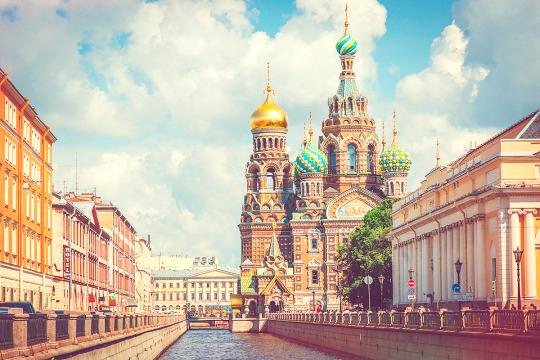
St. Petersburg, Russia

Take advantage of low airfares and see beautiful St. Petersburg. The Church of the Savior on Blood (not to be mistaken for St. Basil’s) is especially worth a visit. Photo courtesy iStock.

Russia

Like other countries with an oil-based economy, Russia’s currency fluctuates with global oil prices. The ruble has been falling steadily for about a year, and China’s recent woes haven’t helped. A cursory look at the cost of flights to St. Petersburg from New York on Google Flights found ticket prices in the low $500s in early October, which is comparable to some flights to the western U.S. A night at the opulent Ritz-Carlton Moscow was just $300 on Booking.com for a stay in early October.

Also from Yahoo! Travel: Foodie Bucket List: 12 Iconic Restaurants Worth Traveling for

Australia

Down under, the Australian dollar keeps slipping. Last week, one Australian dollar was equal to 70¢ U.S. Traveling to Australia is a long haul, and flights from Los Angeles are going for well over $1,000 next month (the start of summer in Oz). But if the currency rate holds, U.S. travelers will still get more for their money when booking hotels and resorts. The One&Only Hayman Island Resort, a private island in the Whitsundays, has one-bedroom suites available in mid-October for around $2,000 AUD a night. With the currency rate, that drops to about $1,369 USD.

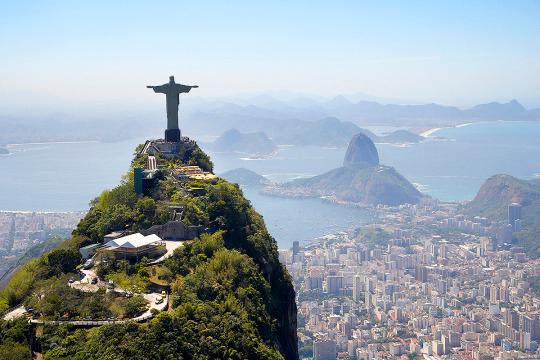
Rio de Janeiro, Brazil

With an unlimited air pass, you can visit Rio, São Paolo, and everywhere in between. Photo courtesy iStock.

Brazil

Despite hosting the recent FIFA World Cup and the upcoming Summer Olympics, Brazil’s economy has remained in a recession. The Brazilian real, the local currency, is the weakest it’s been in 13 years, and President Dilma Rousseff is fighting to save the country’s investment-grade credit rating. Perhaps that’s why Azul Brazilian Airlines recently announced their Azul Brazil Air Pass, which gives fliers 10 days of unlimited flights throughout Brazil for $299, or 21 days of flights for $399.

Also from Yahoo! Travel: The Most Scenic Drive in All 50 States

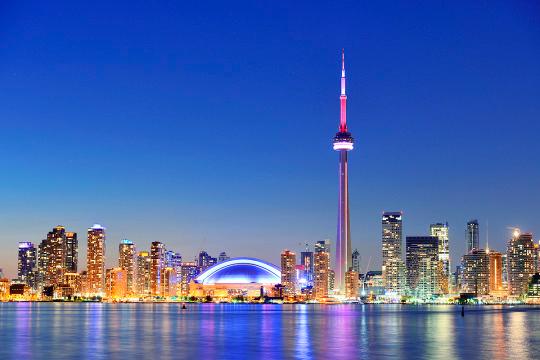
Toronto, Canada

Head north and visit great Canadian cities like Toronto, Montreal, and Vancouver. Photo courtesy iStock.

Canada

Our neighbors to the north are also in a recession, with the Canadian dollar (or loonie) currently sitting at about 75¢ U.S. In major cities, debt-to-income ratio is near a record high, and the central bank is debating whether or not to lower interest rates again. With that said, cities like Vancouver, Toronto, and Montreal are hot spots for traveling fashionistas, who can score major deals on designer wear. Home to stores like Hermès and Chanel, the exchange rate will work in your favor if you’re looking to purchase a pricey bag … or two!


three orange beach chairs and a green umbrella facing the ocean in Puerto Vallarta Mexico

The 3 Most Sanity-Saving Travel Tips You’ll Ever Hear

Finding the right flight can be a full-time job. Is there a cheaper one out there? Could there be one with a more convenient route? One with better seats? And it’s the same story when it comes to tracking down decently priced hotel rooms or car rentals. Often, travelers end up not booking a good deal when they see one because they’re so nervous that they’ll miss out on an even better value if only they keep researching for another 15 minutes!

But even if you successfully navigate that maze of logistics—even if you find a great hotel, book the right rental car, and plan the most amazing itinerary (with or without one of Wendy’s top travel specialists)—you can’t anticipate everything, and occasionally things still go wrong when you get there.

For some people (me included) these stressors have the potential to derail the whole point of the vacation: to relax and rejuvenate you. But it doesn’t have to be that way. In a recent interview with business travel expert Joe Brancatelli, he shared three incredibly smart tips that might just eliminate all travel stress entirely. Here’s what Joe had to say—bookmark it and look at it before every trip.

1. How to find cheap fares and rates

“I never like to be in people’s wallets, but I think people spend too much time searching for the lowest fare or the cheapest hotel room or the lowest price on a car rental. The travel industry has spent millions on computers trying to beat you. And, to be honest, someone is always better at the game than you. Travelers should value their time as they plan a holiday. Do you really want to spend another hour of your time looking to shave $10 off the price? Is your time worth so little? I say find the “fair fare,” in other words a price you think is reasonable for an airline seat, hotel room or car rental. Then book it. Stop spending hours fighting over pennies in search of the nonexistent “lowest” price. Because even if you think you got it, I can assure you that you’ll find someone at the resort or on the flight who actually paid less than you did.”

2. How to deal with travel problems during your trip

“Even if it costs you a few bucks, do whatever you have to do to fix a travel problem on the spot so you can go back to enjoying your trip. Argue with the travel company about compensation later. But, within reason, fix the problem first, worry about compensation later.”

3. How to resolve travel problems in your favor and be made whole again

“When it comes time to even the account, know how to write an intelligent, effective letter of complaint. I’ve written how to do it several times and I am always amazed at how poorly people handle their interaction with a travel company. Get the emotions out of it. Talk facts. And don’t forget to ask for the compensation you want. No company is going to offer you anything more than a form-letter apology unless you specifically ask for something tangible to make things right.”

Learn more from Joe by following him at Joe Sent Me.

Joe Brancatelli

The Secrets of Business Travel: Straight from Joe Brancatelli

In the new media landscape we live in, the unvarnished truth is harder and harder to come by. But business travel expert Joe Brancatelli always nails it.

I’ve interviewed Joe for dozens of articles over the years. Not only does he cut through the fog and BS that envelop so much travel coverage, but his advice is ageless. To this day, whenever I’m at an airport and want to find out how long my flight will really be delayed, I do what Joe taught me 13 years ago: Ask the gate agent, “Where’s the equipment?”   Why?  Because if you ask “When are we boarding?” they’ll say they don’t know or give the standard non-response “Just a few more minutes.”  But if you ask “Where’s the equipment?” it forces the agent to check the computer and find out what time the aircraft left its point of origin—which tells you how much time you really have. (Nowadays you could also use the FlightAware app to find out where your plane is. But using the jargon with the gate agent is more fun.)

If you don’t know Joe’s site, JoeSentMe, then you’re not taking advantage of one of the best travel resources in existence. His “home page for business travelers” is not just for frequent fliers; the links listed there are for any traveler who wants to make smart, well-informed choices on the road. His newsletters are so wise, so true, so depressing, so snarky…I never know whether to laugh or cry. I usually do both. They’re worth getting, if only so you’ll know how to cope the next time a winter storm or airline strike threatens to wreak havoc on your travel plans.

And then there are Joe’s Steals and Deals. He ferrets out the best business-class airfare and hotel values, filtering out all those phony deals and doing the math so that you don’t have to. Best of all is when he lets you know the moment the airlines’ unadvertised Thanksgiving and Christmas business-class airfare sales to Europe start.

But wait. Stop. Before you check out Joe’s site, check out the travel tips and truths he shares in our exclusive interview. You’ll probably laugh and cry—and collect some cool new travel strategies for your arsenal.


Job and Title:

Editor and publisher, JoeSentMe.com, a non-commercial site for business travelers. Also, business-travel columnist for the 47 Business Journals around the U.S.

Most memorable travel moment:

I’ve been on the scene when governments and ideologies have fallen. I once was one of just five people in the Sistine Chapel. Lots of stuff like that, of course. Virtually everything I know about the world comes from having had the ability to travel it on business. I had never been more than 250 miles from where I was born until I took my first business trip. But I guess I have to give the incredibly obvious answer: I met my wife in a restaurant in a shopping mall on a business trip to Honolulu. So, you know, nothing is more memorable than that. (By the way, the Thai food was also excellent at the restaurant.)

Most embarrassing travel moment:

Too many to count, but I’ll give you one from just last month. I was in Hamburg on a Sunday evening and hadn’t had dinner. Not much is open in Germany on Sundays, so I went to the Hamburg Hauptbahnhof–the busiest train station in Germany–and found an interesting little take-out noodle shop that seemed popular. I order my meal in German and the Chinese woman behind the counter wasn’t sure what I wanted. So I switched to English. Not much more success. She then looks at me and says: “Your German is bad. And your English is poor too.” I mean, that is cold… I didn’t agree with her, of course. My German is serviceable enough and my English, when I keep my Brooklyn accent in check, is quite good. But she surely gave me an emotional beat-down with my noodles. I can’t ever recall being more embarrassed than that on the road.

Name one thing people would be surprised to find in your travel bag:

Duct tape. It’s an all-purpose problem solver. It’ll hold together a broken laptop, help you do an instant hem, repair a rip in your luggage or a hole in your shoes. It’ll be an emergency bandage if you need one, and I can’t tell you how many packages I’ve shipped home from around the world that were secured with duct tape.

Touristy spot that’s actually worth it, and the trick to doing it right:

Oahu, I think. First-time visitors never leave Waikiki. Regular visitors to Hawaii insist Oahu is too touristy and go elsewhere. But if you head into downtown Honolulu, you’ll find an interesting little city with some marvelous turn-of-the-century Hawaiian architecture. If you head off to the North Shore, you’ll find scenery to rival anything on any of Hawaii’s other islands. If you surf, the waves are best off the beaches of Oahu, too. And if you insist on hanging around Waikiki, just walk a couple of paces to Diamondhead for a wonderful hike to the top of the crater. Each of the Hawaiian Islands has their unique charms and culture. But I think Oahu offers it all in one place.

Non-touristy spot people should add to their must-visit list:

I’m urban guy. I love cities. I tell people to go to Pittsburgh and their heads explode. But it’s a charming town that has found a life after its iconic industry (steel) long ago disappeared. The confluence of the three rivers is a natural marvel. The Duquesne Incline is one of the world’s great funiculars. Food’s good, people are sophisticated AND nice. The museums and attractions (they all seem to be named Heinz, Carnegie or Frick) are top-notch. It’s a quintessentially American city and deserves a better reputation and more visitors.

Name 2 indispensable apps you use when you travel:

Salk’s Airport Transit Guide is the first thing I consult when I visit a destination for the first time. It lists every possible way to get from the airport to the city center so you can make an informed choice. When it was a print product, I carried it in my bag. Now that it’s an app, it’s literally the first one I add to any new phone. And the PriorityPass app. I spend more time than I’d like in airports, and I never want to be without access to a private lounge. So I make sure I know where all the lounges are and whether I have access to each via one of my credit card programs or Priority Pass membership or simply have to lay out cash.

The travel gadget or gear that has saved your life…or your mind:

My Glaser Designs Stadium bag. I bought it 25 years ago and the leather-and-ballistic nylon duffel is not only indestructible, it looks as new as the day I purchased it. I use it for short trips, of course, but if I plan and pack properly, I can squeeze a week’s worth of travel into it and still hit the carry-on rules of the airlines. A Glaser Designs transaction bag is my primary carry-on. It is beautifully crafted and has been my trusted travel companion since before 9/11. (I’m probably the last traveler in the world who doesn’t own a bag on wheels.)

Choose any two travel-world bloggers and tell us the most important thing you’ve learned from each.

I was the original frequent-flyer program expert 30 years ago because I was literally the first person to cover them regularly. All of the travel writers of the day—whether they were leisure or business-travel oriented—were obsessed with planes and hotels and destinations. But I came to travel as a business reporter, and I saw instantly how frequency marketing was changing the travel equation. But as the programs became more intricately entwined with the airlines and hotels that sponsor them, I switched to covering them as part of the package, not as their own products. So when I read Gary Leff’s View from the Wing today, I know the kind of deep thinking and sharp analysis he puts into the frequency game. His strategies and tactics are almost always sound, and he has a wonderfully holistic approach to maximizing the value you can get with your miles and points. And that is saying something because the airlines and hotels have literally rigged the games for their own benefit.

I love reading Carol Pucci’s blog. Carol is a marvelous reporter with a reporter’s eye for detail and telling a good story. She’s a fun read; she goes to places I’ll probably never get to because I cover business travel, not leisure travel; and I learn from her coverage of those destinations. Even when she visits places where I have been, I find she turns up details that I missed.

Whose Tweets do you find the most useful and entertaining when you see them in your feed?

I only got onto Twitter as a service to JoeSentMe members so that I could push out breaking news to them before and after our weekly newsletter and time-sensitive alerts. But it turns out I learn as much from my members’ Tweets to me because they are working literally everywhere in the world and transiting at airports everywhere. They are quick to alert me to something new or untoward they’ve found on a flight, in an airport, at a hotel, or in a place where they are working.

Name one way the travel industry can do better.

There are a million ways for the travel industry to do things better. But most of the existing companies in the travel industry don’t really want to innovate. Especially now, with energy cheap and profits high. So if you ask what one thing can be done better, I’d have to default to the U.S. Department of Transportation (DOT).

The airlines have made their pricing specifically opaque and infuriatingly convoluted. And they do it to trick leisure flyers into paying more. (Airline pricing starts by being biased against business travelers because we are perceived as “must fly” customers and we are ALWAYS charged more.) But the DOT should regulate more and better disclosure of mandatory or de facto mandatory fees. I believe the DOT should require airlines to show more than just the “fare” because the fare today only covers the actual transit. Whenever airlines put a price on their website or in an advertisement, it should also be accompanied by the cost of checking a bag, choosing a seat, making an itinerary change, and (if applicable) carrying on a bag.

We even have a template for this. The food industry once claimed it could never rationally have a label that explained a product’s contents and ingredients. Well, they have them now and we know how many calories, how much fat or sodium or whatever, is in the package. The airlines should be required to post a grid along with every fare that includes the other basics. It’s not hard, it’s not complicated, and it would allow leisure travelers to make informed choices about the true cost of flying with a particular airline.

Look into the future and describe one aspect of travel that you think will be different in 20 years:

Failing a breakthrough on Star Trek-style transporters, I don’t think airlines will be all that much different in 20 years. Lodging, on the other hand, will be dramatically different. And I base that simply on how much the lodging experience has changed in the last decade.

As personal tech gets even better and cheaper, I can’t imagine traditional hotels and resorts putting TVs or phones in rooms for much longer. You’ll bring your own stuff and just plug into the Net for all your communications and entertainment. Lobbies will continue to evolve because guests won’t need the check-in/check-out/concierge facilities because that, too, will be handled electronically. And while hotels aren’t yet suffering from the growth of Airbnb and other “sharing economy” operations, I think it’s inevitable that chains will try to ape what travelers like best from these options. You might see mixed-use buildings where some people are permanent residents and others are transient guests. The lodgings themselves might feel more residential and more personalized. That’s what’s good about the lodging industry. It has always been more willing to change and segment itself to accommodate guests. Airlines, of course, require you to adjust to them.

Most effective thing you’ve ever said or done to get an upgrade or a special perk while traveling:

I know this will sound incredibly basic, but the most effective thing anyone can do to get an upgrade or a perk is simply to ask politely. Don’t act entitled or arrogant. Just politely inquire if there is a better seat or better room or better car available. You’d be surprised how often something better is available simply for the asking. And even if they are not willing to give you something for nothing, a polite inquiry will yield some incredible bargains on a suite upgrade or a better class of car.


To make friends, I always carry:

Mints. Has anyone ever declined a mint?

Overrated:

Venice

Underrated:

Verona

If you were in my car during a road trip, you’d hear me singing:

“You Don’t Have to Cry” by Crosby, Stills and Nash.

The airplane movie that, unexpectedly, made me bawl was:

American Beauty. I was so shaken up I had to get out of my seat and go hang in the galley with the flights attendants so that I remembered life is better than that.

When I travel, I’m not afraid of:

Any new circumstance.

But I am afraid of:

Not having done my homework and being unprepared for situations that I would logically expect to encounter.


Follow Joe on Twitter @joesentme.

Via Ferrata whistler mountain

I Can’t Believe We Did This: Mountain Climbing in Whistler

“In Whistler we’re doing the Via Ferrata,” Wendy announced proudly. Sounds good, I thought. Must be like “doing” Las Ramblas in Barcelona. But with an Italian twist. Never having been to Whistler, I pictured some street lined with cappuccino and gelato shops and small tables for people-watching. “Not exactly,” she said. “Via Ferrata means ‘iron way’ in Italian. You use iron rungs drilled into the rock face to climb a mountain. We’ll be climbing Whistler Mountain.”

Wait. What? Wendy had signed the family up to climb a rock face? The boys would love it, of course—they’d bungee jump from a moving space shuttle if they could. But I had just had total knee replacement surgery six months earlier. And, while I love Wendy, her rock-climbing abilities are minimal. Did we really need to climb Whistler Mountain? A chairlift goes right to the summit. Whose idea was this anyway? “Steve Ogden from Tourism Whistler.”

Please note that if I, and not Steve, had suggested Wendy climb a mountain, my compos mentis would have been called into question and proceedings to institutionalize me started. But Steve from Tourism Whistler had suggested it. And the Via Ferrata is one of the mountain’s best-kept secrets; very few locals have heard of it. So, of course, Wendy was willing to try it. Anything for a story.

Via Ferrata whistler mountain

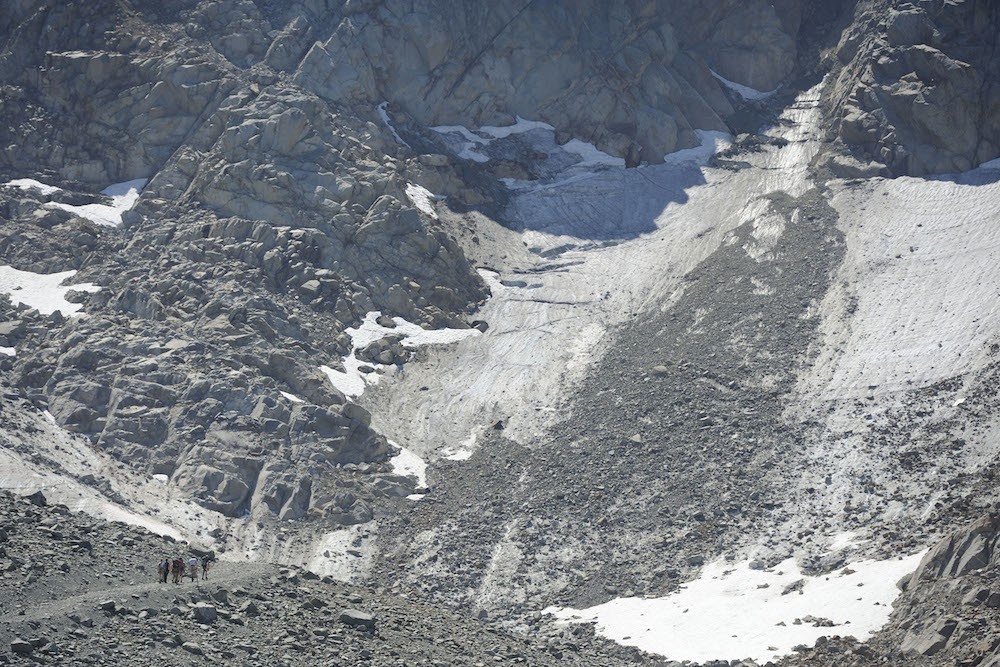
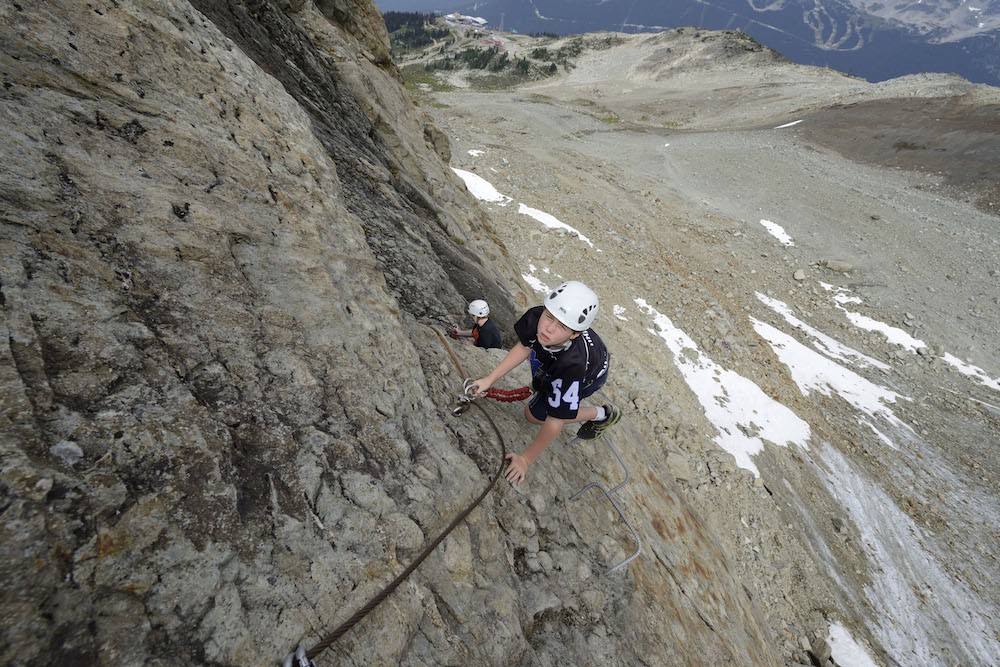
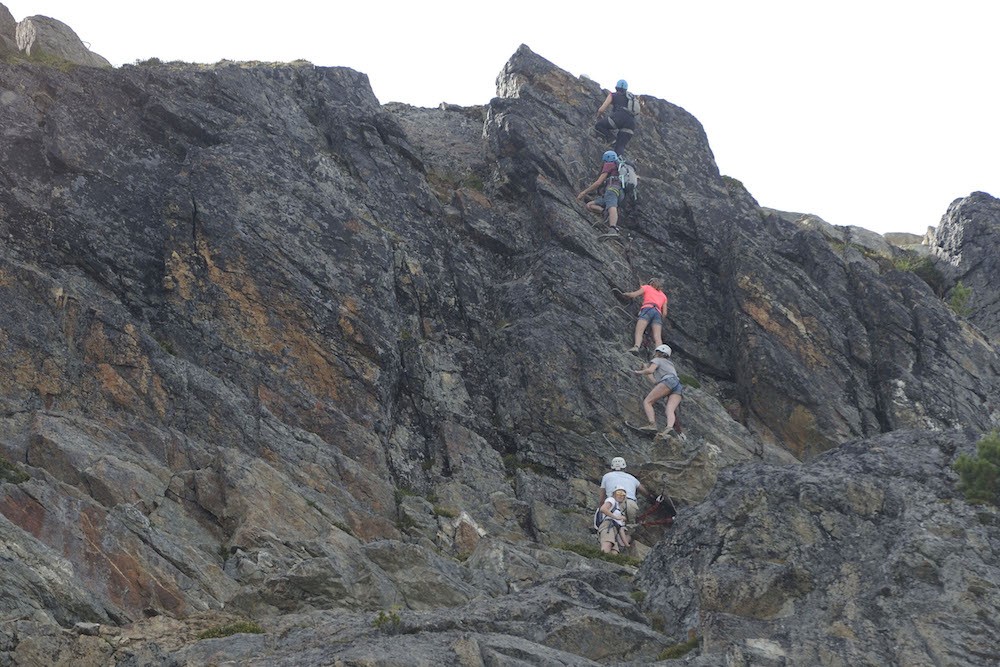
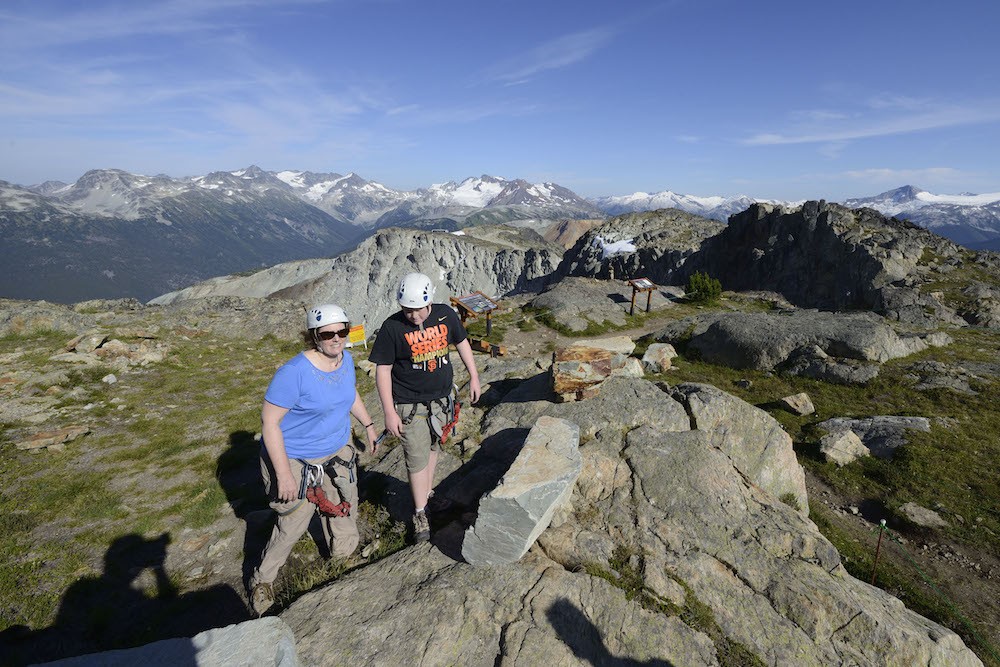
The group ahead of us (at lower left) is dwarfed by the mountain. Photo: Timothy Baker

And so, on a perfect mountain afternoon, we met our guide, Josh Majorossy, at the Whistler Alpine Guides headquarters a little above Whistler Mountain’s Roundhouse Lodge complex (elevation 6,069 feet). I saw a group returning from the morning climb and, trying to glean a little intel, asked how it was. “Brilliant,” they delivered in a British accent. Okay. But is there anything I should know about it? “It was just brilliant.” Thanks.

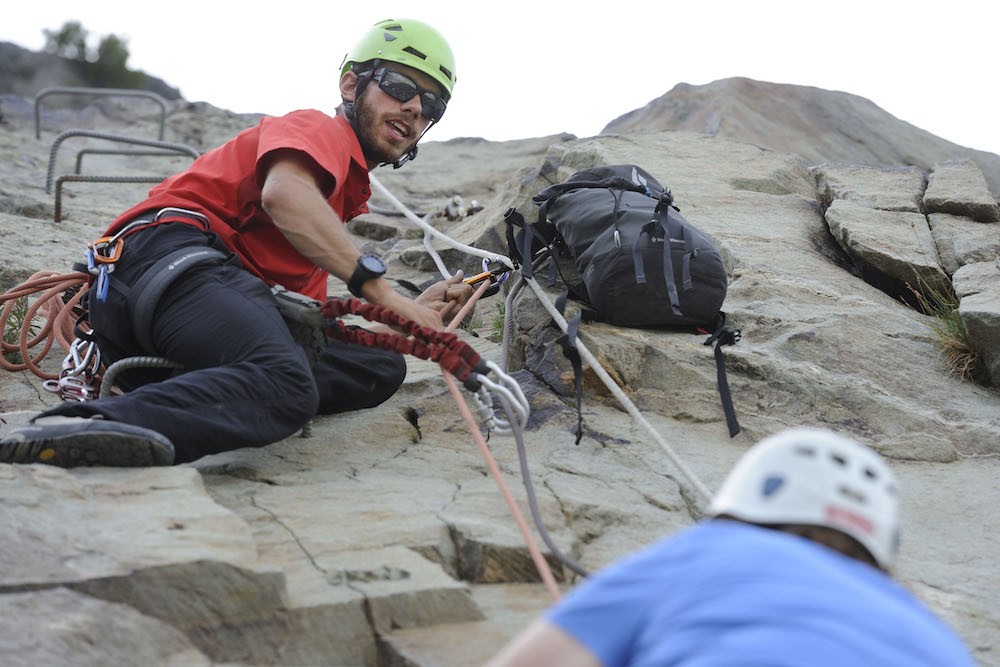
Josh was an extremely patient and laid-back fellow—a professional mountain guide who does the climb twice a day and has led hundreds of groups. He assured me that my knee would be fine. He assured Wendy that mountain-climbing novices of only average fitness can do this. “If you can climb a ladder, you can climb the mountain.”

After waiver signing (a popular Whistler tourist activity), we each got kitted up with a hard hat and a harness with two lanyards and carabiners, and we had a brief safety chat. Safety rule #1: One of your lanyards and carabiners must be attached to the safety cable at all times. Rule #2: Yell “Rocks!” if any are dislodged. Rule #3: When someone above you yells “Rocks!,” don’t look up. Rule #4: Only one person at a time can be attached to a segment of safety cable; that way, if you stumble and fall, you won’t take out the people below you.

Earlier in the season, when snow is present, you traverse the snow to the spot where the rungs start. In early August, though—when we did it—you hike down and back up again to the trail. The hike down was a simple walk, but the hike up was actually what mountain climbers call “scrambling.”

Via Ferrata whistler mountain

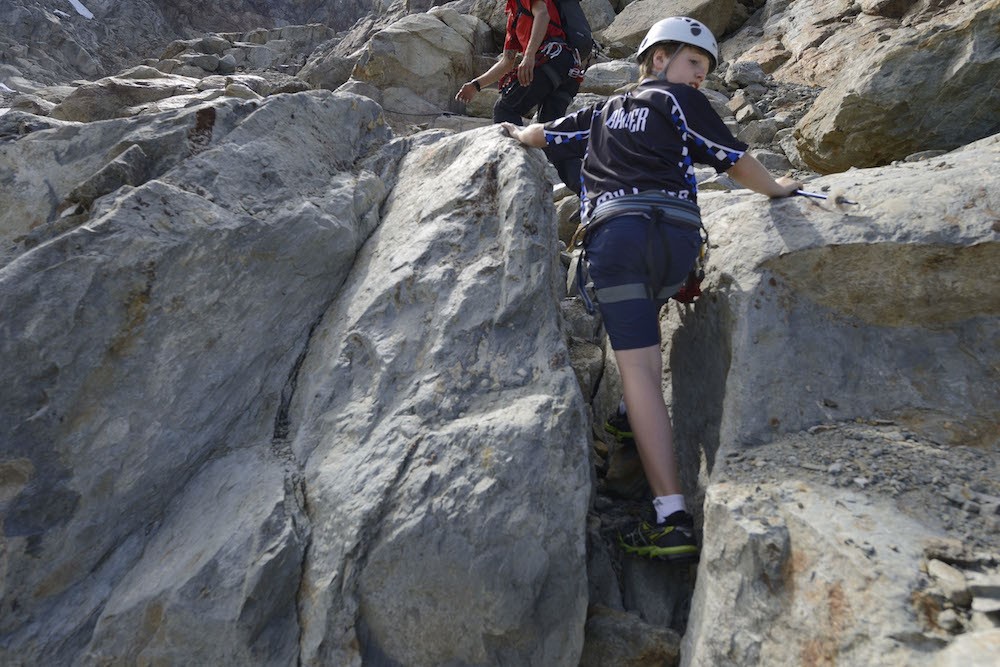
Carrying a broken ski pole he found, Doug scrambles through a crack in the rock. Photo: Timothy Baker

Scrambling is climbing and clambering over rocks freestyle, with no set trail. The boys were in boy heaven. I was worried because we weren’t to the beginning of the safety cable just yet. If they fell, other rocks would break their fall.

Via Ferrata whistler mountain

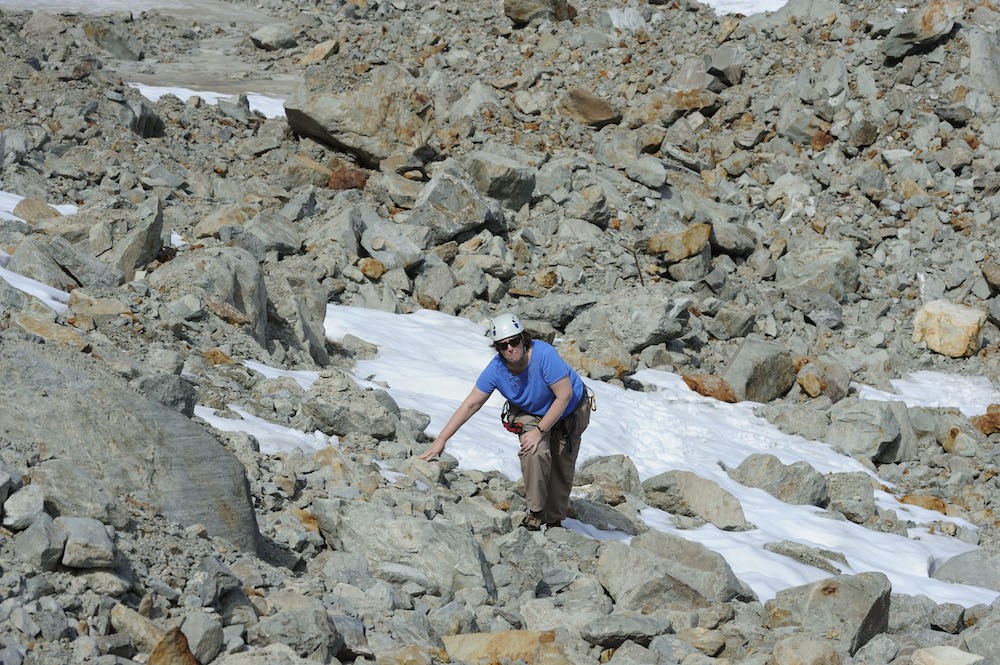
Wendy is more at home in the canyons of Manhattan than scrambling up a mountain peak. Photo: Timothy Baker

In the distance, we could see the group ahead of us. So we could see where we were expected to go. Up there? Really?

Via Ferrata whistler mountain

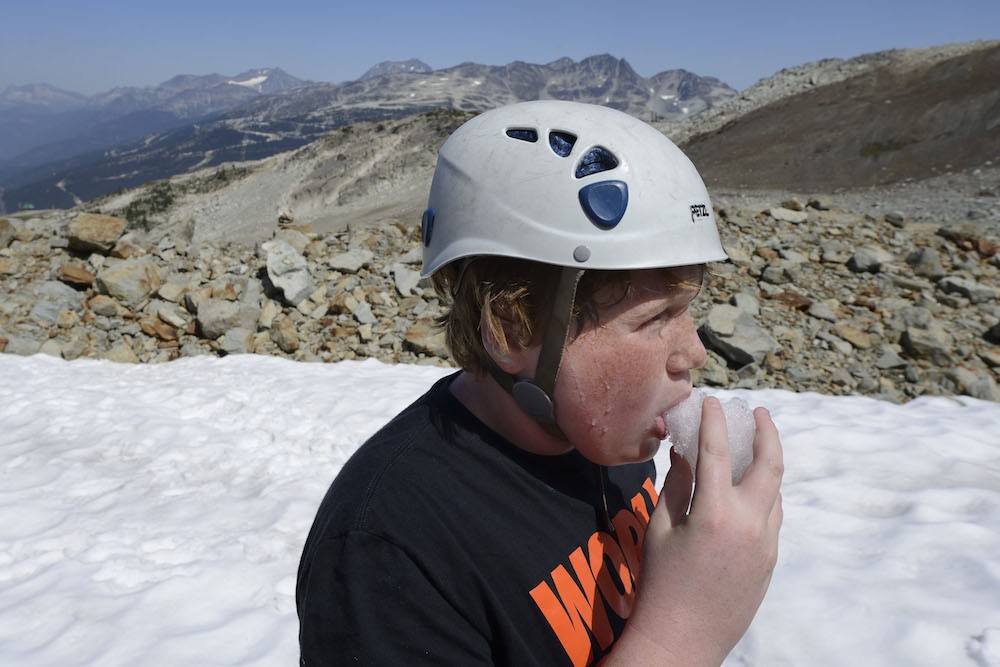
Charlie stops for a little natural refreshment. Photo: Timothy Baker

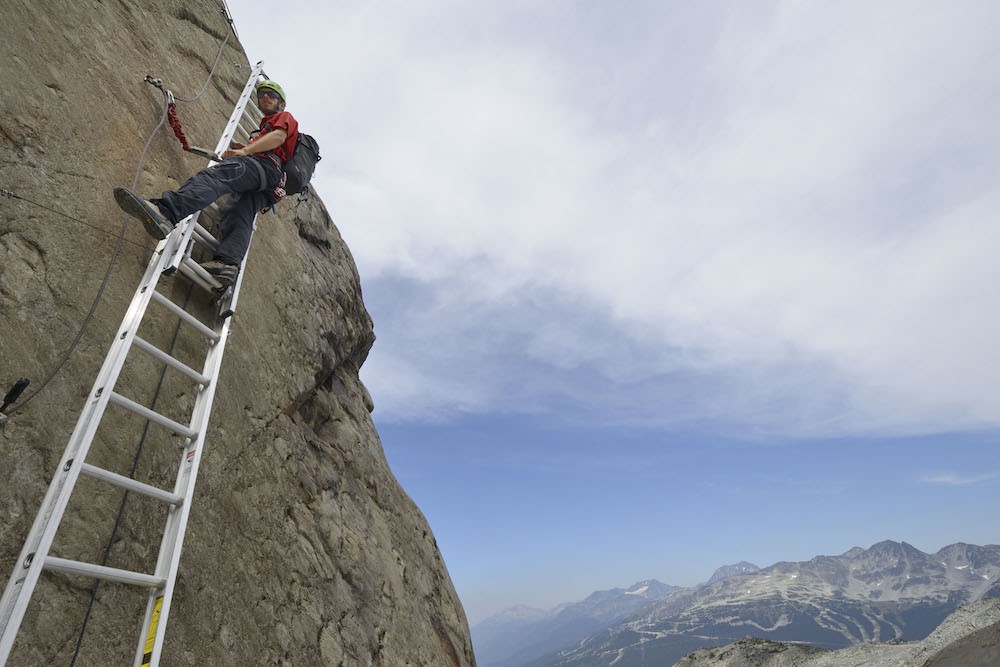
At the starting point of the climb came our first gut check. There were several aluminum ladders attached via cables to the mountain and going almost straight up.

Via Ferrata whistler mountain

Our first gut check. Josh leads the way up the ladder to the start of the trail. Photo: Timothy Baker

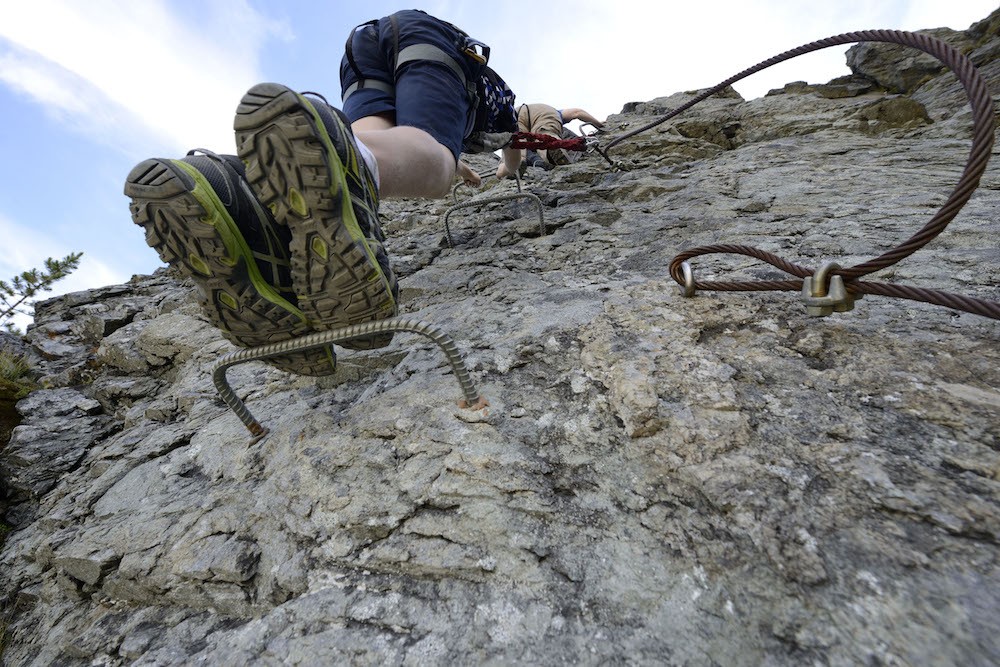
Each of us clipped both our lanyards to the first safety cable. We started the climb, leap-frogging one set of lanyards and carabiners over the other every six feet or so past where the cable was anchored.

Via Ferrata whistler mountain

Doug climbs the first series of rungs. Photo: Timothy Baker

As Dad, I was constantly watching everyone’s lanyards to make sure that the carabiners had properly attached and closed. If one of us were to stumble and fall, we would fall only as far as the next safety-cable anchor.

Via Ferrata whistler mountain

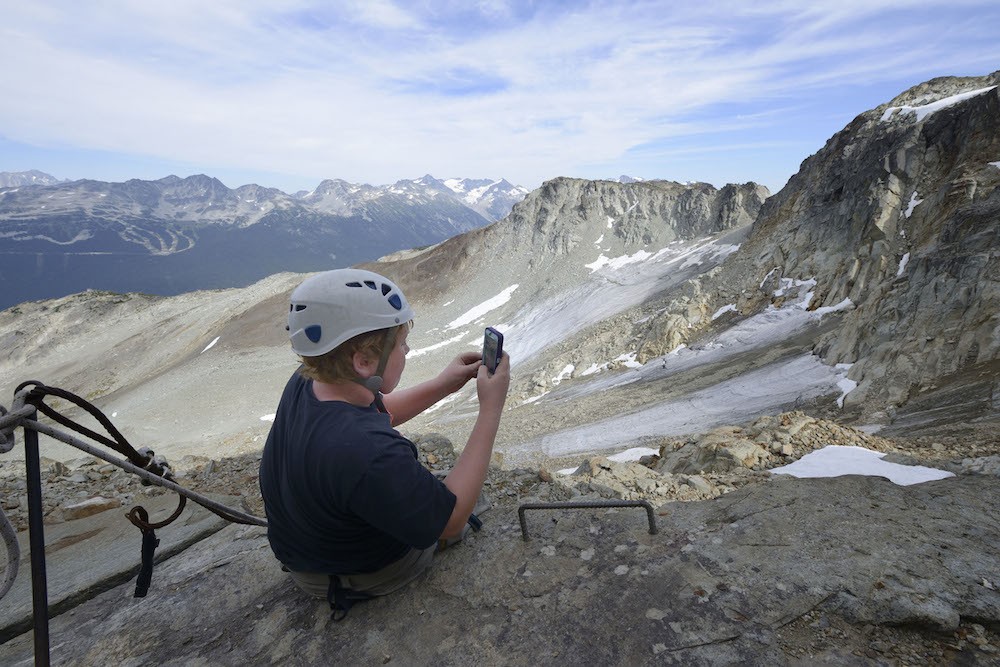
A natural ledge makes a perfect place for Charlie to use panorama mode. Photo: Timothy Baker

On several occasions we witnessed natural rock slides: Steamer-trunk-sized boulders, probably loosened by the weight and thawing of the snow and ice, broke off the mountain peak and slid down the snow chute well away from our vertical trail.

Via Ferrata whistler mountain

Back on the climb. Photo: Timothy Baker

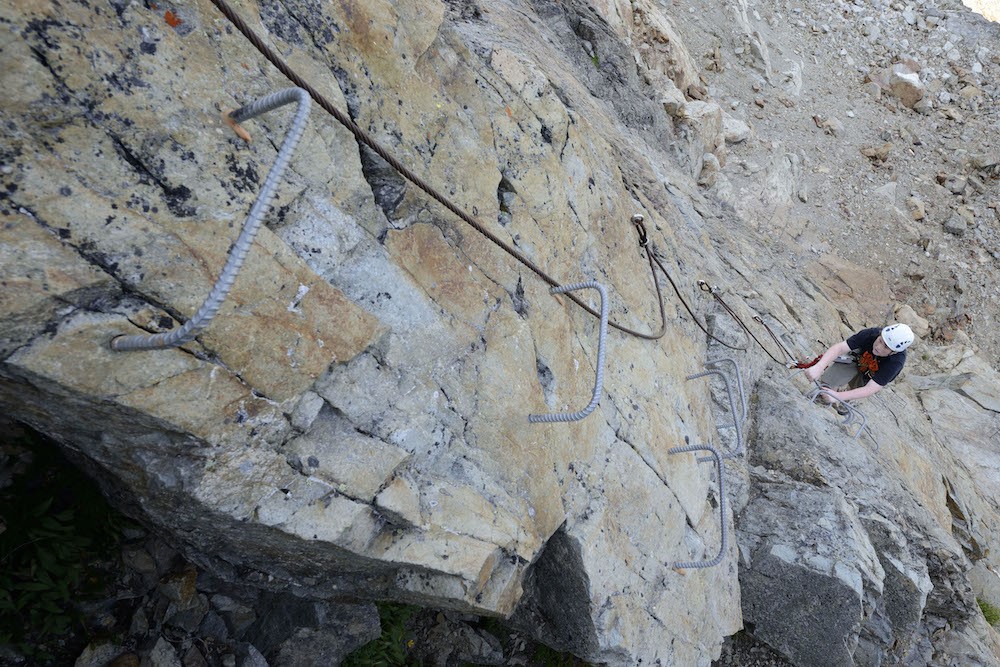
The rungs themselves are not actually iron. They’re steel rebar inserted into holes drilled into the rock and epoxied in place. (“Via Rebar” just doesn’t sound exotic enough for marketing.) The experience is sometimes like climbing a ladder, but sometimes the rungs are at uneven intervals, or are offset, or both. In several spots there were no rungs at all, as there were natural handgrips and footholds in the rock. Josh challenged us to try not to use the rungs if we could use the natural rock (while still attached to the safety line, of course). The boys took the challenge whenever they could. Wendy did not.

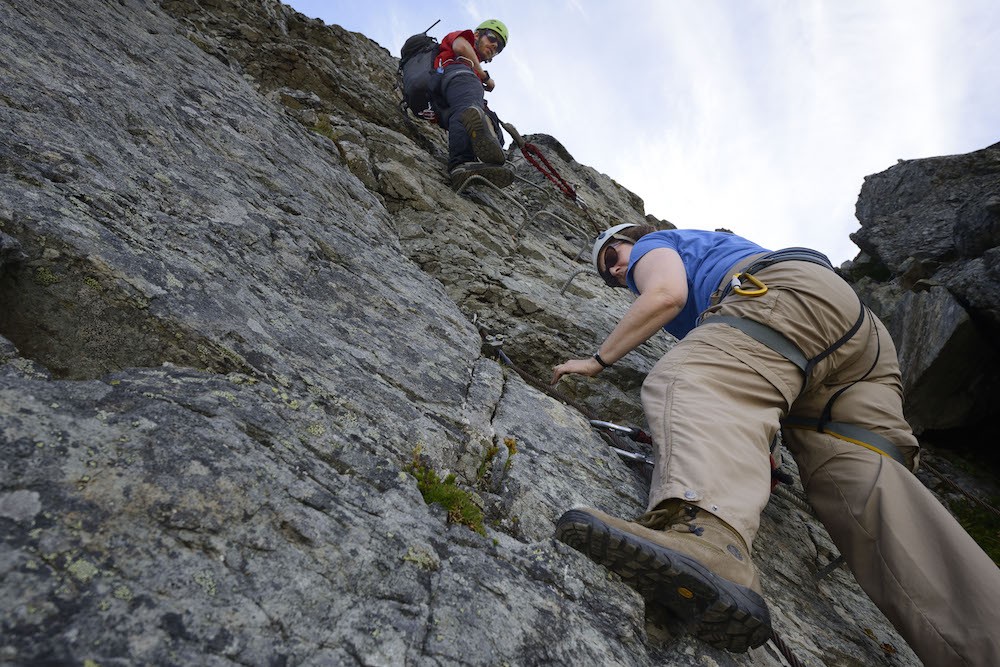
There were a couple of tricky sections (called “technical” by real mountain climbers) where a bit of reach was needed to grab the rungs. On the toughest section, it was a little like a game of Twister. (Left foot blue. Right hand blue.) In that section Wendy needed encouragement from Josh (and his climbing rope).

Via Ferrata whistler mountain

Mountain guide Josh gives Wendy a little physical encouragement. Photo: Timothy Baker

Via Ferrata whistler mountain

If the toes of Doug’s shoes give out, I’m wearing him. Photo: Timothy Baker

Via Ferrata whistler mountain

From below, we could see the early group on the last section of the climb. Photo: Timothy Baker

Via Ferrata whistler mountain

Wendy uses a natural foothold where there weren’t any rungs. Photo: Timothy Baker

We probably took a little more time than most groups because I didn’t want to unnecessarily stress my knee or my wife. The final “push” to the top of the trail—at 7,160 feet—was straight up. As we cleared the top of the trail, it was a little weird to see all the people who had ridden the chairlift up.

Via Ferrata whistler mountain

The summit. The views were our reward. Photo: Timothy Baker

Typically we are them: mere passengers in our adventure travels. This time, though, we had gotten up there the hard way—and it gave us a sense of accomplishment that is rare. We also felt relief that (1) we were coming back with the same number of (un-mangled) kids we’d started with. (2) I didn’t need to be winched off the mountain because of my knee. (3) None of my cameras had smashed into the rocks. This was Alpine Climbing 101 and a great introduction to a sport I will never take up.

In the end, the Via Ferrata turned out to be a wonderful family experience—and probably yielded our 2015 Christmas card photo. Yes, we had sore muscles, but we were able to soothe them that night with umbrella drinks in the Fairmont Chateau Whistler’s hot tubs.

From now on, when we hear of a ski or mountain-bike competition at Whistler, we’ll smile to ourselves and think: We conquered that mountain!

Need to know:

  • Via Ferrata can be found all over the world.
  • Bring a wide-angle lens and wear your camera strap so that the camera won’t smash against the rocks.
  • Bring a light jacket or windbreaker. The weather can get a little chilly at the summit, even when it’s warm down in the valley.
  • Hiking boots are very useful, but 11-year-old Doug had no problems with a harder soled sport shoe.
  • Long pants are a good idea. They can handle scrapes better than your skin.
  • Go at your own pace. Take the afternoon trip so you are not worried about holding up another group. You may want to hire a guide for a private tour.
  • Bring a bottle of water. If the streams are running, empty out the bottle and refill with that delicious water.
  • We left our sandals and comfortable shoes at the Alpine Guides hut. Nice to get off our boots and put those on after the climb.
  • Light gloves are suggested. The safety cable can have a few burrs in it, and you may find yourself grabbing it.
  • Use the bathroom before you start.
  • Don’t forget to enjoy the magnificent panoramas.

Whistler isn’t the only ski resort where you can enjoy a multitude of warm-weather adventures; find more ideas in Summer Vacation at a Ski Resort? Yes, and Here’s Why. If you’d like help planning your own trip to Whistler (or Vail, or Park City…) click on the black button below.

GET A PERSONALIZED TRIP RECOMMENDATION


Be a smarter traveler: Sign up for Wendy’s weekly newsletter to stay in the know. Read real travelers’ reviews, then use the black CONTACT buttons on Wendy’s WOW List to reach out to the right local fixer for your trip.

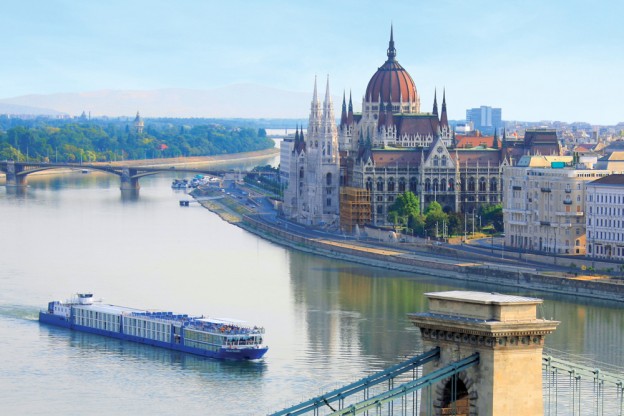
Budapest River Cruise

Planning a Cruise? Avoid These Rookie Travel Mistakes

Part of the reason for the growing appeal of cruises is that they remove a lot of the stress and logistics from travel. You get on the boat, and you enjoy. Easy. The tough part comes beforehand, when you have to decide which cruise is right for you: Big ship or little ship? Ocean or river? Exciting expedition boat or leisurely barge? And where in the world should you go?

There are so many factors that affect the success of your cruise that it’s easy to make a rookie mistake. That’s why I have a special section of my WOW List of Trusted Travel Experts dedicated solely to cruise travel agents. Here, I’ve asked them to share the biggest blunders they see travelers make when it comes to arranging a cruise vacation. Fortunately, these are easy mistakes to avoid when you book your trip through a savvy cruise specialist.

Celebrity Reflection cruise ship

The Celebrity Reflection cruise ship. Photo courtesy of Celebrity Cruises

European Cruises
Planning to board the ship the same day you fly into port. You want to book a flight that gets you to your embarkation port city at least the day before, since there’s always the chance of an airline delay and you don’t want to risk missing the ship.
—Tom Baker, Trusted Travel Expert for Affordable Large-ship Cruises

Read Tom’s Insider’s Guide to Affordable Mediterranean Cruises and contact Tom to get the best possible trip.

Asia Cruises
Sleeping on the ship when it overnights in a location where the port is far from the city. In Bangkok, where the ships dock 90 minutes from town, overnighting in a hotel will cost a bit more, but it can save you six hours of driving back and forth over two days. In Shanghai, pay attention to where your ship docks; smaller ships, like the Crystal Symphony, can get right downtown, whereas bigger ships must dock 90 minutes away.
—Mary Jean Tully, Trusted Travel Expert for Luxury Small-Ship Cruises

Read Mary Jean’s Insider’s Guide to Asia Cruises and contact Mary Jean to get the best possible trip.


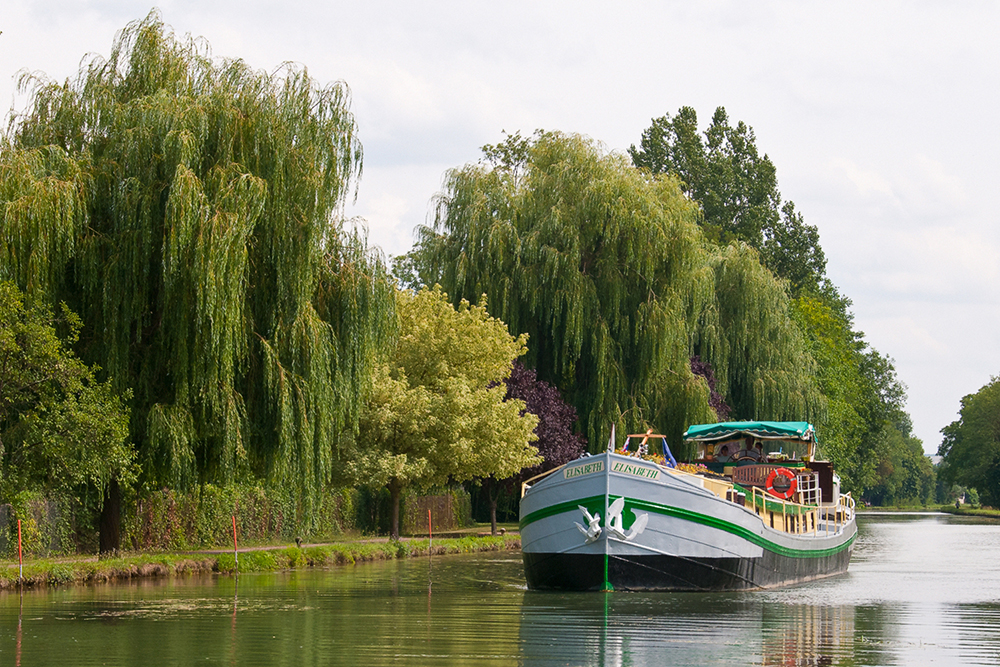
Barge Elisabeth in Burgundy. Photo courtesy Barge Elisabeth.
Barge Elisabeth in Burgundy. Photo courtesy Barge Elisabeth.
European Canal Barge Cruises
Expecting to cover as much ground as you would on a river cruise. Barges cruise at four miles per hour, and never at night—you could walk faster than the barge moves! Itineraries are six nights long (beginning either on Saturday or Sunday) and travel 30 to 50 miles deep in the countryside. Canal barging is about getting to know a small area intimately and thoroughly.
—Ellen Sack, Trusted Travel Expert for European Canal Barge Cruises

Read Ellen’s Insider’s Guide to European Canal Barge Cruises and contact Ellen to get the best possible trip.
Antarctica Cruises
Selecting an itinerary that’s too short. A trip to Antarctica is an investment of not just money but also time. It takes several days to reach the continent (including crossing the Drake Passage), and because of unpredictable sailing conditions, an extra two to four days can make a significant difference in your experience. Eleven-day itineraries provide a cushion for challenging weather conditions. I’d also encourage you to build in an extra day or two to relax when you arrive in Argentina or Chile (the usual points of embarkation) so that you’ll be refreshed and more present with the experience once you reach Antarctica. I have never met anyone returning from the Great White Continent who complained that the trip was too long—rather, people wish they’d had more time.
—Ashton Palmer, Trusted Travel Expert for Small-Ship Expedition Cruises

Read Ashton’s Insider’s Guide to Antarctica Cruises and contact Ashton to get the best possible trip.

Paula Froelich

Interview with an Expert Traveler: Yahoo Travel Editor-in-Chief Paula Froelich

Paula Froelich used to be a gossip columnist. Not just any gossip columnist — the deputy editor of the New York Post’s Page Six. And then she quit. Without a plan. Without another job lined up. Why? Because Froelich is one of those enviable people who had a dream and went for it, giving up a seemingly ideal job to do something that she’d wanted to do since she was a kid: travel.

When she left New York, she had no idea she’d return and have the chance to helm Yahoo! Travel, where she’s been editor-in-chief since the spring of 2014. She just wanted to ride a camel, as she says in one of the first columns of her A Broad Abroad web series of stories and videos. She wanted to be brave again. And we know the feeling. There’s something about travel that builds muscle—the kind that opens your mind and your heart. That’s one of the reasons I find it so important to take my kids with me when I travel.

In the two years that Paula’s been at Yahoo! Travel, she’s continued to be fearless. She’s spent a night as a man in London, wrestled with a luchador in Mexico, gone behind the veil in the Middle East, and surfed (and later thrown up from motion sickness) with Eric Ripert. We spoke to her recently to find out more about what keeps her going.

As part of her A Broad Abroad series, Paula got in the ring with Mexican wrestler Dragón Rojo Jr. Photo: Andrew Rothschild/Yahoo Travel

As part of her A Broad Abroad series, Paula got in the ring with Mexican wrestler Dragón Rojo Jr. Photo: Andrew Rothschild/Yahoo Travel

Most memorable travel moment:

There are so many! They usually involve life-changing realizations, new friends, and possibly a bottle of Johnnie Walker.

Most embarrassing travel moment:

Being caught with my pants down, literally, in India, by an entire village in Rajasthan.

Name one thing people would be surprised to find in your travel bag:

Nicotine mints. I live on them.

Touristy spot that’s actually worth it, and the trick to doing it right:

San Juan: If you know the right places and the right people, it is heaven. Puerto Vallarta: Leave the resorts and go on the street taco tour. Also, Paris…because you can never go wrong with French food.

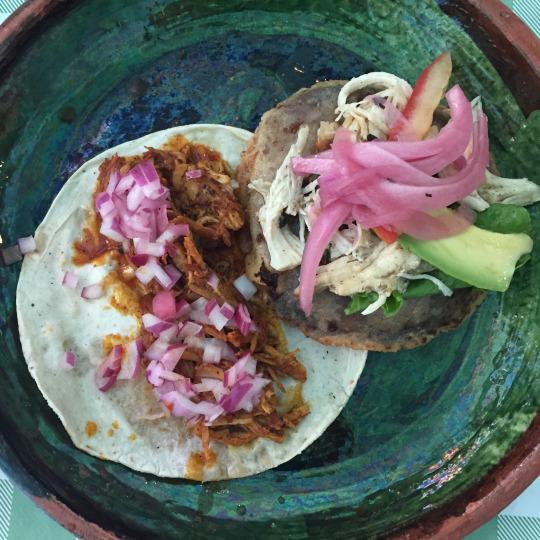
"The best food in Mexico is most likely found on the street, sold out of a shanty-like stall or the back of a truck." Photo by Paula Froelich

“The best food in Mexico is most likely found on the street, sold out of a shanty-like stall or the back of a truck.” Photo by Paula Froelich

Non-touristy spot everyone should add to their must-visit list:

Kurdistan in Northern Iraq is lovely—and safe.

Name the indispensable apps you use when you travel:

Uber, Currency (the currency exchange app), and Kayak

The travel gadget or gear that has saved your life…or your mind:

Is an iPhone travel gear? I am obsessed with my Skullcrusher headphones, as they drown out all noise and everyone/thing!

Choose any two travel-world bloggers and tell us the most important thing you’ve learned from each:

Robert Reid: that you can play the clarinet like a minstrel all over the world and still make friends. Annie Fitzsimmons: to be kind to everyone.

Whose tweets do you find the most useful and entertaining when you see them in your feed?

Heidi Moore, Bevy Smith, D Listed (a laugh-out-loud funny site), @hautemuslimah, Greg Garry

Name one way the travel industry can do better:

I’m a huge fan of better customer service: putting customers first and treating them well. For example, the Four Seasons: They have lovely customer service and always remember your name and preferences, even if you haven’t stayed with them for years. If there’s an issue, they take care of it immediately and don’t make you feel odd or weird. They also don’t overcharge or upsell like some other hotels. There is one upscale chain I’m thinking of that overcharges for Wi-Fi, doesn’t put coffee machines in the room, and charges you for every single thing so that at the end of the day, it’s basically double per night than the quoted rate. It’s annoying, especially when Holiday Inn gives free Wi-Fi. If I had the money, I would always stay at a Four Seasons— because they earned it.

Look into the future and describe one aspect of travel that you think will be different in 20 years:

There will be no TVs or phones in the room. You can control everything from your iPhone. There will also be Star Trek transporters. Hopefully.

Most effective thing you’ve ever said or done to get an upgrade or a special perk while traveling:

Be nice. It works.

To make friends, I always carry:

A smile

 In Oman, Paula tried out a burqa with the help of a new friend, a very traditional Bedouin woman.  Photo: Andrew Rothschild/Yahoo Travel

In Oman, Paula tried out a burqa with the help of a new friend, a very traditional Bedouin woman. Photo: Andrew Rothschild/Yahoo Travel

Overrated:

Wi-Fi and the speed of travel

Underrated:

Slow travel

If you were in my car during a road trip, you’d hear me singing:

Anything found on the Dwight Yoakam iTunes radio station

The airplane movie that, unexpectedly, made me bawl was:

Bridesmaids. I blame lack of oxygen.

When I travel, I’m not afraid of:

War zones

…but I am afraid of:

Sharks, crocodiles, and pigeons. I really hate pigeons.


Follow Paula:
Twitter: @pfro
Instagram: @pfro
Facebook: www.facebook.com/paula.froelich
Watch her A Broad Abroad series

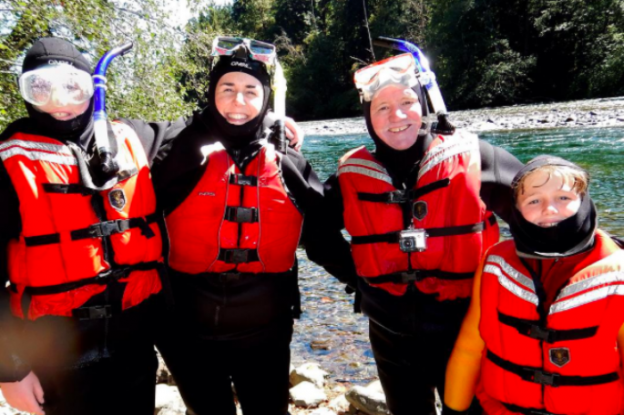
Snorkeling with salmon in British Columbia, Canada

My Extreme Week in Canada: Photos

I’ve been in British Columbia this past week, being dragged along on every adventure-sport activity you can imagine. My son Doug says he wants to move to Whistler because “everything you could ever want is there.” Of course, that all depends on whether what you want is to climb a mountain peak, speed down an Olympic bobsled run, or scream across the longest zip-line in the U.S. and Canada. Before Whistler, we were in the Discovery Islands, where we soared in helicopters and seaplanes, snorkeled with pink salmon, and fished for chinook.

While I’m not exactly Ms. Extreme Sports, I’ve been enjoying this shot of Canadian adrenaline with my boys. Here’s a look at some of the fun experiences we’ve had this week, along with a few of the mouthwatering B.C. foods we’ve been tasting. I’ll be sharing much more detailed information and advice about all these places and activities soon, so stay tuned. In the meantime, enjoy these Instagram photos from our trip, and let me know in the comments where your next great adventure will take you!

Helicopter ride up the Strait of Georgia to the Discovery Islands and @sonoraresort.

A photo posted by Wendy Perrin (@wendyperrin) on

We made it! Greetings from the top of @whistlerblackcomb. #ExploreBC

A photo posted by Wendy Perrin (@wendyperrin) on

The New Jersey bobsled team never misses an opportunity to practice. @whistlerblackcomb @slidingcentre

A video posted by Wendy Perrin (@wendyperrin) on

#Iwasterrified #thekidswanttodoitagain #ViaFerrata #mountainclimbing @whistlerblackcomb @whistlerguides

A photo posted by Wendy Perrin (@wendyperrin) on

#chocolate #fondue @fairmontwhistlr: #Nirvana

A photo posted by Wendy Perrin (@wendyperrin) on

Answer: Five of them.

A photo posted by Wendy Perrin (@wendyperrin) on

20 Reasons Why You Should Go to Iceland

Wendy’s husband, Tim, here. I’m the one who surprised her with the trip to Iceland last week. In Iceland you can pack a diverse mix of dramatic landscapes—waterfalls, volcanos, geothermal pools, glaciers, geysers, black sand beaches—into just one short trip. Here’s a taste of what we saw in just six days there.

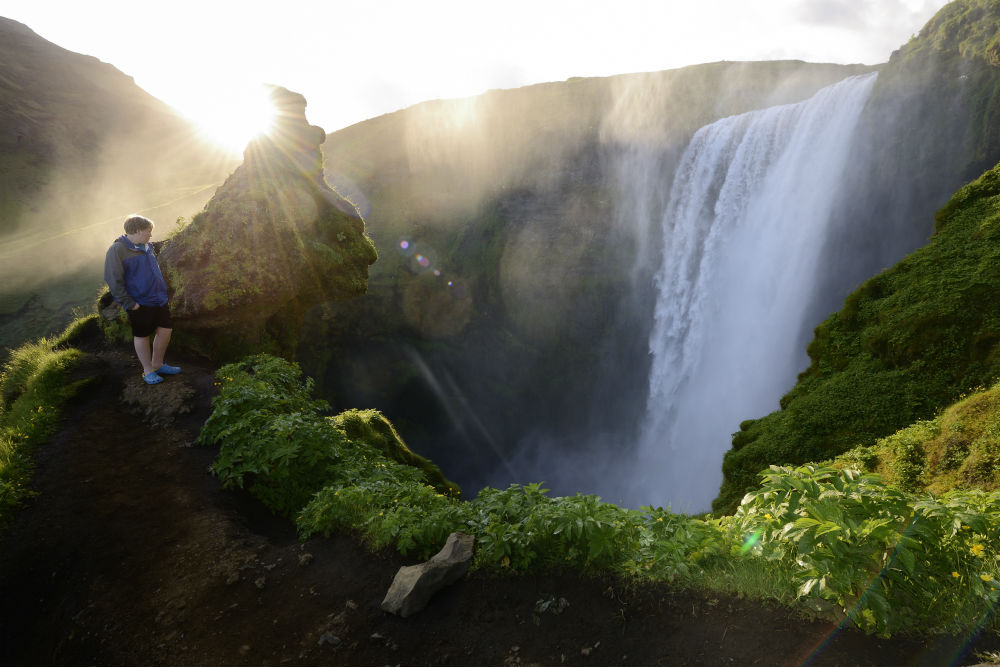
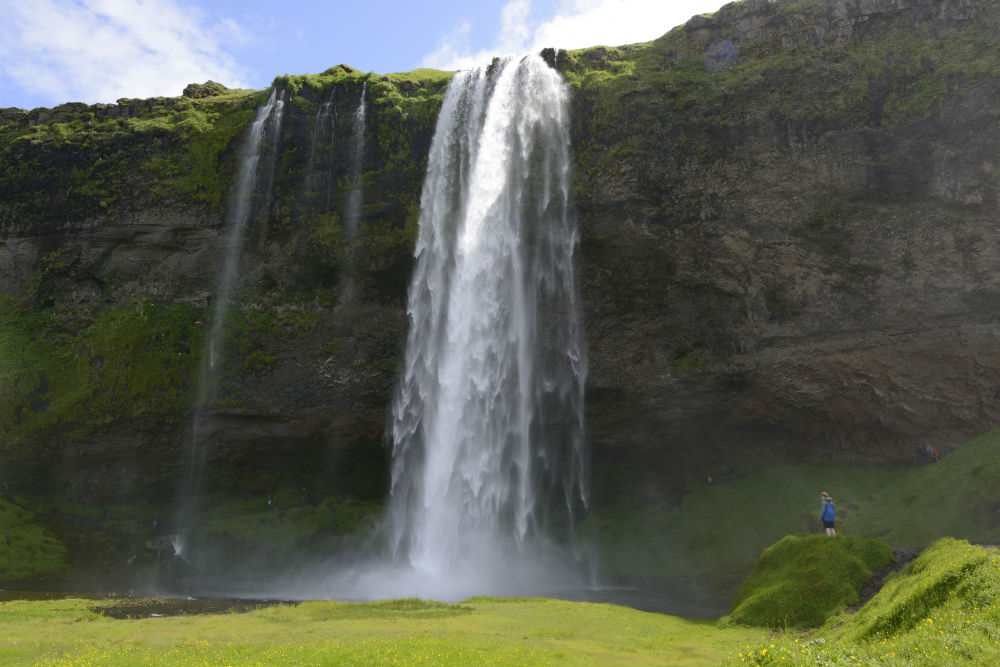
1. You can hike to a platform at the top of Skogafoss waterfall, on Iceland’s southern coast, but the best view is about three quarters of the way up. That’s where Charlie was standing when I shot this photo.

1 Charlie Skogafoss DSC_6932

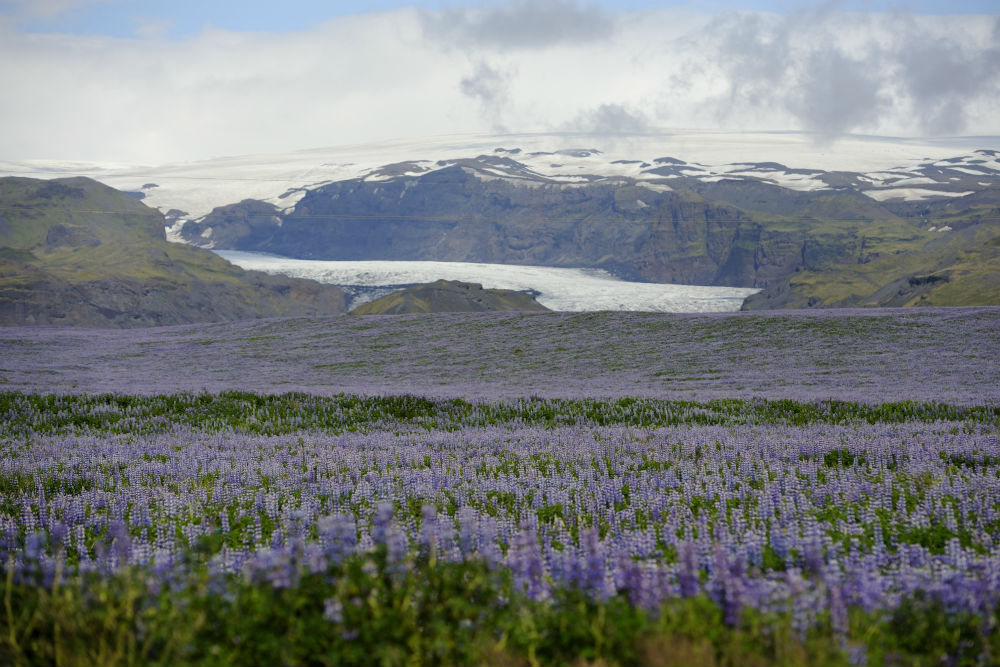
2. Lupines galore in the foreground of a glacier near Vik, on Iceland’s southern coast

2 lupines near Vik D30_9267

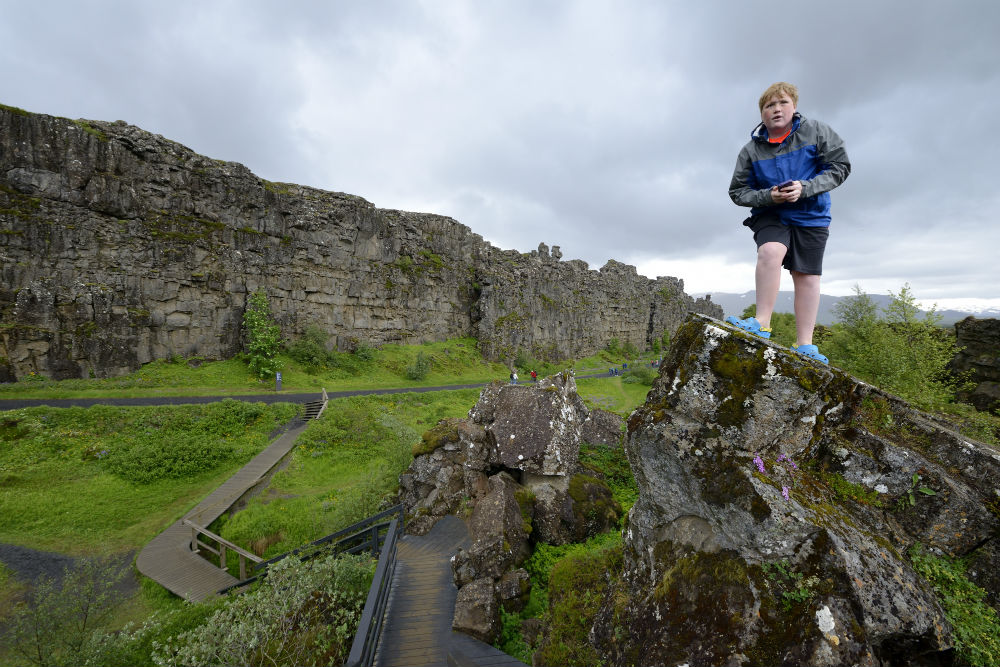
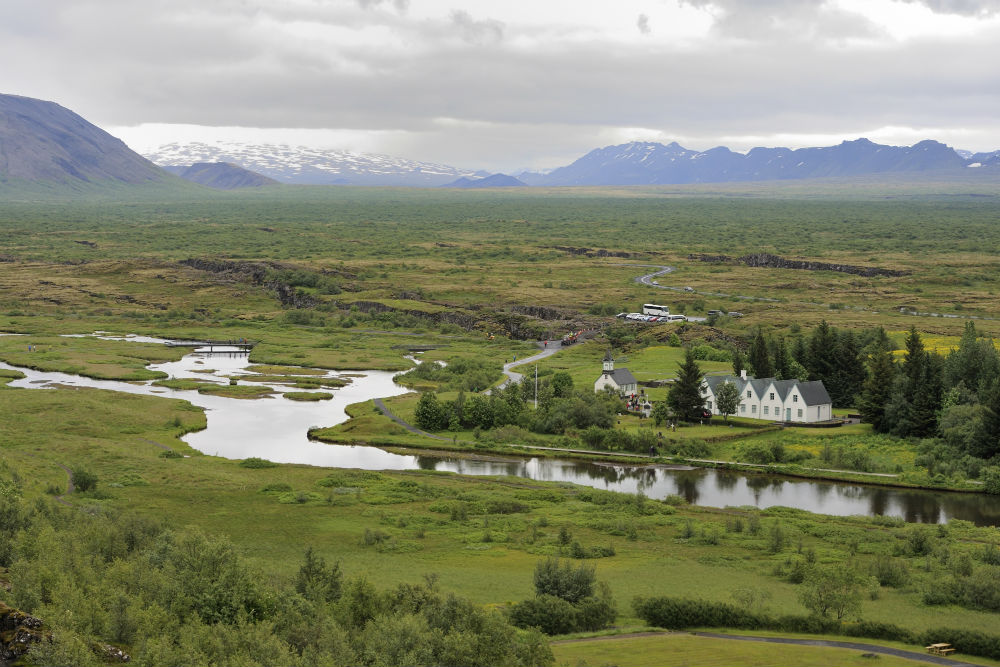
3. You can walk between the Eurasian and North American tectonic plates at Thingvellir National Park. The plates pull away from each other 2 centimeters every year. Thus all the volcanic activity in Iceland.

3 Charlie Thingvellir DSC_6416

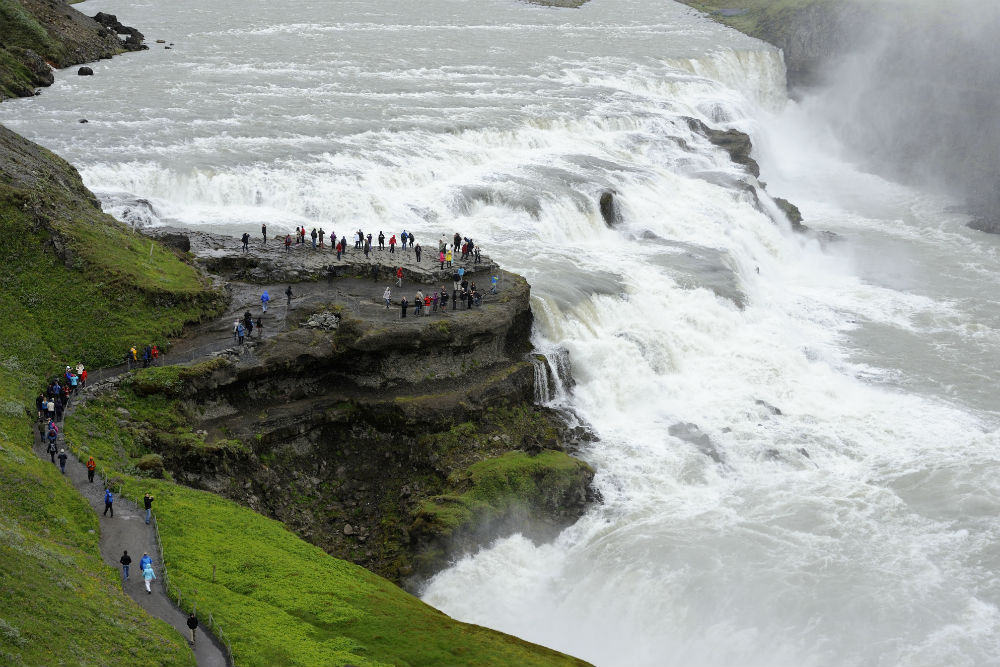
4. Gullfoss waterfall, one of Europe’s largest, on the Golden Circle loop.

4 Gullfoss D30_9112

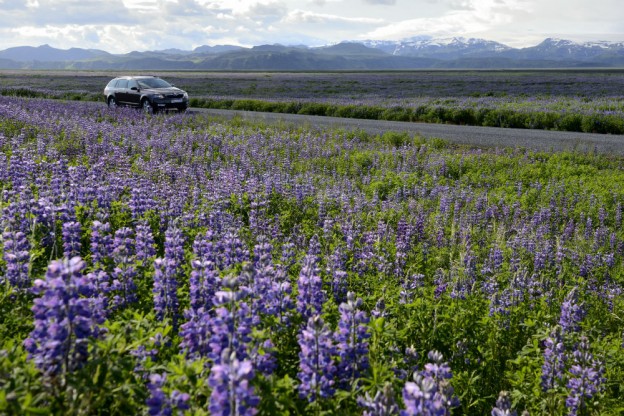
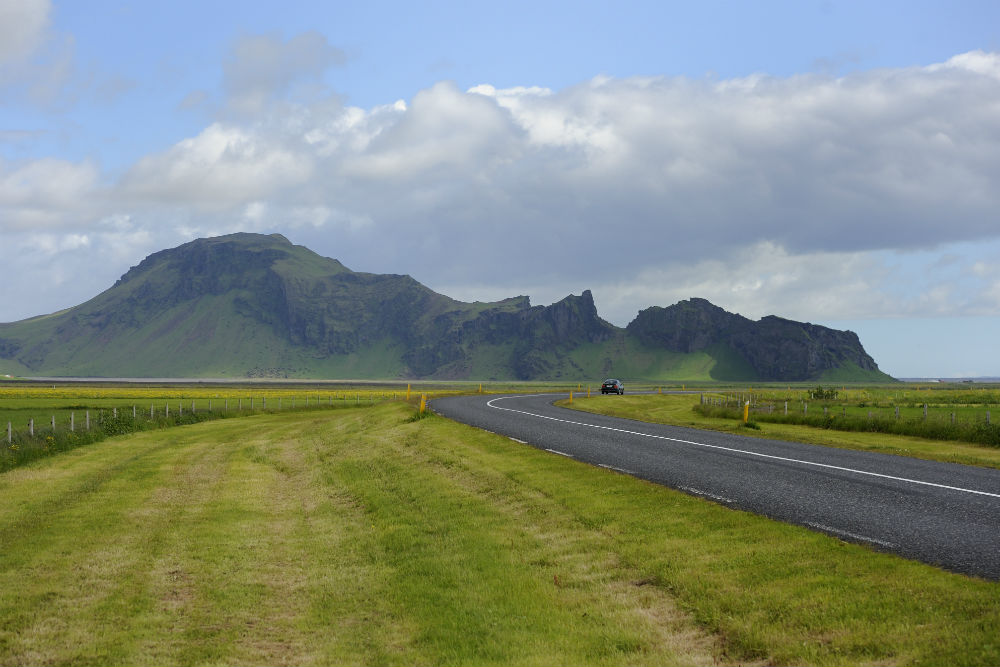
5. Go ahead and rent a car. The roads are in excellent shape and quiet, the wide-open scenery makes for stress-free driving, and the 90 km speed limit is strictly adhered to. Just be sure to purchase the windscreen/gravel protection insurance. This is Highway 1 on the southern coast.

5 south coast highway 1 near Eyjafjallajokull D30_9266

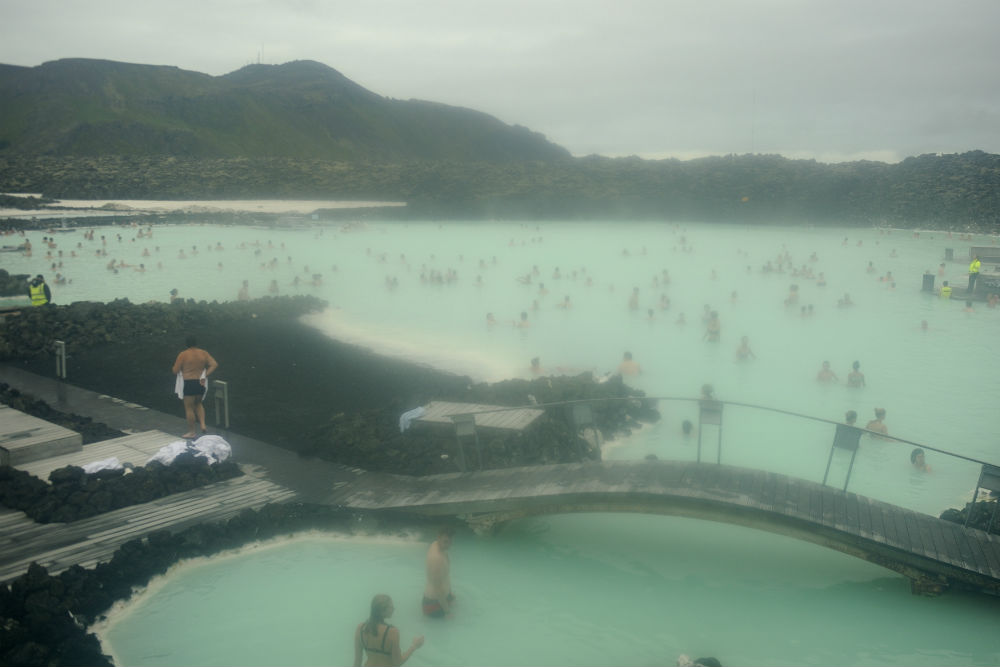
6. Located en route from Keflavik International Airport to Reykjavik, the Blue Lagoon makes for a reinvigorating antidote to jet lag after a long flight. Make sure you try the silica mud mask.

6 Blue Lagoon aerial overview D30_8886

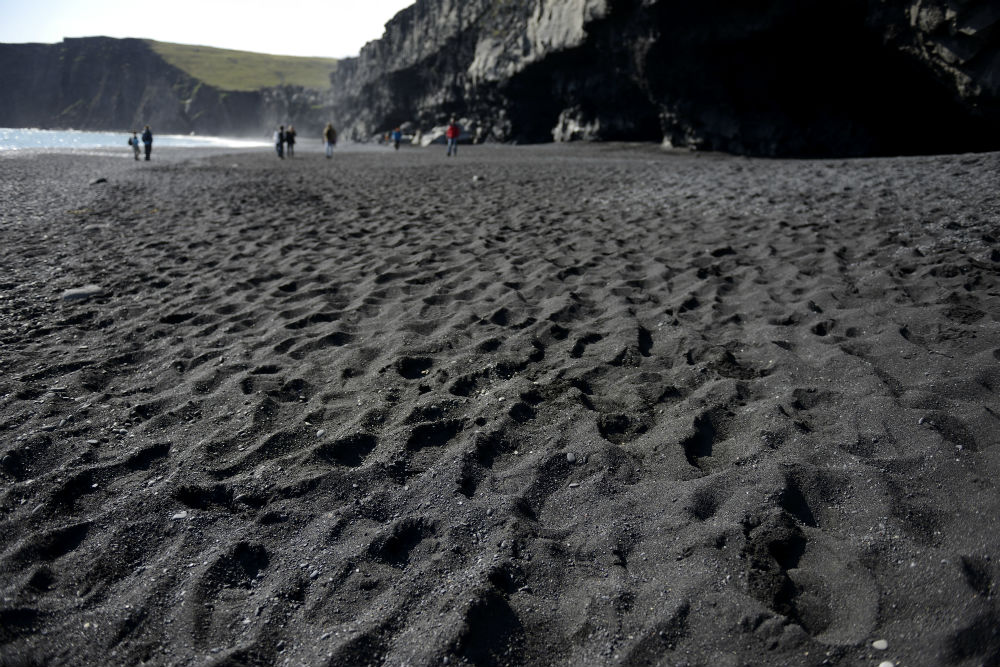
7. The black sand beach at Dyrholaey, near Vik.

7 black sand beach DSC_6815

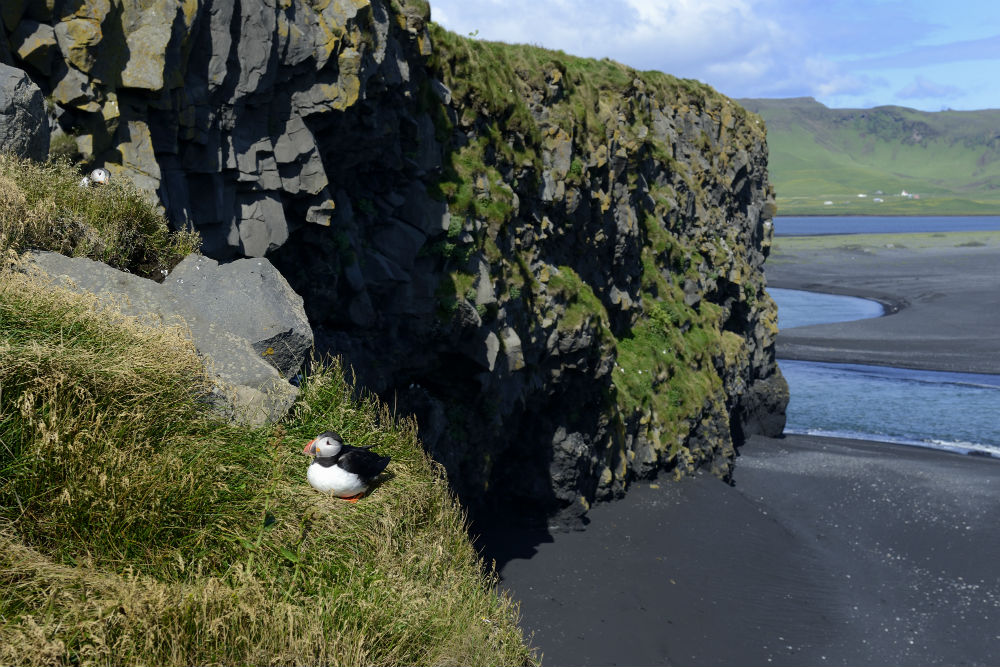
8. Right off the parking lot for the black sand beach, we got within 20 feet of dozens of puffins nesting on the cliff faces. So there’s no need to spend money on a puffin specialty tour.

8 puffin on black sand beach DSC_6800

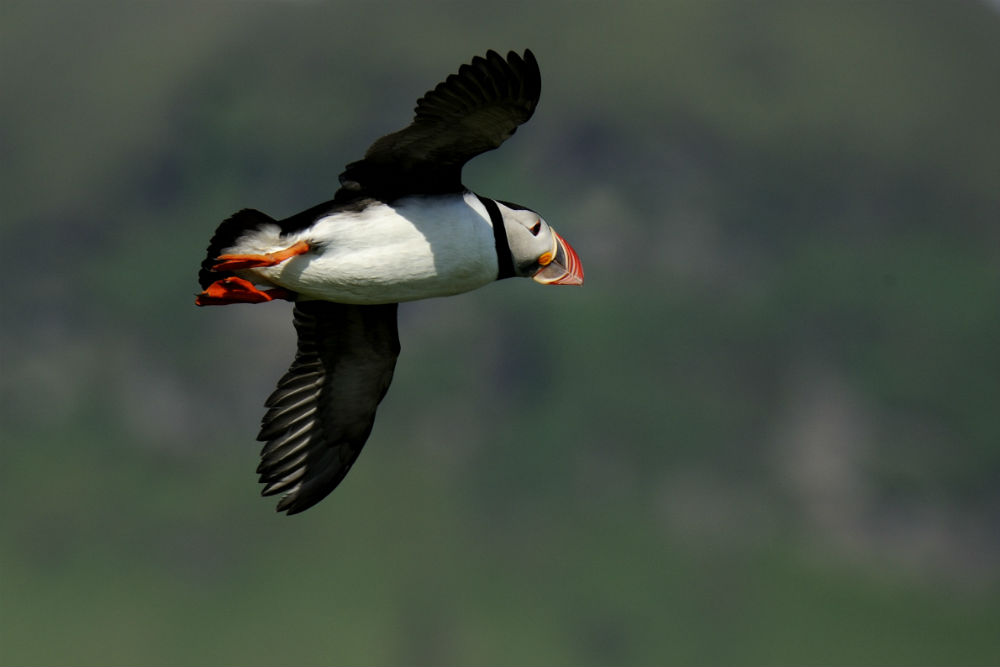
9. One puffin takes flight.

9 puffin flying D30_9324

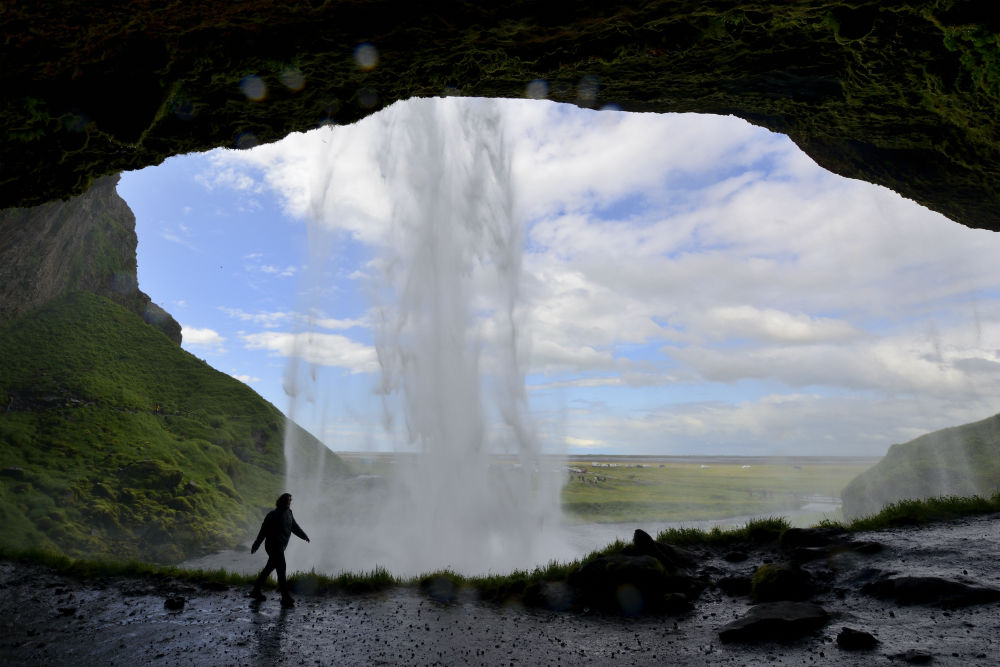
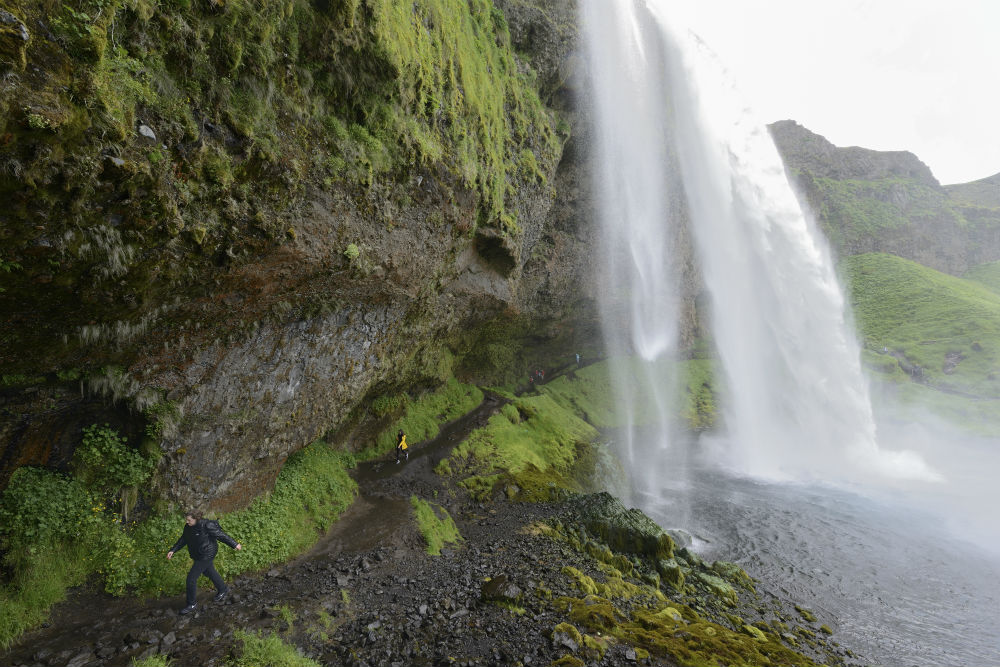
10. Seljalandsfoss waterfall, on Iceland’s southern coast. This is the waterfall you can actually walk behind.

10 Seljalandsfoss DSC_6668

11. Wear raingear if you plan to walk behind Seljalandsfoss waterfall the way Wendy did. You will get drenched.

11 Seljalandsfoss DSC_6706

12. Here’s Wendy emerging on the other side of Seljalandsfoss waterfall.

12 Seljalandsfoss DSC_6732

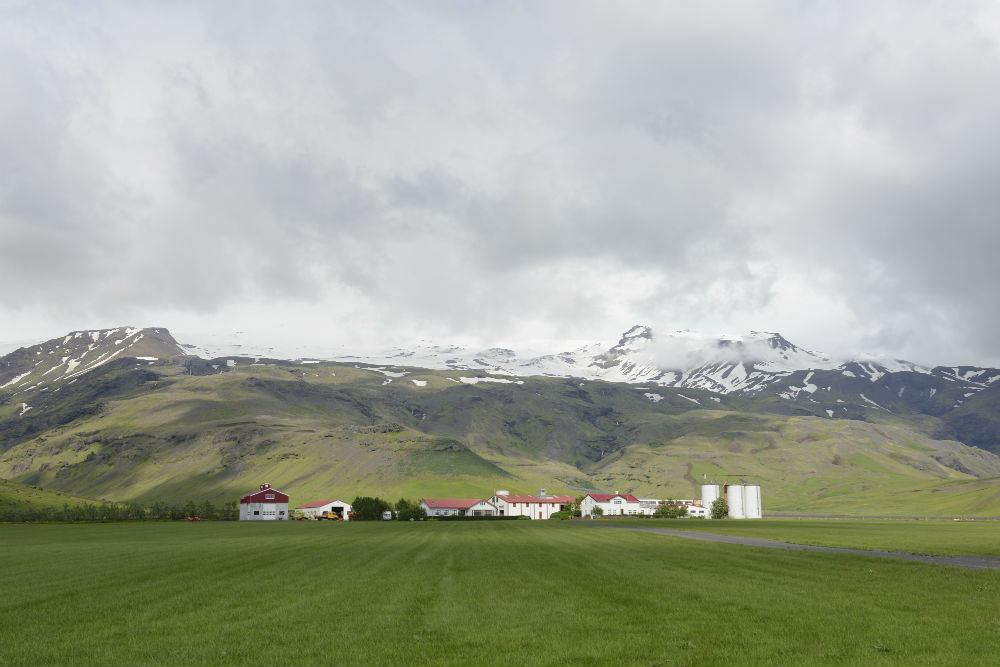
13. That’s Eyjafjallajokull, the volcano that erupted in 2010, shutting down European airspace for a week.

13 Eyjafjallajokull DSC_6776

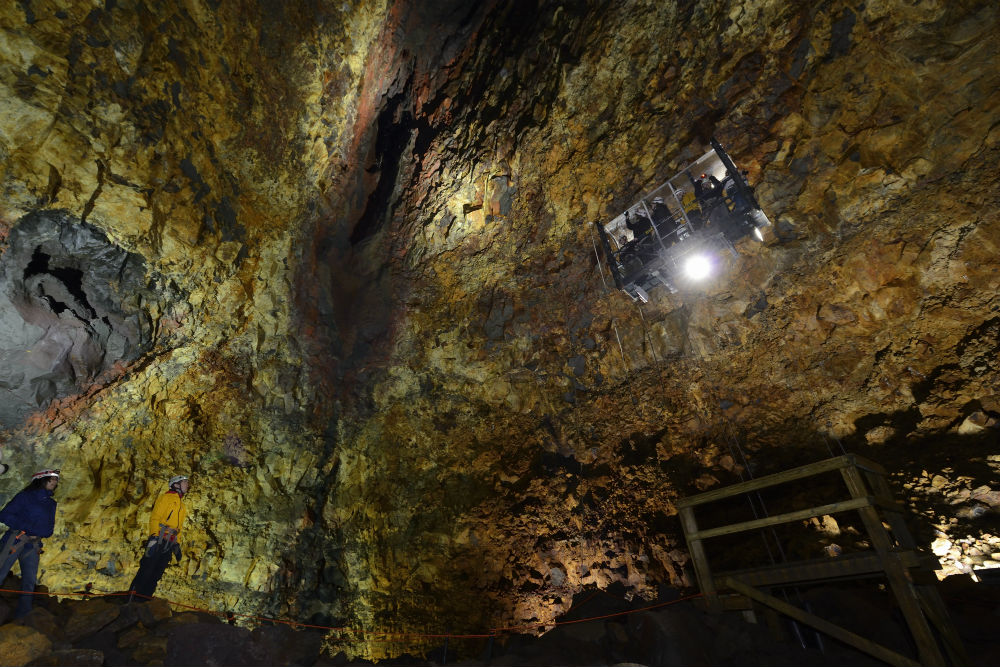
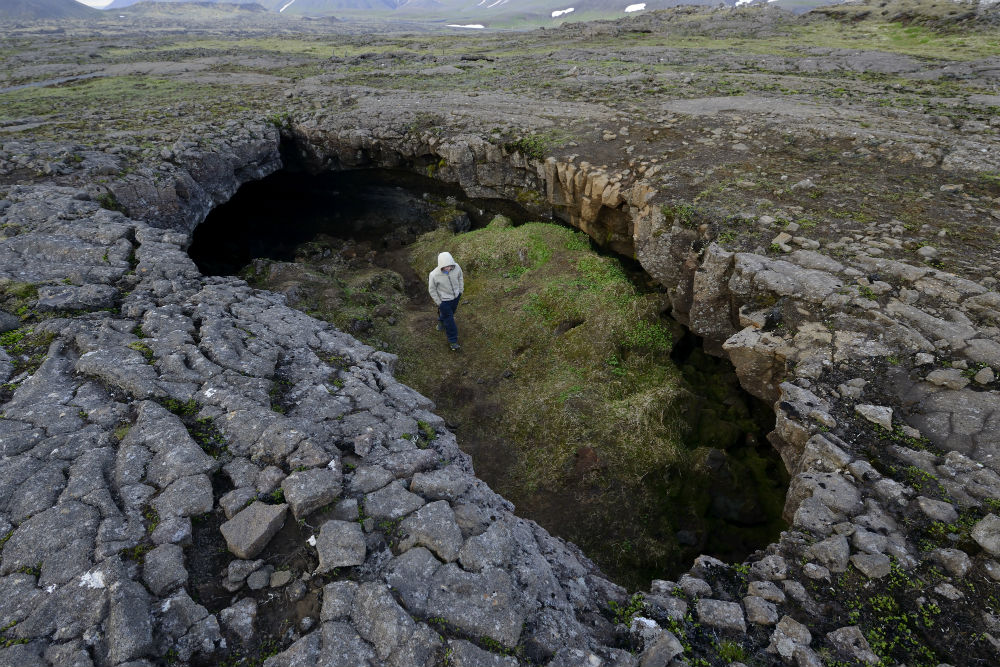
14. Inside Thrihnukagigur volcano. If you don’t mind heights, and you’d enjoy riding a window washer’s scaffold up and down the equivalent of a 38-story building, and you don’t think the volcano will erupt while you are down there, then the Inside the Volcano tour is for you. It’s like being in a cathedral of geology.

14 inside the volcano DSC_7129

15. A collapsed lava tube near Thrihnukagigur volcano

15 lava tube DSC_7225

16. Thingvellir National Park, as viewed from the Mid-Atlantic Ridge—a rift where the North American and Eurasian plates meet.

16 Thingvellir D30_8997

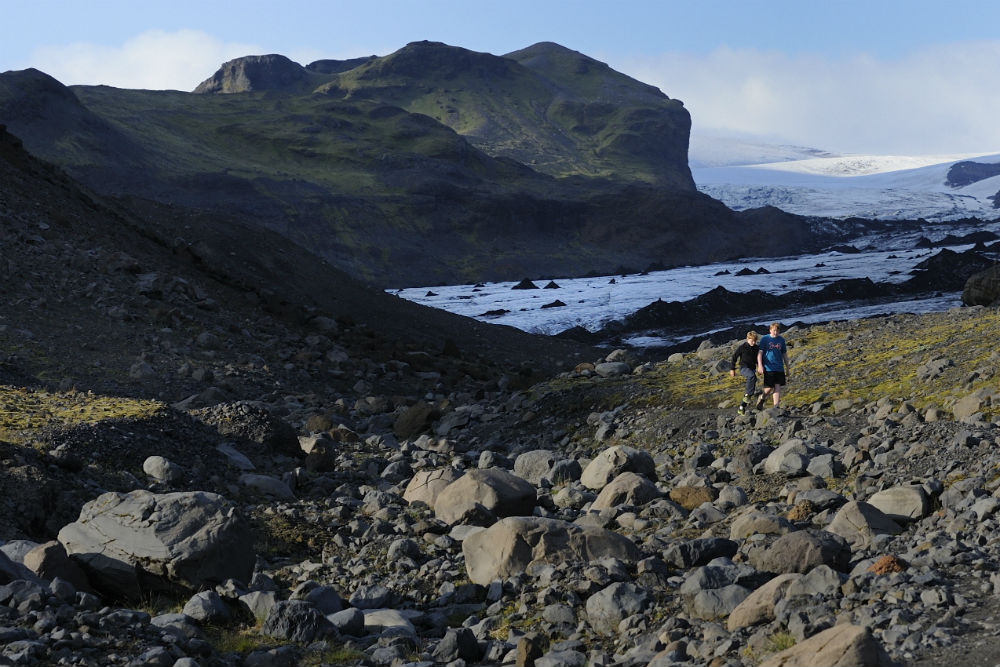
17. The boys and I hiked back for a closer look at Myrdalsjokull glacier. No fences, no noise, no entry fee, nobody there. We really felt connected with the country.

18 glacier Myrdalsjokull D30_9482

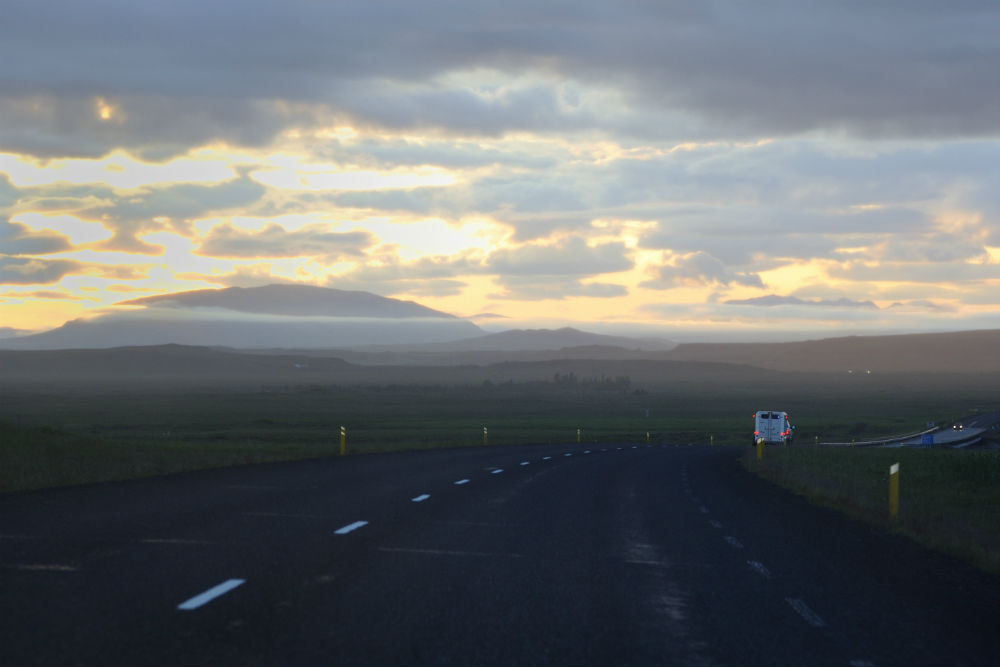
18. There’s nothing special about this photo, except that it was 11:36 pm when I shot it through our rental-car dashboard while driving. One reason you can pack so much sightseeing into each day in Iceland (in summertime, at least) is that the days are so long.

19 Iceland sunset late at nightD30_9526

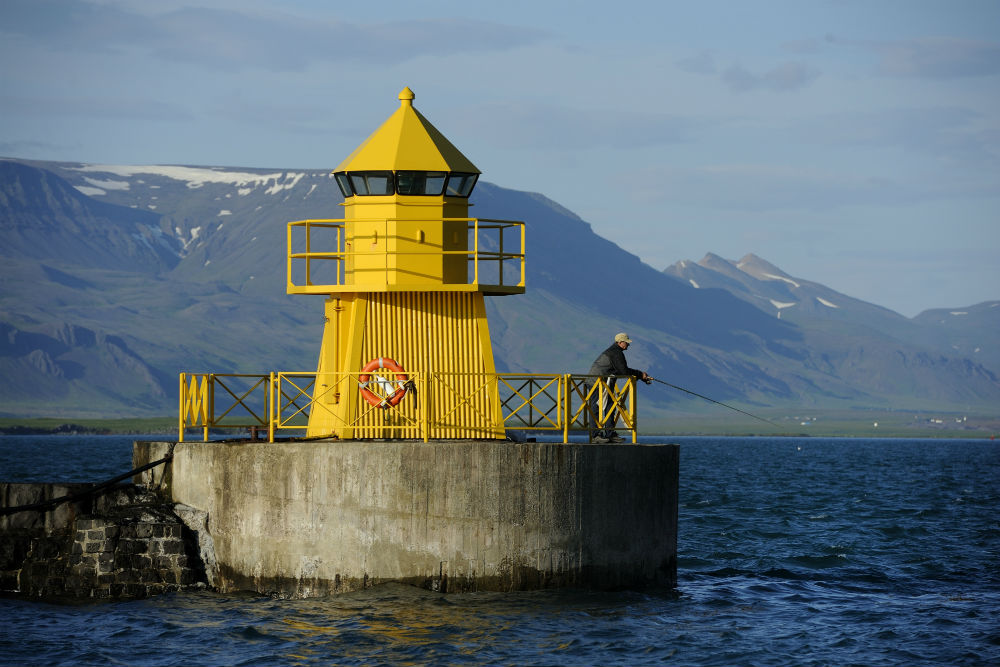
19. The lighthouse in Reykjavik Harbor

20 lighthouse entrance to Reykjavik Harbor D30_9938

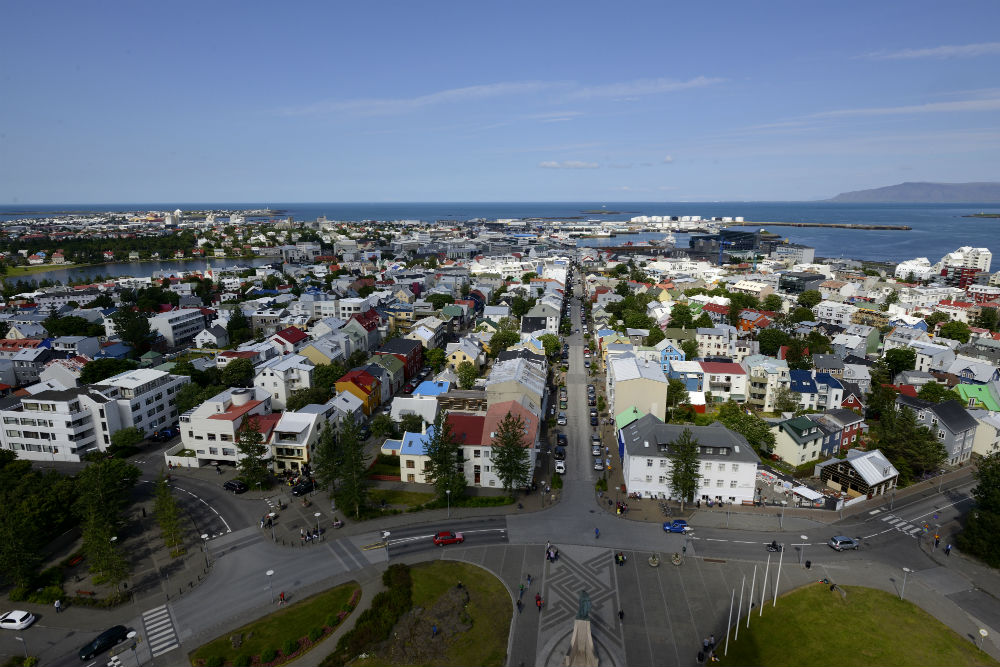
20. Reykjavik, as viewed from the Lutheran church that is Iceland’s tallest building.

21 Rejkjavik viewed from church DSC_7311

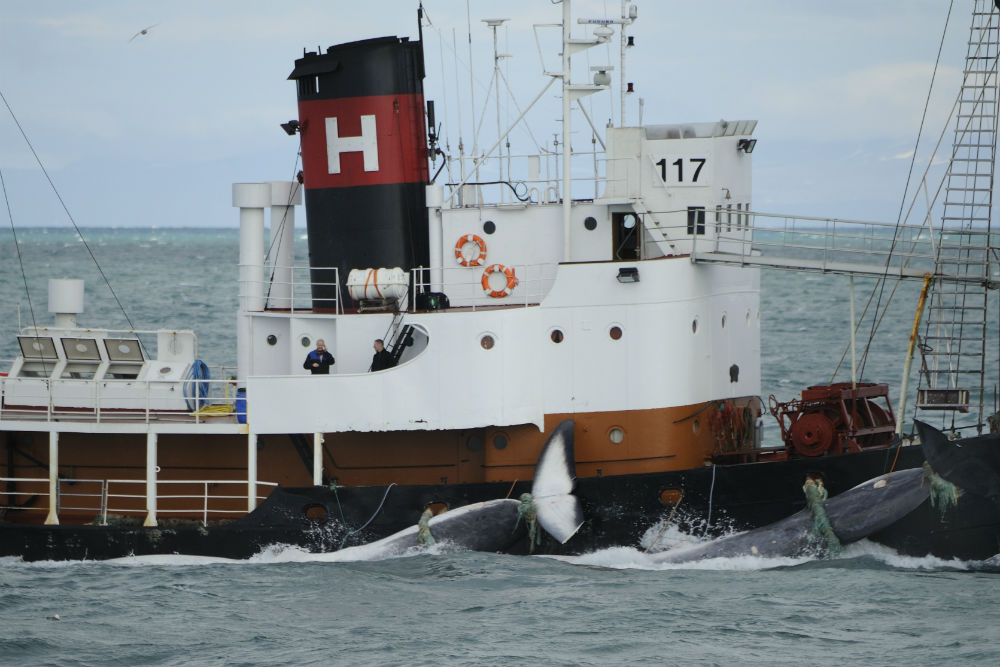
21. And here’s the reason you might not want to visit Iceland: Whale hunting. On a whale watching tour out of Reykjavik, we saw one live whale…and two dead ones. Two Fin whales had just been killed by a whale-hunting ship in the very spot we were headed to. Fin whales are endangered and the second largest mammal, growing up to be 75 feet long. Iceland exports whale meat to Japan.

22 icewhale1

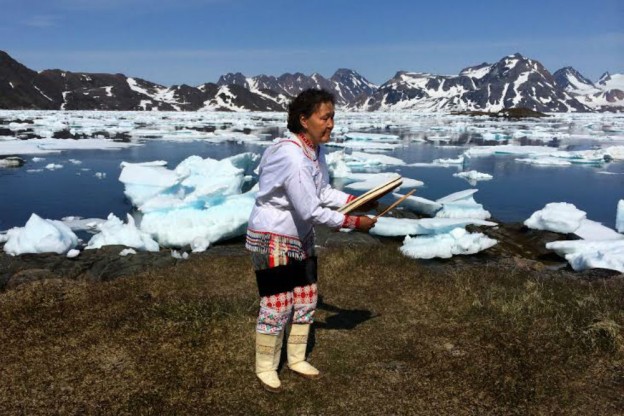
Traditional drum dance in Kulusuk, Greenland.

Greenland Day Trip from Iceland: Is it Worth It?

There are only two ways to fly to Greenland—that icy remote country that many of us jet over but few of us land in, that monster of the Mercator projection.  You can fly there from Copenhagen, Denmark, or from Reykjavik, Iceland. So, if you’re in Iceland, it’s natural to consider popping up to Greenland (it’s just a two-hour flight) for a glimpse. After my husband surprised me with a trip to Iceland last week, he surprised me all over again a couple of days later with a day trip to Greenland.

Air Iceland runs a daily eight-hour tour where you leave Reykjavik at 10:15 am for Kulusuk, Greenland, landing back in Reykjavik at 6:15 pm. You spend four hours in the air and only four on the ground in Greenland, but that’s enough to get a taste of East Greenland’s scenery and the local way of life.

It’s expensive, though: The tour price is $800. That includes airfare and the guide in Kulusuk but does not include the reservation fee for airline seats (I paid $11 to reserve a window seat on both flights); taxi fare between your hotel and Reykjavik Airport, 1.2 miles from the city center (I paid $26 roundtrip); lunch (I bought a sandwich at RKV pre-security and two bottles of water post-security; fellow tour members wished they had); the $40 boat ride in Kulusuk from the town marina back to the airport (this photogenic icebergs-and-glaciers boat ride was not part of the Air Iceland tour but was a highlight of the day); or the tip for the guide.

In the end, this day trip easily cost $900. Was it worth it? Well, here were the biggest pros and cons:

The cons:
The Air Iceland tour was bare bones. It did not include most of the professional niceties or advance instructions that are par for the course on trips designed by my WOW travel specialists. There is no tour vehicle in Kulusuk; you walk the 1.8 miles from the airport into town. No lunch is included, nor are you told ahead of time where and how to get lunch. None of these things bothered me (I mention them because they might bother you), but what did disappoint me is that we did not get to interact with any locals, aside from our guide, the curator in Kulusuk’s museum, and the cashier in Kulusuk’s one store. I felt very much like the tourist I was. In my mind, I kept comparing this experience to the week I spent in the tiny town of Point Hope, in remote Arctic Alaska. That trip was far more interesting and enjoyable because I got to know the local people—tribal elders, whale hunters, schoolteachers, students, artisans, the pastor and his wife, and storytellers galore. In Kulusuk the only person we got to know was our guide. Then again, I’m comparing a week-long trip to a four-hour one.

The pros:
We couldn’t have asked for better weather: It was sunny and clear, which I was told is the summertime norm in Kulusuk. And we lucked out with our charismatic guide, 25-year-old Massanti Riel, who grew up nearby in Greenland, lives in Kulusuk in the summertime, and works for Icelandic Mountain Guides (the tour firm used locally by Air Iceland). Massanti and I are now Facebook friends, and you can spot him in the boat-ride video below (he’s the one in a hat).

Hopefully these photos and videos from my day in Greenland will help those of you who are Iceland-bound determine whether such an excursion would be worth the price tag for you. In my case, my husband made that determination for me. I would never have splurged like this on my own…but, in the end, I’m glad I can say I’ve been to Greenland.

If you have questions about the trip, feel free to ask me in the comments.

#Kulusuk #Greenland, pop. 250

A photo posted by Wendy Perrin (@wendyperrin) on

Not all houses here have running water, but you can get it from the town tap. #Kulusuk #Greenland

A photo posted by Wendy Perrin (@wendyperrin) on


Boats can access this part of the world only 5 months of the year. #Kulusuk #Greenland


A photo posted by Wendy Perrin (@wendyperrin) on


  #Greenland   A photo posted by Wendy Perrin (@wendyperrin) on

https://www.youtube.com/watch?v=FhURXqlQ7rY

Save Time, Room, and Money: Secret Travel Uses For Common Accessories

Note from Wendy: All travelers develop packing hacks over the years. I have several of my own. For instance, I always pack a thin, lightweight day pack or duffel in my carry-on, just in case I end up coming home with more than I left with and need to check the carry-on. In this article from Brittany Jones Cooper at Yahoo! Travel, she finds creative travel uses for items many of us have lying around the house. What are some of your best packing tips? Tell us in the comments below.

This article originally ran on Yahoo! Travel


Everyone has secret tricks they use when packing and traveling, and I think the best part is that it doesn’t always have to cost a lot of money.

In fact, some of my favorite travel hacks involve secret uses for items I use every day.

So, this week I’m going to share some ways that your eyewear can help you on the road…other than the obvious use of helping you to see.

sunglasses-cr-yahooSunglasses

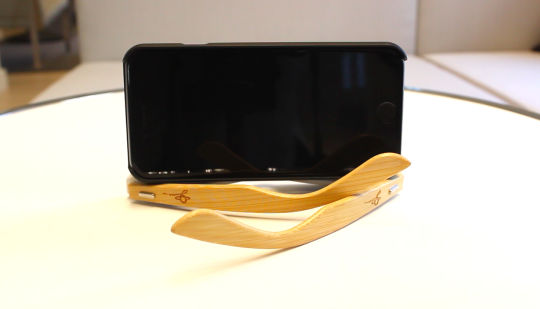
You download a movie on your phone to watch on the plane…great planning. But what you didn’t plan on was holding it in your hands the entire time. To prevent fatigue, use your sunglasses to prop up your smartphone. You’ll look like a genius, and your arm won’t get tired!

contact case-cr-yahooContact Case

If you’re a contact wearer, you probably have a bunch of these contact cases lying around. You get them every time you buy a bottle of solution. But they can also be used to hold a small amount of cream. For instance, if you have really expensive eye cream that’s in a big bottle, you can put a small amount in your contact case for a short trip. You can also do the same thing with foundation or gels.

Added bonus: These cases are also a great place to carry small items that easily get lost—like earrings.

glasses case-cd-yahooGlasses Case

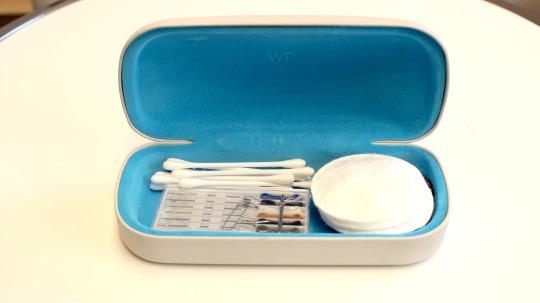
When I’m packing, I always throw my brush, comb, and toothbrush in my toiletry bag, but all of the small stuff always gets lost in the shuffle. That’s why I’ve started using my extra glasses case as a smaller vanity kit. I put in small things like cotton balls, Q-tips, hair ties, bobby pins, and even a small sewing kit. Now, they easily accessible AND organized!

Also from Yahoo! Travel: 6 Unusual Household Items You Need to Use When Packing

What are your best packing hacks?

At the Jardin d’Acclimatation in Paris France

How to Save Time and Tantrums in Amusement Parks: A 13-Year-Old’s Advice

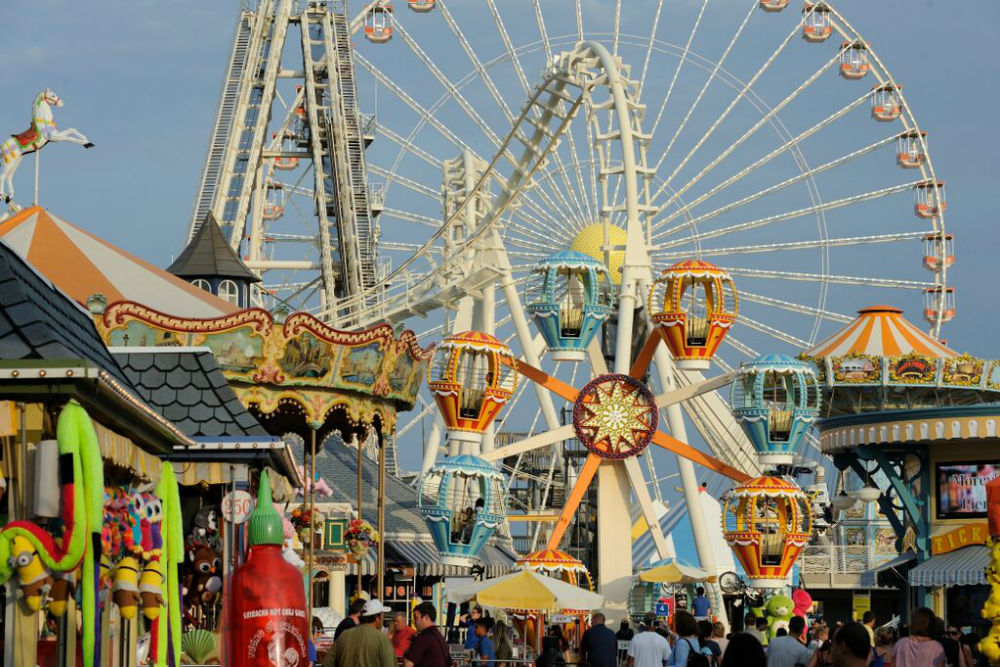
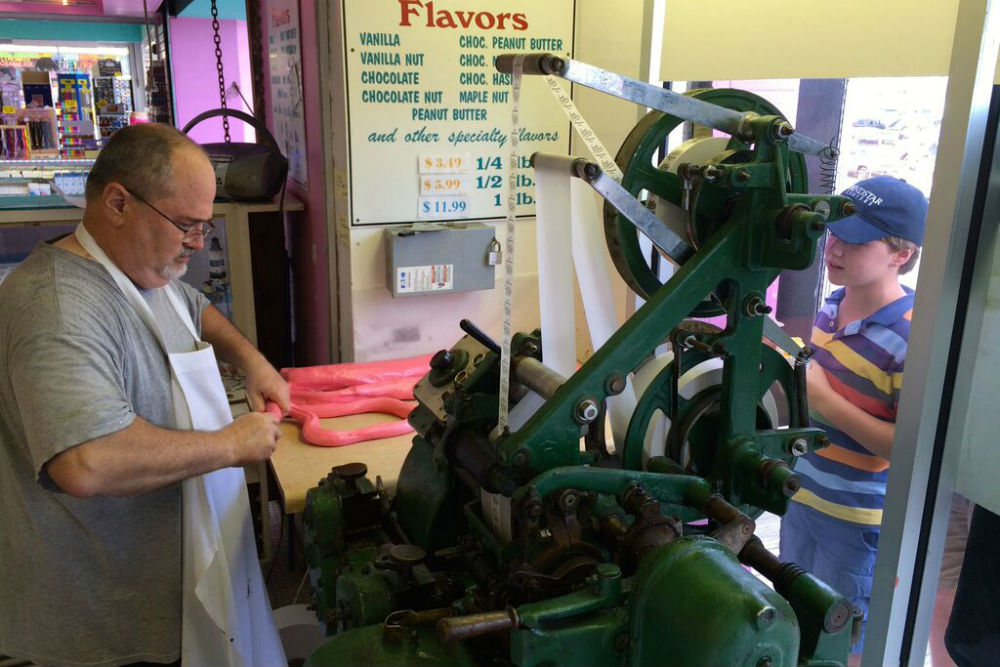
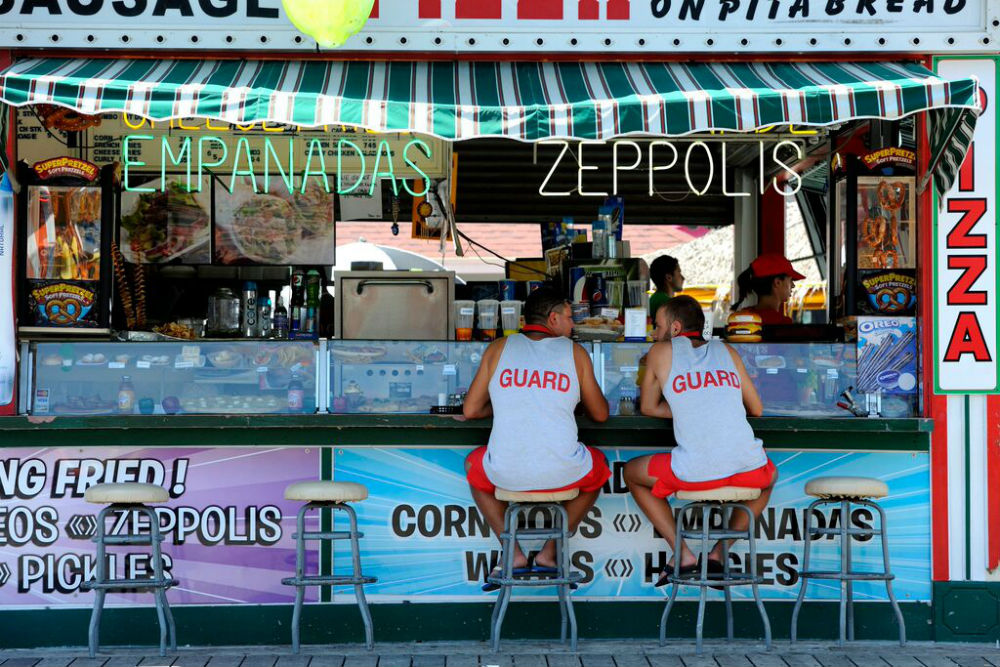
Note from Wendy: The best way to beat lines, crowds, and meltdowns at amusement parks is, in my experience, to choose small, homespun ones and to go when the local children are in school. My family has done this everywhere from Paris to Sonoma, California, to Wildwood, New Jersey. But most families end up at gigantic theme parks—of the Disney, Universal, and Six Flags variety—on peak summer days. I’ve shared advice for how to save money at such places, but my 13-year-old, Charlie, has advice for how to manage your time:


The long lines and crowded pathways of large theme parks today mean you need to have a plan. With massive changes at major theme parks, such as the remodeling at Disney’s Magic Kingdom, Universal bringing in Nintendo, and Six Flags’ constant addition of new attractions, it’s important to be a step ahead of the game.


At Legoland in Florida when he was 11.

At Legoland in Florida when he was 11.


Start with a ride at the back of the amusement park.

When you enter the park, your child will want to run to the first attraction he sees. But the ride at the entrance to the park always has a much longer wait than it’s worth. At Universal Studios, the “Despicable Me Minion Mayhem” ride is the first one, resulting in a wait time of 80 minutes, when it should really only be 30. It’s better to start with a ride toward the back of the amusement park and work your way around in a circle or the closest you can get to one.


Sleep in and stay up late.

Most families have a strategy of waking up early to be at the park within an hour of opening time, and that gives them a parking advantage. But those families go home well before the park closes because the parents are tired, because it’s late, or because the parents say it’s too late as an excuse for being tired. When those families leave, the number of people in the park is cut by about 65%, leaving 35% to enjoy short waits during the last three or four hours the park is open. If you arrive at the park later and depart later, you’ll get more bang for your buck. (Here’s an example: When our family went on the Disney Dream cruise ship, there was a 45-minute wait for the Aquaduck water slide during the day but no wait at all at 11:30 pm; I managed about ten rides between 11:30 pm and midnight.) In addition, some theme parks can be very pretty at night, so try to stay almost until the park closes.


Make breakfast or dinner reservations, but not lunch.

Theme parks often consist of one to three fine-dining establishments, and the rest of them casual dining or just small stands. Unless you make plans at the fine-dining places for breakfast (before you explore the park) or dinner (when you’re done), you shouldn’t try to get to a certain restaurant at a certain time because it may require that you traverse the entire park to get there, or require you to leave the park and re-enter when you are done. This could reduce your time in the park by a lot more than you think, and it could also throw off your system of traveling through the park. At lunchtime it’s best to just go with the place that’s closest, especially since many of the places serve the same food anyway.


Give your kids a five- or ten-minute time limit in the gift shop.

Gift shops in theme parks contain tons and tons of kids’ favorite characters, so your kids likely will drag you into them. You can give them a dollar amount they’re allowed to spend, but they will take forever deciding what to buy, since they will want something that does not deliver too much change back to their parents. I recommend giving them a five- or ten-minute time limit, depending on the store size. If you see a gift shop with a line, you should just avoid it altogether.


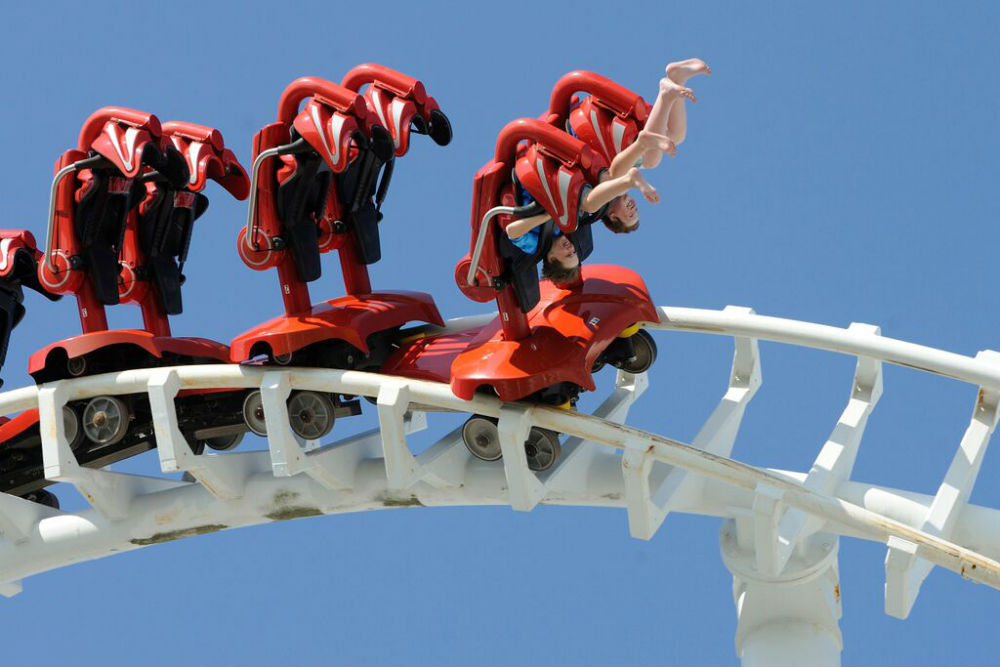
Doug and Charlie loved The Great Nor’easter thrill ride at Morey’s Piers.

At Morey’s Piers in Wildwood, NJ, at the age of 13.


To avoid gift shops completely, make that a condition of going to the amusement park in the first place.

If you want to spend absolutely no time in gift shops, which is in no way a bad idea, tell your kids this at the same time that you announce that you’re going to the amusement park, to save them complaining when you get there.

How to Keep the Peace on a Family Vacation

There’s the fantasy of a family vacation, and then there’s the reality. There are days—often a dozen times a day—when everybody wants to do something different, go somewhere different, eat someplace different. And then, just when agreement has been reached and everybody’s in a good mood and the weather is cooperating, a child gets an ear infection or a work crisis erupts or your flight is cancelled…and you’re back in meltdown land.  I’m no psychiatrist, and Lord knows every family is different, but I’ve now taken my kids (now 11 and 13) to more than two dozen countries and at least that many states, and I know how many of my fellow parents are in desperate need of a harmonious vacation, so I thought I’d be so bold as to offer up a few strategies that have worked for my own family when it comes to keeping the peace—not just with the kids but between the parents:

1. Before you and your spouse start the planning, determine your mutual trip goal.

What is your main shared goal for this vacation? Is it to do nothing on a beach? Explore a destination? Learn to surf?  See relatives? Avoid relatives? Sleep? Determine your mutual trip goal so that, whichever parent is making arrangements, you’re both shooting for the same result. Make a mission statement, and check it during the trip.

2. Give each family member ownership of a portion of the trip.

Put each parent and child (who’s old enough) in charge of one day of the vacation, or in charge of one activity each day. Or—at the very least—let each choose one activity during the trip that everybody does together. (If your child is very young, at least let him pick a lunch spot.) The more each family member is invested in the itinerary and has a say in the activities, the less family discord.

3. Set a trip budget, but one that allows for a few splurges.

You don’t want to argue during the trip about how much you’re spending, nor do you want to argue about it after the trip when you get the credit-card bill. When you’re doing a money-bleeding activity such as going to an amusement park, make your child C.F.O. of the trip that day. Seriously, when our 13-year-old is in charge of the budget, it’s remarkable how many strategies he’ll come up with to make us stick to it. (And we feel good because he’s learning a valuable lesson.)  Remember that every museum, monument, or aquarium exit is through the gift shop; set not only a budget for gift shops but also a time limit.

4. Choose accommodations that will ensure everyone gets enough sleep.

The last thing you need is a bed configuration that means one family member (parent or child) can’t sleep, putting him/her in a cranky mood that infects everyone. A suite such as the type you find in an extended-stay hotel—where you’ve got a door to the kids’ room that you can close at nap time or bedtime—allows you to have some space, light, and time to yourself, rather than having to tiptoe around in the dark. A house rental provides more space and beds, but be warned that if it comes with no housekeeper or other niceties that a hotel infrastructure provides, it can mean that one parent spends way too much time doing household chores.

5. Choose a soothing activity for shortly after you arrive.

On a trip, your mood tends to dip lowest during the first ten percent of the trip. That’s when you’re dealing with a lot of logistics—possibly including a long drive or flight, jet lag, and sleep deprivation—to get to your destination. Counteract the negative mood that will afflict the family by planning a soothing and reinvigorating activity upon arrival at your destination. A swim for the kids and a massage for the parents can make everyone feel better.

6. Exhaust the kids.

The earlier you can get them to bed at night, the more time you will have alone with your spouse. Tim and I exercise the boys every chance we get during the daytime. If it’s a city trip, that means walking miles each day; if a road trip, it means pit stops at fields where they can play Frisbee; if we’re stuck in a hotel room, it means 100 karate kicks. A simple tennis ball consumes little space in a carry-on and can be a lifesaver.

7. Plan for “couple time.”

In my experience, the best way to ensure you and your partner get a shot at romance — possibly even two or three date nights—is to have easy access to free child care that is your children’s idea of Nirvana. Many resorts and cruise ships offer complimentary supervised kids’ clubs; my children happen to love them. Or consider giving a relative a free trip in exchange for being the babysitter.

8. Carve out “me time” too.

Each parent needs time for himself on vacation, preferably to accomplish something tangible—say, reading an entire novel, or perfecting your golf swing. Having free time and proof of it (e.g., the finished novel) will put you in a better mood around your partner. Again, what I’ve found enables this to happen is built-in child care. On a cruise, for instance, everyone in the family gets “me time.”

9. Pack an outlet splitter.

Let’s face it: When you’re squeezed together like sardines on long car rides and flights, electronics are often the easiest and, for today’s teens, sometimes an essential way to keep the peace. Pack whatever you need to keep everyone’s devices charged in transit; that may include a power inverter for the car and an outlet splitter for the airport gate and hotel rooms.

10. If you must work, do it when it won’t detract from a family activity.

Sometimes you can’t avoid having to work on vacation. Do it while your kids are sleeping or productively occupied in the kids’ club, or while your spouse is in the shower or finishing up that novel.  When I’m on deadine I often skip activities that my kids can enjoy alone with Dad (e.g., mini-golf or fishing) in favor of activities that are unique to the destination or that we’ve never done as a family before.


I’d love to hear: What strategies do you have for keeping the peace on a family vacation?

5 Easy Ways to Avoid Airline Bag and Change Fees

In the first three months of 2015, U.S. airlines raked in a record-setting $1.6 billion in checked-baggage fees and ticket-change fees. That’s up 7.4% from the same period last year. With the airlines’ profits at record highs, do you really want to give them an even bigger chunk of your trip budget?  I didn’t think so.  So here’s what you can do to avoid these fees:

How to avoid baggage fees

1. Get a credit card that exempts you from them.

The standard fee for checking a bag is $50 round-trip but, depending on the size and weight of your luggage, can be as high as $400 internationally. Each of the three major U.S. airlines offers a co-branded credit card that waives such fees when you fly that airline. And these credit cards cost nothing for the first year, so you have little to lose by trying one for 12 months. United offers the United MileagePlus Explorer Visa card from Chase; it provides one free checked bag to both the cardholder and one travel companion ticketed on the same reservation. American offers the Citi/AAdvantage Platinum Select MasterCard from Citibank; it provides one free checked bag for the cardholder and up to four travel companions. Delta offers the Gold Delta SkyMiles card from American Express; it lets you and up to nine companions check a bag for free. For all three cards, the $95 annual fee is waived the first year. The United and Delta cards charge no foreign-transaction fees.

 2. Fly an airline that does not charge baggage fees.

Southwest charges no baggage fees, and some JetBlue fares still incur no baggage fees.

How to avoid or minimize ticket-change fees

1. If you think you may need to change an airline ticket, buy it with miles.

Change fees, which are typically $200 for domestic tickets and up to $450 for international flights, are more lenient for mileage-award tickets. American Airlines, for instance, lets you change mileage-award flight dates and times for free or, if your new departure date is within 21 days, for $75. United lets you change your travel dates for $75 or, if your new departure date is within 21 days, $100. Fees for changes to mileage-award tickets are lowered or waived for fliers with elite status.

2. Choose an airline that offers changes for free.

Southwest Airlines does not charge ticket-change or cancellation fees. Alaska Airlines offers free changes if you make them 60 days or more in advance.

3. If the flight is not very expensive, look into booking two one-way tickets rather than one round-trip.

Time was when two one-way tickets cost significantly more than one round-trip. Nowadays, though, more and more, they cost the same. So, if you’re unsure about either your outbound or return date, consider buying two one-way tickets, especially if each one-way fare is less than the airline’s change fee. Say a round-trip costs $300 and the airline’s change fee is $200. If you bought two $150 one-way fares and you had to change the outbound or the return, you could simply throw out the $150 ticket (and buy a new one), saving yourself $50. If you’re unsure of both your outbound and return dates, you’re probably better off buying the round-trip because you can change both dates with only one change fee.

Do you have any suggestions I’ve missed? I’d love to hear them—as, I’m sure, would everyone else! Please weigh in below.

A surfer in Wildwood Crest, New Jersey

Is America’s Most Up-and-Coming Retro Summer Vacation Spot on the Jersey Shore?

How does a town that’s barely changed in 60 years become the #1 destination on the rise in the U.S.? I’ve been wondering this ever since the tiny beach town of Wildwood, New Jersey, topped TripAdvisor’s list of destinations on the rise for 2015. Wildwood had its heyday back in the 1950s and 60s, and its best hotels have no more than three stars, so how could it be the spot that’s seen the greatest increase in positive feedback and interest on TripAdvisor?

I wanted to find out. I live just 150 miles from Wildwood so, last weekend, I made a little trip there with the family. What I found is a slice of Americana that may be close to the population centers of the northeast but feels very far away. I also found a quintessential retro summer vacation spot. Here are six reasons for the buzz about Wildwood—just in case you’re interested in checking it out for yourself.

Nostalgia

Wildwood is like a time capsule from the 1950s and ‘60s. It’s a return to the seaside resort of yesteryear, complete with two-mile Boardwalk, dozens of small motels with names like Sea Kist and Pink Champagne Motel, and seemingly a hundred places selling hot dogs, frozen custard, and salt water taffy. What with Mad Men, Universal’s new 50s-themed Cabana Bay Beach Resort in Orlando, and America’s current obsession with mid-century art and design, the 50s and 60s have been making a comeback, so that probably plays into the town’s popularity. Wildwood also has the largest seaside amusement park in the Western Hemisphere, so there are plenty of classic rides that Mom and Dad will remember from their childhood and can now enjoy with their kids.

On the Wildwood Boardwalk you’ll find rides that remind you of your childhood.

On the Wildwood Boardwalk you’ll find rides that remind you of your childhood.

You can see salt water taffy being made—and fed into a 62-year-old taffy-wrapping machine.

You can see salt water taffy being made—and fed into a 62-year-old taffy-wrapping machine.

You’ll spot all sorts of small-town Americana. We stumbled upon this Veterans of Foreign Wars parade.

You’ll spot all sorts of small-town Americana. We stumbled upon this Veterans of Foreign Wars parade.

Authenticity

Part of the reason Wildwood—or, more accurately, the Wildwoods, as the town blends together with its neighbors Wildwood Crest and North Wildwood—feels like a time capsule is that it’s undiluted by the chain stores and strip-mall fixtures that have invaded so many places in America. The Boardwalk is lined with local mom-and-pop shops and eateries—not a Starbucks or Pizza Hut in sight. “How many places have you been to in America where, if you didn’t know where you were, you could be anywhere?” points out Will Morey, CEO of the aforementioned amusement park, Morey’s Piers and Beachfront Waterparks, itself a local family-owned business. “Many places start to look and feel the same. But Wildwood is unique.” It’s not some Disneyfied version of an American beach town either: There’s plenty that’s edgy and tacky on the Boardwalk—from eyesore dollar stores to body piercing and tattoo parlors—and there’s a ton of kitsch (think motels with fake palm trees by the pool). But all that makes Wildwood the real thing.

A typical Wildwood motel, complete with fake palm trees

A typical Wildwood motel, complete with fake palm trees

A small slice of Wildwood’s two-mile Boardwalk

A small slice of Wildwood’s two-mile Boardwalk

Lifeguards grabbing a bite on the Boardwalk

Lifeguards grabbing a bite on the Boardwalk

Amusements

The amusement “park” is actually three enormous piers packed with more than 100 rides and games, plus two of the “world’s largest oceanfront waterparks.” This makes Wildwood a bit like Orlando, only without the logistics or the waits for rides—and with real Americana, as opposed to fake Americana. Wildwood is easier to navigate than Orlando: Accommodations are small motels, not giant resort complexes, and you can get around by bike rather than car.

The biggest seaside amusement park in the Western Hemisphere: Morey’s Piers and Beachfront Waterparks.

The biggest seaside amusement park in the Western Hemisphere: Morey’s Piers and Beachfront Waterparks.

Biking in Wildwood Crest

Biking in Wildwood Crest. This was the view from our balcony at the Port Royal Hotel. 

Bikes for rent in Wildwood

Bikes for rent in Wildwood

Comfort food

On the Boardwalk you’ll find endless supplies of carnival-style and soda-fountain food, from funnel cakes and corn dogs and Philly cheese steaks to fresh-squeezed lemonade and root beer floats to fried just-about-anything-you-can-think-of (fried Oreos, fried Snickers, fried Twinkies, fried Pop-Tarts, fried ice cream….) You could spend hours just sampling the different types of whipped cream fudge on offer. My kids did.

Doug and Charlie tried funnel cakes—and loved them.

Doug and Charlie tried funnel cakes—and loved them.

Did you know fudge comes in hundreds of flavors?

Did you know fudge comes in hundreds of flavors?

Family-friendliness

From its free beaches to its carousels, Wildwood is kid-friendly in the extreme. “Our target market is kids ages 3 to 17,” says Morey, whose family owns not only the amusement piers but also five of the area’s better retro-style hotels, including the StarLux and the Pan American. “Those kids tell their parents where they want to go for vacation.”

A tot on the beach in Wildwood Crest

A tot on the beach in Wildwood Crest

Many large family groups seeking a budget-friendly vacation choose Wildwood—including this group posing at one of the beachfront landmarks.

Many large family groups seeking a budget-friendly vacation choose Wildwood—including this group posing at one of the beachfront landmarks.

Doug and Charlie loved The Great Nor’easter thrill ride at Morey’s Piers.

Doug and Charlie loved The Great Nor’easter thrill ride at Morey’s Piers.

Quirkiness

The Wildwoods are just quirky enough to be interesting. You’ll find surprises each time you walk up and down the waterfront. There’s a 25-foot-tall fire hydrant on Dog Beach, for instance, and there’s an artBOX on one of the amusement piers where you can drop in spontaneously and take an art class (jewelry making, painting, screen printing). Every summer weekend brings events galore. Last weekend we stumbled upon the Hawthorne Caballeros Drum & Bugle Corps having an informal jam session by the beach, a Veterans of Foreign Wars parade, the 2015 New Jersey Jeep Invasion (which brought to the beach about 500 jeeps of every size, color, and off-roading option), and a group of Life Rolls On volunteer surfers taking paraplegics out of their wheelchairs and putting them on surfboards so they could surf. You just never know what you’re going to find in the Wildwoods. That might be one reason people keep coming back.

Public art in Wildwood: This 25-foot-tall fire hydrant sits on Dog Beach.

Public art in Wildwood: This 25-foot-tall fire hydrant sits on Dog Beach.

artBOX, an “artists’ village” made from shipping containers, sits on one of the amusement piers and offers art classes.

artBOX, an “artists’ village” made from shipping containers, sits on one of the amusement piers and offers art classes. Photo courtesy Morey’s Piers.

Local artist David Macomber teaches origami at artBOX.

Local artist David Macomber teaches origami at artBOX.

Veterans of the Hawthorne Caballeros Drum and Bugle Corps having an informal jam session by the beach.

Veterans of the Hawthorne Caballeros Drum and Bugle Corps having an informal jam session by the beach.

Volunteer surfers enabling paraplegics to surf as part of the nonprofit Life Rolls On program.

Volunteer surfers enabling paraplegics to surf as part of the nonprofit Life Rolls On program.

You just never know who or what you’ll see in the Wildwoods.

You just never know who or what you’ll see in the Wildwoods.

But wait. Stop. Before you book a trip to Wildwood, know that Cape May, its far more picturesque and charming neighbor on the Jersey shore, is—with its Victorian architecture, fine restaurants, and art scene—much better suited to sophisticates. The two towns are like yin and yang, and an optimal family trip would combine the two: a dose of Cape May for the grownups, a dose of Wildwood for the kids.

Snorkerling in Fiji

4 Pacific Islands for the Best Snorkel Vacation of Your Life

Question:

Hi Wendy,

What’s the best Pacific island for a 10-day snorkel trip?

Thanks,

Dennis

Answer:

Dennis, it depends where you’re flying from (some islands will be a lot more convenient to get to than others), what time of year you’re going (it could be typhoon season on some islands), what accommodations you have in mind (beach hut? overwater bungalow? boat cabin?), what island atmosphere you prefer (do you want a dining scene or to be removed from civilization entirely?), etc.

Assuming that money, time, and transport are no object, here’s a list of the top four from Meg Austin, a travel professional who has snorkeled all over the world and specializes in dive trips. These are her Pacific faves, in order of preference:

1. Fiji
“It’s the soft coral capital of the world,” Meg points out. “It’s got consistently good visibility (May – October is best), islands and hotels where the snorkeling is right there, and a local population that can make even the grumpiest traveler smile! Lalati, Koro Sun, and Rainbows End (miles of brilliantly colored corals) are the best reefs.”

Rarotonga, Cook Islands

Rarotonga, Cook Islands. Photo courtesy Tourism Cook Islands.

2. Rarotonga, Cook Islands
“It doesn’t have the infrastructure or resorts that Fiji has,” says Meg, “so it’s important to have the right expectations. This is a quiet place for snorkeling by day and reading books at night. Rumours Luxury Villas has bells and whistles. I like Palm Grove: funky, not fancy.”

3. Palau, Micronesia
“Palau is not for everyone either, but an avid snorkeler would be in heaven. The Rock Islands (especially Rock Island itself) and The Milky Way lagoon are both do-not-miss. Some would love Jellyfish Lake, others would not. Palau Pacific Resort is “water-focused” (diving and snorkeling) and would be my first choice; there is remarkable activity to explore in the sea there. Love the very colorful nudibranchs!”

4. Sipadan, Malaysia
“Sipadan, the only oceanic island in Malaysia, is known for its fabulous diving but is also great for snorkeling: I’ve sent divers with non-diving spouses there, and they’ve raved about the snorkeling.”

Dennis, choosing an island with world-class snorkeling is the easy part. Pulling together a world-class vacation—juggling the complicated logistics of South Pacific travel, getting to the most colorful reefs at the right times of day, sussing out the overwater bungalows with the best underwater creatures below, ensuring you waste no time or money—is the tough part. If you can provide more detail about your specific trip needs, send them to Ask Wendy and I can connect you with the right travel fixer for that world-class vacation.