
Make Your Next Trip Extraordinary
Villages and Vineyards: Insider’s Guide to the Alentejo, Portugal
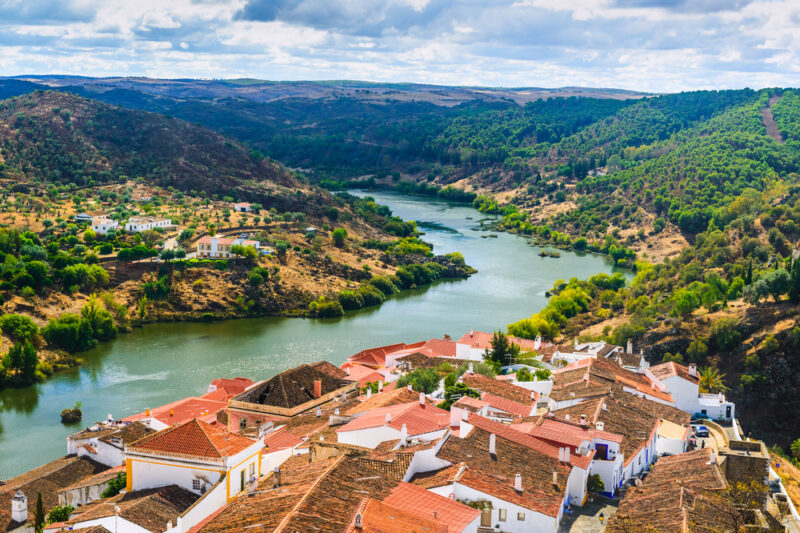
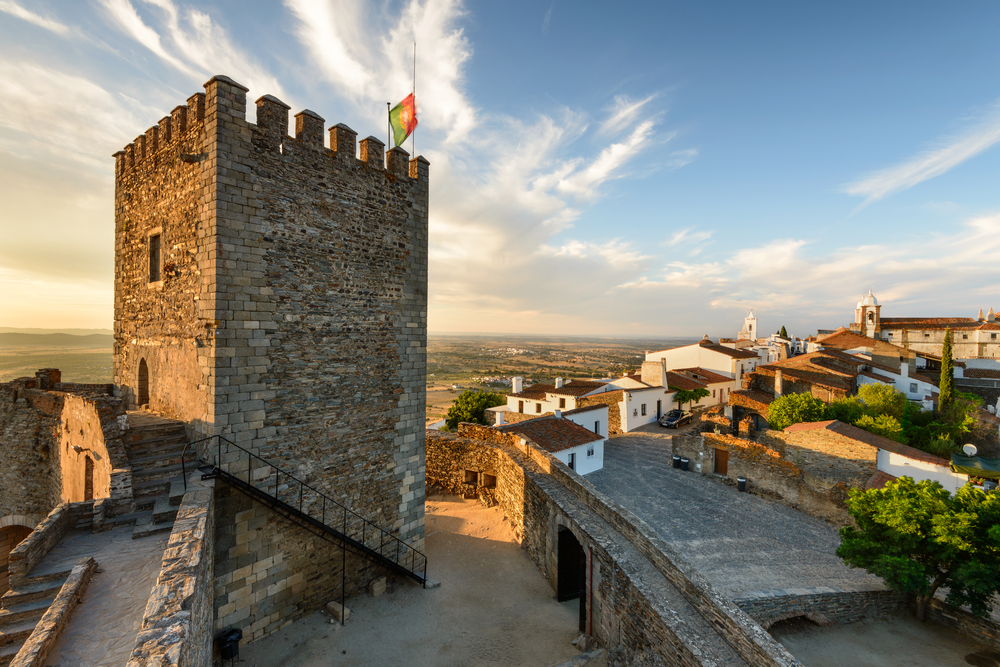 Monsaraz is a beautiful medieval walled village in the Alentejo. Photo: Shutterstock
The insider advice on this page is from one of Wendy’s Trusted Travel Experts for Spain and Portugal: Virginia Irurita of Made for Spain & Portugal.
Born and raised in Spain, Virginia has a little black book thick with the names of local experts eager to show you their corners of the Iberian peninsula: architects, chefs, flamenco dancers, museum curators, even aristocrats living in ancient castles and palaces that are practically museums themselves. Her bespoke itineraries extend to all of the Balearic Islands, Madeira, Tenerife in the Canary Islands, and São Miguel in the Azores. Virginia has a keen interest in wine and winemaking, and she is well-connected in the foodie world. Her savvy local drivers and clever guides will save you considerable time and hassle. If you prefer to rent a car and drive yourself, click to Ask Wendy for a different recommendation.

Things to Do and See
Most underrated place
Vila Viçosa is a charming town known as the “Princess of the Alentejo.” Its highlight is the Ducal Palace, once the residence of the powerful House of Braganza, with grand halls, marble façades, and centuries of history. The town is also known for its marble quarries, and you’ll see the stone everywhere—from palaces to fountains and even sidewalks. Despite its royal past and architectural beauty, Vila Viçosa remains surprisingly quiet, making it your secret discovery to explore at your own pace.
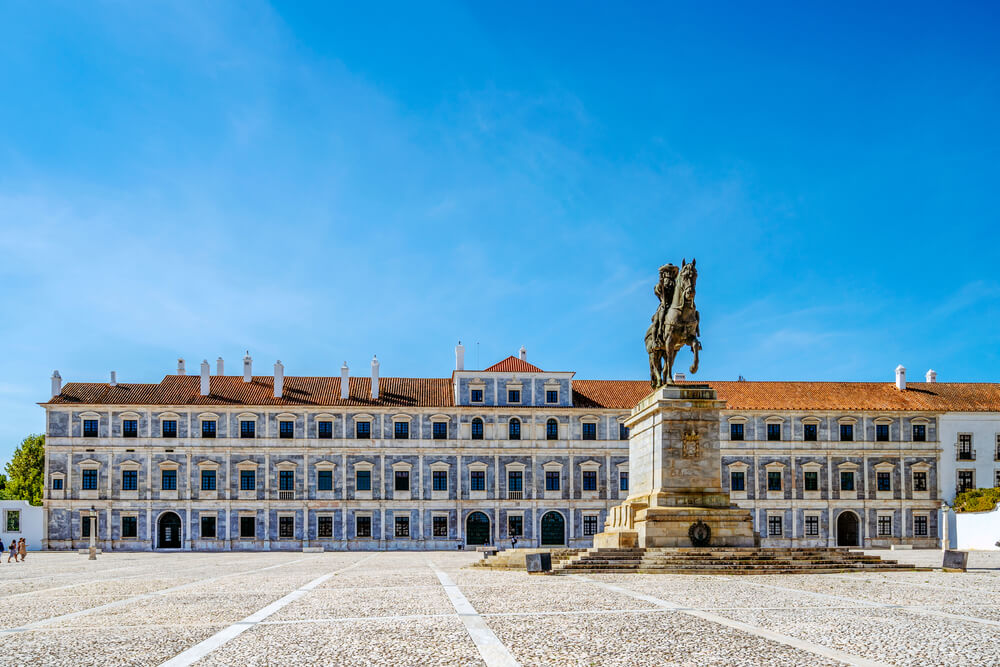
The Ducal Palace in Vila Viçosa draws from the region’s rich marble quarries. Photo: Shutterstock
Most overrated place
Comporta is beautiful but it’s gotten too touristy. During the summer, the beach gets truly packed by locals, many of whom bring boisterous, loud kids.
Hidden gem
Monsaraz is an exquisite medieval walled village with the oldest bullfighting arena on the Iberian Peninsula.
Bragging rights
Virginia can arrange for you to spend the morning visiting the Lóios Church and the Palace of the Dukes of Cadaval in Évora with Dona Diana Álvares Pereira de Melo, Princess of Orléans, 11th Duchess of Cadaval, Duchess of Anjou, who will personally show you its impressive collection of art and manuscripts. After this exclusive private tour, join the Duchess for a traditional meal and a fascinating conversation about her life and heritage.
Learn about wine from the owner of one of Alentejo’s most famous quintas, or farms. This palace-like country house, built at the beginning of the 18th century, is as famous for its Baroque architecture as for its wines. Explore the grounds and the gorgeous walled garden, a spectacular oasis filled with palm trees and stories of the aristocrats who once spent hot summer afternoons within its cool walls. Then check out the exquisite Portuguese tile and marble work inside the house, and enjoy a wine tasting and traditional lunch with the owner.
How to spend a lazy Sunday
Drive the peaceful roads of the Alentejo, enjoying the vistas of vineyards, olive trees, and flowers. Or go for a hike in the montado—a common landscape that combines woodland and pastureland, with citrus and olive plants growing beneath centuries-old cork trees, all attracting wildlife.
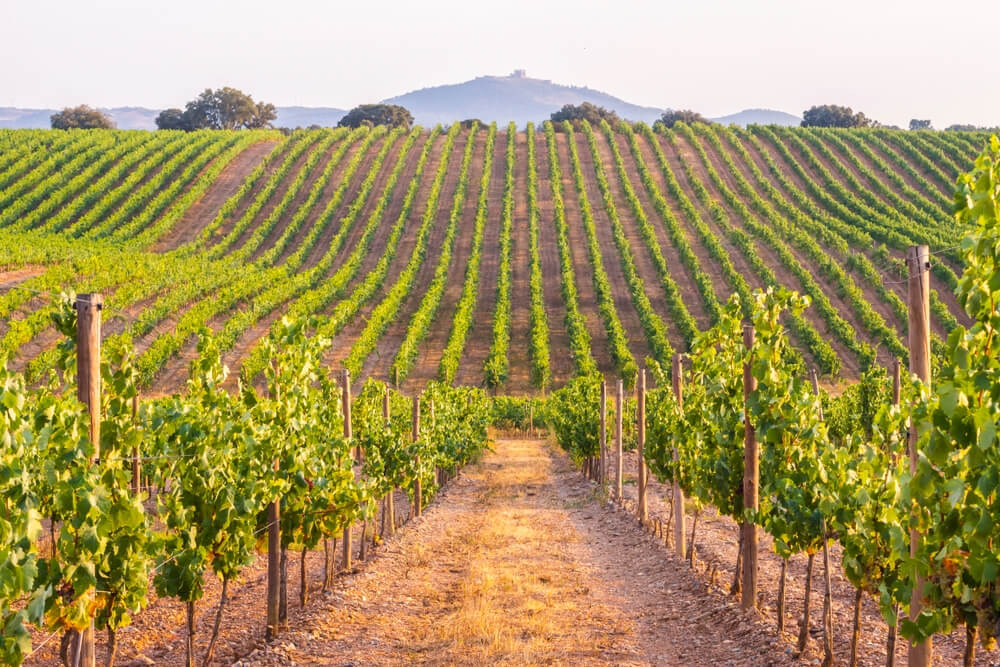
The Alentejo’s serene roads pass through vineyards, olive groves, and floral fields. Photo: Shutterstock
Where to Stay and Eat
Best-value splurge hotel
São Lourenço do Barrocal is a historic estate nestled among oak trees, olive groves, and vineyards, run by the same family for eight generations. This five-star hotel and farm retreat offers rooms, suites, and cottages that reflect the tranquility of the Monsaraz foothills. Guests can enjoy a prodigious wine cellar, outstanding restaurants, and a strikingly designed spa without losing touch with the region’s rural heritage.
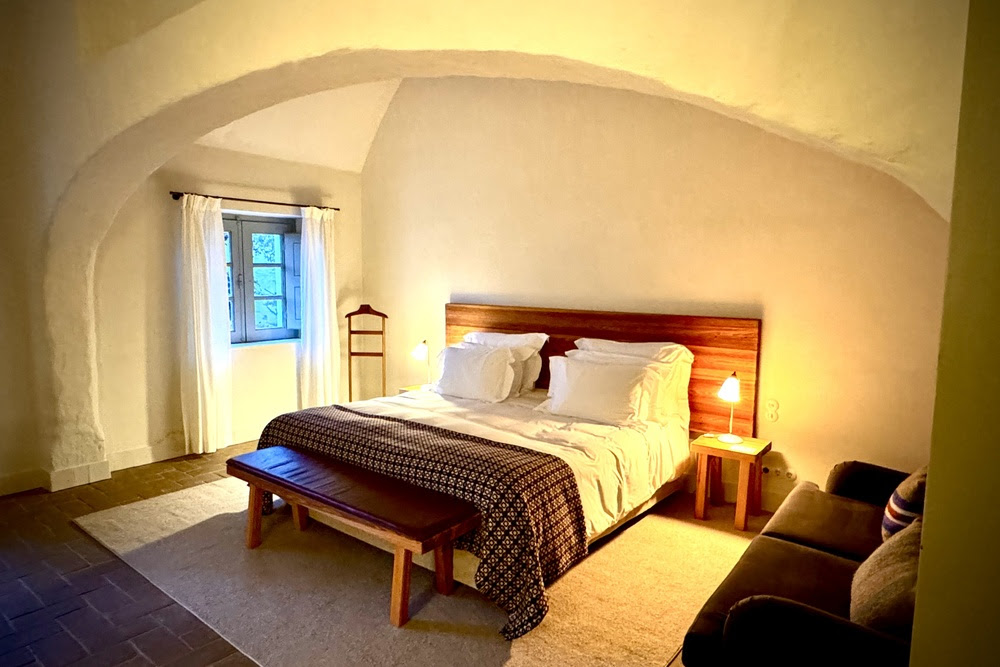
São Lourenço do Barrocal’s quiet luxury reflects the area’s tranquility. Photo: Timothy Baker
Best bang-for-your-buck hotel
The Octant Évora is a contemporary retreat in the heart of the Alentejo, designed to blend seamlessly with the surrounding landscape; rooms and villas are decorated in warm earth tones and natural wood. The property also includes two outdoor swimming pools, a serene spa, an orchard and vegetable garden, and a restaurant serving seasonal cuisine that highlights local flavors.
Restaurants the locals love
Divinus Restaurant, inside the Convento do Espinheiro hotel, serves traditional Alentejo cuisine inside the former monastery’s wine cellar; don’t miss the chestnut soup (sopa de castanha).
Restaurante Fialho is one of the most popular restaurants in Évora. Try their black pork with traditional migas, a kind of bread pudding (porco preto com migas tradicionais).
Dishes to try
In the inland Alentejo, try the baby lamb chops (costeletas de cordeiro); they are fantastic at O Moinho do Cu Torto, in Évora.
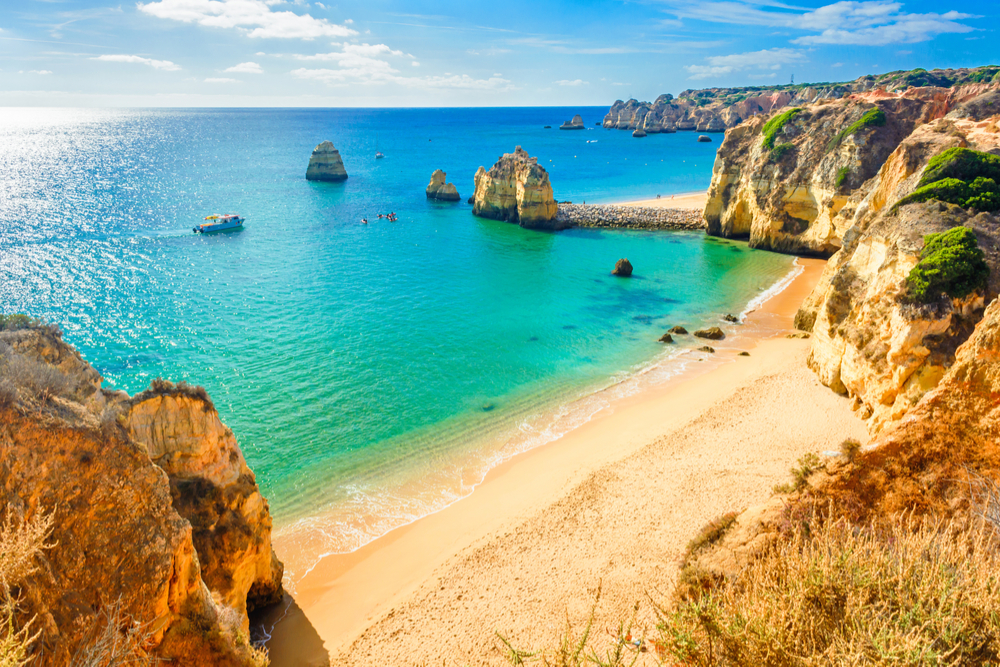
On the coast, try rice with shrimp (arroz com camarões). You’ll find a delicious version at just about every local restaurant.
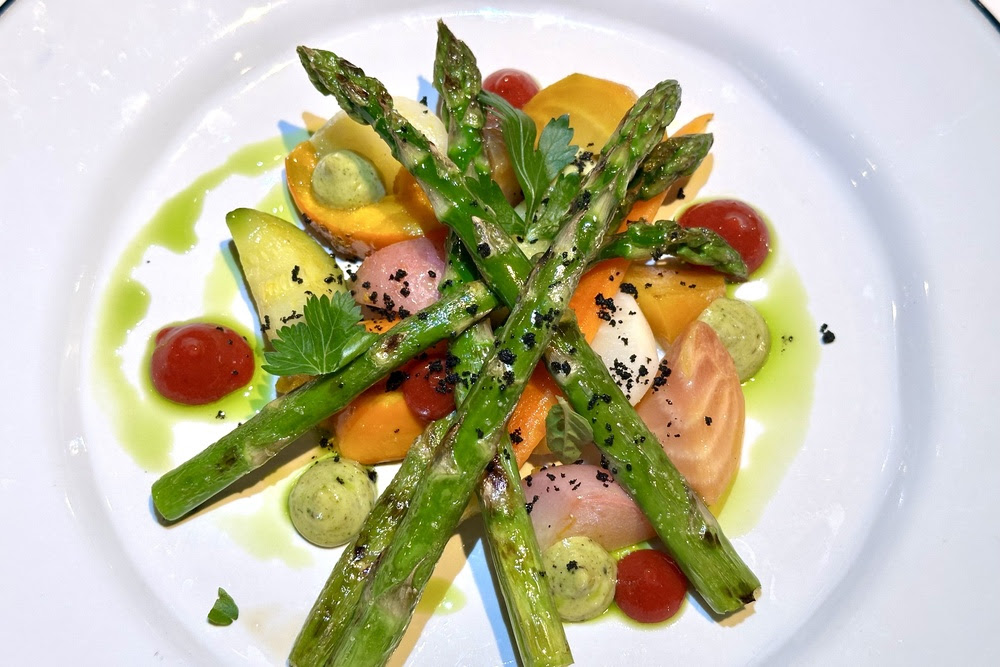
Fresh produce is a colorful hallmark of Alentejo cuisine. Photo: Timothy Baker
Meal worth the splurge
Tasquinha de Oliveira, in Évora, has only a handful of tables and serves local dishes with ingredients of the highest quality. The owner himself will likely give you his personal attention.


Get a Personalized Trip Recommendation
For a travel solution tailored to your trip goals and preferences, click this green box.

Best Times to Go
October, November, and March: It’s not crowded, the local wine and olive oil producers will have time to chat, you can easily find a table in a restaurant, and the service is generally less harried.
Worst Time to Go
Late June through August gets very busy and really hot. And from late spring through early fall, it’s impossible to be outdoors at sunset because of the enormous number of hungry mosquitoes.
Biggest Rookie Mistake
On Sundays and Mondays most restaurants are closed, so you have to book ahead to dine at one of the few places that are open.
Cheap Thrill
A picnic of Alentejo wines, ham, and sausages; you get amazing quality—equivalent to Spain’s famous jamón ibérico—for little money.
Can't-Miss Photo Op
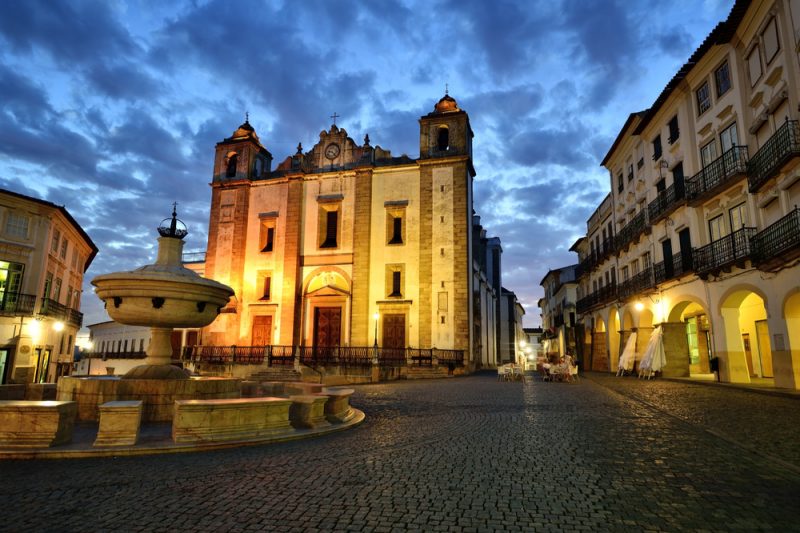
In Évora there’s a great shot in the evening from Jardim Diana (locals call it the square garden) looking toward the Roman Temple, with the rooftop of the Cathedral in the background.
Scam to Avoid
When you order pork sausage or ham, specifically request Iberian black pig; otherwise, you may get served the standard white pork while being charged the price of the Iberian.
The Souvenir
Cork products—everything from ties and suitcases to umbrellas and handbags—are sold all over Portugal, but they’re produced in the Alentejo, so this is the best place to buy them.

Stay in the Know With Our Newsletter