Make Your Next Trip Extraordinary
The Smartest Ways to Elevate Your Safari
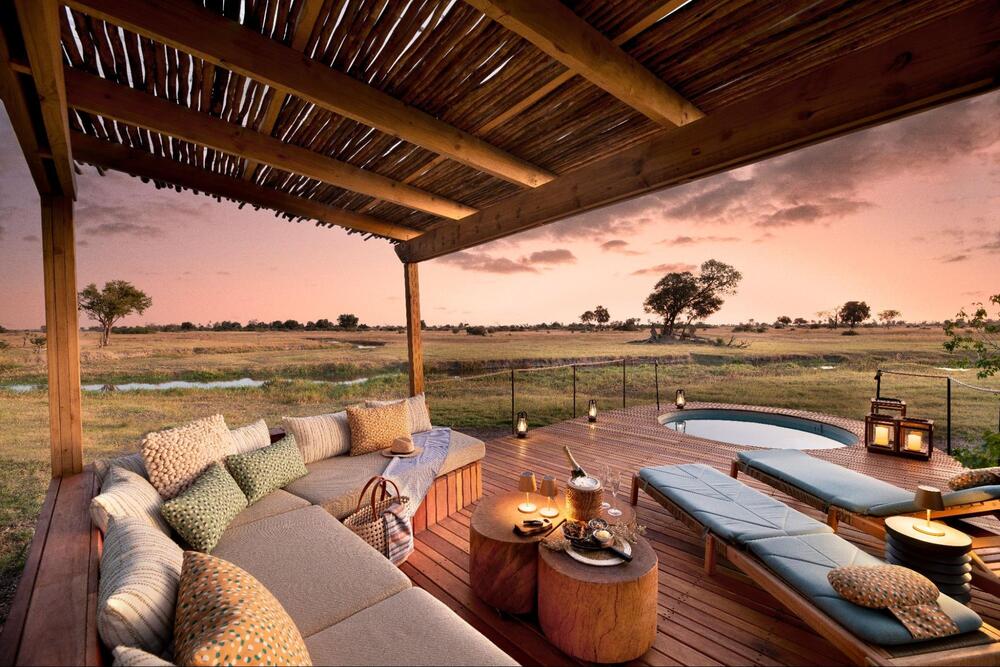 Getting a few crucial elements right will make all the difference in your safari. Photo: Natural Selection
 Some safaris offer extraordinary wildlife but little sense of being alone with it. You can travel halfway around the world to see a magnificent lion, only to find it surrounded by a traffic jam of jeeps. Or you can make a handful of smart choices that transform the experience entirely: quieter wildlife encounters, low-density parks, exceptional guides who know how to read the bush, and meaningful connections with the people and landscapes around you.
After a recent safari through Botswana’s Okavango Delta and Makgadikgadi Salt Pan, one thing was clear: A safari is shaped as much by how you experience it as by what you see. Knowing how to choose the right camps, season, local activities, and modes of travel can turn a good trip into an unforgettable one. Here are some small changes that will transform your next safari.
Time Your Trip For the Experience You Actually Want
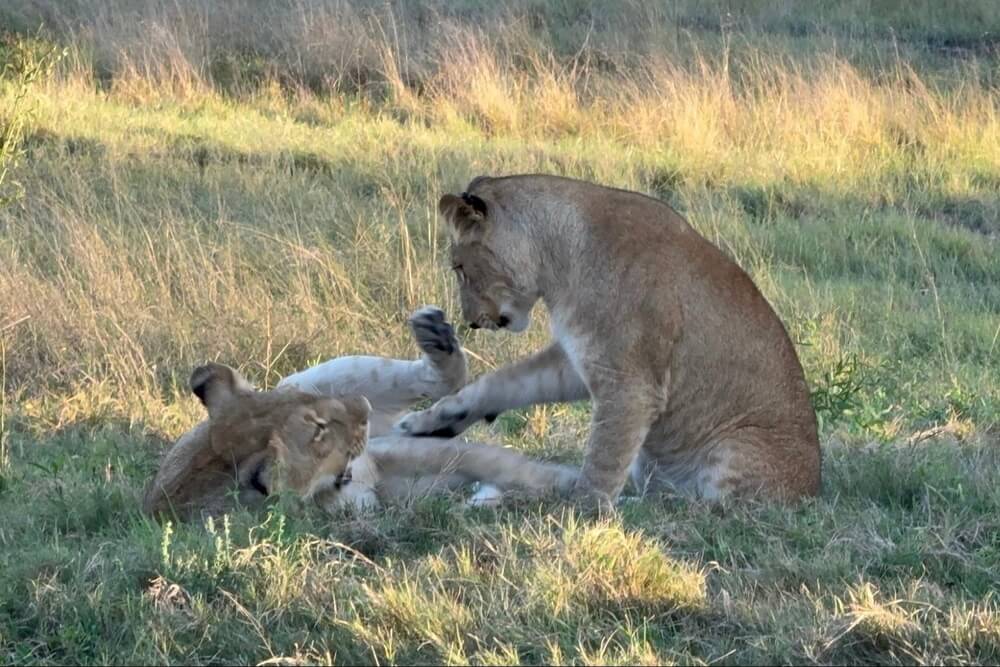
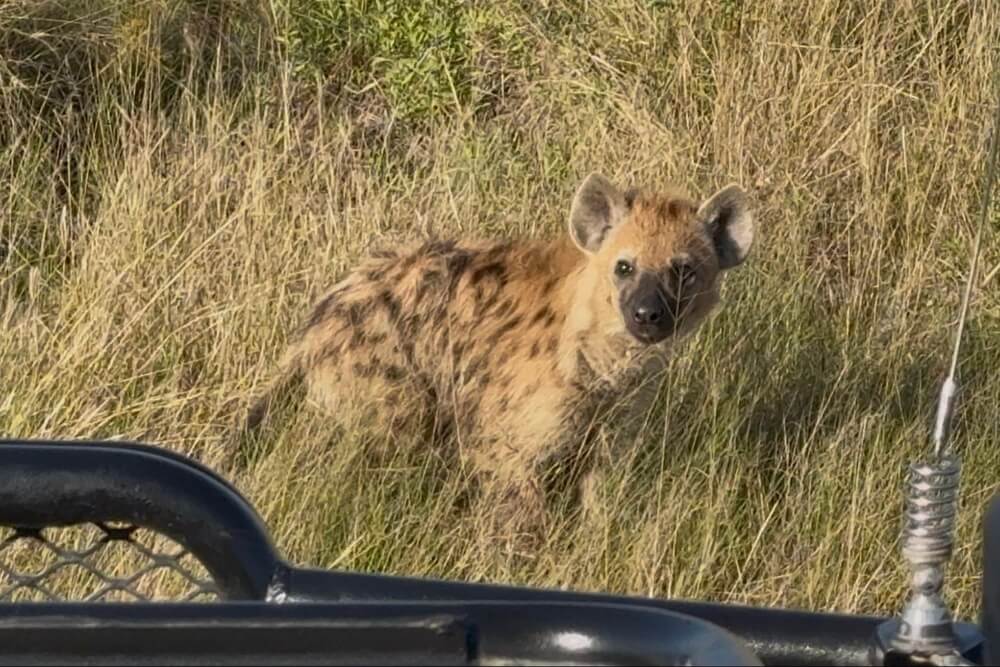
Safari seasons are less about “good” or “bad” weather and more about what story you want nature to tell. The same location can feel entirely different from one month to the next: floodplains rise and fall, migration patterns shift, foliage thickens or thins, and newborn animals appear. On my trip last month, at the tail end of the green season’s rains, I saw baby hyenas bold enough to trot curiously toward our jeep, and lion cubs wrestling in tall grass.
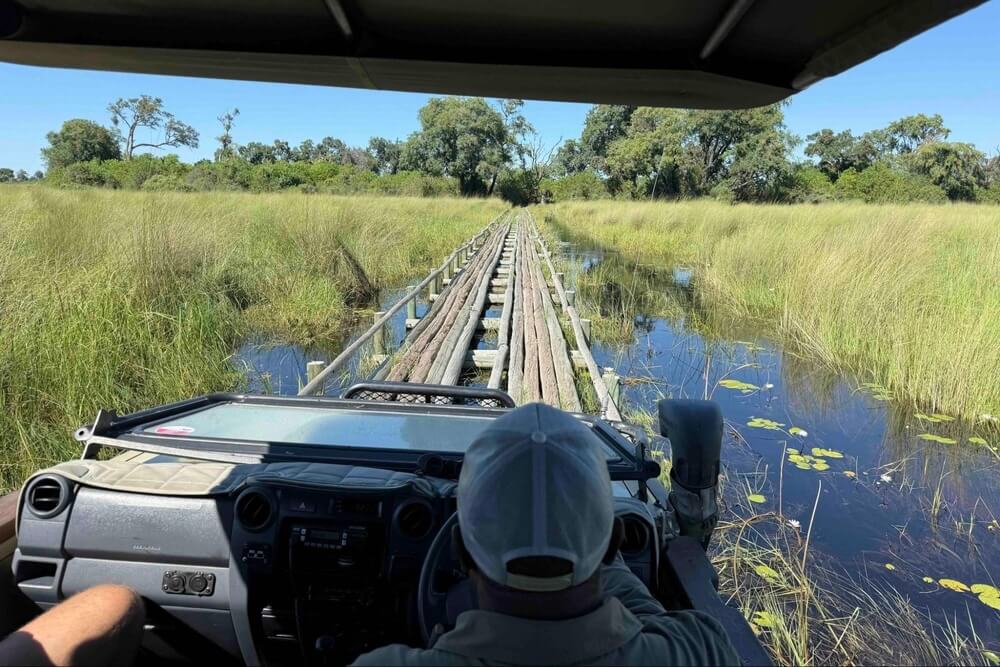
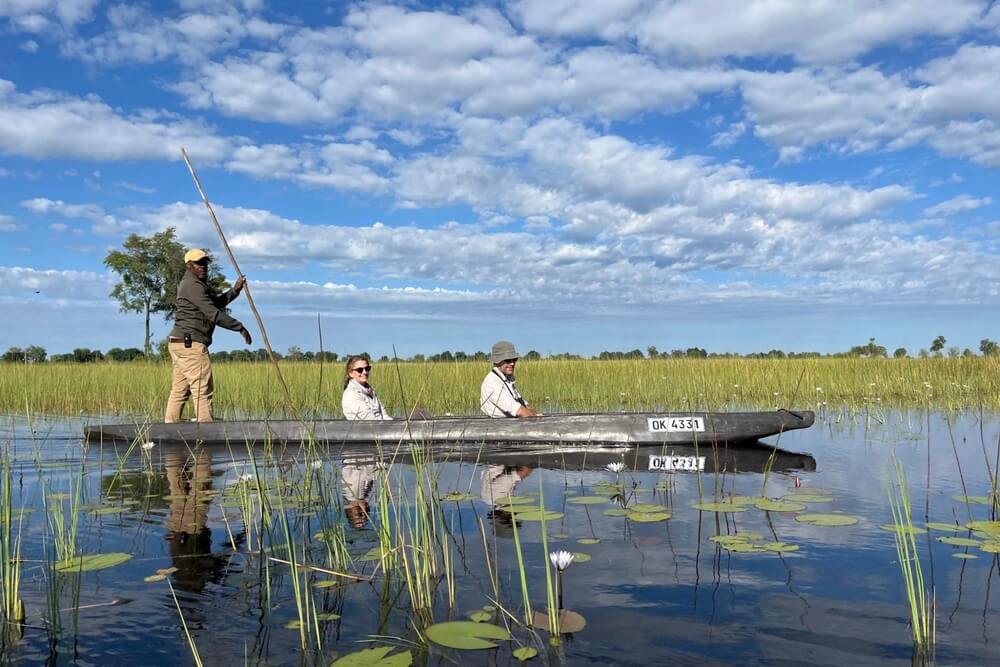
Unusually high water levels turned some game drives into boat excursions through flooded channels lined with lilies and papyrus. I had to skip quad biking on the salt pans in favor of gliding silently through the Delta on a mokoro (a traditional dugout canoe).
In many safari destinations, the dry season is considered prime wildlife-viewing season because animals congregate around shrinking water sources and vegetation is less dense, making sightings easier. In the green or rainy season, landscapes become lush, birdlife explodes with migratory species, and many animals give birth, meaning you’ll often see babies and heightened predator activity. The tradeoff is that thick vegetation can make wildlife harder to spot, and some roads or camps close because of rain.
Opt For More Intimate Camps
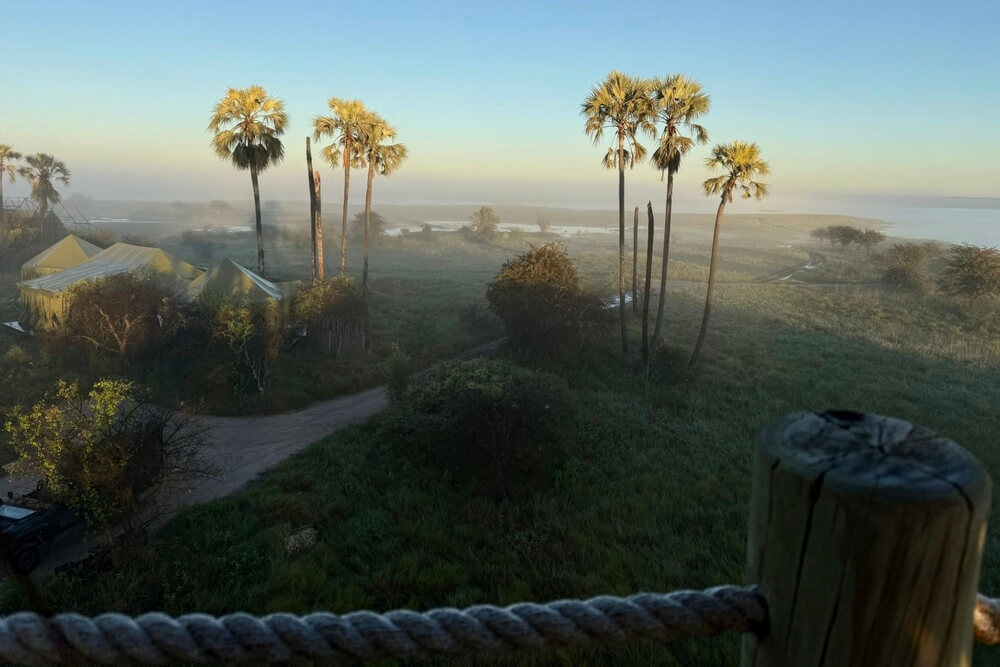
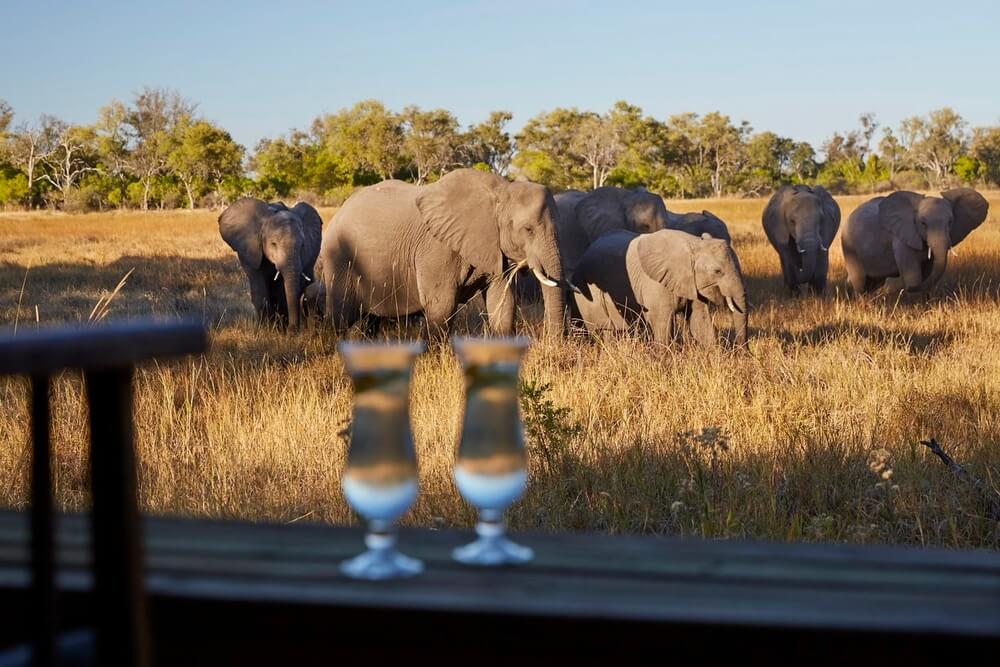
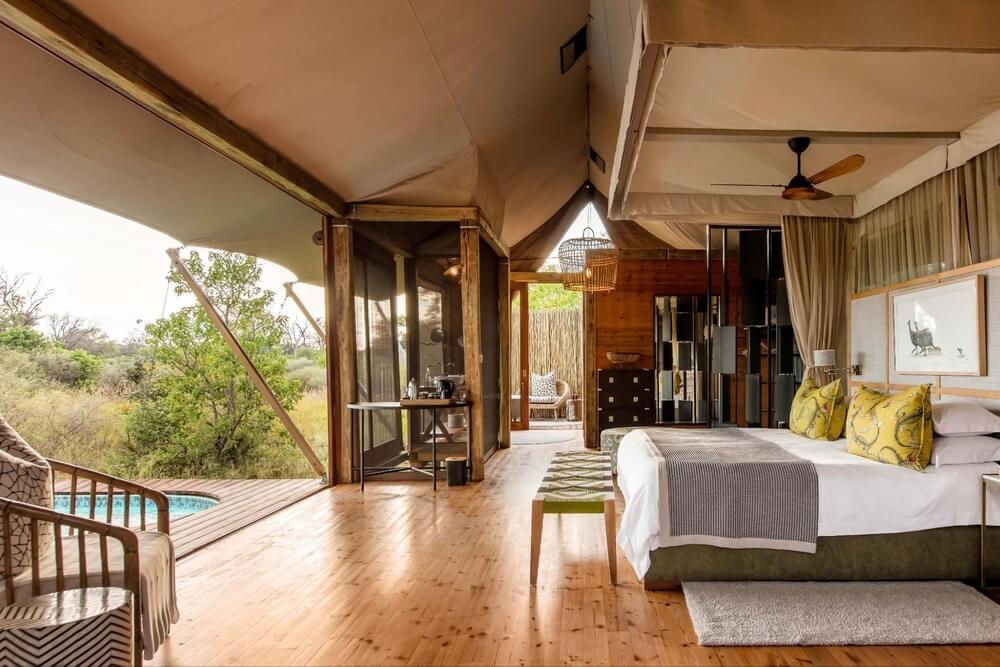
On safari, smaller is usually smarter. At a camp with only a handful of tents, you are more likely to feel part of the landscape—and feel the presence of animals as neighbors—than view it as a theme park somewhere out beyond your door.
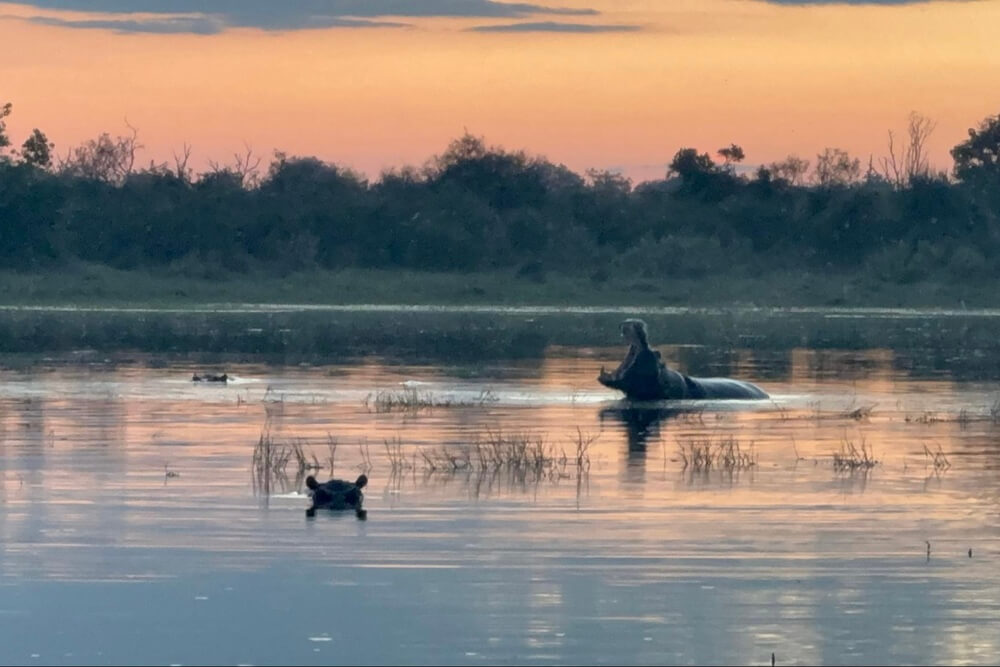
A more intimate camp also means a more subtle footprint, fewer jeeps on game drives, and meaningful conversations in communal dining areas. Canvas tents can also be downright luxurious: Mine had four-poster beds, chandeliers, private plunge pools, and outdoor showers opening onto endless floodplains. And yet the real luxury was the feeling of immersion. At night, beyond the zippered mesh walls, you hear the wilderness breathing around you. My first evening, I clicked off the bedside lamp and immediately heard a deep hippo bellow, followed by the slow slosh of something massive moving through the water. By the second night, my unease had mellowed into a quieter awareness. The wilderness does not revolve around human presence. The animals are largely indifferent to us unless surprised, threatened, or kept from their young.
Prioritize Places With Low Vehicle Density
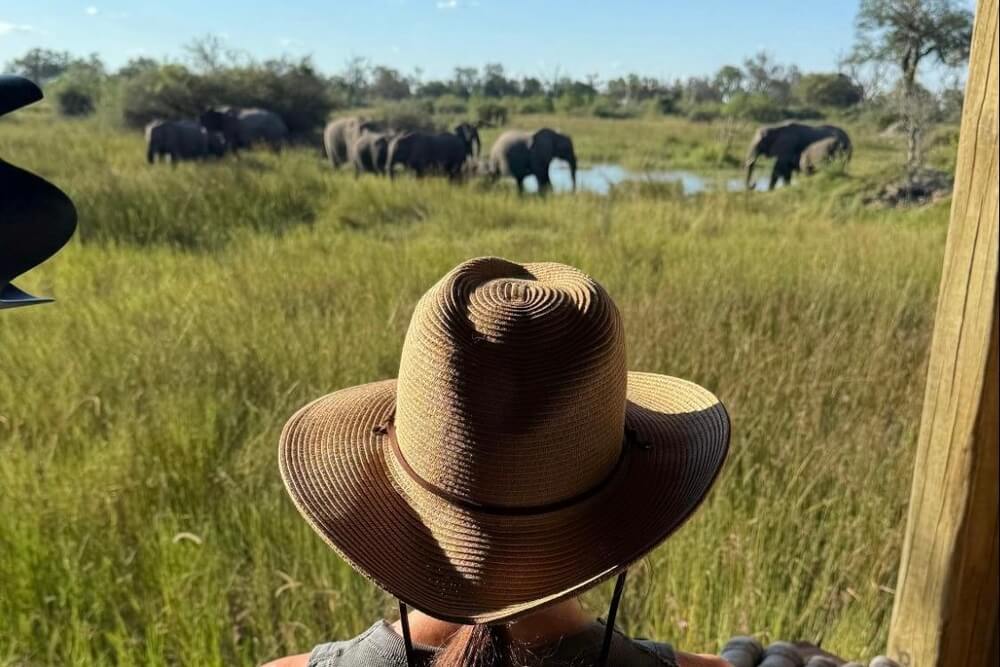
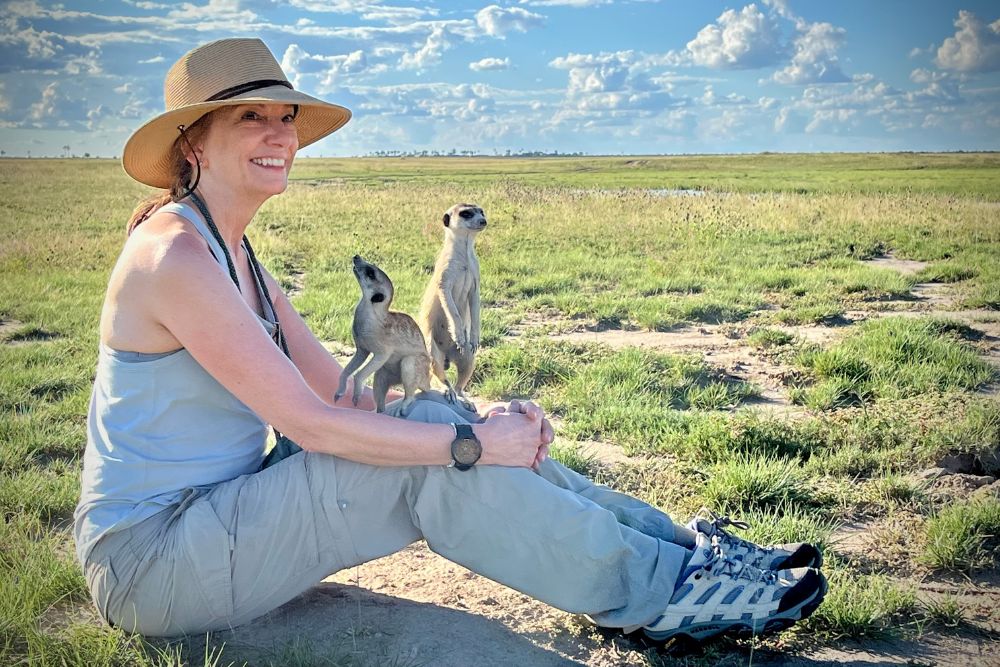
Nothing shatters the romance of a safari faster than a traffic jam around a leopard. On my trip, we were usually the only jeep in view. Sitting with habituated meerkats on the Okavango Delta, there wasn’t another soul in sight—and that’s the only way the meerkats would have it. That serenity turned out to be one of the biggest luxuries of all.
The difference often comes down to where you stay: national parks, private concessions, and conservancies all operate differently. Camps in low-density private concessions typically limit both guest numbers and vehicle access, which means quieter sightings, unobstructed photos, and the extraordinary feeling that you have been invited into the animals’ world.
One evening on a game drive, our guide was notified via walkie-talkie that there’d been a lion kill nearby. We turned off the dirt path into the trees, and came upon six lions devouring an antelope. The guide shut off the engine and put on the dim red-tinted floodlight, which disturbs them less than a white glare. We were only about 20 yards away, feeling impossibly close to the writhing tawny bodies, muffled grunts and cracking of bone, yet they were paying us no attention because we were staying in our lane. The vehicle that had given us a heads-up was vaguely visible in the darkness on the other side of the lions.
This kind of subtlety, this ability to melt into the lions’ background, would not have been possible with more spectators. It would have made our intimate, surreal encounter into black-box theater.
Once you experience a lion sighting in near silence, without a ring of idling engines, and sit on the edge of the silent salt pan at sunset, it becomes hard to imagine doing a safari any other way.
Don’t Spend the Whole Trip in a Jeep
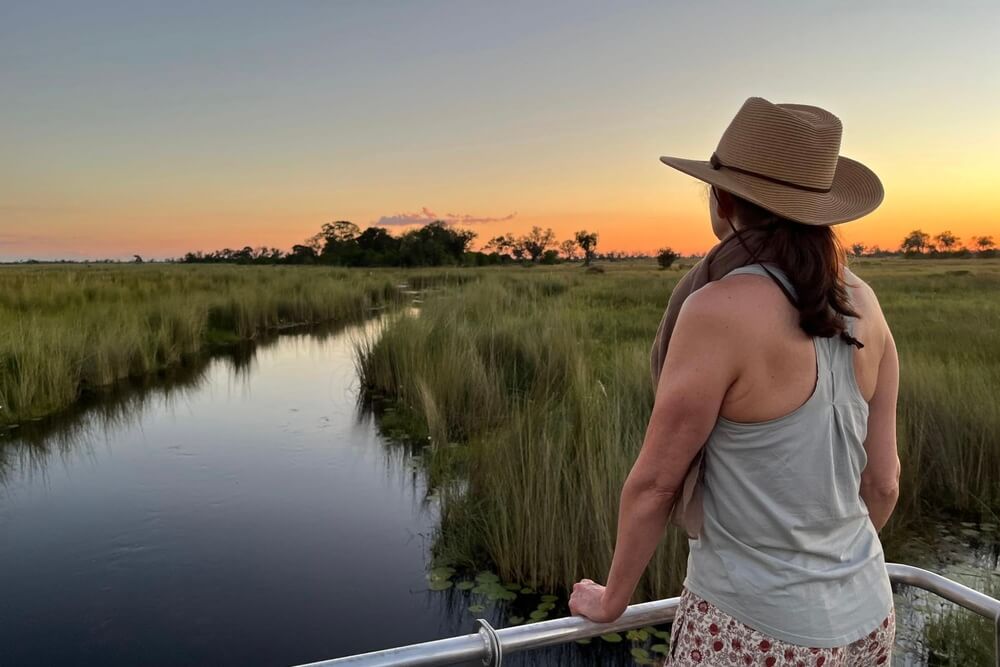
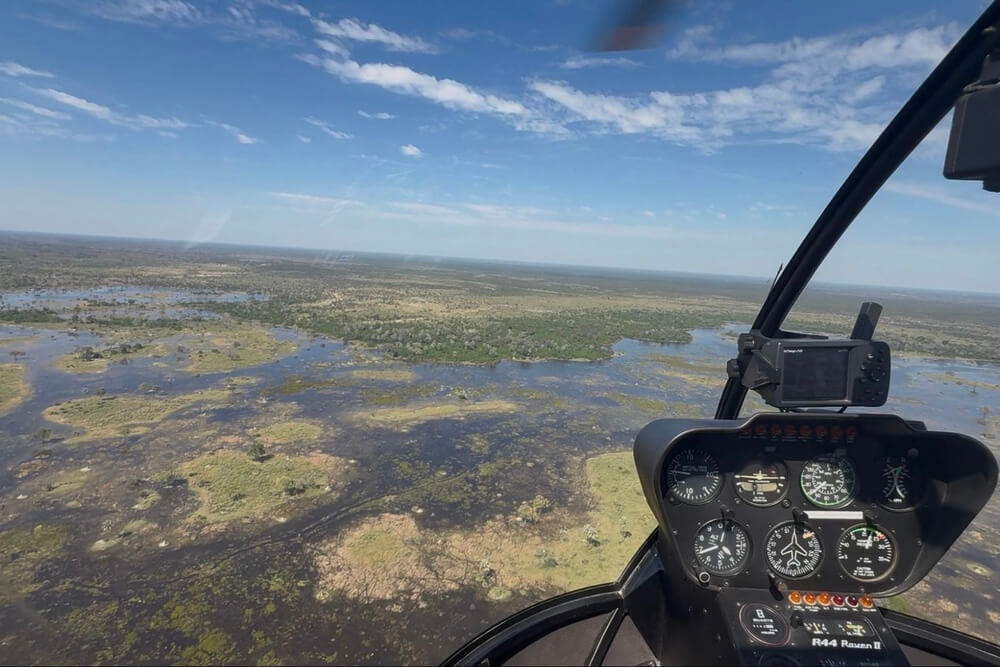
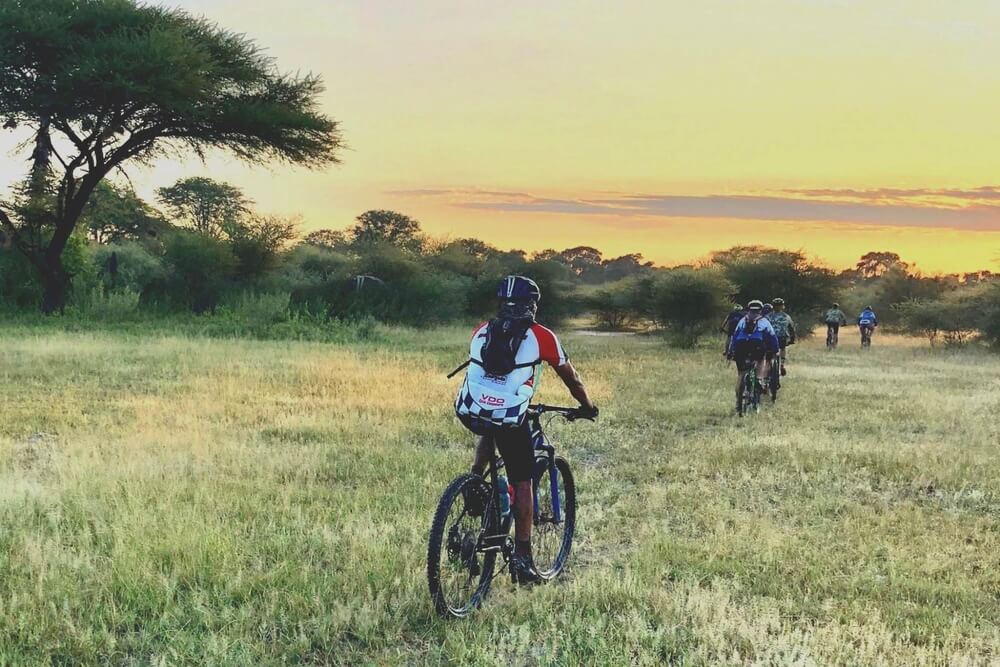
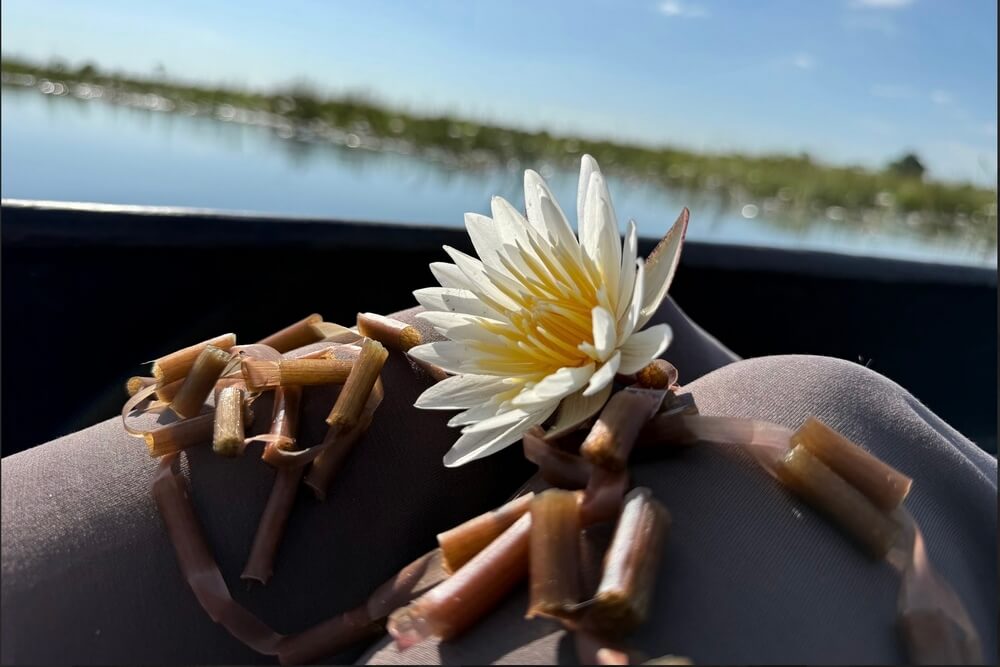
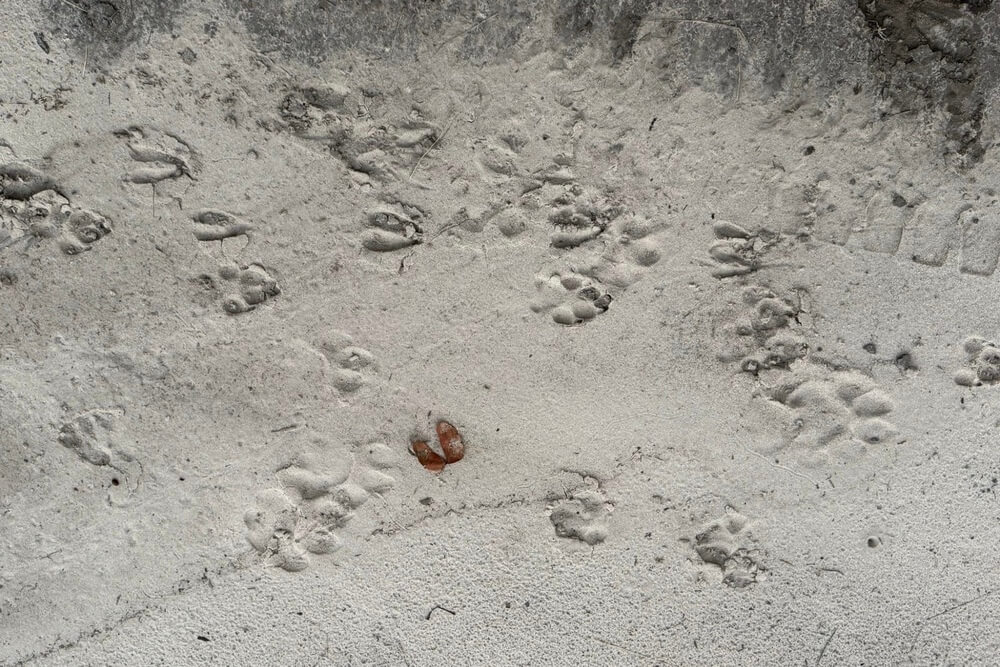
Safari operators have devised a growing number of ways to experience the wild beyond game drives. There are walking safaris that sharpen your senses to tracks and birdsong. Bicycle trips have you pedaling the packed-dirt trails of traditional elephant walkways. Horseback safaris let you move through the bush as another animal would. Helicopter flights give you a view from above herds and waterways. And mokoro rides place you at eye level with water lilies and reeds. Some of my favorite wildlife moments happened not in a vehicle but drifting quietly through the Delta. Our guide Scara pulled a water lily and its long stem from the river, and after noodling with it awhile, handed me the flower transformed into a necklace. “We used to make these as kids,” he said.
Pack Less Than You Think You Need
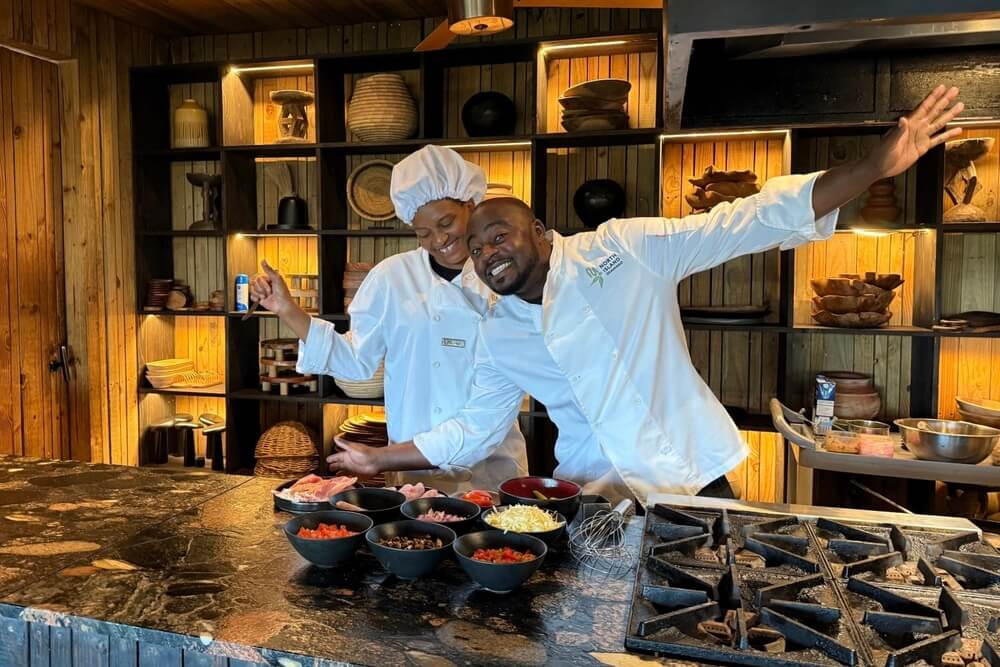
First-time safari travelers tend to overpack. Many camps provide nearly everything: insect repellent, reusable bottlers for their filtered water, umbrellas, complimentary laundry service, bird identification books, shared binoculars for the jeep (though it’s better to have your own). I brought an ample supply of protein bars, thinking I’d need sustenance on long drives. Silly me: Tea time delivered a more ample spread across the jeep’s bonnet than anything I could have brought, and I was usually still full from the generous meals at camp.
Meanwhile, bush flights often impose strict luggage weight limits. Every extra pound matters. I came across a stunning book of black-and-white photography that I desperately wanted, but I couldn’t manage the added weight. Leave room for the things you’ll discover along the way: handwoven baskets, local kikoi textiles that serve as both scarf and sarong, beaded jewelry purchased from shops directly connected to village artisans. Those purchases become part of the trip too, helping support the communities that coexist with the wildlife.
Let Yourself Fall in Love With the Unexpected
Most people arrive in Africa laser-focused on the Big Five. I too thought I’d be obsessed with lions and leopards. Instead I became unexpectedly captivated by hippos—those grumpy, territorial vegetarians so ungainly on land on disproportionately small legs, but surprisingly elegant in the water—and the meerkats, habituated to human presence but unimpressed by us beyond our usefulness as a higher vantage point for predators. I was fascinated by termite mounds and their intricate civilization that rivals the honeybee, as well as a ten-foot python sleeping off its antelope breakfast. I loved the way acacia trees were “trimmed” into high straight hemlines by nibbling giraffes. And I was thoroughly enamored with the smell of wild sage, earthy and savory, and brought a sprig back to my tent daily.
And the birds. Vultures, eagles, storks, francolins, kingfishers—so many birds. At the beginning, I looked beyond them to the larger mammals. But by the end of the trip I found myself flipping through Newman’s Birds of Southern Africa, attempting identifications. As one guide told me: “You come for the lions, and end up seduced by the LBBs (little brown birds).” The smartest safari travelers are open to stealth fascination in all its forms.
Choose Camps That Ensure Your Tourism Dollars Have an Impact
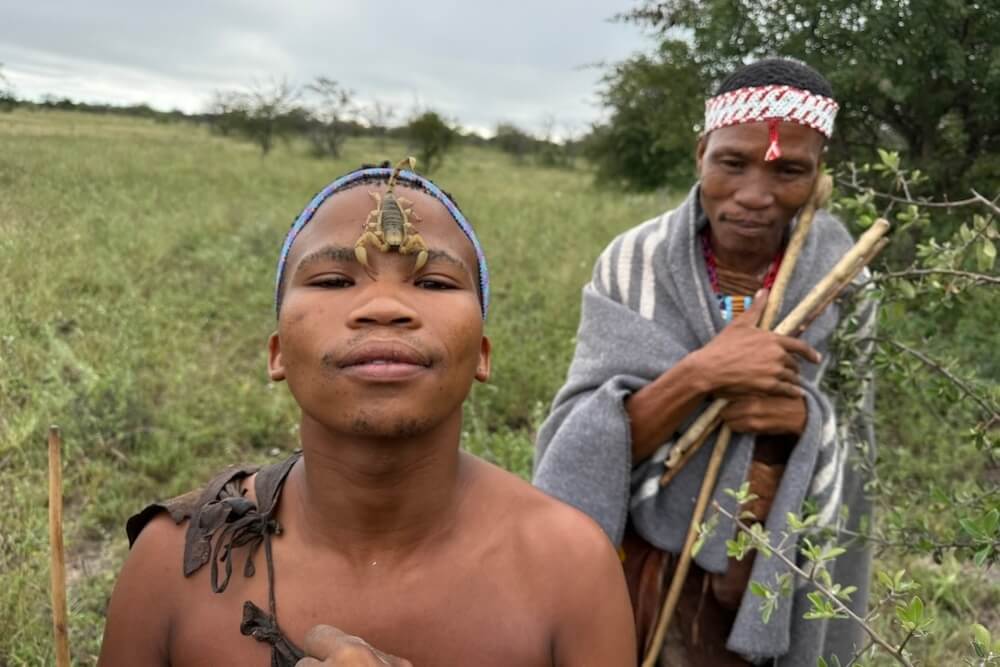
The best safaris don’t just protect wildlife; they put a portion of their tourism dollars to work improving life for nearby communities. Increasingly, safari companies support schools, anti-poaching initiatives, ranger programs, and NGOs that reduce conflict between villagers and predatory animals. In Botswana, I learned about an “Elephant Express” bus created by the tour operator Natural Selection because children walking to school were sometimes injured crossing elephant corridors. Travelers can take a walk with Bushmen, who share traditional practices about hunting, medicinal plants, and building homes, and even demonstrate how teenage boys mount bravery competitions—by digging up scorpions and balancing them on their foreheads.
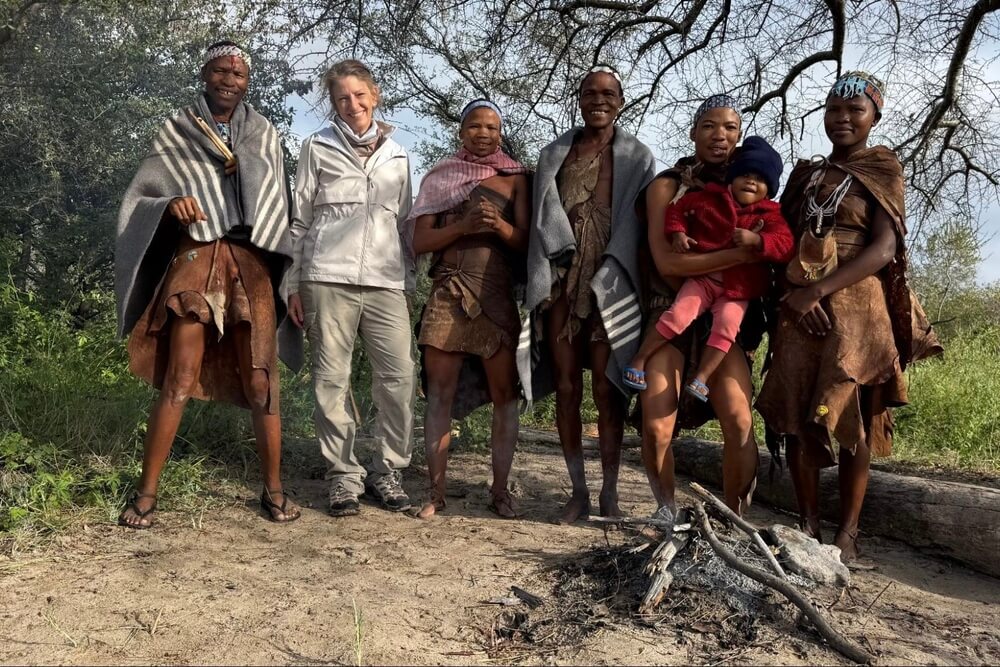

Some safari planners can arrange for travelers to participate in research and conservation efforts, such as tracking and collaring wild dogs, helping with fieldwork in the bush, and monitoring nesting leatherback turtles. Cultural experiences in local villages offer travelers a first-hand look at schools, medical facilities, craft traditions, and women’s economic empowerment initiatives. The employment of local people from the villages itself has a tremendous impact, with each hire typically supporting seven additional people back home. These experiences add a deeper dimension to a safari, with the knowledge that your tourism dollars can help wildlife and communities thrive together. Don’t hesitate to ask safari operators and camps how they make their conservation and community support tangible. The good ones will be proud to tell you.
Transparency disclosure: Nichole was hosted in Botswana by safari operator Natural Selection. In keeping with our standard practice, there was no promise of editorial coverage in exchange: Complimentary or discounted travel never influences our reportage. All of these experiences are accessible to every traveler who uses Wendy’s WOW questionnaire. Thanks to Wendy’s WOW approach, you’ll get marked as a VIP traveler.
Be a smarter traveler: Sign up for Wendy’s weekly newsletter to stay in the know. Read real travelers’ reviews, then use the black CONTACT buttons on Wendy’s WOW List to reach out to the right local fixer for your trip.
Botswana Insider’s Guide: Small Safari Camps and Vast Wilderness
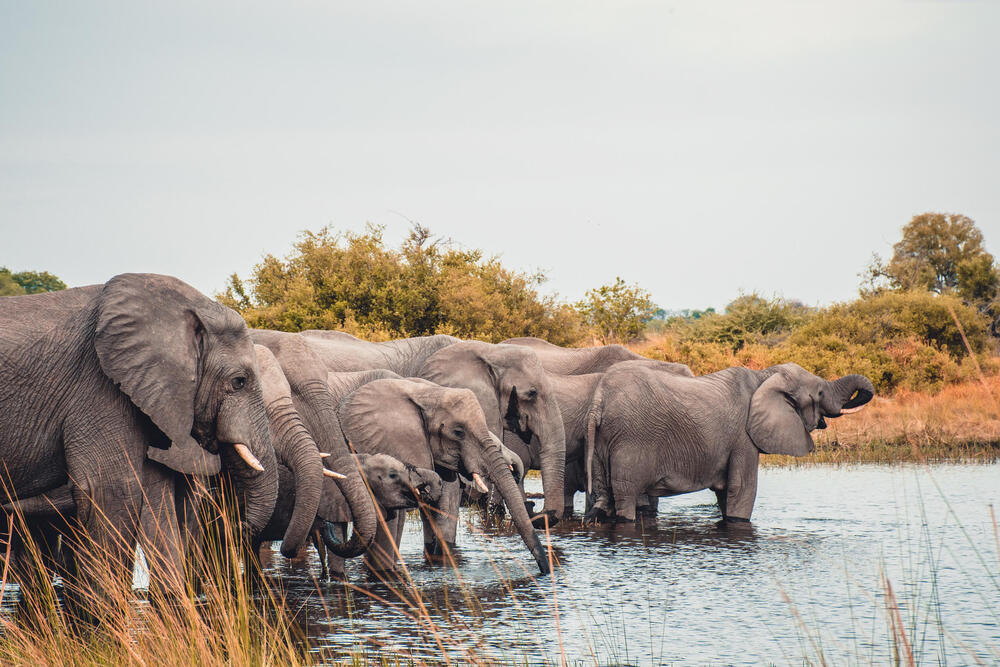
Our Botswana guide reveals the best camp for families, the best travel times for a deal, and the photo op you shouldn’t miss.
Insider’s Guide to Madagascar: An Island Like No Other
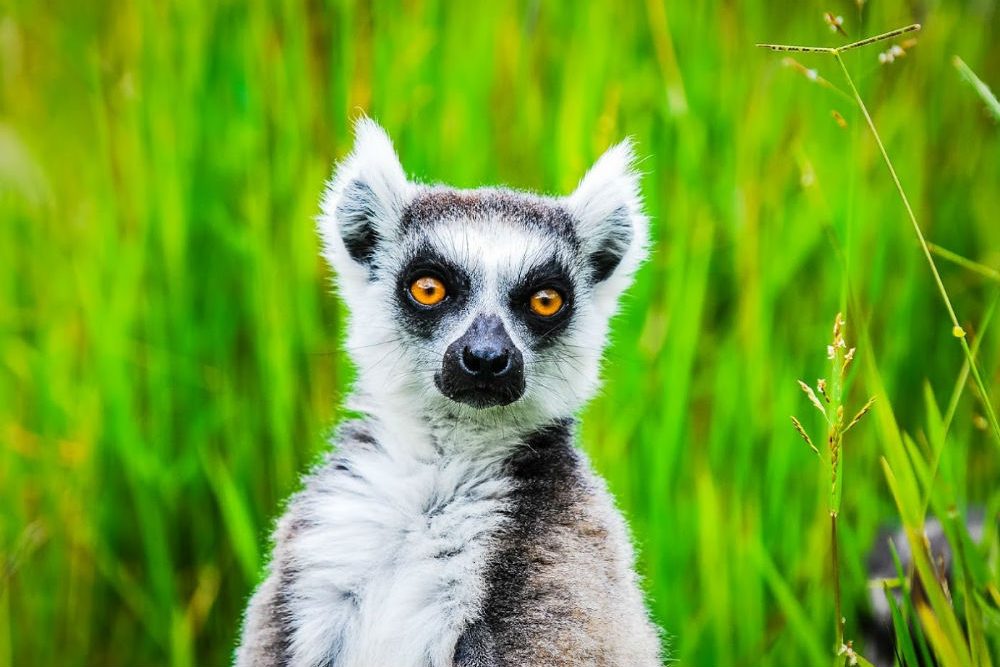
The African island of Madagascar is not what you expect: from rich wildlife to desert to lush jungle to white beaches, it will surprise you.



Stay in the Know With Our Newsletter