Make Your Next Trip Extraordinary
Botswana Insider’s Guide: Small Safari Camps and Vast Wilderness
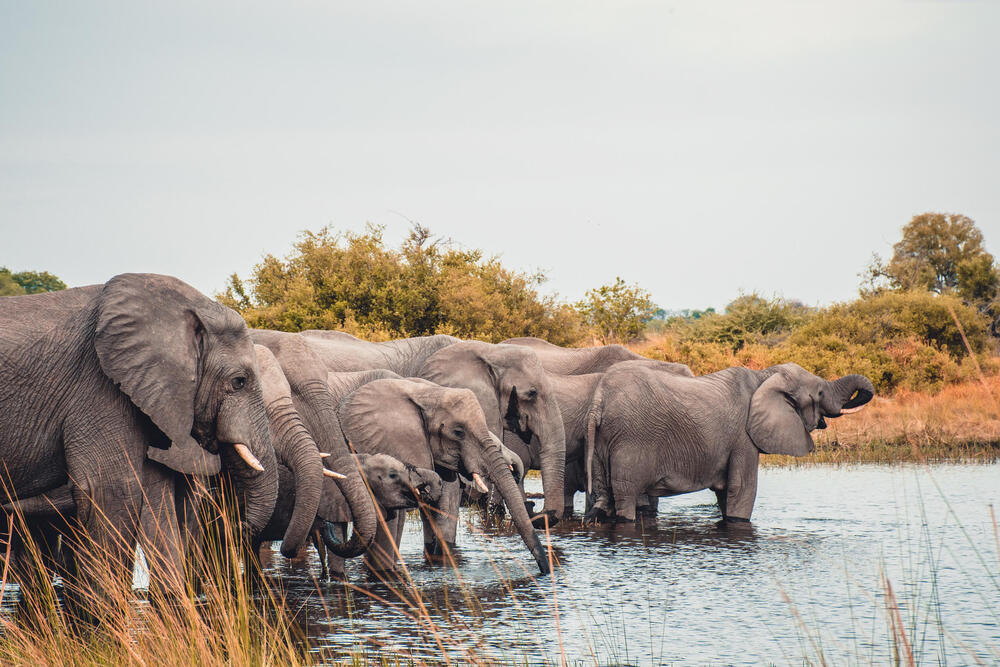 Botswana has a thriving elephant population thanks to successful conservation efforts. Photo: Kwando Safaris
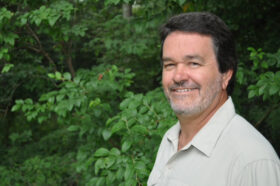
The insider advice on this page is from one of Wendy’s Trusted Travel Experts for Southern Africa: Julian Harrison of Premier Tours.
Fluent in Afrikaans and Zulu, Julian was born and raised in South Africa, where he spent the early part of his career establishing his safari bona fides by working as a ranger in KwaZulu-Natal and cohosting a weekly radio program about wildlife conservation. Later, he co-authored Fodor’s African Safari, giving him the chance to show off his extensive knowledge of every park, lodge, and safari camp in southern Africa. He knows exactly where to go—and when to go—to make the most of your time and money, and takes great pleasure in introducing his clients to the lesser-known corners of the continent, such as the wilds of the Congo rain forest (“The Jungle Book come to life,” as he calls it).
Where to Stay
Best-value safari camp
Mokolwane is situated in the southern part of the famous Okavango Delta in the Xudum concession, which spans a 396,000-acre area that is virtually untouched. With just seven tents, guests are ensured a very private Delta safari experience. Predator action is abundant, as this is leopard country—so much so that wildlife filmmaker Brad Bestelink and his crew chose Mokolwane as their base for his recent Netflix documentary, Living with Leopards.
Safari camp worth the splurge
Duba Plains Camp is the epitome of a Botswana luxury safari. With only five private suites, the camp is designed to evoke a sense of intimacy, blending into the landscape with 1920s-inspired styling reminiscent of the early African settlers. The private Duba Concession hosts a plethora of palm-dotted islands, flood plains, and woodlands that are unique to the region and thus support a large diversity of wildlife. For a luxury safari with excellent game-viewing, not many camps rival Duba Plains.
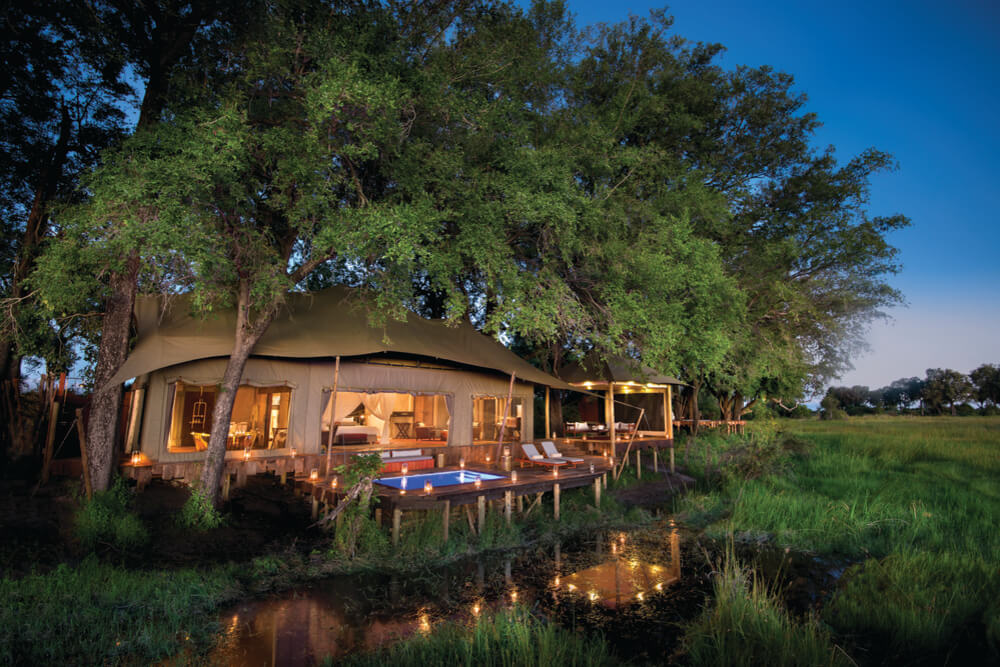
As safari camps go, Duba Plains is one of the best. Photo: Great Plains Conservation
Best safari camp for families
Kanana is an intimate camp located in the southwest of the Okavango Delta along the Xudum River. The camp offers the best of both worlds: exploring the concession via game drive, navigating the Delta’s waterways by boat, or gently poling through the reeds on a mokoro (a traditional dugout canoe). There are seven double rooms, along with a two-bedroom tent perfect for families with children. The Young Explorers Program and specialist family guides ensure that children and parents alike are engaged.
What to See and Do
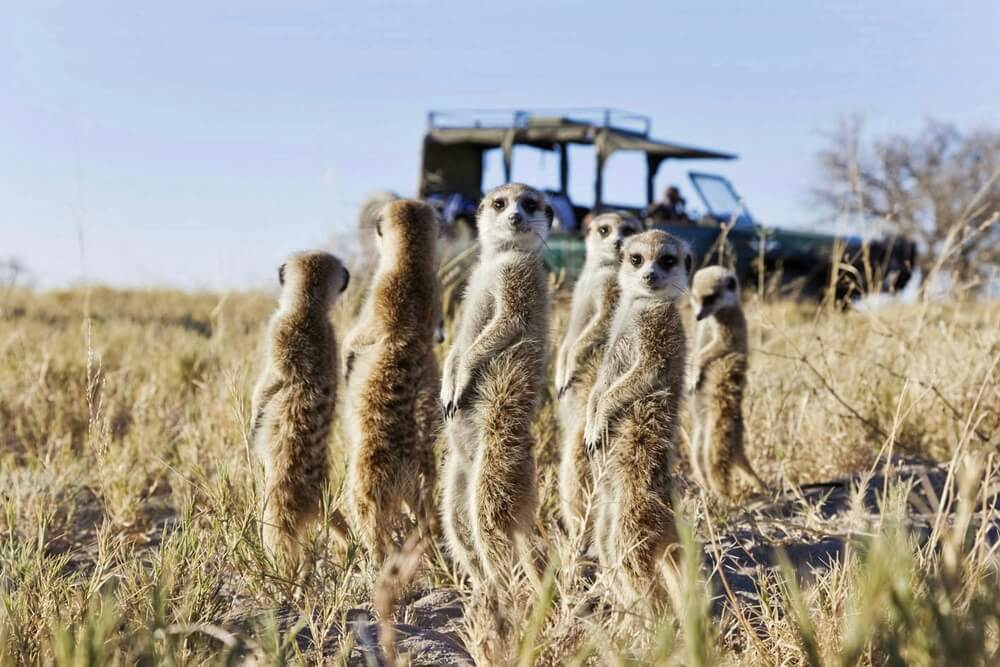
Get close to habituated meerkats in the Makgadikgadi Pans. Photo: Natural Selection
Don’t miss
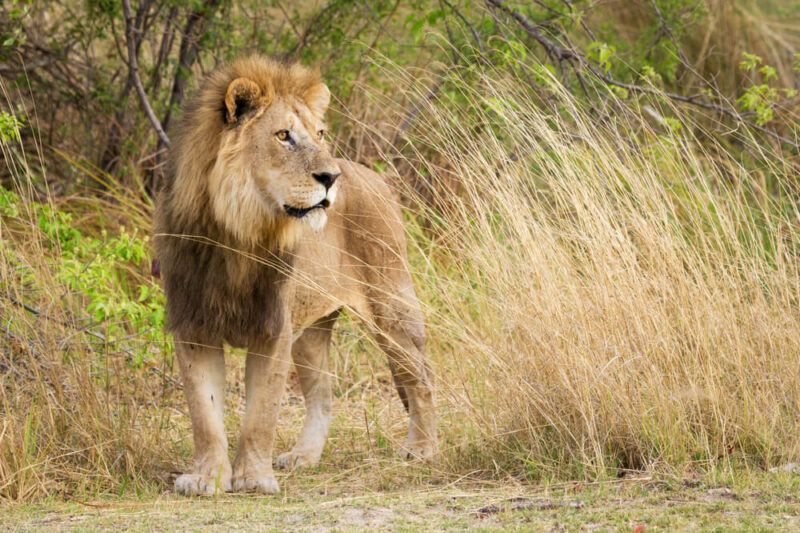
The Kalahari Desert is home to the San bushmen, one of the oldest tribes in Africa, and among the last wild places in the world. The best time to visit is during the annual rains from November through March. This is when the Kalahari springs to life, attracting great numbers of desert-adapted oryx and springbok, which in turn are followed by cheetahs and the famous Kalahari black-maned lion.
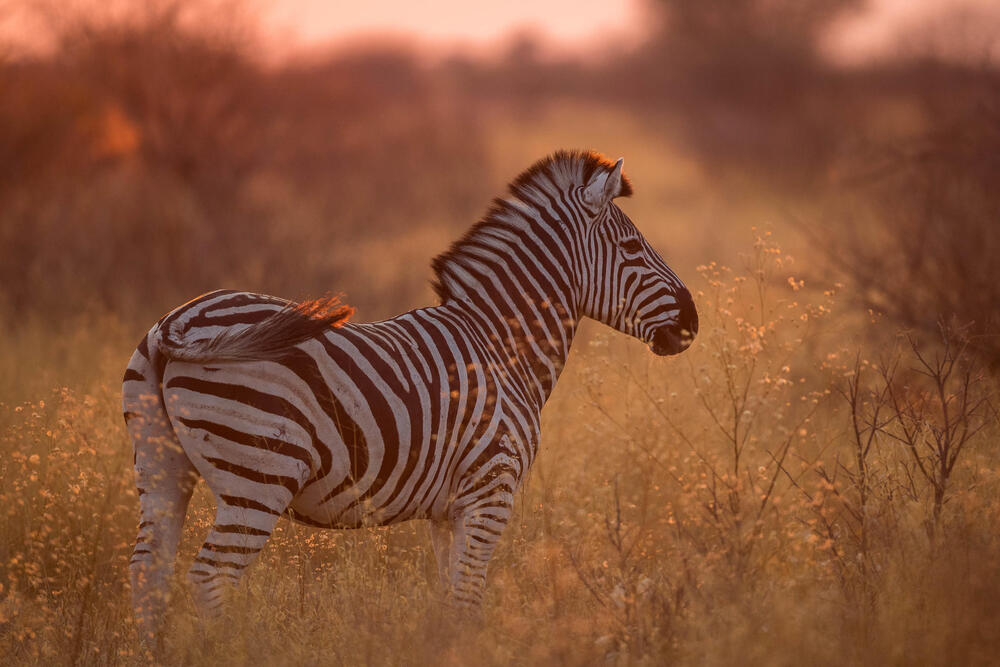
The grasslands of the Kalahari are a great counterpart to the Okavango Delta. Photo: Ker & Downey Botswana
Going on a walking safari. There’s no better way to immerse yourself in the natural world than by experiencing it on foot, and nowhere is that more true than around Botswana’s Okavango Delta, one of the most biologically diverse places on the planet. Not all camps offer walking safaris, and only specially trained, qualified guides can lead the treks, which can last from two to four hours. Julian usually makes arrangements for his travelers well in advance and suggests the areas that would be best for walking, depending on the time of year.
Don’t bother
Some (but not all) visits to local villages can be contrived and touristy, leaving visitors with an uncomfortable feeling of intruding on people’s lives. Unlike in Kenya and Tanzania, most villages in Botswana are far from the game reserves and safari camps, so it isn’t as easy for visitors to interact with locals in a genuine setting.
Best for thrill-seekers
A mountain-bike safari at Mashatu Game Reserve. You can choose to bike as many hours a day as you like, riding along the ancient elephant migration paths while a vehicle trails behind, ferrying your camera equipment. Professional guides accompany you through the breathtaking landscape, offering an entirely unique perspective of the untamed wilderness.
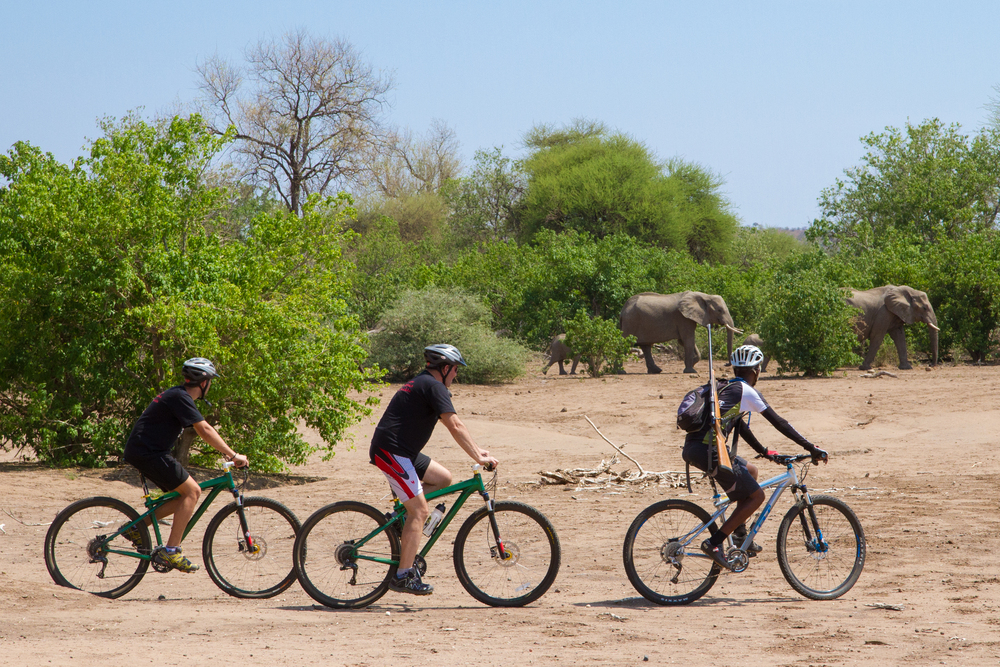
Mountain-bike safaris offer intimate glimpses of wildlife. Photo: Mashatu Game Reserve
Bragging rights
If the timing works—and the scientists are amenable—Julian can sometimes arrange for visitors to help out on a wildlife study or conservation project in the field. The excursions include tracking and collaring wild dogs, or conducting fieldwork on any number of plant and animal species in the bush.

Get a Personalized Trip Recommendation
For a travel solution tailored to your trip goals and preferences, click this green box.

Best Time to Go
June through October—the dry season—is excellent for seeing wildlife, since the animals congregate around a few main water sources. For boating around the vast labyrinth of lagoons and channels that make up the Okavango Delta, no time is better than June, July, and August, when the water reaches its highest levels and the climate throughout Botswana is at its most pleasant (daytime temps during those months are usually in the mid 70s, though the mercury can drop into the low 40s at night). In September and October, the afternoons can be much hotter, usually in the 90s.
Worst Time to Go
November and early December. It’s the start of the rainy season, and though rainfall can be minimal, cyclones do occasionally occur, bringing a deluge of rain for several days that severely limits game viewing and other safari activities.
Best Time For a Deal
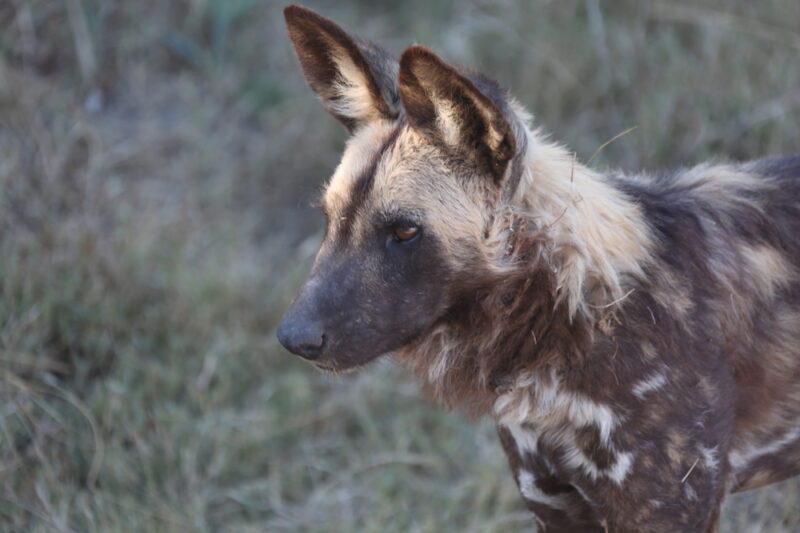
Mid-December through March. It’s technically part of the rainy season, though it tends to rain only in short spurts, while the terrain is lush and green and at its most photogenic. The rates at the camps and lodges are more attractive too—sometimes up to 35 to 40 percent lower than the high (dry) season rates. On top of all that, many grazing species (zebra, wildebeest, antelopes) have their offspring between December and March, which means you’ll have a better chance of seeing the predators (including cheetahs, leopards, lions, and wild dogs) in action.
Biggest Rookie Mistakes
Picking the wrong seat on your safari drive. Most first-timers tend to opt for the third row of seats in the safari vehicle because they’re higher than the others (the stepped seating allows for unobstructed animal viewing), but those seats are farthest away from the guide, which can hamper one’s ability to hear them. The third row is also just behind the rear axle of the vehicle, which creates a greater whiplash effect when driving over uneven terrain.
First-time safari-goers are often so obsessed with photographing everything that they forget to put down the camera once in a while and just take it all in and absorb the magic of the moment.
Instagram Moment
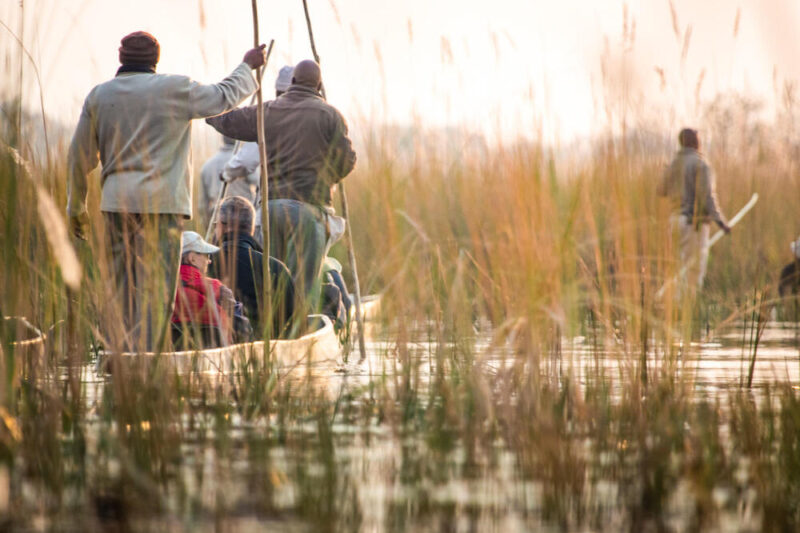
Taking a sunset ride on a mokoro through the papyrus-fringed waterways of the Okavango Delta.
The Souvenir
The small gift shop at Selinda Camp, owned and operated by well-known wildlife photographers and filmmakers Beverly and Dereck Joubert, sells some of Beverly’s famous big-cat photos that will probably—no matter how hard you try—put yours to shame.
Must-Have Apps
Sasol eBirds of Southern Africa lets you listen to recordings of the calls and songs of all the feathered friends you’re likely to see.
Kingdon Pocket eGuide to African Mammals is an encyclopedic field guide to animal spotting, converted into a handy app.
Don’t Forget to Pack
Heavy-duty moisturizer and lip balm (both with SPF 30 or higher) and, if you wear contact lenses, extra contact-lens solution. The dust, and driving around in open vehicles in the hot sun, can wreak havoc on your eyes and skin.

Stay in the Know With Our Newsletter