Make Your Next Trip Extraordinary
Affordable Spain: Insider’s Guide
 San Sebastián combines a modern city, beautiful beaches, and a noteworthy food scene. Photo: Shutterstock
The insider advice on this page is from one of Wendy’s Trusted Travel Experts for Spain: Juan Gonzalez of Unbox Spain.
Juan was born in Madrid, globetrotted through his childhood, went to college in the U.S. and business school in Barcelona, and has now come full-circle back to Madrid, where he leverages his background and contacts to reveal fascinating aspects of his country to travelers. He knows which doors to knock on to make each trip special—whether that means pregaming with superfans before a soccer match, meeting an artisan who makes flamenco dresses by hand, cooking with a Michelin-starred chef, or visiting small wineries near La Rioja, where his father is from. Unlike many other Spain specialists, Juan can accommodate travelers who prefer to get around by rental car (in addition to private drivers and high-speed trains), and he handles not just the mainland but also Ibiza, Mallorca, and the Canary Islands. Always on the lookout for affordable luxury, Juan prefers 4-star superior hotels where you’re treated like family.

What to See and Do
Most underrated place
Ronda. The dramatic setting—perched above a deep gorge with a historic bridge connecting the two sides of town—is unforgettable. Despite its beauty, many travelers skip it or only stop briefly enroute to larger cities. Spending more time there allows you to appreciate its historic center, quiet atmosphere, and the surrounding countryside, which is known for its olive groves and small wineries.
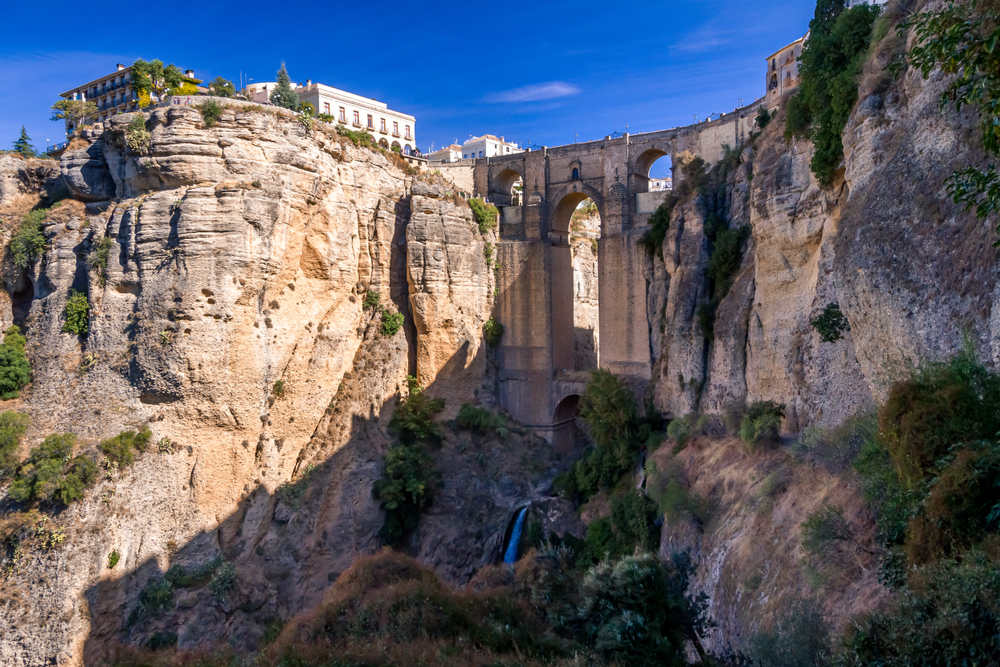
Ronda is a historic town surrounded by breathtaking natural beauty. Photo: Shutterstock
Most overrated place
Valencia as a beach destination. The city itself is worth visiting for its architecture and food scene, and the beaches are perfectly pleasant, but if your priority is truly exceptional coastline, there are much better options elsewhere in Spain, such as the Balearic Islands, Cádiz, or parts of the Costa Brava. Valencia works better as a cultural stop—especially for its historic center, the City of Arts and Sciences, and of course paella—rather than as the ultimate beach getaway many people imagine.
Don’t bother
If you’re visiting the Basque Country, don’t overnight in Bilbao, but instead stay in San Sebastián and visit as a day trip. Bilbao is definitely worth seeing—especially the Guggenheim Museum—but the main highlights can comfortably be explored in a day. San Sebastián, on the other hand, works much better as a base for several nights. The city has a much more relaxed rhythm, beautiful beaches right in town, and one of the most remarkable food scenes in Spain, particularly when it comes to pintxos bars in the Old Town.
From San Sebastián, it’s very easy to explore the surrounding region: You can drive along the Basque coastline to places like Zumaia or Getaria, visit charming fishing villages, or even cross into the French Basque Country—towns like Saint-Jean-de-Luz and Biarritz are less than an hour away.
Don’t miss
Granada. The Alhambra is one of the most extraordinary monuments in Europe. What makes it special is not only the intricate Islamic architecture but also the setting—the palace complex sits on a hill overlooking the Sierra Nevada mountains and the Old Town.
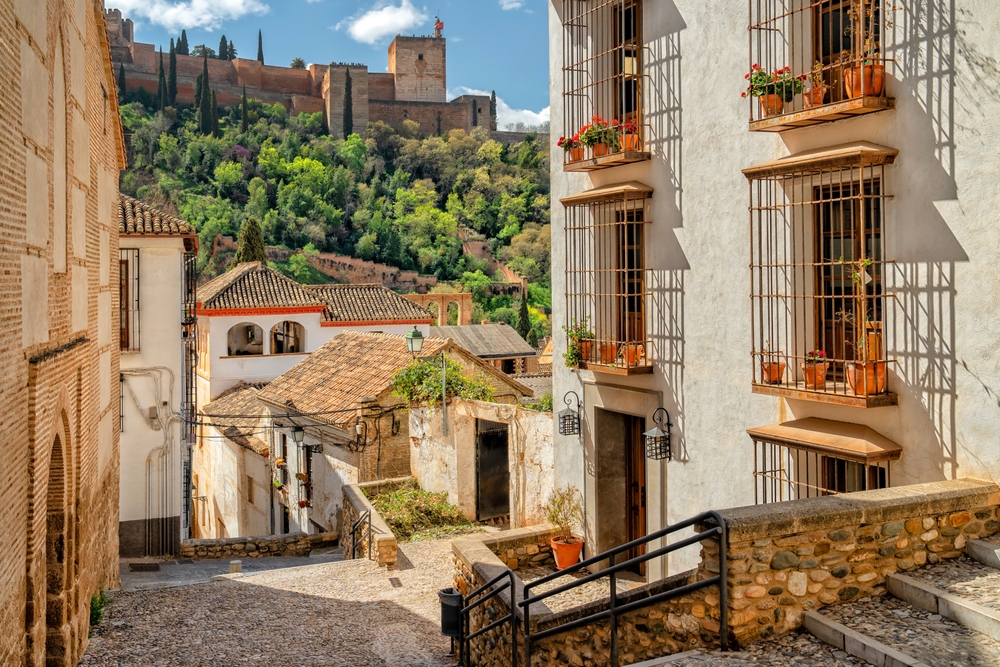
Granada holds far more delights than just the Alhambra. Photo: Shutterstock
Beyond the Alhambra, visitors can explore the Albaicín neighborhood (also a UNESCO World Heritage site), enjoy olive-oil tastings in the surrounding countryside, or go hiking in nearby natural parks. Granada one of those places that combines history, culture, and nature in a very compact way.
Hidden gem
Azpeitia in the Basque Country. It’s home to a remarkable basilica designed by a disciple of Bernini, and the architecture alone makes it worth visiting. Because it’s not on the standard tourist route, it remains quiet and authentic.
Cheap thrill
Riding in a vintage motorcycle’s sidecar through Barcelona. You don’t just see the major landmarks but also more local neighborhoods, with your driver/guide sharing stories about the city’s history and culture along the way. Because the vehicle is small and agile, it can reach places that larger tours often skip.

A motorcycle sidecar tour puts you close to the action in Barcelona’s streets. Photo: Unbox Spain
Bragging rights
Juan can arrange a private, curated evening that tells the story of Madrid through food. It begins behind the scenes in a Michelin-starred kitchen, where travelers can witness the chefs at work and enjoy a light aperitif paired with local wine—an insider perspective that is not typically accessible to the public. From there you’ll move to a historic vermutería, where drinking vermouth and enjoying simple tapas gives context to how locals have gathered and socialized for generations. The next stop is a contemporary, design-forward restaurant where the cuisine blends Mediterranean flavors with a modern approach, highlighting how Spanish gastronomy continues to evolve while staying rooted in tradition. The evening ends with cocktails on a rooftop overlooking Madrid, offering a gorgeous perspective on the city at night.
How to spend a lazy Sunday
A perfect Sunday in Spain often revolves around food and relaxation. Many locals start with aperitivo—usually a vermouth before lunch—followed by a long meal with family or friends. In Madrid, a traditional Sunday dish is cocido, a hearty stew enjoyed slowly over several courses. Later in the afternoon, it’s common to stop for churros with hot chocolate while watching the sunset, ending the weekend at the relaxed pace that defines Spanish life.
Where to Stay and Eat
Best bang-for-your-buck hotel
Gravina 51 in Seville. This is a four-star hotel, but the level of service often feels closer to a five-star property. It’s located on a quiet street in Seville’s historic center, which means most of the major sites are within walking distance but the hotel itself feels peaceful and residential. The Superior Rooms deliver the best value, with more space and comfort than the entry-level rooms but a very reasonable price point. Juan can often arrange special amenities and upgrades here.
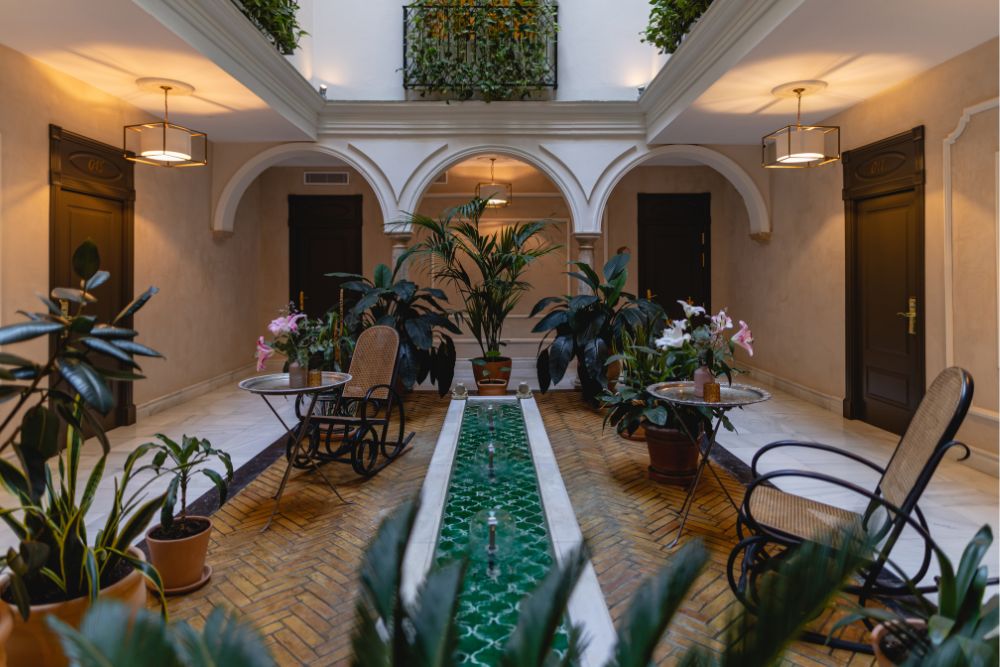
Gravina 51 is a four-star hotel with five-star service. Photo: Gravina 51
Best-value splurge hotel
The Mandarin Oriental Ritz in Madrid. If you want one classic luxury hotel experience in Spain, this is the place. The building itself is historic: The hotel originally opened as the Ritz and has been one of Madrid’s most iconic properties for over a century. The rooms combine classic elegance with modern comfort, and the location—next to the Prado Museum and Retiro Park—is ideal for exploring the city. The Mandarin Rooms deliver the best value, as they balance space, comfort, and elegance without moving into the highest room categories. Juan’s travelers often get welcome amenities, room upgrades, and other personalized touches that make their stay extra-special.
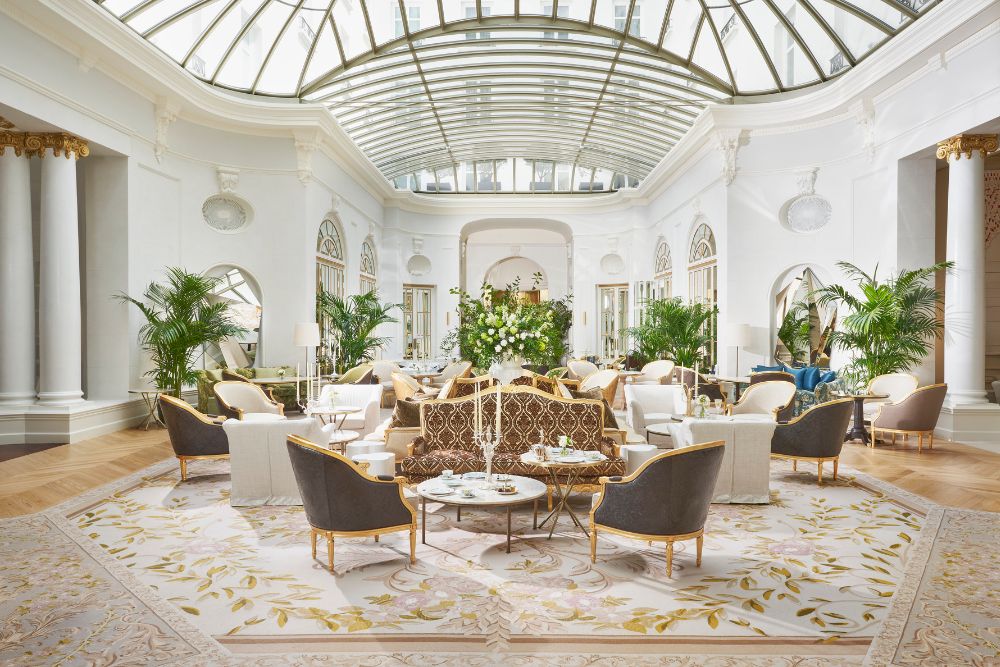
If you’re going to splurge on one overnight stay in Spain, do it here. Photo: Mandarin Oriental Ritz
Restaurants the locals love
La Primera, in Madrid, is a great place to experience traditional Spanish cuisine in a lively but elegant setting. It’s known for dishes inspired by northern Spanish cooking.
Restaurante Idoia, in Zumaia, is a favorite among locals in the Basque region. The focus here is entirely on high-quality ingredients and simple preparation.
El Ancla is a beach club in Marbella, on the Costa del Sol. Locals frequent the restaurant for fresh fish and a relaxed seaside dining.
Dishes to try
The tortilla de patata—a simple combination of potatoes, eggs, and olive oil—is one of the most beloved comfort foods in Spain and something locals eat at almost any time of day.
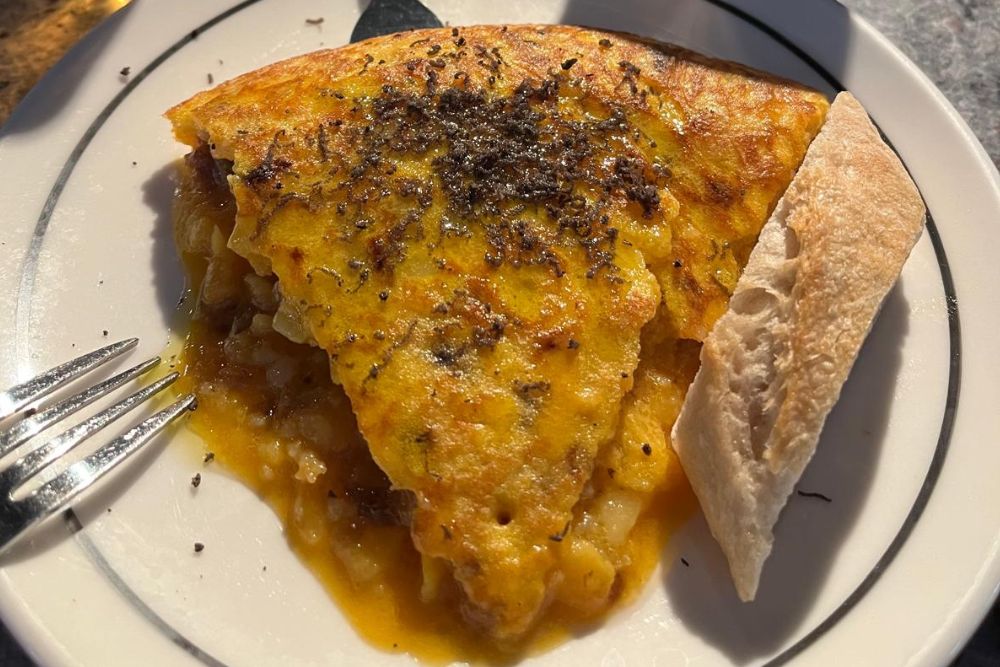
The tortilla de patata is loved all across Spain. Photo: Unbox Spain
Torreznos are slices of fried pork belly that are especially popular in central Spain. When prepared well, they have a very crunchy exterior with tender meat inside; they’re often served as a tapa in traditional bars.
Meals worth the splurge
Focusi on the quality of the ingredients rather than the formality of the restaurant. One of the defining features of Spanish gastronomy is the product itself—exceptional seafood, outstanding meats, and simple preparations that allow those ingredients to shine.
For meat lovers, seek out a traditional asador like Casa Julián in Tolosa, famous for its perfectly grilled txuleta (Basque-style steak), cooked simply over charcoal and served rare so the flavor of the meat really stands out.
For seafood lovers, a classic marisquería is the best place to splurge. In Madrid, Desde 1911 is a local favorite known for exceptionally fresh fish.
Prime picnic spot
If you want a relaxed picnic spot in Madrid, El Retiro Park is the best option. It’s a large historic park right in the center of the city, but once you walk a bit away from the main paths it becomes surprisingly peaceful. Locals come here on weekends to sit on the grass, read, or meet friends. Pick up a few things beforehand—jamón, cheese, olives, and fresh bread from a nearby market—and find a quiet spot under the trees. Late afternoon works particularly well, when the light softens and the park fills with locals enjoying the end of the day.
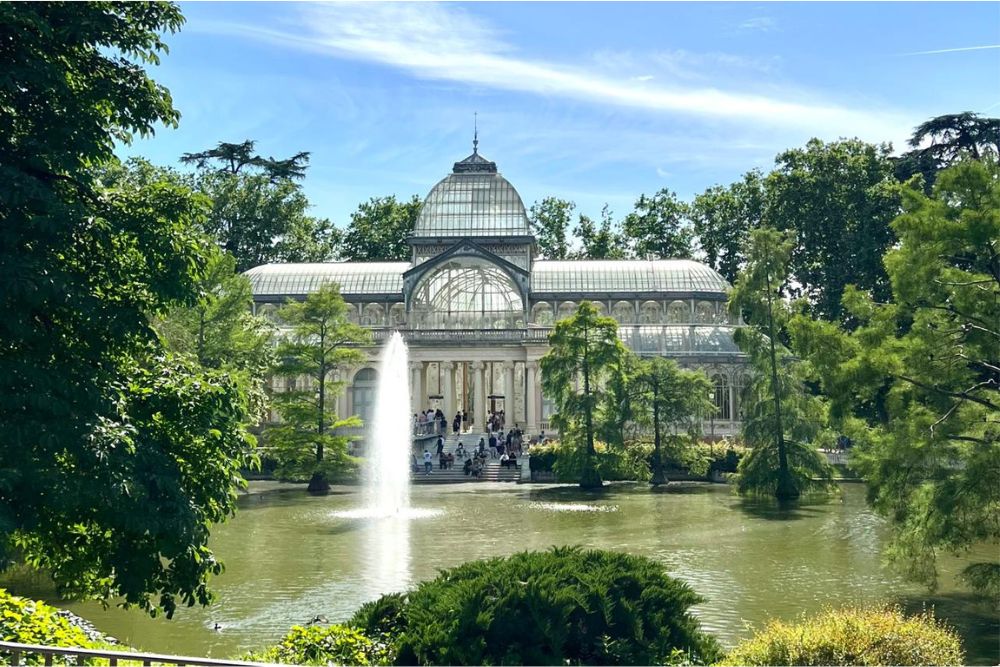
Find a quiet corner for a picnic in El Retiro Park. Photo: Florie Korani


Get a Personalized Trip Recommendation
For a travel solution tailored to your trip goals and preferences, click this green box.

Best Times to Go
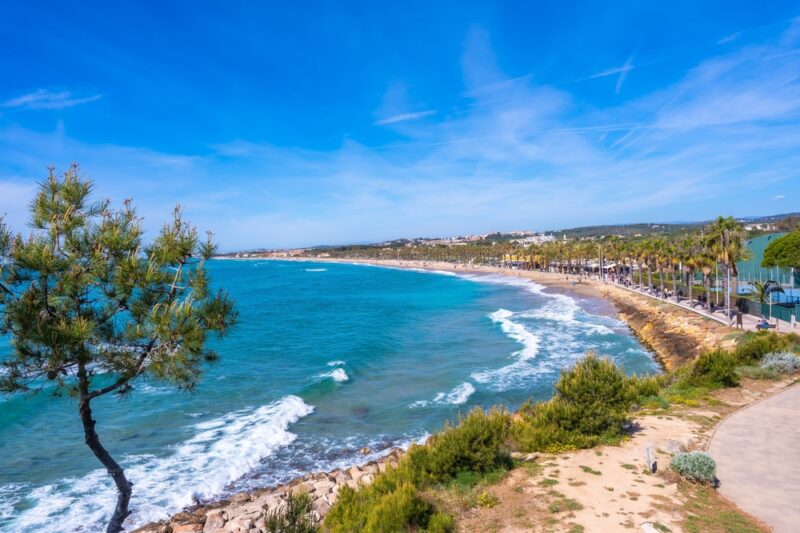
May, June, September, and October. The weather is pleasant across most of the country—warm enough to enjoy terraces, outdoor dining, and the coast, but without the intense heat of summer. These months also fall just outside the busiest tourist periods, so places like Madrid, Barcelona, and Seville feel more relaxed and easier to explore. You can still enjoy long evenings outside, and restaurants and cultural sites are fully open and lively.
The winter period between Epiphany (January 6) and Easter is a particularly good time for coastal Spain, including Málaga, Marbella, Valencia, and Barcelona. The water is too chilly for an ocean swim, but the air is warm enough to eat paella by the sea in a t-shirt, and rates are much more affordable than in summer. This is also a great-value time for art and culture lovers who want to see Madrid without the crowds or the heat.
Worst Time to Go
July and August can be challenging, especially in Madrid or Seville, where temperatures regularly exceed 95°. Many locals leave the cities for the coast, which means some smaller shops and restaurants close, and popular destinations (Mallorca, Marbella) become very crowded.
Biggest Rookie Mistake
Trying to fit too much into a short trip. Spain may look compact on a map, but each region has a very distinct culture, cuisine, and pace of life. When travelers try to see Madrid, Barcelona, Andalusia, and the Basque Country all in one week, they spend more time in transit than enjoying the places themselves—and they spend more money on logistics than they do on memorable experiences. It’s much better to focus on two regions and experience them properly, allowing time for relaxed meals, wandering neighborhoods, and day trips into the countryside.
Can't-Miss Photo Op
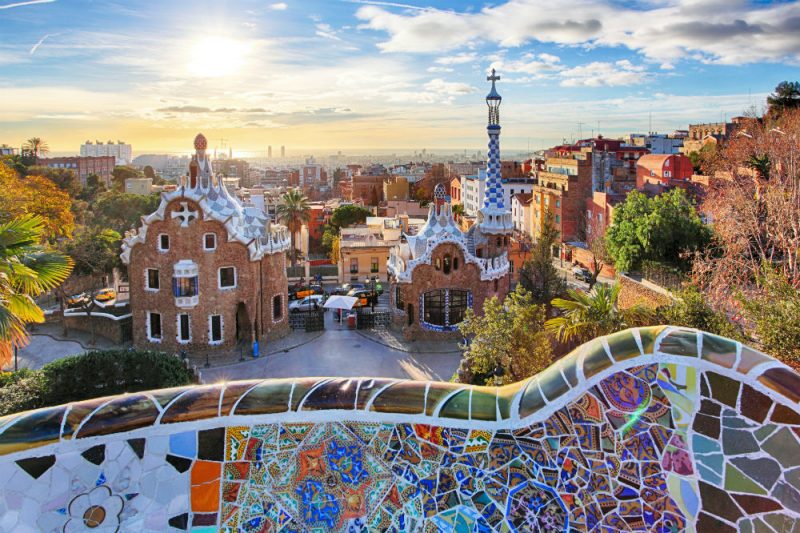
Park Güell in Barcelona. The key is to arrive exactly when it opens. The light early in the morning is soft, which makes the colorful mosaics and the views over the city and the Mediterranean look especially beautiful in photos. More importantly, you’ll avoid the large crowds that fill the park later in the morning, and have a much better chance of capturing those iconic images without dozens of strangers in every shot.
Scam to Avoid
Tourist-focused restaurants. These places often have staff standing outside inviting people in and display large photo menus. They usually look convenient, but the food is often of poor quality and overpriced. A good rule of thumb is to look for places where locals are actually eating rather than places aggressively trying to attract passersby.
The Souvenir

Choose something that embodies authentic Spanish craftsmanship, such as leather goods or handmade jewelry from local artisans. Spain has a long tradition of small, independent workshops.
In Madrid, several small artisan shops still sell leather goods and handmade pieces in the Barrio de las Letras and the streets around Plaza Mayor.
In Barcelona, the El Born neighborhood is one of the best for artisan workshops and small boutiques selling handmade jewelry, ceramics, and design pieces created by local makers.
In the south, Granada is especially known for its traditional ceramics and artisanal crafts. The Albaicín neighborhood has small workshops and galleries where you can find hand-painted ceramics, woodwork, and other pieces inspired by Andalusian and Moorish traditions.
Must-Have App
ElTenedor (TheFork) is good for discovering good local restaurants and securing a table. Many excellent restaurants—especially in cities like Madrid and Barcelona—may say they’re fully booked but still have availability through the app, and occasionally you’ll find special offers as well.
Tipping Tip
Locals typically leave around 5% or just a few euros as a gesture of appreciation. Simply rounding up the bill is perfectly acceptable, though if the service is truly excellent, leaving around 10% is always appreciated. It’s simply not expected in the same structured way as in some other countries—so feel free to tip according to the quality of the experience rather than following a strict rule.
Don’t Forget to Pack
Something slightly more polished to wear for dinner. During the day, comfortable clothes are perfectly fine for exploring cities, but Spaniards tend to dress well when they go out in the evening. A business-casual outfit will help you blend in much more naturally.

Stay in the Know With Our Newsletter