
Make Your Next Trip Extraordinary
New Airline Rules For Packing Electronics
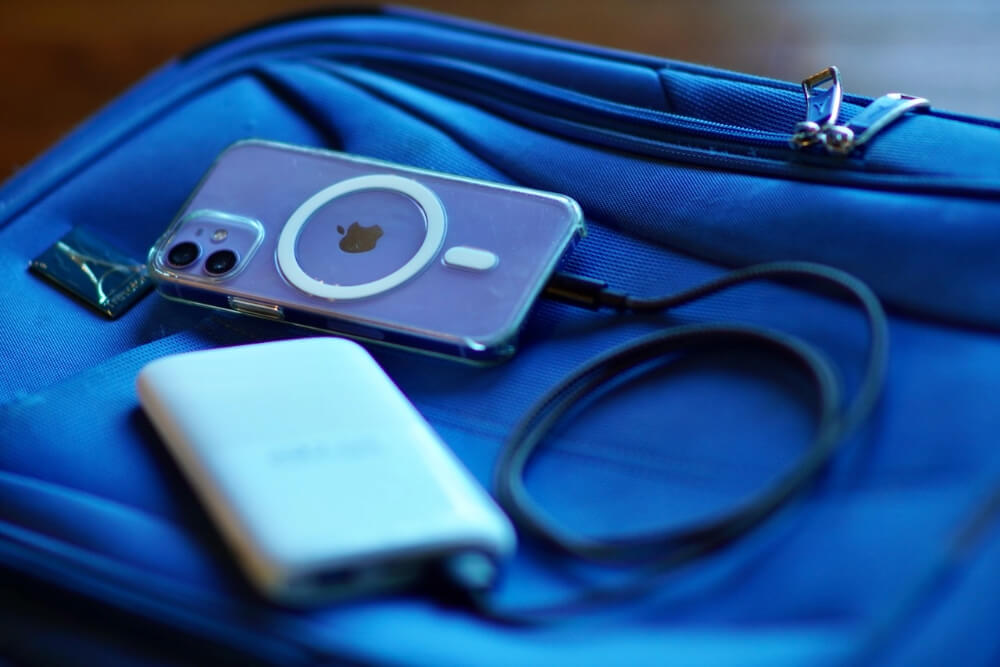 A growing number of airlines are restricting the storage and use of portable batteries on flights.
 Portable power banks can be a travel lifesaver, keeping your devices charged through a long day of sightseeing. But the rules around flying with such batteries have recently gotten more complicated.
It’s long been the case that lithium-ion batteries aren’t allowed in checked luggage because they can be a fire hazard. Since the start of the year, two additional airline groups have placed further restrictions on portable batteries: Lufthansa Group (which includes the same-named airline but also SWISS, Austrian Airlines, and nine other carriers) no longer allows passengers to use or charge power banks on board; passengers may carry up to two such batteries each, but many not store them in a plane’s overhead compartments. Similarly, the Hanjin Group airlines (which include Korean Air and Asiana Airlines) are banning the use of power banks in flight, with further restrictions on how they are carried and stored on board.
Last year, Southwest Airlines started requiring that portable chargers stay visible while in use, so you can’t charge your phone or laptop in the seatback pocket or overhead bin. Emirates forbade the use of power banks on board, or storage of them in an overhead bin; and several other Asian airlines and countries enacted similar restrictions.
If you fly with a portable battery, know your airline’s policy before you get to the airport, to save yourself the headache of repacking at the check-in desk or gate, or running out of power midflight. Click to the articles below for other items that should be on your pre-trip checklist.



Be a smarter traveler: Sign up for Wendy’s weekly newsletter to stay in the know. Read real travelers’ reviews, then use the black CONTACT buttons on Wendy’s WOW List to reach out to the right local fixer for your trip.



Stay in the Know With Our Newsletter