Make Your Next Trip Extraordinary
Quito and the Northern Andes: Insider’s Guide to Ecuador’s Mainland Treasures
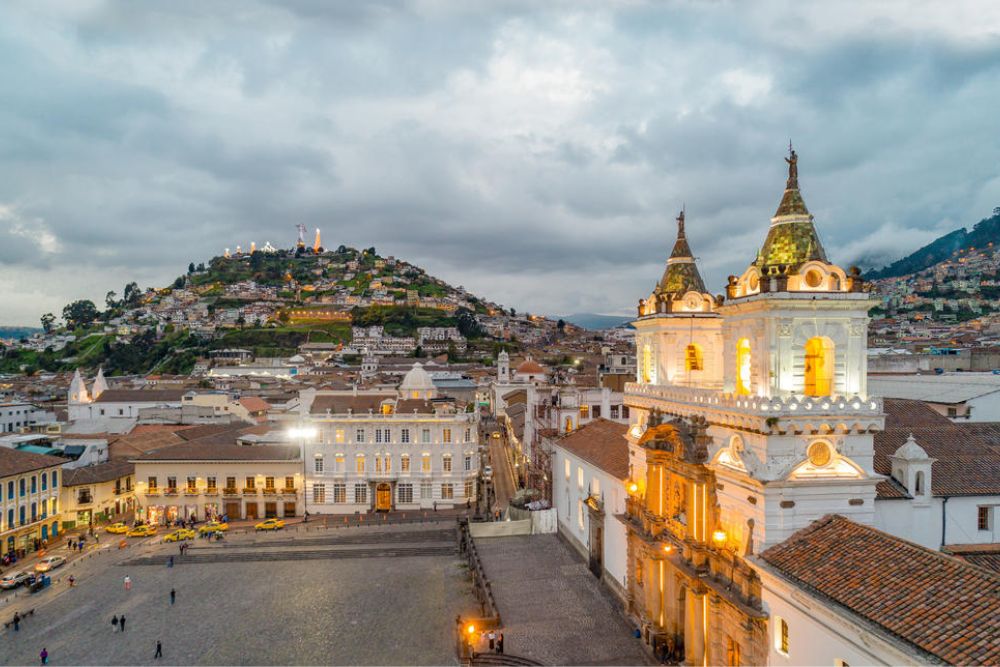 UNESCO calls Quito's old town Latin America's best-preserved historic center. Photo: Hotel Casa Gangotena
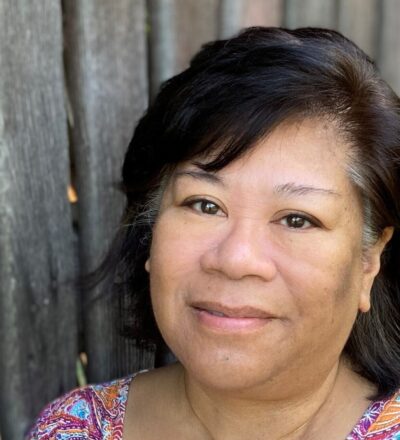
The insider advice on this page is from one of Wendy’s Trusted Travel Experts for the Galápagos Islands and Ecuador: Allie Almario of Premier Tours.
Allie’s passion for wildlife conservation, photography, and indigenous cultures drives her fascination with Latin America. She first traveled to Ecuador in the late 1980s while planning trips for a zoo, and soon discovered that the country’s wealth of cultural experiences rivaled the natural attractions of the Amazon rainforest and the Andean cloud forest. She is always on the hunt for unique accommodations—especially haciendas that foster close relationships with indigenous communities or create their own cottage industries, such as award-winning rose plantations or cheese makers. Thanks to Allie’s insider connections, you can kayak from one Amazon lodge to another, ride a horse across the Andes, or photograph some of the most beautiful orchids in the world.
Where to Stay and Eat
Best-value splurge hotels
Casa Gangotena, an exquisite mansion in Quito’s Old Town, is one of the city’s two five-star hotels, but it’s the location that can’t be beat. Right on the lovely Plaza de San Francisco, it’s just a short walk to other must-see sights, including the Presidential Palace. The service is also top-notch: It’s not uncommon to find white-gloved waiters serving breakfast at 3 a.m. for guests with early-morning flights. Book a plaza-view room for that classic panorama of the colonial architecture topped with snow-capped volcanoes. There is nothing like sitting on the rooftop balcony with a drink while watching the glow of the sunset bathe the Plaza San Francisco in soft hues of red and orange.
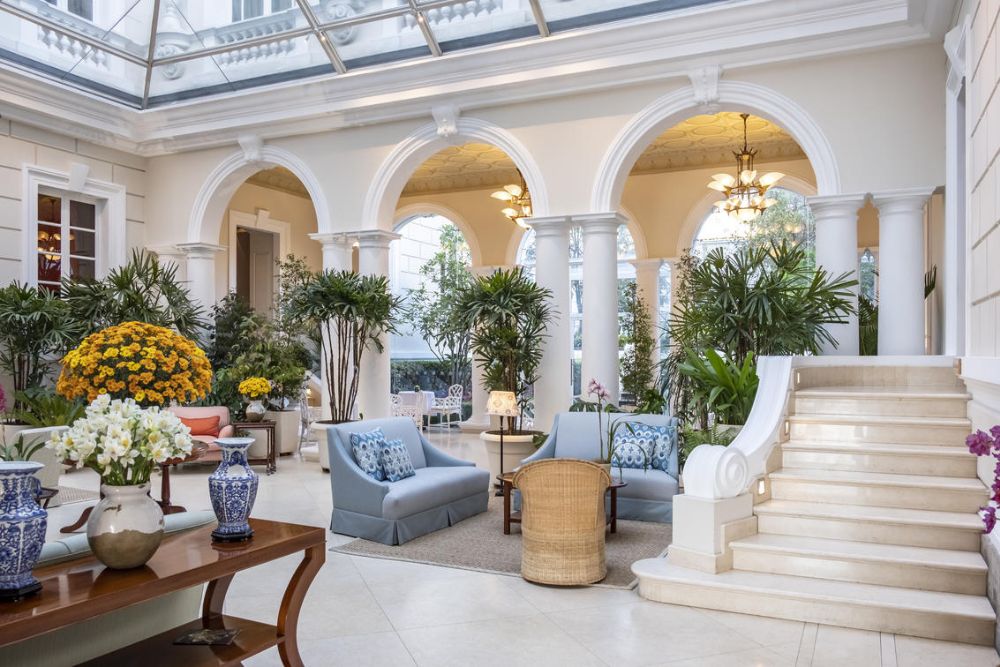
Natural light filters through the glass roof of Casa Gangotena’s atrium. Photo: Hotel Casa Gangotena
Hacienda Zuleta is two hours north of Quito in Ecuador’s “Avenue of Volcanoes.” Owned by the family of a former Ecuadorian president, it’s among the highest-rated boutique hotels anywhere in South America. Expect fresh roses in your room, embroidered linens hand-stitched by nearby villagers, and hot-water bottles tucked into your bed to chase the chill of the Andes nights. You may even be joined at the nightly cheese-and-wine happy hour or courtyard bonfires by the president’s daughter or other family members; they are fervent supporters of rehabilitating local wildlife like the Andean condor.
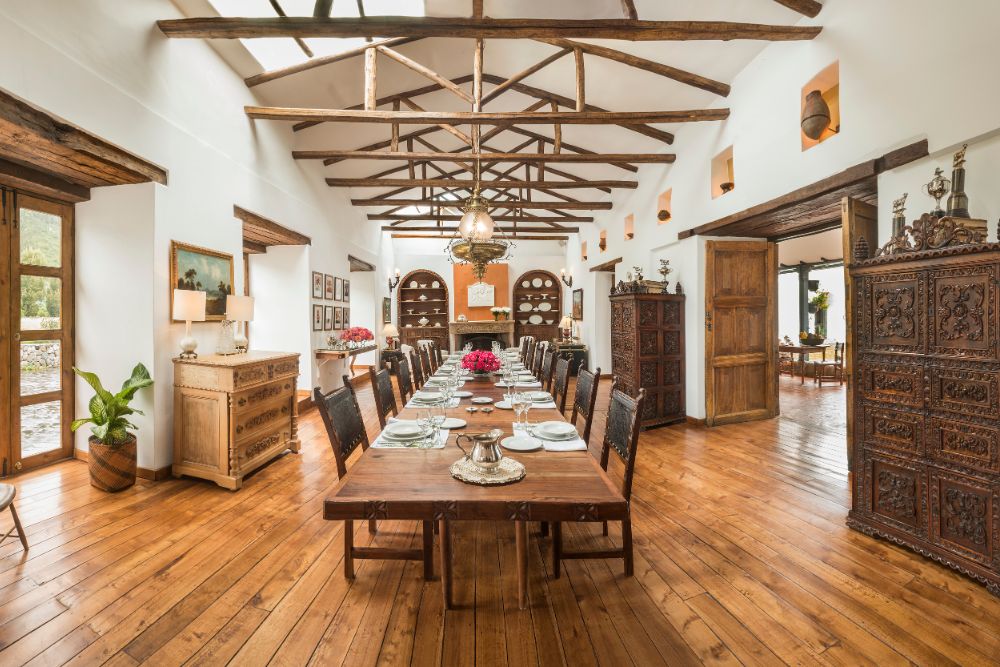
Hacienda Zuleta has an organic garden and onsite cheesemaking facility. Photo: Hacienda Zuleta
Best bang-for-your-buck hotel
In Otavalo—a town north of Quito made famous by its huge Indian market—the 17th-century estate Hacienda Cusín is known for its period antiques and extensive gardens. The rates are remarkably reasonable, given how much attention to detail has gone into restoring this seventeenth-century estate and its lovely gardens: The rooms are decorated with museum-quality textiles from the owner’s personal collection, and dozens of fragrant roses bob gently in the water fountains. (The landscaping also attracts an astounding array of birds.) You could fill several days here with hiking, horseback riding, mountain biking, and Spanish classes.
Restaurants the locals love
Zazu is an Ecuadorian fusion restaurant that creates modern flavors out of typical local ingredients and dishes. When you dine here, you are treated like you are their favorite guest ever. Save room for the helado de paila; this traditional Ecuadorian sorbet is prepared tableside in a brass pan (called a paila). Even better are its simple and pure ingredients—just fresh fruit and real cane sugar, nothing else.
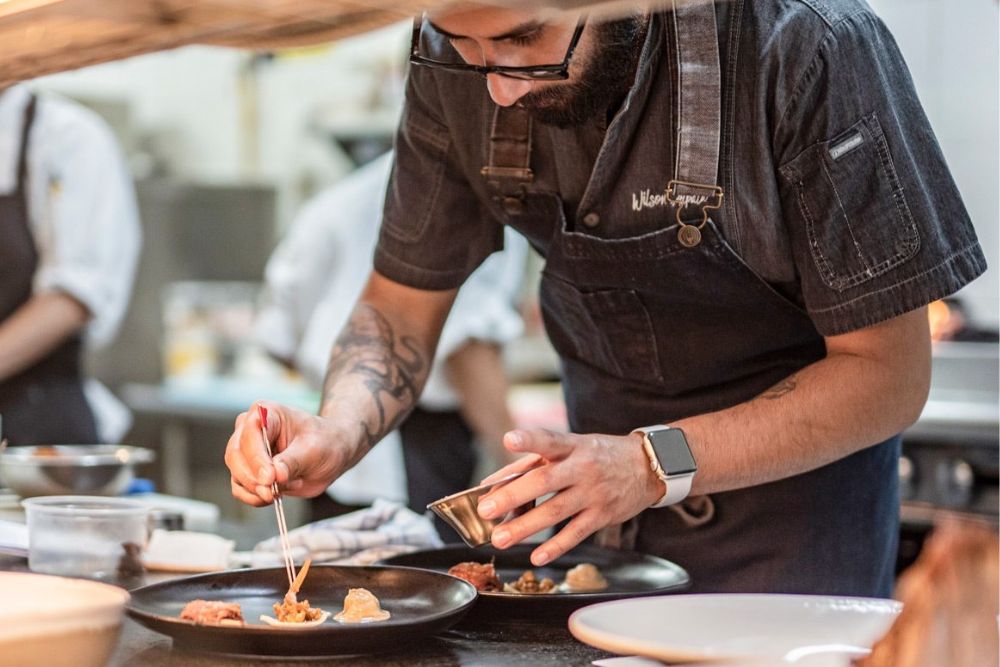
At Zazu, chef Wilson Alpala riffs on traditional dishes. Photo: Zazu
Everyone is raving about Clara, one of the newest must-try Quito restaurants. The kitchen here gives classic Ecuadorian cuisine (including street food) a modern twist, with an emphasis on local produce, earning Clara the One To Watch Award as part of Latin America’s 50 Best Restaurants 2024. It’s closed on weekends, so plan ahead.
Dish to try
You don’t want to hear this, but it’s guinea pig (known as cuy). Get it roasted—al horno. Believe it or not, it tastes just like chicken. Just don’t look at the face or claws. Try it at a local mom-and-pop restaurant; it’s often promoted heavily on the signage, as it’s an expensive treat (anywhere from $10 to $20) for locals.
What to See and Do
Don’t miss
La Ronda in the Old City of Quito. What used to be a rambling, dangerous mess of forgotten side streets has been revamped into a pedestrian-only showcase of whitewashed cobblestone alleyways, home to strolling musicians, street art, little restaurants, and craft shops that beckon you in. It’s one of the most pleasant ways to spend an evening in the city.
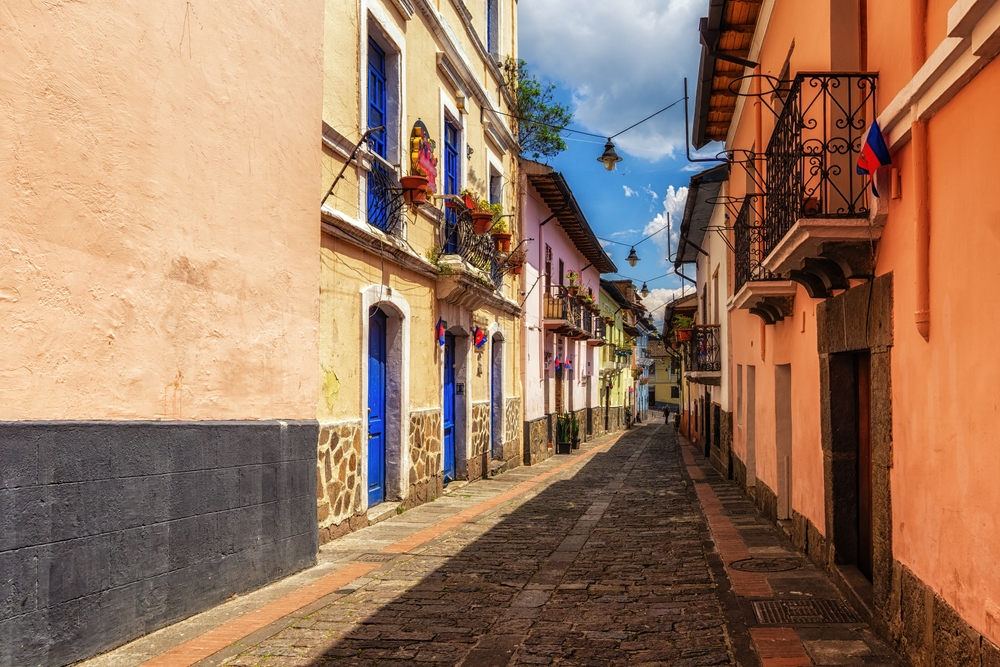
An unsavory past saved La Ronda from development, preserving its historic charm. Photo: Shutterstock
Don’t bother
The equator obelisk, located just outside Quito, seems to make for a great photo op as you straddle both the Northern and Southern Hemispheres, but it’s not actually on the equator! The true equatorial line is about 300 yards away, closer to the Inti Nan Museum….
Hidden gem
The Inti Nan Museum on the true equator near Quito. This is where you bring your kids to balance an egg on a nail, or watch water swirl in a drain clockwise in one hemisphere and counterclockwise just one step away in the other hemisphere. The cultural exhibits are an added treat: Test your skills at blow darts and get an up-close look at a real shrunken human head from the Amazon.
Cheap thrill
Quito has more gold-leafed, architecturally stunning churches than you can shake a stick at. But take a closer look at the exterior at the Basilica of the National Vow, perched imperiously above the city. Is that a…marine iguana? Yes, this may be the only basilica in the world decorated with gargoyles of some of the world’s most endangered wildlife. And for just $3, thrill-seekers can climb up a rickety set of steps and ladders to the tower for unobstructed views of the city.
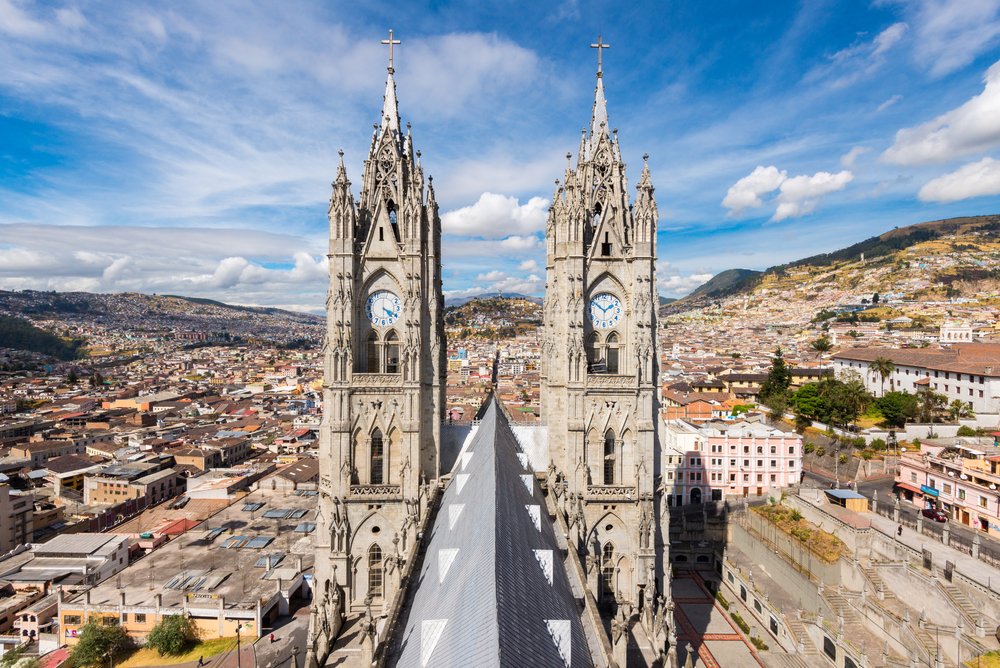
Climb this basilica’s tower for a bird’s-eye view. Photo: Shutterstock
Bragging rights
Just 3.5 hrs from Quito, you’ll find the world-renowned Mashpi Lodge in the cloud forest bordering the rain forest. Soar through its “dragon fly ride,” a silent open gondola that glides silently above waterfalls. Any birder will go crazy with observation towers and over 400 avian species, of which 35 are found nowhere else on earth. The chance to “bike” through the air is another one-of-a-kind experience. And oh, the culinary delights served in its airy dining room is a tasty surprise.
If you love antique cars, try rambling through the city’s cobblestone streets and historic plazas in a restored vintage automobile. Your private driver will expertly navigate the hills and twisty roads while you sit back and take in the views with appetizers and a cool glass of champagne.
Downtime
Have a wander around the Jardín Botánico in Quito, a lovely park that features Ecuador’s astonishing collection of orchids. The rarity, vibrant color, and delicacy of each orchid are just breathtaking. There’s nothing like sleeping in, waking up to a typical Ecuadorian breakfast—strong coffee, fresh watermelon juice, crusty bread slathered in butter, empanadas, and fried sweet plantains—and then spending an afternoon in these gardens.

Get a Personalized Trip Recommendation
For a travel solution tailored to your trip goals and preferences, click this green box.

Best Time to Go
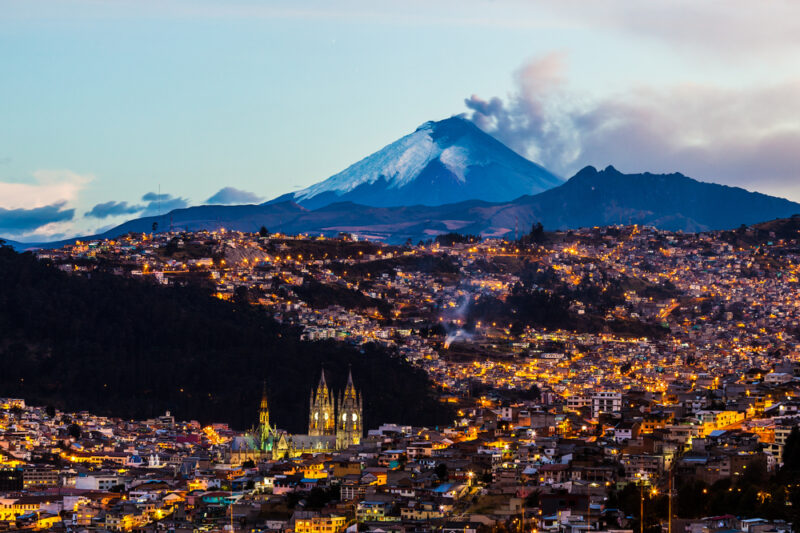
Any Quito local will tell you never to look at the weather forecast: “They’ll always say it’ll be cloudy and cool. And it will be. Then it will be sunny and hot!” Even so, the weather tends to be consistently pleasant from June to September.
Worst Time to Go
February is the midst of the rainy season in Quito. (But if you’re combining the mainland with the Galápagos, know that it also brings the warmest water temperatures of the year.)
Instagram Moment
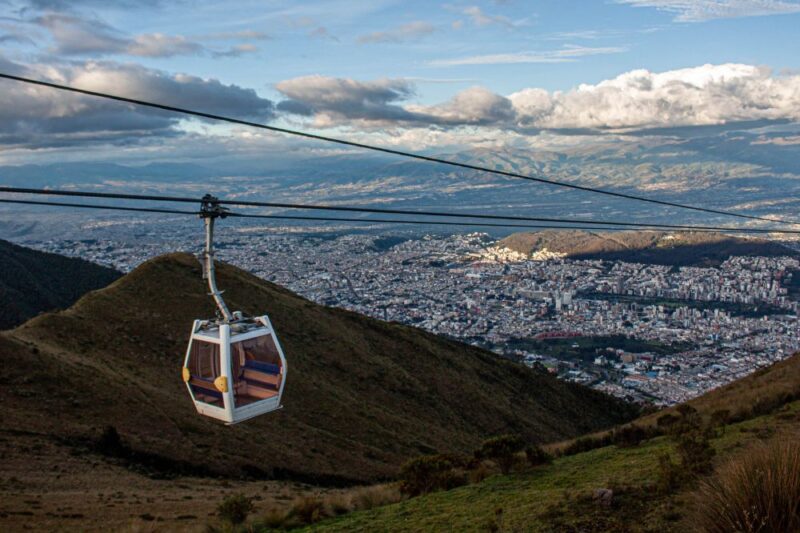
No doubt in Quito it’s from the teleferico, the cable-car ride overlooking the city and the endless valleys of the Andes Mountains, dotted with some of the world’s highest and most active volcanoes. If you’re lucky enough to be there just after fresh rain, you might catch a rainbow over the city.
The Souvenirs
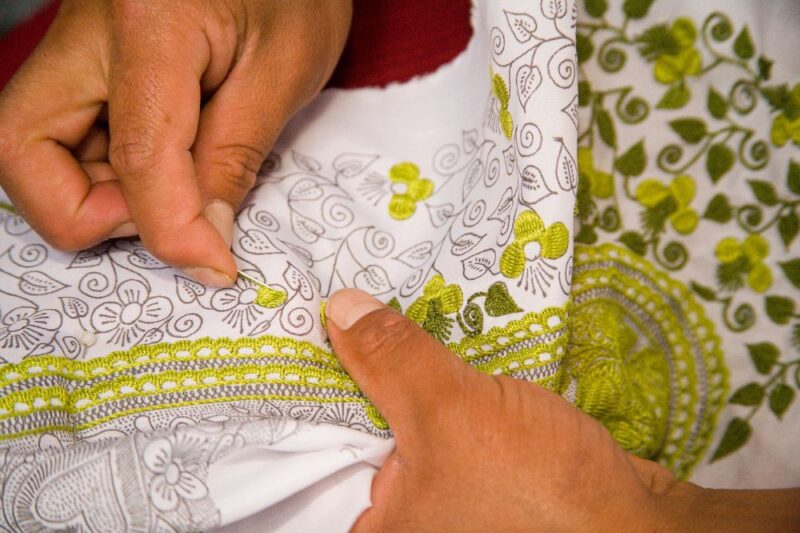
Head to Otavalo, just short of two hours from Quito. This is the epicenter of many of the best artisans in Latin America and home to one of the largest indigenous markets on the continent. While Saturday is the big market day, it’s also the day that is most crowded with busloads of tourists—some call it Gringo Day. On other days, it’s less crowded, which sometimes means you get better bargains; haggling is expected. Must buys: the Panama hat, which actually originated in Ecuador, and hand-loomed weaving, made with centuries-old designs.
Chocolate lovers, take note: Ecuador boasts some of the most sought-after artisan chocolates in the world. Pop into Yumbo’s for a tasting of unusual flavor combinations in a gallery-like setting.
Scam Alert
Be careful if you get offered a last-minute “bargain Galápagos cruise.” You may think you’re scoring a deal from a friendly local—except the Galápagos ship you just paid for doesn’t even exist, or the price you were quoted was a cruise rate from years ago.
Airport Intel
If you’re flying to Quito (UIO) from the United States, try to arrive no later than 10pm. The airport is roughly 45 minutes from downtown, and it will take you at least an hour to collect your luggage and go through customs. Note that many Galápagos flights originate in Quito before stopping in Guayaquil, so you may have a pre-dawn pick-up if you’re headed to the islands; the night before that flight, stay at an airport hotel.
On your way home: The Quito airport doesn’t have any airline-specific VIP lounges, but you can use the airport’s private lounge for about $35 per person. This is a comfortable way to kill a few hours if you are flying back from the Galápagos around dinnertime but have to check in at 9pm for your midnight flight home. Those with longer layovers, or who need to overnight for a morning flight, should consider the Wyndham Gran Condor, just five minutes away.
Don’t Forget to Pack
Here’s something not to pack: Ecuador is one of the few “plug and play” countries for Americans—the electrical voltage and outlets are the same as ours, so you don’t need to bring plug adapters or expensive converters with you.

Stay in the Know With Our Newsletter