Make Your Next Trip Extraordinary
Patagonia: Insider’s Guide to Argentina and Chile’s Southernmost Wilderness
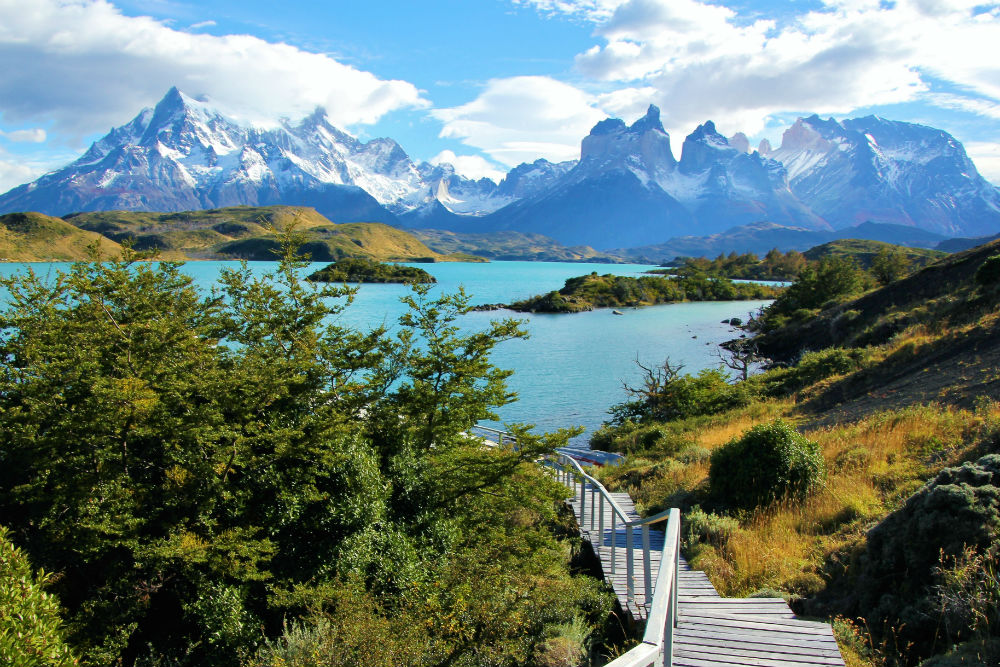 The peaks of Torres del Paine National Park cut a craggy profile. Photo: Southwind Adventures
The insider advice on this page is from one of Wendy’s Trusted Travel Experts for South America: Tom Damon of Southwind Adventures.
An experienced trekker and nature enthusiast, Tom specializes in outdoor adventures and family travel throughout South America. He’ll point you to the best hiking trails—for every skill level—at Machu Picchu and in Patagonia, and the most thrilling jungle adventures in the Amazon, whether by dugout canoe or luxe riverboat. Whether you opt for a private journey or a small-group excursion, Tom will ensure you’re in the company of highly trained and personable English-speaking guides. As for accommodations, he knows the best-of-the-best hotels and lodges. If you’re looking to cross borders or link multiple regions, Tom is a pro at making the trip seamless, dodging crowds and logistical hassles. In Patagonia especially—where one itinerary might include planes, cars, trains, and boats—he’ll make it all run like clockwork.
Where to Stay and Eat
Best bang-for-your-buck lodges
Offering cost savings and eco appeal, Patagonia Camp provides a secluded forest and lake location just 15 minutes from Torres del Paine’s southwest entrance. This is glamping at its finest! Just steps from your yurt is a quiet cove with kayaks at the ready. Paddlers and fishing enthusiasts can explore lush lakeshore inlets, admiring views of the Paine Massif without another person in sight. The camp also provides easy access to hiking trailheads for Lake Toro, the Serrano River, and Grey Lake. The yurts each have a private terrace, cozy sitting area, and private bath. For a romantic getaway, upgrade to a Superior Yurt with a hot tub on the terrace. Families wishing to cut the cord: This is the place to re-connect with each other and not your devices. Go here in late March or early April for autumn colors and less wind blowing outside your yurt.
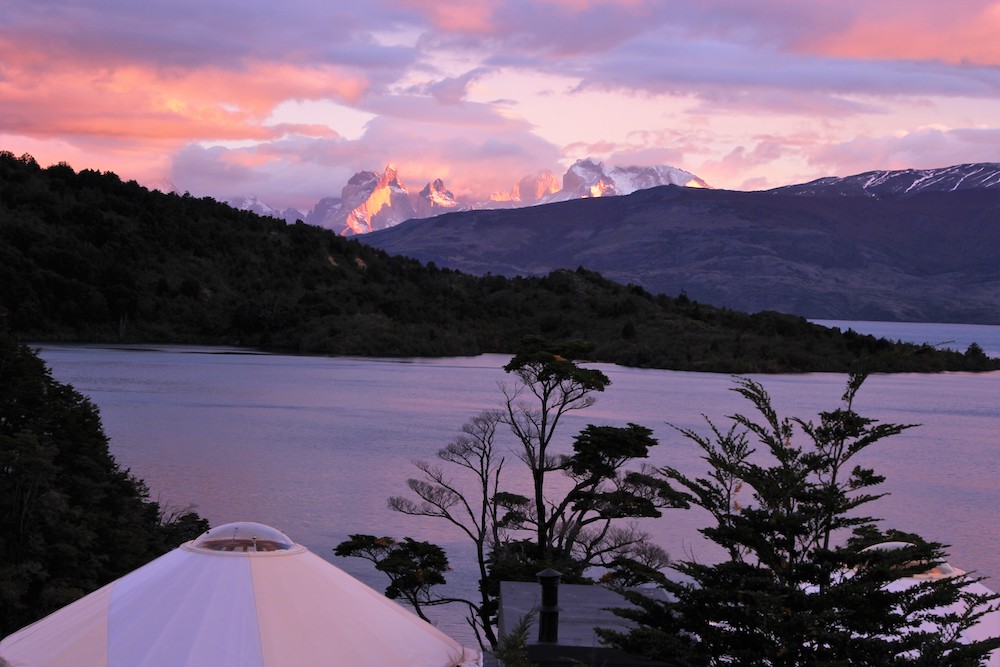
Patagonia Camp sits on Toro Lake in Chile. Photo: Southwind Adventures
Rustic but with a refined ambiance, Hotel Las Torres Patagonia is well situated on a ranch reserve inside Paine Park, directly beneath the three granite Paine Towers making up the park’s namesake. The hotel has privileged front-door access to the park’s famous W and O trekking routes. The Superior Cipres rooms have large windows and prime views of Mount Almirante Nieto. A strong conservation ethic puts this lodge at the forefront of sustainable tourism development in the region.
On the other side of the park, Tierra Patagonia Hotel & Spa is another good option among Paine’s top-tier hiking lodges. The modern, wood-infused architecture blends with the landscape; the spacious superior rooms have panoramic windows overlooking Lake Sarmiento, while the bi-level suites have a comfy living room on the top floor. Excursions in the park are in small groups with eight guests per guide. Don’t miss the short hike out the door to the lake, or the drive to the cornices for stunning views and a good chance to see condors. At day’s end, soak in the indoor glass-paneled pool or the open-air hot tub and look for guanaco or nandu wandering up to the lodge.
The nearby Estancia Cerro Guido, a historic ranch and upscale lodge, offers immersive conservation safaris that invite guests to track elusive pumas alongside seasoned researchers and local trackers. As a rest day from hiking, you can try horseback riding, wildlife viewing, or fly fishing with a guide. Cerro Guido is an authentic estancia and ideal spot to learn about the gaucho lifestyle, conservation, and coexistence between wildlife and pastoral living.
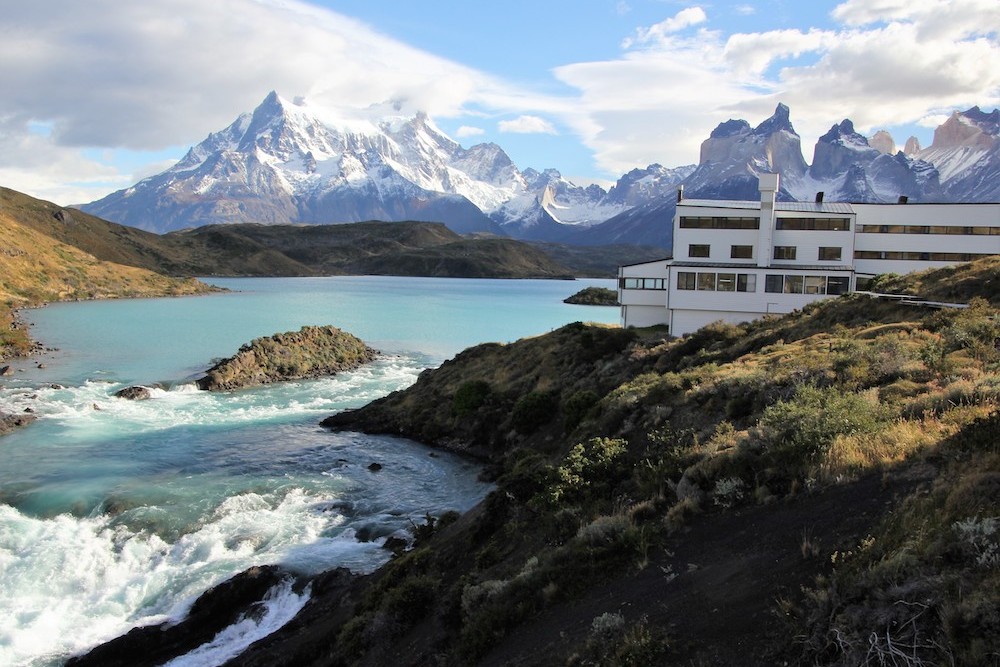
Explora has a prime location in Torres del Paine National Park. Photo: Southwind Adventures
Best-value splurge lodge
For posh indulgence, Explora Torres del Paine offers a prime wilderness location inside Chile’s Torres del Paine National Park. The value is in the awe-inspiring view and the dozens of explorations offered by the hotel throughout the park, each limited to small groups with only eight guests per guide. Hiking, photo and wildlife safaris, horseback riding, and high mountain treks introduce you to these wild lands at the ends of the earth. As a special arrangement, Tom can orchestrate a private guide for part of your stay. Explora is the closest hotel to the park’s famed French Valley and Grey Lake hikes, which are accessible via the hotel’s exclusive motor catamaran that crosses Pehoe Lake directly from its private pier. After active days, retire to the earth-tone lounge for a cocktail, then dine on a gourmet meal overlooking turquoise waters and twilight on Paine’s granite spires. A boardwalk outside the hotel leads to a heated pool, sauna, massage room, and four hot tubs above the serene Paine River. To wake to an unforgettable view, splurge for a Cordillera Paine room or an Exploradores Suite.
Best bang-for-your-buck estancia
On the far shore of Lago Argentino—and only accessible by boat—is the refreshingly isolated Estancia Cristina. On your approach, take in the majestic Upsala Glacier and snow-covered peaks while passing floating ice up-close. This authentic estancia dates to the Patagonian pioneer days of the early 1900s, with artifacts from that period on display in a barn. The pristine natural environment offers adventure seekers birds-eye overlooks of glaciers flowing off the southern Patagonian ice field, horseback riding, 4×4 exploration, hiking and waterfall viewing, and stunning landscape photography. Condors may be seen soaring silently above the estancia valleys. In the evening, the chef selects products from the ranch garden for delicious meals.
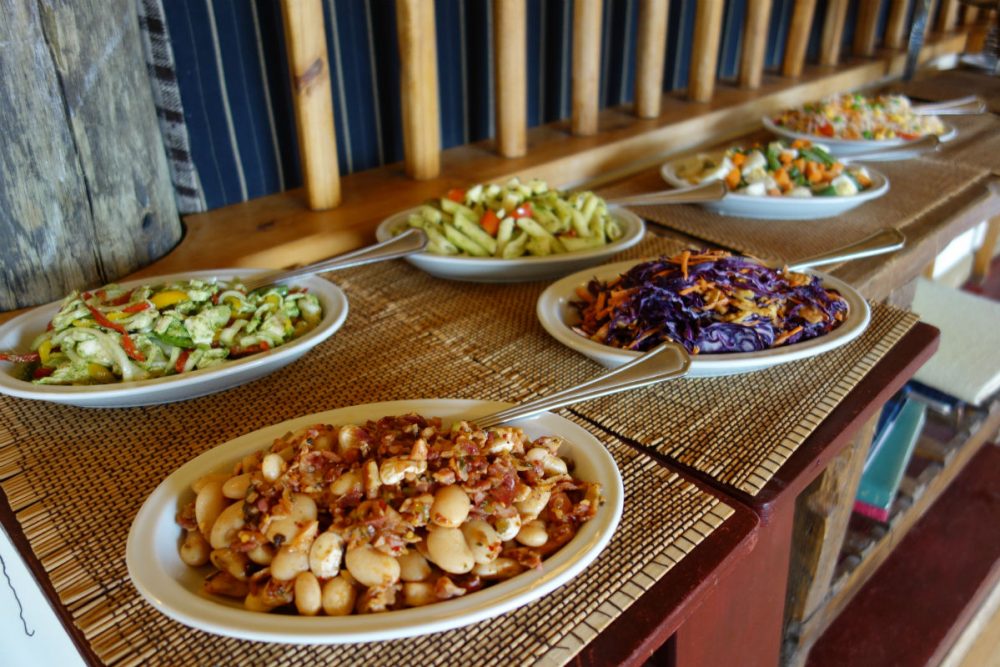
A diverse range of hearty salads are just a taste of the daily lunch spread at Estancia Cristina.
Meal worth a pit stop
If passing through El Calafate en route to Los Glaciares National Park, warm up by the fire at Casimiro Bigua and try the Patagonian lamb with crusted almonds, or the lamb and beef tenderloin topped with a sauce made from morels that grow wild in nearby El Chalten.
Meal worth the splurge
The Singular Patagonia, overlooking the serene Patagonian fiord of Last Hope Sound in Puerto Natales, is perhaps Chile’s most unusual hotel. Here you can walk through a museum of century-old machinery, memorabilia, and original architecture from the region’s pioneer sheep-ranching era. Wool was once exported from what is now the hotel’s pier to markets all over the world. After immersing yourself in the history, head to the striking, high-ceilinged restaurant to dine on king crab or austral hake fresh from the fiords, or lamb with morels, chimichurri sauce, and a bottle of Carmenere—Chile’s most emblematic red wine.
What to See and Do
Don’t miss
Walking alongside a penguin colony. In Chile, navigate by 30- to 60-passenger boat through the Strait of Magellan to Magdalena Island, home to 120,000 Magellanic penguins from October to March. Spend an hour walking and photographing one of the largest such colonies in South America. The voyage also includes Marta Island, where a colony of 1,500 sea lions resides, and you may catch glimpses of Southern and Piebald dolphins and Sei whales.
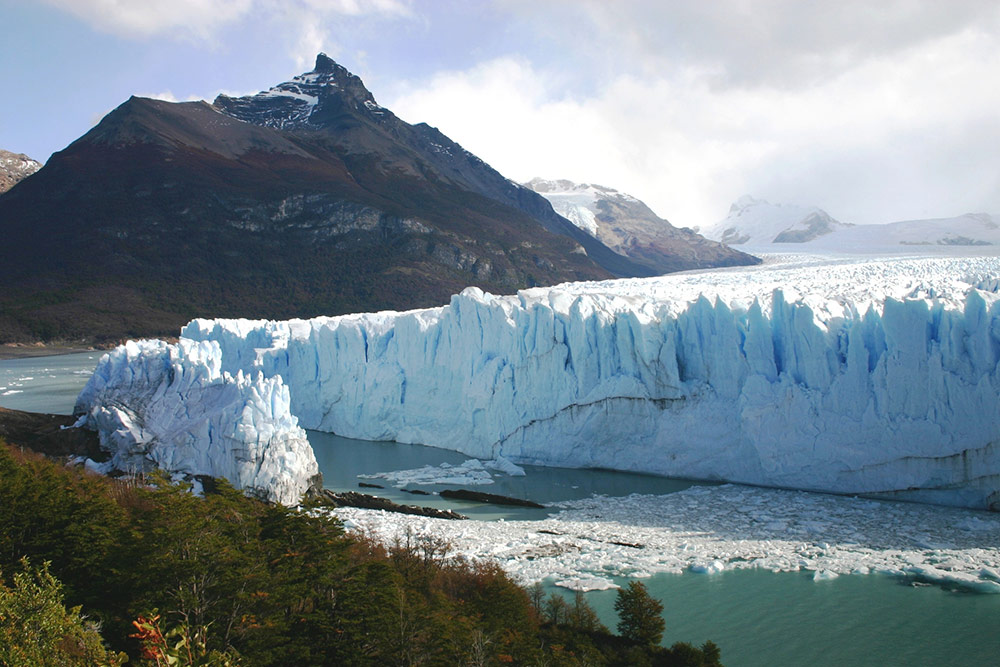
Perito Moreno Glacier is among the few remaining glaciers of its size. Photo: Southwind Adventures
The three-mile-wide Perito Moreno Glacier, in Argentina’s Los Glaciares National Park, is one of only a few on earth still maintaining its mass as others recede. Kayak in a lake with the massive glacier as your backdrop, walk along pathways as ice calves off the front, or don crampons and venture up on the glacier itself for a couple hours of easygoing, close-up exploration.
Don’t bother
Just because El Calafate is centrally located doesn’t make it a good base for exploring the region. It’s touristy, and the hotels there aren’t nearly as appealing as the lovely accommodations outside of town, such as the Relais & Châteaux Eolo Lodge. Better yet, spend a few nights in the hiker’s mecca of El Chalten; Explora’s lodge sits within the pristine Los Huemules Conservation Reserve, offering privileged access to trails that lead to the base of the iconic Mt. Fitz Roy massif.
Unless you are keen on seeing penguins (see “Don’t Miss,” above), skip the port city of Punta Arenas in southern Chile. Instead, save three hours of driving time by booking a nonstop flight from Santiago to Puerto Natales.
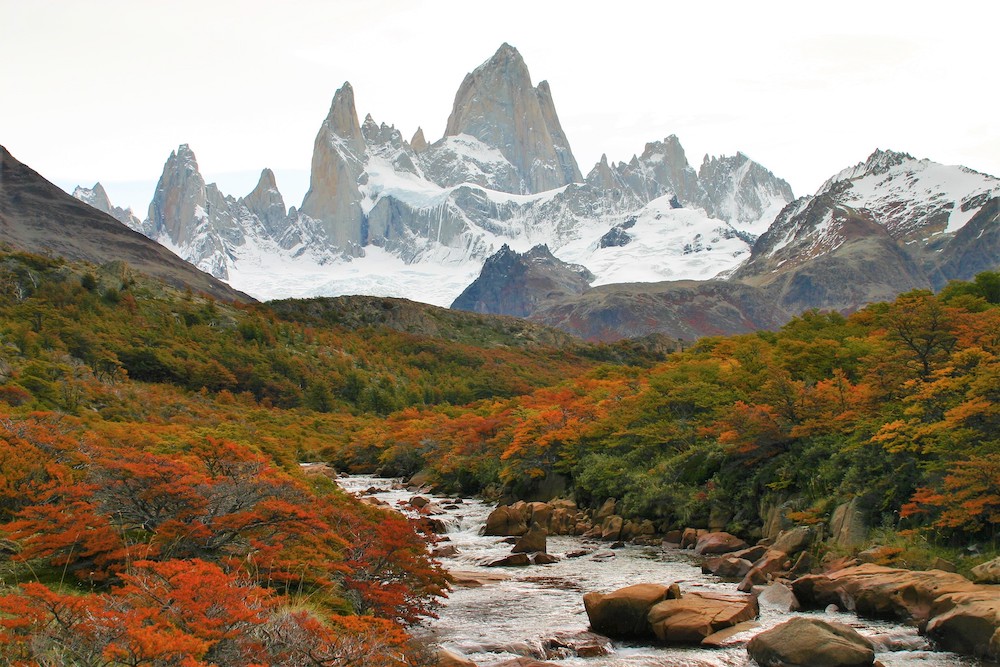
The Blanco River is fed by glacial runoff. Photo: Southwind Adventures
Hidden gems
The backcountry of Torres del Paine Park is a pristine wilderness devoid of roads or vehicles. Stay at Las Torres Patagonia and ride horseback into the Paine River Valley. You’ll avoid crowds of hikers on the park’s more easily accessed trails (like the W trek) while soaking up rugged mountain landscapes few get to see. Patagonia is a hiking paradise due in part to the low elevations compared to the Central Andes farther north. If you only have time for one hike in Los Glaciares National Park, don’t miss the flower-filled route following the Electrico River to its junction with the Blanco. After a gradual uphill hike, have lunch close to where climbers stage their big-wall climbs up Fitz Roy. For seasoned hikers, the gem of this day is venturing 1,300 feet higher up a zigzag trail to top out at Laguna de los Tres. Picture a still lake reflecting the late-afternoon light and vertical rock of Fitz Roy’s east face, the spire of Poincenot Needle, and the unusually blue Piedras Blancas Glacier.
Straddling the spine of the Andes, the Lake District of Chile and Argentina is a lush, temperate region where sapphire lakes mirror snow-capped volcanoes and ancient forests whisper stories of indigenous heritage and European settlement. This northern part of Patagonia offers a gentler wilderness—one that invites exploration by hiking, kayaking, horseback riding, biking, rafting, or through scenic drives and lake navigation. On the Chilean side, towns like Puerto Varas serve as gateways to national parks teeming with biodiversity, nature trails, cascades, thermal springs, and dramatic peaks. A standout hotel in this area is AWA, located on the shores of Lake Llanquihue at the foothills of Osorno Volcano. Across the border, Argentina’s Lake District is anchored by Bariloche and Villa La Angostura along the famed Seven Lakes Route.
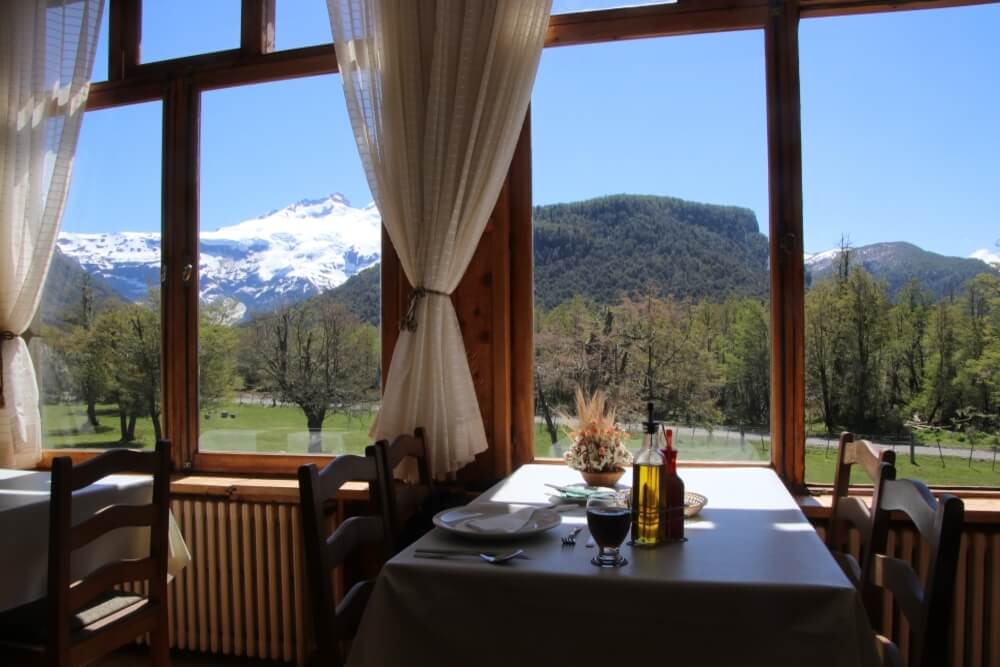
In the Lake District, the Llao Llao Hotel’s grounds include a golf course and spa. Photo: Southwind Adventures



Get a Personalized Trip Recommendation
For a travel solution tailored to your trip goals and preferences, click this green box.

Best Times to Go
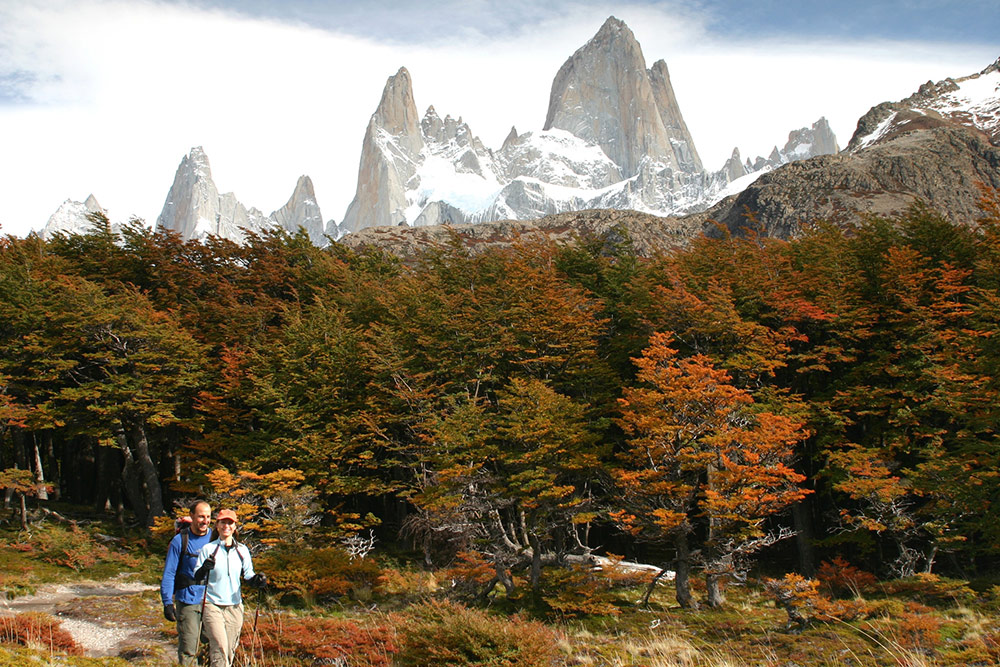
Mid-October through November or mid-March through April. During these shoulder seasons, you’ll benefit from fewer visitors; a quieter, more relaxed ambience at the lodges; and cost savings. These are also the best times to spot elusive wildlife such as nandu, guanaco, puma, huemul, and condor. Southern Patagonia has a reputation for changeable, windy weather influenced by Antarctica and the continental ice cap, but October and November will feel like spring, with snows melting off the high peaks and flowers beginning to bloom. In March and April, a fall chill is in the air, but there is usually less wind—and photography buffs will relish in the contrasting elements of brilliant crimson hillsides, crisp blue sky, and snow-capped peaks.
Worst Times to Go
June through September is winter in Patagonia; some trails and roads close due to snow.
Whenever possible, avoid late December through early January, when crowds descend on the lodges, trails, and boats, and increased road traffic kicks up dust. Local schools are on their summer recess into January, adding to the volume of both international and domestic travelers in the parks. At this time of year, expect peak-season rates and limited availability at the small lodges—so plan a year or more in advance.
Biggest Rookie Mistake
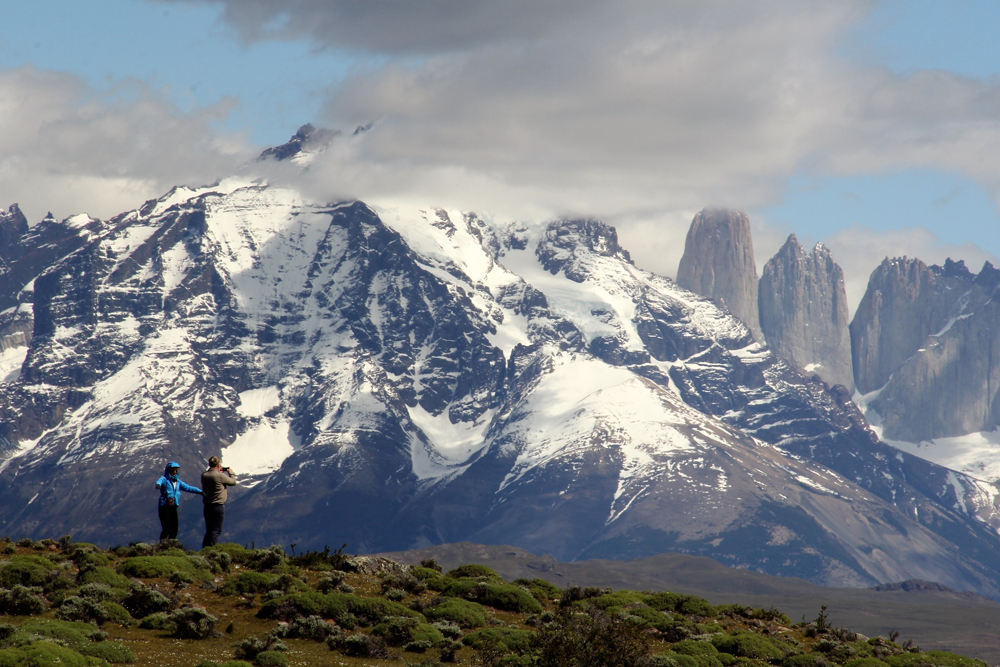
Trying to cover too much or underestimating the travel time needed to reach the southern national parks of Patagonia (Torres del Paine in Chile and Los Glaciares in Argentina). If you have ten days, choose one side of Patagonia—Chile only or Argentina only—so you can soak up the grandeur and not feel like you spent your entire vacation in planes and vehicles traversing wide-open expanses. Combining these parks in one trip can mean nearly 700 miles of driving, so allow two full weeks.
Instagram Moments
The long daylight hours of the Patagonian summer mean you can meander after dinner and still catch alpenglow casting soft sunset hues on the snow-covered peaks of the Paine Massif. (Explora offers the best front-row views.)
In the early afternoon at Perito Moreno Glacier, while other visitors are at lunch, walk the lower path to capture a close-up of the glacier’s front wall. There’s a good chance you’ll catch a chunk of blue ice falling into the lake.
The Souvenir
You’re traveling in the land of steak; your guide will probably bring their personal steak knife to the table while dining at an estancia. Pick one up for yourself in Calafate or Puerto Natales, bring it home in a nice case, and break it out at your next barbecue as you indulge friends with stories from the ends of the earth.
Must-Have App
Hikingproject.com offers trail maps of Patagonia hiking routes (as well as those in your own backyard) with descriptions, photos, distance, gradients, and ratings. The app is free to download and doesn’t contain ads.
Airport Intel
The Puerto Natales (PNT) airport in Chile is the closest commercial airport to Torres del Paine National Park, with nonstop flights from Santiago several days a week. If your travel dates require a flight to Punta Arenas instead, consider a small-plane charter to Puerto Natales to avoid the three-hour drive across the plains.
Tipping Tip
Tipping in Patagonia is common, but considered by locals to be something extra when you like the service. You may not see a tip option on restaurant tabs, so best to have some cash to give ten percent directly to the waiter, not to leave on the table. Taxi drivers don’t expect a tip unless they provide service such as carrying bags; locals will round up their fare to leave a little extra. Carry small denominations of U.S. currency or pesos, as getting change is not easy.
Don’t Forget to Pack
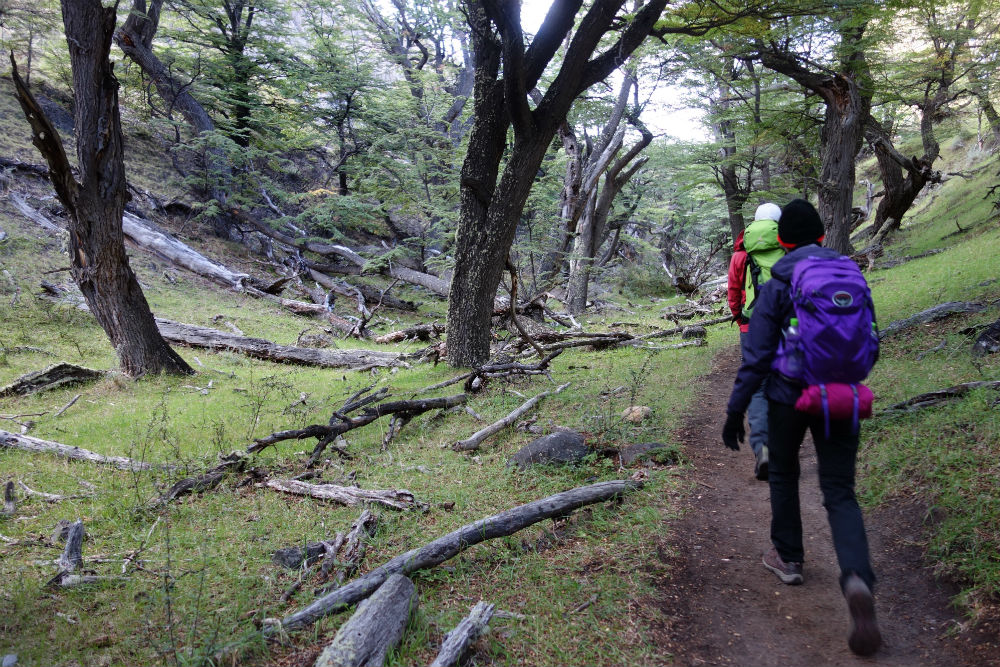
A waterproof/windproof layer (jacket and pants), gloves, hat, and neck gaiter to protect against the famous Patagonian wind. Here in the far south, weather can be influenced by Antarctica and gusty conditions are common. It’s not unusual to have four seasons in one day. The sun can shine for many hours in the south, so don’t forget to apply sunscreen. Collapsible trekking poles are handy, but most lodges have them if you choose not to pack your own.

Stay in the Know With Our Newsletter