Make Your Next Trip Extraordinary
Machu Picchu, Peru: Insider’s Guide
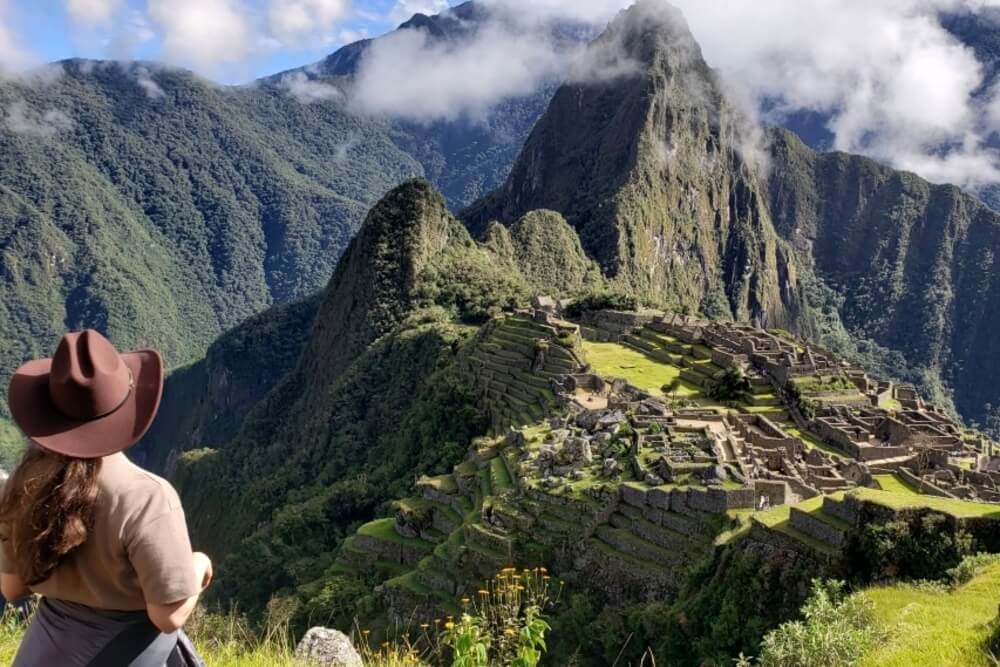 Let an insider with local intel guide your way to Machu Picchu. Photo: Southwind Adventures
The insider advice on this page is from one of Wendy’s Trusted Travel Experts for Peru: Tom Damon of Southwind Adventures.
An experienced trekker and nature enthusiast, Tom specializes in outdoor adventures and family travel throughout South America. He’ll point you to the best hiking trails—for every skill level—at Machu Picchu and in Patagonia, and the most thrilling jungle adventures in the Amazon, whether by dugout canoe or luxe riverboat. Whether you opt for a private journey or a small-group excursion, Tom will ensure you’re in the company of highly trained and personable English-speaking guides. As for accommodations, he knows the best-of-the-best hotels and lodges. If you’re looking to cross borders or link multiple regions, Tom is a pro at making the trip seamless, dodging crowds and logistical hassles. In Patagonia especially—where one itinerary might include planes, cars, trains, and boats—he’ll make it all run like clockwork.
Where to Stay and Eat
Best bang-for-your-buck hotel
The Inkaterra Machu Picchu Pueblo Hotel delights from the moment you enter—by walking across a bridge in the cloud forest into the reception area, where you are greeted with a special iced tea brewed on the spot from leaves grown onsite. Secluded casitas are surrounded by tropical foliage and orchid gardens. The best value are the Superior Deluxe casitas, which come with a fireplace and a sitting area. Book at least two nights at this hotel for ample time to explore Machu Picchu. Following active days, enjoy the hotel gardens, which are frequented by hummingbirds, and the spa (its treatments use a lot of locally grown ingredients). Reserving an afternoon train back to the Sacred Valley allows enough time on checkout day to walk the hotel’s private nature trails and discover some of the 372 species of orchids found on the grounds. In the nature center, you can learn about the spectacled bear conservation project, helping to protect South America’s only ursine species, which is critically endangered.
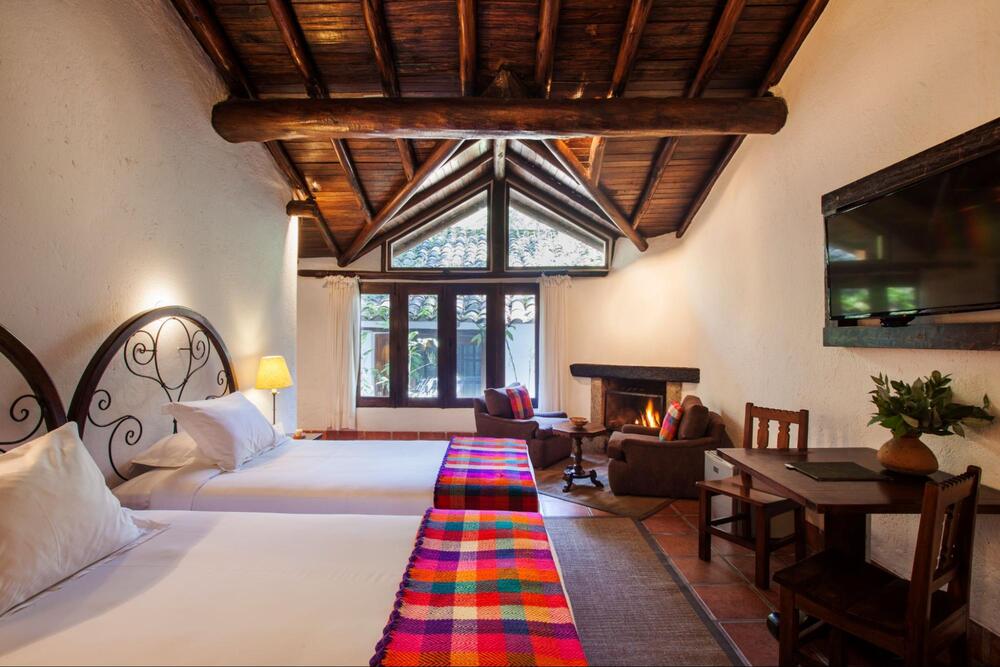
Rest your feet by the fire after a day at the ruins. Photo: Inkaterra Machu Picchu Pueblo Hotel
Restaurants the locals love
In the Sacred Valley: The chef at Wayra—at the beloved Sol y Luna Lodge & Spa—offers evening tasting demonstrations of well-known Creole and traditional Peruvian dishes. Try the lomo saltado: fine strips of alpaca steak stir-fried with onions, tomatoes, and yellow peppers and garnished with chickpeas and plantain.
In Cusco: Morena is a stylish and welcoming restaurant facing the main square that celebrates the diverse flavors of Peruvian cuisine, including fresh ceviches, appetizing anticuchos, hearty alpaca fillets, and vegetarian and gluten-free dishes.
At Machu Picchu: The chefs at Qunuq Restaurant, in the Sumaq Hotel, are known for their modern twists on traditional Inca dishes and artful presentations. Try their delicious trout or mushroom ceviches or quinoa risotto. Nearby, Indio Feliz is a lively bistro, full of local color and warm ambiance, where you can grab a casual meal, drink, or dessert.
Dish to try
You could eat your way to Machu Picchu on the soups alone. Go for ones with quinoa (sacred to the Incas as their “mother of all grains”) or potato (more than 3,000 of the world’s 5,000 potato varieties are Andean), and don’t miss the chance to try saralawa, a soup of fresh corn, lima beans, yellow hot pepper, and huacatay (a native herb). Add some zing to any dish with aji—a spicy sauce made from tomatoes, cilantro, hot peppers, and onions.
Meals worth the splurge
At MIL, a destination restaurant sitting at 11,706 feet near the archeological ruins of Moray, celebrated Peruvian chef Virgilio Martinez offers a farm-to-table culinary and cultural experience with an eight-course lunch of dishes reflecting the products of eight different ecosystems found in this high-altitude landscape.
For a sophisticated Peruvian- and French-inspired menu in unusual surroundings, try the MAP Café, encased in a stylish glass capsule within the courtyard of Cusco’s Museum of Pre-Columbian Art. The alpaca tenderloin stew in a demi-glace is aromatized with a red-wine reduction and accompanied by corn purée and sautéed vegetables from the organic garden.
LIMO Peruano Nikkei, in Cusco’s main square, serves traditional Japanese recipes with Peruvian influences—try the ceviches, tiraditos (similar to sashimi, marinated in local spices), and seafood rice dishes. Situated on the second story, the restaurant is also a great spot to see Cusco’s historic plaza lit up at night.
As flight schedules inevitably dictate a stopover in Lima, consider Kjolle, where owner Pia León (named World’s Best Female Chef in 2021) pairs Lima’s seafood with Amazonian legumes in dynamic dishes such as scallops with seeds and roots from Peru’s rainforest.
What to See and Do
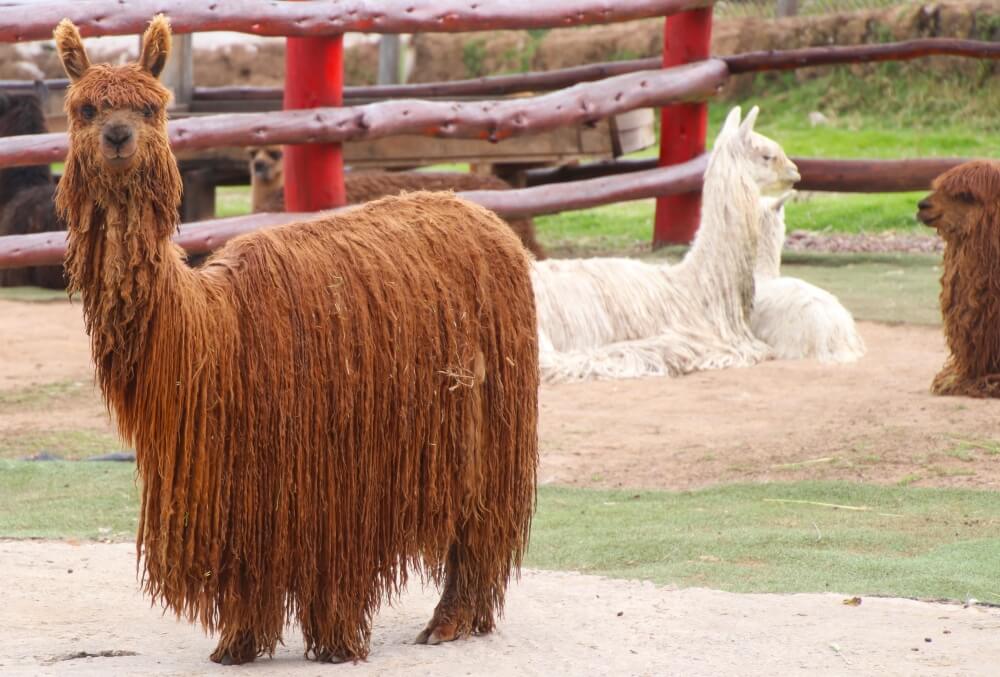
Alpacas are a key part of Peru’s rural economy and textile traditions. Photo: Southwind Adventures
Don’t miss
The Sacred Valley of the Incas. If you arrive in Cusco and simply hop the train to Machu Picchu, you are missing out on a jewel of the Andes. Once the breadbasket of the Incas, this region of rugged mountains and colorful market towns is a highlight of the entire continent—especially for families traveling together. Be sure to allow at least two nights so you’ll have time to visit the vibrant villages of Pisac, with its well-known artisans’ market, and Ollantaytambo, where the streets date back to Incan times. You can have an alfresco lunch and take in a Peruvian Paso horse show, or explore the valley trails by bicycle, on horseback, or on foot. Near the highland village of Chinchero, try lake kayaking at the Piuray or Huaypo lagoons to take in the beautiful views of the snowcapped Urubamba range rising above a patchwork of farms.
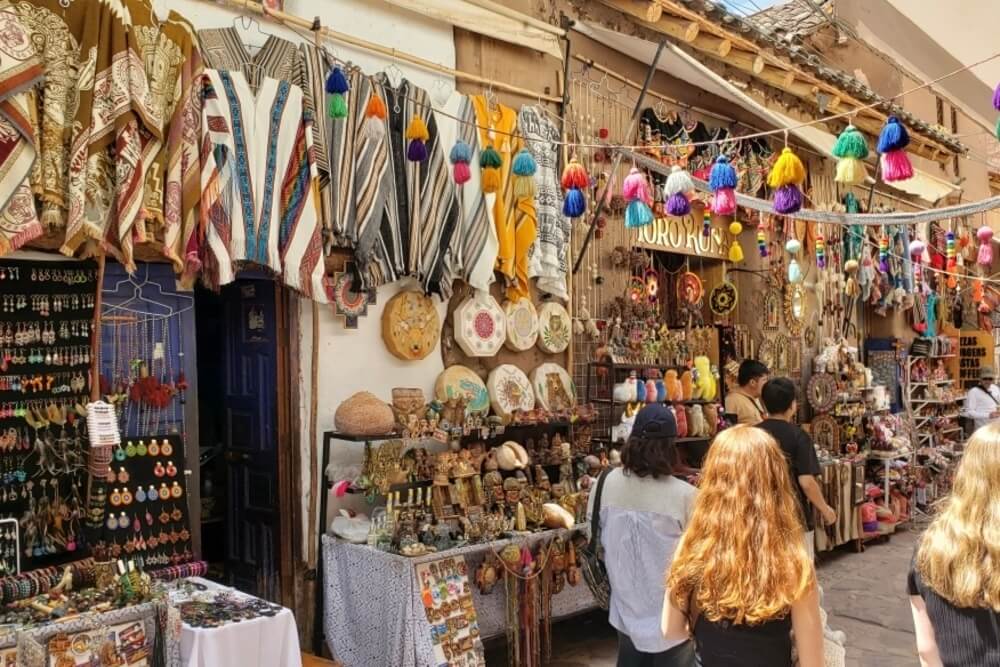
The vibrant village of Pisac is famous for its textile and craft markets. Photo: Southwind Adventures
Don’t bother
Spending a small fortune to stay at the Sanctuary Lodge at the entrance to Machu Picchu. It’s hard to justify the minimum $2,000 nightly room rate just for the privileged location. Since the hotel is built into the side of the mountain and surrounded by vegetation, there are no rooms with prime views of the central ruins themselves. Most of the 31 rooms are small (except for the two larger suites) and not a good value for a Belmond property. There is, however, one big advantage to staying at the Sanctuary: You can be among the first at the ruins in the morning (the park opens at 6 a.m.) without needing to wait in the shuttle-bus line in town for the 20-minute trip up the mountain.
Best short trek
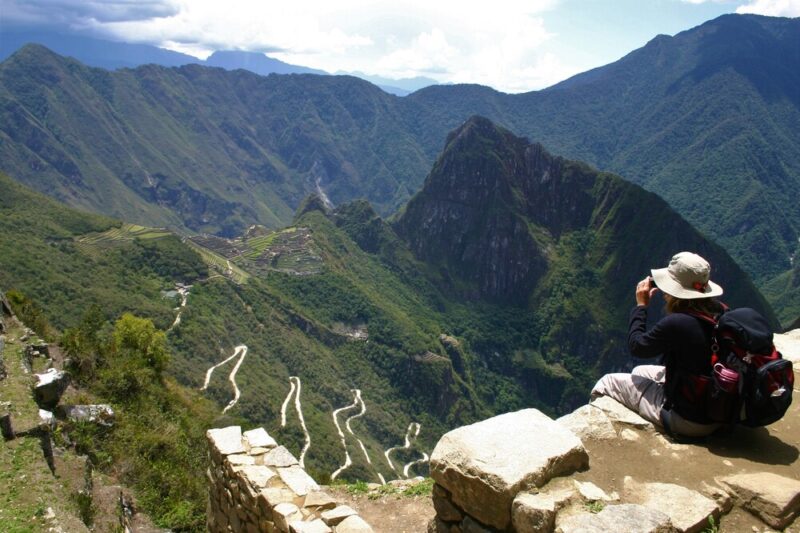
Don’t have the time to trek for days or don’t want to sleep in a tent for three nights? Then this Inca Trail shortcut is for you! Take the train from Cusco or the Sacred Valley to the Km104 trailhead; from there, it’s a seven-mile hike (or about six hours at elevations ranging from 7,300 to 9,000 feet) to Machu Picchu. At midday, you’ll join up with the classic stone-paved route and ascend staircases cut by the Incas to reach the Intipunku, or Gateway of the Sun. Here, you have a bird’s-eye view of the entire citadel and the surrounding forested mountains (it’s not unusual for hikers to shed tears encountering this view). Enter the ruins to catch the late afternoon light after the crowds have dispersed.
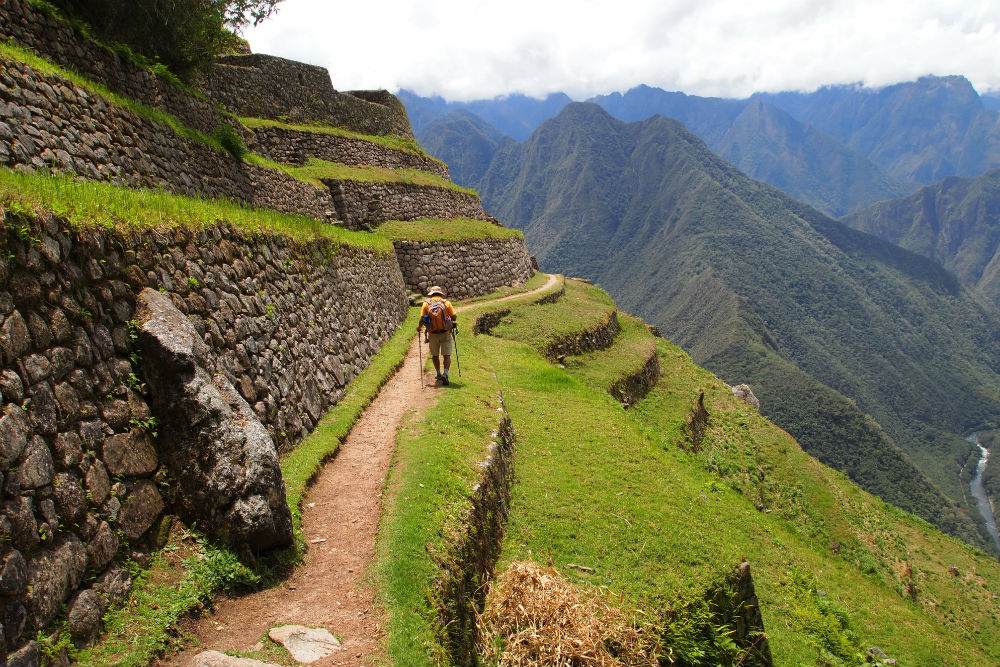
The Inca Trail is a magical way to approach the ruins of Machu Picchu on foot. Photo: Southwind Adventures
Big thrill
If Inca Trail permits are already snatched up for the time you want to go, veer off course with a herd of sure-footed llamas into the nearby Urubamba range. Without permit constraints on this rewarding, scenic route, Tom can arrange a three-day glamping expedition with two nights in the Andean backcountry, sleeping on plush air mattresses atop raised cots in spacious tents. He sends a chef, a collapsible dining table, and a mobile shower/bathroom facility, and can even arrange for a massage therapist to accompany your trek to work out any hard-earned kinks. You walk six to seven miles a day and ascend over two passes, topping out at an elevation of 14,700 feet. One of the best parts about this particular trek is that you’ll pass through traditional Quechua villages and feel like you’ve gone back in time. You’ll see how the locals farm potatoes, raise guinea pigs and llamas, and hand-weave their colorful ponchos and shawls on their backstrap looms. Villagers also graciously welcome Tom’s travelers into their modest adobe homes.
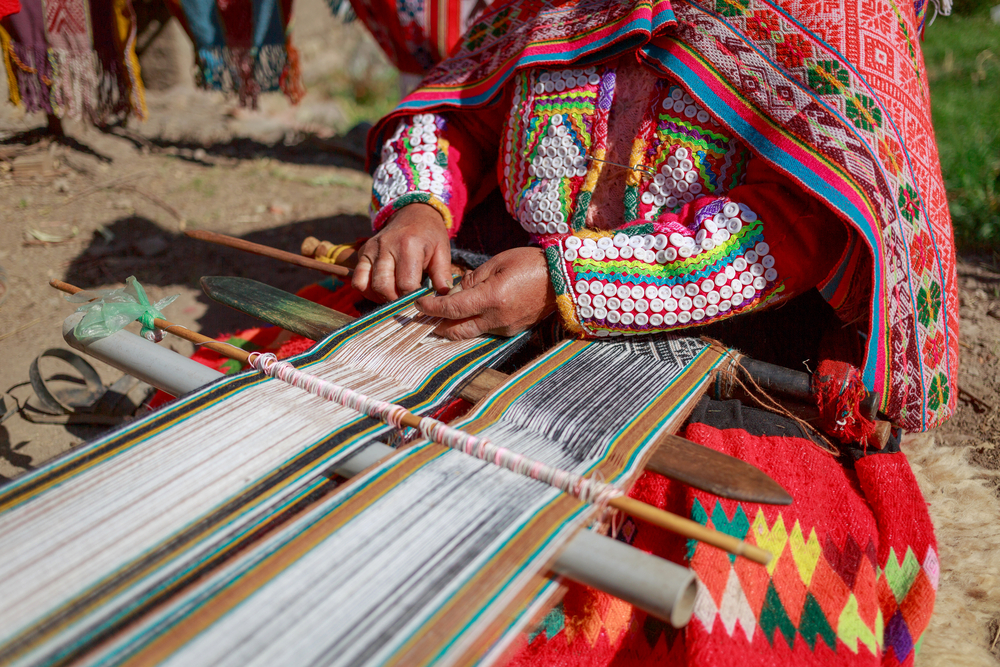
Weaving is a visual script and cornerstone of Peruvian craft and culture. Photo: Shutterstock
Cheap thrill
At the Cusco Planetarium, located 15 minutes outside the city, you can take in the night sky from the domed observatory to spot the Southern Cross, Centaurus, and other Southern Hemisphere celestial wonders. Using telescopes and pointers during nightly visits (weather permitting), trained staff help you spot constellations and tell you all about how the ancient Incas studied the stars.
Bragging rights
Ever wonder how massive, monumental Machu Picchu could have remained hidden from the conquistadors and the outside world for 400 years? It wasn’t until 1911 that Hiram Bingham and his Yale Expedition brought this lost city to the world’s attention, but a few years earlier, the area was explored and farmed by Agustín Lizarraga (who also happened to be one of Bingham’s guides). Tom can design a private trip with Romulo Lizarraga, Agustín’s grandson and one of the most knowledgeable and experienced guides in the Peruvian Andes. He’ll not only lead you in the footsteps of these early explorers but take you deeper into the cloud forests than other visitors usually go and into the Mandor region, where Romulo still has relatives who work the land.
Step into centuries of history at Cusco’s San Francisco Church and Convent, a serene Franciscan complex built in 1572. With its bell tower and Latin cross design, the church offers a glimpse into the city’s colonial past. Tom can plan a private tour and cocktails with Alfredo Hinojosa, a researcher and former university professor specializing in Andean Baroque style. You’ll discover quiet catacombs and the library housing rare treasures such as a five-language Bible, admire one of South America’s largest paintings, and take in striking Renaissance architecture adorned with vivid works from the Cusco School artistic movement of the 16th to 18th centuries.
The celebrated ceramic atelier of local artists Pablo Seminario and Marilu Behar revives ancient Andean pottery techniques into modern designs. Tom can arrange a private class, led by Seminario himself, where you can try your hand at crafting your own ceramic work of art.
How to spend a Sunday
Sunday is the main market day in Pisac, Chinchero, and Ollantaytambo. In Chinchero, on occasion you’ll see locals using an ancient form of barter to buy their goods. In Pisac, you might catch a glimpse of the mayors from nearby villages gathering at the church for the morning Mass (especially during local celebrations), decked out in their colorful wool ponchos and wide-brimmed hats and carrying silver-engraved staffs while sounds of conch shells mark their arrival.
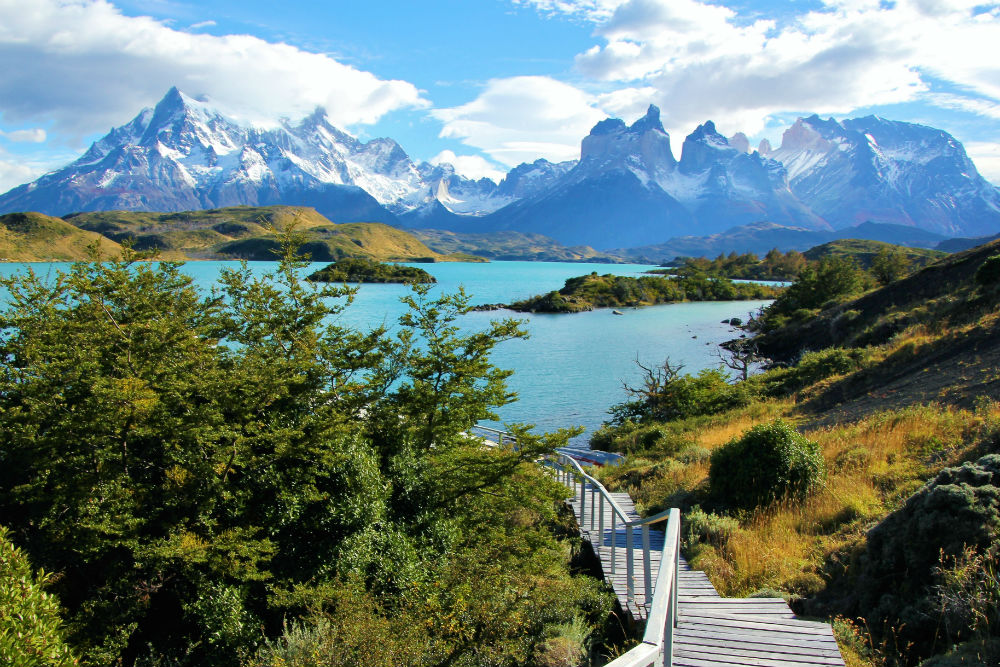


Get a Personalized Trip Recommendation
For a travel solution tailored to your trip goals and preferences, click this green box.

Best Times to Go
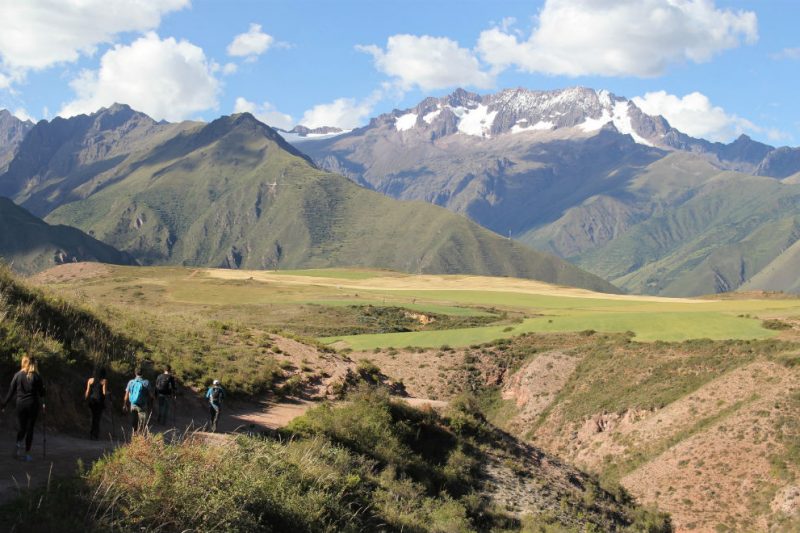
April and May: Skies are mostly clear, hillsides are green following the heavier rains that end in March, and there are fewer crowds. Temperatures are also warmer on average than during the peak (June through August) season.
The shoulder season of September through mid-November is also a quieter time, and you’ll still benefit from dry-season weather.
Worst Time to Go
January through March, when there’s about a 50 percent chance of rain every day (though there’s a higher chance in January and February than in March). Mornings can still be sunny, but clouds build by afternoon, with light to moderate rain and the occasional heavy shower between 2 and 6 p.m. If you don’t mind some rain, it could still be a fine time of year for a hotel-based, soft-adventure kind of vacation in the Andes, but if you’re planning an active hiking trip, avoid these months.
Biggest Rookie Mistakes
Not planning soon enough for the four-day Inca Trail trek or the one-day Inca Trail hike from Km104. Permits generally sell out four to five months in advance. Also keep in mind that the Inca Trail system closes every February for maintenance and preservation efforts.
Showing up at Machu Picchu without tickets. In an effort to avoid overcrowding, Peru’s Ministry of Culture introduced an entry system that limits visitors to certain parts of the citadel, and to three hours per entry (or up to six hours if your ticket allows you to climb Huayna Picchu, hike to Inti Punku, or visit the Temple of the Moon). While you might be lucky and snag a ticket when you arrive in the town below Machu Picchu, the most sought-after entry options often sell out two to three months in advance. Currently, there are three main visitors’ routes, with different variations available.
Instagram Moment
Ride the first shuttle at 5:30 a.m. to the Machu Picchu citadel. Find a high perch by the upper terraces just as the rising sun begins to burn off the mist to reveal the ancient ruins. You’ll have very few visitors in your shot; maybe just a lone llama grazing the terraces.
The Souvenir—and a Word of Warning
Cusco features some of the finest artisan-made crafts in South America. The Andes around Machu Picchu are known for high-quality alpaca wool products such as gloves, hats, sweaters, shawls, and vests. You’ll find plenty to choose from at the Awana Kancha textile center on the road from Cusco to Pisac, in the Sacred Valley. Also in Cusco, Kuna, Mundo Alpaca, and Sol Alpaca have similarly high-quality wares.
Elsewhere, make sure you’re buying 100 percent alpaca wool—the finest items are made from baby alpaca, which is the first wool taken from the alpacas—not a substitute made from combinations of rougher llama wool or synthetic fibers. The premium wool is found in boutiques in Cusco, Arequipa, and Lima at higher prices than the street markets, which have inferior products that sometimes blend alpaca and sheep.
Giving Back
En route to Machu Picchu, you will invariably pass through several rural communities with small schoolhouses with limited supplies. If you want to donate something, consider purchasing spiral notebooks, pencils, pens, colored pencils, an atlas, or a map in Cusco. Toothbrushes and mild toothpaste are also appreciated, or—slightly more fun—bring along a soccer ball or flying disc so you can strike up a game with the kids. Whatever items you bring, be sure to coordinate with your guide or give them to a teacher to distribute equitably.
Must-Have App
Perú Natural, by Sernanp (Peru’s Ministry of Environment), has authoritative tips and photos of the country’s most scenic natural areas (coast, highlands and jungle), complete with directions, weather, flora and fauna, and recommended local outfitters.
Airport Intel
Ask the agent at the airline counter for a window seat on the left side of the plane when flying from Lima to Cusco. This will give you a glimpse of the glaciated high Andean peaks of the Vilcabamba range, which soar over 19,000 feet.
Tipping Tip
Bring small denominations of U.S. dollars and soles (the local currency, which can be obtained at the local airports or at your hotel) for tips and purchases; getting change is not easy. The service charge you see at the bottom of a restaurant bill is not a tip but part of the wages divided among all restaurant staff. Best to give your tip—about 10 percent—directly to your waiter.
Don’t Forget to Pack
Wi-Fi can be spotty at hotels in the Andes around Machu Picchu. If you need a strong signal, bring along a small wireless extender to boost the hotel’s signal.

Stay in the Know With Our Newsletter