Make Your Next Trip Extraordinary
Insider’s Guide to Outdoor Adventures in England, Scotland, and Ireland
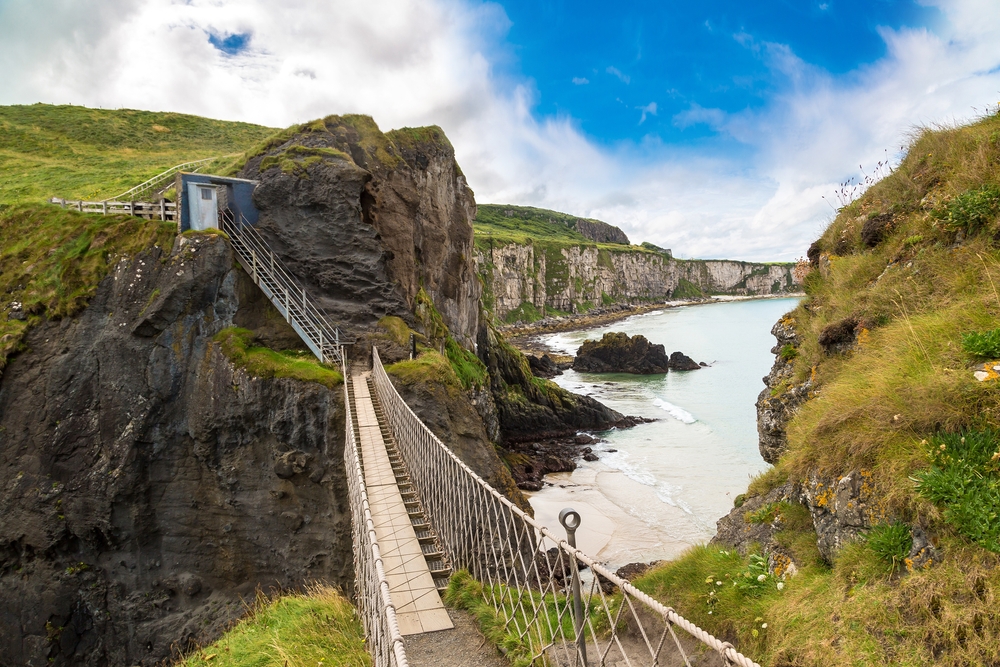 Go for an exhilarating walk across Northern Ireland's Carrick-A-Rede rope bridge. Photo: Shutterstock
The insider advice on this page is from two of Wendy’s Trusted Travel Experts for the U.K. and Ireland: Louise Kavanagh and Rachael Gavan, Wilderness Ireland and Wilderness Scotland.
Independent-minded travelers who want a local’s insights on the best things to see and do in England, Ireland, and Scotland will enjoy chatting with Louise and Rachael. They’ll be candid about what works, and what doesn’t: which off-season months see the best weather; which routes work best for self-drive trips; which hiking trails you can navigate on your own and where you’d be better off with a local guide, etc. Louise, who was born and raised in Ireland and now lives in Sligo, and Rachael, who grew up in Scotland and is based in the Highlands, can put you up in 3-star B-and-Bs, Georgian houses converted into small hotels, and 4-star castles with 5-star service. They can keep you as active as you like—kayaking, biking, and hiking in the Highlands, even foraging for seaweed or freediving for scallops—but are just as comfortable planning more sedate experiences: a private boat on Loch Ness, a workshop with a local potter, or perhaps tea with an eccentric princess.
What to See and Do
Don’t miss
Wales is an often-overlooked country. Swap between mountains and beaches on the same day, watch red kites (the bird of prey, not the children’s toy) wheel overhead, and immerse yourself in a culture proud of its heritage, from grand medieval castles to the lilt of the Welsh language.
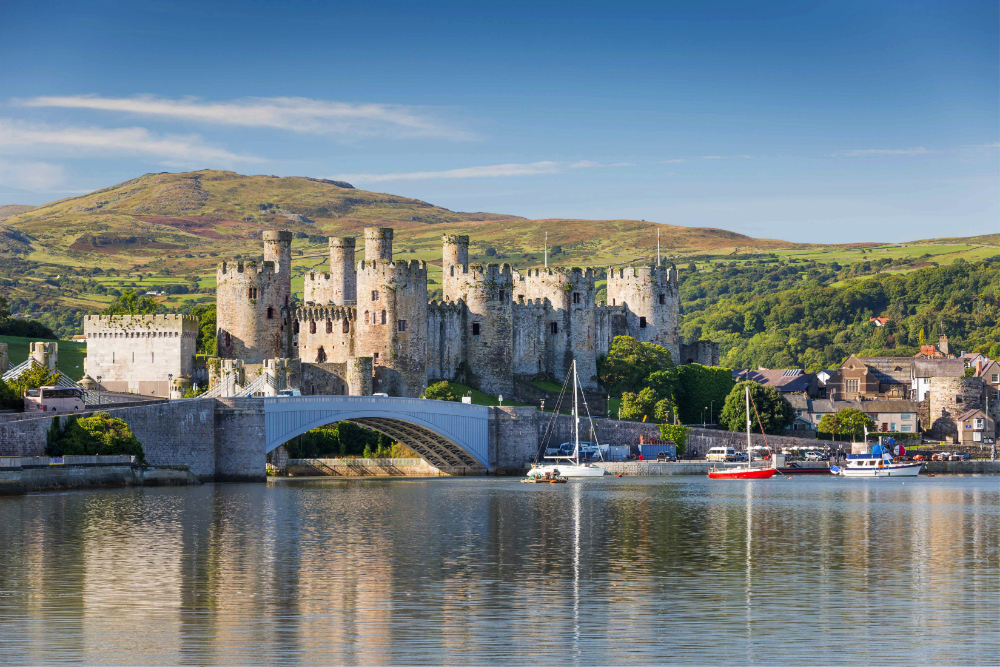
Conwy Castle, in North Wales, is a UNESCO World Heritage Site. Photo: VisitWales
Across the Irish Sea, Northern Ireland is similarly unmissable; think foot-stomping live music, a rising foodie scene, and small-batch gin producers, all within reach of the scenic Causeway Coast.
Don’t bother
In Dublin, skip the Temple Bar; overpriced pints and wall-to-wall tourists make it feel more like a theme park than a local haunt. Instead, try a lively spot like The Gravediggers in the Glasnevin neighborhood, or The Cobblestone in Smithfield.
The Blarney Stone sounds charming until you’re queuing for hours to press your lips against the rock that thousands have kissed before you. If it’s the gift of gab you’re after, chat to a local in a pub—it works just as well, and the pints are better.
Most Underrated Places
Some of the lesser-known Scottish islands, such as Mull or Arran, combine the very best bits of the country, from landscapes to history. Home to small but thriving communities, each island offers its own individual charm alongside excellent local food and abundant wildlife, from sea eagles and otters to dolphins and whales.
In Ireland, County Mayo offers similar coastal delights to its neighboring regions, such as Galway, but with a fraction of the tourist traffic.
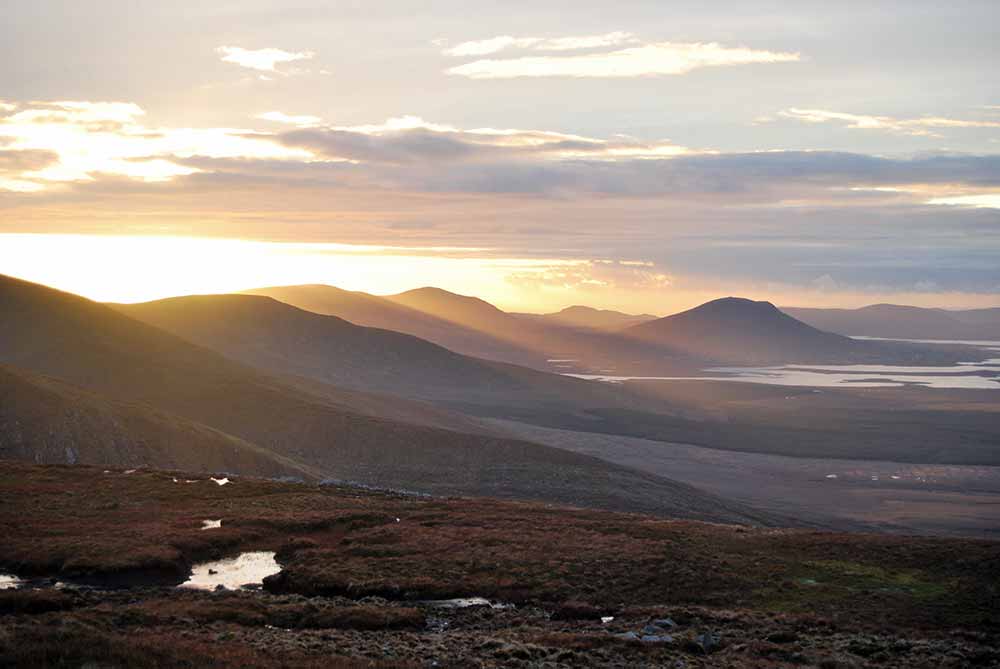
County Mayo offers the best of coastal Ireland, without the crowds. Photo: Wilderness Ireland
Most Overrated Places
The Ring of Kerry, in southwest Ireland, draws crowds for good reason, but heavy traffic and regular photo stops can dampen your sense of adventure. Instead, try the neighboring Beara Peninsula for rugged coastal scenery without the bottlenecks.
In the U.K., Stonehenge is similarly iconic, but it’s fenced off and right beside a major road. You’ll get closer, quieter encounters at ancient circles like the Calanais Standing Stones, in Scotland’s Outer Hebrides, which predate their English cousin.
Hidden Gems
There’s a little spot in Bantry, County Cork, where you can wander through an edible garden and learn to forage for wild herbs and sea plants. It is the kind of afternoon that leaves you with both a full stomach and a pocketful of recipes.
In the whisky hills of Scotland, Glenlivet, there’s a tiny croft where a local chef can host you in her kitchen. You will cook together before eating out on her deck with nothing but the fresh air, good food, and the glen rolling away beyond.
Cheap Thrills
It’s well worth giving up a few hours of sleep in return for a proper Irish trad music session in a local pub—the best ones often spark up after the tourists have gone to bed. Seek this out particularly in Clifden in Connemara, Dingle in Kerry, Doolin in Clare, and Westport in Mayo.
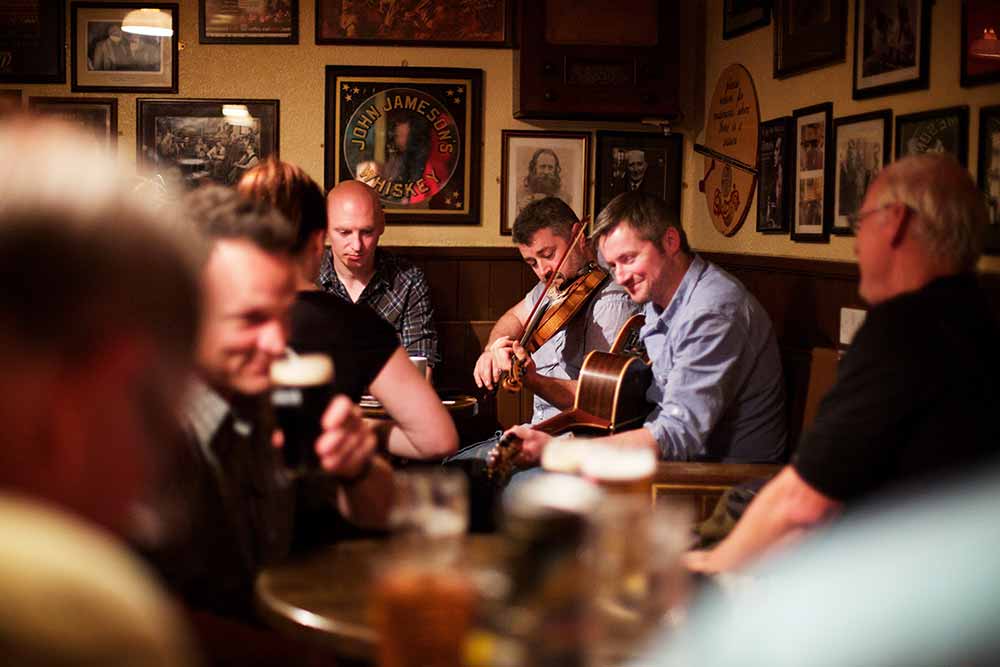
Rub shoulders with locals at a late-night jam session. Photo: Wilderness Ireland
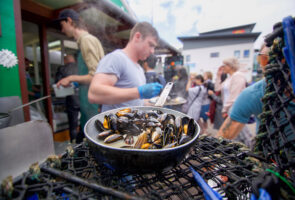
Wherever you are in the U.K. or Ireland, hunt down a seafood shack on the coast. The menu changes with the tide, so skip the standard fish and chips and go for a scallop roll or lobster wrap; it’s as fresh as it gets, and best served with your toes curled in the soft sand.
Bragging rights
Take a private walking tour of Charles Dickens’ London, tracing the very streets that shaped the author’s imagination. As you wander past hidden corners, historic landmarks, and places woven into his novels, you’ll gain a vivid sense of Dickens’ world. The walk ends at a cozy pub once frequented by Dickens himself, where you’ll sit down to dinner with Dickens’ great-great-grandson, hearing family stories and personal insights that bring one of England’s greatest writers to life in an unforgettable way.
In Scotland, step into the world of Highland tradition as you are welcomed by a local Laird or Lady. On the grounds of their ancestral estate, they’ll share tales of clan history, weaving together stories of battles, alliances, and the ways the dramatic landscapes have shaped generations of their family. After the tour, they’ll join you for lunch or afternoon tea, where warm hospitality and personal conversation turn history into something deeply personal and memorable.
How to spend a lazy Sunday
Sundays in the U.K. and Ireland have their own rhythm. Start at a farmers’ market; take your time to browse stalls piled high with local cheese, fresh bread, handmade chocolate, and craft gin, all available to sample. In football (soccer) season, follow this by catching a local side for the atmosphere of a game. In Ireland, swap football for Gaelic games and feel the energy of the whole community turn out. End the day as the locals do in a cozy pub, chatting about the day’s adventures over a proper Sunday roast; make sure to add Yorkshire puddings, especially if you are lucky enough to be in the Yorkshire Dales!
Where to Stay and Eat
Best bang-for-your-buck hotels
In England, Rachael loves the Pig hotels, dotted throughout the countryside. Each has its own character and charm that reflects its setting, yet all share the same fantastic service and a farm-to-table ethos that makes the food a highlight. The entry-level rooms offer surprising comfort and style, giving you the full Pig experience without the splurge.
In London, the Henrietta Experimental delivers chic boutique style in the heart of Covent Garden. For such a central location, the pricing is remarkably reasonable, especially when you consider the characterful design and warm, personal service.
On the Isle of Mull in Scotland, the Pennygate Lodge is a family-run treasure. With just a handful of rooms, it combines homey charm with thoughtful touches and views over Craignure Bay. The value here lies in its intimacy: You feel more like a guest of the house than a hotel visitor.
In Ireland, Lough Eske Castle offers the rare chance to stay in a real castle without the steep price tag you might expect. The Deluxe Rooms strike the best balance of space and value. Staying here means enjoying rich history, five-star facilities, and a warm Donegal welcome.
Best-value splurge hotels
In the heart of the Scottish mainland, Pine Trees Hotel blends country-house charm with Scandi-boutique style. Bright, airy rooms and colorful touches make it feel fresh and welcoming. The Snug rooms are the sweet spot: cozy in name but surprisingly spacious.
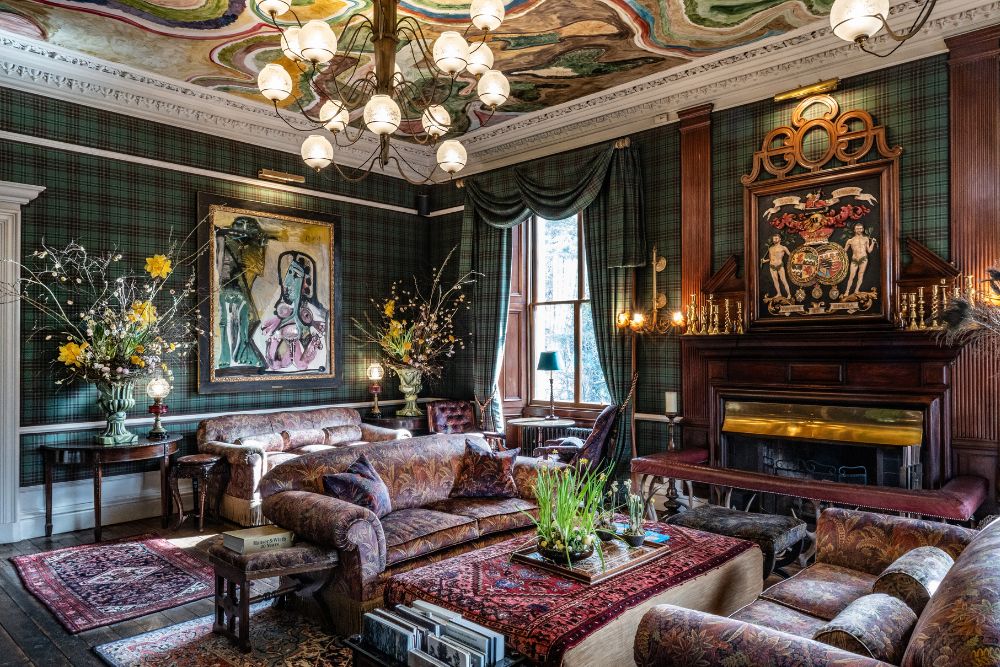
Afternoon tea—with a side of art—is served in the Fife Arms’ drawing room. Photo: The Fife Arms
A living gallery filled with over 16,000 artworks and antiques, The Fife Arms marries Scottish Highland tradition with contemporary flair. Each room has its own character—some whimsical, some classic—and the immersive atmosphere makes every guest feel part of the story.
Set at the foot of Ireland’s Slieve Bloom Mountains, Ballyfin Demesne is a meticulously remodeled Georgian estate where grandeur and warmth go hand in hand, with lavish interiors, a staff that makes you feel truly welcome, and room to spare: The property’s 614 acres of parkland are shared amongst just 21 rooms.
Restaurants the locals love
Anderson’s is a true local secret and always a treat. Set in the heart of Scotland’s Cairngorms National Park and just a stone’s throw from Rachael’s office (you’ll often find a few of her team here), the menu is seasonal, creative, and firmly rooted in local ingredients. But it’s their pizzas that have become legendary: Don’t miss The Cheeky Hawaiian—far more than ham and pineapple from a can, it’s a playful twist that surprises everyone who tries it.
In St Davids, Wales, The Really Wild Emporium captures the spirit of the Pembrokeshire coast with its foraged, sustainable approach. Part deli, part restaurant, it champions wild ingredients drawn straight from the surrounding land and sea. The must-try dish is their wild mushroom risotto. Rich, earthy, and utterly comforting, it’s a perfect showcase of how local and foraged can be elevated into something unforgettable.
Dishes to try
You can’t leave Ireland without a steaming bowl of fresh seafood chowder. Perfectly paired with a day spent on the coast, no chowder would be complete without a side of Guinness brown bread slathered with Kerrygold butter. Louise can’t get enough of the seafood chowder (or the rest of the menu!) at Linnane’s Lobster Bar in County Clare.
In Scotland, haggis is far less daunting than its reputation. It’s mostly oats, rich seasoning, and a satisfying savory depth, and many places offer excellent vegetarian versions. You’ll see it everywhere, from breakfast plates to breaded bonbons. However, the classic is still the best: haggis with neeps (turnips) and tatties (potatoes), finished with a splash of creamy whisky sauce over the top.
Meals worth the splurge
Flavour, on Scotland’s far-flung Isle of Harris, is one for the calendar. It’s an eight-course tasting menu served at chef Chris’s table in his own kitchen, with only a handful of seats. As each plate arrives, he’ll tell you where the ingredients were foraged, grown, or caught, and how they made it to your plate. This is the kind of meal where you leave knowing as much about the island as you do about the food, and it’s worth every penny.
For an Irish meal to remember, book the in-house restaurant at Gregans Castle Hotel in Ballyvaughan. Located in the Burren and a scenic 30-minute drive north of the Cliffs of Moher, the hotel makes for a great stay. But it is the seven-course tasting menu that is the crowning jewel, with produce sourced primarily from their own gardens, and some of the best lamb in Ireland.
Prime picnic spots
In London, Rachael can unlock the gate to one of the city’s finest private garden squares, usually reserved for residents. A picnic hamper will be ready and waiting, so all you have to do is turn up, pour a glass, and enjoy the city like a local.
North of the border, head up Arthur’s Seat with a picnic in tow. You’ll have panoramic views of Edinburgh and the Firth of Forth beyond, yet it feels as though you’ve slipped away into the countryside.


Get a Personalized Trip Recommendation
For a travel solution tailored to your trip goals and preferences, click this green box.

Best Times to Go
In April, the countryside feels like it is waking up. Across the U.K. and Ireland, daffodils line the lanes, lambs skip across fields, and villages hum with the warmth of spring.
On the other side of summer, September sees a shift, especially in the Scottish Highlands, as hills are brushed with purple heather and the air turns crisp. As autumn begins, the light deepens and glens hold onto morning mist for a moment longer; this is the beginning of cozy fires and enchanting stories told around them.
Worst Times to Go
The first weekend in May is a Bank Holiday, drawing local and visiting crowds to the most popular spots. Visit a week or two on either side, and you’ll catch the best of the spring colors with more space to enjoy them.
The days are quite short in January, but later in winter you can enjoy snowy walks, cozy pub and cottage vibes, and sometimes even the northern lights.
Biggest Rookie Mistake
Thinking that you can see it all in a few days. Small, winding roads mean journeys take longer than you’d expect for the distance, and rushing along means you miss the magic. Another trap is sticking to London, Edinburgh, or Dublin without venturing into the countryside. Instead, pick fewer places, slow the pace, and you’ll return home with richer memories.
Can’t-Miss Photo Op
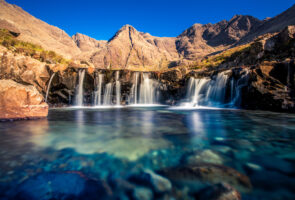
In the U.K., the Fairy Pools on the Isle of Skye are no secret. In fact, they’re all over social media and travel brochures! The trick is to go at dawn. The hills catch the warm first light, the water glows brilliant blue, and you’ll have the place to yourself long before the tour buses arrive.
Scam to Avoid
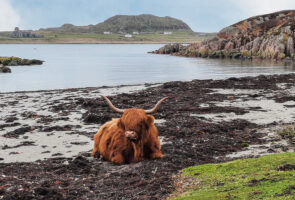
In Scotland, skip paying for a “photo with a Highland cow.” They’re part of the landscape here and you’ll spot them for free all over the country, often in far more photogenic spots than a roadside pen. Just be sure to keep a safe distance, save the snacks for yourself, and let them get on with their day.
The Souvenirs
In Ireland, a handmade Aran jumper is worth making space in your suitcase for. Traditionally knit from hardy Irish wool, these sweaters were designed to withstand Atlantic winds and last for decades. Each stitch pattern carries meaning, often linked to family heritage, so buying one is as much about story as style.
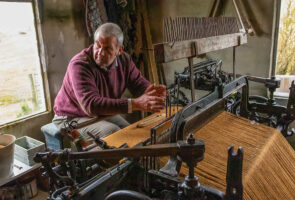
In Scotland, Harris Tweed is the ultimate keepsake. To carry the name, fabric must be woven from local wool in the Outer Hebrides and stamped with the famous Orb mark. Head to the Harris Tweed shop in Tarbert to meet a local weaver and learn about the craft, or for a more hands-on experience, create your own Harris Tweed handbag at a workshop in Edinburgh.
In Wales, the traditional love spoon is both a romantic and symbolic gift. Historically, young men would carve intricate wooden spoons as a sign of intent; if the girl accepted, marriage would follow. Today, these ornate spoons are still lovingly handmade, often with delicate patterns and symbols woven into the design. You can find them in local galleries throughout Wales, or for a truly special occasion, Rachael can arrange for one to be commissioned using symbols that hold personal meaning to you.
Airport Intel
If you’re flying into London, the Heathrow Express gets you into the city in about 15 minutes, far faster and cheaper than a taxi. Trains run every 15 minutes, and you’ll skip the traffic altogether. On your way out, give yourself extra time; Heathrow is huge, and the walk to your gate can feel like a workout.
Tipping Tip
In restaurants, 10-12.5% is the tipping norm. In larger places, this is often already added to the bill. Hotel porters might get a couple of pounds per bag, and taxi drivers always appreciate a round-up. In pubs and bars, you don’t tip per drink. Instead, a friendly “and one for yourself” (an extra five pounds or euros) is the local way to say thank you for great service.
Don’t Forget to Pack
Bring a refillable water bottle; many cities and even smaller towns have fountains for topping up on the go. In more rural areas, the water may run slightly brown because it filters through the local peat, but it is perfectly clean!

Stay in the Know With Our Newsletter