
Make Your Next Trip Extraordinary
Insider’s Guide to Seeing Croatia From the Water
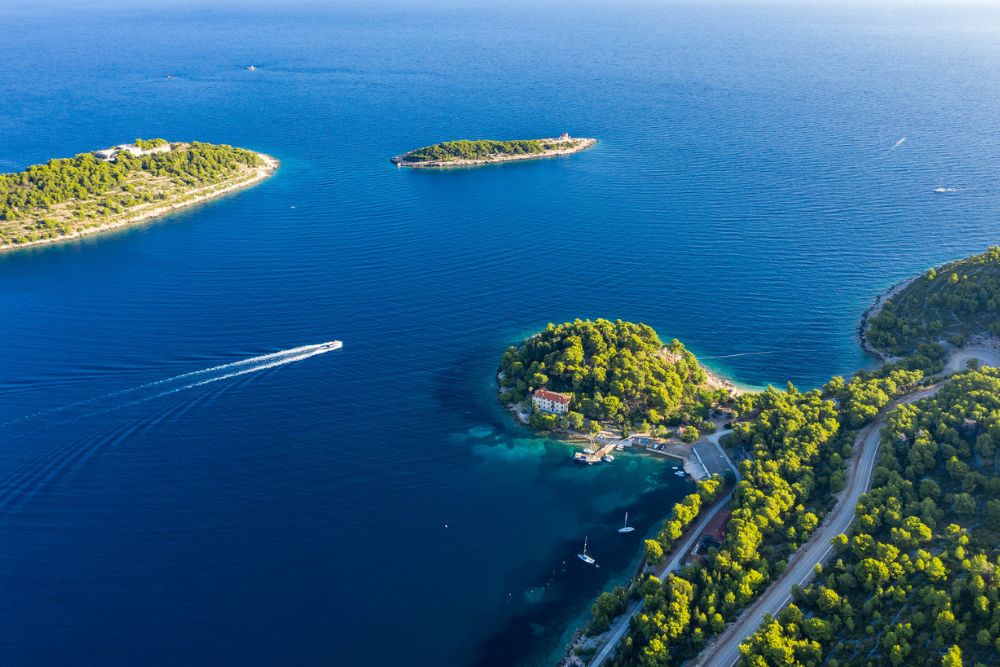 You'll get the best views of Croatia's islands, like Vis, from the water. Photo: Secret Dalmatia
The insider advice on this page is from two of Wendy’s Trusted Travel Experts for Croatia: Alan Mandić and Ivana Durdov of Secret Dalmatia.
Alan and Ivana help travelers connect with charismatic locals and dive into Croatia’s history, food, wine, and archaeology: Imagine meeting a winemaker whose family has been in the business for 500 years, or enjoying a meal cooked in the woods with a father-daughter team of truffle hunters. Everyone wants to see Dubrovnik, but Alan and Ivana delight in sharing the hidden corners of Croatia and its neighbors, from Šibenik’s 15th-century cathedral to Istria’s olive groves and vineyards. Getting around the region can be time-consuming, so they know what stops will make the journey satisfying and when it’s smarter to charter a small plane for a scenic flight from A to B; they can even arrange a private boat to take you between Split and Dubrovnik, island-hopping along the way. Their travelers usually overnight in 4- and 5-star hotels, though Alan and Ivana also work with a curated selection of chartered yachts and private villas.

Best Water-Based Itineraries
Many of Croatia’s highlights are arrayed along the country’s coastline and its 1,000-plus islands—fewer than 50 of which are inhabited—and are best accessed via the water. Alan and Ivana can set you up with a private boat for anything from an afternoon sail to a multi-day charter.
If you’re curious about chartering a private yacht but unsure if you want to spend a full week on the water, Croatia is one of the best places to try it. That’s because the distances between islands are short, so you’re rarely more than 60 minutes from a harbor, a swim stop, or a small town where you can get off the boat for lunch or dinner. It’s not open-ocean sailing where you spend long stretches at sea. It’s more like island-hopping: You move, stop for a swim, dock, explore, and repeat.
Often, the little pauses between destinations are the most memorable, anchoring in a calm bay and swimming in water so clear you can see the seabed 30 feet below.
If you have half a day
If you can only spare a few hours, hit the water in the late afternoon. The sea often becomes almost glassy, the heat eases, and the coastline looks completely different in softer light. In Dubrovnik, a short cruise beneath the city walls at sunset gives you a perspective you simply don’t get from inside the Old Town.
From Split, it’s easy to head toward Šolta Island or the northern side of Brač Island for a swim.
If you have a full day
A full day allows you to combine swimming, a proper lunch stop, and time ashore.
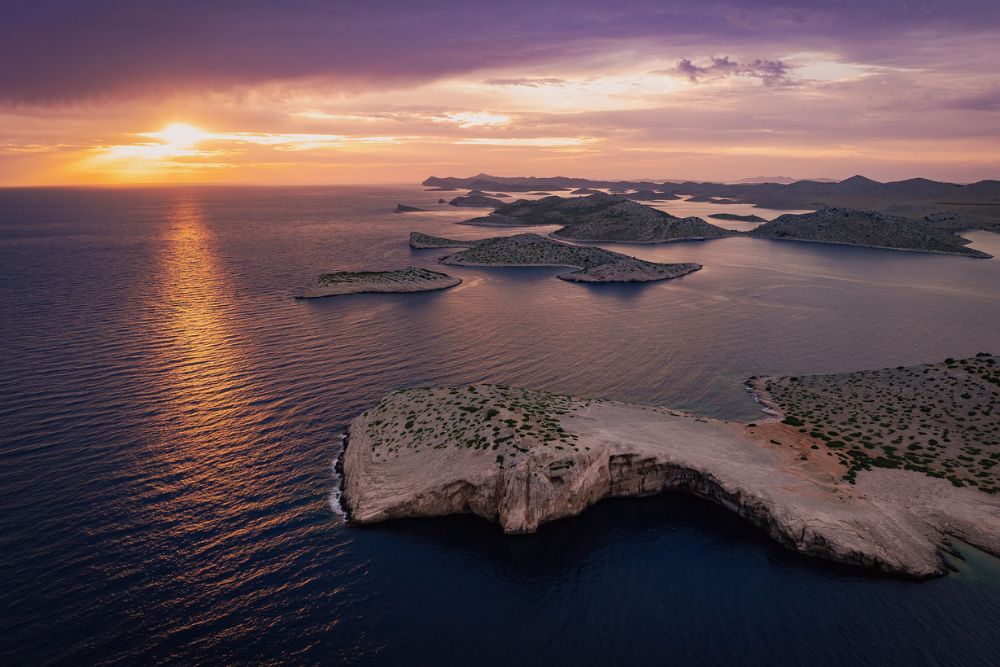
The islands of Kornati National Park are beautifully barren. Photo: Secret Dalmatia
From Zadar: Kornati National Park feels otherworldly. The landscape looks almost lunar, very different from the greener, pine-forested islands farther south. Kornati’s islands are also much less touristed, but there are fabulous hidden coves here where you can swim; and while most of the islands have no permanent residents, there are authentic local taverns that serve delicious seafood.
From Split: The southern coast of Vis Island is wilder and more off-the-beaten path than the northern side, with caves, cliffs, and quiet coves. Both Alan and Ivana count this as their favorite Croatian island, because it’s seen less development than the others and is still home to small fishing villages where you can have a coffee on the promenade beside locals, not packs of tourists.
From Dubrovnik: The Elaphiti Islands are perfect for a relaxed day on the water, with swim stops and a seafood lunch in a small harbor. For a quieter, historic feel, visit the village of Šipanska Luka.
If you have 3-4 days
This is when things start to feel different. Instead of returning to the mainland each evening, you get to experience the islands after the day-trippers leave. One simple and very balanced route is round-trip from Split, stopping on Hvar, Vis, and Brač. You get a bit of everything: lively evenings in Hvar, quiet fishing-town mornings on Vis, and plenty of time swimming in secluded bays along the way. For many travelers, three or four days is enough to understand why people fall in love with island life in Croatia.
If you have a week
A full week on the water is where Croatia really shines. In the northern Adriatic, Alan and Ivana recommend a route that starts in Zadar and includes the Kornati Archipelago, Dugi Otok, Lošinj, and Cres. This itinerary is perfect for travelers who want to escape the busiest parts of the coast. The villages are smaller, the harbors quieter, and the landscapes feel a little wilder and less polished.
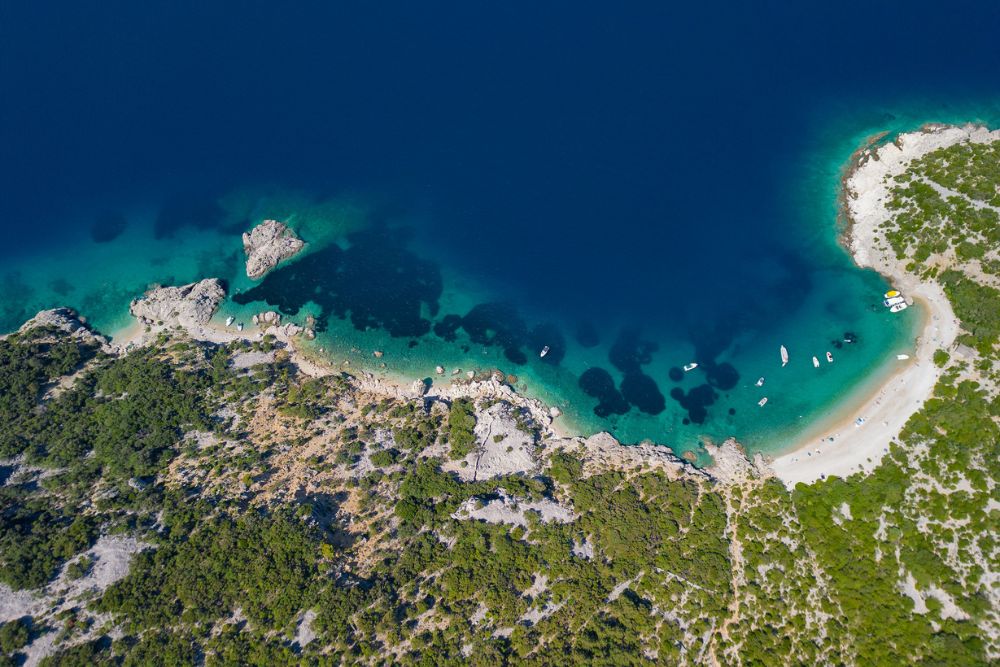
Cres Island is a quieter spot between the Croatian mainland and the Istrian Peninsula. Photo: Secret Dalmatia
In southern Dalmatia, Alan and Ivana like to start travelers in Split, taking in Hvar, Vis, Korčula, Mljet, and the Elaphiti Islands on the way to Dubrovnik. This route mixes lively harbors, vineyards, pine-covered islands, and historic towns.
What to See and Do
Don’t miss
Meeting some of the local characters who make wine on the coast and in the islands. Alan and Ivana can introduce you to Mario on the Pelješac Peninsula, who will take you to small wineries run by close friends, and to his own family’s 500-year-old cellar for a lunch prepared by his wife. On Hvar, Tonči welcomes guests to his small winery in the historic village of Pitve to learn about his minimalist style of winemaking, letting the land and the grapes shine. On Brač, Magdalena and Saša host evenings that feel more like an invitation into someone’s home than dinner at a winery—with each course thoughtfully paired with their exceptional wines.
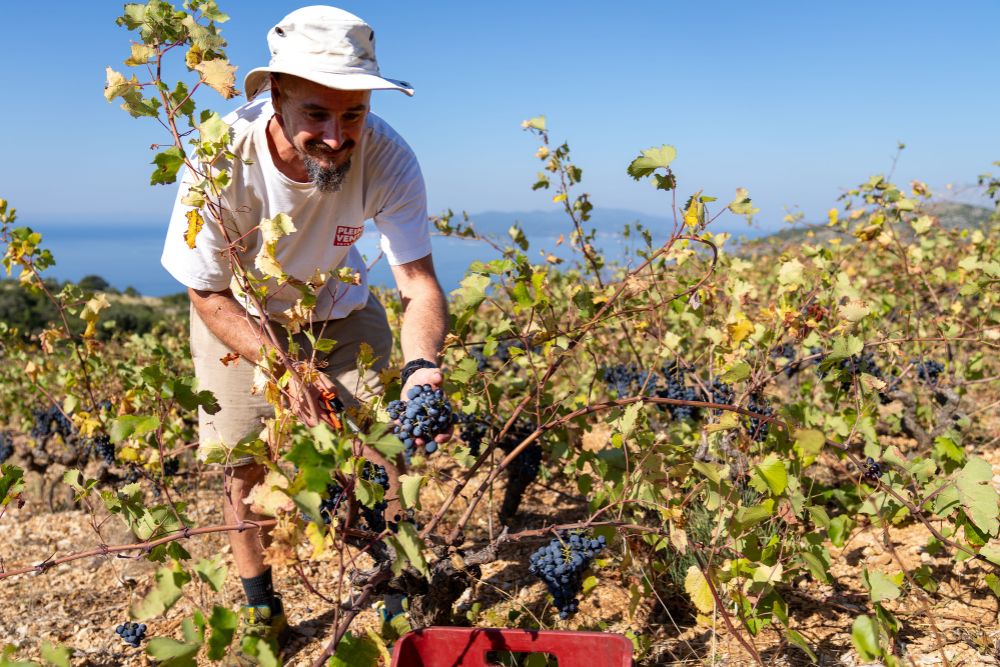
Local winemaker Mario Bartulovic harvests grapes on the Pelješac Peninsula. Photo: Secret Dalmatia
Don’t bother
The Blue Cave on Biševo in peak summer. It’s visually interesting for a few minutes, but in July and August there’s a permanent line of small boats waiting to enter, so you’re let inside only briefly and quickly ushered out. Biševo is just a few minutes away from Vis, where you’ll find much quieter spots like Pritišćina Cove, which has unbelievably clear water and a raw, natural beauty.
Most underrated place
Sutivan on Brač. It’s low-key, walkable, and genuinely lived-in. You can swim off the promenade and still hear church bells in the evening. This is the kind of place where you naturally slow down without even realizing it.
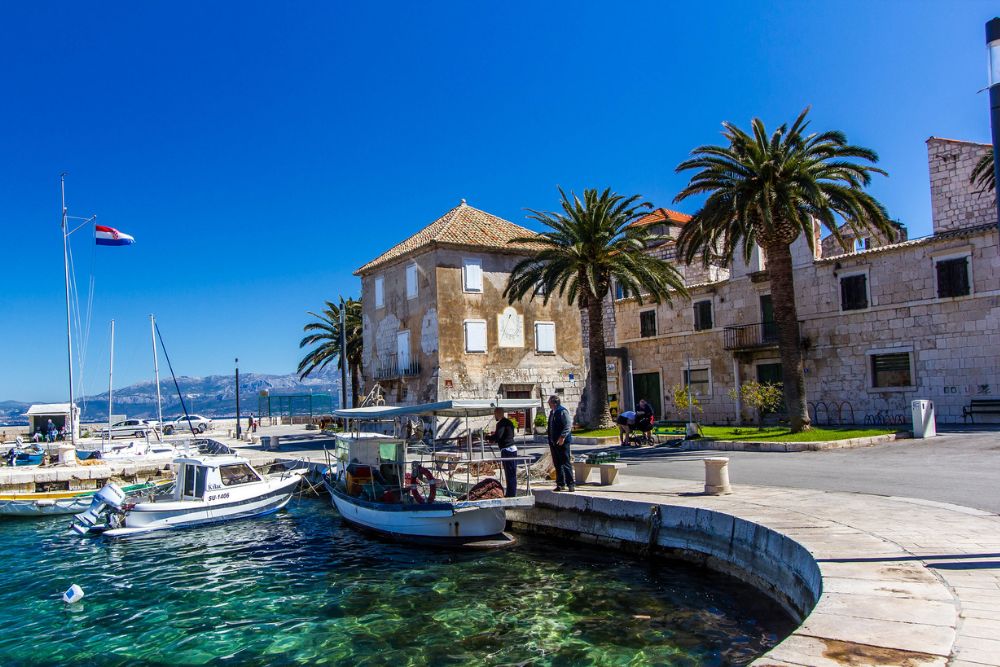
Come to Sutivan to see how real Croatians live. Photo: Secret Dalmatia
Most overrated place
Novalja, Pag Island, is known for beach clubs and parties. If you’re looking for the Croatia of stone villages and small harbors, you won’t find it here.
Hidden gem
Dugi Otok, an island off the coast near Zadar. From here you can kayak along the shoreline, visit the Veli Rat lighthouse for sunset (see “Can’t-Miss Photo Ops”), and explore sea caves like Golubinka, where light filtering up through the water turns the entire cave electric blue. Base yourself at Villa Nai 3.3, which has only eight rooms and architecture that blends into the surrounding olive groves rather than dominating the natural landscape.
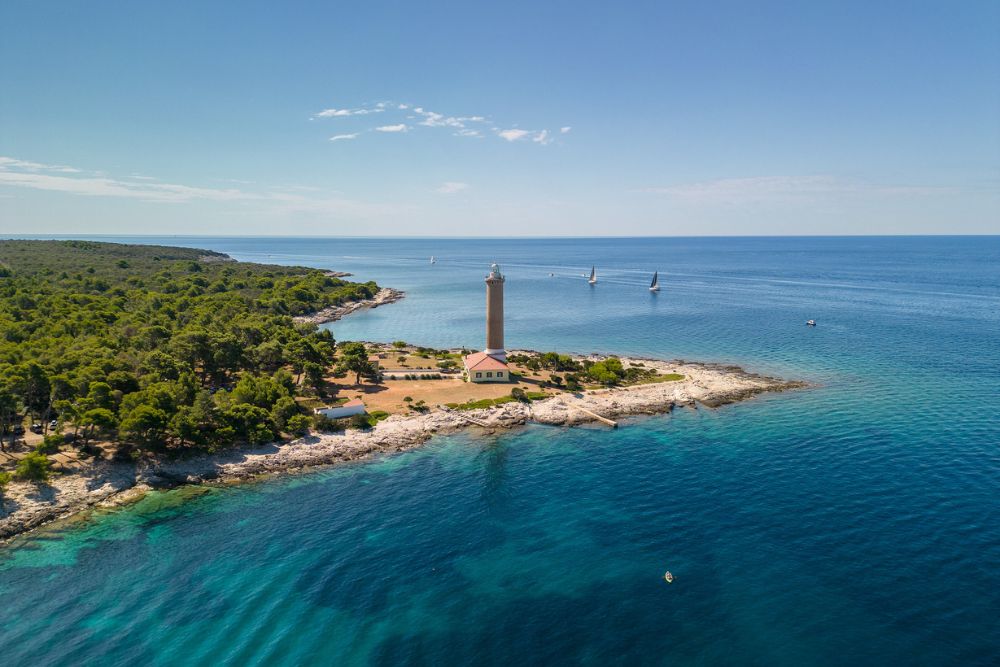
The Veli Rat lighthouse is a must-see on Dugi Otok Island. Photo: Secret Dalmatia
Cheap thrill
A waterfront coffee on Hvar, Vis, or Korčula in the early morning. Sit facing the harbor so that you can watch boats come and go and enjoy the local scene before the day-trippers arrive. Watch fishermen unload crates, locals greet each other, and the town wake up. Coffee in Croatia isn’t rushed–it’s a social ritual. Locals linger over a single cup, talking and people-watching. For the price of an espresso, you get a front-row seat to island life.
Where to Stay and Eat
Best bang-for-your-buck hotel
The Hyatt Regency Zadar is set in a restored Maraska liqueur factory along the city’s waterfront and offers excellent value for a five-star stay. The hotel itself enjoys marina views and a quieter atmosphere, but a short boat ride across the harbor takes you to Zadar’s historic center.
Best-value splurge hotel
Lemongarden on Brač Island. Set in the harbor town of Sutivan, this boutique hotel was created from restored stone houses that once formed a small fishing village. Gardens filled with citrus trees and roses connect the buildings, and everything feels quietly elegant rather than overly polished.
Restaurants the locals love
Kod Guste. Right on the waterfront in Sukošan and open year-round, this is the go-to spot along the coast for black risotto (the color comes from squid or cuttlefish ink).
Glorijet in Dubrovnik. Locals rave about the roast veal here: Rich and tender, this is a dish that makes you feel like you’ve stepped into a friend’s kitchen—and they cooked for you with only the finest ingredients.
Meals worth the splurge
Pelegrini in Šibenik. Located across from the cathedral and holding a Michelin star, Chef Rudi Štefan’s restaurant is known for deeply personal interpretations of Dalmatian cuisine.
If you’re looking for something more intimate, Alan and Ivana will introduce you to Chef Tatjana. She will take you to a local market to pick out fresh ingredients, then you cook together before sharing a meal. It feels less like a cooking class and more like being invited into someone’s home.
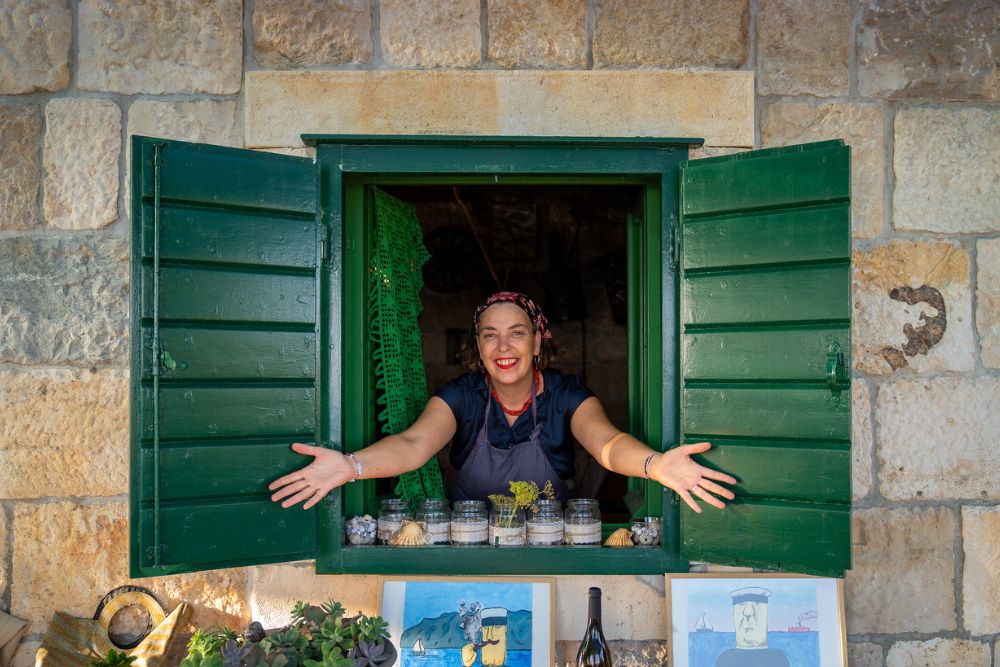
Chef Tatjana will welcome you into her home kitchen. Photo: Secret Dalmatia
Dish (and drinks) to try
Peka is a millennia-old Dalmatian tradition: Meat or seafood is slow-cooked under an iron bell with potatoes and vegetables. Peka is typically served in a konoba, a traditional family-run tavern, and it cooks for hours, so it usually needs to be ordered a day in advance. On Hvar, the konoba in Malo Grablje is a must-visit.
If you’re having a lamb or veal peka, pair it with a bold Dalmatian red like Plavac Mali. For seafood, a chilled Malvazija or Pošip works beautifully.
Prime picnic spot
Park Orsula has one of the finest panoramic views above Dubrovnik, overlooking the Old Town and the surrounding archipelago. Enjoy a sunset picnic here of fine wine and local delicacies—Croatian prosciutto, local cheese and olives, focaccia, and some fig sweets.
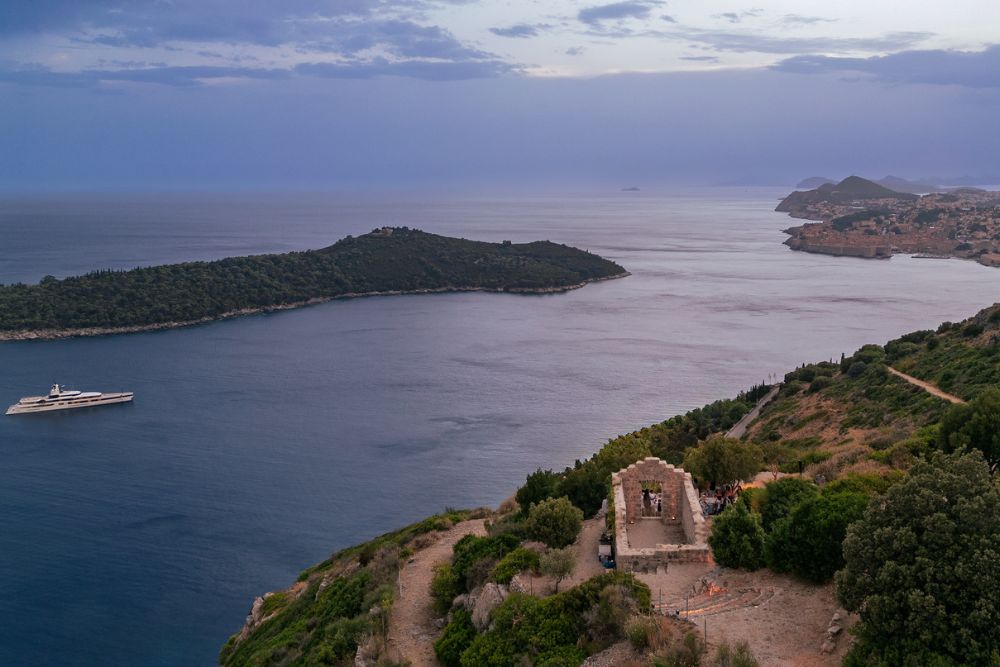
Take in the view of Dubrovnik from Park Orsula. Photo: Secret Dalmatia
How to spend a lazy Sunday
Along the Dalmatian coast, Sunday has its own rhythm. Start with a long coffee on the waterfront. Lunch stretches into the afternoon. In Split, if there’s a local football match, the atmosphere becomes lively and loud in the best way. By early evening, people return to the promenade for a slow walk and ice cream. Nothing is rushed, and that’s exactly the point.


Get a Personalized Trip Recommendation
For a travel solution tailored to your trip goals and preferences, click this green box.

Best Time to Go
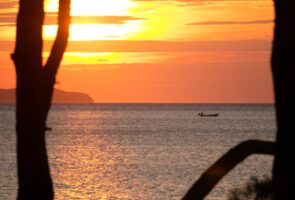
The last week of September and the first week of October: The sea is still warm enough for long swims, but the intense summer heat has eased. Winds are usually calmer, sunsets take on deeper colors, and the crowds thin out significantly. Island towns begin to feel like themselves again.
Worst Time to Go
November through March. Most island restaurants are closed, and the weather can be gray and windy.
Biggest Rookie Mistakes
If you’re prone to seasickness, plan ahead. Even though point-to-point routes are short, being on the water all day feels different than a quick boat ride.
The sun reflects strongly off the water. Sunscreen, a hat, and good hydration go a long way in preventing overexposure.
Choose your travel companions wisely. The right group makes the trip unforgettable. The wrong mix can make it feel surprisingly long.
Bragging Rights
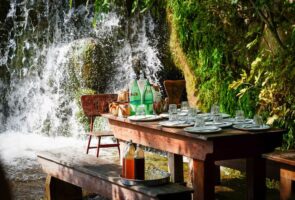
Given Krka National Park’s accessibility—just an hour’s drive from Split—it’s become quite popular and the waterfalls there are often crowded at midday. Alan and Ivana have figured out a workaround: They send travelers in the afternoon, when most visitors are on their way out, and arrange a private boat that takes you in a different direction than the route that the 100-passenger vessels take. You’ll even get to swim under the cascades, which isn’t normally allowed. By the time you step back onto land, the crowds are gone, and it feels like the park is entirely yours.
Scams to Avoid
Unlicensed airport taxis. Always confirm the price before getting in, or arrange transfers in advance.
Also be cautious of loosely organized “boat tours” advertised on the spot in peak season.
Must-Have App
WhatsApp is widely used in Croatia. It’s great for quick communication with drivers, boat skippers, and private guides.
Tipping Tip
Tipping in Croatia is appreciated but not obligatory. In restaurants, leave around 10% in cash if the service was good.
Can't-Miss Photo Ops
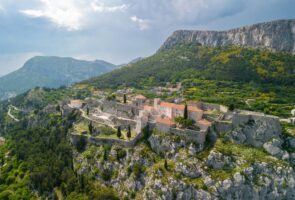
Klis Fortress, above Split, is best in the morning. It requires a short climb, which naturally keeps crowds away, and the views over the coast are spectacular.
Veli Rat lighthouse on Dugi Otok. It stands alone on the island’s northern tip, where the horizon is completely unobstructed. The light here feels expansive and cinematic.
The Souvenir
Istrian olive oil. It travels well, you’ll actually use it, and it reflects the region’s agricultural tradition. Many estates produce award-winning olive oils that consistently earn international recognition. Buy from a family-owned estate such as Ipša rather than a generic souvenir shop. You’ll often get to taste the oil first, with bread and a pinch of sea salt.
Don’t Forget to Pack
A swimsuit you can move in. Think cliff-jumping or exploring sea caves—you’ll want something that stays put when the adrenaline kicks in.
Water shoes. Many Croatian beaches are pebbly, and sea urchins are common.
Even in summer, evenings on the water can cool quickly once the sun sets, so a lightweight scarf or sarong is surprisingly useful.

Stay in the Know With Our Newsletter