Make Your Next Trip Extraordinary
Insider’s Guide to Affordable Peru
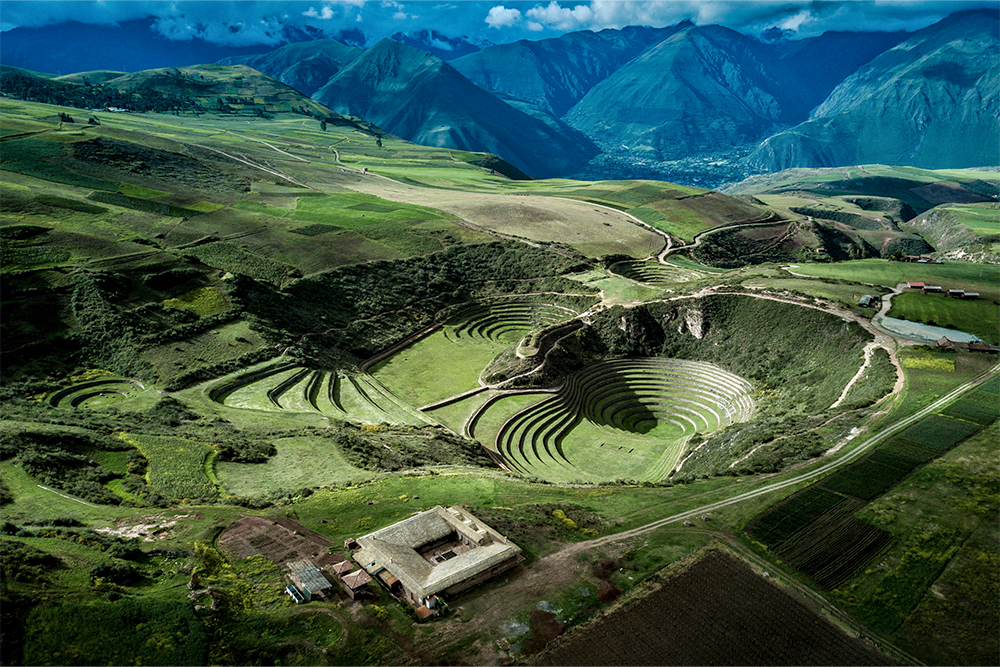 Peru's wealth of Incan sites goes far beyond Machu Picchu; this is Moray. Photo: Coltur Peru
The insider advice on this page is from one of Wendy’s Trusted Travel Experts for Peru: Mariana Watson of Coltur Peru.
Mariana likes to find ways to make travel in Peru more affordable for younger travelers. After a career in museums and archaeology, she joined the travel company her family started three generations ago, and now she can use her connections to get you into a museum’s storeroom or arrange for a stroll through Cusco with the grandson of an acclaimed indigenous photographer. With two adolescents at home, Mariana knows how to keep all your family members engaged, and she is passionate about the best wildlife experiences in Peru’s rainforest. Mariana has personally trained many of the private guides she works with, so she matches them with travelers based on their backgrounds, hobbies, and conversational styles.
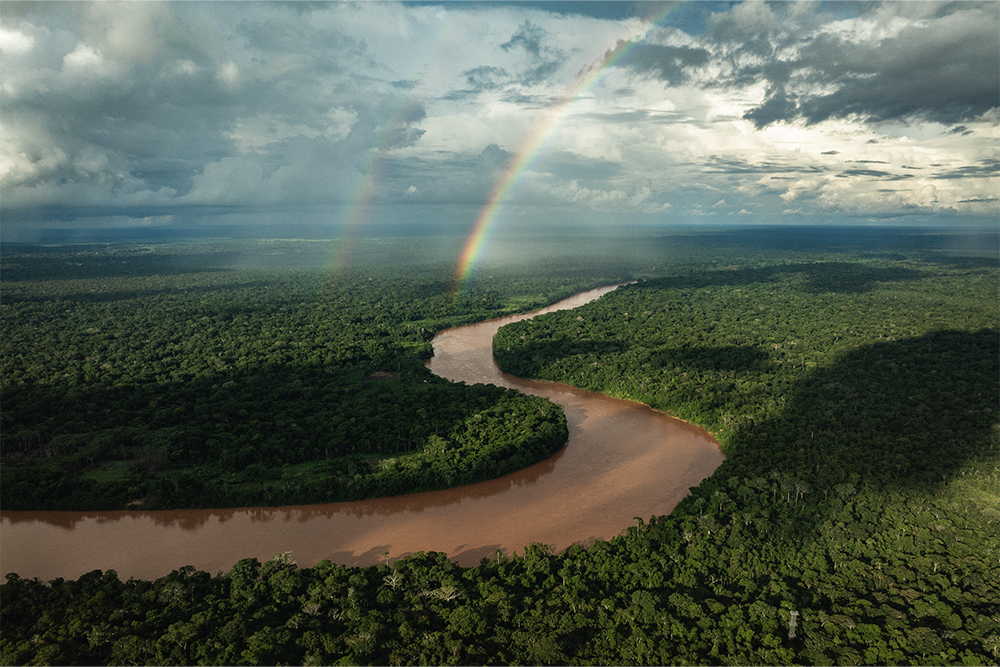
The Tambopata River winds through dense jungle in the Amazon basin. Photo: Coltur Peru
What to See and Do
Don’t miss
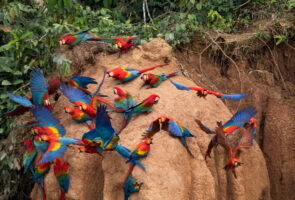
The Peruvian rainforest. Many travelers focus on Lima and Cusco, but the Amazon basin actually makes up about 60% of the country—and no journey to Peru will be complete without experiencing it. Tambopata National Reserve, in the southeast, is one of the most extraordinary nature experiences you can have, with Peru’s own “big five”: the jaguar, giant river otter, tapir, anaconda, and harpy eagle. The Amazon is immersive, raw, and completely different from the Andes or the coast—which is exactly why it matters so much.
Don’t bother
Rainbow Mountain or Humantay Lake. Instagram has made them popular among the masses, but you’ll end up spending most of the day in the car—often around seven hours round-trip from Cusco. There are beautiful landscapes and incredible hikes that don’t require so much driving and give you more time to soak up the scenery.
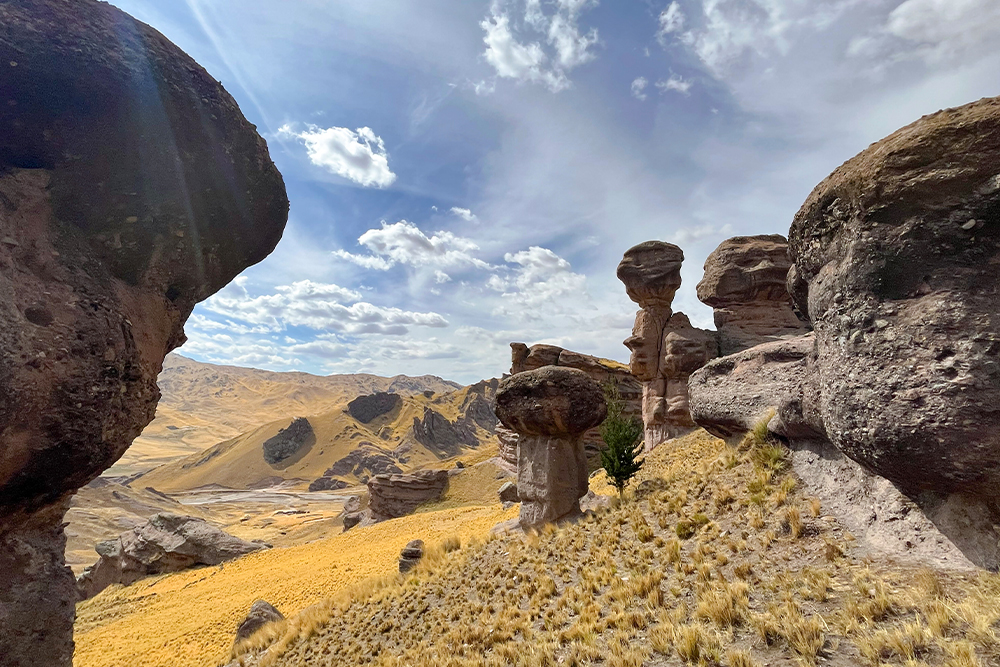
Puno’s giant sandstone formations were carved by wind and water. Photo: Coltur Peru
Most underrated place
Puno. When travelers think of this province, they usually just have Lake Titicaca and its islands in mind. But there’s much more to be discovered here, from surreal forests of puyas—local bromeliads that can grow as tall as 50 feet, take up to 100 years to bloom, and are endangered—along with high-altitude lagoons and vast open plains dotted with alpacas, all framed by endless Andean blue skies. There’s also a new luxury tented camp at Tinajani, set among striking red sandstone formations and near hiking trails, archeological sites, and colonial churches worth exploring.
Most overrated experience
Spending the night in Aguas Calientes, the town at the base of Machu Picchu. Unless you’re planning to do extensive hiking around the archaeological site or arrive via the Inca Trail, a full-day visit from the Sacred Valley (90 minutes away by train) is usually enough. Most travelers are better off using the extra time in Cusco or the Sacred Valley, both of which offer a much richer sense of place than this tourist town—and better-value accommodations than what you’ll find in Aguas Calientes.
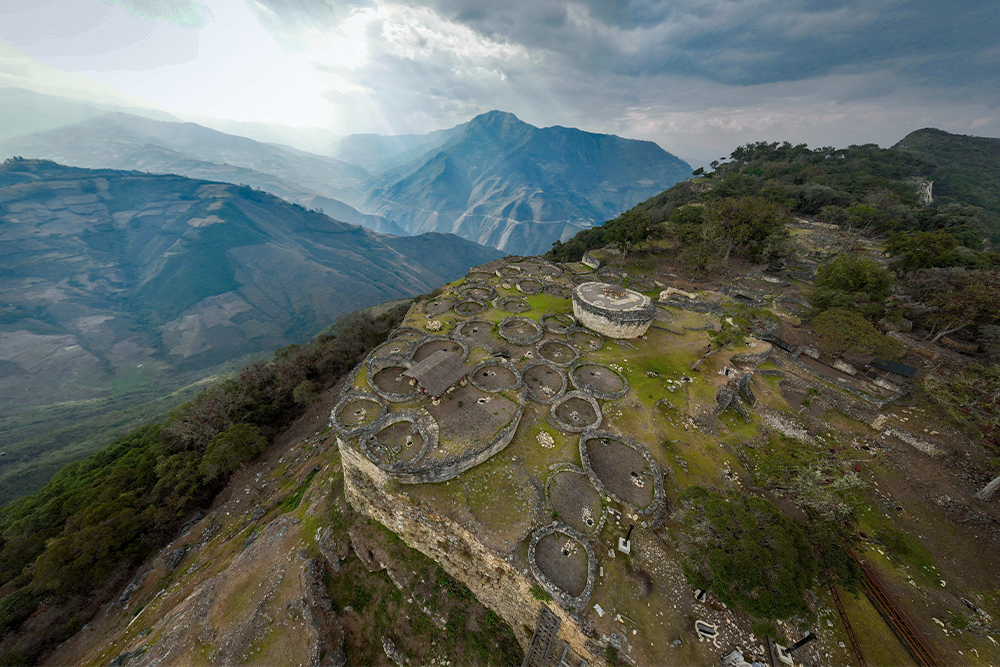
Chachapoyas and the pre-Inca Kuélap Fortress are overlooked by most visitors to Peru. Photo: Coltur Peru
Hidden gem
Chachapoyas, in the northeast of Peru. It has dramatic landscapes, monumental archaeological sites, and warm and welcoming people. Yet it’s entirely off the traditional travel circuit and feels like what the Sacred Valley was 40 years ago, before tourism truly took off there.
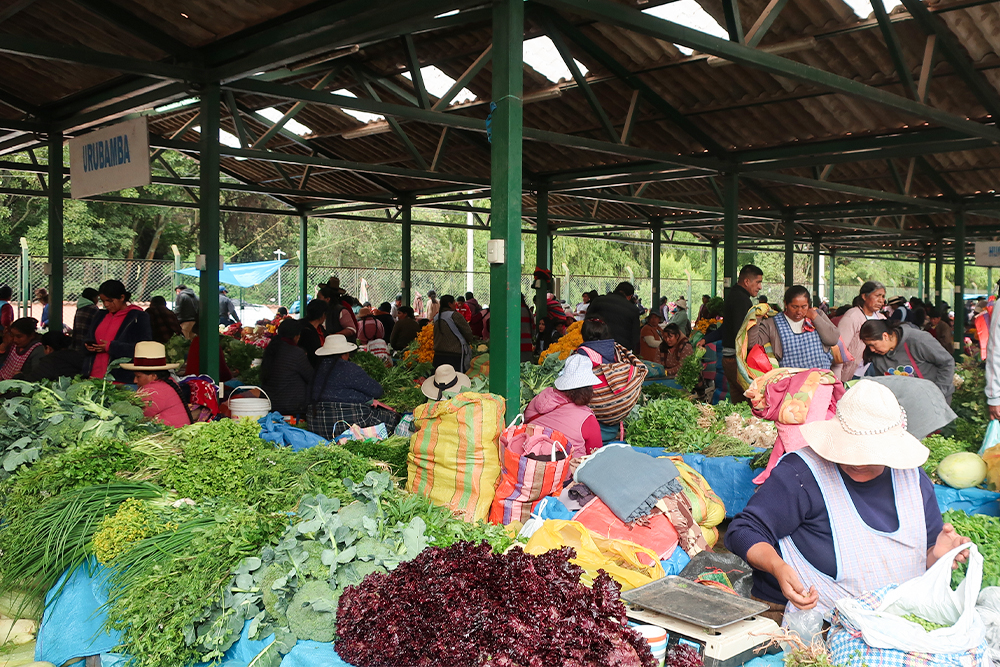
Locals gather at the Urubamba market to buy and sell produce grown nearby. Photo: Coltur Peru
Cheap thrill
Visit the local markets of Calca or Urubamba in the Sacred Valley. These markets are not designed for tourists—they’re part of everyday life. Farmers from surrounding communities come to sell their produce, and you’ll find an incredible variety of native potatoes, giant corn, fresh cheeses, and herbs.
What Mariana loves most are the yerberas—women selling medicinal plants and natural remedies, with deep knowledge passed down through generations. You’ll also see a surprising diversity of fruits coming from different microclimates across the region, many of them unfamiliar and seasonal.
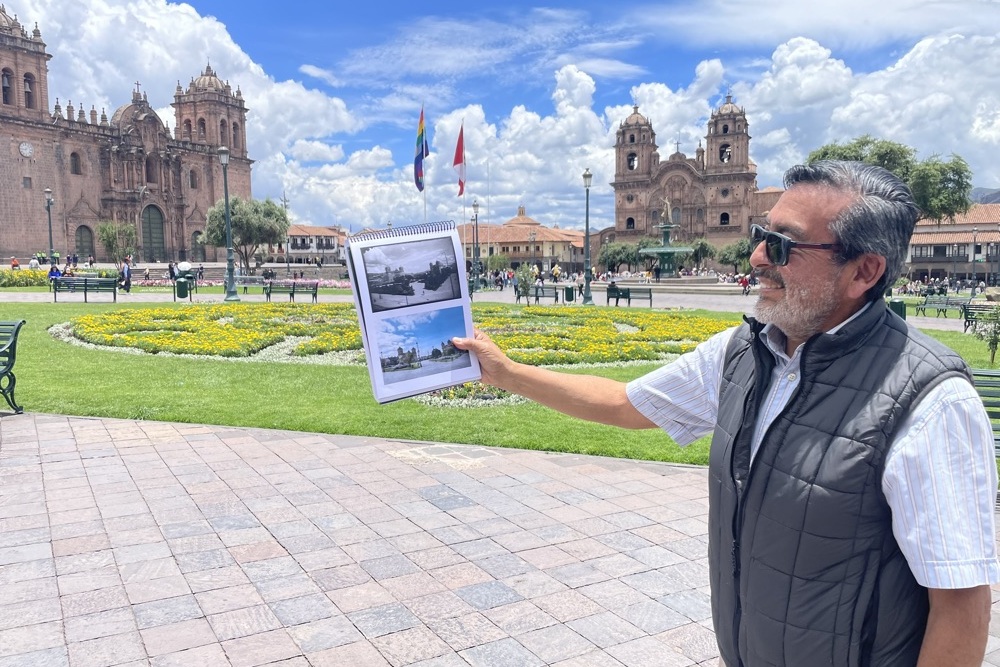
Teo Allain Chambi shares his grandfather’s old photos of Cusco with travelers. Photo: Brook Wilkinson
Bragging rights
Mariana can introduce you to Teo Allain Chambi, whose grandfather Martín Chambi was a renowned Indigenous photographer of the early 20th century. Teo will show you around Cusco with a scrapbook of his grandfather’s photos. What’s most remarkable is how much the city has changed, and at the same time, how many of the streetscapes from a century ago still look familiar.
Where to Stay and Eat
Best bang-for-your-buck hotel
Gocta Natura Reserve, in Chachapoyas. The casitas are set within a lush forest, and the main building’s terrace has direct views of Gocta Waterfall, one of the tallest in the world. The food is consistently excellent, and Rocío, the owner, adds a very personal touch—helping you shape your plans and making the whole stay feel thoughtful and seamless. It’s the kind of place that reminds you why it’s worth going beyond the classic Peru circuit.
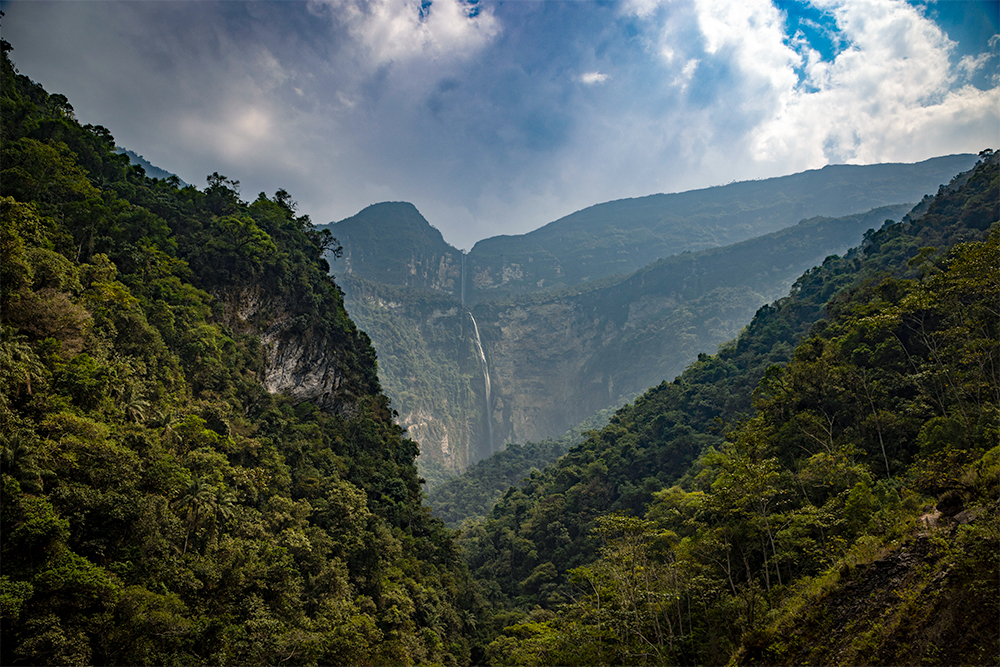
Gocta Waterfall is one of the tallest in the world. Photo: Coltur Peru
Best-value splurge hotel
Sol y Luna, in the Sacred Valley. The Premium casitas are absolutely worth the extra cost: You get a fireplace with a sofa, a large living space, and a private terrace overlooking beautiful gardens. What’s more, your splurge here directly supports the Sol y Luna Foundation, which provides education and care for more than 170 children. You can also visit their school during your stay, which adds a completely different layer of meaning to your trip.
Restaurants the locals love
Oculto is a newer spot in Cusco and still a bit under the radar. The food is fantastic and feels very personal.
In Lima, for lunch, La Perlita is a favorite—go for the tortitas de choclo acevichada with fish tartare. It’s fresh, generous, and full of flavor.
For dinner, Siete by chef Ricardo Martins is a great choice, with a more contemporary feel and beautifully executed dishes.
Meals worth the splurge
Fiesta serves Peruvian comfort food in a fine-dining setting. The Lima location is set in a repurposed house in the Miraflores neighborhood, with tables spread throughout the rooms and on the rooftop patio. It’s a hot spot for Limeños, who often choose the catch of the day and have the chefs prepare the same fish in a variety of ways, each one better than the last.
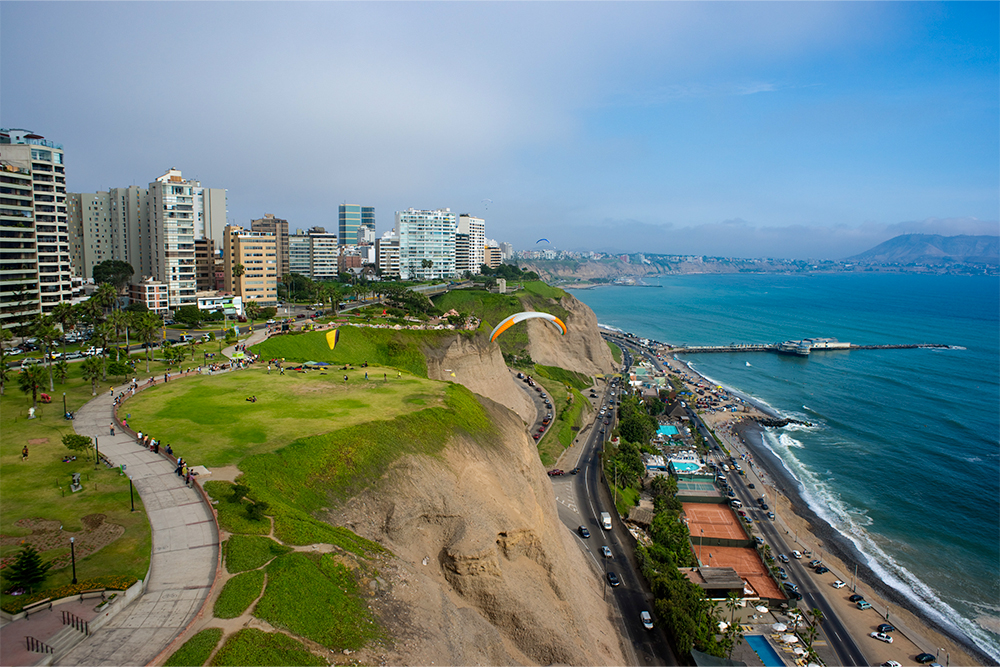
Dramatic cliffs separate Lima’s high-rises from the edge of the Pacific Ocean. Photo: Coltur Peru
MIL Centro in the Sacred Valley. What’s most important here is understanding the research and revival work led by Mater (the organization behind the restaurants Central, Kjolle, and MIL). Spending the day exploring this with the communities they collaborate with—and then experiencing the cuisine at MIL—really brings everything together in a meaningful way. If you want to try chef Virgilio Martínez’s kitchen, this is it, and not Central.
Dish to try
Guinea pig (cuy). Many travelers skip it because it’s hard to imagine a pet as food, but it’s such an important part of Andean culture—and truly delicious. Whether you try it in a local, traditional restaurant or in a more refined version, like at Cicciolina in Cusco, it’s worth it. The meat is tender, flavorful, and unlike anything else.
How to spend a lazy Sunday
Lima can feel like a complicated, even overwhelming city, especially with the traffic and the fast pace. But Sundays have a slower, more relaxed rhythm, and the Barranco neighborhood in particular really comes alive. Sleep in, skip breakfast at the hotel, and head straight there for a late, easy brunch. Walk along Domeyer, Grau, or Sáenz Peña streets, where you’ll find great spots like Demo, Casa Lola, Alanya Repostería, or Pan Sal Aire—just pick what feels right. Be sure to arrive by 10:30 to 11:00, or you’ll likely have to wait. Afterward, take your time wandering. Walk through the main square, cross the Puente de los Suspiros, and if you’re up for it, visit the Museo Pedro de Osma—the mansion alone is worth it. Before heading back, grab an ice cream from Blu or Helado de Lima, then continue your walk along the malecón and take in the ocean views—it’s one of the best ways to slow down and just be.
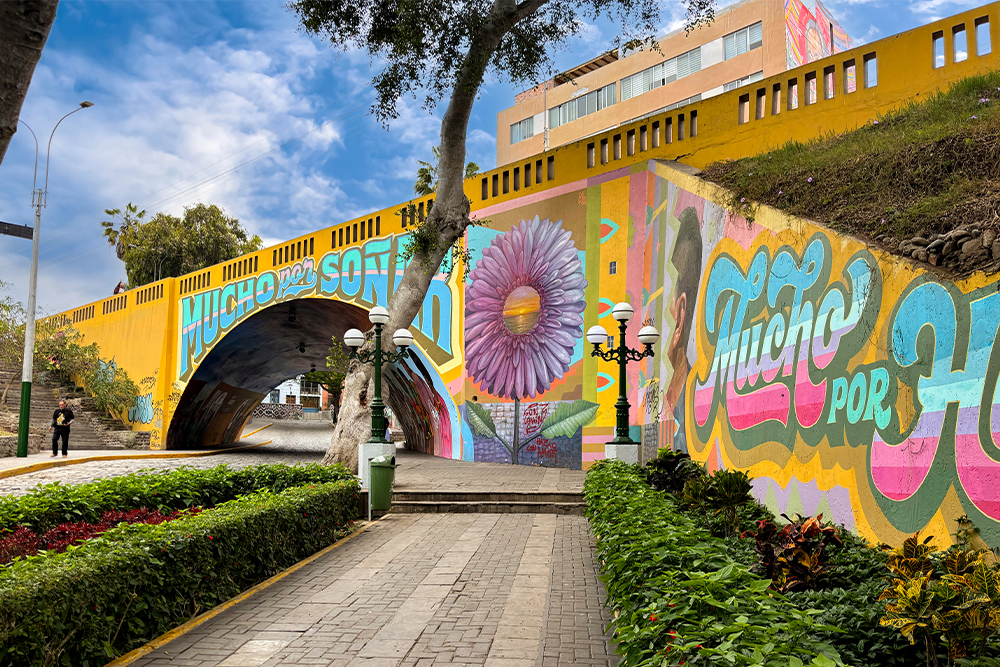
Slow down and enjoy Lima’s colorful Barranco district. Photo: Coltur Peru


Get a Personalized Trip Recommendation
For a travel solution tailored to your trip goals and preferences, click this green box.

Best Time to Go
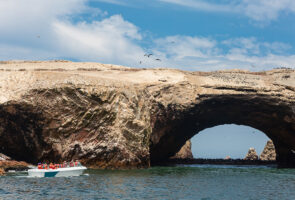
For a trip that combines the highlands (Cusco, Machu Picchu) and the coast (Lima), the best time is April and May. This is right after the rainy season inland, so everything is still lush and green, the landscapes feel very alive, and you get clearer skies. At the same time, the coast is sunny and bright, so it’s a really nice balance across regions.
Worst Time to Go
If you’re planning to hike, avoid February, as it’s the peak of the rainy season in the mountains.
But Peru is a big country, and December through March means summer weather on the coast—so places like Lima, Paracas, and Máncora are great then. It’s also a very good time for the Amazon: Higher river levels mean better access into flooded forest areas and, in many cases, more chances to spot wildlife.
Best Time to Book
Hotels and Amazon cruise lines usually have sales goals that they must reach by the end of each year. If they are not on track to meet those goals by August or September, they will often lower their rates on new reservations for the remainder of the year (excluding the Christmas/New Year’s holidays). If you are flexible and willing to plan your trip just a few months out, this can be a great time to find deals.
Biggest Rookie Mistake
Planning everything around Machu Picchu and other “bucket list” sites. It often means spending too much time focused on just a few highlights, without giving enough thought to the rest of the journey. When travelers tell Mariana what the most special part of their trip was, it’s usually the people they met, the food at a small local huarique, or a hike off the beaten path. Machu Picchu is incredible, but Peru is so much more than its icons.
Can't-Miss Photo Op
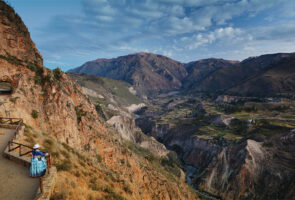
A shot of condors soaring over the Colca Canyon. Most people go straight to Cruz del Cóndor, the main viewpoint—but what they don’t know is that there are several other nearby viewpoints (Tapay, El Cura, San Miguel) where almost no one goes, and you have the same chances there of seeing these incredible birds in flight. Go early in the morning, when the thermals begin to rise and condors start gliding through the canyon. Not only do you avoid the crowds, but the light is also perfect for photography.
Beyond the condors, the landscapes of the Colca Valley are some of the most dramatic and scenic in Peru—one of those places that feels even more impressive in person than in photos.
The Souvenir
Specialty Peruvian coffee. You’ll find great options at places like Origen Tostadores, Neira Café Lab, Café Mayu, or Ciclos—each highlighting beans from regions like Cajamarca, Cusco, and Amazonas, with really distinct profiles. Buy a few bags so that you have some for gifts and others to give you a taste of Peru back home.
Must-Have App
Mesa 24/7. Most of Lima’s best restaurants centralize their reservations through this app, so it makes planning meals much easier—especially for popular spots that fill up quickly.
Scam to Avoid
Buying “alpaca” in local markets. If you’re looking for a sweater or shawl that will last, feel soft, and not itch, you need to be careful. Many products sold as alpaca are actually synthetic blends or mixed fibers. For the real thing, go to a trusted store or workshop where you know exactly what you’re getting and why it’s priced the way it is. Mariana’s go-to brand is KUNA.
Airport Intel
On Google Maps, Lima’s airport may look relatively close to neighborhoods like Miraflores, San Isidro, or Barranco—but with traffic, it’s a different story. Mariana recommends adding at least 30 extra minutes to your planned departure from your hotel. The good news is that there’s now surprisingly good food at LIM—more like a curated Peruvian food hall than a typical airport setup—so arriving early isn’t a bad thing at all.
Don’t Forget to Pack
A second pair of shoes that feel like slippers. You’ll likely be walking all day, often in sturdy hiking shoes, and by the time you get back to your hotel, you’ll want to slip into something easy and comfortable—and ideally just stylish enough that you can wear them to a relaxed dinner.

Stay in the Know With Our Newsletter