Make Your Next Trip Extraordinary
Sporty Adventure Travel in France: Insider’s Guide
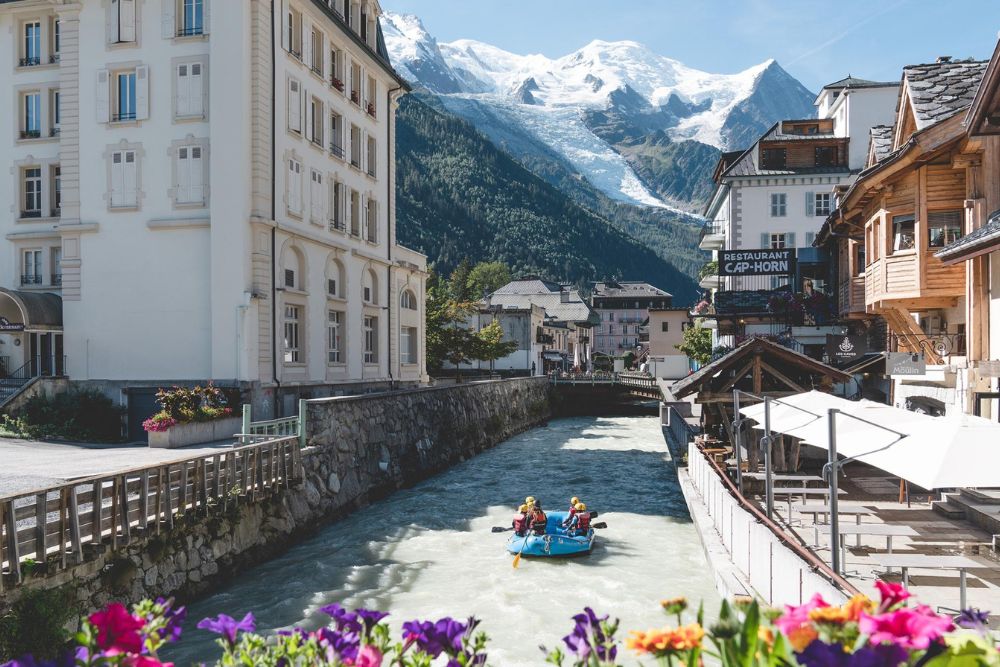 Add some outdoor adventure to a trip to France—you can even go rafting through downtown Chamonix. Photo: OT Chamonix
The insider advice on this page is from one of Wendy’s Trusted Travel Experts for France: Joël Massé of Trip My France.
From his office in a village surrounded by Beaujolais’ vineyards, Joël designs affordable trips to France, utilizing a wide range of accommodations (from 3- to 5-star), both private guides and small-group tours, and often a mix of rental cars, trains, and private drivers. A trail runner and cross-country skier himself, Joël loves to show travelers the sportier side of France, but he’s equally comfortable planning a trip focused on his country’s history or gastronomy. And he’s got two teens himself, so he understands what works best for families.


The Pyrenees are a less-crowded alternative to the French Alps. Photo: Shutterstock
What to See and Do
Most underrated places
Most outdoor addicts focus on the French Alps and forget the Pyrenees. Having grown up in Perpignan, at the foot of the mountains, Joël knows the Eastern Pyrenees very well. He particularly loves Cerdagne, where the sun shines 300 days a year. There are lots of easily accessible hikes there, and landscapes that will make you think you’re in Canada, with pine forests and mountain lakes.
Landes, in southwestern France between Biarritz and Bordeaux. You can ride horses among the sand dunes on its coastline, or bike along paths that crisscross the forested interior. The landscape is similar to—but less well-known than—the Camargue, a UNESCO World Heritage site.
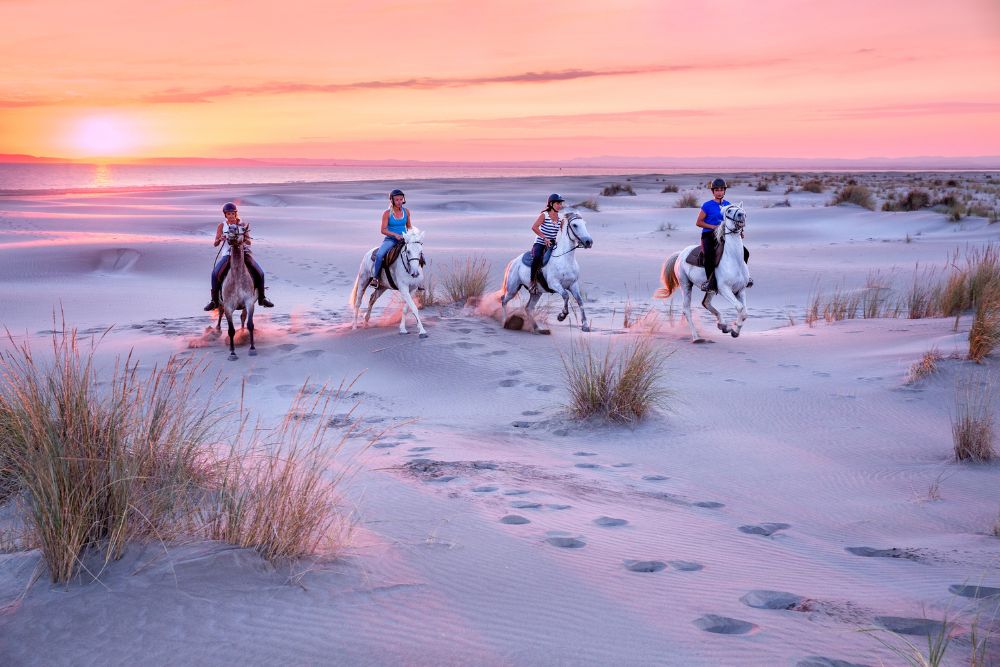
The Landes region is a top spot for equestrians. Photo: Richard Sprang
Don’t bother
Hiking in the Calanques around Cassis in July or August. It will be insanely hot, and the crowds mean you won’t find a square foot of space on the beach to put your towel down and take a dip in the Mediterranean. If you must visit at the height of summer, better to explore the Calanques by kayak—it’s cooler on the water, and you can access quieter nooks and crannies. Dead-set on hiking in summer? Start early and head instead to Mont Sainte-Victoire, which is much less crowded (and was beautiful enough to merit a series of paintings by Paul Cézanne).
Don’t miss
Take a walk across the bay of Mont Saint-Michel, to get a different perspective on this famous site. It’s about a three-hour amble from the mainland to the islet: You’ll go barefoot across the wet sand amidst birds and crabs, enjoying a quieter approach than the bridge that most visitors use to access the abbey.

Kayak under the Pont du Gard for a different perspective on iconic French history. Photo: Hervé Leclair
A kayak excursion on the Gardon River in Provence, finishing under the arches of the majestic Pont du Gard, the highest Roman aqueduct in France. Depending on where you put in, you can paddle for anywhere from an hour to most of a day. Either way, you’ll end up with a unique perspective on one of southern France’s most famous sights.
A nighttime snowshoe excursion to a mountain restaurant in the valley of Chamonix. You’ll hike for about an hour to reach a wooden chalet, where a delicious dinner will be waiting for you. By the time you’re ready to hike back down, the stars will be out, and your guide will give you a headlamp to illuminate the way.
An E-bike tour across the D-Day beaches. Opting for a slower pace when visiting these historical places gives you more time to absorb their emotional impact. You’ll explore the sector around Omaha Beach, stopping in a village to buy bread and cheese, and end with a picnic.

Corsica is an ideal spot for combining hiking and beach time. Photo: Trip My France
Sportiest island
Corsica is a paradise for outdoor enthusiasts. Numerous hiking trails connect the mountains to the coastline; you can also go canyoning through rivers with natural pools, and ride horses along the beach. But Corsica is also a place with a proud island culture (locals are Corsican first, French second), atmospheric fishing villages, and crystal-clear water fringed by pristine beaches. And between the delicious cured meats, strong cheeses, and wine from the northern vineyards, you may end up ingesting as many calories as you burn off. Plan to spend at least one week exploring either the northern or southern half of the island, and take your time—you’re likely to come across pigs and sheep lazing right in the middle of the winding roads!
Where to Stay and Eat
Best bang-for-your-buck hotel
Hôtel Les Terrasses is a three-star, family-run hotel set on a quiet street in Annecy, a city that has been nicknamed “the pearl of the French Alps” and dates back to medieval times. Les Terrasses sits just a stone’s throw from the Old Town and is a perfect location for those who want to bike or roller-skate around Lake Annecy.
Best-value splurge hotel
La Bastide de Moustiers is Alain Ducasse’s four-star hotel in Moustiers-Sainte-Marie, considered one of the most beautiful villages in all of France. It’s also the perfect base for exploring the wild Verdon Gorge in the east of Provence, whether by bike, foot, or kayak. The hotel has 11 rooms and two suites that mix the building’s 18th-century bones with Ducasse’s personal style—and naturally, an excellent restaurant.

Alain Ducasse’s Provençal hotel overlooks olive groves and lavender fields. Photo: Pierre Monetta
Restaurant the locals love
On your way to Vanoise National Park or Les 3 Vallées ski area, stop in Saint-Martin-de-Belleville at Simple & Meilleur. This is the place to go for authenticity, very local and fresh food, and typical Savoyard dishes. If you’re a cheese lover like Joël, order the Fondue de Reblochon.
Prime picnic spots
Escape the hustle and bustle of Paris with a picnic in the Parc de Saint-Cloud. In fact, this is the perfect place to refuel midway through a bike ride from the city to Versailles. (Joel can arrange a tour that starts in Paris but uses only bike lanes, keeping you away from traffic.) Saint-Cloud has more than 1,000 acres of well-tended gardens and parkland, dotted with fountains and sculptures.
For a picnic in winter, Joel can arrange a classic fondue experience inside an igloo near Megève, in the French Alps.

Get a Personalized Trip Recommendation
For a travel solution tailored to your trip goals and preferences, click this green box.

Best Times to Go
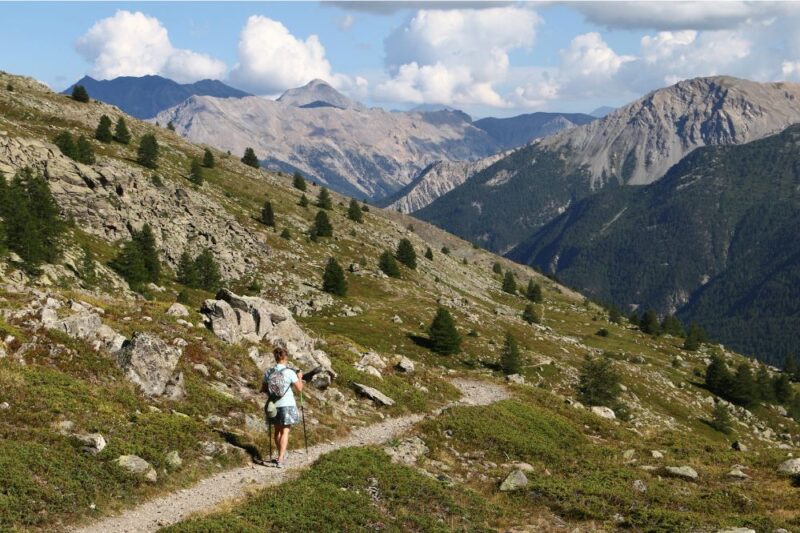
If you’re hiking or biking in the French Alps or Pyrenees, aim for early June to late September. If you plan to go higher than 6,500 ft, opt for July, August, and the first half of September, when you’re unlikely to encounter snow. In the heart of the summer (July and August), river kayaking and rafting are a great way to refresh and escape the heat.
For winter sports, January and February are best, as there’s usually snow on the ground and the weather is more stable.
Worst Times to Go
November sees a good chance of rainy and chilly days.
April can be sometimes rainy as well, but temperatures are significantly warmer.
Cheap Thrill
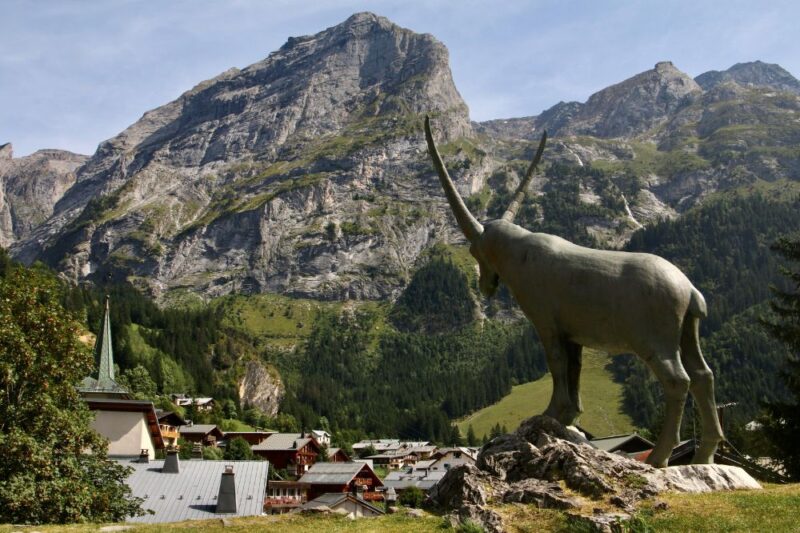
Pralognan-la-Vanoise is a more affordable, less crowded version of Chamonix, without the hustle and bustle or the trendy boutiques. From this quaint mountain village within Vanoise National Park (France’s oldest), you can embark on hikes to and around the park’s 86 named peaks, likely seeing Alpine ibex, chamois, marmots, eagles, and other wildlife along the way.
Hidden Gem
Many travelers visit the Château de Chambord, the largest château in the Loire Valley, but very few take the time to explore the 13,000-acre property surrounding the castle. This is the largest fenced park in Europe—historically it was a hunting reserve—and is a pure wonder to explore on foot or by bike for an afternoon. You’re also likely to come across wild boar, as well as fallow deer with their impressive antlers.
Biggest Rookie Mistake
Underestimating the afternoon heat. Plan to hit the trails in the morning (7am to 11am) and evening (4pm to 9pm), and always carry plenty of water. Leave the middle of the day for cultural touring or relaxing at your hotel your hotel.

Stay in the Know With Our Newsletter