
Make Your Next Trip Extraordinary
The Arctic by Land and Sea: Insider’s Guide
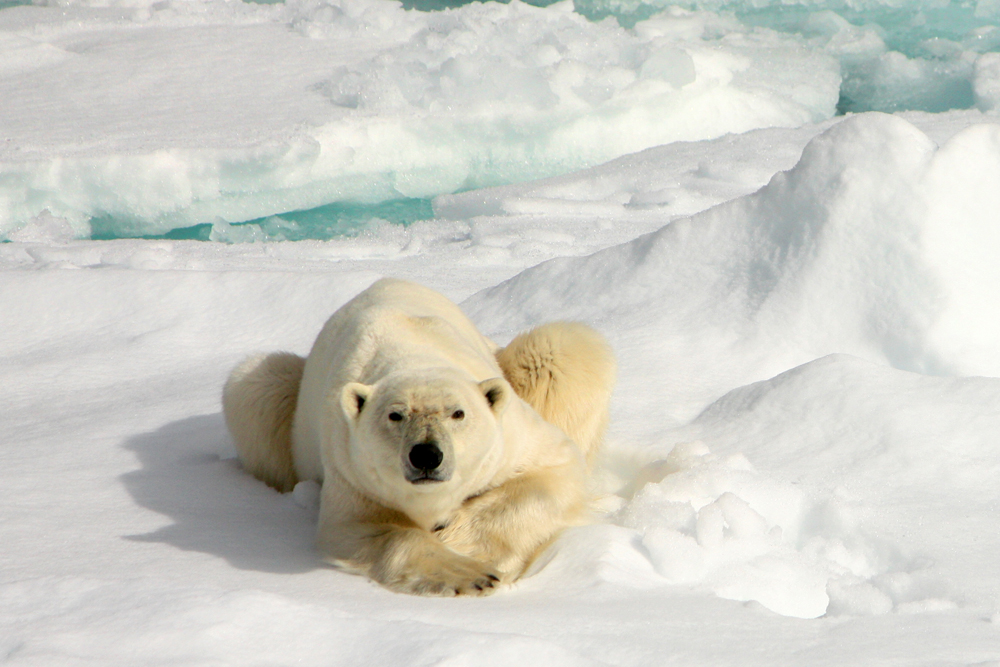 Svalbard is known for its rugged glaciers and frozen tundra sheltering polar bears. Photo: Shelley Fry
The insider advice on this page is from one of Wendy’s Trusted Travel Experts for the Arctic and expedition cruises: Ashton Palmer of Expedition Trips.
Infectiously enthusiastic about small-ship cruising, Ashton spent nearly a decade as an expedition leader, guide, naturalist, Zodiac driver, avid birdwatcher, and photographer in the Arctic, Antarctica, the Amazon, and the South Pacific. (He has traveled to Antarctica more than 50 times and spent a collective three months in the Arctic.) In 1999, Ashton started a company to match travelers with the right small-ship expedition trips everywhere from the Galapagos to Papua New Guinea and the two poles. He’ll be the first to tell you when a two-week trip to the Arctic may not be your cup of tea, and when a specific ship or cabin just isn’t worth the extra expense. And because of his relationships with the top cruise lines and tour operators, Ashton often secures preferred rates or other perks (such as shipboard credits or a bottle of wine).

Ships & Lodges
Best expedition ships
The National Geographic Resolution and National Geographic Endurance (138 passengers each) are new ships expressly built for polar waters, featuring the thoughtful National Geographic-Lindblad Scandinavian design that ensures your attention goes past the windows to the scenery.
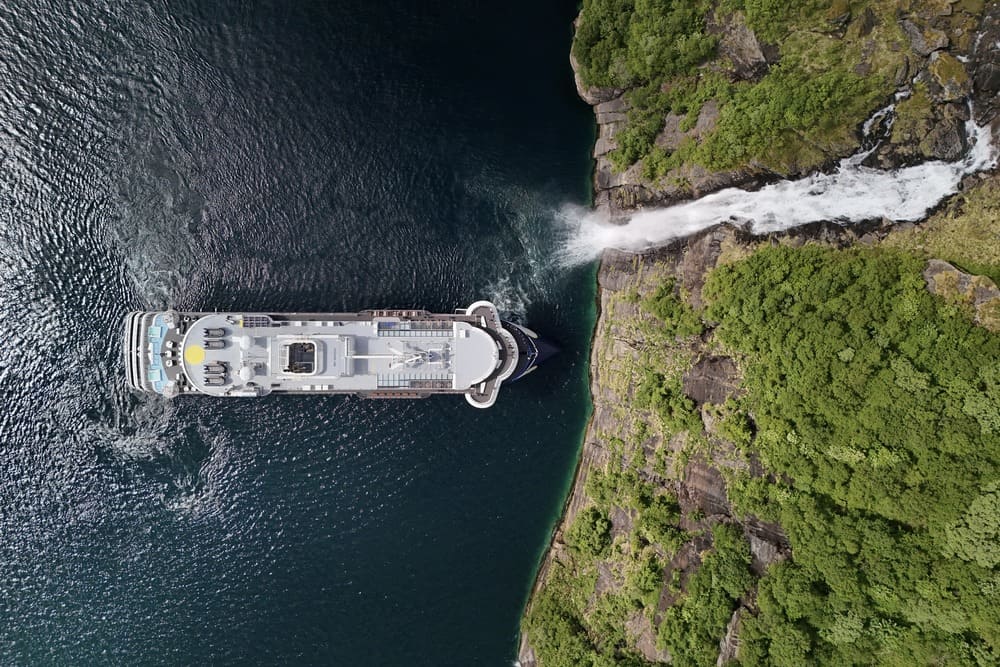
The National Geographic Endurance (here in Norway) is designed for remote journeys. Photo: Rui Seabra
A great mid-range option is Quark’s Ultramarine, a beautiful 199-passenger ship equipped with two helicopters to offer farther-ranging activities such as flightseeing, heli-hiking, heli-camping, mountain biking, and alpine kayaking.
Aurora Expeditions’ Greg Mortimer, Sylvia Earle, and Douglas Mawson (130 passengers each) feature a bow design that makes for smoother, more efficient ocean crossings. These ships have inviting observation decks and communal spaces, as well as top-tier environmental credentials.
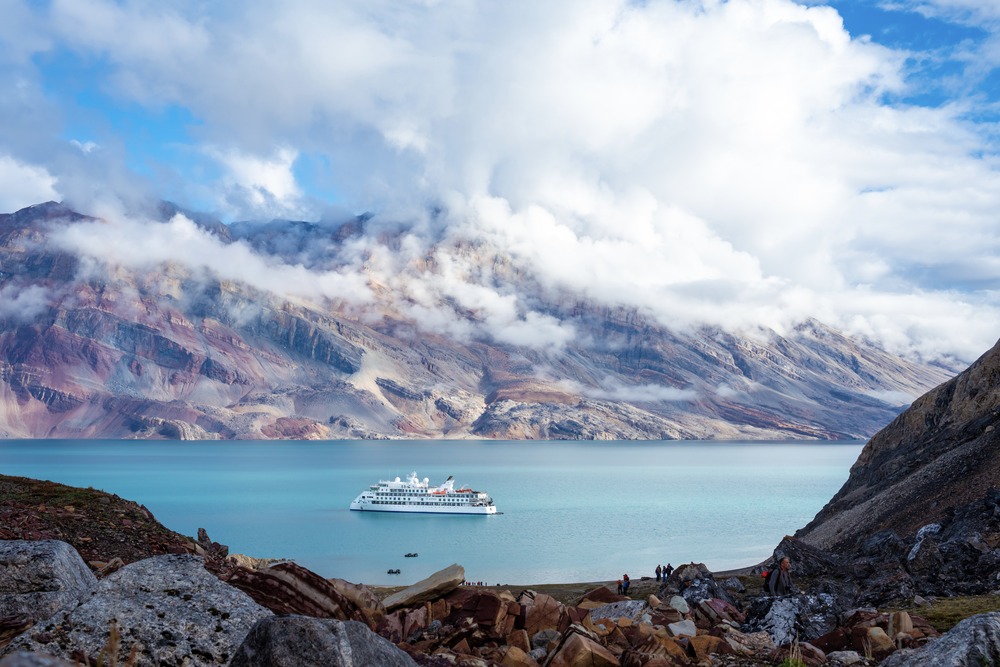
The Greg Mortimer (here in Greenland) is known for its expansive observation decks. Photo: Tyson Mayr
Best bang-for-your-buck ships
Quark’s Ocean Adventurer (138 passengers) and World Explorer (172 passengers) are classic expedition ships that deliver both authentic adventure and outstanding value. (You want to snowshoe? Check. Want to sea kayak? Check.) To maximize the savings, take advantage of early-booking discounts; if you are traveling solo, you can choose to share a cabin with another cruiser and avoid paying a single supplement.
Another solid option is the MS Fram (250 passengers) with HX Expeditions, a company with Norwegian roots that has explored these remote northern waters for centuries. Aboard this recently refurbished, environmentally conscious vessel, you’ll enjoy expert-led lectures, immersive excursions, and the spirit of Norwegian friluftsliv, or embracing the wild.
Ships worth the splurge
Seabourn’s sister ships Venture and Pursuit are ultra-luxury ships with an adventure focus; each carries 268 passengers and every single cabin has a veranda. There are multiple excellent dining options, two submarines, ample Zodiacs and kayaks, and a 26-person expedition staff.
Le Commandant Charcot (245 passengers) is the first Polar Class 2 icebreaker and first hybrid-electric polar exploration ship powered by liquified natural gas. This being a Ponant ship, you’ll also find an elevated Arctic experience with French luxury and gastronomy onboard.
Best ships for foodies
For those who want to eat really, really well, the Scenic Eclipse I and Scenic Eclipse II (both carrying 228 passengers) offer ten culinary styles, including an upscale French restaurant and Champagne bar, Asian fusion, sushi, a night-market bar, a casual yacht club, a chef’s tasting table, private dining, and even culinary master-classes.
Also notable for gastronomy is Le Commandant Charcot (270 passengers), the Ponant ship with a restaurant from Michelin-starred chef Alain Ducasse; count on plenty of caviar—and if you like Champagne, their house pour is Veuve Clicquot.
The culinary offerings on the Silver Endeavour (220 passengers) include five restaurants onboard—from casual grill to elevated French cuisine—and butlers serving in-suite meals around the clock.
Best ships for solo travelers
Sister ships Le Boreal, L’Astral, Le Lyrial, and Le Soleil frequently waive solo supplements, because they limit capacity to 200 in polar regions but can carry more passengers.
HX Expeditions and Aurora Expeditions also offer selected departures with low or no solo supplement during every Arctic season.
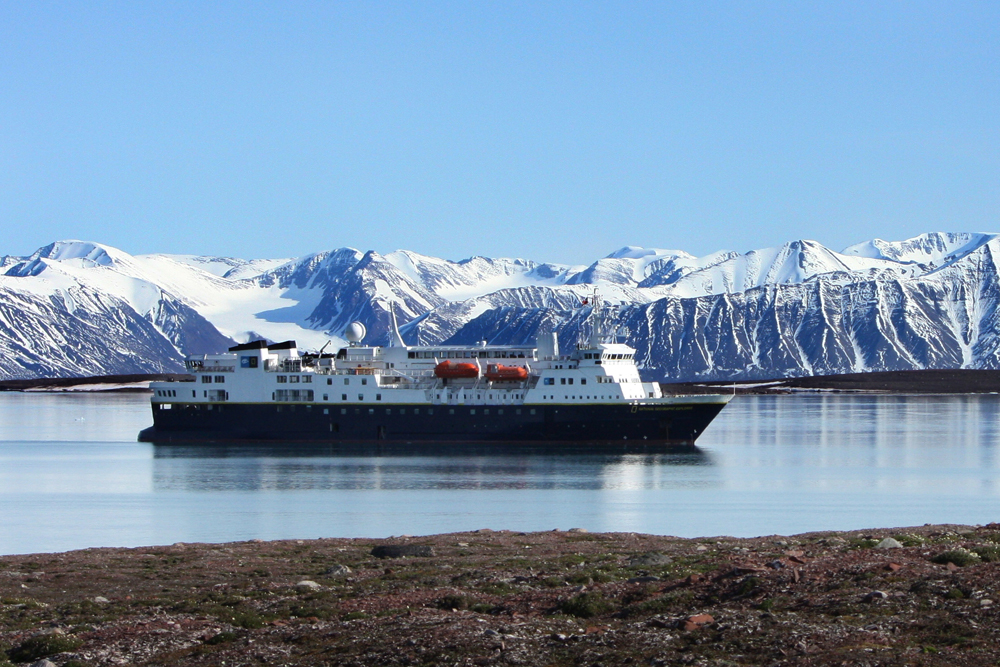
The National Geographic Explorer cruising the Svalbard archipelago. Photo: Shelley Fry
Best cruise for families
While the Arctic tends to appeal more to adults than children, the “Svalbard: In Search of Iconic Arctic Wildlife” trip aboard the National Geographic Explorer (148 passengers) caters specifically to multigenerational families. It’s technically an 11-day itinerary, but the sea voyage itself is just eight days—which is a good length for younger travelers. On these sailings, menus include kid-friendly items and mealtimes can be a little more flexible. Plus, staff regularly organize pizza-and-movie nights and other activities geared specifically to naturalists-in-training.
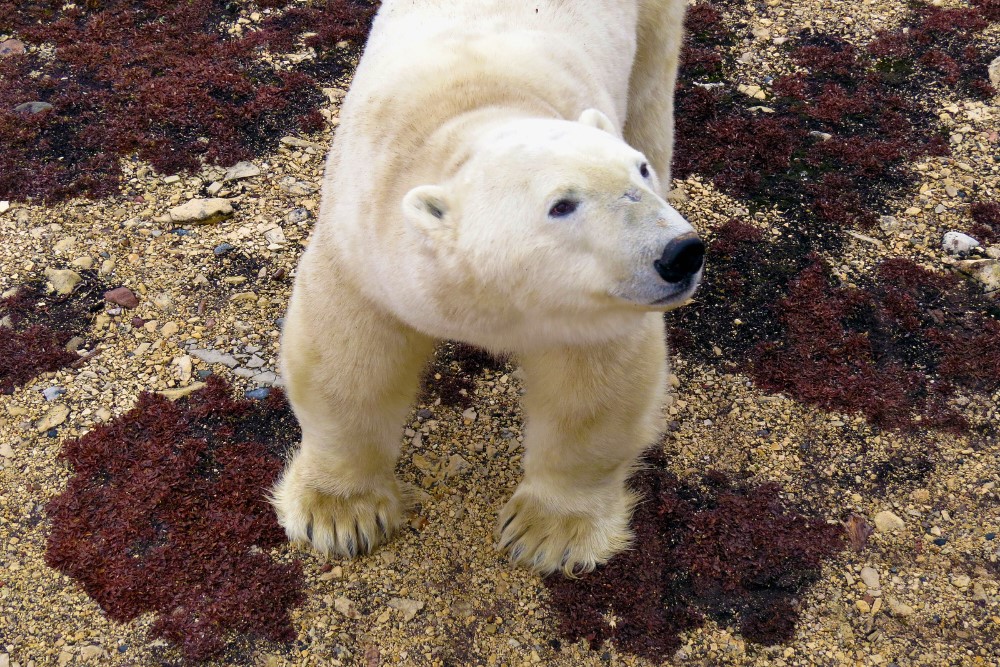
Churchill, Manitoba is a popular polar bear stomping ground in the fall. Photo: Expedition Trips
Best lodge to see polar bears
On Natural Habitat’s seven-day Churchill – Tundra Lodge Polar Bear Adventure, guests stay in a 32-room rolling hotel that was purpose-built to position itself as close as possible to the highest concentration of bears. The lodge has rows of raised windows and fenced observation decks so that guests can spend hours watching the polar bears from the comfort of their safe and cozy accommodation—when they’re not out exploring in the polar rovers, that is. The best time to go is mid- to late October. And if you’re lucky, that’s also a good time of year—and a good spot—to catch sight of the northern lights.
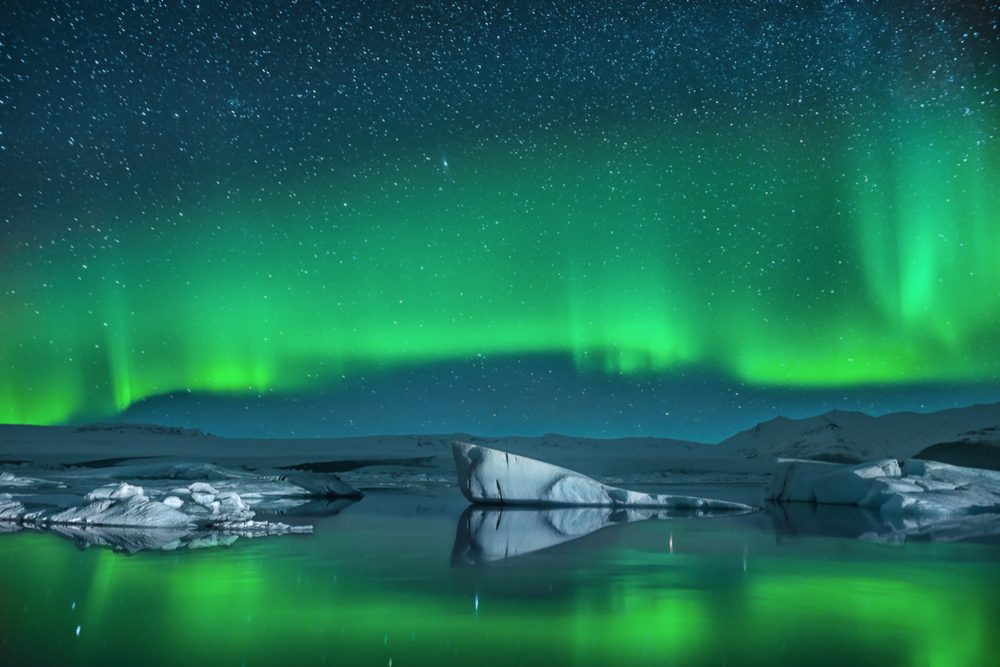
If you time it right, you can see both polar bears and the northern lights on an Arctic trip. Photo: Shutterstock
Best lodge for whale-watching
Beluga whales, the beautiful all-white species known for their high-pitched twitter, congregate by the hundreds in the shallow coastal waters of the Arctic Ocean, and specifically concentrate around Somerset Island, in the Canadian Arctic, between early July and mid-August.
The Arctic Watch Wilderness Lodge, on Somerset Island, has a 10-day package in the summer months where you can spend your time sea kayaking, hiking to waterfalls, fishing, visiting local archaeological sites, and taking ATV rides—but just as fun is simply hanging out at the lodge and watching the pods of belugas that frolic only a few miles offshore.
Where to Go
Best short trip
Offered only from mid-October to mid-November, the compact Churchill Classic Polar Bear Expedition by Natural Habitat is a fantastic way to experience the Arctic and see polar bears up close in just six days. Churchill, on the shores of Hudson Bay in northern Manitoba, is more easily accessible than other Arctic destinations, so you’ll save in travel time. Plus, the “polar rover” vehicles used for this expedition are designed specifically for traversing the tundra and for safely observing polar bears up close. Every seat is a window seat and the floor of the viewing platform is steel mesh, so passengers can be inches from curious bears who often sniff around right beneath the rover.
Best cruise to see ice
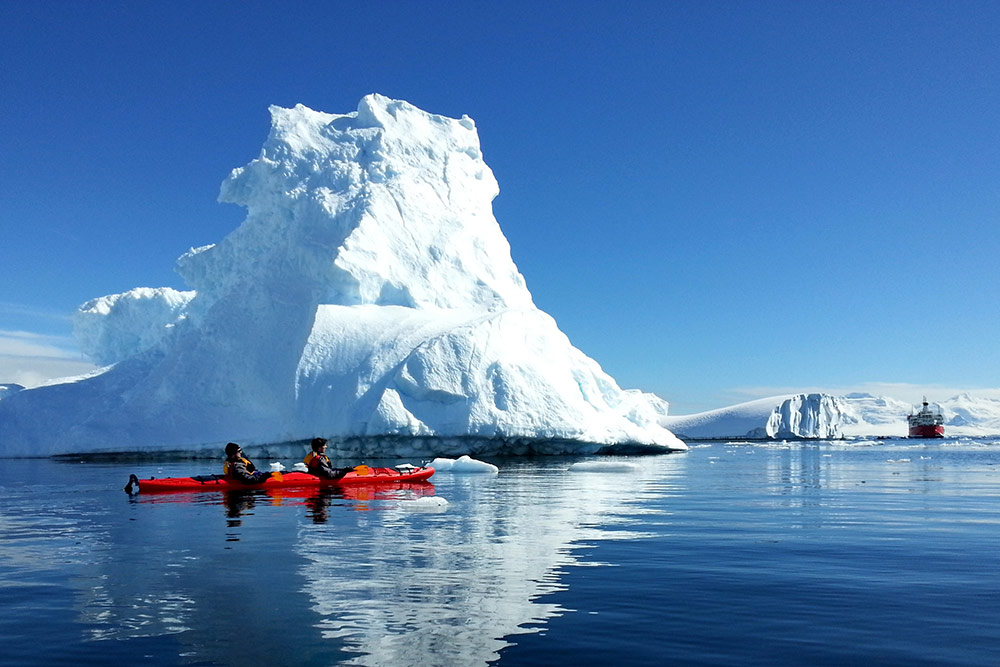
If seeing ice is a top priority, the 23-day itinerary from Greenland to Alaska aboard the National Geographic Resolution is hard to beat. You’ll sail from Greenland’s glacier-choked coast—home to the Ilulissat Icefjord and towering icebergs the size of buildings—into the Canadian High Arctic, where drifting sea ice and massive floes create a surreal, shifting seascape. This part of the Arctic is still shaped by the seasons, so your path may wind through narrow leads in the pack ice or along the edge of multi-year ice that’s been sculpted by wind and time. It’s also one of the few itineraries where the sheer variety of ice (bergs, floes, fast ice, sea ice) is a constant part of the experience.
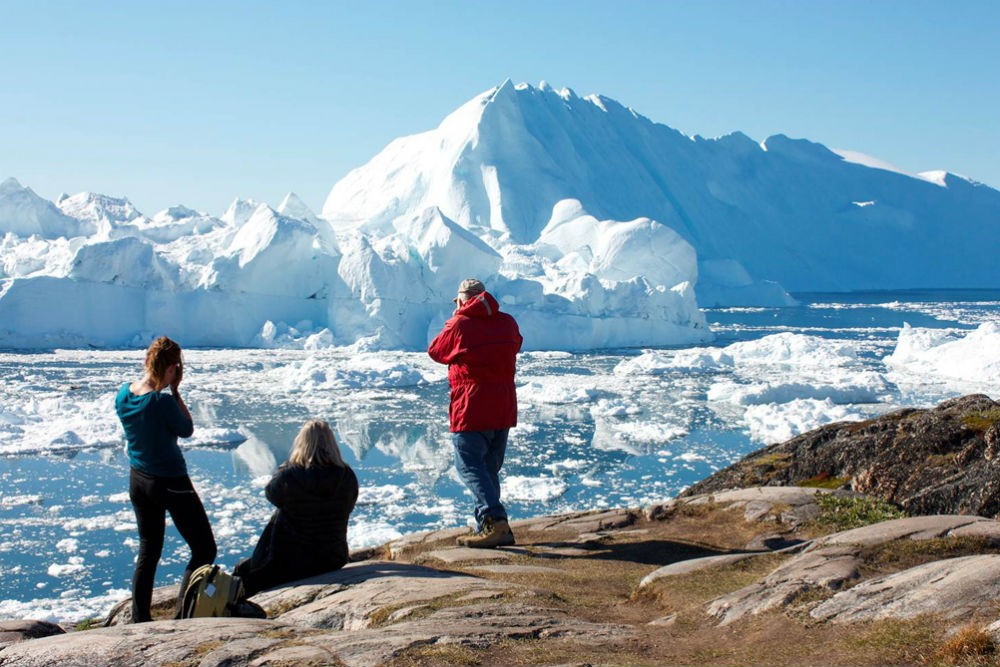
Greenland’s coast is home to the Ilulissat Icefjord. Photo: Expedition Trips
Best cruise for history buffs
Quark’s 17-day Northwest Passage: The Legendary Arctic Route offers an unparalleled opportunity to explore the stories that have shaped this region. The itinerary follows the path of the Franklin Expedition, which set out in 1845 to navigate the final stretch of the Northwest Passage, only to be trapped by ice. Visiting key sites like Beechey Island, where Franklin’s men disappeared, allows you to reflect on the challenges faced by early explorers. The trip also touches on the longstanding presence of Inuit communities in the Arctic, providing a fuller historical context.
Places most worth the trek
Baffin Island and Ellesmere Island, in the Canadian territory of Nunavut, offer amazing scenery, terrific opportunities to see polar bears and other wildlife like walrus and musk oxen, plus rich indigenous Inuit culture and art. Ashton also loves the Canadian Maritimes for music, scenery, and history—and from there, some itineraries sail over to Greenland for a cultural double whammy.
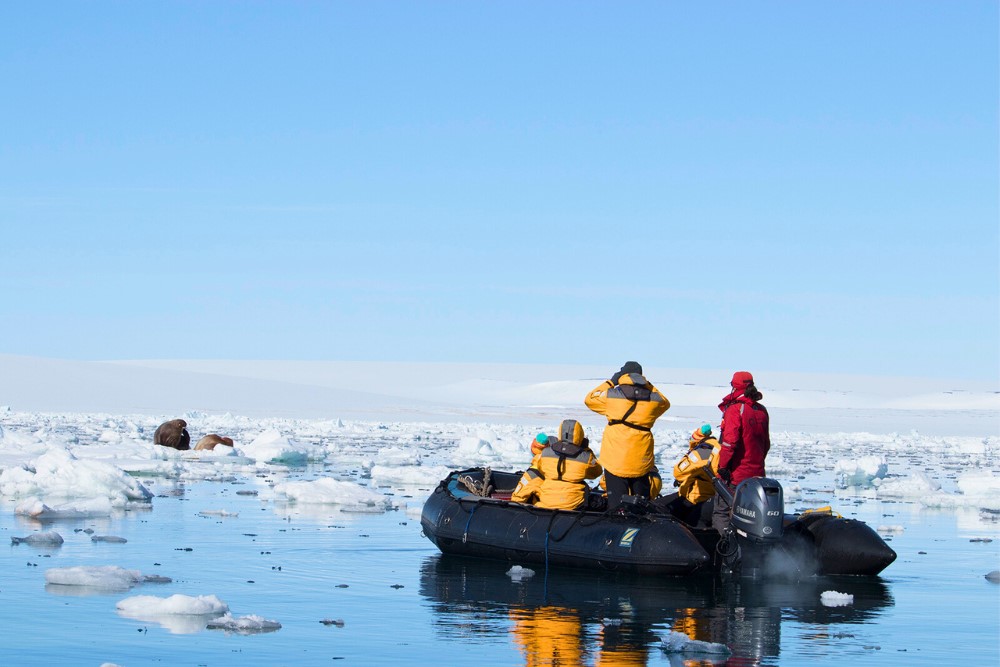
Nunavut is a Canadian territory rich in wildlife, including walrus. Photo: Expedition Trips


Get a Personalized Trip Recommendation
For a travel solution tailored to your trip goals and preferences, click this green box.

Best Time to Go
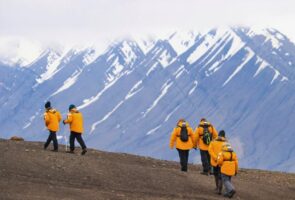
Summer to early fall brings the best weather. The early summer months in the Arctic have the advantage of the midnight sun, when the near 24-hour daylight conditions make for superb photo opportunities. However, the Arctic is vast, and timing can vary based on the specific region you’re visiting: May and June are ideal for visiting Svalbard, July and August are perfect for exploring Greenland and the Canadian High Arctic, and late September brings a higher likelihood of witnessing the northern lights.
Best Time to See Polar Bears
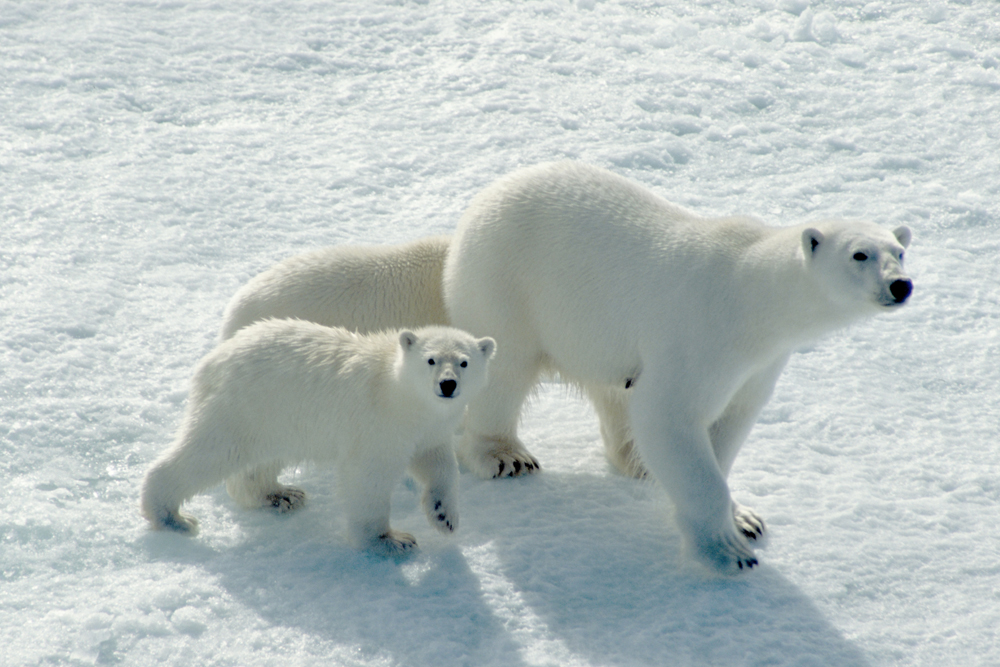
In Svalbard, the best time to see polar bears is late May through mid-June, when sea ice is still present and the bears are often found hunting or resting along the ice edge. This is also when the sun barely sets, giving you long hours of golden light for spotting wildlife.
In the Canadian Arctic, polar bears are more elusive but still possible to see, particularly in July and August around areas like Lancaster Sound and the Gulf of Boothia. These regions are known for higher polar bear densities, and some itineraries specifically follow routes with a strong chance of encounters.
Biggest Rookie Mistake
Packing too much into too little time. The Arctic is enormous and diverse, and shorter itineraries often mean you’ll only skim the surface. Some cruises combine destinations as part of ship repositioning—moving from one region to another—and while these can look appealing on paper, they’re not designed to showcase the best of each place.
Instead, look for itineraries that are thoughtfully crafted to immerse you in a specific region, and set your expectations based on the destination: For example, Greenland offers spectacular landscapes and cultural encounters, but it’s not primarily a wildlife destination. Deciding what matters most to you—ice, wildlife, history, photography, or cultural experiences—will help you choose a trip that feels rewarding rather than rushed.
Bragging Rights
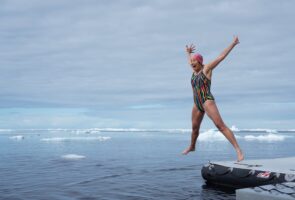
Bragging rights don’t get much bigger than standing at 90° north, the geographic North Pole. Aboard Le Commandant Charcot, you’ll travel through remote ice-covered seas to stand literally at the top of the world, where all lines of longitude converge. It’s not a wildlife-focused trip, though there’s a chance you’ll see polar bears or whales along the way. The real draw is the journey itself: navigating the shifting ice, watching the landscape change under the midnight sun, and taking in how far you’ve traveled. There are moments of quiet wonder and others of pure adrenaline—especially if you are brave enough to take a polar plunge in open Arctic water.
Best Shore Excursions
Dog-sledding across the tundra in Churchill. This is not your leisurely horse-and-carriage ride around Central Park. It’s hard to believe how fast they go—it can feel like you’re flying close to the ground through a magical winter wonderland of sparkling snow (hang on tight!).
Another standout experience comes from Quark Expeditions in Greenland: Guests forage for wild ingredients on the tundra, then cook alongside Inuit chefs at a remote camp. It’s a rare chance to connect with the land and culture in a hands-on, personal way. If conditions are right, you might even catch the northern lights while you’re there, an added bonus in an already surreal setting.
When to Book Your Trip
Ideally, you should plan your Arctic expedition 12 to 18 months prior to departure, which is when you’ll find early-booking discounts and prime-cabin availability (the least- and most-expensive cabins sell out first).
That said, last-minute bookings can also prove convenient, especially if your travel dates are flexible and you’re open to different cabin categories.

Stay in the Know With Our Newsletter