Make Your Next Trip Extraordinary
Romania: Insider’s Guide to Castles, Medieval Villages, and Wilderness
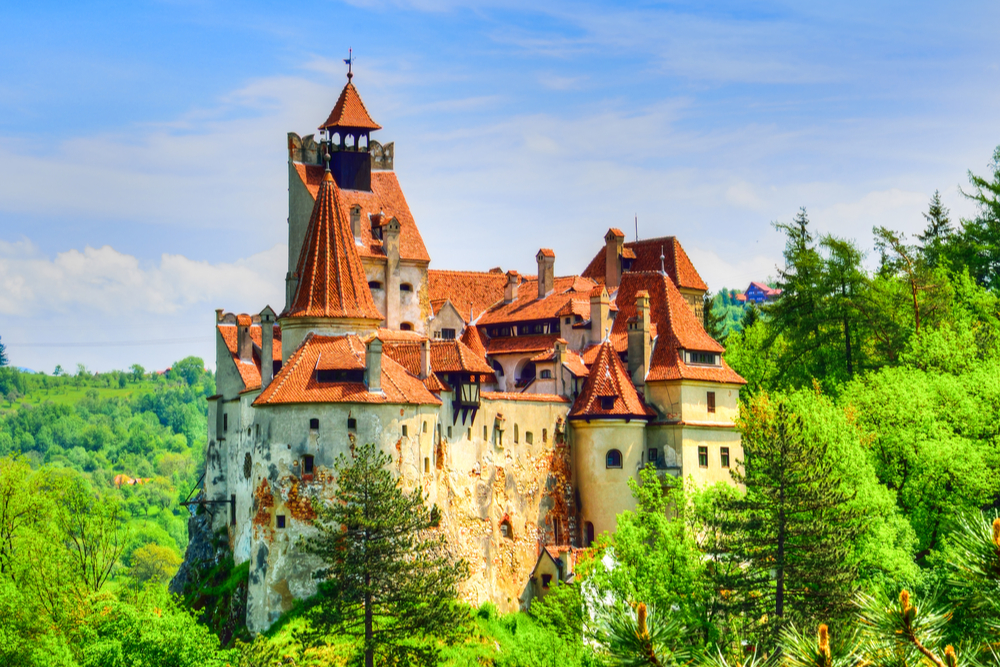 Bran Castle (a.k.a. "Dracula’s Castle”) in Transylvania was actually the summer residence of Queen Marie. Photo: Shutterstock
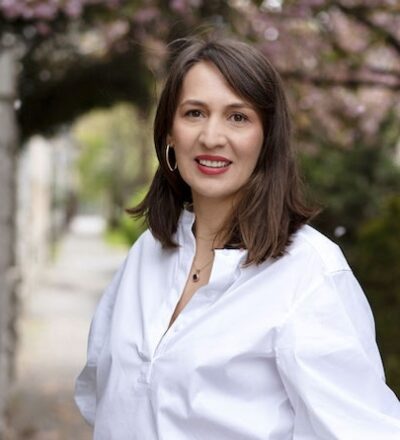
The insider advice on this page is from one of Wendy’s Trusted Travel Experts for Romania: Raluca Spiac of Beyond Dracula.
Raluca’s friends throughout her homeland of Romania will make you feel right at home and ensure you gain a full appreciation of its beautiful landscapes and its culture charmingly stuck in an earlier era, when people organized their lives around the seasons (but now check their smartphone to see what time sunset is). Raluca loves to arrange trips that combine the Carpathians’ forested peaks (ideally seen on foot or horseback), Bucharest’s curious combination of Art Nouveau and brutalist architecture, the Danube Delta’s rich avian and aquatic life, and a few 13th-century UNESCO World Heritage-recognized villages and churches (where you can spend an afternoon with one of the many traditional craftspeople that Raluca has befriended, likely ending up in their attic looking through old photographs). Her preferred accommodations range from the country’s few true luxury hotels to guesthouses serving home-cooked meals with produce from their garden.
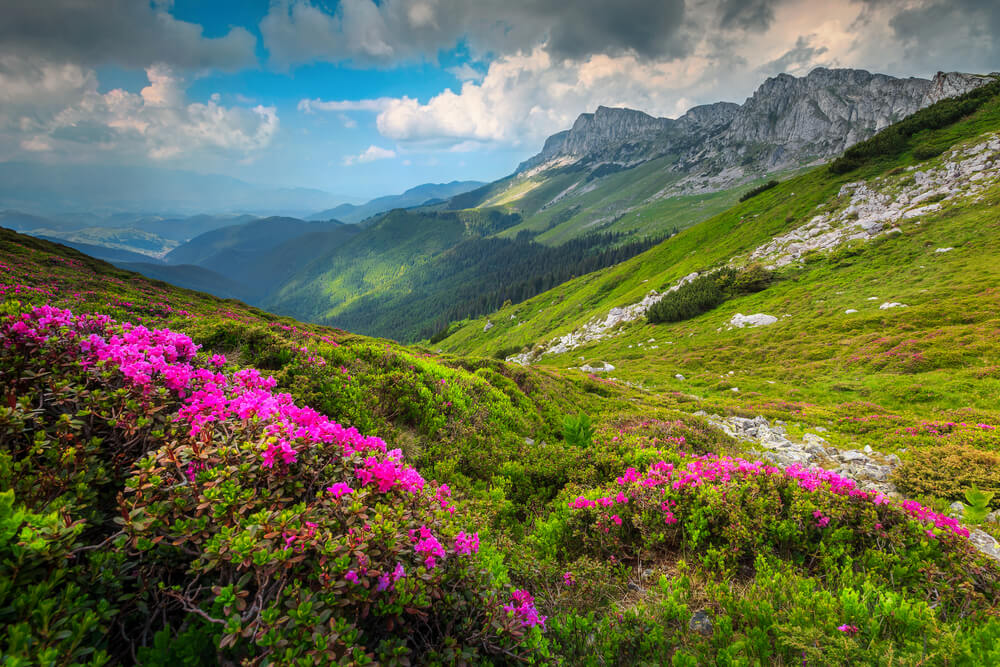
Romania’s Carpathian Mountains are a paradise for nature lovers. Photo: Shutterstock
Things to Do and See
Most underrated experiences
Romania has more species of flora and fauna growing and living in freedom than anywhere else in Europe. HRH King Charles III says that on a square meter of meadow in Transylvania, you have more biodiversity than anywhere else in Europe; the existence of wolves and lynx are testimony to how wild the country still is. Even those who expect its sheer natural beauty are still surprised—as well as those who aren’t particularly passionate about nature.
The same goes for the food, which is praised not so much for the dishes—often adaptations of Arabic or European cuisine—but because the ingredients taste so local and genuine.
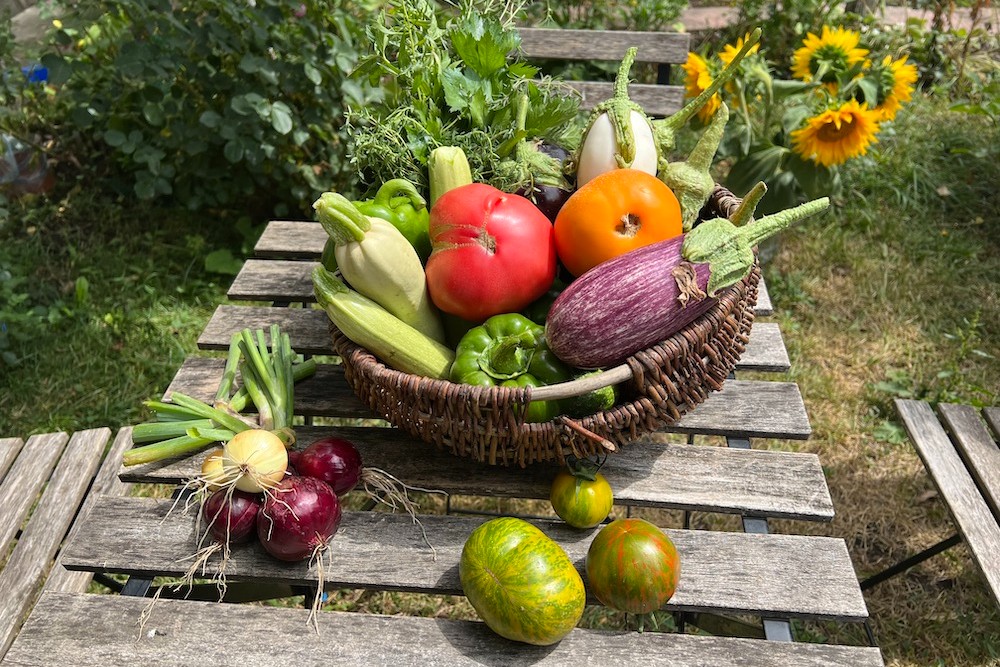
Fresh veggies are an essential ingredient in Romanian cuisine.
Egg decorating is a cherished tradition across many cultures, but in Romania this practice of turning simple eggs into stunning works of art is deeply rooted in folklore, with intricate symbols representing nature, fertility, and protection. Whether as a part of Easter celebrations or a simple form of artistic expression, egg decorating beautifully weaves together creativity with Romania’s cultural heritage.
Romania has a long history of beekeeping and is the European Union’s largest producer of honey, as well as one of the world’s top honey exporters. Spend a few hours with a beekeeper, who will demonstrate bee care and explain the importance of bees in the ecosystem. Raluca’s contact has a royal commission from King Charles and exports almost exclusively to the British throne—but fear not, you can take some home too!
Hidden gems
Malankrav, a village in the heart of Transylvania, has one of the smallest and most welcoming fortified churches. The frescoes are colorful, the little garden is well tended, and overall there is a peaceful atmosphere. Many other churches feel heavier and darker by comparison.
The Village Museum in Sighetu Marmatiei, in Maramures. There are many museums that display rural constructions from all the regions around Romania. This one is hardly visited, but it’s very realistically done—so much so that you feel at any minute someone will come out of one of the old wooden houses and welcome you.
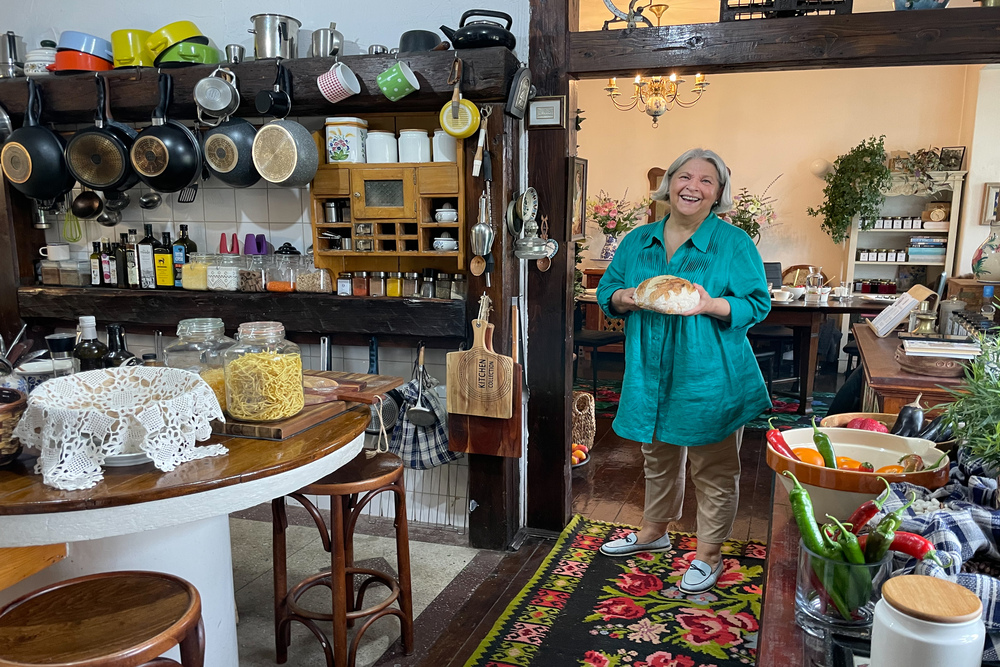
Our WOW List expert can arrange for you to cook with a local in their home. Photo: Timothy Baker
Raluca can arrange a visit with a local family who grows organic medicinal plants and spices, which ends with a home-cooked meal and stories.
Cheap thrills
Seeing bears from a bear hide in the forest. Though it’s impossible to guarantee, Raluca has never had travelers not see at least one—and some have seen eight or nine, including cubs.
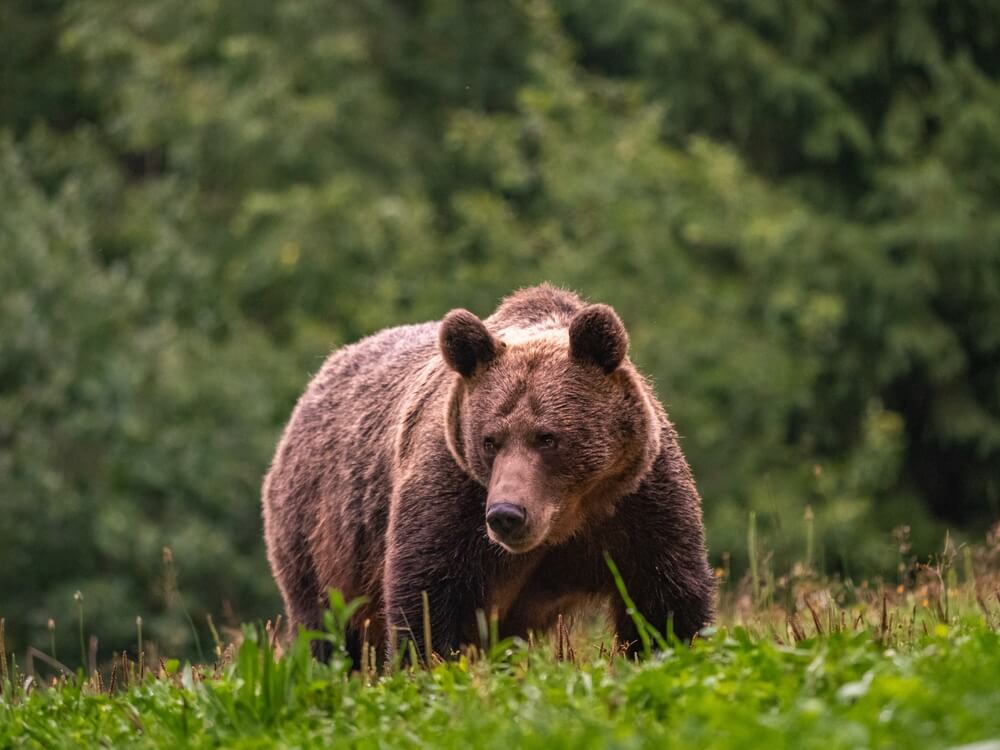
Romania has the continent’s largest population of Eurasian brown bears. Photo: Shutterstock
Romania offers some of Europe’s last dark skies, particularly in remote areas such as the Carpathian Mountains and the Danube Delta, where the minimal light pollution makes the night sky akin to a natural planetarium. Stargazing in Romania, and the storytelling that accompanies it, offers travelers of all ages the opportunity to look, learn, and be struck by wonder.
Biking in Transylvania is a journey through time where each pedal stroke takes you through medieval villages and rolling hills dotted with wildflowers and sheep. The quiet roads and forest trails offer both peace and a sense of discovery, with the landscape shifting from dense woods to open pastures within a span of minutes. Along the way, warm local hospitality, homemade food, and stories passed down for generations make the experience feel intimate and grounded.
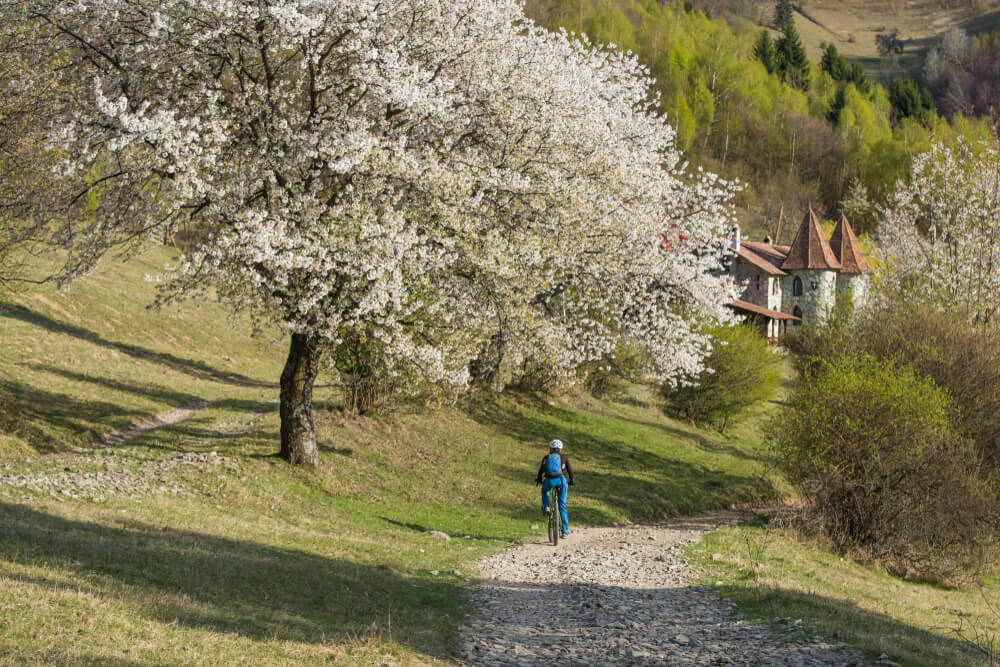
Bike past wild cherry trees and medieval villages in Transylvania. Photo: Shutterstock
Don’t bother
Renting a sports car to drive the Transfagarasan. It’s been called “the best road in the world,” but unless you arrange for the road to be closed (which is possible but expensive), you’ll get stuck behind traffic while you try to race around the curves. All but the wildest car aficionados will be happier taking it slowly and stopping for photos.
How to spend a lazy Sunday
Sundays are great in Bucharest (and the other larger cities) because there is little to no traffic and the atmosphere is relaxed. The better restaurants in town get busy, though, so make sure you have reservations.
Where to Stay and Eat
Best-bang-for-your-buck hotels
The Cincşor Guesthouse in Transylvania is a former schoolhouse where Raluca’s travelers are greeted with a nice snack or a proper meal, depending on their arrival time. (Many other guesthouses just have local ladies cooking, and the food is good but not remarkable. But Cincşor has a proper chef—who might be part magician, given what comes out of the kitchen.) If you reserve the Big Attic Room, you’re greeted with a view of the Carpathians as you wake up.
Discover hidden treasures of Transylvanian heritage at Viscri 125, a restored Saxon farmhouse. Though the farm’s outbuildings and attics have been transformed into six cozy rooms with private bathrooms, they retain their original architectural features.
In Bucovina, Casa cu Cerbi (Deer House) is a restored farmhouse where you will be spoiled with traditional cuisine made from local seasonal produce and tales of life in this little corner of paradise. Your cultured hosts run the inn like a household, where travelers are honored guests and the focus is on community.
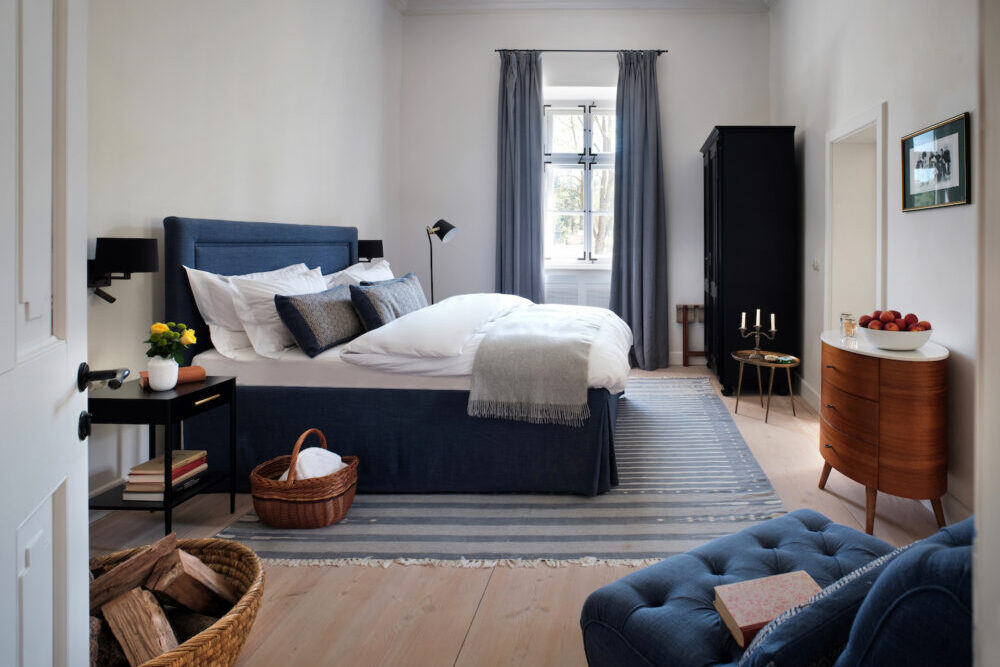
A room at Bethlen Estates, Transylvania. Photo: Philip Vile
Best-value splurge hotel
At Bethlen Estates, the care and love shown by the descendants of the original counts of Bethlen is visible in every simple yet luxurious detail. Imagine being warmed by a traditional fireplace while sleeping in a handmade bed beneath original wooden beams; dining al fresco on a gourmet picnic grilled over an open fire, surrounded by the beauty of Transylvanian nature; or tasting wine in the torchlit ancient cellars of Count Janos Bethlen’s manor house. You can also explore nearby sites—including a 14th-century castle and the medieval Saxon village of Biertan—in a horse-drawn cart or do bird watching, cycling, and hiking. The kitchen produces very creative dishes from local produce, and they have a great selection of Romanian wines.
MATCA, which opened in 2023, has 16 rooms and suites plus ten private villas overlooking the Bucegi and Piatra Craiului mountain ranges. Matca is the Romanian word for queen bee, a symbol of wealth, good luck, and prosperity since ancient times. The hilltop hotel is a luxurious mountain sanctuary with spectacular views, a top-notch spa, and an elegant restaurant serving locally sourced Transylvanian specialties.
Restaurant the locals love
GRANO, in Bucharest. It’s Italian cuisine like Italian mothers cook, yet in a chic setting. The menu is limited, but everything is prepared in-house, often with ingredients brought from Italy. The best dishes are the AOP (alio olio pepperoncino pasta), octopus salad, and carrot cake. Definitely order some Cartizze, a type of prosecco made in Veneto by the father of one of the owners.
Bistro de l’Arte in Brasov. Chef Oana Coanta was awarded the title of best female chef in the country by Gault & Millau. Tucked in a cobbled alley in Brasov’s Old Town, Coanta’s Bistro de l’Arte showcases authentic slow-cooked Romanian dishes under vaulted ceilings in a cosy wine-cellar style bistro. It’s the perfect place to try a glass of Transylvanian pear cider.
Meals worth the splurge
Raluca can arrange for a chef to set up a five-course meal outdoors for you, in a meadow overlooking the Carpathians. Enjoy Romanian wine and the hospitality of your host while you try local delicacies such as truffled butter or zacusca, a veggie spread usually made in the fall to use during the winter months.
In Bucharest, Kaiamo aims to embrace Romania’s traditions through a contemporary lens—garnering many awards along the way. And the tasting menus are a relative steal, starting around $100 for nine courses. Pair your meal with an innovative concoction from the bar or a glass of local wine.
Prime picnic spot
Horseback riding through Transylvania and ending with a picnic is perhaps one of the best ways to experience what Romania has to offer: sweeping views of mountain peaks, fresh air, locally sourced food, and unspoiled wilderness. Disconnect from daily life and reconnect with the beauty of the outdoors.

Get a Personalized Trip Recommendation
For a travel solution tailored to your trip goals and preferences, click this green box.

Best Times to Go

May and June see prime weather and the fewest crowds.
While September is beautiful, it is also the most crowded time to visit.
April and October are also good times to visit, though there is a chance of rain and some colder days.
Worst Times to Go
Bucharest gets very crowded in summer. In August in particular, many Romanians are traveling, so traffic is crazy and the main sights are mobbed.
November through March tend to be gray, making for a drab urban landscape.
Biggest Rookie Mistake
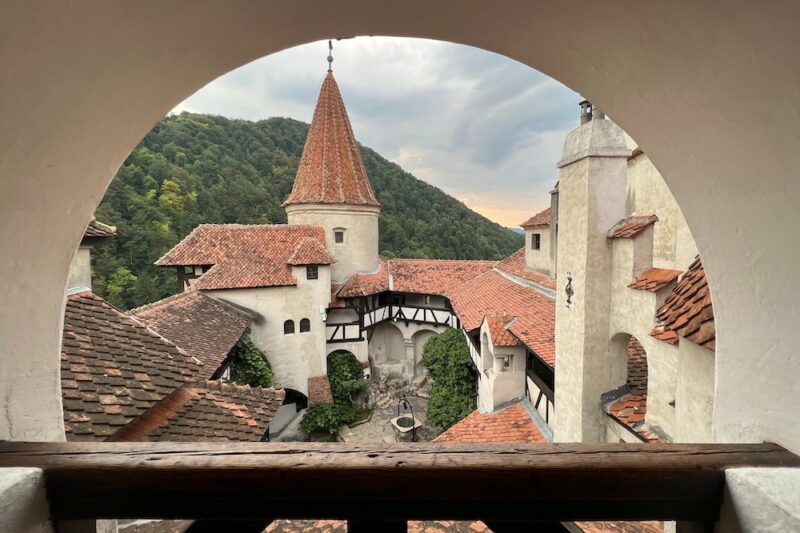
Expecting a vampire-themed trip. While Bram Stoker is said to have based his character Dracula on Vlad the Impaler—once the prince of a region in what is now Romania—vampires don’t play a major role in the country’s traditions or culture. “Dracula’s Castle” was actually the summer residence of Queen Marie, so it’s a feminine, romantic location. There are kiosks en route to the castle that sell kitschy Dracula merchandise, but there’s nothing authentic about them. Still, the castle is beautiful and worth a visit; Raluca arranges private tours via a seldom-used entrance.
Bragging Rights
Raluca can arrange for the archive of a history museum to be opened, revealing archaeological discoveries that aren’t on exhibit. Your docent is the very archaeologist who is researching these pieces and can best explain their significance.
She also knows many local craftsmen—one of whom has been recognized by UNESCO for his living cultural heritage—and you can spend time with them in their workshops. It could be a blacksmith who works with tools (and techniques) he inherited from his grandfather, or a tailor who sews beautiful coats out of sheep skin; others are woodworkers or potters who will invite you to create a keepsake alongside them.
Can't-Miss Photo Op
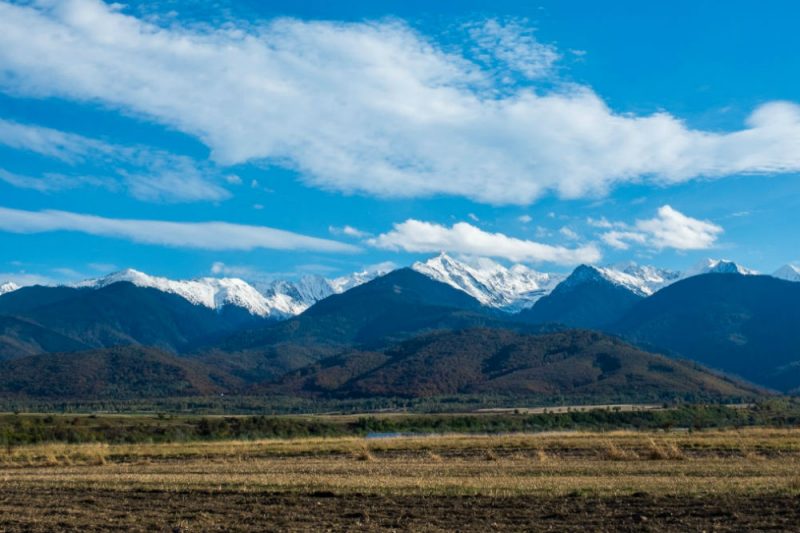
The 1000-meter-high platform in Zabola. On a clear day, you can see the Carpathians on the horizon, and on fall evenings at sunset you get a gorgeous combination of oranges and pinks and purples.
The Souvenir
An Ia, the traditional Romanian blouse. Two good places to shop for one in Bucharest are on Calea Dorobanti and at the myRomanian store by the Athenaeum.
Must-Have Apps
Explore Romania, which is produced by the tourism ministry, gives a good overview of the country.
Raluca also recommends the Attractive Romania app, which identifies landmarks along 12 cultural routes.
Tipping Tip
A ten percent tip is the rule at restaurants and in taxis; however, if something costs between 5 and 10 Romanian leu (roughly $2.50), leave 10 leu. In general, round up the final amount paid—so, leave 15 leu on a bill of 13, or 25 on a bill of 23.
Don’t Forget to Pack
Something small and typical from your own hometown or country. Hotel staff, drivers, and guides just light up when receiving a small gift from travelers, such as a pin or a postcard that tells something about where they come from.

Stay in the Know With Our Newsletter