Make Your Next Trip Extraordinary
British Columbia: Insider’s Guide to Canada’s Outdoor Paradise
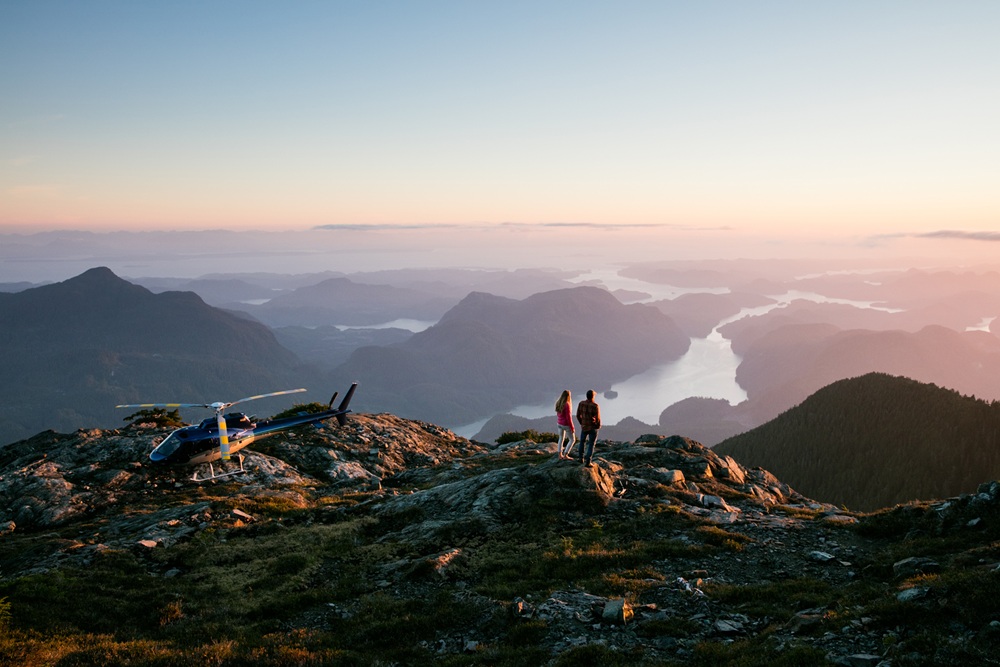 To get deep into British Columbia’s wilderness, you’ll need a helicopter. Photo: Nimmo Bay Wilderness Resort
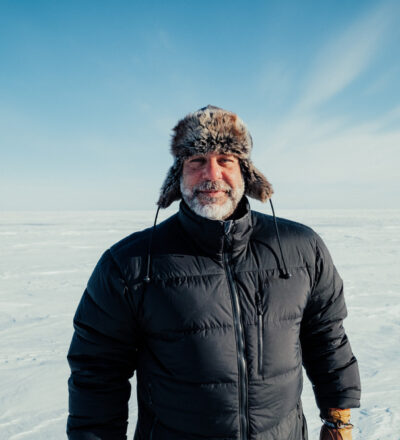
The insider advice on this page is from one of Wendy’s Trusted Travel Experts for Western Canada: Marc Telio of Entrée Canada.
Born in Montreal and now based in Vancouver, Marc is most passionate about helping travelers access Canada’s most remote places, dazzling landscapes, and memorable activities, often including insights into Indigenous history and culture. His favorite itineraries combine beautiful scenery, fascinating wildlife, and local culture with soulful accommodations (think luxury tented camps and sumptuous wilderness lodges). Marc and his team are like special-ops agents—pros at logistics, taking into account weather patterns, tides, seaplane schedules, and dozens of other details to ensure a seamless experience. Their tight-knit relationships with top outfitters, guides, and hotels translate to V.I.P. treatment for you. And if you’re looking for kid-friendly adventures, Marc has plenty of ideas up his sleeve—his two kids grew up on scouting trips throughout Canada.
Where to Stay and Eat
Best bang-for-your-buck wilderness lodges
Klahoose Wilderness Resort is an Indigenous-owned retreat on the traditional territory of the Klahoose First Nation, accessible only by boat or floatplane. Set along the calm waters of Desolation Sound, the resort’s limited number of lodge rooms and private cabins allow for an intimate stay and create a strong sense of place and connection to the surrounding territory. Klahoose is very well priced in comparison to other wilderness lodges, and the rate includes thoughtfully prepared gourmet meals, guided excursions on land and water, and immersive cultural experiences that reflect the Klahoose people’s deep relationship with this region.
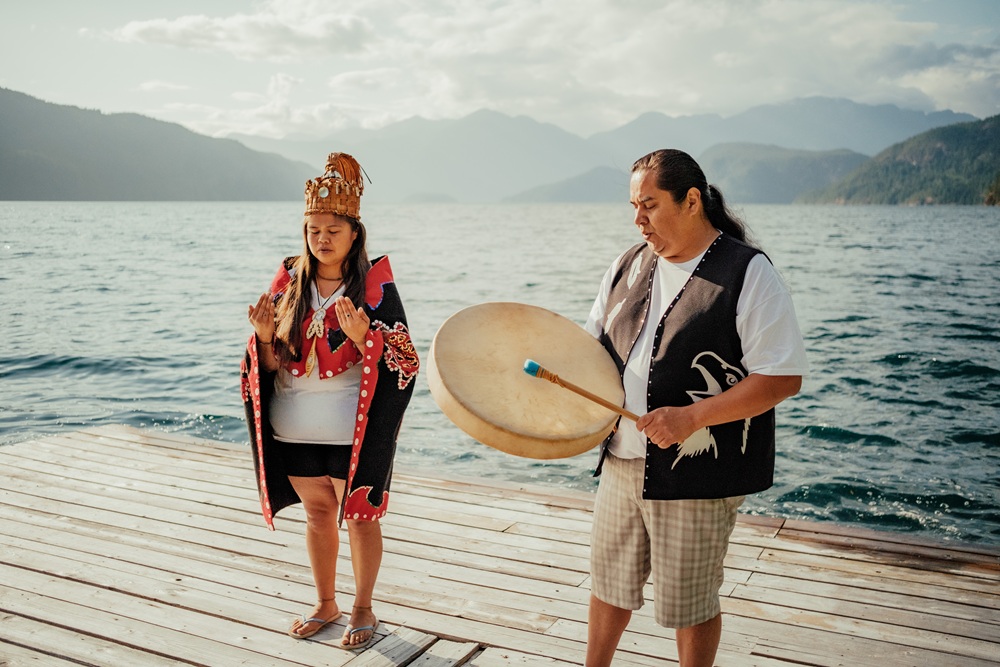
Members of the Klahoose First Nation welcome resort guests dockside. Photo: Entrée Canada
One of the resort’s most powerful experiences is its grizzly bear viewing program, which takes place during late summer and fall in nearby Toba Inlet. Guests travel by covered boat through dramatic fjords and waterfalls before reaching Toba Valley, where fixed, raised viewing platforms are set along a remote wilderness river. From these platforms small groups can observe grizzly bears feeding during the salmon run, often at remarkably close range, in a manner that is both respectful and deeply moving.
As wilderness lodges go, it’s hard to beat the value-for-dollar you get at Sonora Resort, a Relais & Chateaux property in the Discovery Islands. Unlike similar lodges, Sonora doesn’t require a minimum stay, and its rates include the room, meals, and beverages, but you pay extra for the activities you want. And there are plenty to choose from! The resort has excellent wildlife programs where you can see whales, grizzlies, seals, sea lions, eagles, or dolphins. You can also go sea kayaking or salmon fishing, or just hang out at the fabulous spa. Marc’s travelers get a complimentary two-hour wilderness excursion by zodiac.
Best-value splurge resorts
Marc has worked closely with Clayoquot Wilderness Lodge since its inception, and his travelers are warmly welcomed with a level of care that reflects this long-standing relationship. Set along the Bedwell River in the Clayoquot Sound UNESCO Biosphere Reserve, the lodge has 25 spacious canvas-topped tents, some positioned along the river’s edge and others set quietly within the surrounding old-growth rainforest. Days unfold through guided ocean adventures, rainforest walks, wildlife viewing, and culinary experiences, all delivered with a strong commitment to conservation. The experience strikes the sweet spot between wilderness and refinement, offering an atmospheric escape into Canada’s remote landscape.
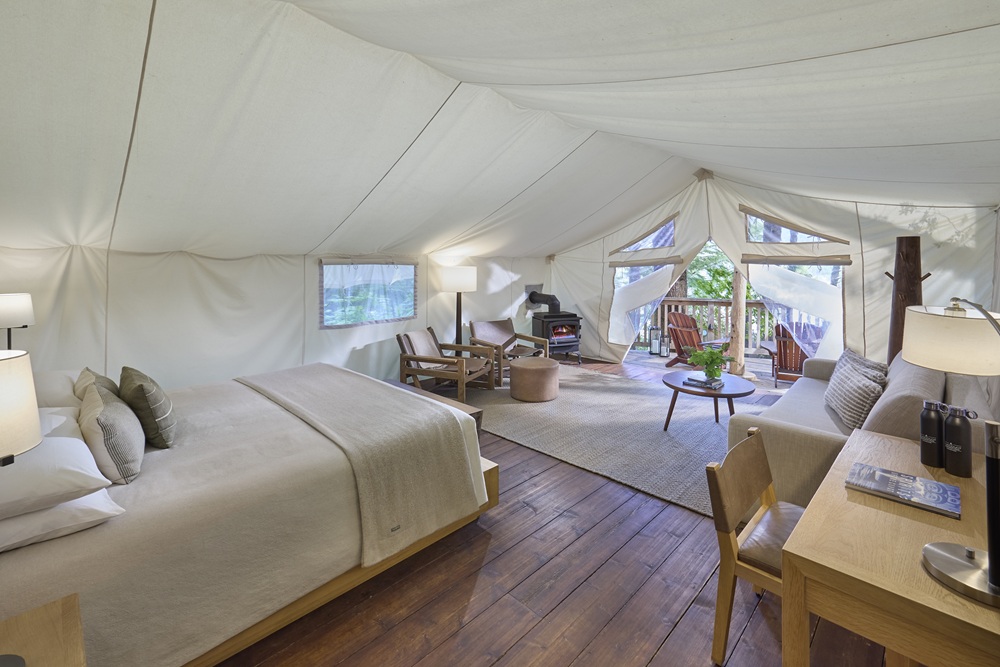
Spacious canvas tents open onto old-growth rainforest. Photo: Clayoquot Wilderness Lodge
Nimmo Bay Wilderness Resort is one of British Columbia’s most secluded coastal retreats, sought out for its intimate scale, thoughtful hospitality, and deep connection to the surrounding landscape. Family-owned and operated, the resort, tucked into a sheltered inlet where forested mountains meet the Pacific, is accessible only by air or sea. Guests enjoy beautifully designed waterfront cabins and experiences such as kayaking, boating, waterfall swims, wildlife viewing, and time in the floating sauna. Helicopter-assisted exploration is available for those wanting to venture further afield.
Restaurants the locals love
Kishimoto is a phenomenal Japanese place in Vancouver, but it’s so local and has such a casual environment that you can wear flip-flops and shorts if you wish. Their specialty is oshi sushi, which is rectangular sushi that has been compressed in a box. The two must-taste dishes are the okonomiyaki (a grilled pancake with shrimp and vegetables) and the smoked salmon oshi sushi, which comes with a small glass dome over it that is filled with smoke to impart flavor. Kishimoto is in a funky, hip part of town, so there are plenty of places to window-shop before or after dinner.
Osteria Savio Volpe is the family-style, neighborhood-vibe, locally sourcing, rustic Italian place you’ve been looking for. The food is great and the servers make the experience.
Meals worth the splurge
A love letter to Québécois cuisine, St. Lawrence brings the flavors of Montreal to Vancouver through rich, traditional dishes like tourtière, foie gras, and seasonal game. The menu is deeply rooted in French technique and regional storytelling, while the room feels understated and comfortable.
Okeya Kyujiro is a Michelin-starred omakase rooted in Edo-style tradition. The multi-hour tasting (often 20-plus courses) unfolds with extraordinary precision, seasonal sourcing, and a sense of theater, making it as much a cultural experience as a meal.
Tucked into Vancouver’s Chinatown, Barbara is a warm, stylish wine bar with a distinctly European feel, known for its thoughtful, ingredient-driven small plates and extensive wine list. The menu leans Mediterranean with a modern touch, making it a local favorite for long, relaxed evenings.
Prime picnic spot
Spanish Banks Beach is a nearly two-mile stretch of beach and parkland with dramatic mountain vistas and a stunning view of Vancouver’s city center. Every Sunday in the summer, they have a drum circle—it’s a super bohemian scene that’s really fun to experience. You’ll see upwards of 20 people from different parts of the city all coming together to play different types of drums, tambourines, and percussion instruments, and they make unbelievable music. Hundreds of people hit the beach to listen, and plenty set up hibachis to barbecue. Marc also loves Jericho Beach and Kits Beach for picnics, walks along the seawall, and connecting with locals.
What to See and Do
Don’t miss
The Great Bear Rainforest stretches from Alaska to Seattle. It’s a temperate rainforest that’s extremely lush and dense with thick, old growth—and only a few regions on earth have that kind of rainforest. The Great Bear actually goes right through Vancouver, so you can wander through the city’s Stanley Park to see parts of it, take a seaplane just a couple hours north for a day trip, or explore it from a coastal wilderness lodge. But any way you want to do it, it should not be missed.
Nor should you miss a seaplane ride along British Columbia’s magnificent coastline.
Don’t bother
Every summer day, hundreds of tourists surround the famous steam clock in the heart of Vancouver’s Gastown neighborhood. Yes, it’s a nice-looking clock, and every hour steam comes out of it, along with a lovely chime…but there are many more interesting ways to spend your time in this vibrant city.
Favorite coastal communities
At the southern tip of Vancouver Island, Victoria blends historic English-inspired charm with elegant waterfront hotels, excellent dining, boutique shopping, and experiences ranging from garden strolls to whale-watching excursions. Further northwest on the island’s rugged west coast, Tofino offers a wilder perspective—where surf breaks, old-growth rainforest, Indigenous art and culture, and exceptional coastal cuisine come together within the Clayoquot Sound UNESCO Biosphere Reserve.
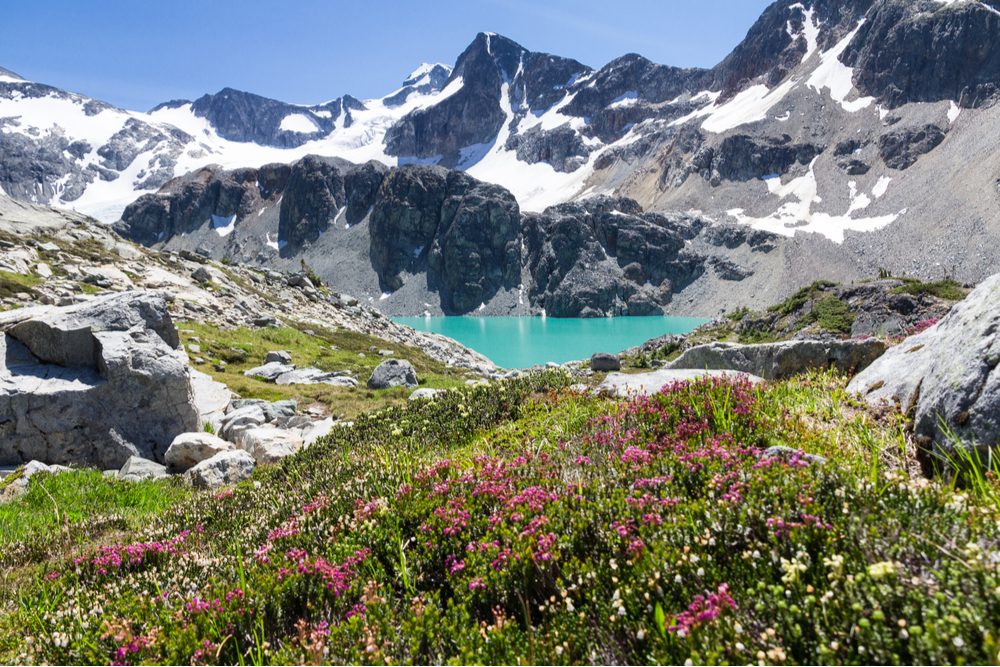
Whistler is a well-known winter playground, but it’s even more beautiful in summer. Photo: Shutterstock
Hidden gem
Whistler. Yes, you read that right. While it’s no surprise that Whistler offers world-class skiing and snowboarding in winter, the secret is that summer is just as compelling. Take your pick of outdoor adventures, from zip trekking through old-growth forests and guided culinary tours to mountain biking, championship golf, river rafting, and scenic hikes. Visitors can ride the Peak 2 Peak Gondola high above the valley floor to explore alpine trails or walk beside towering summer snow walls high on Blackcomb Mountain. Back in the village, patios buzz with energy, galleries and boutiques invite leisurely browsing, and the long mountain evenings seem to stretch endlessly.
Cheap thrills
Sewell’s Marina, in West Vancouver’s Horseshoe Bay. For those who are comfortable commanding a small motorboat: Rent a boat from Sewell’s and cruise up Howe Sound to Bowen Island, bring lunch for a picnic, and then come back. You pay by the hour, it’s fun and beautiful, and all those little islands in Howe Sound are filled with rainforest.
If you aren’t comfortable maneuvering your own craft, opt for a ride on an Aquabus, a little blue ferry that looks more like a bathtub than a boat. With nine stops along False Creek, you can use the ferry to get around town or just to get out for a jaunt on the water.
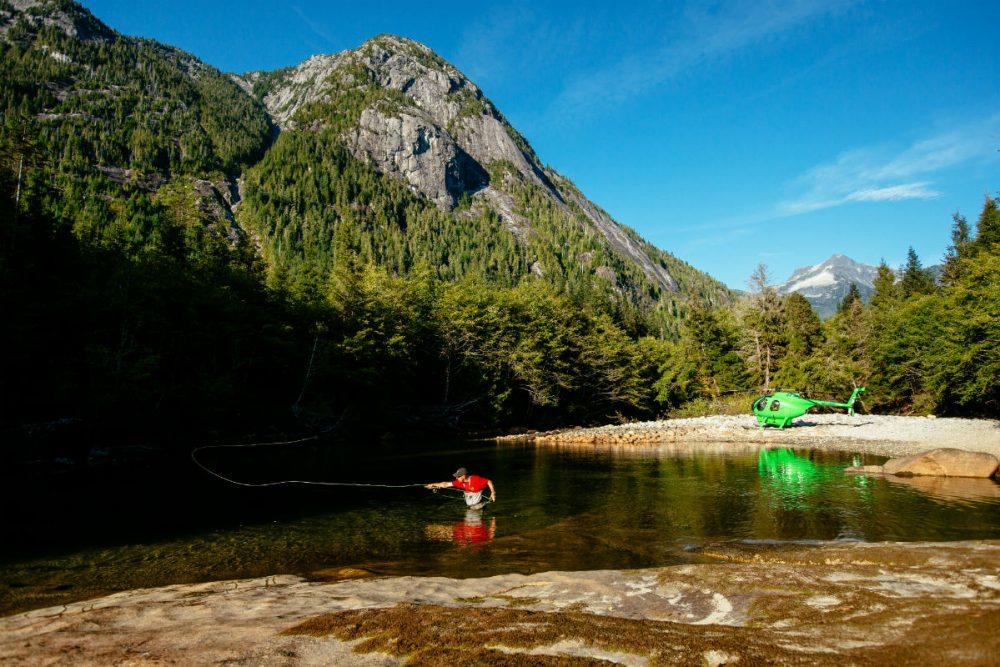
Arriving via helicopter means you’ll have the fishing spot all to yourself. Photo: Entrée Destinations
Bragging rights
Helicopter fishing in the Great Bear Rainforest, along British Columbia’s pristine coastline. Your helicopter pilot/fishing guide will touch down on quiet riverbanks in search of salmon fighting their way upstream. All that’s left is for you to step into the water and prepare for an epic day of fishing in this massive playground.
Spotting the elusive spirit bear, one of the rarest animals in the world, in the Great Bear Rainforest. While sightings in this wild landscape vary, the search is as much a part of the experience as a sighting. Marc’s team can optimally position you to glimpse, appreciate, and understand this rare creature by placing you at the Indigenous-owned Spirit Bear Lodge in Kitasoo Xai’sias traditional territory, home to the largest proportion of the spirit bear population and the only Spirit Bear Conservancy.
Best for thrill-seekers
Accessible only by helicopter, Battle Abbey Backcountry Lodge sits on 10,000 acres in British Columbia’s remote Selkirk Mountains. Remodeled in 2024, this high-alpine hideaway with just five guest rooms is designed for travelers drawn to raw terrain and wide-open views. In winter, days are spent ski touring or splitboarding through steep tree runs, alpine bowls, and glaciated terrain, accompanied by guides who can tailor things based on conditions and your ability. In summer, the lodge transforms into a base for via ferrata routes, rugged hiking, scrambling, and alpine exploration across dramatic ridgelines.
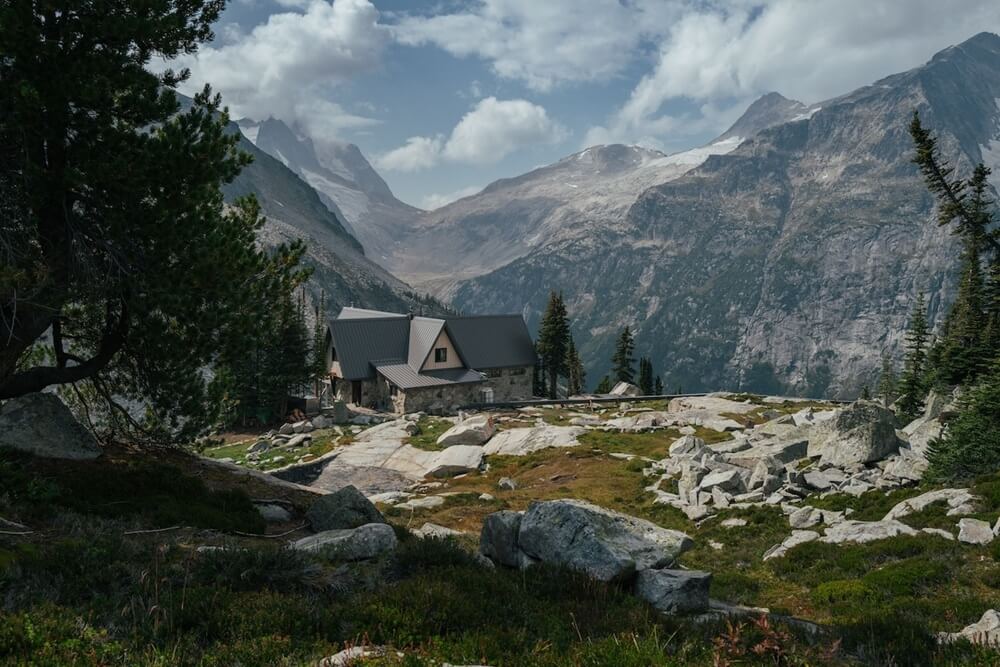
Make this your home—and view—in the remote Selkirk Mountains. Photo: Battle Abbey Backcountry Lodge


Get a Personalized Trip Recommendation
For a travel solution tailored to your trip goals and preferences, click this green box.

Best Times to Go
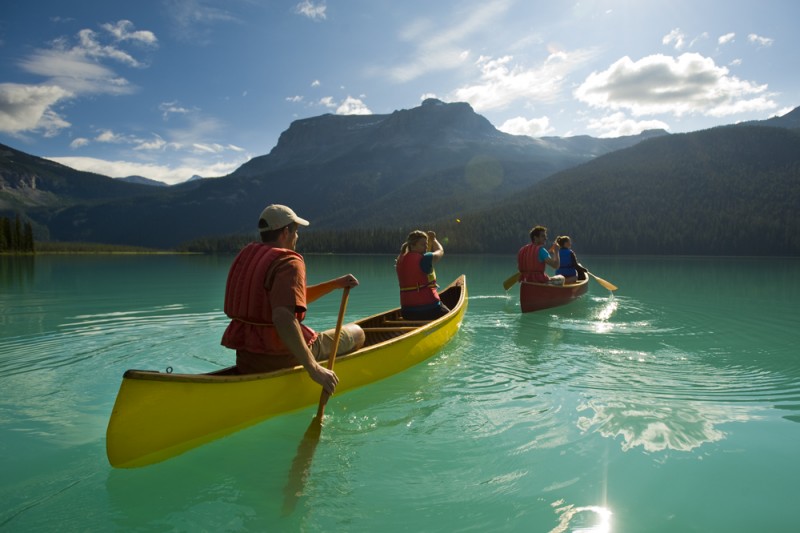
For warm-weather activities in British Columbia, June, July, and August are your best bets. The days are usually clear and sunny (ideal for seaplane and helicopter flights) and the seasonal wilderness lodges, which typically open in mid-May, have been operating long enough to work out any kinks. The summer months are also prime time for kayaking, hiking, fishing, and river rafting, not to mention bear- and whale-watching.
January and February have the most reliable snowfall, making them ideal for not just skiing, but also dogsledding, snowshoeing, and snowmobiling. You also have a good chance of seeing the northern lights. March brings warmer temperatures—nice for spring skiing but not ideal for other winter sports.
Spring and fall see beautiful weather without the crowds, with September and October often delivering late-summer temperatures and bright-hued foliage.
Worst Times to Go
November and April. The wilderness lodges are closed, wildlife viewing is almost non-existent, skiing conditions are spotty, and the weather is unpredictable. That said, Vancouver is beautiful every month of the year!
Biggest Rookie Mistake
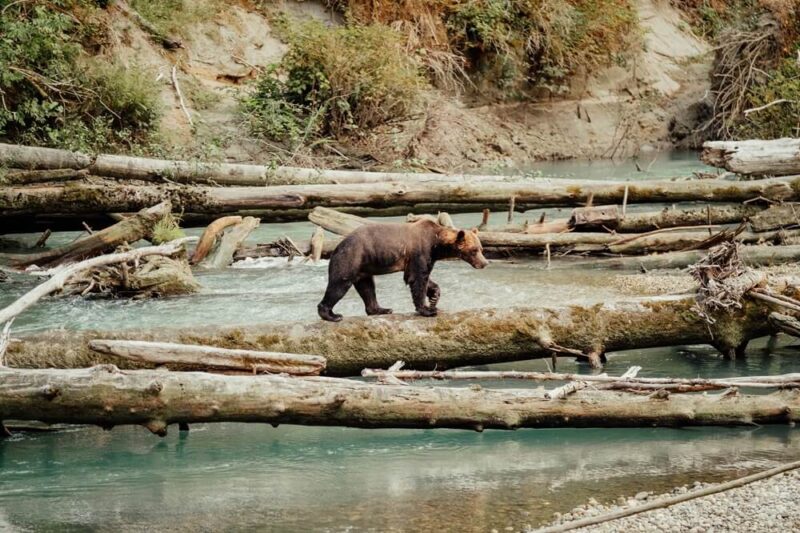
Not including a wilderness lodge in your itinerary. If you have time for only one, make it one in the Great Bear Rainforest. This pristine pocket of B.C. offers an unparalleled opportunity to see spirit bears and grizzly bears, try thrilling outdoor adventures, and enjoy delicious forest-to-table meals, all amid the tranquility of zero crowds.
Scam Alerts
Beware of buying so-called Indigenous artwork. Original pieces compete with knock-offs that are often produced overseas. Check any art that you plan to purchase for the Authentic Indigenous logo, which ensures that the piece has been designed and produced by Indigenous artists.
Ticket resale scams for major events are a real thing—beware.
Downtime
As a Vancouverite, one of Marc’s favorite things to do on the weekend is walk, bike, or scoot the beautiful Stanley Park Seawall, taking in the harbor and mountain views from this 13-mile path which lines the city’s stunning waterfront. Key sights along the path include the Totem Poles, Brockton Point Lighthouse, Lions Gate Bridge, Siwash Rock, and Third Beach. The route is flat and suitable for all skill levels, and rentals are available by the hour.
Granville Island, in Vancouver, is a bustling shopping district full of funky stores, artisans’ workshops, food producers, a dedicated children’s section, a collection of wonderful restaurants, and a thriving Farmer’s Market. The island is full of buskers, musicians, and artists, making it a truly cultural experience. You can drive there from downtown or walk to False Creek and take the Aquabus.
The Souvenirs
Indigenous art. British Columbia has a huge community of talented Indigenous artists crafting everything from carved masks and canoe paddles to soapstone sculptures and intricate weavings. Some of the top galleries showcasing this kind of work in Vancouver are Coastal Peoples Fine Arts Gallery, Douglas Reynolds Gallery, Inuit Gallery of Vancouver, and Lattimer Gallery. (Also see “Scam Alert.”)
Food items. Smoked salmon, locally produced honey, chocolates, preserves, salmon jerky, even fish you caught at one of the lodges!

Stay in the Know With Our Newsletter