Make Your Next Trip Extraordinary
Great Barrier Reef, Australia: Insider’s Guide to a Natural Wonder of the World
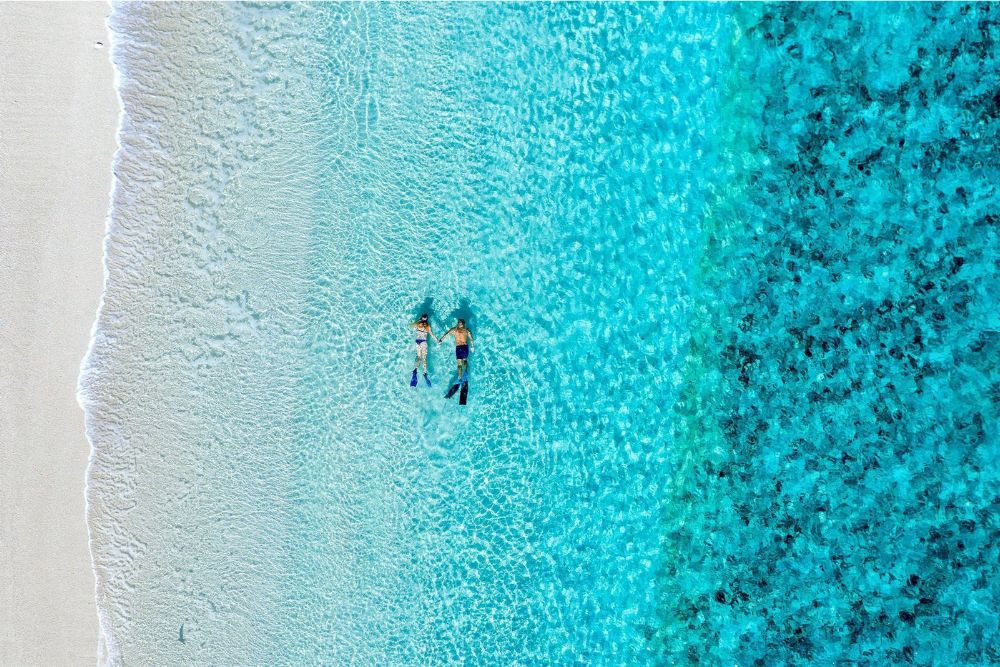
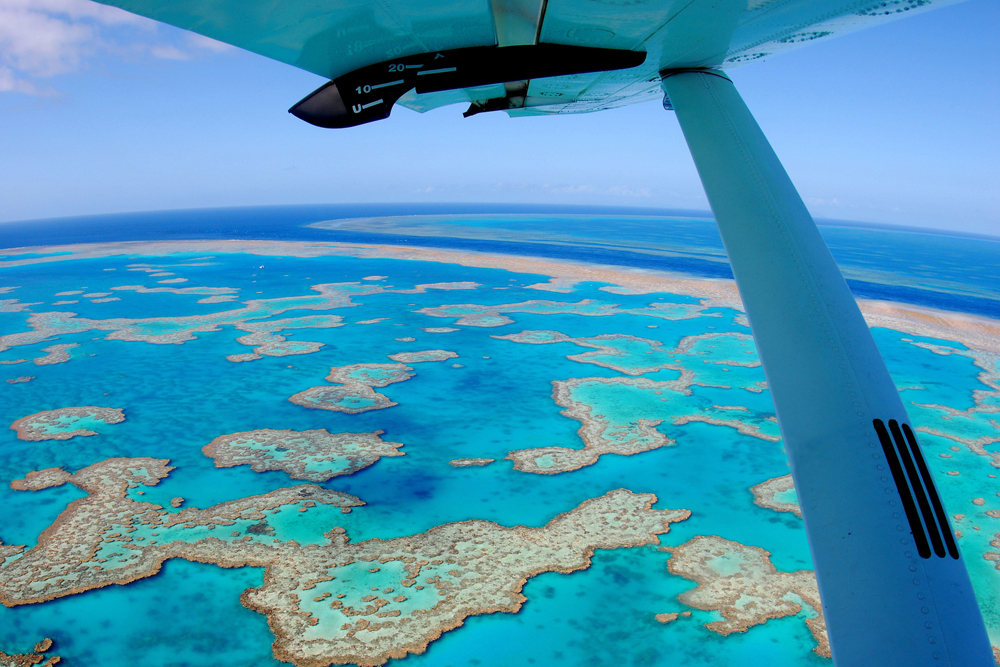 Our intel will help you make the most of your time on the Great Barrier Reef. Photo: Tourism Whitsundays
The insider advice on this page is from two of Wendy’s Trusted Travel Experts for Australia: Stuart Rigg and Jacki Lang of Southern Crossings.
Stuart, a native Brit based in Sydney, and Jacki, his Australian colleague of more than 20 years, plan tailor-made travel to Australia, covering the length and breadth of the continent. They have the pull to arrange access to private homes, golf courses, and art collections, but their itineraries aren’t just for high flyers. They can work with a range of budgets, offering careful guidance on everything from self-drive itineraries through the Margaret River wine region to sailing trips around the Whitsundays. As for the Great Barrier Reef, Stuart and Jacki have failsafe strategies for steering clear of the masses, and they know exactly which island properties are best for hyperactive families, spa-loving hedonists, or Robinson Crusoe fantasists. If you’d like to combine Australia with New Zealand, their Auckland team will take excellent care of you.

Where to Stay and Eat
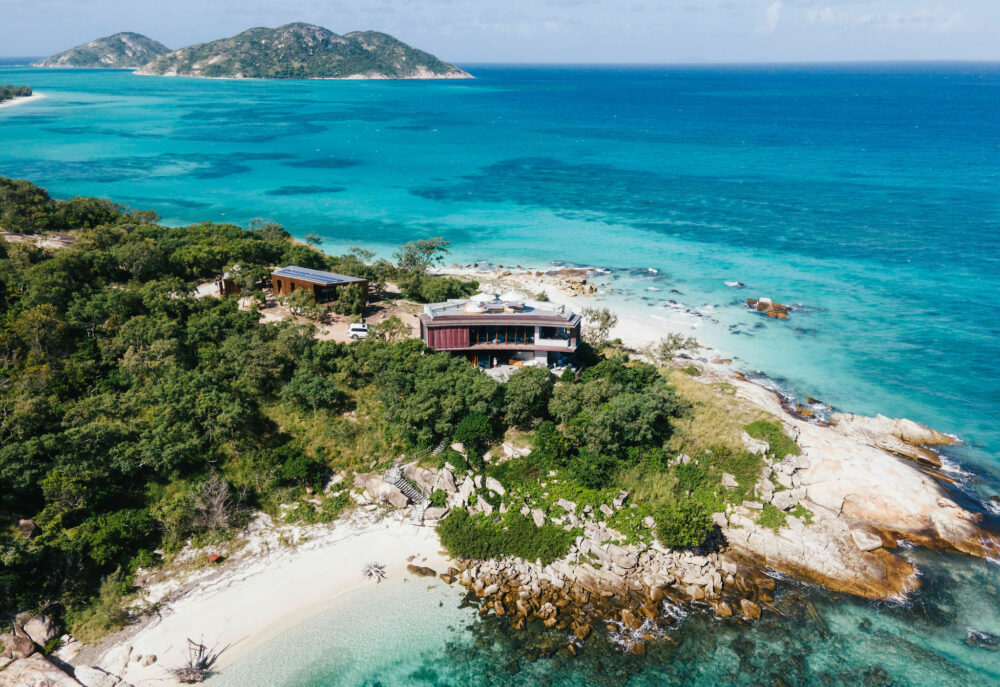
The House at Lizard Island is the crème de la crème of Barrier Reef accommodations. Photo: Elise Hassey
Resort worth the splurge
Lizard Island is one of Australia’s most celebrated lodge-style resorts; your arrival here comes via a very scenic one-hour flight from Cairns over the turquoise waters and reefs. Since the resort is located directly on the Great Barrier Reef, guests can snorkel amongst pristine corals right off the beach (diving and fishing trips to secluded cays and atolls farther afield can also be arranged using the resort’s launch). There are 40 beautifully appointed suites and villas, many with direct beach access or their own plunge pools; splurge on a Beachfront Suite and you’ll be mere steps from the reef. There is a well-equipped gym, lighted tennis court, freshwater swimming pool, indulgent day spa, and a range of water-sports gear (including stand-up paddle boards, motorized dinghies, glass-bottom sea kayaks, and snorkeling equipment). In addition, guests can tour the Lizard Island Research Station, which is owned and operated by the Australian Museum and offers fascinating insights into the reef’s ecology.
For those seeking an ultra-luxe splurge, the House at Lizard Island is a private villa that combines all the resorts’ amenities with the ultimate in privacy and luxury.
Best bang-for-your-buck reef stays
A Coral Expeditions cruise of the northern reefs offers superb value for money. This all-inclusive, seven-night cruise explores some of the most remote and untouched parts of the region—including Fitzroy Island, Cooktown, Lizard Island, and the magnificent Ribbon Reefs—away from the crowds of countless day-trippers. Throughout the cruise you can snorkel with spectacular tropical fish and over colorful coral gardens, stroll golden beaches, and explore lush rainforest trails.
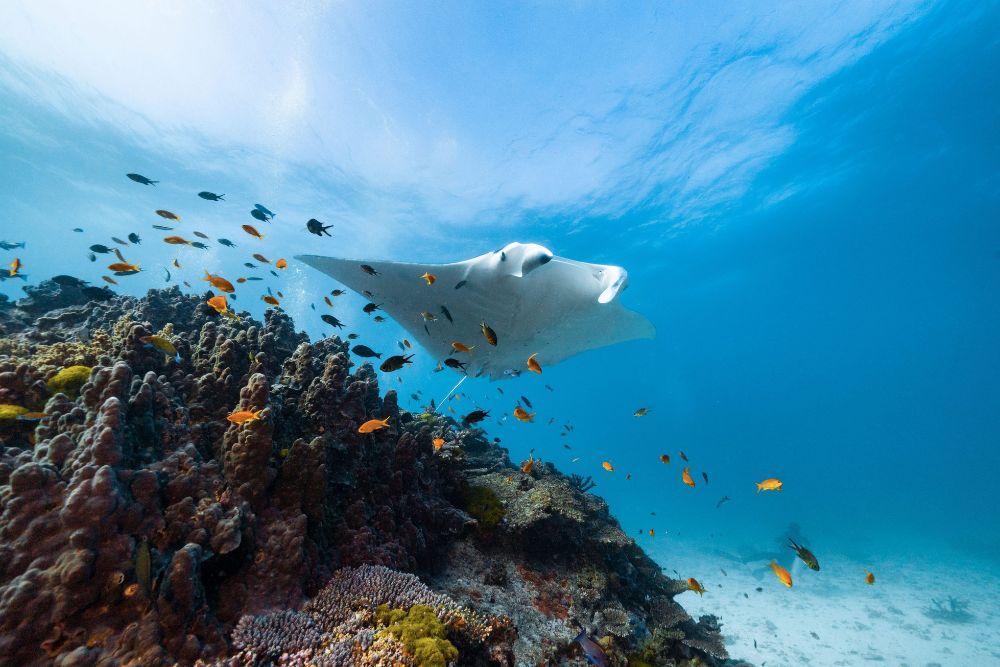
Manta rays are frequently sighted around Lady Elliot Island. Photo: Tourism and Events Queensland
If you don’t have seven nights to spare and care more about spectacular reef experiences than luxury lodgings, head to Lady Elliot Island Eco Resort, located at the southern end of the reef. The main draw here is the vibrant coral and turquoise waters teaming with an extraordinary abundance of marine life, which you can glimpse while snorkeling straight from the beach or diving at one of the nearly two dozen incredible sites nearby. Lady Elliot Island is often referred to as the “home of the manta ray”; while you can see these beautiful creatures here year-round, their numbers peak between June and September.
Best resort for honeymooners
For true castaway romance, escape to Wilson Island—which is both part of, and surrounded by, the Great Barrier Reef. This adults-only hideaway accommodates just 18 guests in nine permanent (and beautifully secluded) safari tents. These tents have king-size beds and captivating ocean views, but no phones, and no televisions—they were designed so you can disconnect to reconnect. Snorkel the stunning reefs straight off the beach, stroll the island’s golden sands hand-in-hand, kayak or paddle-board over the turquoise waters, sip sunset cocktails on your private deck, and enjoy chef-prepared meals in the communal dining room or romantic private picnics.
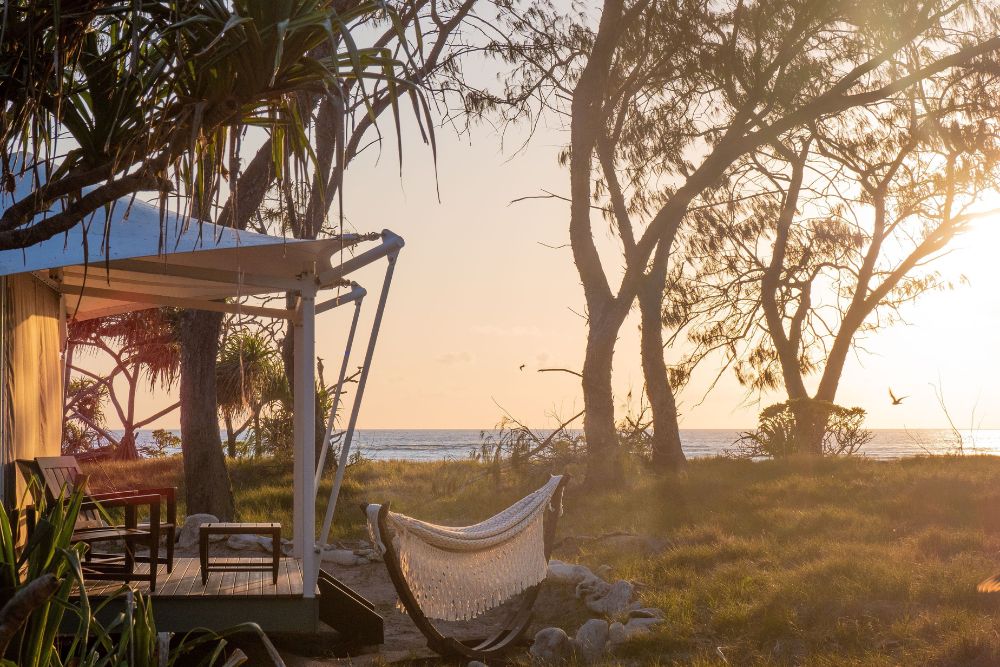
Accommodations on Wilson Island bring to mind an African safari. Photo: Tourism and Events Queensland
When you want to be alone
Stuart and Jacki have access to several beautifully appointed, fully crewed sailing vessels and luxury super-yachts for private charter cruising on the reef. Whether you have a day, a week, or even longer, they can arrange a charter that has you discovering secluded coral cays, snorkeling untouched reefs, and even participating in local conservation initiatives.
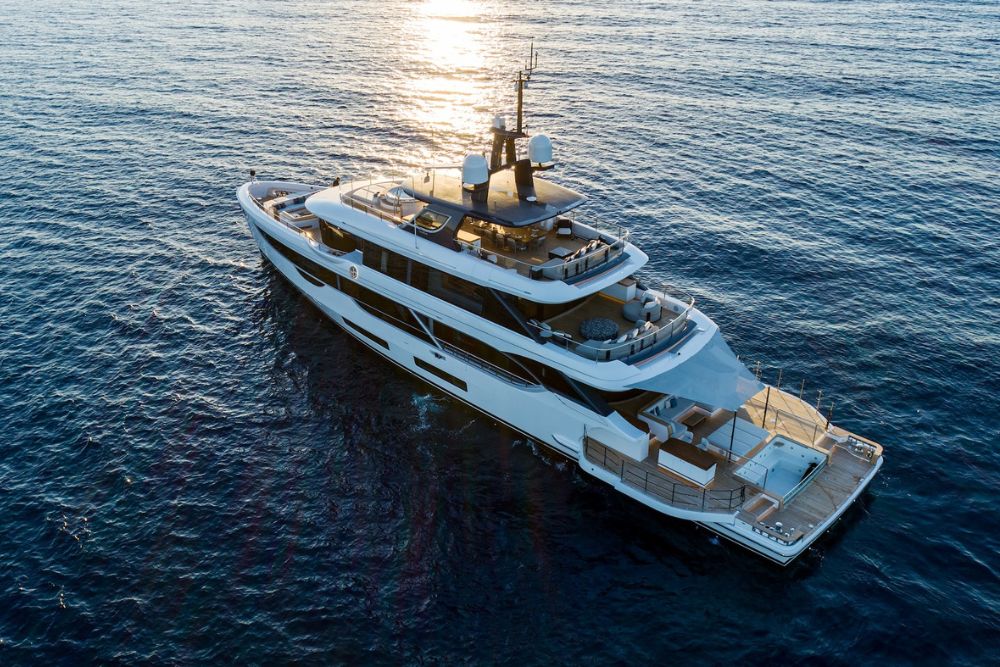
You can truly get away from it all on your own private yacht. Photo: Edmiston Scholey
Alternatively, Pelorus Private Island is an exclusive-use Great Barrier island for groups of families or friends looking for 1,000 acres of pristine wilderness and fringing reefs, a home with five private bedrooms, and the undivided attention of a dedicated staff.
Restaurants the locals love
Head to Barbados, on the boardwalk at the Port Douglas Marina, for sundowner cocktails, a local craft beer, or a glass of Australian wine and a casual bite to eat—think salads, pizzas, and shared plates—overlooking Dickson’s Inlet.
Just a short stroll from there, Salsa Bar and Grill is a true local favorite. The light and airy, Queenslander-style restaurant serves local produce with global flair, and an extensive list of cocktails.
Coca Chu is nestled in tranquil tropical gardens overlooking Catseye Beach on Hamilton Island. The restaurant exudes a relaxed holiday atmosphere, and the menu of shared plates highlights fresh local produce and Southeast Asian flavors.
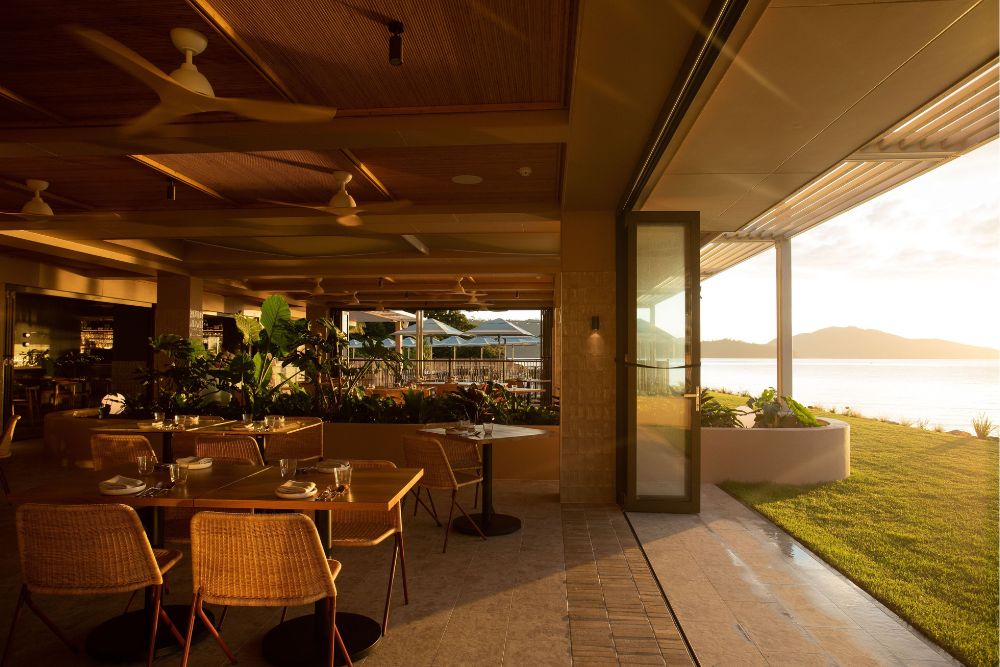
You don’t have to choose between a table indoors or out at the Catseye Pool Club. Photo: Kara Rosenlund
The Catseye Pool Club, at the family-friendly Sundays hotel on Hamilton Island, showcases celebrated Australian culinary duo Josh and Julie Niland’s innovative cuisine, served with Coral Sea views.
Dish to try
Don’t miss out on local coral trout, a sought-after reef fish with fine white flakes and a very delicate flavor. It can be served baked, steamed, poached, or grilled, but one of the best preparations is the signature whole trout served in the tropical surrounds of the Nautilus restaurant, in Port Douglas.
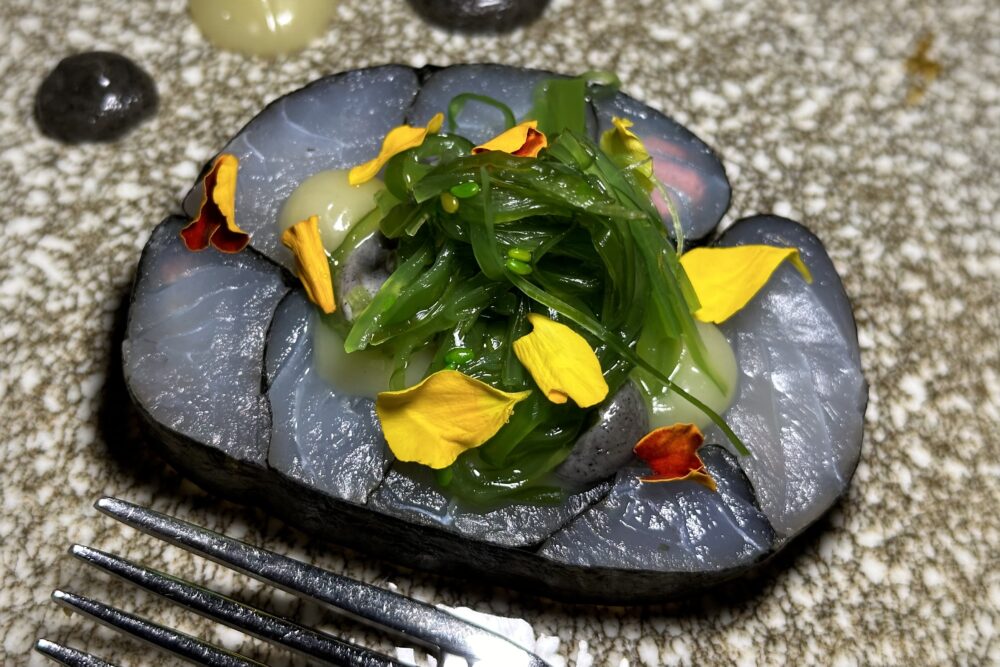
A preparation of coral trout served at Lizard Island. Photo: Timothy Baker
What to See and Do
Don’t miss
To really appreciate the scale and spectacular natural beauty of the Great Barrier Reef, you have to see it from above. This is the world’s largest coral reef system, and it covers an area bigger than the entire state of New Mexico. There are a wide range of helicopter, fixed-wing, and seaplane scenic flights available from Port Douglas, Cairns, Airlie Beach, Hamilton Island, and even Brisbane.
Don’t bother
Cairns is widely considered the gateway to the Great Barrier Reef. This tropical north Queensland town is a commercial hub that is particularly popular with backpackers due to the range of inexpensive accommodations, eateries, bars, and clubs. Cairns has a constructed lagoon but has no beach; head a little farther north to Palm Cove or Port Douglas to enjoy palm-fringed beaches, some of the region’s best restaurants, and a more relaxed atmosphere.
Best beach
Whitehaven Beach, on the uninhabited Whitsunday Island. There are many superlatives that can describe this nearly four-mile stretch of pure white silica sand. The forested foreshore is beautiful, and the beach offers excellent, child-friendly swimming. Consistently voted one of the most beautiful beaches in the world, Whitehaven attracts great numbers of visitors—so to enjoy it at its unspoiled best, charter a yacht and stay the night, or fly in before the day-trippers arrive.
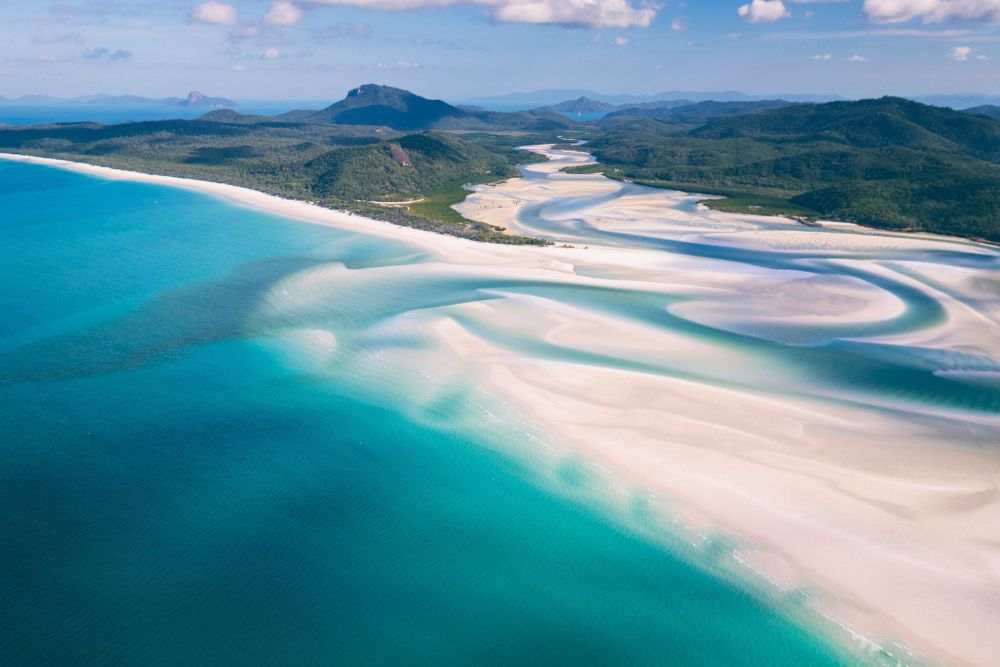
Learn how to beat the crowds to Whitehaven Beach. Photo: Tourism Australia
Cheap thrill
Between November and late March on the Queensland coastline, the Mon Repos Conservation Park supports the most significant turtle nesting population in the South Pacific, critical to the species’ survival. Join park rangers on a nightly Turtle Encounter for your chance to see female turtles laying their eggs (November to January) or watch young hatchlings dig free and hustle down the beach (January to March)—all for less than $20, which also includes entry to the Mon Repos Turtle Centre.


Get a Personalized Trip Recommendation
For a travel solution tailored to your trip goals and preferences, click this green box.

Best Time to Go
May through October sees warm, sunny days with clear visibility for divers and snorkelers. Although the winds can get up from May through July—reducing underwater visibility on or near the shore and making a trip out to the reef somewhat rougher—these are also some of the best months for whale watching: swimming and snorkeling with dwarf minke whales on the northern Ribbon Reefs or cruising with humpbacks on their annual migration.
Worst Time to Go
December through April is the “green” season, characterized by hot, humid days and higher rainfall. Tropical storms may occur during these months, which also coincide with jellyfish season. Stingers are largely coastal and therefore not generally found on the reef, but they sometimes congregate around islands close to the mainland. Most popular mainland beaches north of Gladstone have stinger-resistant enclosures for swimmers. Reef operators normally supply wet suits to reduce the risk of stings.
That said, this time of year is when you can witness coral spawning and see turtle hatchlings; if you go, head to Heron or Lady Elliot islands at the southern end of the Great Barrier Reef, which enjoy more comfortable summer temperatures.
Bragging Rights
While all are welcomed to participate in the annual Great Reef Census citizen-science initiative, Stuart and Jacki can arrange for you to be accompanied by the movement’s founder. The Census is held annually between September and January to monitor the reef’s health and inform future conservation efforts.
Biggest Rookie Mistake
Assuming that the Great Barrier Reef is a single destination. In fact, it is the largest living structure on the planet, stretching for over 1,200 miles and made up of more than 2,900 individual reefs and 900 islands. Accordingly, it’s vital to think carefully about the type of reef experience you seek; this could involve a stay on a reef island, a mainland-based experience with day visits to the reef by sea or air, a multi-day cruise, a yacht charter, or maybe a live-aboard dive vessel.
The Souvenir
Bring home a souvenir that also supports the protection of one of the world’s greatest natural treasures. Rhia Jewellery, for example, handcrafts ocean-inspired pieces using recycled gold and silver, and donates a portion of each sale to the Great Barrier Reef Foundation.
Please don’t gather coral or shells, or bring home souvenirs made from the building blocks of this UNESCO World Heritage site.
Tipping Tips
Employees in Australia do not depend on gratuities for their income, nor are service charges routinely added; however, a tip of up to 10 percent in recognition of excellent service has become common in better restaurants. Taxi drivers and hotel porters appreciate a small tip, but no more than that.
Don’t Forget to Pack
Water shoes for beach and reef walks: Corals can be sharp, and cuts can get infected quickly and severely.
It’s important that divers bring their dive certification card (and ideally, log books), as it’s not always possible for dive operators to check certification online.
Sunscreen can be harmful to the reef itself; choose a certified reef-friendly lotion (like the ocean-conscious, water-resistant people4ocean products) and/or wear a wetsuit or a lycra suit while snorkeling.

Stay in the Know With Our Newsletter