Make Your Next Trip Extraordinary
Combining New Zealand and Australia: Insider’s Guide to the Best Trip
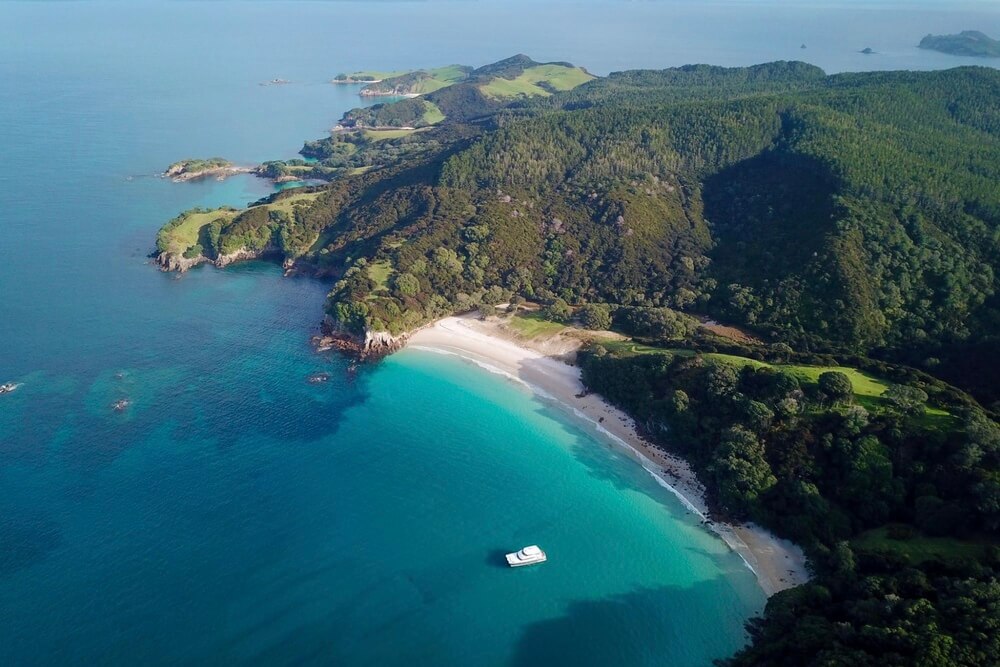 The Bay of Islands, on New Zealand’s North Island, is beloved for boating. Photo: Rua Moana
The insider advice on this page is from one of Wendy’s Trusted Travel Experts for New Zealand and Australia: Sarah Farag of Southern Crossings.
A native New Zealander based in Auckland, Sarah works her superb connections—from sheep farmers to helicopter pilots—to open doors for her travelers. She can set you up with a driving itinerary and rental car with stops for scenic hikes, wine tastings, and whatever else you might enjoy, but for those times when you’d prefer not to worry about driving on the left-hand side of the road and to be able to lose your eyes in the country’s countless glorious vistas and navigate to its most charming hidden corners without having to keep your eyes on the road, she has the savviest private drivers at her beck and call. Sarah has pull not just with the country’s top luxury lodges, but also with its guesthouses and even private homes with chefs. And, as a mom of two teenage sons, she is especially tuned in to what families enjoy most. For those wanting to see more of the region, Sarah can add beach stops in Fiji and other South Pacific islands, or coordinate with Sydney-based colleague and fellow WOW Lister Stuart Rigg to include time in Australia.

Combining countries
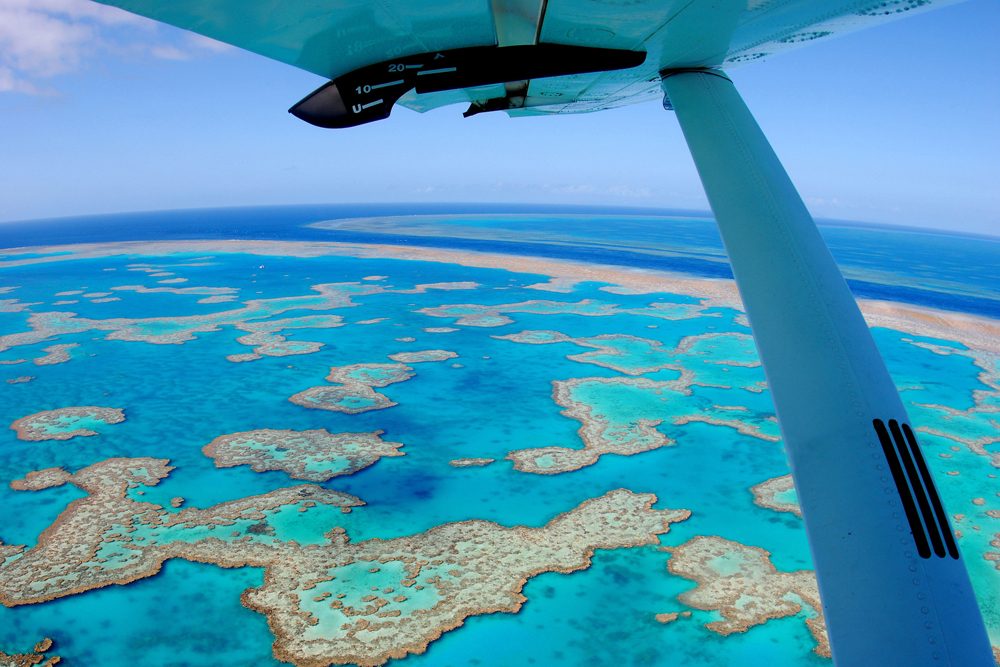
The Great Barrier Reef, seen from above. Photo: Tourism Whitsundays
Always book your trans-Pacific flights into one country and out of the other, so you don’t have to backtrack. It usually makes sense to start with New Zealand: Since you make up time flying from there to Australia and arrive just two hours after you departed, you can still fit a lot into your travel day.
If you have two-and-a-half weeks, you can go wine tasting on New Zealand’s Waiheke Island, explore Maori culture and geothermal features in Rotorua, scratch your adventure itch in Queenstown, enjoy Sydney’s harborside delights, take in Uluru and learn about Aboriginal culture in Australia’s Red Centre, and end your trip on a pristine Queensland beach near the Great Barrier Reef.
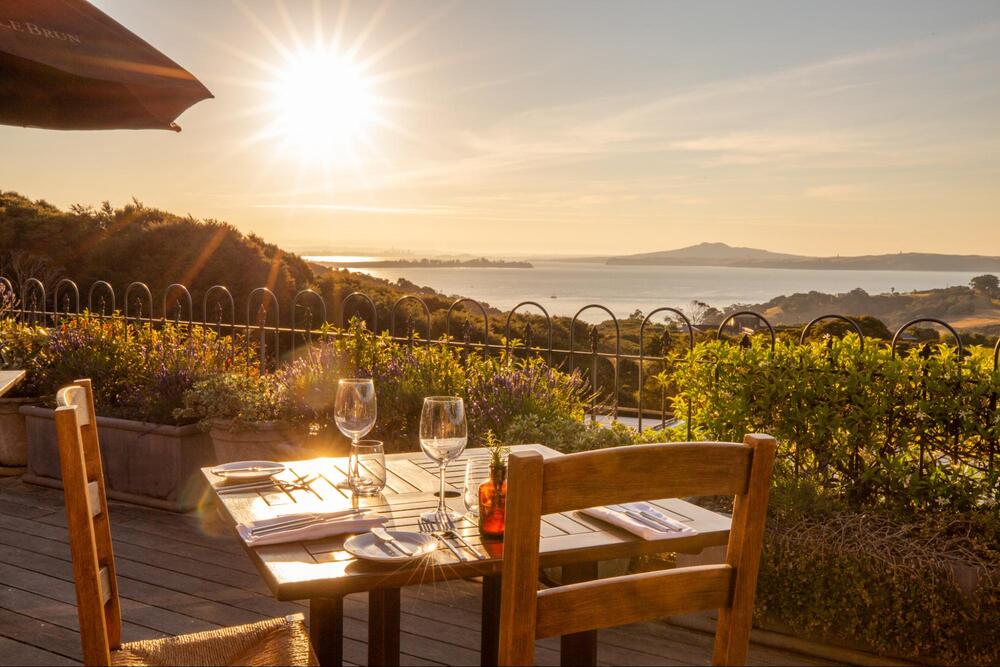
Waiheke Island is a haven of olive groves, beaches, and vineyards. Photo: Mudbrick Vineyard
Wine lovers will need three weeks to cover the major regions in each country: Waiheke Island, Hawke’s Bay, and Central Otago in New Zealand, and the Barossa Valley, Mornington Peninsula, and Hunter Valley in Australia. Cap it all off with a few nights to detox on an island in the Great Barrier Reef.
Wildlife lovers will need a bit more time to get to the most remote spots. The mountains and rainforests of New Zealand’s South Island hold the last remaining wild populations of most of the country’s bird species, not to mention the marine life hiding along its rocky coastline. Australia’s top nature destinations are spread across the country, from Kangaroo Island in the south to Kakadu National Park in the Northern Territory and Western Australia’s Ningaloo Reef. Hone in on the creatures you most want to see, or expect to spend a good bit of time getting from place to place.
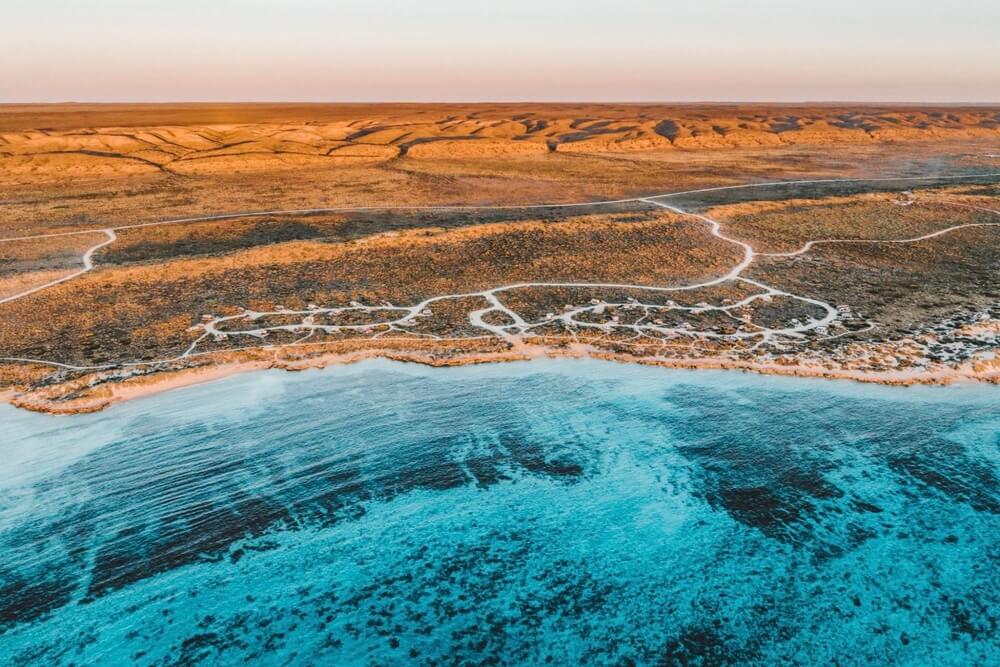
Ningaloo Reef is Australia’s largest fringing coral reef. Photo: Tourism Australia
What to Do and See
Most underrated places
New Zealand’s Lake Hawea isn’t as well known as Lake Wakatipu in Queenstown, or even neighboring Lake Wanaka. But it’s just as scenically impressive—if not more so—and you are likely to have the vast majority of it to yourself. It’s well worth stopping for a picnic when driving along the country’s west coast, but there are also fabulous options for an overnight, such as the ultra-luxe Mt Isthmus private villa or a cottage on Lake Hawea Station, a sheep and cattle farm focused on regenerative agriculture.
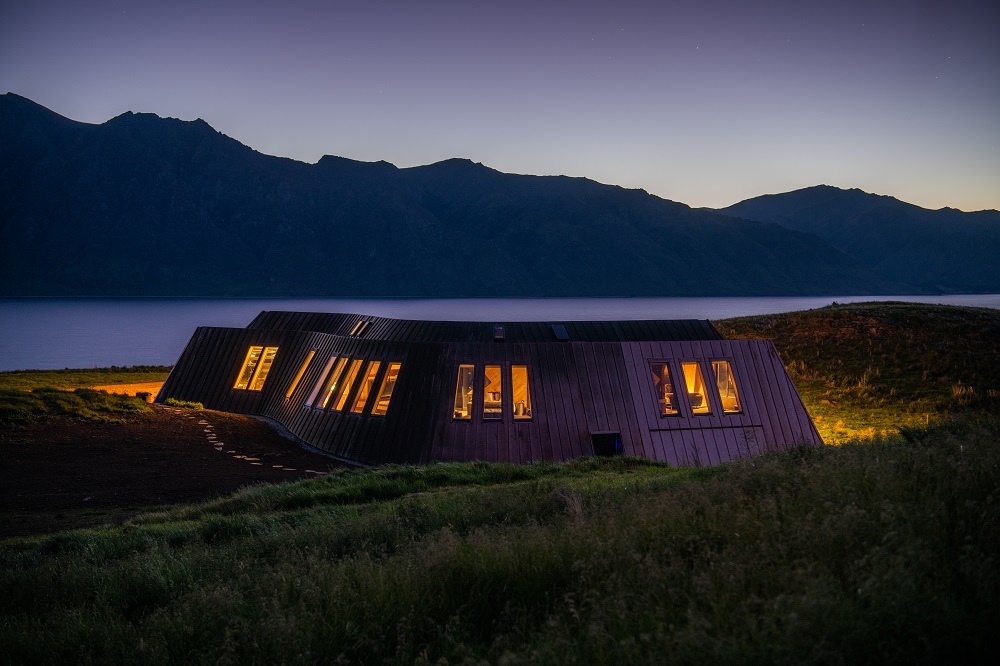
The ultra-luxe Mt Isthmus private villa is near New Zealand’s Lake Hawea. Photo: The Lindis Group
New Zealand’s Craigieburn Valley, in the Canterbury region, is largely undiscovered by international visitors and offers uncrowded opportunities for outdoor activities in breathtakingly dramatic South Island surrounds: hiking and mountain biking, bouldering, rock climbing and cave walks, fly-fishing and spectacular stargazing—as well as steep, deep, and backcountry skiing in the Southern Hemisphere’s winter months. The addition of Flockhill Villas has made this region more accessible to discerning travelers. A trip here combines well with a visit to Christchurch, Kaikōura, and/or Aoraki/Mt. Cook National Park and International Dark Sky Reserve.
Australia’s Northern Territory can be tricky to work into a multi-country itinerary due to the time required to get there and get around (given the vast distances), but those who make it are treated to red-earth deserts, lush green watering holes, star-filled skies, uniquely Australian wildlife, and authentic Aboriginal experiences.
Most overrated place
While Auckland is a thriving city in a beautiful location, New Zealand is all about getting out of the cities. Auckland is also a mini version of Sydney—so if that’s on your list, you can skip the former, or use it only as a base to explore the beautiful islands and beaches on its doorstep.
Hidden gems
At the top of New Zealand’s South Island, where four fast-flowing rivers meet, Murchison is a mecca for in-the-know anglers, keen kayakers, and whitewater rafters, while the nearby Maruia River Retreat invites tranquil rest and relaxation in one of the most beautiful and undiscovered corners of New Zealand. At this if-you-know-you-know retreat, a little over three hours’ drive (or just a short, scenic heli-hop) from Christchurch and nestled in nature, you can soak up New Zealand’s untouched nature and warm hospitality with Hatha yoga classes, outdoor hot tubs, forest bathing, a Finnish sauna, macrobiotic menus, massages, and more.
In Australia, Lord Howe Island is a tiny, World Heritage-listed island and paradise for nature lovers, a two-hour flight from Sydney with fabulous hiking, snorkelling, diving, birdwatching, fishing, and more. While there is a great choice of accommodations, activities, and eateries on the island, visitor numbers are limited, and “remote” means no traffic lights and no mobile phone coverage.
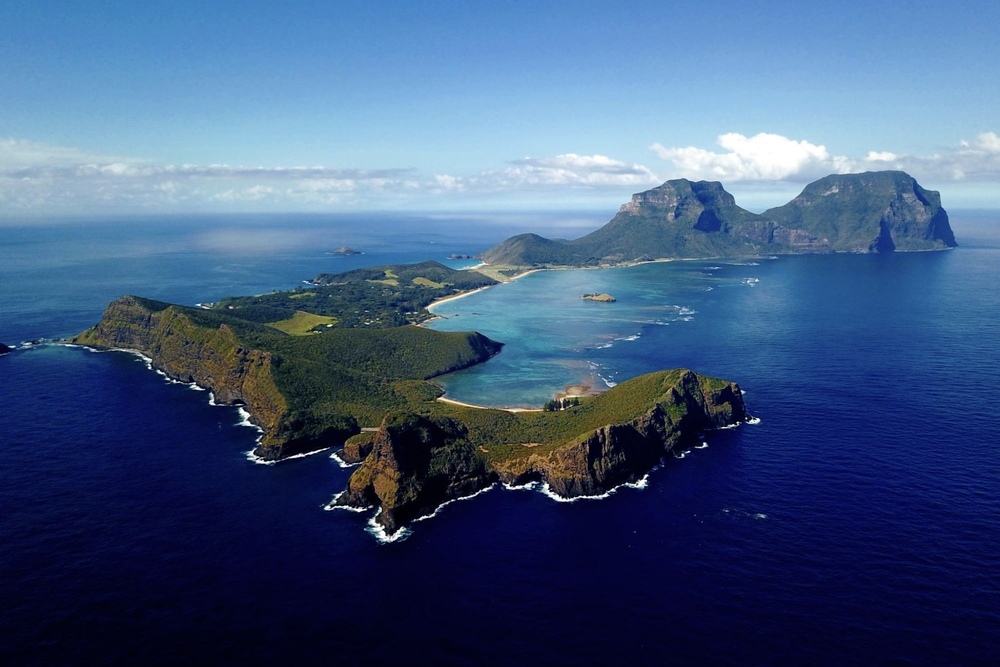
Lord Howe Island is a remote paradise for birding, hiking, and diving. Photo: Baillie Lodges and Ian Hutton
Don’t bother
Hiring a campervan. They have become very overpriced, and now that many parts of both countries have banned “freedom camping”—the ability to park anywhere—they no longer offer the flexibility they once did. Campervans are also not particularly compatible with New Zealand’s winding roads, and many locals are quite opposed to the scenic obstructions when parked en masse in the height of summer.
Cheap thrill
There are countless places to enjoy star-studded Southern-Hemisphere skies—from New Zealand’s Southern Alps (the South Island’s Aoraki Mackenzie region is home to an International Dark Sky Reserve) to Australia’s vast outback. Time your stargazing right and you may even catch the spectacular Southern Lights (Aurora Australis).
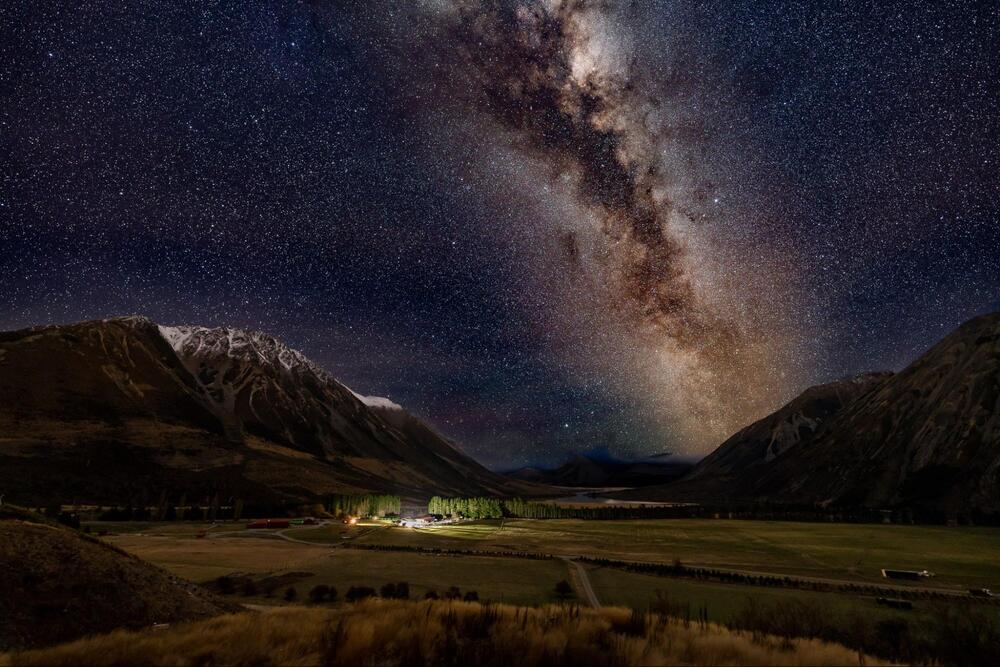
Stargazing in Craigieburn Valley offers a low-light-pollution experience. Photo: Flockhill
If “cheap” isn’t a requirement for your stargazing, book one of the glass pods at The Lindis in the Ahuriri Valley and enjoy the twinkling skies from your outdoor hot tub with a flute of New Zealand sparkling wine in hand.
Bragging rights
Sarah can arrange an exclusive overnight glamping experience for two at New Zealand’s dramatic Earnslaw Burn hanging glacier. Guests helicopter over the Southern Alps, with alpine landings showcasing some of New Zealand’s most breathtaking nature in total seclusion. A real highlight of the experience: watching the glistening glacier as it gives way to star-studded skies.
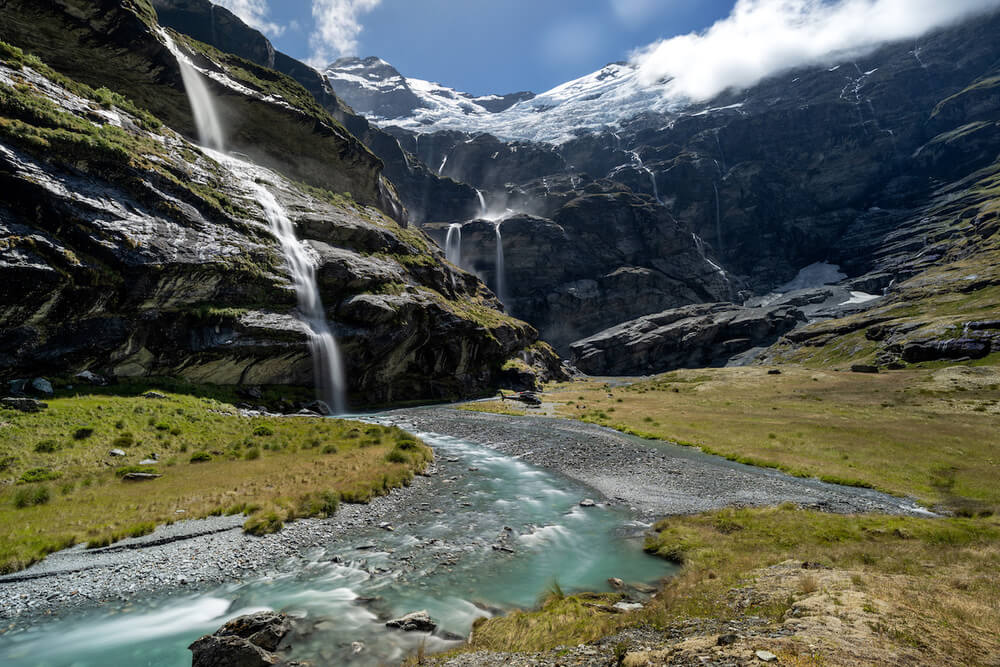
The remote Mt. Earnslaw basin is a popular scenic flight or heli-hike excursion. Photo: Heli Glenorchy
In Australia, she’s arranged a birthday party on Shark Island in Sydney Harbour with an Aboriginal welcome and smoking ceremony, didgeridoo players, dinner prepared by one of the city’s most acclaimed chefs, and a private fireworks display.
Prime Picnic Spot
Mountaintop, lakeside, or beachfront? Visitors to New Zealand are spoiled for choices for picture-perfect picnic spots across the country. Moke Lake is a well-rewarded detour on the scenic drive between Queenstown and Glenorchy, where picnickers can enjoy breathtaking mountain and lake vistas together. For those looking to really take their picnicking to new heights, Sarah can arrange private chef-prepared picnics on secluded mountain peaks.
Across the Tasman, Sydney’s waterfront Botanic Gardens are hard to beat for the picture-perfect picnic spot: a beautiful leafy setting with the harbor, opera house, and bridge as your backdrop.
Where to Stay and Eat
Best bang-for-your-buck hotels
Auckland’s Hotel Britomart is the first in the country to earn five green stars from New Zealand’s Green Building Council; it gets another five stars for its service and elegance. All of the rooms are the same extremely compact size—but all exceptionally tasteful and considered—so you’re best off booking one from the least expensive Laneway category.
In Sydney, if your time is short, it’s possible to combine Sydney Harbour views, native Australian wildlife right outside your room, and dinner at one of the city’s hottest new restaurants in a single hotel stay, provided you book a room at the Wildlife Retreat at Taronga, located within Sydney’s Taronga Zoo.
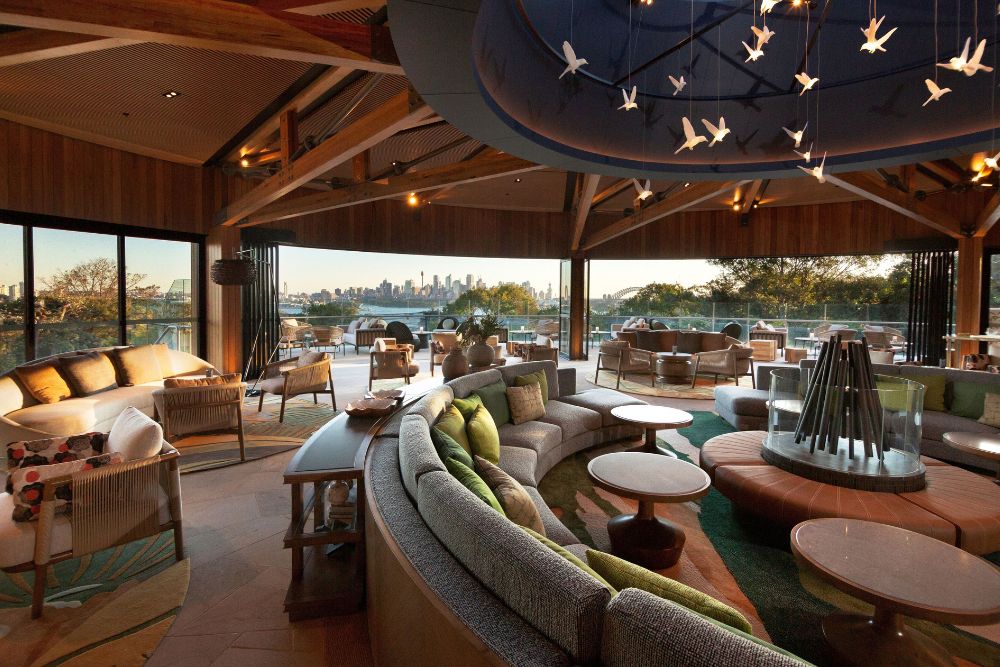
Taronga Zoo contains an elegant eco-retreat overlooking Sydney Harbour. Photo: Wildlife Retreat at Taronga
Best-value splurge lodges
The ROKI Collection Queenstown is an ideal base for enjoying the region’s outdoor adventures and then returning to breathtaking lake and alpine views, delicious dining, luxurious rooms and a stunning indoor pool, jacuzzi and sauna.
Ten miles off the coast of Queensland, Australia, Qualia’s 60 ultra-luxe pavilions (what they call their standalone private villas) are nestled into the northern tip of Hamilton Island and surrounded by the Great Barrier Reef. You can fill your days here with snorkeling, scuba diving, flightseeing by helicopter or seaplane, spa treatments, or even a jaunt by private yacht to a secluded beach where you’ll be dropped off with Champagne and a gourmet picnic.
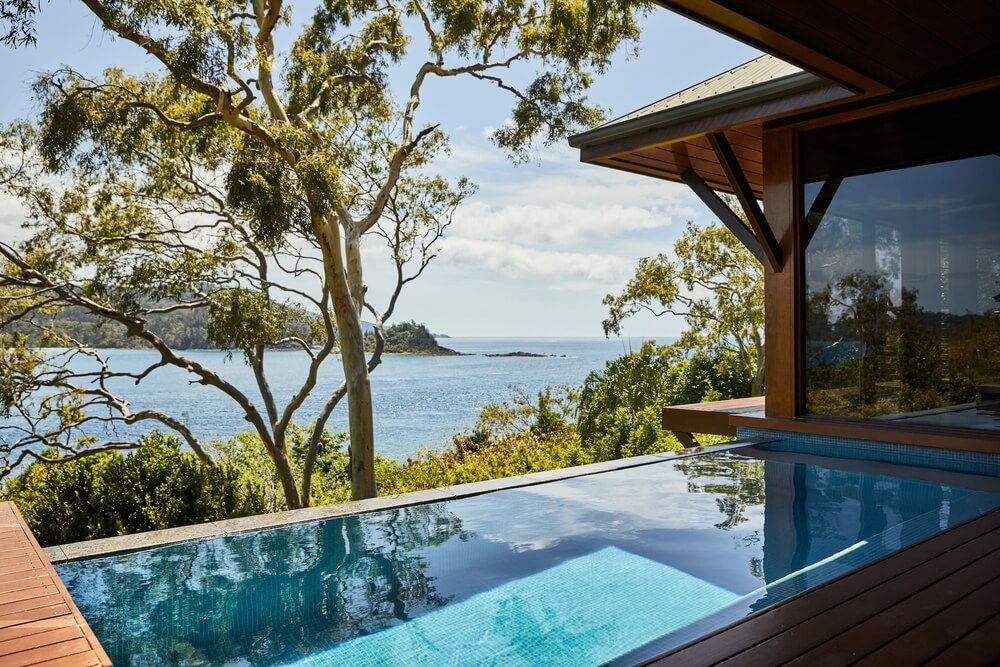
Qualia Resort, on the north end of Hamilton Island, neighbors the Great Barrier Reef. Photo: Sharyn Cairns
Restaurants the locals love
Amisfield is a restaurant and winery on the outskirts of Queenstown, near Lake Hayes. Despite receiving a lot of press after the Duke and Duchess of Cambridge visited in 2014, the bistro’s team have kept their heads down and continue to serve delicious dishes with a lovely local flair—nothing too fancy or fussy, but reliably tasty. The place is always full of locals, which tells you something about its consistency of service and culinary excellence. If you have time for a long and lazy lunch, ask for the “Trust the Chef” option: Simply let them know of any dietary requirements, then sit back, relax, and they’ll bring a selection of dishes to your table.
Fratelli Paradiso is a lively neighborhood trattoria in Sydney’s trendy Potts Point, and a favorite with both locals and in-the-know visiting celebrities; Elton John never fails to enjoy a casual meal here when in town. Friendly waiters translate the blackboard menus as the chefs prepare their signature dishes—Calamari Sant’Andrea and delicious lasagnes—best enjoyed with a glass of wine from the extensive list of Italian and Australian labels. As locals would expect, it’s open seven days a week for all-day dining.
Café Paci is a welcoming and lively neighborhood favorite in the heart of Sydney’s vibrant and Bohemian suburb of Newtown. The menu at this intimate bistro has a European leaning with deliciously fresh Australian produce, all served with a creative twist and designed for sharing.
Dish to try
Spring is whitebait season in New Zealand, when these tiny freshwater fish become one of the country’s most sought-after delicacies. They aren’t bought in the supermarket; locals have a “whitebait guy” they buy from. The fish are most often cooked with eggs to create omelet-style whitebait fritters, which can be found everywhere from New Zealand’s top restaurants to small roadside takeaway stalls. Four of the six whitebait species are endangered, so ask if what’s being served has been sourced sustainably.
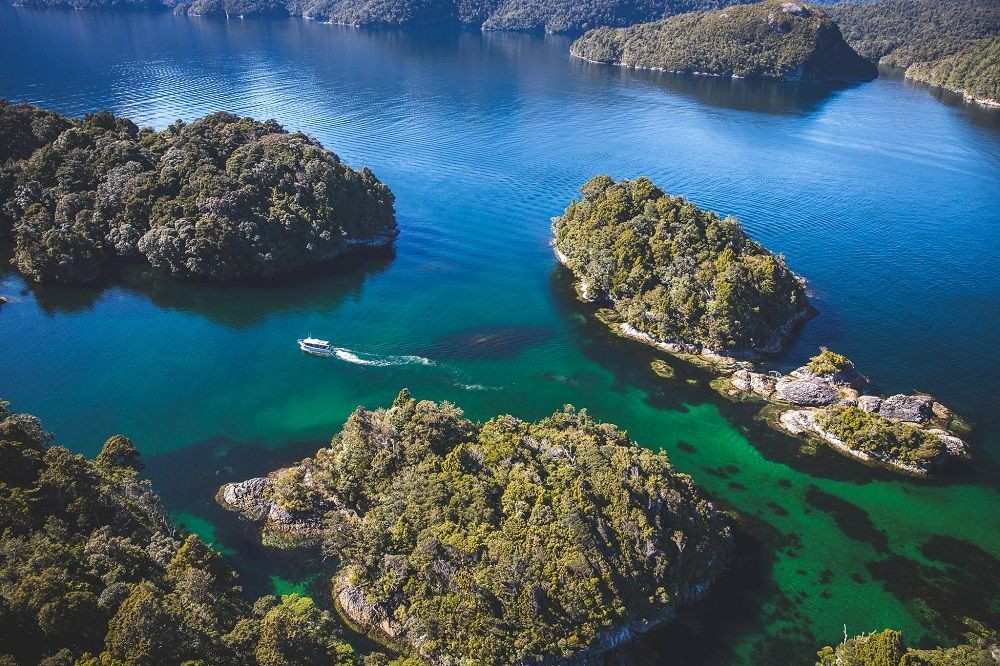
Take a private boat into Dusky Sound for a crayfish barbecue. Photo: Southern Crossings
Meals worth the splurge
On New Zealand’s South Island, in a region inscribed as a UNESCO World Heritage site, Sarah can arrange for the ultimate indulgence in both fresh seafood and untouched scenery: A private helicopter takes you on a scenic flight—over rainforests, mountains, glaciers, and fjords—to a custom-built boat in Dusky Sound, one of Fiordland National Park’s most remote inlets. Here you can fish or hike the shoreline where explorer Captain Cook first came ashore in 1773, and where today dolphins, fur seals, and other wildlife abound. For lunch, your pilot will actually dive into the icy-cold waters, harvest a couple of crayfish from the sea floor, and barbecue them to be served with gourmet sides and New Zealand wine and beer.
In Australia’s dining capital of Melbourne, Attica serves innovative degustation menus that showcase local Australian produce such as salted red kangaroo and King George whiting in paperbark, as well as ingredients foraged by head chef Ben Shewry himself.
How to spend a lazy Sunday
Farmers markets’ have made a big comeback in recent years and are held in many cities and towns across New Zealand on Sunday mornings (and sometimes Saturdays). Head north from Auckland to Matakana for a delicious brunch freshly harvested by the farmers themselves, and ask the locals which coffee cart is the best; or wander the new and delicious Ayrburn precinct near Queenstown that showcases some of the Otago region’s fabulous produce with a collection of bars, restaurants, gardens, and galleries. In Australia, there is Melbourne’s Queen Victoria Market, the very tasty South Melbourne Market, and Hobart’s delicious Farm Gate Market.
Stroll the waterside precincts of Wynyard Quarter (Auckland), Queens Wharf (Wellington), The Terrace (Christchurch), or Steamer Wharf (Queenstown) to spend a lively couple of hours with the locals.
As for your Sunday afternoon, if you’re in Auckland, catch the ferry across the Waitemata Harbour to Waiheke Island. Known affectionately as the Island of Wine and just 40 minutes from downtown, Waiheke is where locals go for a relaxed vibe, long lunches looking back across to the city, strolls past coastal sculpture, and beach walks.
For a lazy Sunday afternoon in Sydney, catch the ferry across the harbor to Manly, where you can enjoy a coastal stroll, a swim in the surf, and a sundowner with the locals by the water’s edge on Manly Wharf.


Get a Personalized Trip Recommendation
For a travel solution tailored to your trip goals and preferences, click this green box.

Best Times to Go
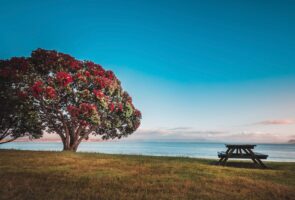
Tail end of summer: March and April bring T-shirt days and duvet nights, they’re less crowded than the peak Southern-Hemisphere summer months, and rates are a bit lower.
In October and November the gardens are lush, the countryside is vibrantly green in New Zealand’s North Island and still snow-capped in the South Island, and you get lovely spring weather in Australia.
June through August is the optimal time to combine skiing and spectacular stargazing in New Zealand with a beach vacation in Australia’s Great Barrier Reef. Early August is ideal for heli-skiing and notching untracked runs on private ski fields after the local schools have returned from winter break.
Worst Times to Go
June, July, and August: For those not looking to ski or wishing to explore the region’s southern reaches—New Zealand’s South Island and Tasmania—these months can get chilly, and many of New Zealand’s iconic hiking trails close over this period.
Biggest Rookie Mistake
Trying to combine Australia and New Zealand in less than two weeks: Most of your time will be spent traveling rather than experiencing. If you can only get away for two weeks, don’t try to cover multiple regions in each country; instead, look at combining Sydney with New Zealand, for example, or Australia with Queenstown.
Can't-Miss Photo Ops
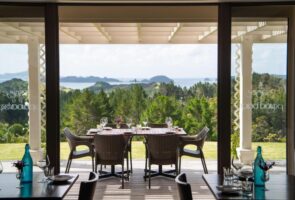
Choosing a favorite comes down to individual passions. That might be looking out over the beautiful Bay of Islands from Sage Restaurant, with a glass or two of the estate’s award-winning wines in the foreground. Or helicoptering to a spectacular vantage point to capture the snow-capped Southern Alps without another soul in sight. Or cruising beside Fiordland’s cascading waterfalls to perhaps also catch a New Zealand fur seal lounging on the rocks.
The Souvenirs
Manuka honey, which New Zealand bees produce from the nectar of the native manuka plant. It’s more than a delicious breakfast spread; Māori traditionally used manuka for its healing properties, and you can now also find a great range of manuka honey-based skincare products to take home.
Perhaps the most meaningful souvenir is a culturally significant pounamu (or greenstone) piece of jewelery. For a truly personalized gift, Sarah can also introduce visitors to local greenstone carvers.
Must-have App
The MetService weather app for New Zealand is handy, with such a changeable climate and so many activities being weather-dependent (although Sarah monitors weather closely for her travelers).
For a more streamlined immigration experience, use the official NZTD (New Zealand Traveller Declaration) app.
Airport Intel
Auckland International Airport is not physically attached to Auckland Domestic Airport, which makes connecting flights a bit of a headache. While most airlines allow you to book flights with as little as one hour between them, this is almost impossible to make! Two hours is a realistic minimum connection time. For the smoothest logistics, Sarah can arrange for someone to meet you at the plane and for a private car to take you between terminals.
If your U.S.-Australia flights have you changing planes in Auckland, you’ll need to apply for an NZeTA before you fly. (Downloading the NZeTA app will save you time and money.)
Do not bring honey or any fresh produce into New Zealand or Australia. The countries’ unique ecosystems are fiercely protected by their border controllers, who will readily fine anyone bringing in such products.
Tipping Tip
Waitstaff in New Zealand and Australia are not dependent on gratuities for their income. Tipping is entirely discretionary as an appreciation of good service. A tip in the vicinity of 10% in recognition of excellent service has become the custom in cafés and restaurants. Taxi drivers and hotel porters appreciate a small tip, but no more than a dollar or two is expected.
Don’t Forget to Pack
Sunglasses and a hat. The sun is strong and the air particularly clear, so these two items are essential year-round.
A swimsuit, since you are never far from a beautiful beach or an inviting hot tub.
Think in layers. Particularly in New Zealand and Australia’s southern regions, the weather can change from sunny and hot to cool in a matter of hours, whether you are traveling in summer or winter.

Stay in the Know With Our Newsletter