
Make Your Next Trip Extraordinary
Insider’s Guide to Madrid: Local Intel on Flamenco, Tapas, and More
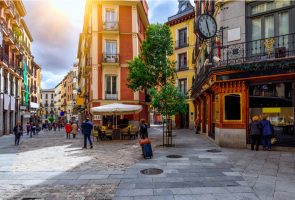
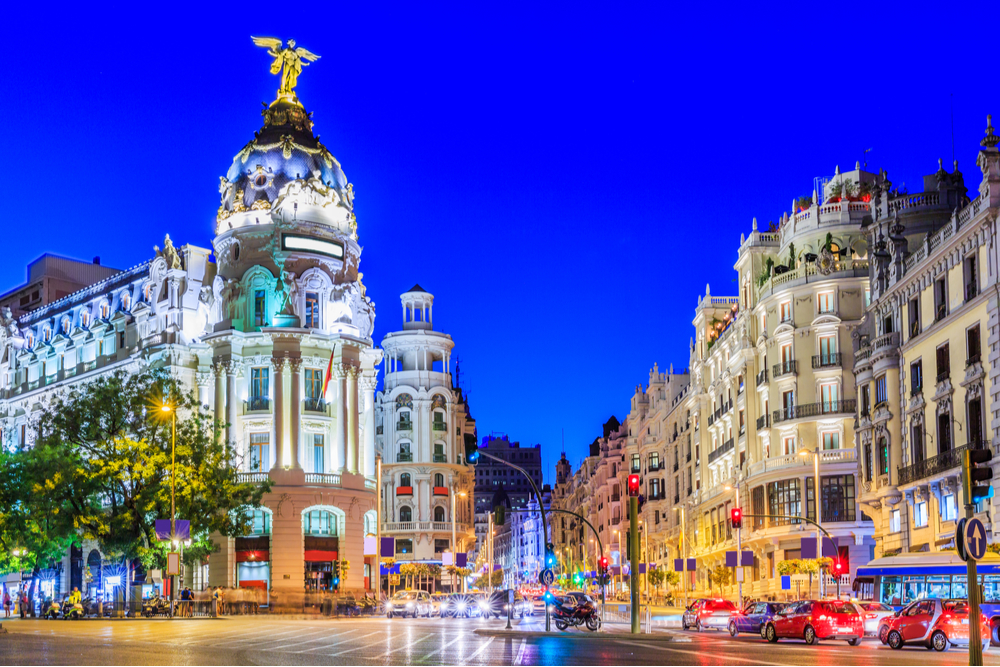 Madrid's Gran Via shopping strip glows with activity at night. Photo: Shutterstock
The insider advice on this page is from one of Wendy’s Trusted Travel Experts for Spain and Portugal: Virginia Irurita of Made for Spain & Portugal.
Born and raised in Spain, Virginia has a little black book thick with the names of local experts eager to show you their corners of the Iberian peninsula: architects, chefs, flamenco dancers, museum curators, even aristocrats living in ancient castles and palaces that are practically museums themselves. Her bespoke itineraries extend to all of the Balearic Islands, Madeira, Tenerife in the Canary Islands, and São Miguel in the Azores. Virginia has a keen interest in wine and winemaking, and she is well-connected in the foodie world. Her savvy local drivers and clever guides will save you considerable time and hassle. If you prefer to rent a car and drive yourself, click to Ask Wendy for a different recommendation.

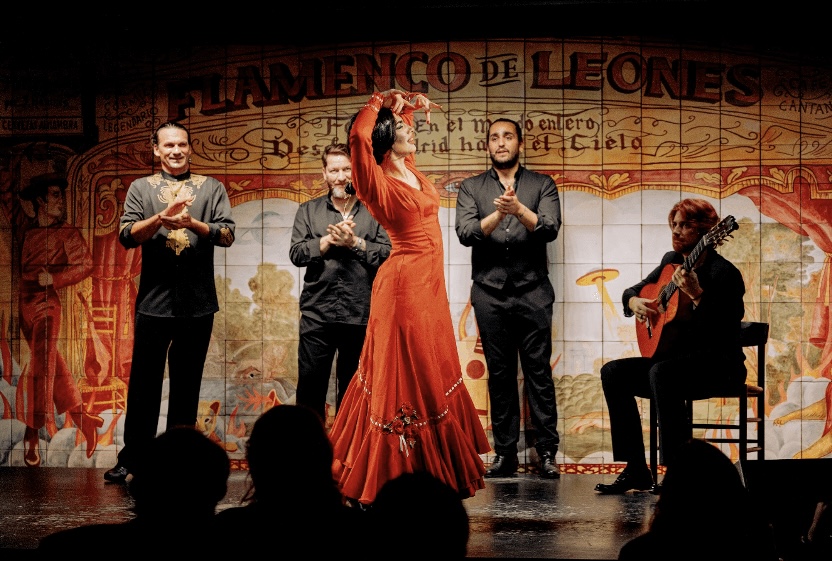
There are many flamenco shows in Madrid; make sure you’re at one of the best. Photo: Flamenco de Leones
What to See and Do
Don’t miss
One of Madrid’s two best flamenco experiences:
Corral de la Morería, the first flamenco tablao to receive a Michelin star, is a family-run operation that has been open since 1956. It’s the venue to catch some of the best flamenco performances in the country—many dancers who normally only perform in large venues make exceptions for intimate shows here.
Flamenco de Leones blends contemporary gastronomy with modern and sophisticated performances. Enjoy vibrant dances, passionate music, and a curated selection of tapas and traditional dishes, paired with a glass of Fino sherry and freshly carved Iberian ham.
The Royal Collections Gallery opened in 2023 in the Campo del Moro gardens, next to the Almudena Cathedral and the Royal Palace. Its collection runs the gamut from tapestries and carriages to furniture, sculpture, architectural elements, paintings, and other pieces of art or history treasured at one time by the kings of Spain.
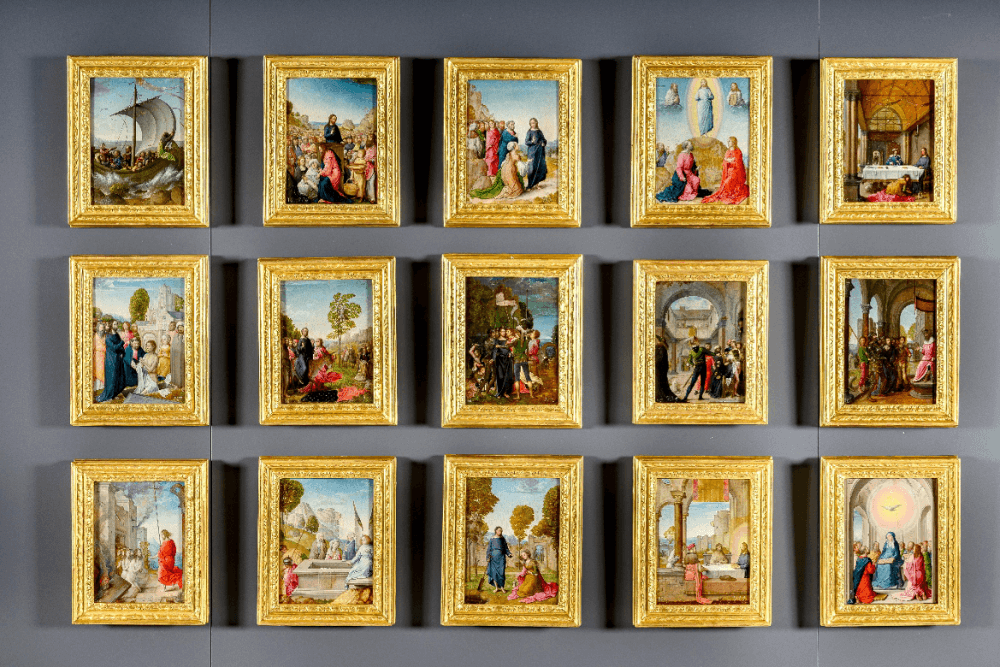
The Royal Collections Gallery displays arts owned by Spain’s kings. Photo: Patrimonio Nacional
Don’t bother
Eating in the Plaza Mayor. This historical square is a sight to be seen, but it’s filled with buskers who make a longer stay unpleasant, and the restaurants geared toward tourists should be avoided at all costs by anyone looking to enjoy true Spanish cuisine.
Cheap thrill
Cross the Segovia Viaduct, which connects the Royal Palace to Las Vistillas Gardens. Have a coffee in one of the terraces, and don’t miss the view to the Almudena Cathedral. If you are in town in August, don’t miss the traditional Virgin de la Paloma Festival—one of Madrid’s most important summer fiestas—which takes place in Las Vistillas. This is a great time to soak up the atmosphere on the streets, with people dressed in traditional local costumes and dancing the chotis. Along with religious traditions like the procession of the Virgin, there are street shows, music of every kind, and tapas routes. Especially after sunset, Spaniards come out to have a drink at the outdoor bars and see the streets decorated with lights and garlands.
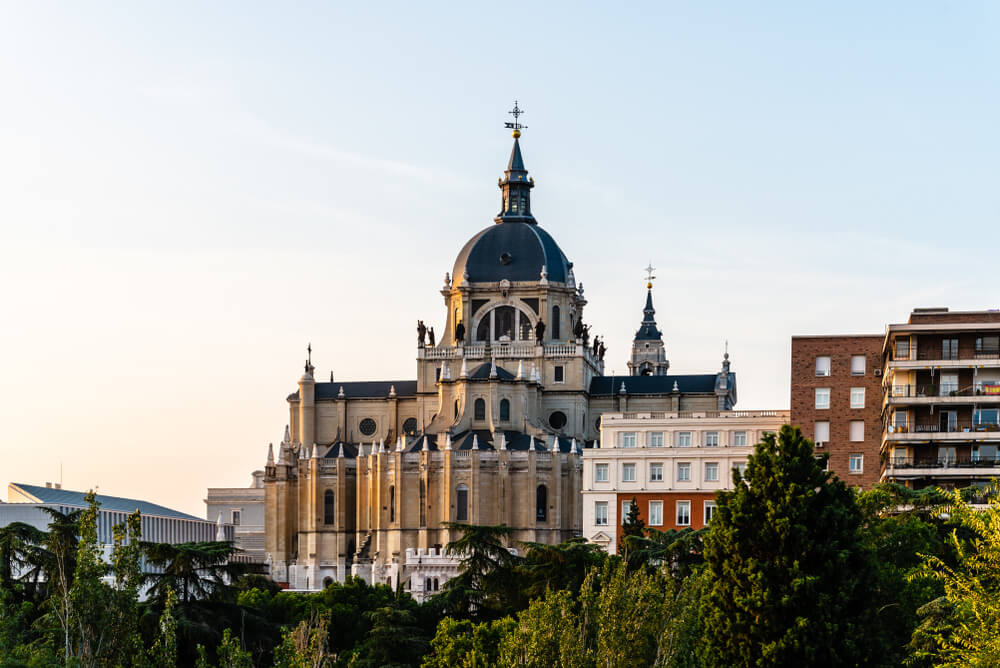
A view of the Almudena Cathedral from Las Vistillas Gardens. Photo: Shutterstock
Bragging rights
Spend the morning art-gallery-hopping with Pablo Alvarez de Toledo, an artist, university professor, and top art expert with more than 20 years of experience. Discover the artistic vibrancy and diversity of Spain’s most cutting-edge art galleries.
Downtime
Check out the boutiques in the Salamanca, Fuencarral or Las Letras neighborhoods to find chic homewares, fashions, and accessories that you would never see in the U.S. Take a break from the treasure-hunting at Restaurante Cadaqués to enjoy one of their spectacular wood-fired rice dishes with a glass of Alvariño.
Where to Stay and Eat
Best bang-for-your-buck hotel
Located on a quiet street in Madrid’s city center, Hotel Orfila is a Relais & Châteaux boutique property housed in a 19th-century palace with spacious rooms and suites, intricately patterned wallpapers, and traditional wooden furniture. Its restaurant is known for avant-garde cuisine and afternoon tea.
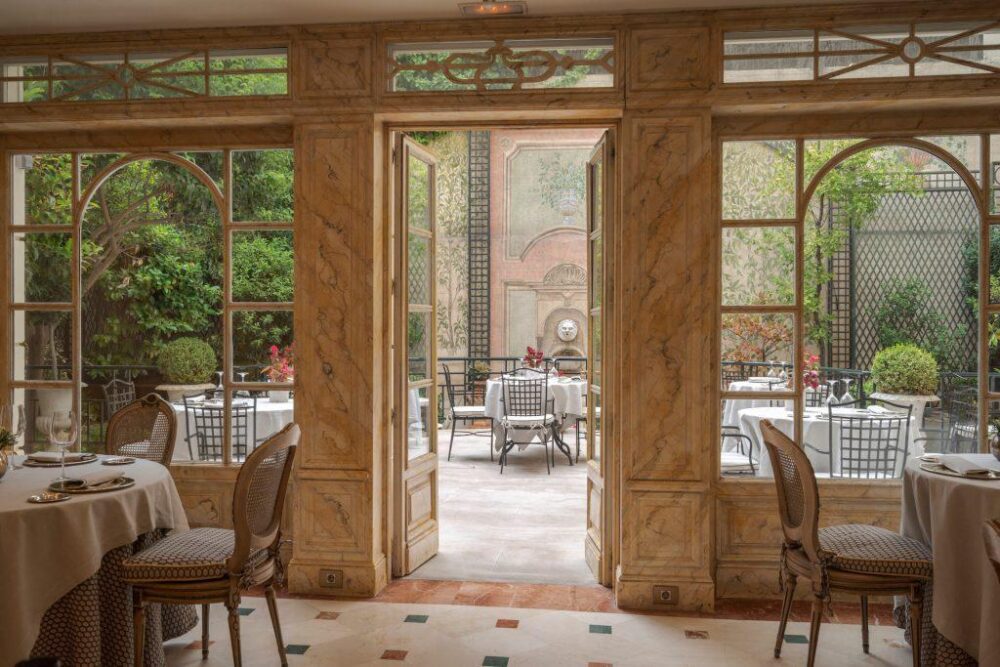
Hotel Orfila is tucked on a quiet street in Madrid’s city center.
Best-value splurge hotel
Surrounded by stately embassies and upscale residential buildings, the five-star URSO Hotel & Spa combines neo-classical style with contemporary comforts. Its marble floors, oak paneling, and impeccable decor reflect the historic splendor of this 20th-century palace; modern additions like the indoor plunge pool, fitness facilities, and spa cement its status as a haven of 21st-century luxury.
Restaurants the locals love
DBellota Canalejas serves up the crown jewels of Spanish gastronomy: Ibérico ham, Spanish cold cuts, and local cheeses, all accompanied by an exquisite selection of regional wines.
It doesn’t get much more traditional than La Tasca Suprema, which has been serving locals simple, comforting dishes for more than 125 years.
Meal worth the splurge
Traditional and avant-garde sensibilities come together at the Michelin-starred Saddle Madrid, a contemporary space with seasonal menus.
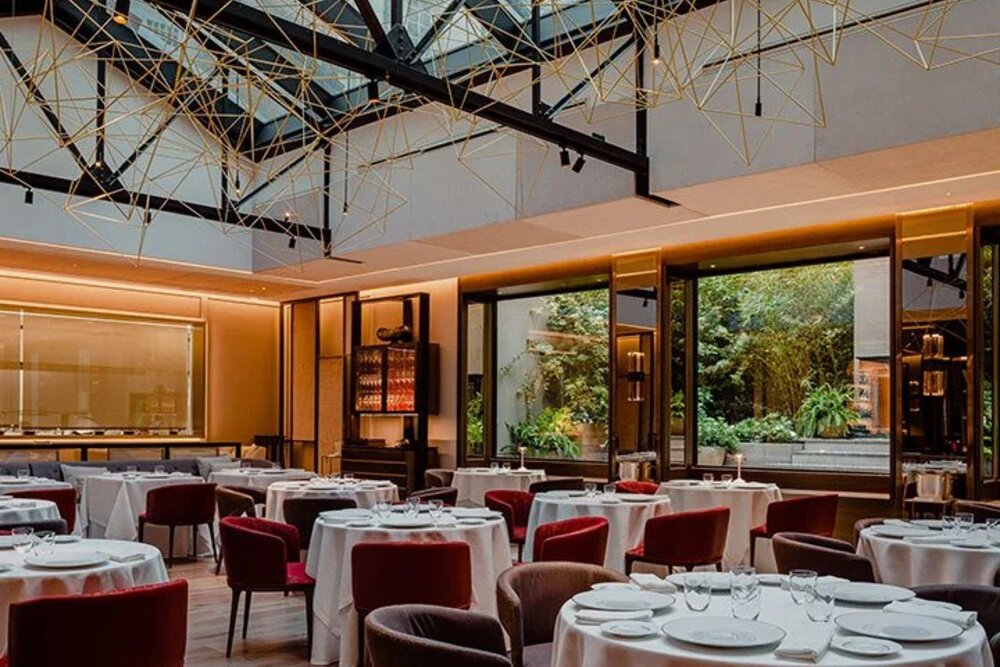
Saddle Madrid has seasonal menus and contemporary decor.
Dishes to try
Bocadillo de calamares (a baguette stuffed with batter-fried squid) is a Madrid specialty and the perfect ending to a stroll through the old quarter or the Rastro flea market on Sunday.
Huevos estrellados (smashed fried eggs over a bed of crispy chips) is the signature dish at Casa Lucio, one of Madrid’s most famous restaurants. Lucio began working here when he was 12 and ended up buying the place; it’s got great ambience and delicious, high-quality food at affordable prices. (The tripe and roast baby pig are also fantastic.)
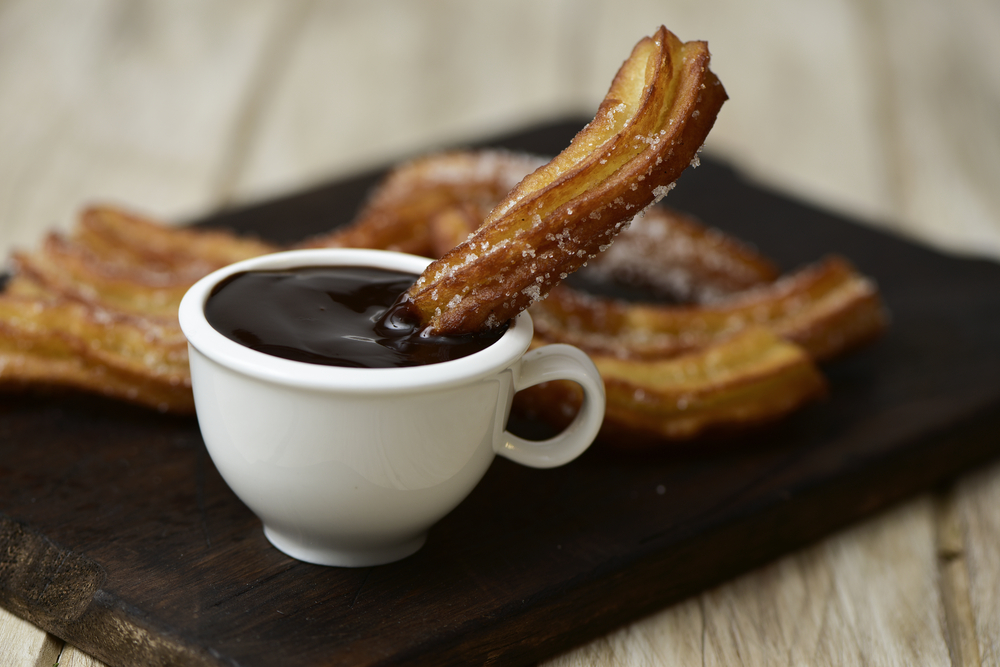
Churros con chocolate is a favorite snack at a terrace in the city. Photo: Shutterstock
Churros con chocolate. Churros are distant relatives of doughnuts; the best way to eat them is while sitting at a table in the old part of the city, relaxing and watching the madrileños pass by.


Get a Personalized Trip Recommendation
For a travel solution tailored to your trip goals and preferences, click this green box.

Best Times to Go
Madrid is at its most beautiful in April and May, when temperatures are mild, terraces are open for dining and people-watching, and the city sparkles with an amazing light. The season climaxes in mid-May, when everyone pours into the streets to celebrate San Isidro.
In September and October, the blistering summer heat abates and cultural events pick up again.
Worst Time to Go
Mid-July through mid-August, when the heat is intolerable.
Biggest Rookie Mistake
Expecting to dine at an hour when most cooks are still doing their prep work. Locals sit down for their evening meal between nine o’clock and midnight. You can eat earlier, but you won’t eat well.
Tipping Tip
Tips are not customary in Spain. Everyone has a salary. Tip only when the service is extra good, never when it’s sub par.
Instagram Moments

To capture the royal palace, plant yourself at the ancient Egyptian Temple of Debod, given to Spain when the Aswan Dam was built. (The temple itself is plenty photogenic too.)
For a dramatic view of the city skyline, go to Parque Cerro del Tío Pío at sunset. People like to come here for an evening picnic or a quiet stroll—it is a very romantic spot.
The Souvenir
Violetas, the flower-shaped candy that is a symbol of Madrid. Get them at La Violeta near the Puerto del Sol; this tiny, elegant shop has been selling the sweets since 1915.
Don't Forget to Pack
Your walking shoes; Madrid is made for strolling.

Stay in the Know With Our Newsletter