Make Your Next Trip Extraordinary
Insider’s Guide to Wild Norway, from Kayaking the Fjords to Off-the-Grid Lodges
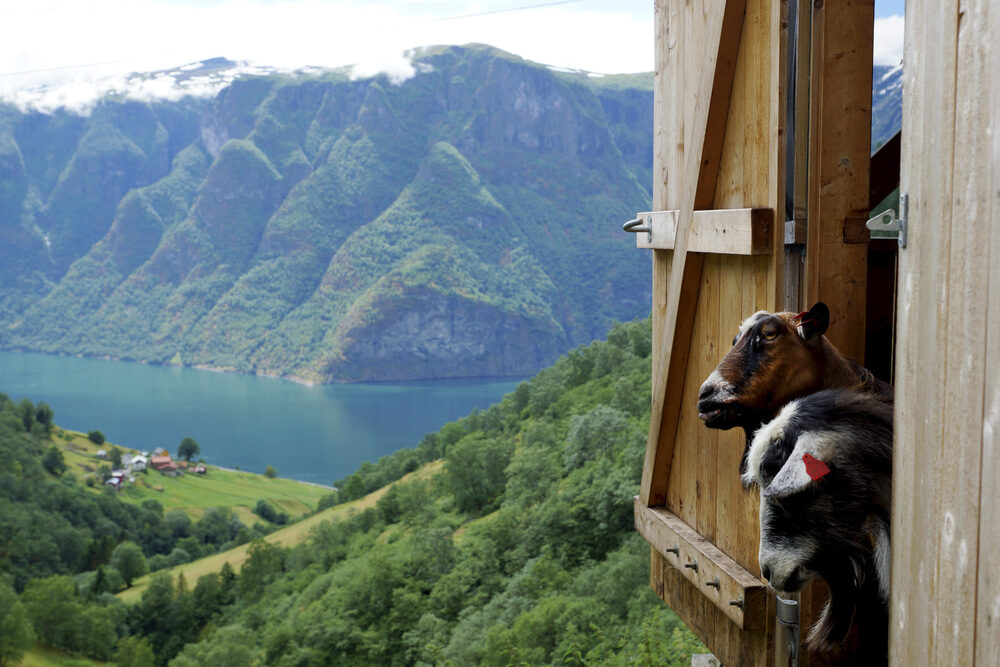 Norway's Aurlandsdalen Valley is a hiker's paradise—maybe a goat's too. Photo: 29|2 Aurland hotel
The insider advice on this page is from one of Wendy’s Trusted Travel Experts for Norway: Torunn Tronsvang of Up Norway.
A globetrotting Norwegian who spent three years in Bhutan working for Aman Resorts, Torunn returned home and launched her own business to show travelers a more authentic and sustainable side of her country. Her trips focus on getting people out into the country’s stunning landscapes via mountain bike, kayak, dog sled, or even hut-to-hut overnight hikes. Her preferred accommodations include stylish treetop cabins, domes with see-through ceilings, and luxurious off-the-grid lighthouses—cozy places where you’re hosted by the owners and introduced to the local culture and traditions. Torunn also likes to include food experiences (harvesting, foraging, cooking classes) and indigenous interactions in her itineraries. She is savvy about integrating different forms of transportation—trains, rental cars, private drivers, public ferries, private boats—in a way that is seamless for the traveler.

Where to Stay and Eat
Best bang-for-your-buck hotels
With its tranquil riverside setting in the southern city of Kristiansand, large garden, acclaimed kitchen, and generous hosts, Boen Gård is a boutique hotel surrounded by possibilities. Go fishing with a local angler, get a guided tour of Kunstsilo—a former grain silo transformed into a modern art and culture powerhouse—or walk along Tømmerrenna, once a gushing timber chute and now a spectacular hiking path. You can also visit a local vineyard to taste Norwegian wine shaped by salt and sun, or take a short trip on the Setesdalsbanen, a vintage steam railway. From Boen, Torunn can help you get to Under, the Michelin-starred restaurant that is half-submerged in the North Sea, and arrange a private visit to an incredible farm that specializes in both shellfish and wool.
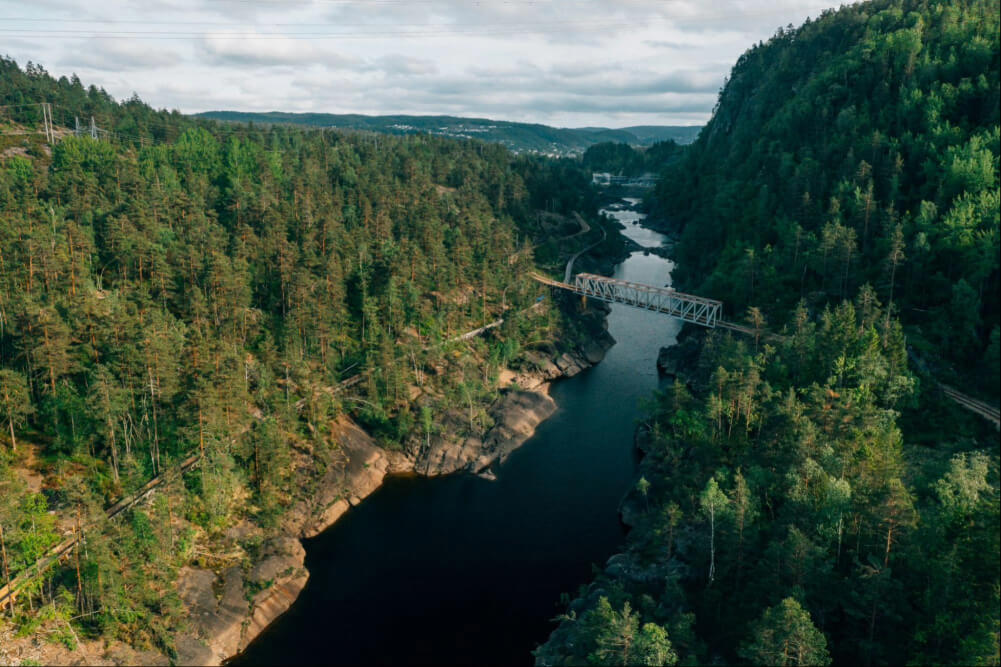
The Tømmerrenna hiking path was once a timber chute. Photo: Aaron Klein/Up Norway
A rural haven hidden away in the heart of the Norwegian fjords, Åmot gives you a taste of the country lifestyle among pastures, peaks, and waterfalls. With an ambience of seclusion and traditional charm, the villa and cottage—with three and four en-suite bedrooms, respectively—make an ideal retreat for a multigenerational group.
On its own small island with a seaweed farm, Lilløy Lindenberg is a 10-guest retreat house where guests are immersed in kayaking and sauna rituals. Also intimate—and popular with small groups—but with a more contemporary style, Lodge Havnnes is a new boutique hotel above the Arctic Circle, with eight rooms and a wellness building overlooking the Lyngen Alps.
Best-value splurge hotel
Villa Inkognito is a small boutique hotel, adjacent to the considerably larger Sommerro House, that combines timeless Norwegian design with luxurious modern comforts. With its rich history, carefully curated interiors, and personalized service, Inkognito is a serene yet sophisticated haven in the vibrant center of Oslo.
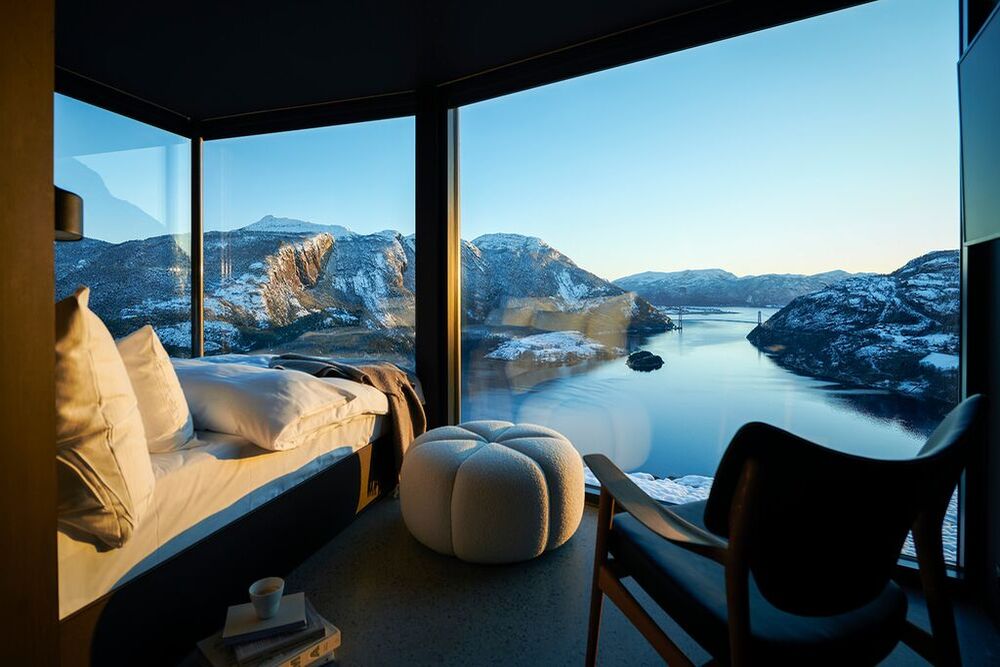
A cozy cabin at The Bolder overlooks the Lysefjord. Photo: Henrik Moksnes Bitmap
Best wilderness accommodations
The Bolder’s handful of one- and two-bedroom cabins are situated on 420 acres above the stunning Lysefjord. This style of microretreat is emblematic of Norway’s focus on sustainable architecture and design with the lightest of footprints. The Bolder’s individual “lodges” are perfectly positioned for travelers who want to hike Pulpit Rock or the Kjerag Bolt. The team from The Bolder also recently opened The Wave, a private villa perched on five acres directly on the dunes of the North Sea.
The serene Ytri Island Retreat will open in mid-2026 on Træna, an archipelagic fishing community consisting of 477 islets and skerries shaped by wind, waves, and weather. It promises to offer an elegant hotel experience in the heart of the Arctic, with streamlined architecture, natural materials, and calm hues that draw attention to the panoramic views available through its large windows. Ytri can be combined with a stay on Myken island; here, Torunn has access to a cabin designed by Knut Slinning—the man behind Juvet, Norway’s glass-and-cube hotel made famous by the series Succession.
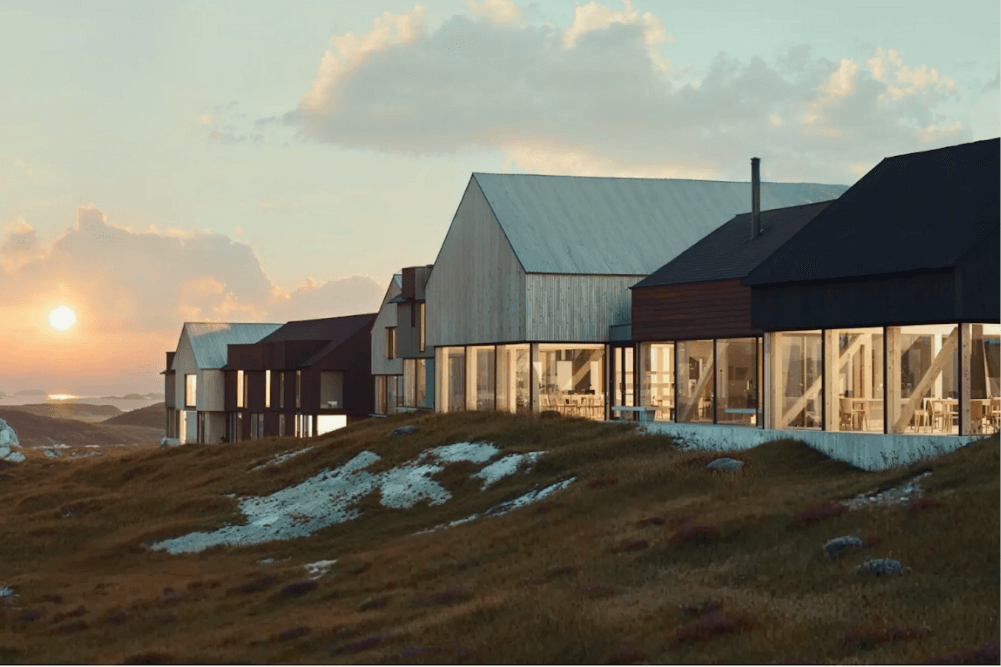
Ytri means “outermost” in Old Norse. Photo: Ytri Island Retreat
Restaurants the locals love
Head to Tollbua in Trondheim for Nordic gourmet bistro dining, where local ingredients come alive with international flavors. The innovative kitchen has an honest focus on quality ingredients, backed up by one of the city’s best cellars.
In Bergen, Gaptrast offers a Michelin-starred experience; for a more laid-back but equally creative meal, BARK Food & Wine Bar is a warm and vibrant space with top-tier seasonal ingredients sourced from local fishermen, hunters, divers, and farmers.
Nektar Vinbar, in Oslo’s Fredensborg neighborhood, serves small dishes ideal for sharing and based on top produce from local small-scale farmers. Just 150 feet down the street, the owners have opened a secret speakeasy. Torunn’s travelers are told the daily password (ssshhhh).
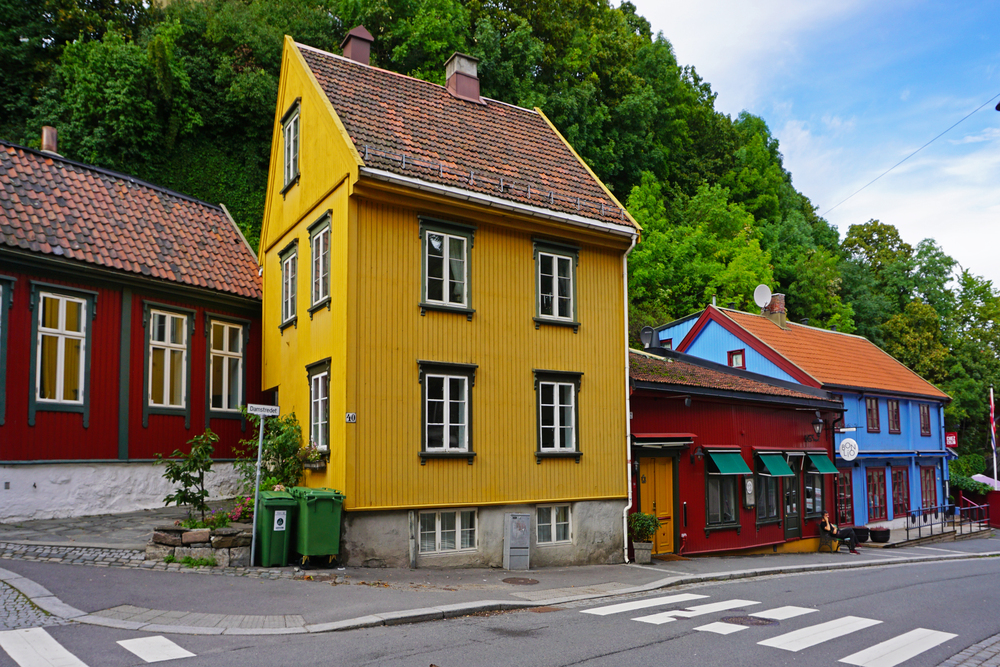
A colorful street scene in Oslo’s Fredensborg neighborhood. Photo: VisitOSLO
Dishes to try
Grilled stockfish with the traditional sides: boiled potatoes, stewed carrots, and bacon-butter. Stockfish is rich in both taste and history, as fishing has been an important part of Norway’s economy dating all the way back to the Vikings. Try it at Børsen, the restaurant at the Svinøya Rorbuer resort in the Lofoten Islands, or at one of the many fish restaurants in Tromsø.
Motti og flesk (roasted oat flour and bacon served with lingonberries) is old Finn comfort food. Have it in Finnskogen, where the grand new Forest Finn Museum offers insights about the culture and traditions of Finnish settlers who came to the region in the 17th century.
Meals worth the splurge
The beloved Michelin-star restaurant Credo, which closed after years at its location in Trondheim, has reopened in Oslo. Tucked within the stately walls of the National Library, Credo has a menu that focuses on Norwegian culinary heritage, sustainability, and regional resources—including dishes creatively plated with scallop and oyster shells.
Maaemo, in Oslo, and Renaa, in Stavanger, are two of the absolute best restaurants in the Nordic region (with a collective six Michelin stars to prove it). Consider either one an art experience as much as a meal.
What to See and Do
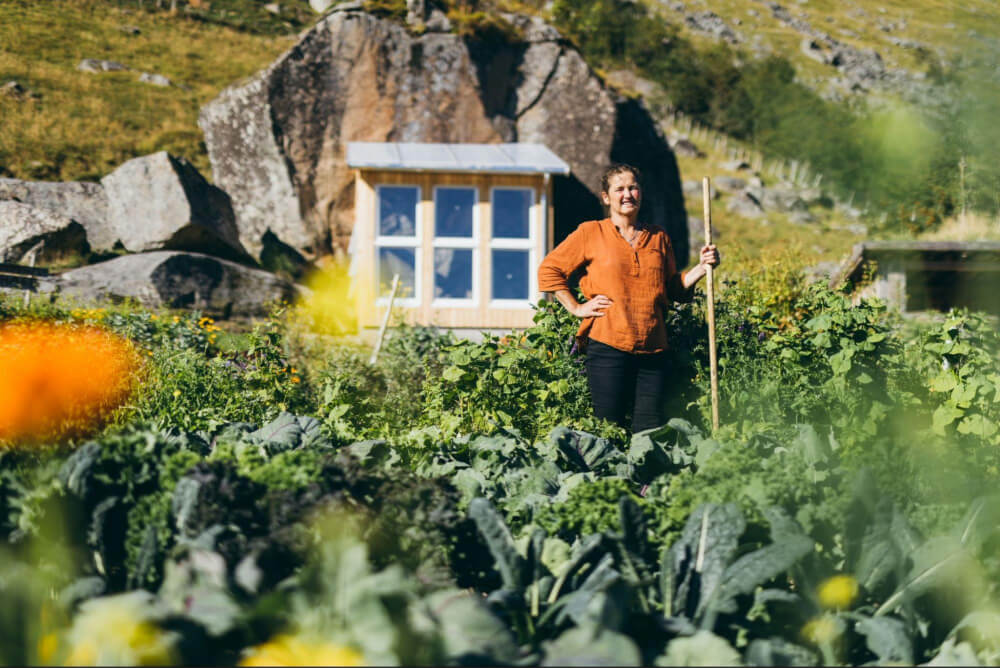
Chat with the farmers and cheesemakers at Lofoten Gardsysteri. Photo: Aron Klein
Don’t miss
A private farm visit—something that Wendy and the team made sure to do on their own trip to Norway. Thanks to well cared-for animals, subsidies that allow farmers to produce at a small scale, and protection for pasture farm culture conferred by UNESCO in 2024, cows and goats here graze in the fresh air on green mountain pastures, and their milk is top-quality. In fact, Norway has won the World Cheese Awards three times in the last several years. The Arctic cider produced along the country’s fjords has also received international recognition; May is an ideal time to visit Hardangerfjord, when its apple orchards are in bloom and sunlight glitters in the turquoise waters. Spending time with farmers, seeing how they tend to their animals and produce, hearing their passion, and tasting their products is something that leaves an everlasting impression, and can even change your food habits and eating patterns.
Don’t bother
The village of Flåm is an endpoint on one of the country’s most famous train lines. But in July and August, it becomes overcrowded and loses its charm. Instead of stopping there, a 15-minute drive from Flåm will bring you to 29|2 Aurland. This eco-lodge has soul, the hosts are wonderful, and it is the perfect place to explore the UNESCO World Heritage-protected fjord landscapes of Aurland and Nærøyfjord. With 29|2 Aurland as your home base, Torunn can arrange everything from easy historical hikes to more challenging adventures, and have you exploring the fjord by kayak, row boat, or on a state-of-the-art electric boat. There are also train lines that are less well-known but just as scenic: the Rauma Railway or the Ofotbanen railway, for example.
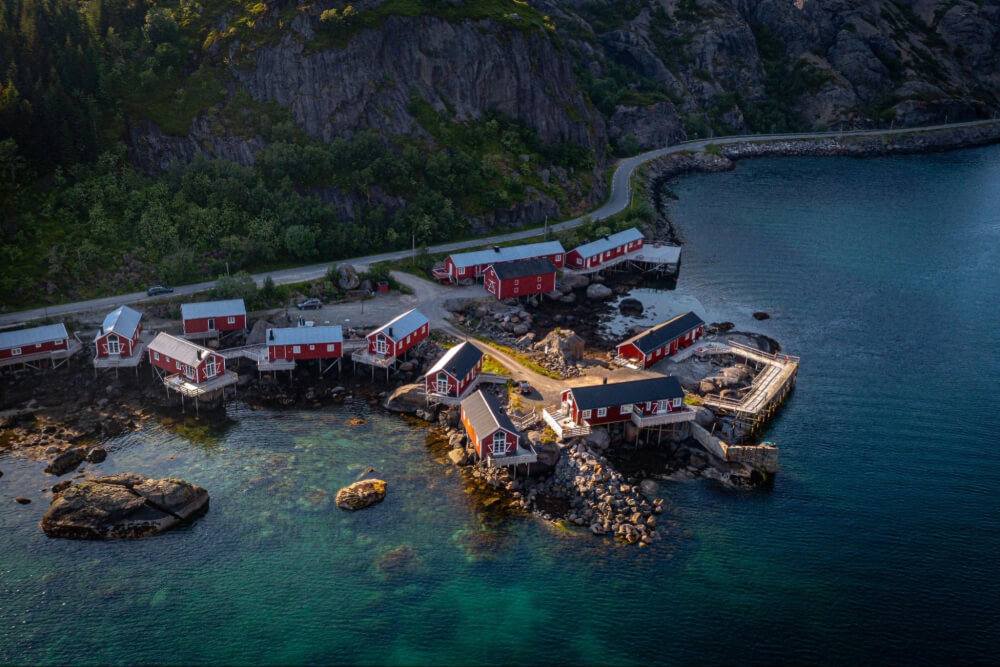
Nusfjord is a historic fishing village in the Lofoten archipelago. Photo: Up Norway
Most underrated places
The dramatic landscapes of the Lofoten Islands, situated above the Arctic Circle, are a four-season paradise for outdoor exploits: You can hike and kayak amongst their craggy peaks in spring and summer, ski and watch for northern lights in winter, and do all of the above in fall. Brakøya, a small luxury island inn, is an immersive base for kayaking, hiking, and foraging expeditions.
The Varanger Peninsula is raw, rustic, and mystical. Come here to see spectacular natural landscapes; a rich population of birds and whales; secret magical caves and mountains with supernatural powers; strong indigenous Sámi culture; local and international art, design and architecture across the Scenic Route Varanger; and authentic king-crab fishing (done as a vocation, not a tourist activity). You can also visit a reindeer sanctuary, see traces of ancient settlements, and hear stories from World War II.
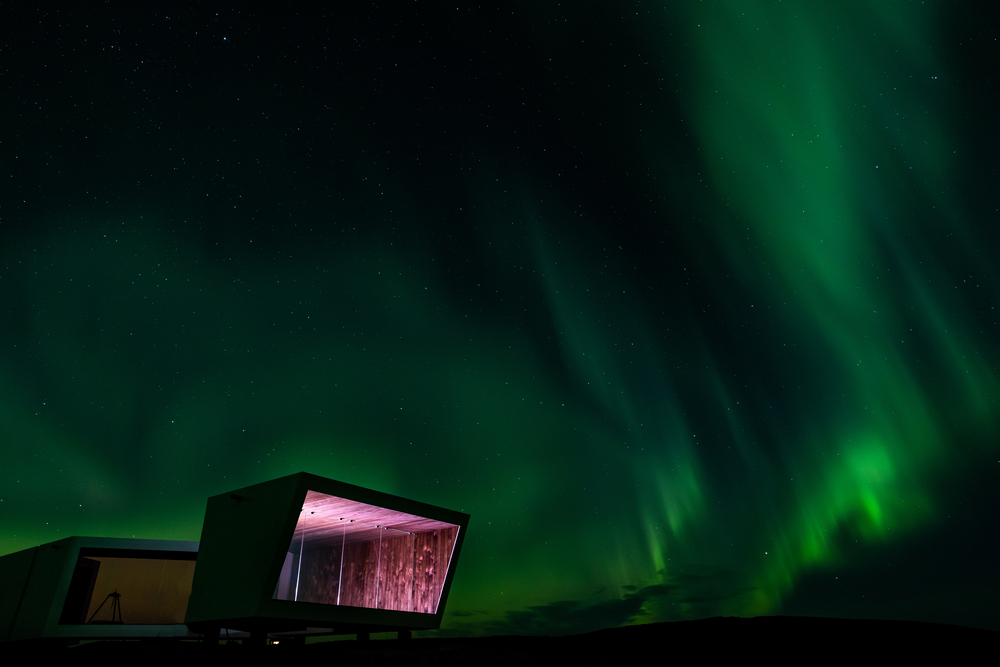
Northern lights dance above the Scenic Route Varanger. Photo: Varanger Photo / Eirik Kristensen
Most overrated place
Geiranger in summer! This village, which has become a traffic jam and tourist trap, has sadly lost its charm. Head to Tafjord instead.
Hidden gems
Tafjord is a relatively unknown part of Norway’s UNESCO World Heritage-protected Geirangerfjord landscape. The village and its surrounding wild fjord are ridiculously picturesque. Tafjord has an interesting but tragic history relating to a tsunami that hit in 1934, killing 34 inhabitants; this event shapes the local culture and residents even today. On a day hike with a private nature guide here, you can also explore the beautiful Herdalen Landscape Conservation Area and a bit of Reinheimen National Park. For a longer stay, Torunn can put you up at a retro villa or an architectural star of an apartment.
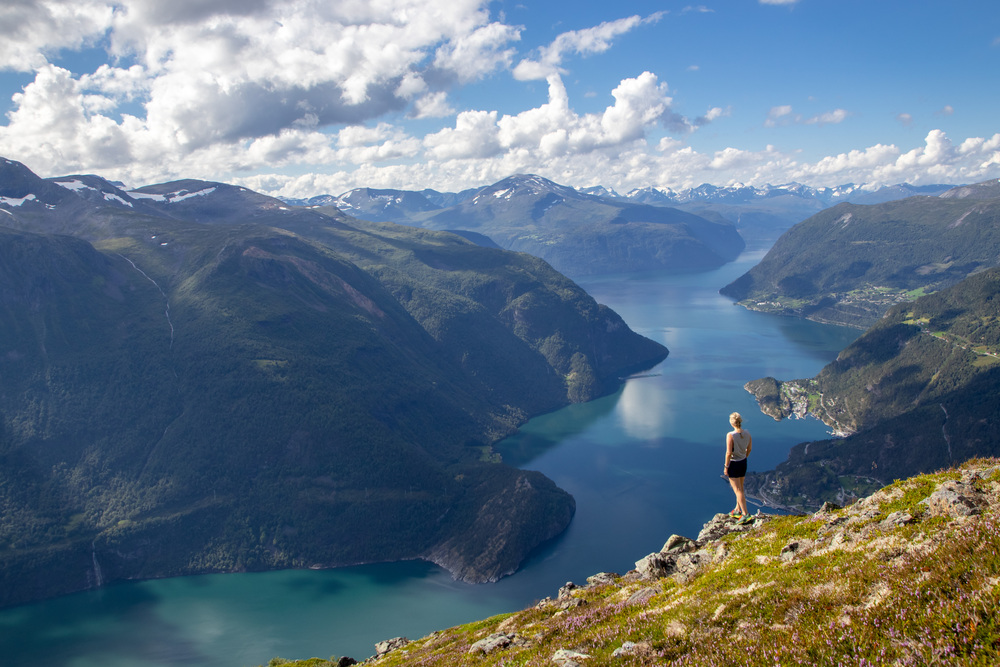
Learn the history of Tafjorden as you hike with a local guide. Photo: Ida Katrine Knutson Eriksen (Ræin)
In Setesdal, Brokkestøylen is a farm surrounded by mountains and waterfalls transformed into a fine-dining restaurant with a single social dining table seating ten guests. Come here for an authentic culinary experience rooted in the farm-to-table tradition, with dishes created from their own organic and regenerative garden and foraged from the woods.
Best kayaking spot
Veiholmen is known as the Norwegian Maldives. This archipelago is rich in bird life and the light is magical; you can paddle peacefully through calm waters and at the same time see and hear the huge waves break farther out at sea.
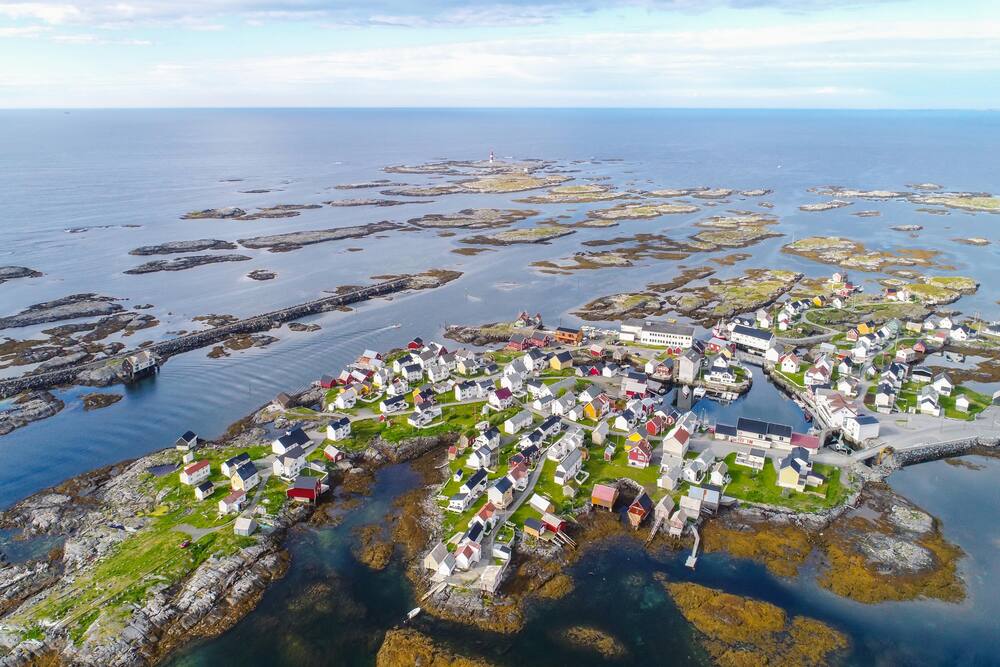
Go kayaking in Veiholmen, Norway’s answer to the Maldives. Photo: Up Norway
Best hike
The Nordskot Traverse, in the Steigen area near Bodø (which was the European Capital of Culture in 2024). The rewards of this day hike include rushes of adrenaline and 360-degree Arctic views that take your breath away. Many travelers stay at explorer Børge Ousland’s Manshausen Island, with its iconic glass-walled cabins elevated above the turquoise water, but there are also more rustic accommodations on Naustholmen, an island owned by explorer Randi Skaug just a stone’s throw away. With either of these two islands as your base, conquering the Traverse is certainly worth a day—for those not scared of heights, that is.
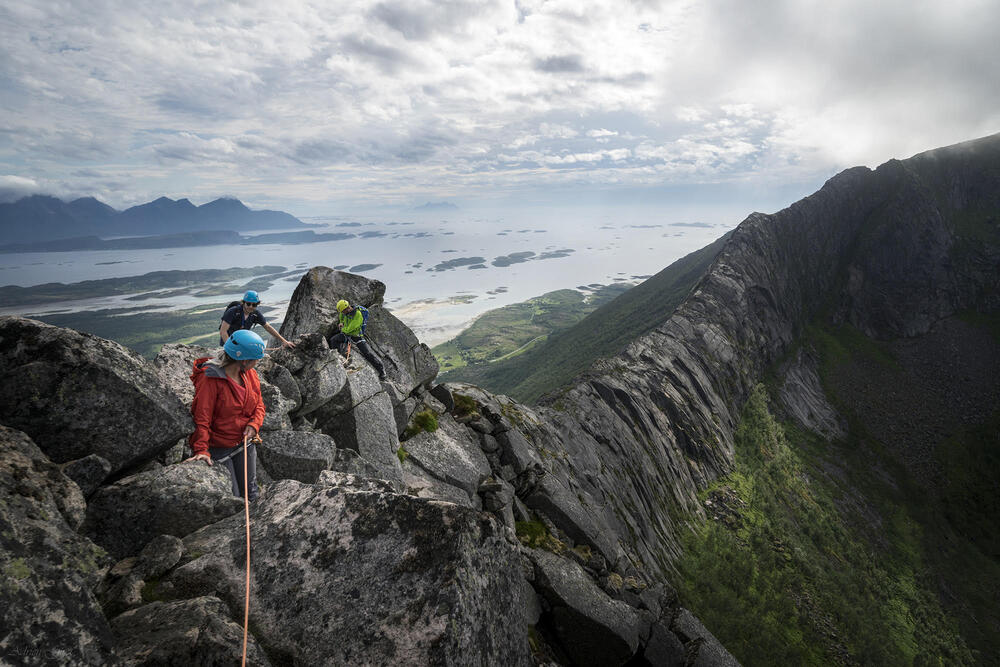
The Nordskot Traverse is not for the faint of heart. Photo: Manshausen
Bragging rights
Join a historian for a day hike on the King’s Road over Filefjell Mountain, part of the route between Oslo and Bergen built by hand in the 18th century. You’ll be served a gourmet picnic in a private “summer støl” (a small mountain cabin in a spectacular location). Your section of the route can include landmarks such as Vindhellavegen, Sverrestien, and Galdane, and can be combined with a visit to the Borgund stave church. The historian will tell you stories from when this route was the only way to bring a horse and cart from east to west across Norway. The landscape is breathtaking, but in the Middle Ages the path earned a reputation as the hardest and most dangerous mountain route in the country.
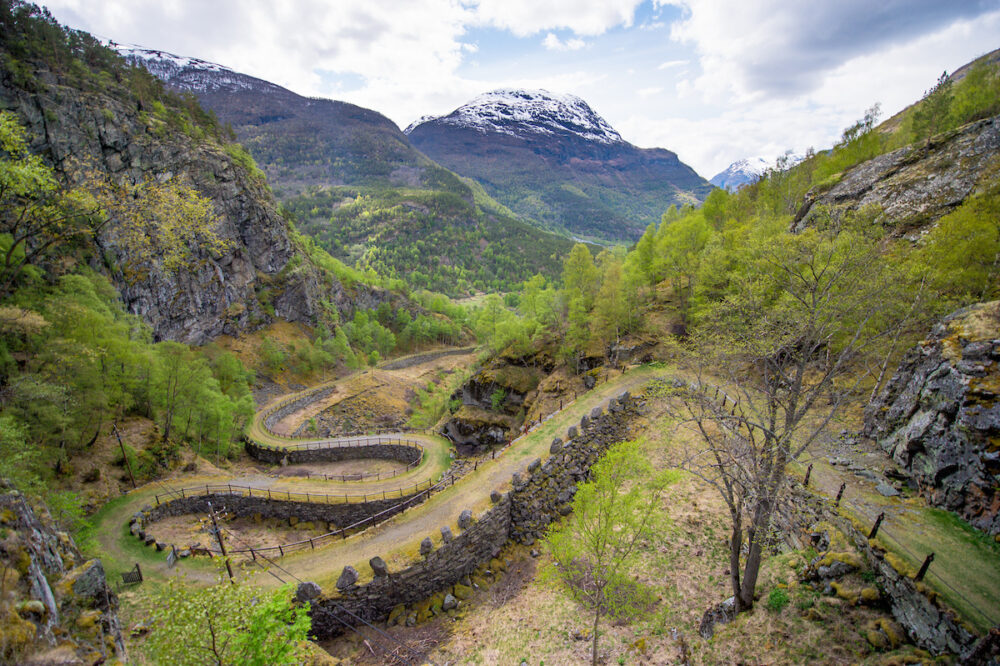
Kongevegen Vindhella is a hike known for its steep, high-walled turns. Photo: Sverre Hjørnevik


Get a Personalized Trip Recommendation
For a travel solution tailored to your trip goals and preferences, click this green box.

Best Times to Go
May and September. May 17 is Norway’s National Day: Norwegians dress up in national costumes, known as bunads, and there are cheerful celebrations all over the country. May is also a time of huge contrasts between the snow-covered mountains and blooming fjord valleys. This is also the time to experience våryrhet, a state of mind Norwegians get when light and warmth return after a dark and cold winter.
September sees fewer crowds than summer, giving the country a more authentic feel. It’s also a perfect time for hiking, with the start of beautiful autumn colors, and in the Arctic parts of Norway you can see the northern lights.
Worst Time to Go
November has ever-changing weather with rain, wind, and even snow, and there is limited daylight. On the positive side, local hosts have more time to spend with travelers, offering deeper immersion into local life. It is also a good time for foodies, with less pressure on the top restaurants.
Biggest Rookie Mistakes
Cramming too much into one day. Distances may look short on the map, but moving through Norway—amid mountains and forests, up the coast and across fjords—requires careful planning and takes time due to ferry logistics, potential winter road closures, and all the sightseeing stops you’ll no doubt want to make along these very scenic routes.
Thinking a meaningful trip requires a lengthy stay. A six-night itinerary, for example, can include Oslo, a culinary stay at Kvitnes Farm, and a mini-adventure taking in fjords and/or coastline in the Lofoten Islands or Bergen.
Can't-Miss Photo Op
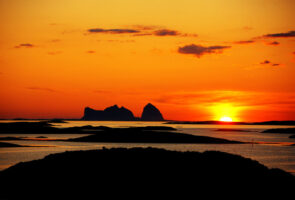
The view of Trænstavan mountain from one of the three cabins at House By the Sea, located on Træna Island far off Norway’s coast and above the Arctic Circle. Trænstavan is captivating at any time of year: bathed in the glow of the midnight sun, lit up by the northern lights, or as the unwavering focal point during a winter storm.
Cheap Thrill
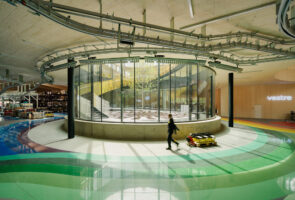
The Plus. This hypermodern factory, established by furniture producer Vestre in the heart of a pine forest close to the Swedish border, aims to be the world’s most environmentally friendly facility of its kind. This playful industrial site is a tribute to Norway’s age-old “right to roam” laws. On a guided tour, guests are shown the indoor and outdoor facilities and hear about Vestre’s long-term vision. Trust us: This is one of those places you didn’t know you wanted to visit.
Prime Picnic Spot
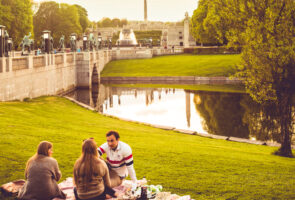
Vigeland Sculpture Park. As soon as the spring sun gives Norway’s parks back their colors, city dwellers head outside for a leisurely BBQ lunch or dinner. Vigelandsparken is Oslo’s most visited park, with more than 200 sculptures by artist Gustav Vigeland. Find your own green spot, and settle down on a blanket between the sculptures and a good mix of locals and visitors.
The Souvenir
Glassworks from Magnor or Hadeland Glassverk, or from one of the glass and ceramic artists who reside in the Lofoten Islands.
Tipping Tip
It is common to leave a tip of 10% at a bar or restaurant if you are happy with the service. It is uncommon to tip taxi drivers or cleaning staff.
Don’t Forget to Pack
Bathing suits—even in winter, for floating saunas and cold dips. Sunglasses are essential in summer to handle the midnight sun.
How to Spend a Lazy Sunday
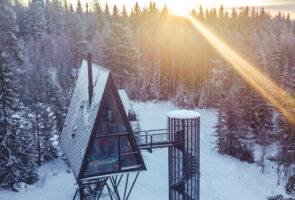
Many restaurants and shops are closed on Sundays, so there is no better day to retreat to one of Norway’s many architectural gems in the forest—the PAN Treetop Cabins are just over two hours from Oslo, for example—and practice the art of doing nothing. We all need downtime when traveling.

Stay in the Know With Our Newsletter