
Make Your Next Trip Extraordinary
Venice, Italy: Insider’s Guide to Hidden Gems Along the Storied Canals
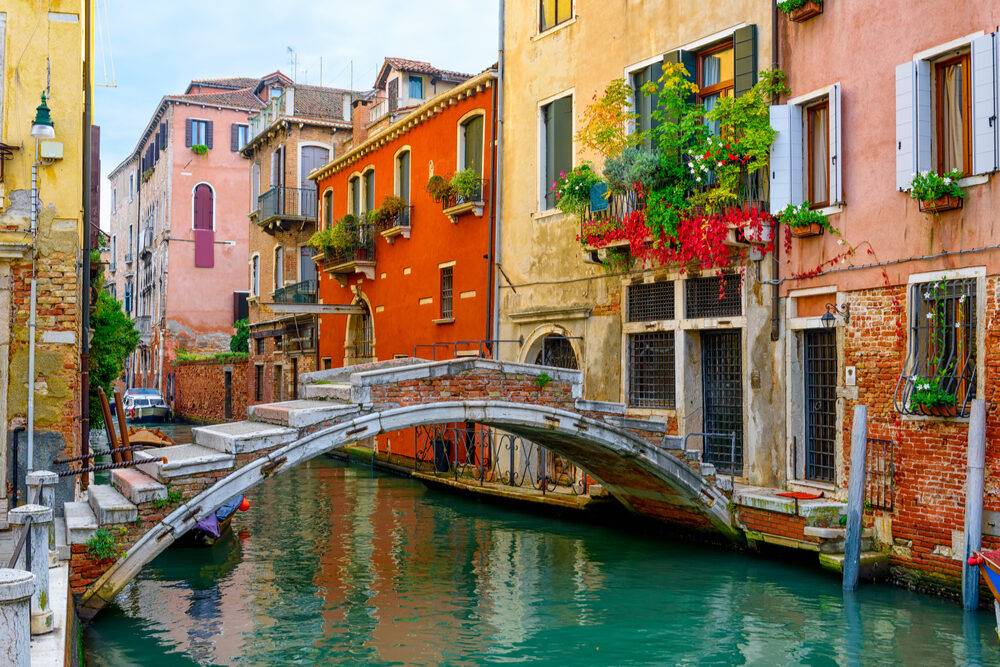 Hundreds of unique pedestrian bridges span Venice's canals. Photo: Shutterstock
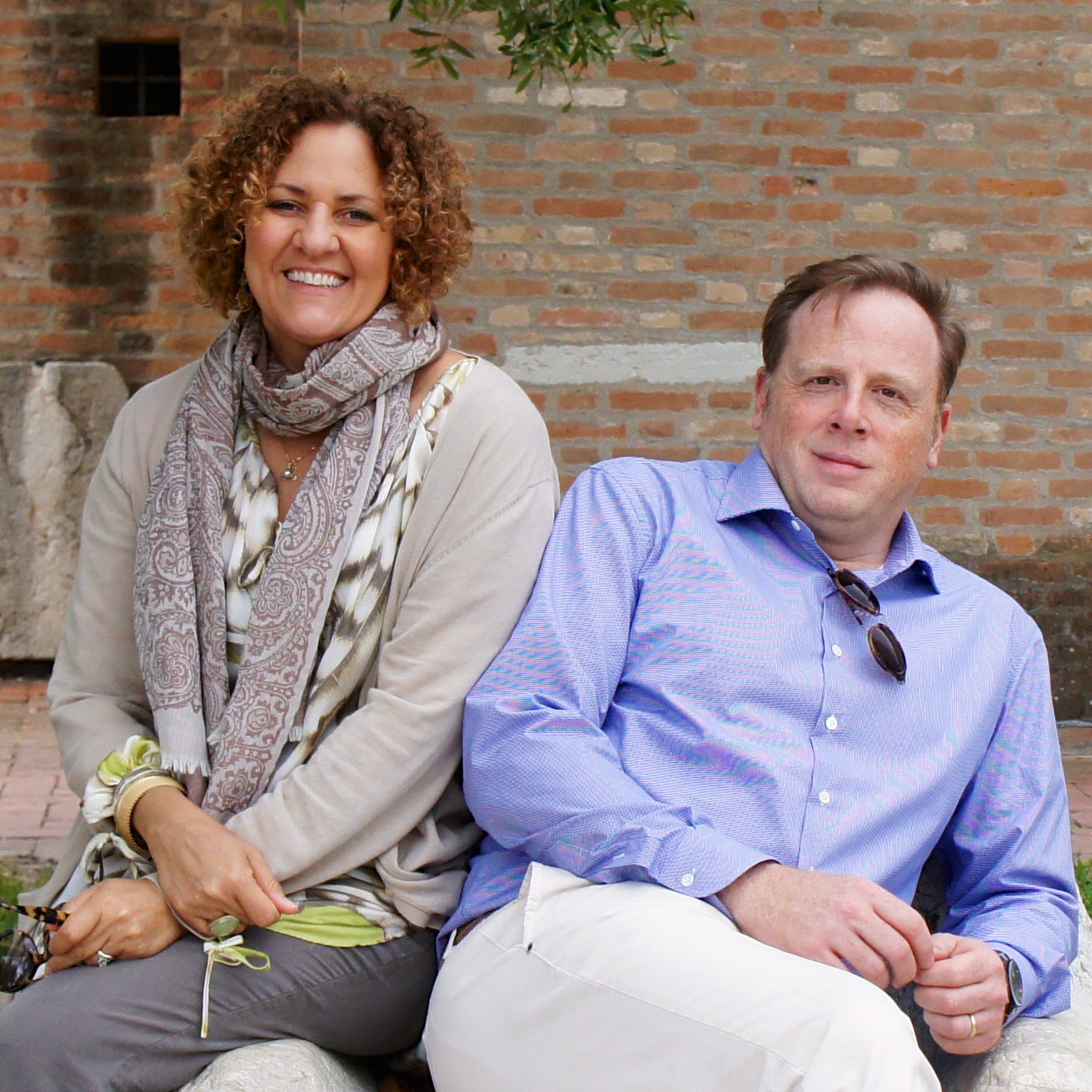
The insider advice on this page is from two of Wendy’s Trusted Travel Experts for Italy: Maria Gabriella Landers and Brian Dore of CIU Travel.
Call on Maria and Brian when you want the ultimate culinary tour of Italy, or to be matched with charming and terrifically knowledgeable private guides and drivers who have keys to doors you wouldn’t even know how to look for, let alone open. Maria has a background in art history, Brian is a former chef; they met as professional opera singers. Through this husband-and-wife team, you can gain entrée to noteworthy winemakers, charismatic artisans, secret private gardens, and the like. Maria and Brian have a home in Umbria and love to show travelers that region’s hidden charms, but they are equally comfortable making arrangements everywhere from the Amalfi Coast to Lake Como—as well as farther north into Switzerland (Brian is an enthusiastic hiker and skier who’s tested out many Alpine slopes and trails). When it comes to hotels, Maria and Brian will make sure you’re shown to the rooms with the most beautiful views in the country’s most atmospheric boutique 5-star and 4-star properties.
Where to Stay and Eat
Best bang-for-your-buck hotel
Corte di Gabriela is a four-star design hotel with a deceptive location—the neighborhood is quiet and seems off the beaten path, but it is only a short walk to virtually all the major sites in Venice. This small boutique hotel offers tasteful contemporary design in a comfortable setting. The charming owner makes guests feel at home and he serves up one of the best breakfasts in Italy! The hotel is located on a tiny canal, just a two-minute walk from the Sant’Angelo vaporetto stop.
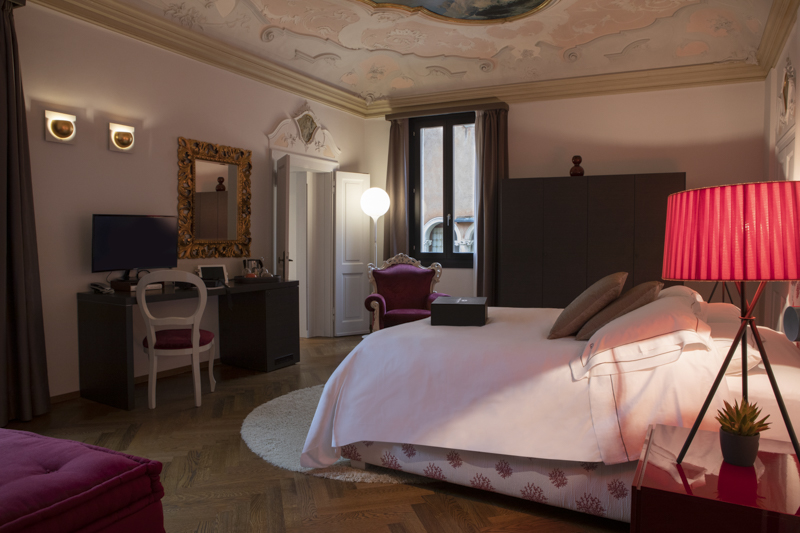
The quiet neighborhood of this boutique hotel belies its convenient location. Photo: Hotel Corte di Gabriela
Restaurant the locals love
Antiche Carampane, a cozy little place that’s well worth the trouble it takes to find (on a tiny Venetian calle with not a major landmark in sight). Suggested dishes: caparozoi alla Savonarola (lagoon clams), St. Peter’s fish prepared with red lettuce, and mullet cooked with red wine.
Meal worth the splurge
You might think that Venice’s proximity to the sea would keep the price of seafood low, but you’d be wrong. Still, a surf feast with all the trimmings (washed down with a crisp white from nearby Friuli) is definitely worth the small fortune it will cost you. The mixed seafood antipasto (a house specialty in most seafood restaurants) is almost always an endless parade of intriguing tapas-size samplings and can be paired with a whole roasted fish (priced by weight and often presented at the table twice: once before it is roasted and again when it is expertly carved by your server before your eyes). One of the best places to indulge in a seafood extravaganza is Da Fiore. Be careful—there is a simple osteria in San Marco called Fiore. You want Da Fiore in San Polo.
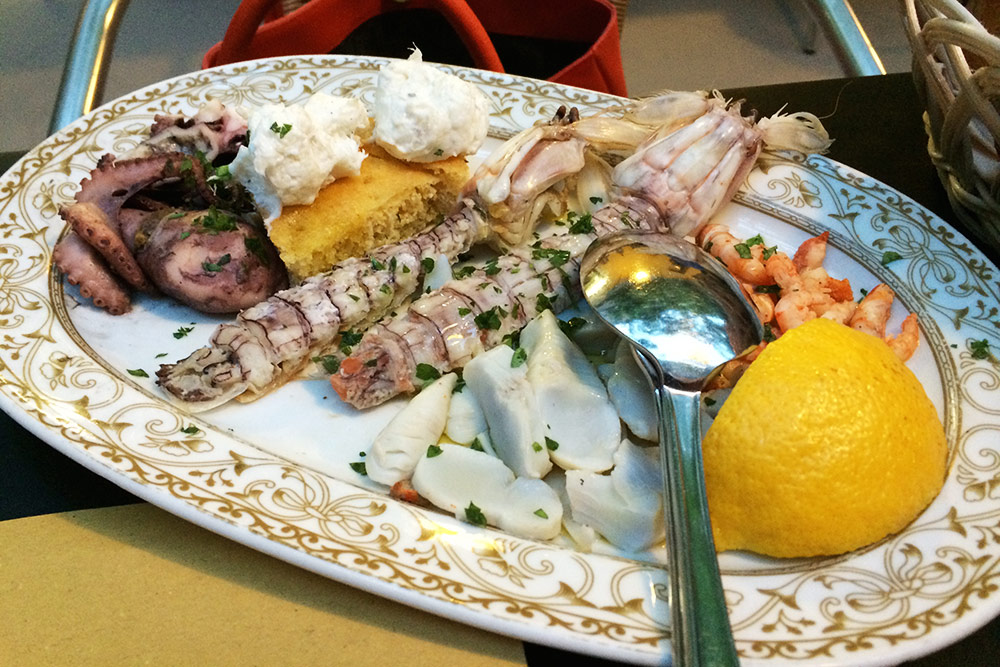
A mixed seafood antipasto is a Venetian sea smorgasbord. Photo: Brian Dore
Dish to try
Venice’s most traditional pasta dish is bigoli in salsa, the mainstay of any local trattoria’s menu (or mama’s table). Bigoli are long dried pasta, thicker and coarser than spaghetti and made to capture the salsa, which is basically just sardines sauteéd with onions in white wine. Does this sound too simple to be memorable? Try it. Fueled by towering plates of bigoli in salsa, Venetians ruled the Adriatic from the 1500s to the 1700s.
What to See and Do
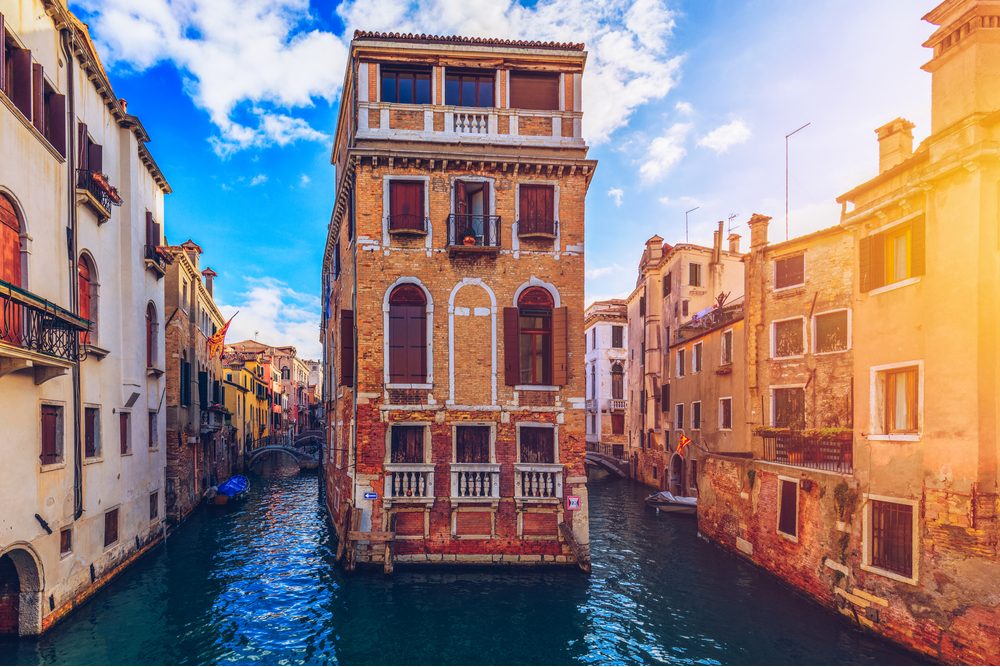
The canals threading Venice make the city a collection of tiny islands. Photo: Shutterstock
Don’t miss
Teatro La Fenice may be one of the most famous opera houses in Europe, but it’s often overlooked by American visitors. What a shame! It has a fascinating history and dazzling decor (exquisitely restored after a catastrophic fire in 1996), which you can see for yourself either by attending one of the evening performances (opera, ballet, or classical music) or by stopping by during the day; the theater is open to the public daily until 6 p.m. and offers an excellent audio guide.
Museo Fortuny may not be on everyone’s must-see list, but it should be. The private palazzo was home and atelier of artist Mariano Fortuny and his wife Henriette Negrin, herself a designer. A walk through the palazzo is a tour through the life and art of the couple over the decades. Mario painted the walls with enormous murals, and samples of the celebrated Fortuny fabrics, his stage innovations, sculptures, and paintings are all on display. Seeing the artwork and costumes in the place where they were conceived and produced is a revelatory experience. Added attraction: The museum is located in a quiet part of Venice near the Sant’Angelo vaporetto stop, and there are some nice spots nearby for lunch or drinks.
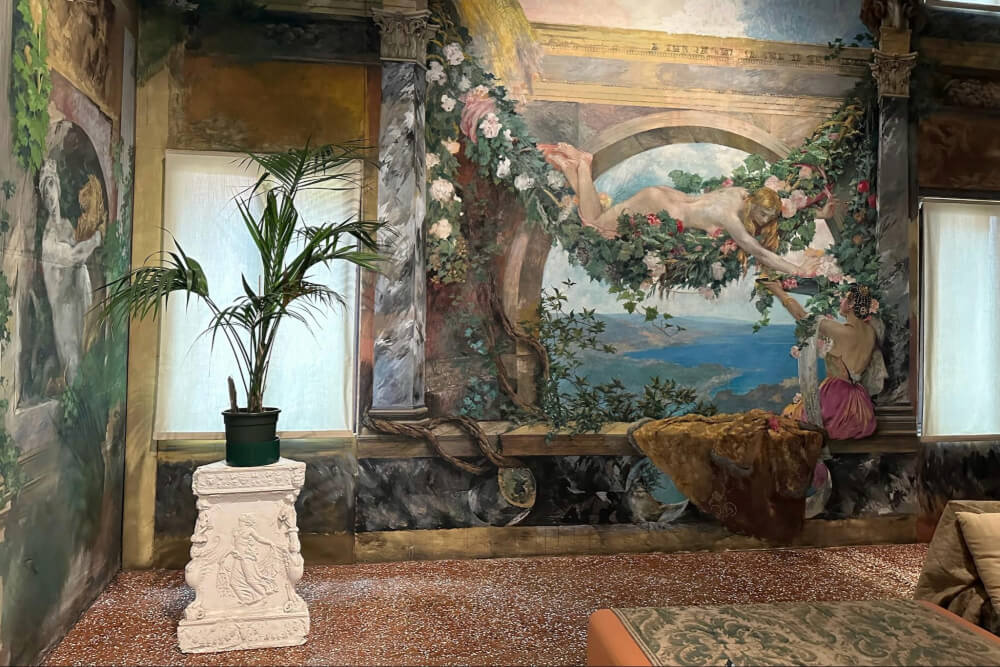
Museio Fortuny is the private palazzo of two illustrious designers. Photo: CIU Travel
Don’t bother
Harry’s Bar. National landmark. Eighty years of history. Four generations of family. Favorite of Ernest Hemingway’s. Birthplace of the Bellini cocktail. Now, sadly, an overpriced, overtouristed cliché. And guess what: The best Bellini in Venice is not to be had at Harry’s. Instead, head to the hip and tony Londra Palace hotel bar—just steps from Piazza San Marco—and have affable (and award-winning) mixologist Marino Lucchetti fix you up. Freshly pureed white peach nectar (or, when peaches are out of season, strawberries or oranges) mixed with crisp, dry prosecco is the frothy essence of Venice.
Cheap thrill
For a Venetian feast that won’t break the bank, make a meal out of cicchetti. Venice’s version of tapas, these delicious, bite-size treats are served from late afternoon through the dinner hour (about 8 p.m.) in the city’s tiny bars, called bàcari. Keep your eyes open for the most traditional tastes, including baccalà mantecato (creamed cod served over a slice of polenta), moscardini (tiny octopus) and polenta, sardee in soar (sardines and onions marinated in vinegar and tossed with raisins and pine nuts), and baccalà Vicentina (a creamy spread of cod, anchovies, and onions); each runs between 2 and 4 euros, or you can request an assortment based on price (a 10-euro plate, for example). Cicchetti are meant to be paired with a small glass of wine, known locally as an ombra.
Downtime
Venice is all about wandering. Or, more appropriately, all about getting lost. La Serenissima, as it’s famously called, may be the only place on the planet where one won’t necessarily feel angst when adrift in a sea of twisting lanes and ubiquitous bridges. In fact, to get lost in Venice is to feel alive; so much so, finding one’s way might be the only disappointment Venice can (eventually) offer.
Quiet morning with nothing to do? Visit the celebrated Rialto Market. Watch locals select the best fruit and veggies, and pick up freshly caught fish at the adjacent fish market. Best to do as the savvy Venetians do and go early.
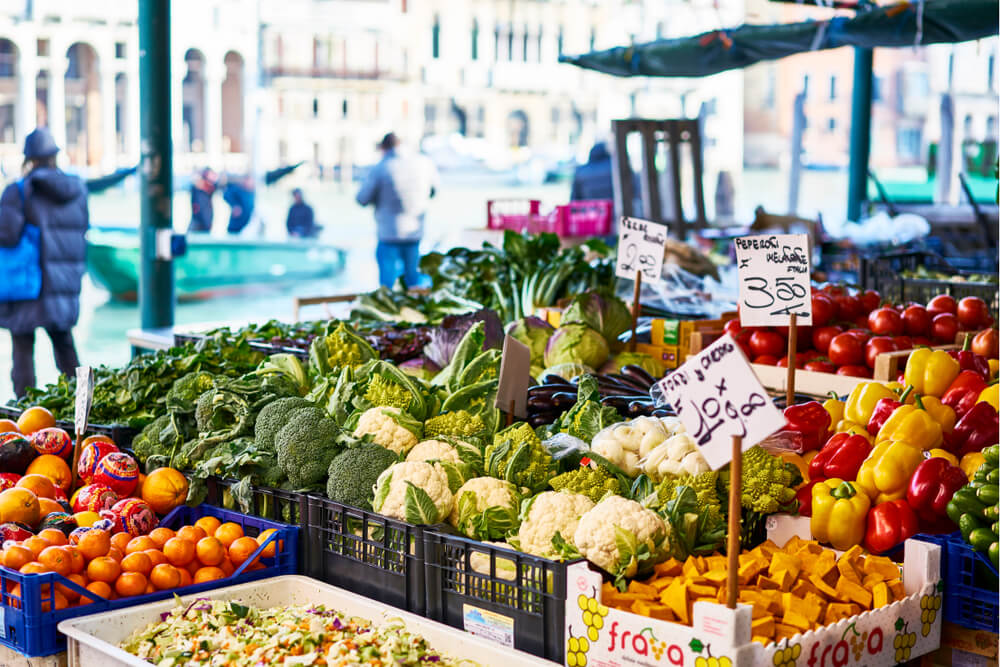
Rialto Market is a longstanding and celebrated daily food market in Venice. Photo: Shutterstock
Venice is known for many things, but large expanses of public greens that invite you to spread out a blanket and pop open a bottle of chilled white is not one of them. One exception is the little-visited outlying island of Torcello. Much of this quiet, virtually unpopulated haven is a nature reserve, so it’s the perfect spot to escape the crowds clogging the narrow calli of Venice proper. You’ll have to bring your supplies with you, as there are no shops on the island; pick them up in Venice and then hop the vaporetto from Burano (Route 9 runs between the two islands every half hour from 8 a.m. to 8:30 p.m.). Once you’ve emptied your basket, stop in at the Santa Maria dell’Assunta, one of Venice’s oldest churches, which is covered in glittering Byzantine mosaics dating from 1100.




Get a Personalized Trip Recommendation
For a travel solution tailored to your trip goals and preferences, click this green box.

Best Times to Go
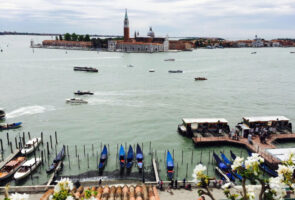
May and September have the best weather, not quite as many tourists as the frenzied summer months, and decent hotel rates. These months also bookend the International Art Exhibition of La Biennale di Venezia—or The Biennale, as it’s more commonly known—one of the world’s most prestigious multi-disciplinary art shows, which runs from May to November.
Worst Times to Go
Carnevale. Video games often have a brief warning immediately before play begins, something along the lines of, “The flashing lights and pulsating music may cause epileptic seizures.” Carnevale in Venice should come with the same cautionary language: “The crowds, noise, opportunist pricing, and general (though benign) mayhem during this visit may cause anxiety.”
Outside of Carnevale, the winter months in Venice are the least expensive and least crowded, but the cold can be brutal.
Biggest Rookie Mistakes
There is no such thing as a “free” glass-blowing demonstration on the famed island of Murano. Sure, you don’t have to purchase a ticket, but the crowds (especially in the June–September high season), perfunctory visit, and hard-sell grand finale leave a bitter aftertaste. A much better option is to pay a bit upfront but be treated to a private, thoughtfully paced tour and demonstration in one of Venice’s most prestigious artisan glass factories. (Maria and Brian can set up an appointment.) Here, you can see how intricate pieces are crafted by true masters. There is no hard sell—this is a cultural visit, not a commercial one.
The easiest way to anger locals is to wander around in the middle of the street or stand in a big clump. In crowded areas, ALWAYS stick to the right and walk single file.
Bragging Rights
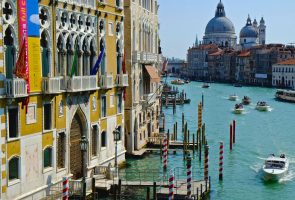
Maria and Brian can get you inside two of Venice’s most opulent private palazzi along the Grand Canal. The palace owners themselves, descendants of Venetian nobility, will show you the frescoed ceilings, rare artwork, lavish furnishings, and hidden gardens. You’ll arrive and leave by boat, of course.
The Souvenirs (and Word of Warning)
Look at all this glass! Check out all this lace! How can Venetian artisans possibly produce so much? They don’t.
Much of what you see crammed into souvenir shops are knockoffs from China, slipped in among the local production. Buy directly from an artisan workshop on the islands of Murano (for glass) or Burano (for lace), or from one of their satellite shops on the main island. Not surprisingly, these locally made crafts carry price tags that reflect the hours of labor—not to mention years of training—that go into each piece. But take heart: By buying direct from the artist, you’re helping keep those increasingly endangered skills from disappearing completely.
(P.S. Think that the elaborately decorated Carnevale masks are a traditional local art form? Think again. Historically, Venetian masks were a stark, anonymous white. Only in the past few decades have decorated masks been hawked to visitors.)
Tipping Tip
Italians don’t tip in restaurants. You may have read that 10 percent is standard. Or that the bill is rounded up. Or that you are expected to leave a little something. This is bunk. Italians don’t tip in restaurants. (Italian staff are paid a living wage and/or are members of the owner’s family.) You can tip, if you really want to. Or if you feel the service was extraordinary. Go ahead. But Italians don’t.
Airport Intel
The walk from the airport exit to the water taxi stand is more than half a mile. Maria and Brian always have a car and driver meet their travelers and take them to a reserved water taxi. It’s the little things that smooth the way for an easier arrival in a city that can be challenging to navigate.
Don’t Forget to Pack
Yes, there is now MOSE (the $6 billion underwater gates saving Venice from excessive flooding), but you may still need rubber boots in the acqua alta months—generally November through February. A pair of inexpensive boots can save your shoes from the lagoon water that you may be forced to wade through.
Leave big backpacks at home! Most museums require that you check them, they are inconvenient in congested areas, and pickpockets love them. Bring a cross-body bag, or join the fashion renaissance of the waist pouch that is worn in front.

Stay in the Know With Our Newsletter