
Make Your Next Trip Extraordinary
Marrakech and the Atlas Mountains, Morocco: Insider’s Guide
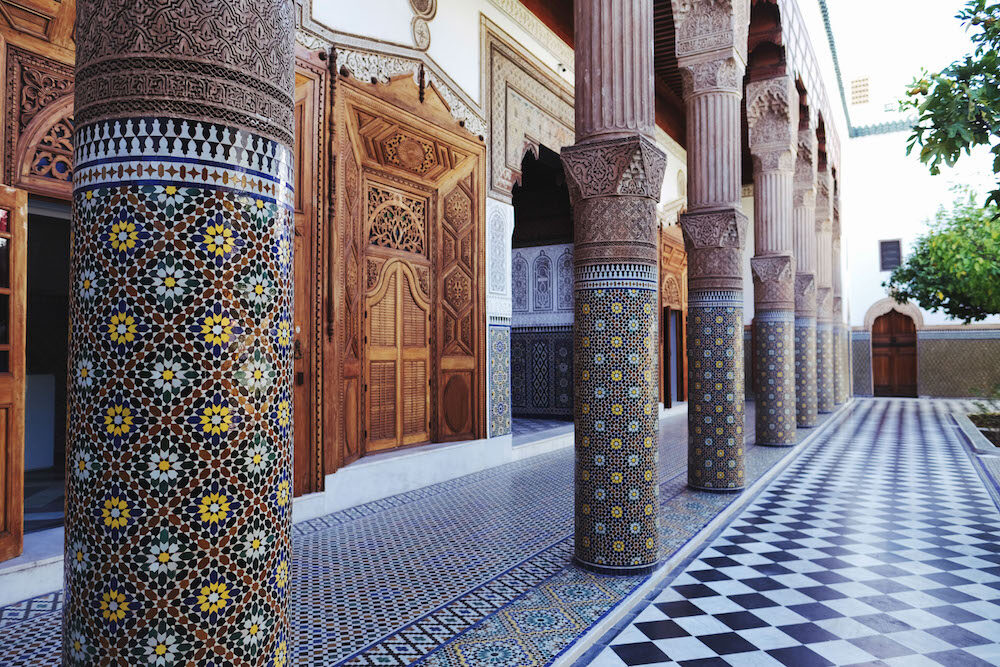 Dar el Bacha is a stunning example of Marrakech's riad architecture. Photo: Cobblestone Private Travel/Jason Deutsch
The insider advice on this page is from one of Wendy’s Trusted Travel Experts for Morocco: Michael Diamond of Cobblestone Travel.
Thanks to 23 years’ experience planning trips to Morocco, Michael designs seamless itineraries utilizing the savviest logistics and most atmospheric luxury riads. He encourages travelers to slow down to match the pace of local life, whether by lingering over a late-afternoon mint tea and people-watching in a bustling Marrakech square or staying up late around the fire at your Sahara encampment while the African stars dazzle above you. He handpicks the right special-access guides for each trip, whether your focus is textiles and tile work, a culinary deep-dive, or Jewish heritage.

Where to Stay and Eat
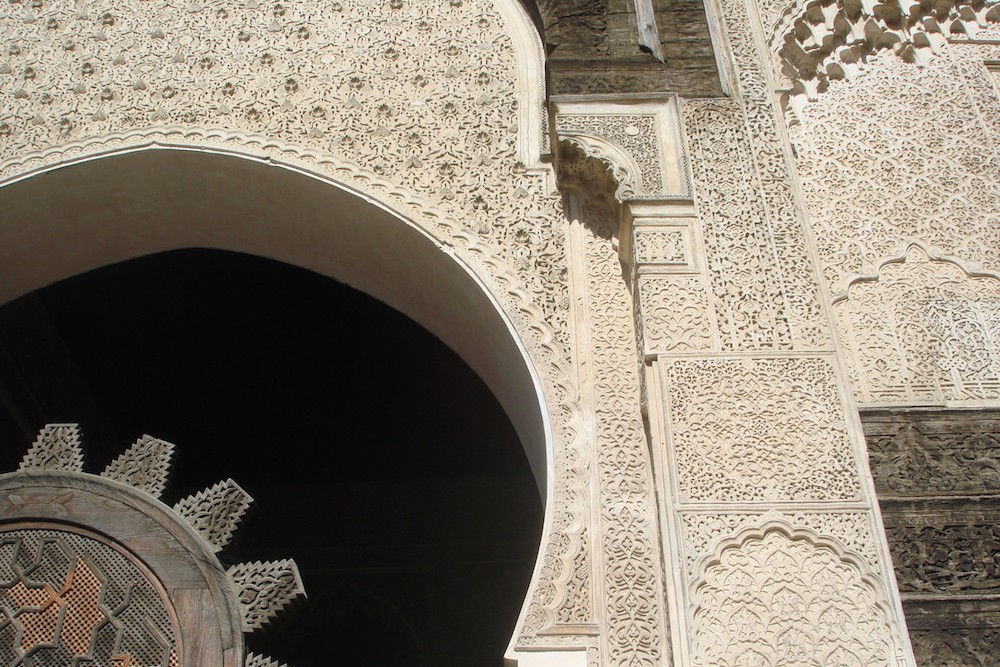
Ben Youssef Madrasa exhibits intricate carvings in marble and cedar wood. Photo: Cobblestone Private Travel
Best bang-for-your-buck hotels
Le Farnatchi, a boutique riad in the maze of Marrakech’s medina, is well priced and offers amenities you would expect only in a larger property, including an excellent spa with Moroccan hammam; their restaurant, Le Trou au Mur, is just down the alleyway and offers updated Moroccan classics and possibly the best shepherd’s pie in Morocco. The ten suites are roomy, with a lighter version of traditional Moroccan decor.
La Sultana and Villa des Orangers offer good value, and the new, romantic, Italian-owned Riad Dar Al Dall is a medina gem. For those craving respite from the city’s hectic pace, the new Jnane Rumi, a 15-minute drive from the city center, is just the ticket. Think Moroccan country villa complete with pool, palm trees, and a lovely garden.
Best-value splurge hotel
“Don’t be afraid to step away from the city,” says Michael. The Oberoi, a 20-minute drive from Marrakech’s center, offers grand Moroccan architecture, citrus orchards, olive groves, a spa, and an indoor/outdoor swimming pool in a serene and elegant setting. Pro tip: Kick back at the garden Vue Bar with a sesame date Old fashioned—trust us on this one.
Restaurants the locals love
Marrakech’s cosmopolitan elite and expat population tend to favor spots offering sophisticated international cuisine. Among the most popular are Farmers, offering farm-to-table seasonal cuisine, and Mizaan, where Middle Eastern cuisine meets Moroccan, cool cocktails are mixed, and the DJ starts late.
Nobu Hotel’s rooftop restaurant is popular for great medina views and the signature Japanese menu. For moderately priced Moroccan cuisine, try Sahbi Sahbi. You’ll find dadas (female Moroccan cooks) at work in the open kitchen, turning out classic dishes.
Meal worth the splurge
Michael’s choice is lunch or dinner by the pool at the Royal Mansour’s Le Jardin. Open during warm weather only, Le Jardin specializes in Asian- and Mediterranean-inspired cuisine.
Dishes to try
Harira, a hearty soup, traditionally made with lamb, lentils, tomatoes, a mix of spices, and a variety of other ingredients. Many families have their own version.
Tangia—not to be confused with tagine—is an extremely special dish. It’s a fragrant lamb or beef stew, usually baked in a clay pot for ten hours. Sometimes it’s even cooked in one of the ovens at the public baths. It’s normally served at home. One of the few places that offer it is Chez Lamine, a stand in the Marrakech medina. Go here for a hyper-local experience.
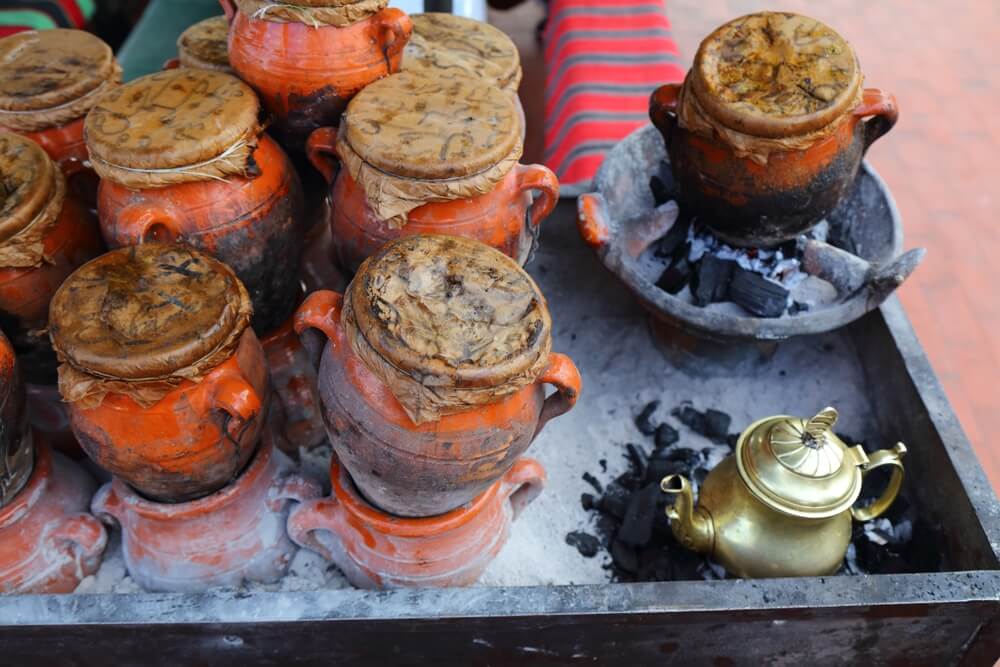
Tangia is slow-cooked in a clay pot for many hours. Photo: Shutterstock
Try the fish tagine at La Maison Arabe’s Trois Saveurs restaurant, which has roots going back to the 1940s. Marrakech is just two-and-a-half hours from the coast, and the fresh fish served here is a welcome change from the typical Moroccan diet.
Best spots for a drink
With Marrakech’s most adventurous drinks menu, Kabana is the place to be at sunset for rooftop cocktails and stunning views (see “Instagram Moments”). It’s also a great spot for unwinding after wandering the nearby medina.
The recently renovated and romantic Bar Majorelle at La Mamounia: Sip top-shelf classic cocktails while enjoying the jazz trio playing in the adjacent lounge.
Café culture
1112 Marrakech is a beautifully restored tea house in the medina with a wide variety of teas and light lunch options in a traditional Moroccan setting. Blue Ribbon in Gueliz offers excellent coffee and pastries and sits right nextdoor to a new English-language bookstore, Booklore. Kesh Cup, a coffee stand in the medina near the secret garden, makes an amazing noos noos (Moroccan-style cappuccino).
What to See and Do
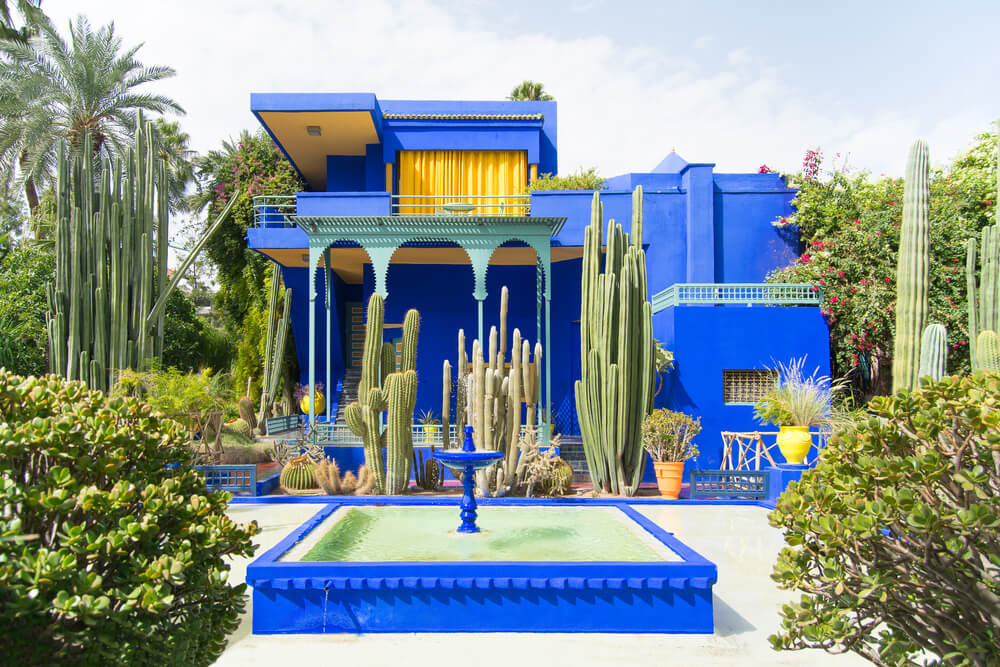
The striking “Majorelle Blue” walls are a hallmark of the Jardin Majorelle. Photo: Shutterstock
Don’t miss
The Pierre Bergé Museum is tucked away in the Majorelle Garden. Don’t skip this rich collection of Berber art amassed by Bergé and his partner Yves Saint-Laurent—even if it means making your way through the crowds Instagramming photos of themselves against the vivid Majorelle Blue walls nearby. Bergé and Saint-Laurent purchased the garden while living in Marrakech at Villa Oasis.
A motorcycle sidecar tour. Michael works only with safety-focused drivers (mostly expats) who will take you to spots in the old city and Palmeraie that are far off the usual tourist track.
Don’t bother
The Cascades d’Ouzoud are a set of pretty waterfalls, but not unusual enough to warrant the more-than-two-hour journey from Marrakech. If you want an easy escape from the city, the High Atlas Mountains offer excellent hiking, natural beauty, and the option to visit small villages—all within 90 minutes of town.
Hidden gems
Amina Garden in the Ourika Valley. Austrian sculptor Andre Heller’s work adorns this park-like space about 30 minutes from Marrakech. The brightly colored art appears among the gardens’ walking paths, streams, and ponds, while the High Atlas Mountains hover in the nearby distance. This can also be a nice stop on the way back to town after a morning hike up the Valley.
For a glimpse into Morocco’s burgeoning contemporary art scene, visit Comptoir des Mines. This gallery showcases the ways in which the Arab world, Africa, and Europe come together in contemporary Moroccan art. The space is cool and there is no pressure to buy.
Cheap thrills
The Berber markets in the High Atlas, which travel from village to village. They’re large, chaotic, messy, and a huge amount of fun, packed with merchants selling everything from animals to vegetables to plastic bins—all the stuff of everyday living—as well as makeshift stalls for barbers, even dentists.
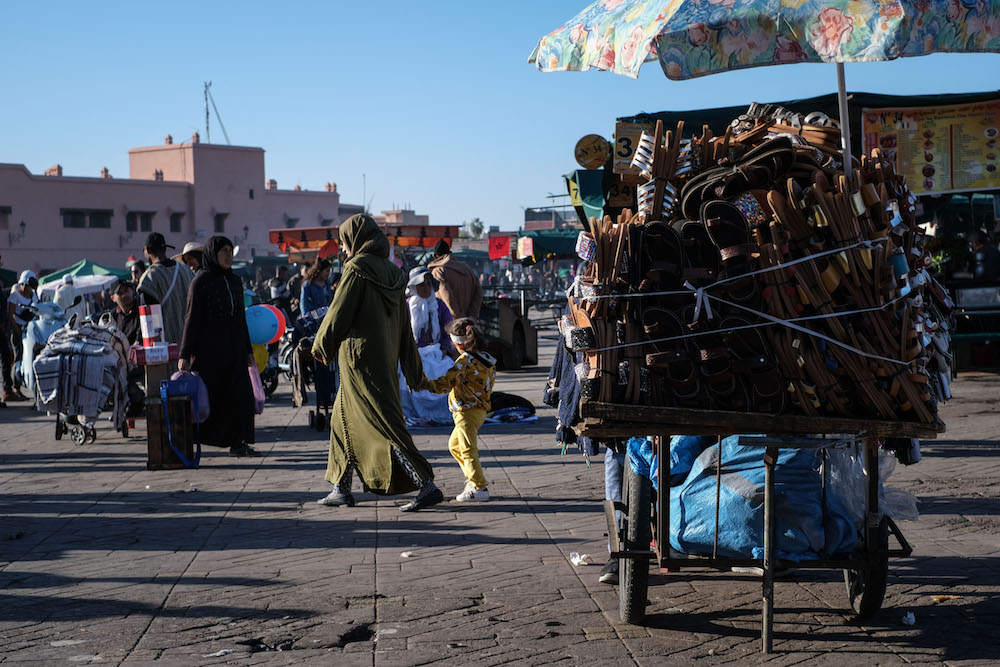
Jemaa el-Fnaa is a busy market square both day and night. Photo: Cobblestone Private Travel/Jason Deutsch
The main square, Jemaa el-Fnaa, is on UNESCO’s list of “Masterpieces of Oral and Intangible Heritage of Humanity” in honor of the many cultural traditions represented in such a small place. Among the most enchanting is the ancient Berber art of storytelling, and you’ll see the best performers in Jemaa el-Fnaa, enrapturing audiences with wild tales, sometimes slapstick comedies, sometimes melodramas. They won’t be speaking English, of course, but even if you can’t follow the storyline, it’s worth it just to watch these incredible artists at work. And all it will cost you is a small tip—10 dirham (about $3) max. If you want to appreciate the action of the square from above, visit Dada Marrakech’s rooftop terrace for tea or a bite.
Take a stroll in Gueliz—the new town—in the early evening to get a feel for how Marrakchis spend their after-work time in cafés and shopping for the latest European fashions.
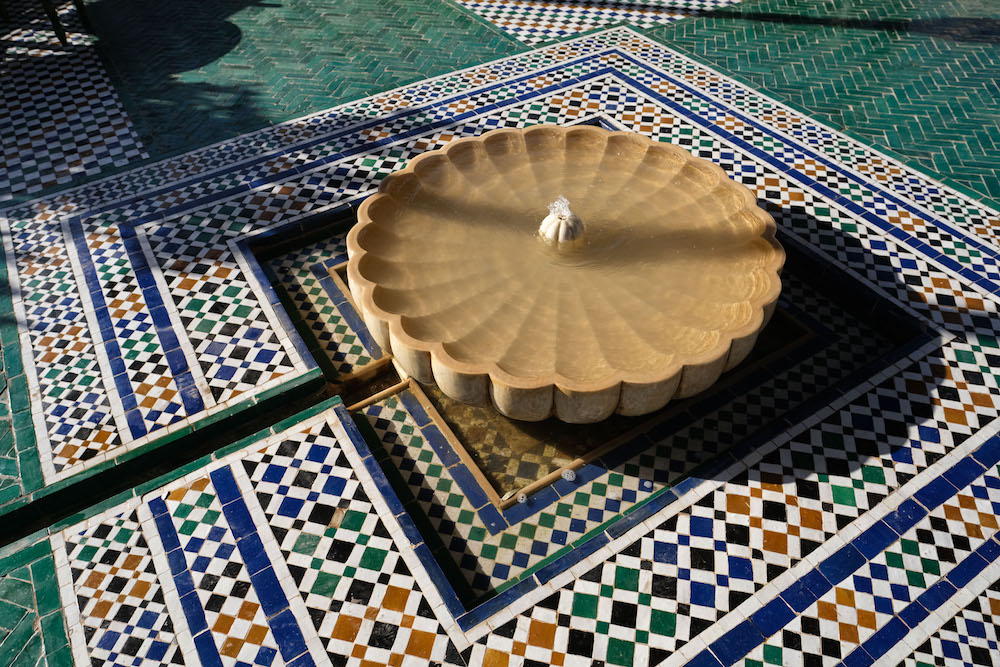
Always keep your eyes open in Marrakech for beautiful architecture and tile. Photo: Cobblestone Private Travel/Jason Deutsch
Downtime
Many stores in the medina close around noon on Friday, and stores in the newer sections of the city (Gueliz, Hivernage, the Industrial Quarter) are closed on Sunday and sometimes on Saturday afternoon. This makes weekends ideal for hitting one of the hammams. Get scrubbed, washed, and massaged with Moroccan olive soaps and argan, then doze off with warm mint tea at your side. One top hammam in Marrakech is at the beautiful spa at La Maison Arabe. The hotel also has one of the better restaurants in town, so make time for a late lunch after your treatment. The hammam and spa at the over-the-top Royal Mansour are worth a splurge as well.

Get a Personalized Trip Recommendation
For a travel solution tailored to your trip goals and preferences, click this green box.

Best Times to Go
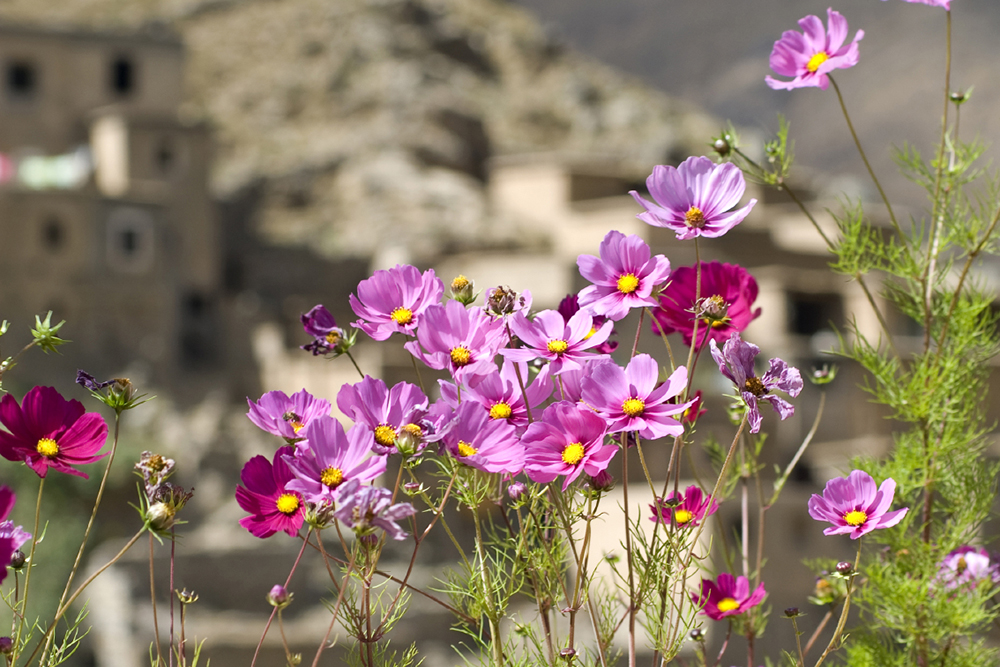
Mid-March to mid-June and mid-September to mid-November, when the weather is comfortable and the chance of rain is low.
Worst Times to Go
For short trips, avoid Eid al-Adha and Eid al-Fitr, the two biggest feasts of the year, as normal sightseeing is not possible on these days. Eid al-Fitr falls at the end of Ramadan—mid-March in 2026—and Eid al-Adha comes at the end of May in 2026. (Since they’re dictated by the lunar calendar, these feasts move about ten days earlier each year.) If you have a longer trip, spend these holidays in rural locations so you don’t miss anything in the cities.
Biggest Rookie Mistake
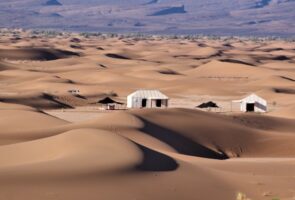
Do not skip the Sahara and desert south just because the distances are large and these areas are not easily accessed by commercial flights. Any trip to the Sahara does involve significant ground travel, but it’s through beautiful, wide-open landscapes. With early starts, you can still make the most of your days and experience the dunes, a camel trek, and a night in an encampment. Provided you’re spending at least eight nights in Morocco, you can catch the must-see cities and still experience the desert.
Instagram Moments
A sunset shot taken from one of the rooftop cafés close to the Koutoubia minaret, just above the Jemaa el-Fnaa, shooting toward the minaret. Or for that matter, a shot of the square itself, full of snake charmers, people with monkeys, acrobats, tooth pullers, and barbers.
Almost any rooftop in Marrakech on a clear day is a photo op. In summer, the sky is usually a bit hazy and the High Atlas Mountains—just an hour’s drive from the city—are indistinct. But when the air is clear (which most often happens in winter) and the peaks seam to hover closer to town, it is magic.
The Souvenirs
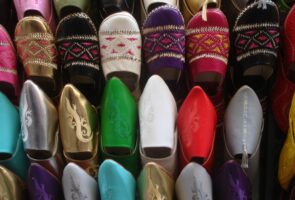
Tea glasses from Beldi Country Club’s souk. Their glass factory, where they hand-blow pieces from recycled glass, is the last of its kind in Morocco. You will see this iconic glassware all over the country’s souks and even in U.S. catalogs, but at the factory you have the best selection straight from the source. They will pack up your tea glasses ready to take home.
Chabi Chic has a few locations around Marrakech; the largest is in Sidi Ghanem, the industrial quarter just outside town. Their ceramics are bright and fun; the coffee mugs with bold patterns make for easy-to-travel-with gifts.
Amlou is a thick spread you may see at breakfast that is made from Moroccan argan oil, almonds, and honey. It is as addictive as peanut butter! You can pick up a jar at any supermarket or at 33 Rue Majorelle, just across from the Majorelle Garden entrance.
The Moroccan Botanist, with stores in the medina and an outlet in Jardin Majorelle, offers high-end specialty teas. For tea lovers or for when you have only a teeny-weeny bit of space left in your bag.

Stay in the Know With Our Newsletter