
Make Your Next Trip Extraordinary
Luxury Eco-Travel in Costa Rica: Insider’s Guide
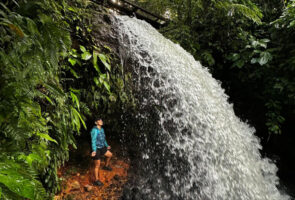
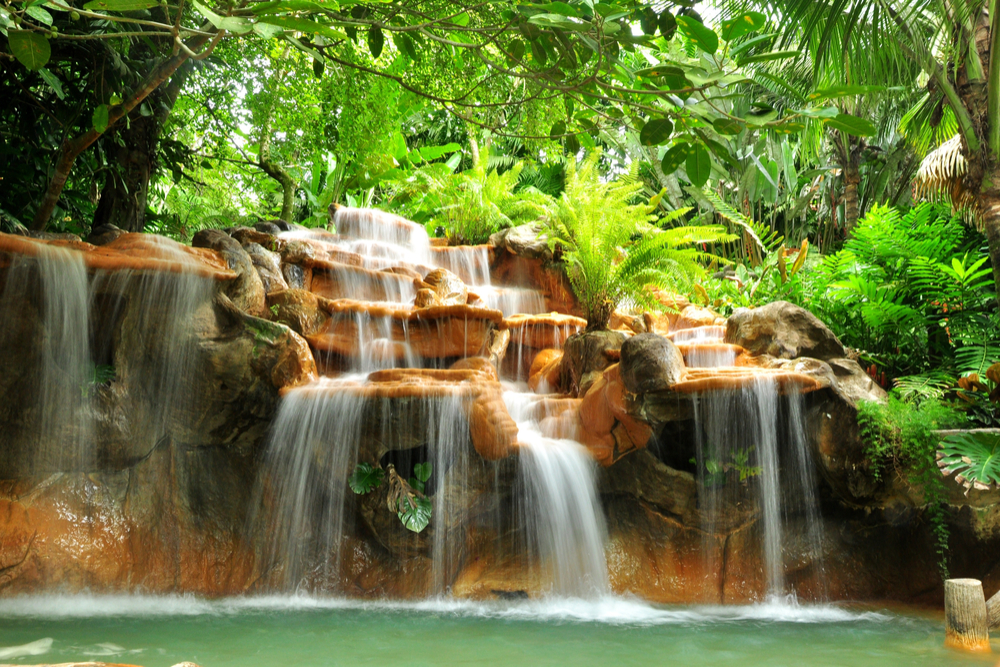 Picture yourself soaking under these hot-springs waterfalls in Costa Rica. Photo: Shutterstock
The insider advice on this page is from one of Wendy’s Trusted Travel Experts for Costa Rica: Irene Edwards of GreenSpot Travel.
A native Costa Rican who splits her time between the U.S. and Costa Rica, Irene masterminds trips to her homeland that marry sophisticated luxury, a deeper connection with the environment, and connections with local communities. She knows which high-design jungle lodges, stylish beach resorts, and adventure outfitters truly prioritize not just comfort but a commitment to preserving the culture and environment. Irene is always eager to arrange meaningful one-on-one experiences with the locals. (You might even get invited to her mother’s home for a cooking lesson.) And her warm demeanor ensures that she’ll get to know you well during the planning process, so she can whip up special touches like an unexpected upgrade or a birthday surprise.
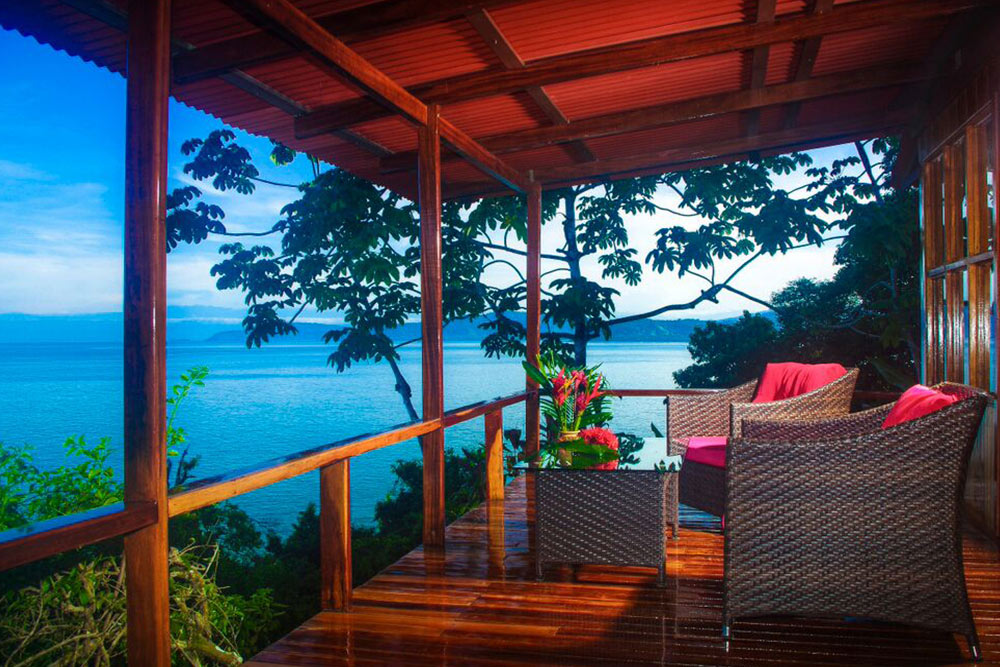
La Paloma’s stand-alone bungalows enjoy panoramic views from their jungle perch. Photo: GreenSpot Travel
Where to Stay and Eat
Best bang-for-your-buck hotel
Perched above the Pacific on the edge of Corcovado National Park, La Paloma Lodge is set in one of the most biodiverse environments on Earth—the Osa Peninsula. The lodge’s founders were pioneers who put the Osa on the map as a destination for conservation-minded travelers. Long before ecotourism became popular, they were quietly demonstrating what it meant to live in harmony with the land, to protect it, and to share it responsibly. With only seven bungalows and four rooms, this lodge combines an off-the-beaten-path location with personalized service and attention to detail. This is the kind of place where you’ll want to keep your binoculars tucked away when you’re not using them, in case an overly friendly monkey decides to reach through the window and give them a try. The two-story bungalows have beds and baths on each floor and a layout that allows families or friends to comfortably share one unit, keeping down costs. From here you can also do day trips to Corcovado National Park and Caño Island Biological Reserve.
Most luxurious ecolodge
Hacienda AltaGracia, at the foothills of the Talamanca Mountains, is a luxury retreat with a mission to preserve the secondary forest that surrounds it. Each private casita is thoughtfully designed to blend rustic elegance with modern comfort, offering expansive views, handcrafted furnishings, and plenty of privacy. The ethos centers around sustainable living, harmony with the environment, and uplifting the local community. Its culinary philosophy revolves around “La Mesa de la Abuela”: humble, local, ancestral food traditions shared with guests.
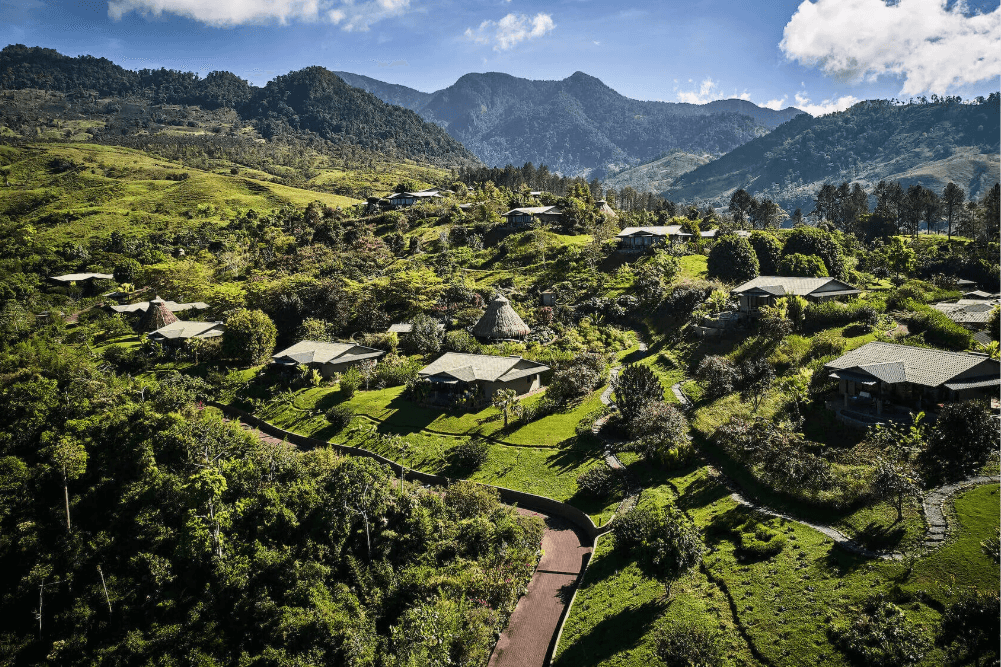
Hacienda AltaGracia is set in the foothills of the Talamanca Mountains. Photo: Hacienda AltaGracia
Restaurants the locals love
Las Ventanas at El Silencio Lodge & Spa. Tucked away in the heart of Costa Rica’s cloud forest with panoramic views of lush, mist-shrouded treetops, Las Ventanas offers an elevated dining experience that combines local tradition and global cuisine. Ingredients are sourced from the lodge’s organic gardens, free-range hens, and trout ponds, ensuring that every bite offers a taste of the forest. Reservations are essential.
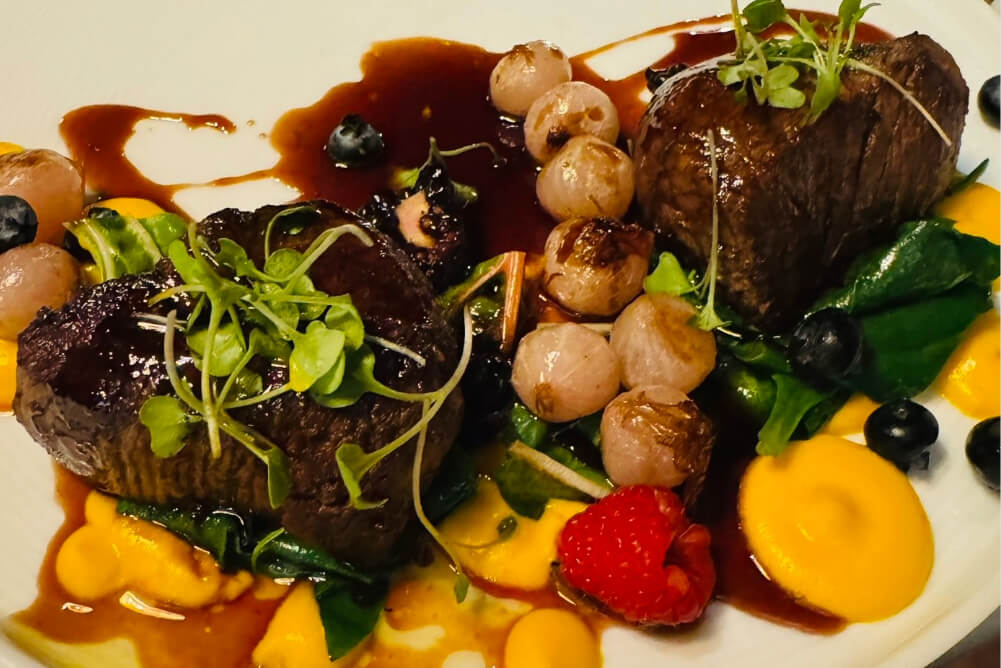
Las Ventanas sources many of its ingredients from its own garden. Photo: GreenSpot Travel
Restaurante Grano de Oro, in the heart of San José, is loved by both its hotel guests and locals, who are looking for an intimate and easily accessible spot for haute cuisine, under the expertise of French chef Francis Canal. The inner courtyard resembles how San Jose’s coffee-farm houses were built back in the 1920s. The standout dessert, the Pie Grano de Oro, is a decadent mix of coffee and chocolate that you shouldn’t miss.
Dish to try
Picadillo is a beloved dish crafted from a savory mix of seasoned ground meat or vegetables sautéed with tomatoes, peppers, onions, and spices. Served with warm corn tortillas, this classic pairing is a true celebration of Costa Rican home cooking.
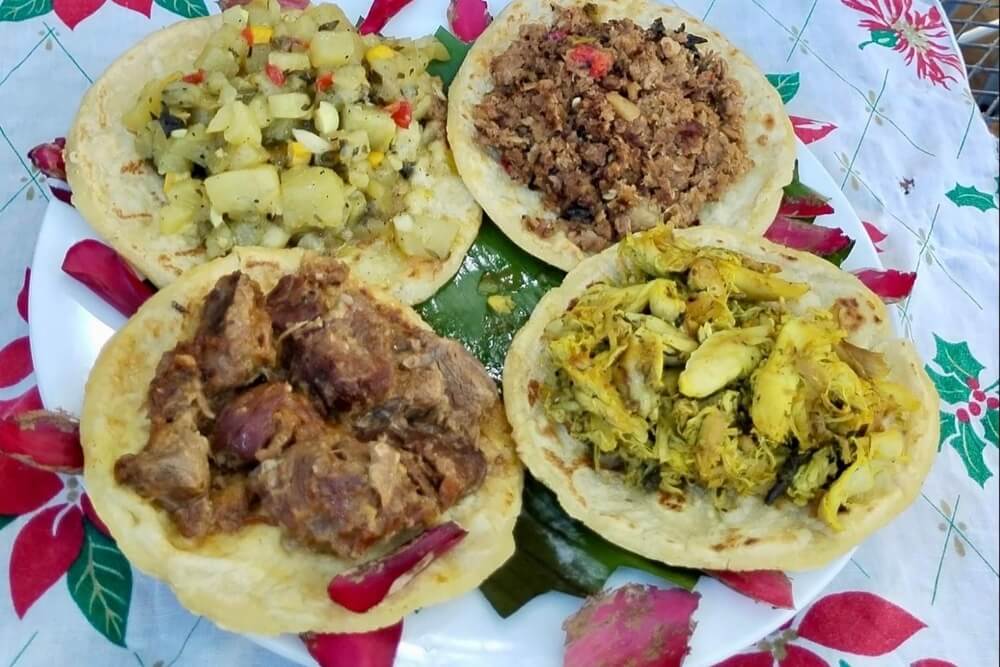
Home-cooked picadillo made from chayote and papaya. Credit: GreenSpot Travel
Meals worth the splurge
After days of chasing waterfalls, winding through cloud forests, and soaking up Costa Rica’s pura vida spirit, El Taller de Billy Sazón in San José is the perfect place to land. Tucked away like a local secret, here you’ll find classic Costa Rican dishes reimagined with a modern, artistic touch. Each plate in the 12-course tasting menu feels like a tribute to the country you’ve just traveled through—maíz, cacao, fresh Pacific seafood, mountain herbs—woven together in surprising, elegant ways.
El Tigre Vestido (translation: The Dressed Tiger), the restaurant at the Finca Rosa Blanca Coffee Plantation Hotel, in the hills of Santa Bárbara de Heredia. Those who make the drive up the winding road are rewarded with delicious food and views of the Central Valley. Much of the produce is grown on-site. Finca Rosa Blanca’s Sabor! program is a culinary-themed stay that includes private cooking classes, various insider tasting opportunities (think cheese, mead, and chocolate), and an innovative, coffee-themed four-course dinner utilizing beans from the hotel’s own plantation.
What to See and Do
Don’t miss
The Osa Peninsula, home to Corcovado National Park. Despite a certain level of press over the years, the peninsula’s remoteness leads most travelers to substitute easier-to-reach rainforests and jungles. Although you’re likely to see a scarlet macaw in one of those other locations, on the Osa Peninsula you might see a tree full of them. The abundance of wildlife among majestic old-growth forest makes for a payoff well worth the distance traveled.
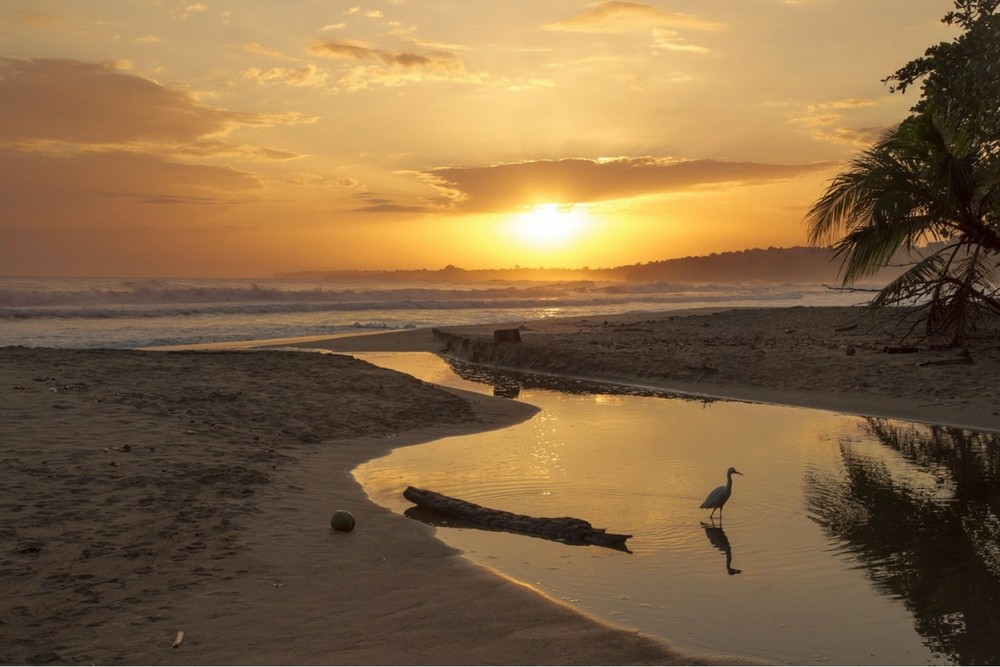
Getting to the Osa Peninsula is worth a little extra effort. Photo: Milivanily/Pixabay
Don’t bother
Jaco beach. This place has a special spot in the hearts of locals, as it used to be the Pacific paradise where San Jose families spent the weekend. But development has made it more of a party town than a family-friendly gathering spot. Today, Jaco has lost the essence of what it was 20 years ago.
Most underrated place
Though downtown San Jose is not generally at the top of most traveler’s wishlists, it is drawing a new wave of chefs who are reimagining Costa Rican cuisine through bold, sustainable, and locally sourced menus, transforming the city’s Barrio Amón into a gastronomic destination. The Jade Museum (focusing on pre-Colombian culture), the National Museum, and the Costa Rican Art Museum are all worth a visit for a deeper understanding of the country’s soul.
Hidden gem
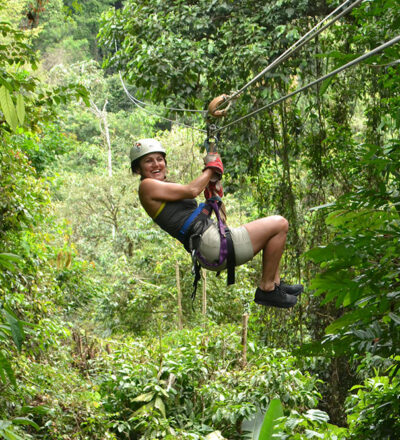
Travelers often overlook the Turrialba region, but there are plenty of good reasons to make it a priority. The region is close to San Jose—only two-and-a-half hours by car—though you’ll feel the sensibility of rural Costa Rica. It’s the kind of place where, at two o’clock in the afternoon, you’ll see the local señor walking with a bag of bread from the pulperia to enjoy with his afternoon coffee. You can visit plantations that produce sugarcane, coffee, and macadamia nuts; pre-Columbian ruins at Guayabo; and Turrialba Volcano, currently Costa Rica’s most active. And you can find adventure on the Pacuare River, considered one of the world’s best by rafters for its spectacular Class III, IV, and V rapids. While there, spend the night at the luxurious and secluded Pacuare Lodge. Hidden deep within Costa Rica’s Talamanca Mountains and along the Pacuare River, the lodge is comprised of 26 eco-luxury suites. Built without cutting a single tree and powered by renewable energy, the lodge’s thatched villas open to the rainforest, immersing guests in the sound of running water and birdsong. Visitors can hike ancient forest trails, birdwatch, zipline above the forest’s canopy, and partake in guided nature walks.
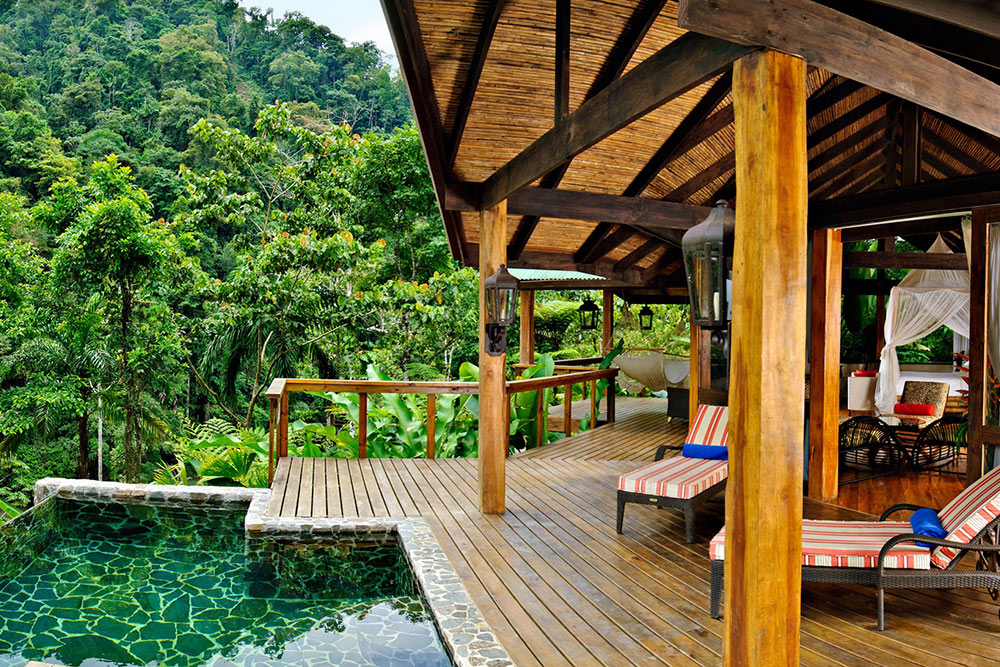
The Pacuare Lodge is an eco-oasis on the Pacuare River. Photo: GreenSpot Travel
How to spend a lazy Sunday
Take a walk in the park. Costa Rican towns are all built around a central square, with the church at one end and the park occupying the center. Local families gather on Sundays to socialize after church in the mornings and late afternoons. No activity will give you a better feel for life in Costa Rica. Grab a bench. The wait will be short before somebody strikes up a conversation.
In Costa Rica, few traditions capture the spirit of daily life quite like afternoon coffee, café chorreado. And on Sundays there is is no better way to unwind than to join locals at a café or on a shaded terrace to enjoy a cup of fresh, locally grown brew. Often served with a sweet pan casero or a slice of tres leches cake, coffee in Costa Rica is more than a drink: It’s a slow ritual and a chance to pause, connect, and savor the pura vida lifestyle.


Get a Personalized Trip Recommendation
For a travel solution tailored to your trip goals and preferences, click this green box.

Best Times to Go

Mid-June to mid–August is the middle of the rainy (or “green”) season—but with very predictable weather patterns, so you get beautiful sunny mornings and strong showers nearly every afternoon. This gives you time to take part in activities in the morning and then rest in the afternoon while listening to the tropical rain that cools things off for the evening. Prices are lower and places are not as busy as during the drier high season, and everything is lush and green. Additionally, this is whale migration season on the southwest Pacific coast. And occasionally it won’t rain much at all for two weeks.
The holiday season is the busiest time of year, but the first two weeks of December are quiet (with low-season rates in effect), and you can enjoy the transition from rainy to dry season when everything is still lush and green. After New Year’s, there is a lull when foreign travel to Costa Rica slows. Moreover, it’s one of the nicest times of the year for a winter escape, right in the middle of the Costa Rican dry season. It is often the only time in the high season that you can plan a last-minute trip and still have your first choice of the country’s top hotels.
Worst Times to Go
October: It’s consistently the rainiest month of the year, with some days when it just rains constantly. By postponing your travel to mid-November, you’ll have a much better opportunity for sun.
Easter week: You will be competing for space with international adventure-seekers and a growing number of wealthy Costa Ricans on traditional beach breaks. The weather is usually gorgeous, but the nature parks and hotels are at their most crowded.
Bragging Rights
There is much to be learned from the few indigenous communities left throughout the world about preserving Mother Nature. Irene can arrange for travelers to meet the Cabécar indigenous people of the Talamanca Mountains, in the southern Pacific side of the country. Access to this area is difficult, involving a helicopter ride and several hours of hiking. The community has stayed true to its ageless traditions, maintaining its identity in an intact natural environment while surrounded by a modern world seen as polluted; visitors are rarely allowed. You’ll be shown around the village, taught about the group’s history and beliefs, and then served a meal on plantain leaves.
Instagram Moment
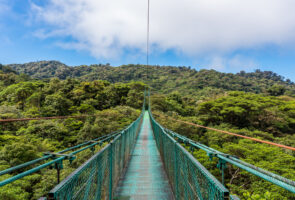
The Hanging Bridges in the foothills of Arenal Volcano are quieter right after lunch. For a perfect picture, stand in the middle of one of the longer bridges with the jungle canopy at eye level while the sun sneaks between the openings in the thick forest. You can wait until no one else is in the shot, but you may still get photo-bombed by a sloth.
You drinking a coconut while kicking back and embracing the pura vida vibe.
The Souvenirs
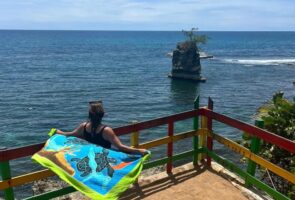
A vibrant sarong printed with tropical animals that captures the country’s lush biodiversity in bold, beautiful designs. Ideal for beach days, it will remind you of the rainforest’s magic long after you return home!
A chorreador. A wooden apparatus used to make coffee in rural areas and traditional households, it’s a simple yet elegant system that creates a taste very distinct from machine-brewed joe. Coffee and a simple life represent the true Costa Rica. You’ll find the best prices in La Fortuna or San Ramón.
Tipping Tip
A 10 percent tip is already included in restaurant bills by law. If you get good service, an extra 5 to 10 percent tip is appropriate.
Don’t Forget to Pack
A refillable water bottle. All of the upscale hotels have filtered water, or bottled water in much larger containers. Disposable plastic water bottles purchased by tourists in Costa Rica (and around the globe, for that matter) create a lot of waste, and there’s a shortage of recycling facilities.
It’s also good to have a cream for insect bites, sunburn, and other irritations (your skin takes more abuse in the tropics). Your own hair conditioner comes in handy when visiting the jungle, too; some of the conditioners offered at the lodges leave your hair completely unmanageable in the heat and humidity. Just make sure it’s biodegradable!

Stay in the Know With Our Newsletter