
Make Your Next Trip Extraordinary
Beijing, China: Insider’s Guide
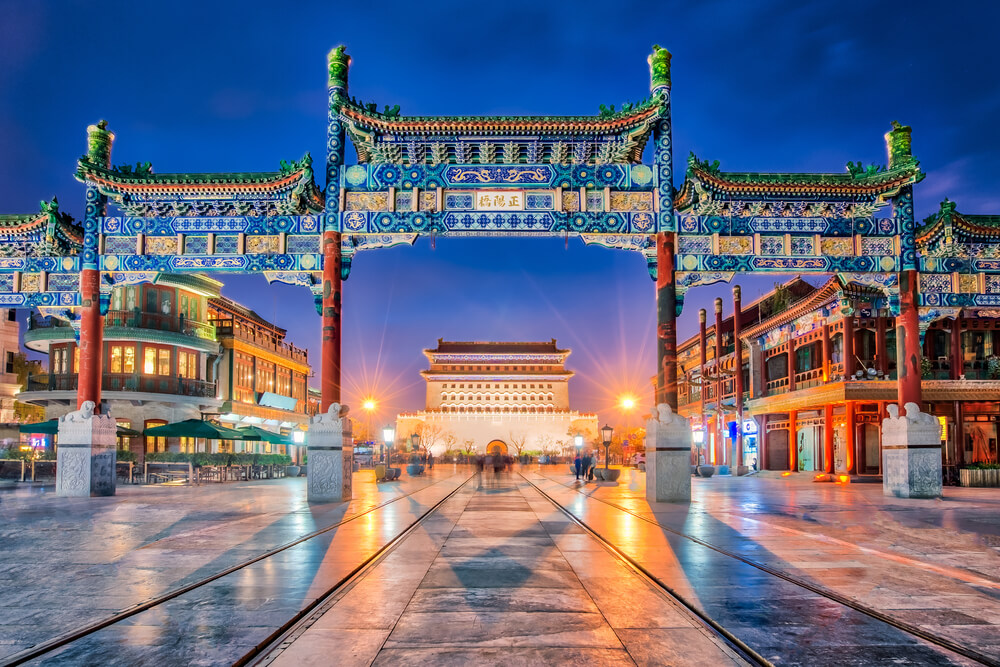 In Beijing, a modern metropolis merges with more than 3,000 years of history. Photo: Shutterstock
The insider advice on this page is from one of Wendy’s Trusted Travel Experts for Mainland China, Hong Kong, and Taiwan: Mei Zhang of WildChina.
Sharing her homeland’s hidden gems has been Mei Zhang’s lifelong passion, interrupted only by the years she spent earning her Harvard MBA and working for McKinsey before she founded her travel company in 2000. No matter the occasion—family trip or 50th-birthday celebration—Mei can filter the seemingly endless options for clients to craft the experience that’s just right for them. Mei grew up in Yunnan province and has particular knowledge of Guizhou and Sichuan provinces too; now based in California with offices in Beijing and Taiwan, she has close relationships with hotel and restaurant owners and makes sure that her clients get the red-carpet treatment. Her guides and drivers are the best in the business, opening the doors to authentic Chinese culture and steering travelers away from the crowds, the expected, and all things touristy.

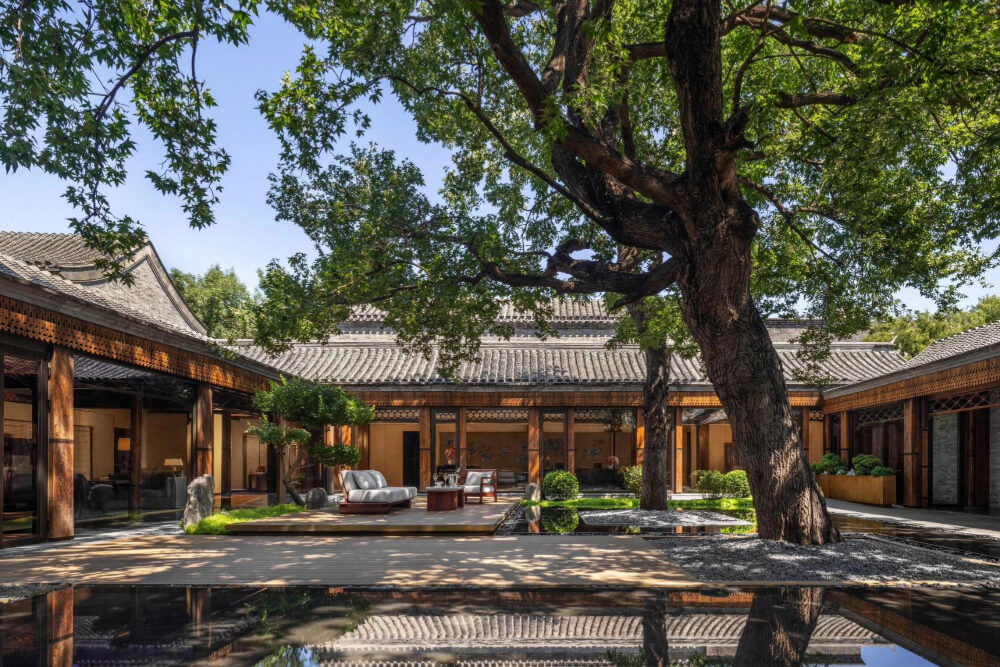
The Mandarin Oriental Qianmen is set in a traditional hutong neighborhood. Photo: Mandarin Oriental
Where to Stay and Eat
Best-value splurge hotel
The Mandarin Oriental Qianmen, opened in 2024, is a courtyard-style hotel reflecting Beijing’s unique hutong culture and located in the heart of a traditional neighborhood just south of the Forbidden City. The property’s architectural features and location are reason enough to splurge. Mei’s relationship with the property, which can offer you flexibility should you have an unforeseen change of plans, makes it a no-brainer.
Best bang-for-your-buck hotels
The Peninsula Beijing might not be your first thought when it comes to value, but it should be. The property underwent a major renovation in 2017, reducing the number of rooms from 525 to 230 and transforming into an all-suite hotel. As a result, the Peninsula’s room size is twice that of other five-star hotels in Beijing, and its pricing is competitive. Add to that the property’s proximity to the Forbidden City and its lively neighborhood setting and it’s a done deal—especially for families.
Another surprise in the bang-for-your-buck category is the Four Seasons Beijing. An older property located in Beijing’s central business district, the Four Seasons’ pricing is among the brand’s lowest worldwide, yet it comes with a tea garden, pools, spa and all the other perks you would expect from a Four Seasons.
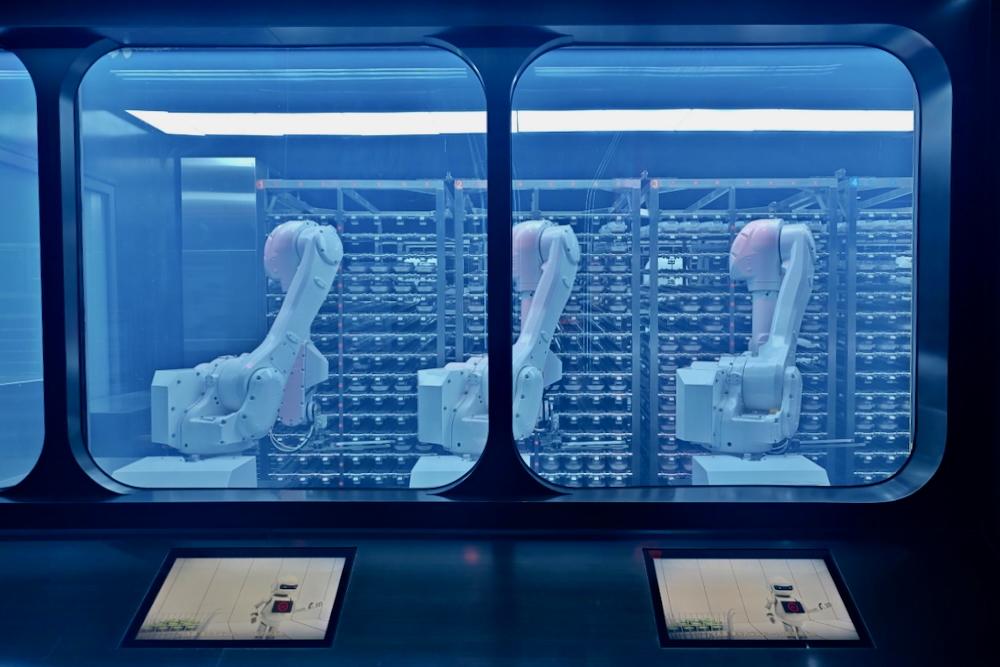
Robots prep and serve food at some Haidilao locations. Photo: Haidilao
Restaurants the locals love
Haidilao is a hugely popular local hotpot where you sit around a boiling pot of soup and cook your own vegetables or meats. The food is great, but you really go there to experience the famed Haidilao service, which has been studied at Harvard Business School. (They will even give you a manicure while you wait in line!) Plus, you’ll have a hard time spending more than $15 per person. Guests particularly enjoy the sci-fi experience at the Zhongjun Shijiecheng location.
Regional cuisine is having a moment in Beijing—particularly Yunnanese cuisine, characterized by its use of wild mushrooms and fresh green vegetables. Mei recommends both Yun Hai Yao and In and Out (no relationship to the burger joint) to sample the food of her home province.
Dish to try
Peking duck. It sounds clichéd, but it’s so good! For the best duck formally served in classic Chinese banquet style, go to Da Dong or Quanjude. These traditional Chinese restaurants have multiple locations and are very well known among Beijingers. They are where you would be taken were you invited to dinner by Chinese friends. For a much more casual but equally delicious experience, go to Country Kitchen in the Rosewood. You can relax over noodles and dumplings as you watch your duck being prepared in the glass-walled kitchen.
Meal worth the splurge
Mei partners with F Bistronome to serve an elegant dinner atop the Great Wall of China. Mei’s team will design your own private dining experience on the Mutianyu section of the Wall, about two hours outside of Beijing. Arrive at dusk, settle in at your linen-draped table, and sip champagne as you admire the vast expanse of China’s Great Wall, with nary a tourist in sight.
Best spots for a drink
The rooftop bar at the Mandarin Oriental Wangfujing offers gorgeous nighttime views of the Forbidden City.
For something with a little bling, try the garden bar at the Bulgari Hotel—excellent for people-watching. Sip a crafted cocktail in the canalside setting and observe as Beijing’s cosmopolitan elite and Europe’s glitterati hobnob.
What to See and Do
Don’t bother
Avoid the Badaling section of the Great Wall. It’s the closest to Beijing and a favorite of packaged-tour companies, which means that the constant crowds detract from the Wall’s beauty. It’s well worth your time to travel to Mutianyu (a two-hour drive each way) or Simatai or Jinshanling (a three-hour drive each way) to have a more meaningful and memorable experience.
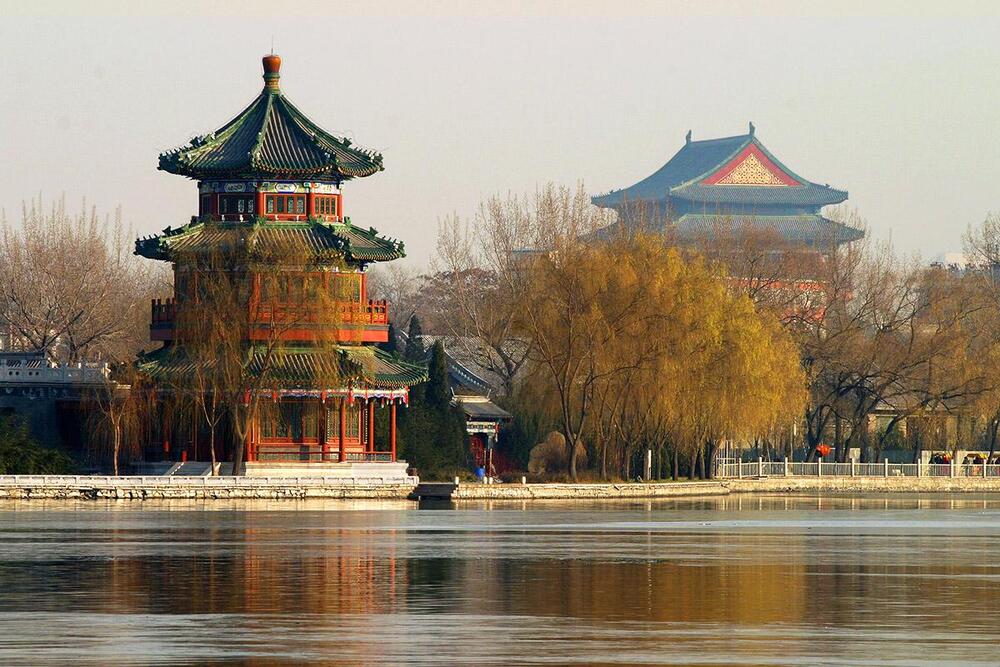
The Houhai neighborhood offers a window into old Beijing. Photo: WildChina
Don’t miss
A walk through the hutongs around Houhai. These winding alleyways, created for foot traffic, offer a glimpse into the atmosphere of old Beijing. The street layout dates back to the Yuan Dynasty, with many buildings showcasing traditional Chinese architecture. You will see low-walled houses, elderly men drinking tea on their doorsteps, and vendors selling crab-apple candy and other treats.
Hidden gems
Ritan Park is a small park near the residence of the U.S. ambassador that is used as a sort of gym by the people in the neighborhood. Go when it opens at 6 a.m. to see ladies doing fan dances, gentlemen doing tai chi, joggers circling the park, and someone singing Beijing opera at the top of his lungs. It’s particularly beautiful in July and August with the lotus flowers blooming.
Chaoyang Park is Beijing’s Central Park. Close to the Four Seasons and the Bulgari, it’s a great place to watch Beijingers going about their daily routines. Its four-mile loop is popular with Beijing’s elite long-distance runners—and surely beats the hotel treadmill!
Beijing’s art scene has been maturing over the last decade. As the iconic 798 Art Zone is becoming more commercialized, established artists are now setting up shop elsewhere. These studios and galleries are dotted around the city and it takes an insider to help you dig them out—which makes them all the more special. One of Mei’s favorite places to send travelers is the private exhibition space of fashion designer Ma Ke, who dresses China’s first lady. It is located in an old printing factory and tastefully displays Ma’s works in an organic setting—laid out on carefully crafted furniture that replicates the style of a rural Yunnan home. Access is by appointment only, so make sure you call ahead. Do take the time to visit the 798 Art Zone, though, as it remains the hub for contemporary art in Beijing. And don’t miss the UCCA Center for Contemporary Art, China’s leading contemporary art institution.
Cheap thrills
Fast, frequent, cheap, and clean, Beijing’s subway is the best way to get around—especially between 4:00 and 7:00pm.
If you prefer to stay aboveground, take advantage of Beijing’s bikeshare service and hop on a bike—China’s solution to the last mile. You will need Alipay for both the subway and bike share (as well as most other transactions in Beijing), so make sure to download the app before you leave home!
The souvenirs
BNC Boutique, in the basement of Sanlitun North Village, is owned by Hong Huang, a Chinese fashion-magazine celebrity, and showcases local designers. Its selection of China-inspired clothing, jewelry, and knickknacks is tastefully done.
Phoenix Design, just one block away, is a beautiful little store for exquisite handmade porcelain or clay pots and vases. The shop alone is elegant and worth a look. It shares space with a French designer who produces a line of China-inspired children’s clothing that is charming and great for baby showers.
Located just off Qianmen, Liulichang Street is known for its traditional stone dwellings, craftwork, artistry, and antiques. According to local legend, during the Ming and Qing dynasties Liulichang was a favorite haunt for scholars, painters, and calligraphers who gathered there to write, purchase books, and paint. Today, you can pick up unique souvenirs, chat to locals about the history behind the antiques they have for sale and even try your hand at carving your own traditional seal.
How to spend a Sunday
Go to Olympic Forest Park on Sunday morning for some of the best people-watching in the city. You’ll find a crowd of street singers gathered at the South Gate performing revolutionary tunes from the 1970s and 1980s. Join the locals for a jog, then head off to Hotel EAST’s FEAST restaurant for Beijing’s best Sunday brunch buffet, where you’ll likely rub shoulders with several of the city’s celebrities. Best of all, it won’t break the bank.

Get a Personalized Trip Recommendation
For a travel solution tailored to your trip goals and preferences, click this green box.

Best Times to Go
April 15 through May brings spring weather, blooming flowers, and fewer crowds.
Similarly, September through mid-November offer clear blue skies, colorful bursts of fall foliage in the western hills and along the Great Wall, and an end to the summer tourist crowds.
For a few exceptions, see “Worst Times to Go,” below.
Worst Times to Go
The first week in May and the first week of October are both holiday weeks and should be avoided.
In the summer Beijing is crowded, not only with foreign tourists but also with Chinese students from all over the country.
Biggest Rookie Mistake
Not hiring a private car and driver and not acquainting yourself with Beijing’s modern and efficient subway network. Taxis are in short supply during rush hours and in the evenings and impossible to find when it rains. So hire a car with a driver and travel in style, or go local and ride the subway or a bike.
Instagram Moments
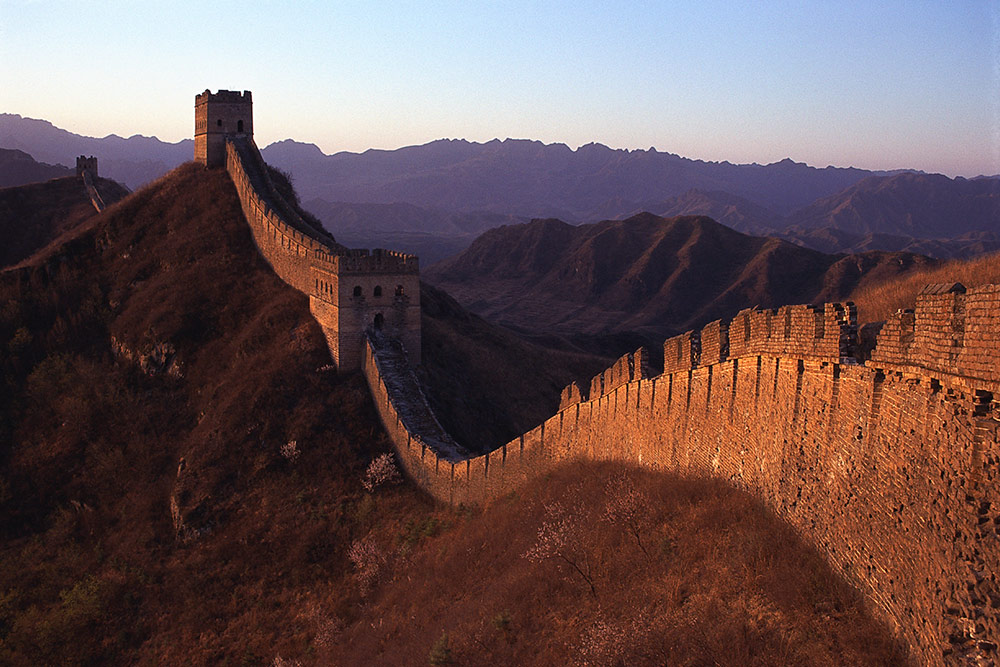
The Great Wall at sunset, when the mountaintops and winding wall are bathed in a soft golden light.
The park grounds of Ritan Park or Temple of Heaven early in the morning, when locals dance and do tai chi. They don’t mind having their photos taken at all.
The Forbidden City—at any time and in any season, but particularly at sunset when the moat reflects the glow of the red walls.
Scam Alert
Visits to silk factories or cloisonné workshops might sound like educational opportunities, but these are nothing more than overpriced souvenir shops. If your guide insists on a bathroom break at one of these, tell him you don’t need to go.
Must-Have Apps
China uses its own apps for services, so you won’t get far without Alipay or WeChat. Unique to the experience of modern China is experiencing all you can do with your phone. Subways, bike shares, shops, and restaurants—even in large hotels—all use Alipay, so don’t leave home without it! Whether you want to order late-night snacks to your hotel or call for a ride, you can do it all within Alipay—there’s no need to download lots of separate apps.
WeChat is the main messaging app in China; use it to stay in touch with your guide and driver.
DiDi is great for finding a taxi back to your hotel after dinner.
Although popular social media sites like Facebook and Instagram are blocked in China, you can keep your family and friends updated on your China adventures by purchasing and activating an eSIM on your device before leaving home. There are many service providers out there and they all have easy-to-use apps.
Tipping Tip
Tipping is not a day-to-day part of the culture in China, but it is becoming expected in fine hotels and in the travel industry in general. The guides and drivers who work in English generally do expect a healthy tip of around $25 per day for the guide and $15 per day for the driver.
Airport Intel
There are three terminals in Beijing Capital Airport. If you are flying in from the United States and transferring to a flight to another city that departs from another terminal, budget at least three hours to clear customs and transfer.
There is great train service into the city that connects to the subway system, but avoid rush hours (Monday through Friday from 7 a.m. to 9 a.m. and 5 p.m. to 8 p.m.) or you’ll be packed in like a sardine.
There is a new airport near Beijing called Daxing Airport. Avoid flying in or out of this airport, as it is sixty miles away from the city.
Don’t Forget to Pack
Pocket hand sanitizer and small packets of tissues. Chinese toilets in general do not supply toilet paper, so these will come in handy.
Your smartphone—China is close to 100% mobile pay for everything. Can’t say it enough—download Alipay before you leave home!

Stay in the Know With Our Newsletter