
Make Your Next Trip Extraordinary
Andalusia’s Cities and Seaside, Spain: Insider’s Guide
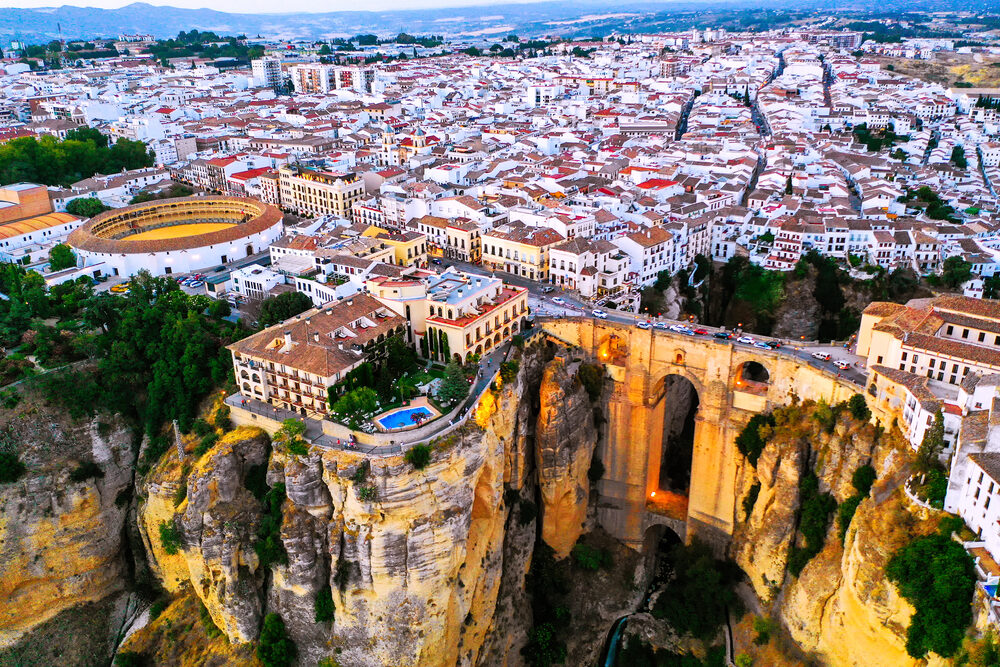 Two hallmarks of Andalusia are its whitewashed architecture and its vertiginous cliffs. Photo: Shutterstock
The insider advice on this page is from one of Wendy’s Trusted Travel Experts for Spain and Portugal: Virginia Irurita of Made for Spain & Portugal.
Born and raised in Spain, Virginia has a little black book thick with the names of local experts eager to show you their corners of the Iberian peninsula: architects, chefs, flamenco dancers, museum curators, even aristocrats living in ancient castles and palaces that are practically museums themselves. Her bespoke itineraries extend to all of the Balearic Islands, Madeira, Tenerife in the Canary Islands, and São Miguel in the Azores. Virginia has a keen interest in wine and winemaking, and she is well-connected in the foodie world. Her savvy local drivers and clever guides will save you considerable time and hassle. If you prefer to rent a car and drive yourself, click to Ask Wendy for a different recommendation.

Where to Stay and Eat
Hotels worth the splurge
On the Costa del Sol, Finca Cortesín is one of Spain’s five best hotels. The rooms are huge, the spa is exceptional, and the golf course has won several awards. On a clear day, you can see to Africa. Though the property itself isn’t on the water, guests have access to a beach club about a mile away (shuttles run regularly)—or you can just stay put and opt for a dip in one of three pools.

Finca Cortesín has what many consider to be one of Spain’s best golf courses. Photo: Finca Cortesín
In the heart of Granada’s historic center, Seda Club Hotel sits in the Plaza de la Trinidad, a gardened square with a baroque stone and marble fountain. The hotel has a luxurious social-club feel, with rich woods and custom leather headboards on the beds.
Best bang-for-your-buck hotels
Staying at La Bobadilla Hotel is like being invited to a wealthy friend’s country estate (one that just happens to be conveniently located between Cordoba, Granada, and Seville). A whitewashed Mediterranean villa set among olive groves, the hotel has a spa and a fine-dining restaurant, as well as horses and bikes for exploring the extensive grounds—and yet, the room rates are very reasonable. Of La Bobadilla’s entry-level accommodations, number 47 is a prime pick for the beautiful Moorish woodwork in the ceiling.
With sea views across Marbella’s beachfront promenade, El Fuerte has the stature matching its historic location, once the site of a fort guarding against pirate invasions. It has a sense of casual luxury and a warm Mediterranean feel, and it’s just a five-minute walk from the Plaza de los Naranjos in the Old Town.
Restaurants the locals love
In Córdoba: Casa Pepe de la Juderia. Sit on the rooftop terrace for a great view of the minaret of the old mosque, which is now the bell tower of the cathedral. Try the salmorejo—a chilled tomato soup—or any of the pork dishes.
For a more classic meal, go to Bodegas Campos, a renowned winery opened in 1908 and now one of Córdoba’s top spots for high-quality cuisine. Dinner on their patio is like a dream come true.
In Seville: Bodeguita Morales. This tapas bar has been around for over a century, with the atmosphere to prove it. Spinach and garbanzo beans are a typical Spanish dish, but the generous dose of cumin in their version gives it a North African flavor.
In Málaga: Have some tapas at the Antonio Banderas-owned restaurant Barra de Doña Inés: good-quality food and cocktails, and splendid service.
Many restaurants in Andalusia have terraces; thanks to the mild climate, it’s possible to sit outside well into November.
Dishes to try
The langoustines (cousins of the lobster) at Casa Bigote, at the mouth of the Guadalquivir River in Sanlúcar de Barrameda. It’s a casual place, but their seafood is delicious.
Cold soups, like salmorejo and ajo blanco, are a mainstay in Andalusia, as is fried fish (cooked in very hot olive oil that doesn’t permeate the meat, similar to the tempura technique of frying). Oxtail stew is another specialty—little surprise given the number of bull ranches in the south.
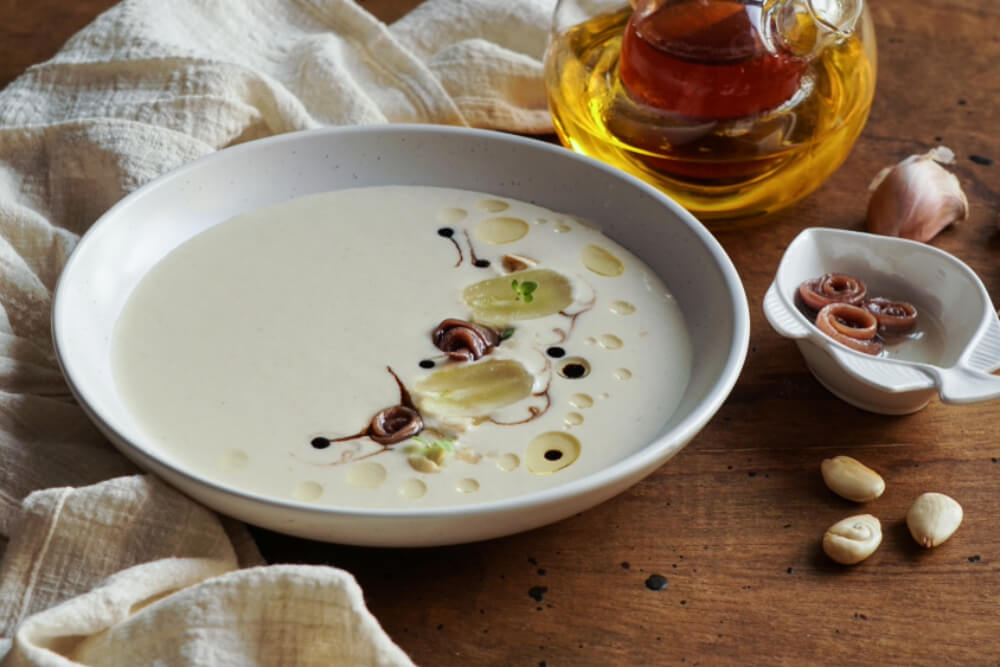
Ajo blanco is a traditional chilled soup with a velvety texture. Photo: Shutterstock
Meals worth the splurge
Aponiente, in Cádiz, is Andalusía’s only restaurant with three Michelin stars. Chef Angel Leon has revolutionized the way seafood is prepared.
In Seville, Cañabota serves the best products of the sea, coming from the coasts of Cádiz and occasionally from Galicia, and cooked on the embers. For a less formal meal, go next door to La Barra de Cañabota.
What to See and Do
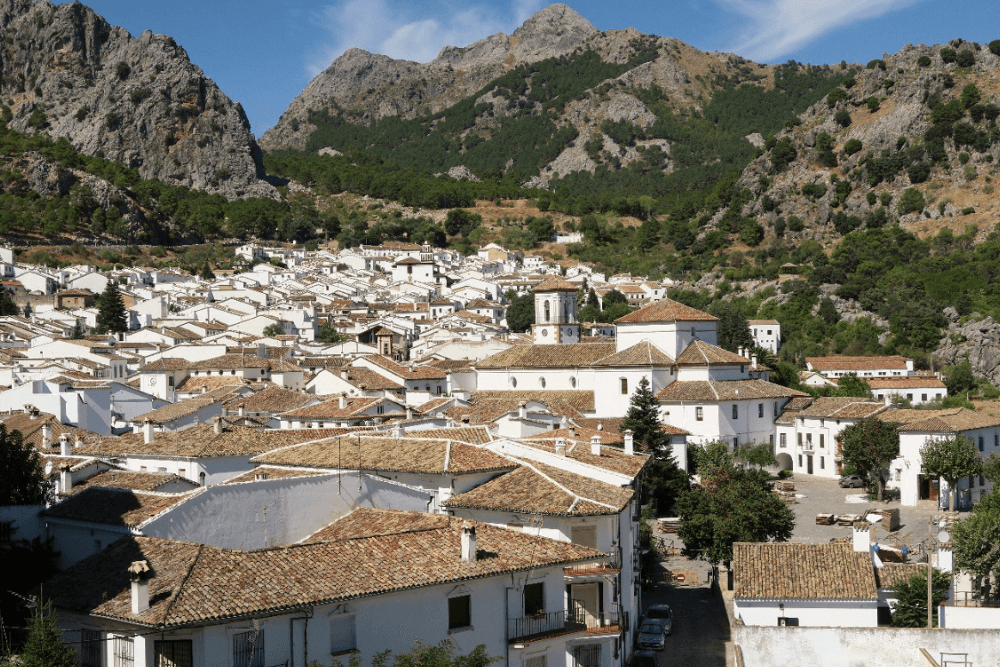
Zahara de la Sierra is perched on a mountain in Cádiz. Photo: Unsplash
Don’t miss
The entire Cadiz province—both the inland villages and the coastal towns. It’s that unbeatable combination of great landscapes, fantastic food and wine, incredible beaches, and low prices—all yet to be discovered by foreign travelers. The province’s pueblos blancos (noteworthy among them are Arcos de la Frontera, Zahara de la Sierra, and Setenil) glow white against the landscape. Get lost in the flower-lined alleyways of these tranquil villages, but don’t forget to scan the skies as well: The many species of eagles and vultures found here make the region a birdwatcher’s paradise.
The twin cities of Úbeda and Baeza (collectively a UNESCO World Heritage Site) have beautiful Renaissance architecture and strong Arabic heritage, but not many visitors. Situated in Jaen province and neighboring the world’s biggest olive grove, both towns are full of small restaurants and outdoor cafés offering delicious tapas based on Andalusia’s agricultural bounty. The Parador de Ubeda—a lovely, 16th-century palace turned hotel—makes overnighting here a no-brainer.
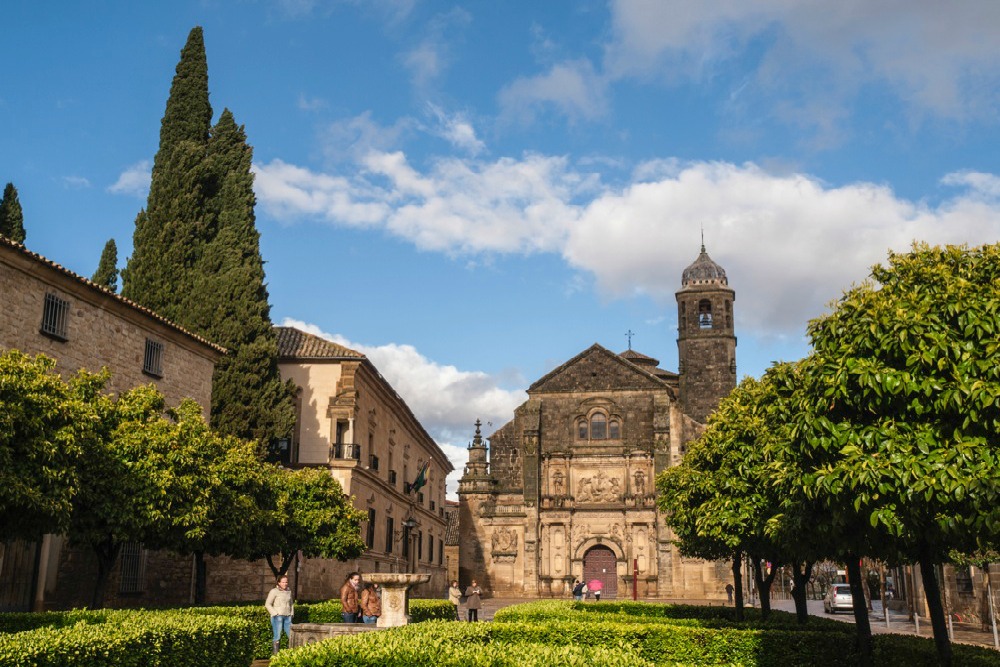
The Capilla del Salvador contributes to Úbeda’s status as a UNESCO World Heritage Site. Photo: Ignacio M. Irurita
Don’t bother
Politically, Gibraltar is part of the United Kingdom, but geographically it’s located in Andalusia. Regardless, travelers who insist on visiting always come back agreeing that it was a waste of time. Perhaps you’ve heard stories of the semi-wild monkeys; there aren’t many left. And while the shopping is VAT–free, the options are meager and nothing special.
Cheap thrill
Tapas used to be served free to bar patrons throughout Spain; these days the tradition is carried on only in Granada. Every drink you order gets you another tapa, each bigger and better than the last—no need for dinner!
Bragging rights
Enjoy a private visit with the owner of one of the best-preserved medieval castles in the world: Castillo de Almodóvar (Almodóvar’s Castle). She will take you through its towers, dungeon, hexagonal chapel, and much more. You’ll have access to the parts of the castle where the owner and her family still live. And if you watch Game of Thrones, welcome to Highgarden!
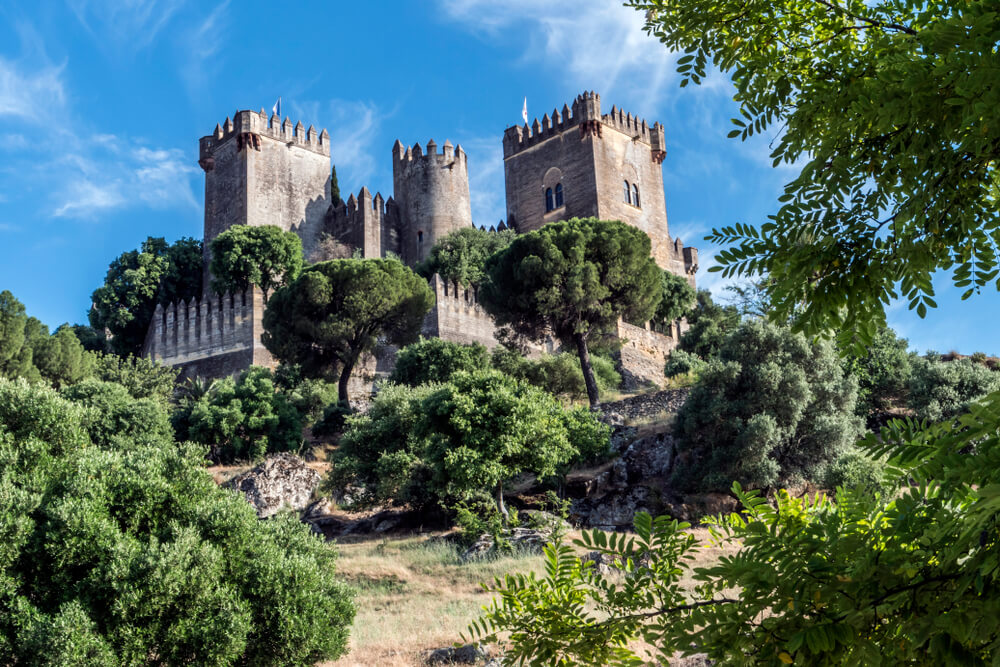
Castillo de Almodóvar is one of the best preserved medieval castles in the world. Photo: Shutterstock
Virginia can also arrange a private visit to the medieval Synagogue of Water in Úbeda, unearthed only about ten years ago just as construction for a new apartment building was about to begin. You’ll meet the site’s developer, who discovered the ruins (which include seven wells, a ritual bath, and a number of artifacts) and, instead of building the new apartments, dedicated himself to restoring the ancient synagogue. Hear the stories of the Jewish community in Úbeda before the Inquisition.
In the heart of Jerez de la Frontera, the neoclassical palace Virrey Laserna Palace has been passed down through generations since the 13th century. Enjoy a tour of its collection of antiques and artwork before joining its Marquis for lunch and a sherry wine tasting, and listening to the secrets that lie behind the historic palace walls.
The souvenirs
The best shopping in the region is found in Seville, especially if you’re looking for traditional items that are typical of the region. For a wide selection of beautiful fans, or abanicos, go to Abanicos Diaz (not just for flamenco dancers, abanicos were historically used by the women of Andalusia to stave off the summer heat). For mantónes de Manila—those large embroidered shawls named after the Spanish colony—head to Juan Foronda. And check out Sevillarte for ceramics made using Moorish and Renaissance techniques that originated in the 15th and 16th centuries (you can also buy similar pieces in Granada, near the Cathedral).
It is worth a visit to the oldest hat shop in Seville, Maquedano, founded in 1896 in a jewel of a modernist building that preserves its original layout. One of the most curious and charming shops in the city is the Old Chandelier of El Salvador, a family candle shop founded in 1845 and one of the few establishments that continue to make wax the old-fashioned way.
You can also buy good-quality versions of any of the items above at El Corte Inglés, a department store with outlets in almost every city of Spain.


Get a Personalized Trip Recommendation
For a travel solution tailored to your trip goals and preferences, click this green box.

Best Times to Go
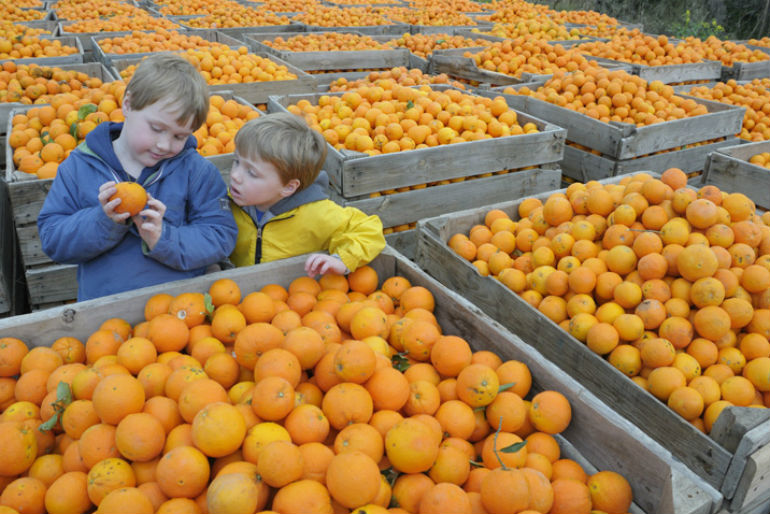
Late March, April, and May. The temperatures are pleasant, the aroma of orange blossoms is in the air, the light is beautiful, and there are fiestas (and bullfights) all over the region, including all the events during Easter Week, the April Fair in Seville, the fiesta of the Cruces de Mayo in Granada, and the Festival of the Patios in Cordoba.
In the fall, you’ll find similar weather and light, but few fiestas.
December is still warm enough for open-air sightseeing in Granada, Cordoba, and Seville (though the first two are at higher altitude and get chilly at night). Hotels are also more affordable in December, as it’s low season.
Worst Times to Go
January and February can be cold (though that is getting less predictable these days); July and August are very hot.
Biggest Rookie Mistakes
Visiting the Alhambra without getting your entrance ticket online first. Limited numbers of visitors are allowed in each day, and only during prescribed time slots, so tickets often sell out in advance.
Sightseeing at midday in summer, when it’s too hot to concentrate or enjoy the attractions. Instead, get up early while the temperatures are still manageable, then return to your hotel for a siesta.
Word of Warning
These days, all flamenco shows are touristy; not all of them are of high quality. Virginia will see to it that you see one of the best. If you’re booking a trip yourself, ask a local for a recommendation.
Instagram Moments
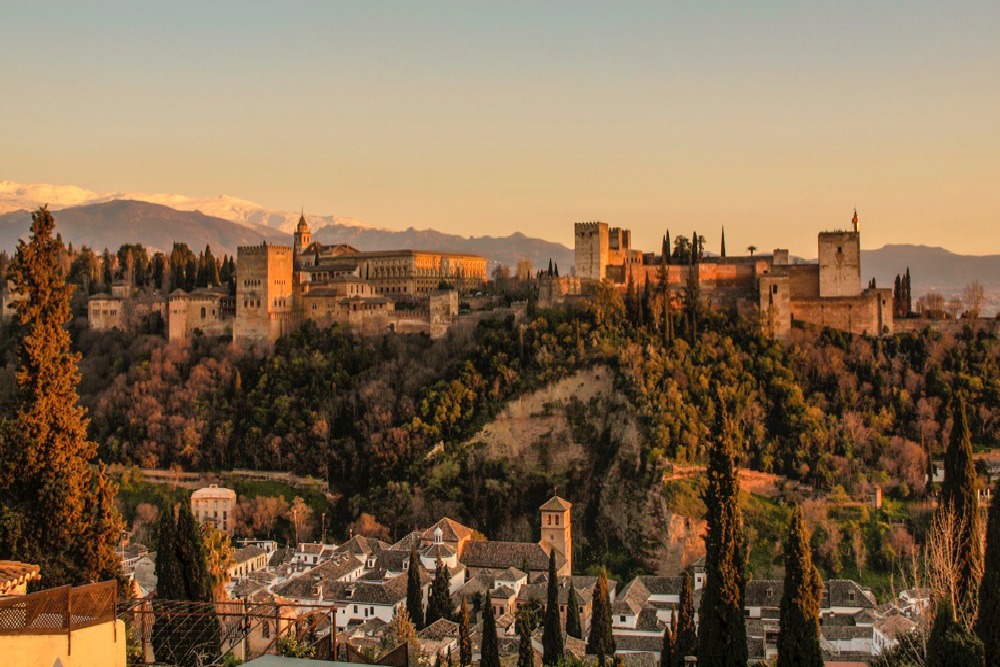
In Granada, the sunset photo of the Alhambra, from the Mirador de San Nicolas in the Albaycin quarter, is iconic—for good reason.
In Baeza, shoot the Guadalquivir Valley from the paseo where the town’s ancient walls once stood; you’ll get a flawless view of this incredible valley of wide vistas and countless olive trees.
Downtime
Spend an afternoon in Seville walking or biking through the exhibition areas built for the 1929 Latin-American Exposition (a kind of world’s fair), which are partially located within María Luisa Park. Many of the expo’s extravagant pavilions still stand, repurposed as museums or consulates.

Stay in the Know With Our Newsletter